






Read ash brown hair colour as a tone
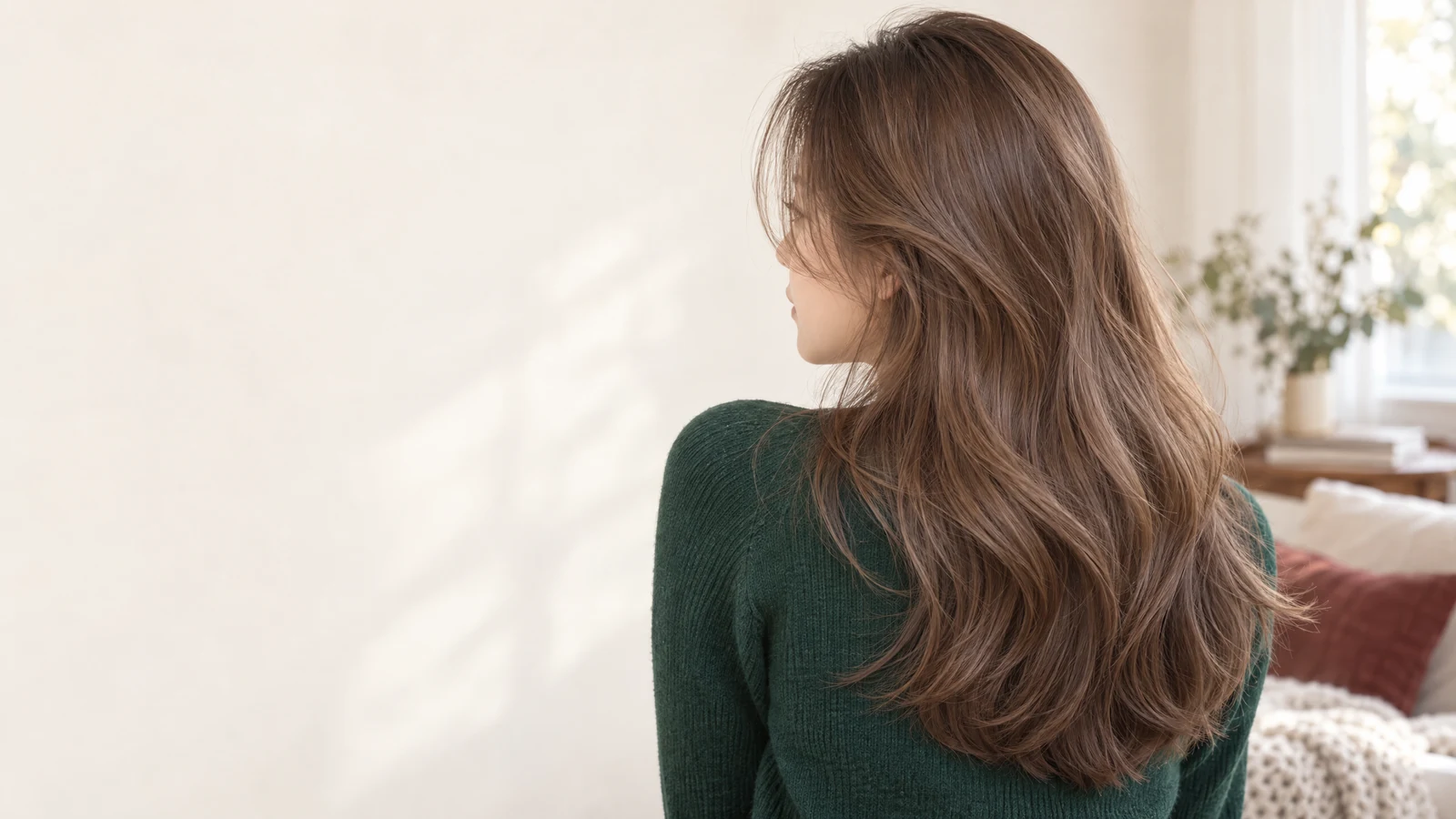
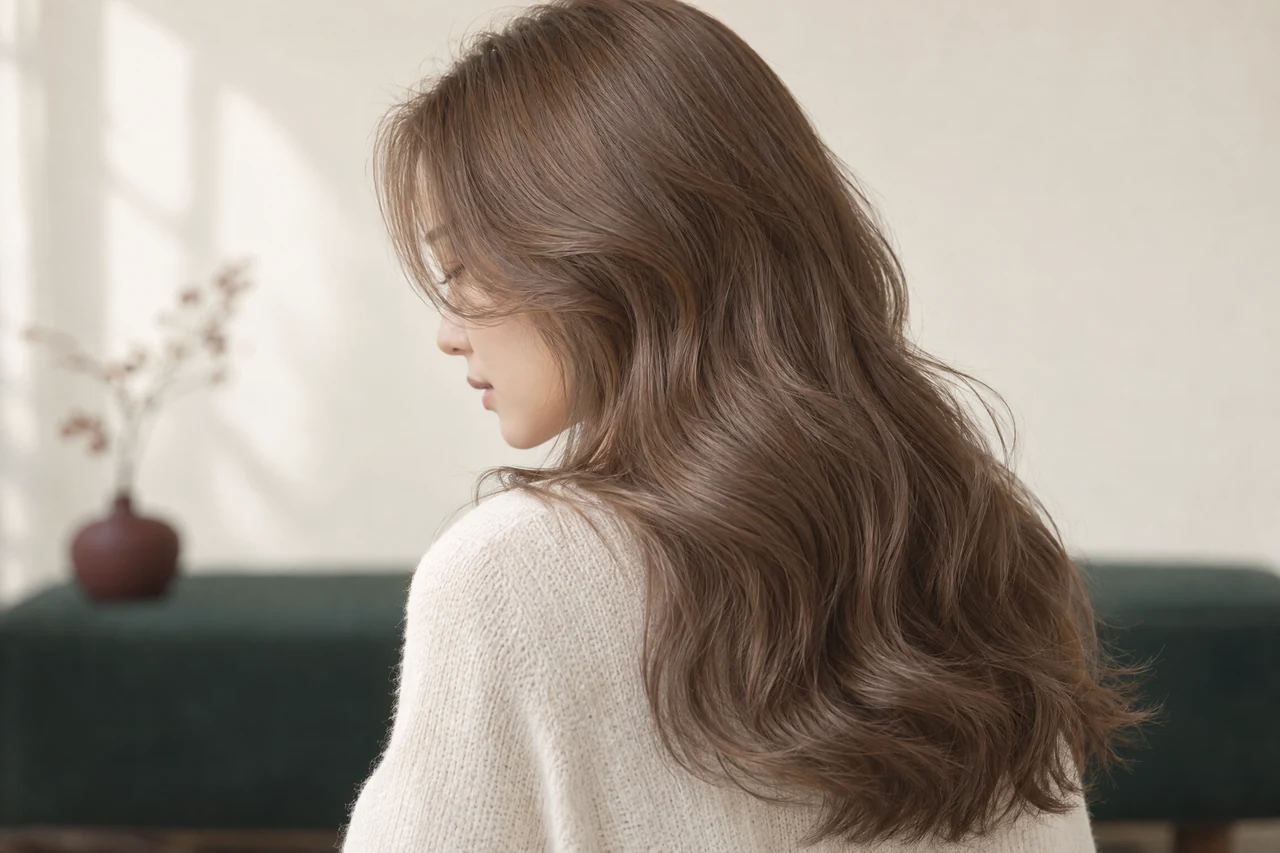
Cool brown hair colour describes a less warm-looking brunette direction. Dark ash brown hair can retain depth, while light ash brown hair asks for a visibly brighter base. The ash label does not describe grey coverage and cannot establish whether lightening is needed. Judge how pale the reference looks in ordinary light as well as how cool its reflection appears.
Think of ash as the reflection you prefer within the brown, not as a request to remove all brown character. You might want a deep brunette that looks less reddish when you turn towards a window, or a more visibly smoky finish through the lengths. Those are different targets. Point to the part of a reference you like and explain whether its darkness is just as important as its coolness.
Wella's guide to ash brown hair colour describes a cool brunette with smoky, muted hues and shows both deeper and lighter interpretations. This is useful vocabulary for a consultation, not a formula recommendation for your hair. A shade name alone does not tell a colourist what is already present beneath the colour you can see.
Ash brown hair colour is not grey coverage
A cool-looking brown and covering natural white strands answer separate questions. If you have grey hair around the temples or parting, explain whether you want those strands hidden or still visible within a softer blend. Then describe the ash reflection you like. For the coverage goal itself, explore grey coverage rather than assuming that a grey-sounding shade name provides the result.
What beige brown hair colour adds to the comparison
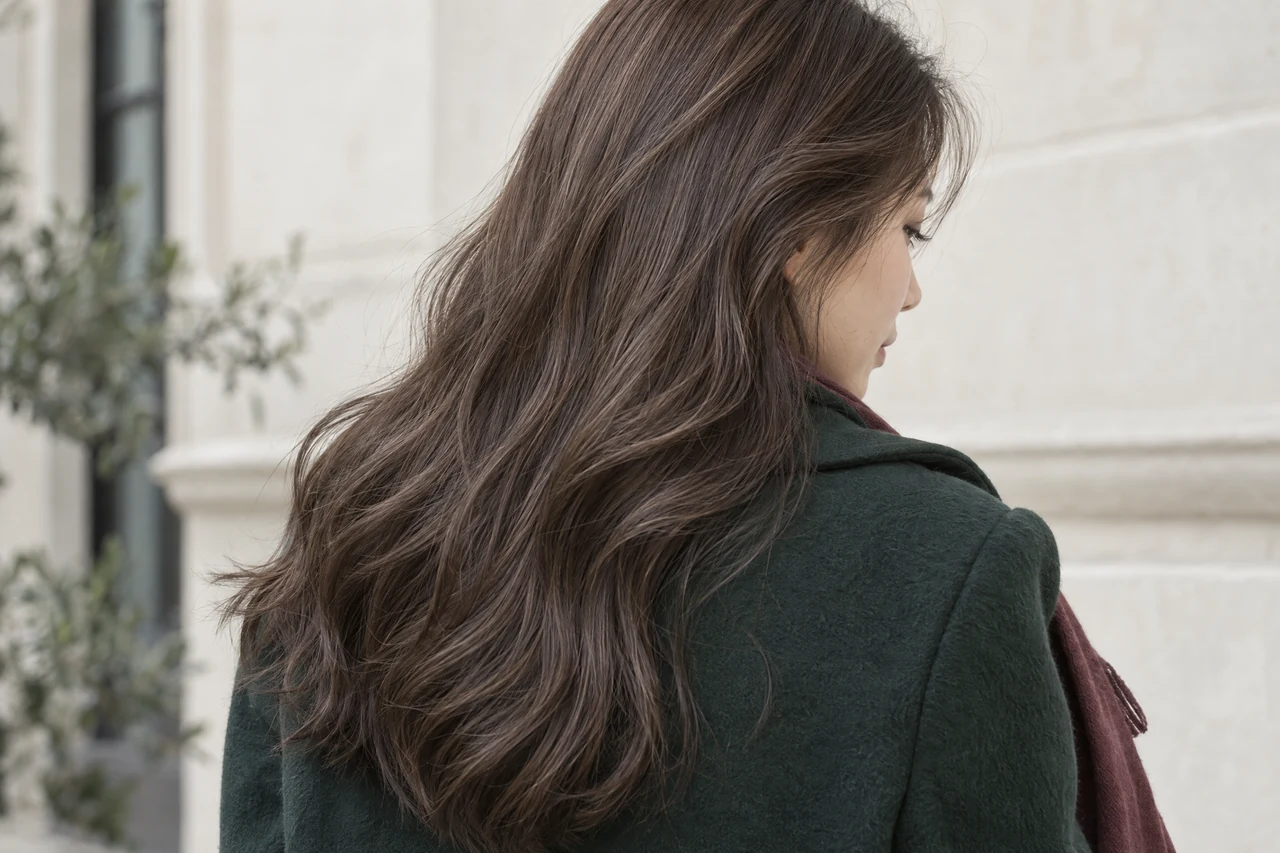
Beige brown hair colour is useful when you prefer a softer balance between warmth and coolness. Neutral brown hair colour does not mean no undertone at all; the impression can change with lighting and the existing base. A very pale beige image may still require a different starting condition from a deeper, balanced brunette finish.
Beige can be a helpful description if you like a muted brown but find a strongly silver-looking reference too cool for your taste. Look for a brown body colour with a restrained creamy or sandy reflection. The important detail is what you want to keep: some warmth, a clear brunette depth, or a gentle lightness around the face. Saying that you want softness is a starting point; identifying its visible features makes it actionable.
Compare ash and beige references at similar brightness before choosing between them. Otherwise, you may be choosing the lighter photograph rather than the more neutral tone. A beige image with bright ends can feel airier than an ash image with deep lengths, even if you prefer the cooler reflection. Separate those preferences so you do not accidentally ask for more lightening than you intended.
Continue with warm vs cool brown hair colour for that specific comparison and the preparation questions it raises.
Beige brown hair colour and neutral-looking reflection
Check your favourite reference beside the clothes and makeup you actually wear. A softly balanced brown may be appealing with your work wardrobe, while a smoky brown may create a contrast you enjoy. Neither choice needs a rigid skin-tone rule. Tell the colourist which reflection feels comfortable near your face, and distinguish that preference from the brightness you want through the back and ends.
Separate the desired depth from the cool effect
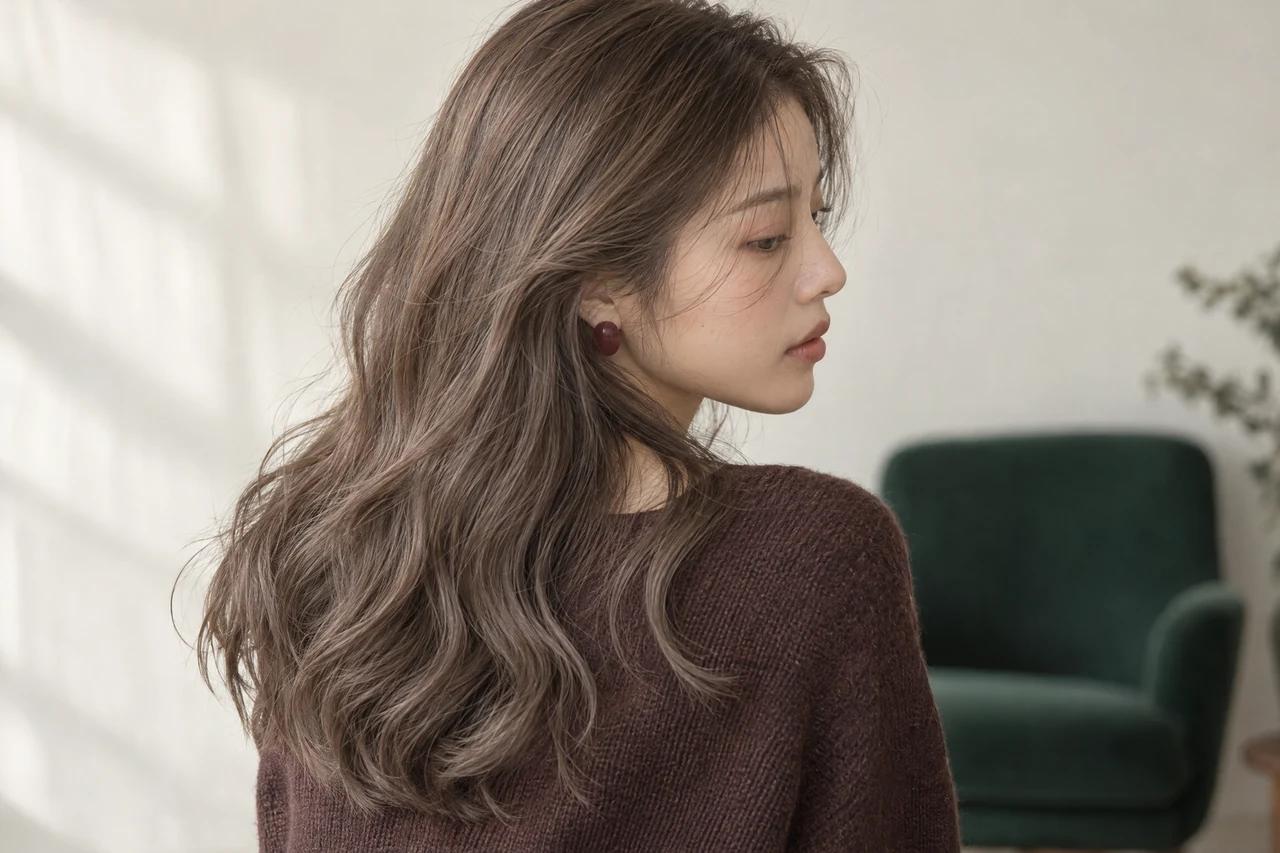
A filtered or brightly lit image can exaggerate a smoky effect and obscure the true base. Look for roots, shadows and an unfiltered reference before deciding how light you want to go. If avoiding bleach matters, discuss a deeper cool-looking option without assuming it can reproduce every pale grey-brown detail in the photograph.
Begin with the darkest visible area, often near the roots or beneath the outer layers. Then look at the middle of a broad hair section rather than only the shiny edge of a curl. Finally, note where the palest parts begin. A dark base with light cool strands is not the same design as an all-over light ash brown. The overall impression can look similar in a cropped photo while the distribution of colour is quite different.
The American Academy of Dermatology's colouring advice explains that substantial lightening can involve more damage than staying closer to the natural shade. This supports discussing the brightness change and hair condition together. It does not determine whether your particular reference needs bleach; that requires an assessment of your starting hair and previous processing.
Continue with what hair colours can i get without bleaching for that specific comparison and the preparation questions it raises.
A smoky photograph may hide the brightness requirement
For a Sheung Wan consultation, bring the original image if available rather than a screenshot with another filter added. Include a reference that shows the hair away from direct sunlight. Explain whether pale ends are essential or whether a deeper, less warm brunette would satisfy you. If the cool effect is your priority, preserving more depth may be a useful alternative to discuss, without promising the same silver detail.
Plan how the tone may change after colouring
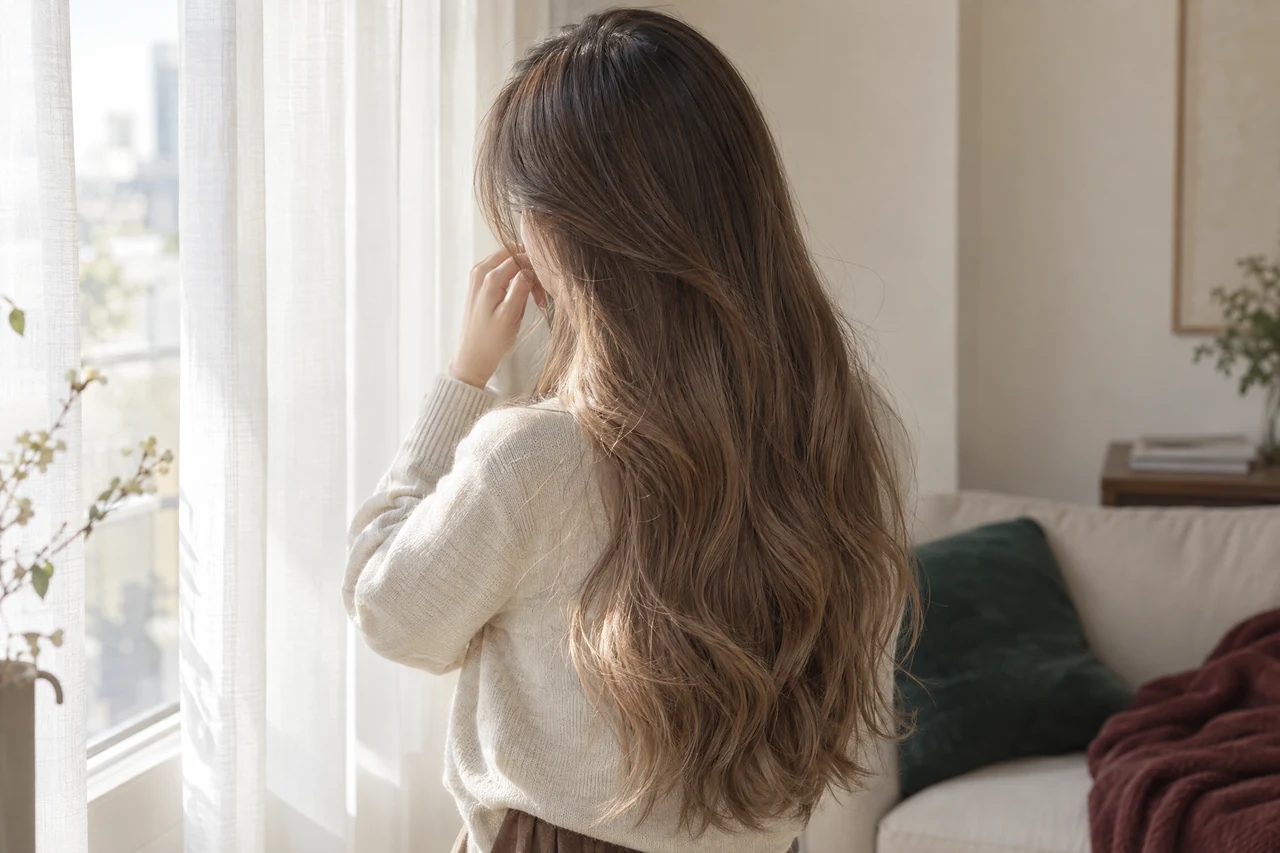
The reflection you first see need not remain unchanged as colour fades. Share how much warmth you would be comfortable seeing later and ask about care suited to the actual colour process. A cool target is not a promise of permanent ashiness, and no universal wash count or refresh interval can be inferred from the shade name.
Before choosing a very smoky finish, consider what would bother you most later: a warmer reflection, a visible root contrast, or a loss of softness in the lengths. These concerns call for different conversations. A tone refresh addresses reflection, while new growth changes the root-to-length relationship. Ask which change the proposed plan is intended to manage instead of treating every future appointment as an all-over colour repeat.
Keep a simple photo record in similar lighting when you notice a change. Hair that looks warmer under a restaurant lamp may not have changed as much as the photograph suggests. For everyday care, the AAD recommends protecting coloured hair from the sun, including wearing a wide-brimmed hat outdoors. Pair the actual service instructions with appropriate hair care for colour-treated hair, rather than choosing a strong colour-depositing product solely because the label says ash.
Maintenance is part of the colour choice
Mention regular swimming, frequent washing after exercise, outdoor weekends and any long trip that limits follow-up visits. You do not need to change your whole routine to fit an inspiration image. Instead, ask how that routine affects the proposed shade and care plan. Discuss whether a deeper brown or a softer neutral reflection would feel more comfortable as the initial tone changes.

Bring a hair history that explains your starting brown
Describe the roots, middle lengths and ends separately if they have different histories. New growth, previously dyed brown and old lightened sections should not be treated as one uniform starting point. Tell the colourist about salon colour, home dye and past red or copper shades, even if those colours are no longer obvious. Include straightening or perming treatments that remain on the lengths.
A pale reference is especially worth discussing if your current brown comes from repeated dark colouring. Ask whether the first priority should be a tone adjustment, a depth change or an assessment of uneven areas. Previously lightened ends also deserve attention before adding more cool colour. The sensible next step is to examine those sections, not to select a stronger ash shade from a photograph.
Record the names or packaging of products you used where possible, and share any previous reaction separately from your colour preference. Ask what testing or preparation applies to the proposed products before arranging the service. Having coloured your hair before is useful history, but it is not a reason to omit that conversation.
State your non-negotiable before selecting the shade
If preserving length, avoiding bleach or keeping the root contrast subtle matters most, say so early. Rank that requirement ahead of the exact tone in a saved image. This lets you compare a realistic deeper option with the pale reference and decide whether the compromise is worthwhile. A clear boundary helps the consultation produce a useful colour direction rather than a vague yes or no to ash brown.
Turn the reference into a clear colour enquiry
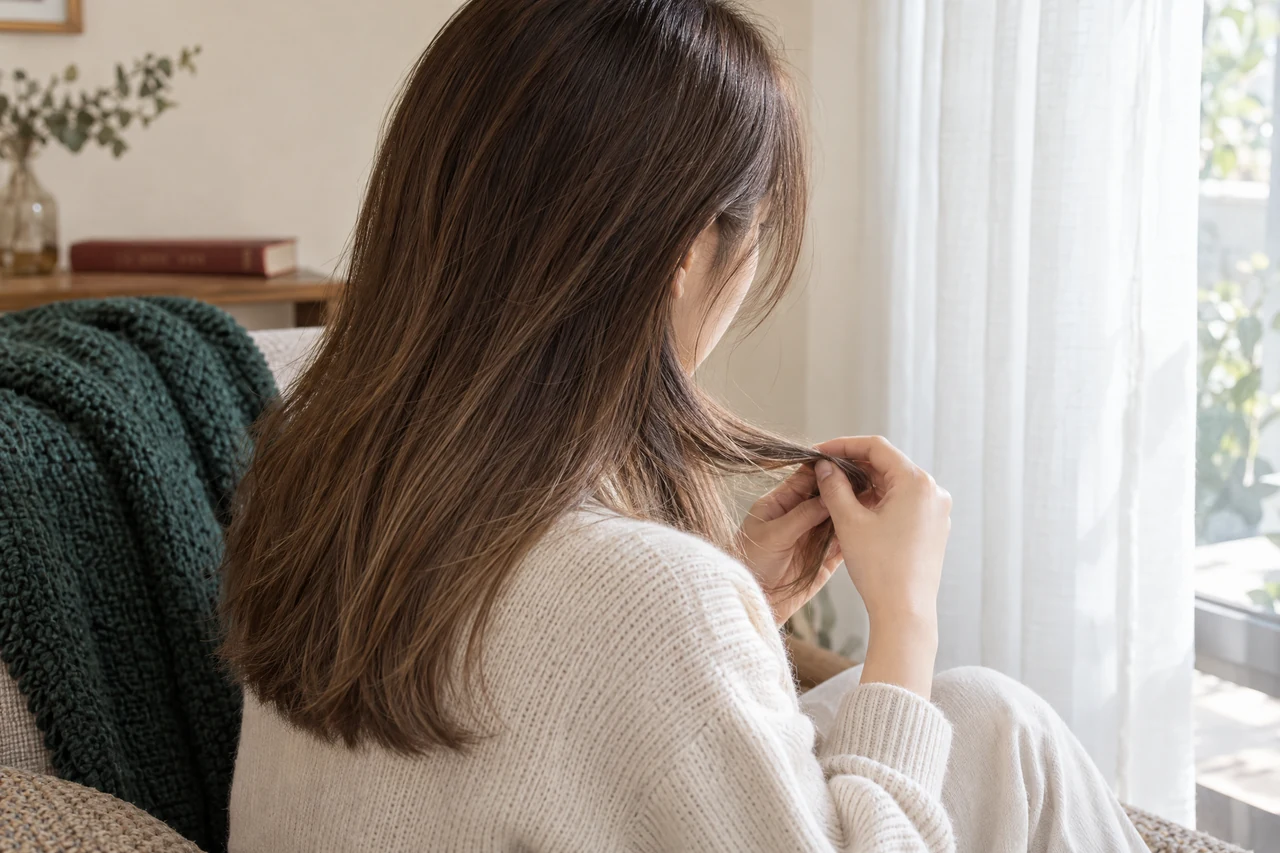
A useful enquiry combines your current hair photo with a target and a limit. For example, describe whether you want to remain visibly brunette indoors, reduce red-looking reflection in daylight, or add softly beige areas without an obvious bright frame around the face. These are preference statements you can adapt to your own hair, not promises that every starting colour can reach them.
Use the 6-step checklist below to prepare your ash or beige brown enquiry. It keeps the desired reflection separate from the brightness change and helps you ask about the scope of work. Ask whether the quote includes lightening, toning and any additional care that is proposed. General tinting and a pale colour transformation should not be assumed to have the same service scope simply because both are described as brown.
Review hair colour to check its service scope and the details to share before arranging the related work.
Use clear descriptions across English spellings
An inspiration board labelled ash brown hair color or beige brown hair color uses the American spelling; it does not establish a different shade from colour. More useful details are deep versus light, smoky versus softly balanced, and all-over versus selected brighter areas. Keep those descriptions in your enquiry so the conversation follows the look you want rather than the wording attached to an online image.
Ash and beige brown choices: compare depth, reflection and the question to ask
| Colour direction | What to observe | What to ask before choosing |
|---|---|---|
| Deep ash brown | A substantial brunette base with a restrained cool reflection, not necessarily visible silver | Can the desired coolness be approached while retaining the depth I like? |
| Light ash brown | Clearly brighter lengths as well as a smoky reflection; check the shadowed sections | What preparation would this brightness require on my current hair? |
| Deeper beige brown | Brown body colour with a soft balance rather than a strongly golden or grey appearance | How much warmth would remain visible in ordinary daylight? |
| Pale beige brown | A lighter base with a muted creamy reflection; the beige name does not explain the process | Are the pale areas essential, and how would my existing colour affect them? |
| Cool or beige strands on a dark base | Separate brighter pieces rather than the same lightness throughout the head | Where would the lighter areas show with my usual parting and when my hair is tied? |
Your preparation checklist
- Choose a reference that shows both the brightest areas and the hair in shadow, preferably without an added filter.
- Decide whether you want to stay deep brunette, become lighter overall or brighten only selected areas.
- Identify the reflection you prefer: less red, more smoky, or a softly balanced beige with some warmth retained.
- Summarise previous colour and chemical treatments, noting any difference between roots, middle lengths and ends.
- State your main limit, such as avoiding bleach or preserving length, and describe your washing, outdoor and travel routine.
- Ask about the proposed work, product-related preparation, likely tone changes and quote inclusions before confirming an appointment.
Frequently asked questions
Is ash brown the same as dyeing grey hair?
No. Ash refers to a cool colour direction. Covering or blending natural grey is a separate goal that depends on grey distribution and the contrast you want.
Is beige always lighter than ash brown?
No. Both names can be used at different depths. Compare actual references under similar lighting rather than treating the labels as a fixed brightness scale.
Can a cool brown stay cool indefinitely?
No such promise follows from choosing a cool shade. Discuss how the proposed tone may change and what care or future review is appropriate for your hair.
Find an ash or beige brown direction that fits your starting hair
Send Vit So a current hair photo, your preferred reference and the depth you want to retain. Include your colour history and any no-bleach preference when enquiring about a visit in Sheung Wan. Ask about the proposed process, care and quote before deciding. An enquiry starts that discussion; it is not a confirmed booking.
Start your WhatsApp enquirySources & further reading
- 8 Ash Brown Hair Color Ideas for a Cozy, Cool-Toned Brunette
Cool, smoky ash brown vocabulary and examples showing that ash brown can be interpreted at different depths.
- Coloring and perming tips for healthier-looking hair
The relationship between substantial lightening and hair damage, and sun protection advice for coloured hair.



