






Define the Goal for Hair Extensions for Fine Hair
Hair extensions for volume can focus on the visible thickness of the ends without changing your chosen length. Hair extensions for length add a different challenge: the transition and total amount of added hair. Show the area that looks sparse to you and state which length you want to retain. This gives a more useful starting point than asking for maximum fullness.
Look at your hair in its ordinary dry state, rather than only after a curled salon finish. You might like the length but dislike how the ends separate against a light shirt. Alternatively, your loose hair may look balanced while your ponytail feels visually narrow. These observations lead to different design questions. Describe the outline you want to change and the styles in which that change should be visible.
Fine refers to the thickness of individual strands; density concerns how much hair occupies an area. A person can have fine strands with plenty of overall hair, or fine strands with limited coverage around a proposed attachment. Avoid treating every visible parting as a request for longer ends. If the main concern is scalp coverage, ask whether an extension design can address that location at all before discussing length.
Review hair extensions to check its service scope and the details to share before arranging the related work.
Hair Extensions for Fine Hair Need a Specific Fullness Target
Bring a reference showing the end thickness you like, then explain what you do not want to change. Saying that your hair should still finish at the collarbone but look less wispy at the back is more actionable than asking for thick hair. State whether your priority is wearing it straight, making a low ponytail look fuller or balancing the sides. A reference is a direction for discussion, not proof that your own hair can support the same result.

Ask Which Hair Can Support the Attachment
The best extension choice for fine hair depends on the hair available to support it, attachment placement and the amount being added. A small attachment does not remove the need to consider weight and tension. Discuss any fragility, previous processing or discomfort history, and ask whether a more modest change or a non-extension option would be more appropriate.
Separate support from concealment during the consultation. Support concerns the natural hair carrying the added hair. Concealment concerns the hair lying over the attachment when you part, tuck or tie your style. A proposed location might be discreet when your hair is down yet become exposed in your usual ponytail. Ask to discuss both conditions instead of relying on a single finished photograph.
The American Academy of Dermatology's guidance on weaves and extensions explains that repeated pulling can cause traction alopecia, a form of hair loss that can be permanent. It also says pain or a headache during fitting means the style is too tight and the affected area should be loosened. Report discomfort while work is happening; it is not a normal milestone to endure for a fuller outline.
Continue with do hair extensions damage natural hair for that specific comparison and the preparation questions it raises.
There Is No Universal Best Method for Fine Strands
When asking which hair extensions are best for fine hair, request an explanation tied to your proposed placement and amount. Why is that part of your hair suitable to carry it, what material fixes it, and how will it be removed? A tiny ring, a flat attachment or a fine bundle describes a component, not the complete load. For a wider comparison, consider how to choose a hair extension method alongside your wash routine and the hairstyles you need to keep.

Keep Your Current Length if Fullness Is the Priority
A volume-only plan may use added hair shaped to the existing length rather than extending the whole outline. Whether that is workable depends on attachment suitability and the blend. Compare the result you want at the ends with the care and fitting involved; retaining the length does not mean the attachment itself has no effect on daily wear.
Keeping the end line gives the design a clear boundary. Added hair can be discussed in relation to the parts that look transparent or uneven instead of creating a new long silhouette. Ask where the extra fullness would sit when your hair falls naturally. The aim may be a stronger outline at the back, but simply placing more hair everywhere could produce width you did not request.
Agree on the trimming boundaries before fitting. Blending added hair to your current length is not permission to remove substantial length from your natural hair. Discuss whether existing layers will remain, whether any thin ends should be tidied, and which hair would be cut. Also compare colour and texture when dry: a denser end line will not feel convincing if the added hair has a different fall from the surrounding strands.
Added Hair Can Be Shaped to the Existing Outline
Check the proposed outline from the back and each side, then consider your ordinary parting and a loose tie-back. A fuller ponytail should not be assessed only with the hair hanging down. Ask which tied styles would expose or pull at the attachments, and whether a different placement or smaller goal is needed. Volume-only is a design objective, not a promise of invisible attachments or effortless maintenance.

Compare Added Hair with Styling-only Options
A change in cut, parting or styling may alter the impression of fullness without an attachment. Compare what each option can change and what it cannot. If the concern is a sudden change in density or a scalp symptom, seek appropriate healthcare advice rather than treating an appearance consultation as diagnosis or a hair-regrowth service.
If your concern is a wispy outline, discuss whether preserving more weight at the ends would suit your preferred length. If it is flatness near the roots, a styling demonstration may be more relevant than adding hair below that area. These options change the arrangement or shape of existing hair; they do not create new density. Ask to see a finish that you could realistically reproduce rather than comparing extensions with an unusually elaborate blow dry.
The confirmed price for a women's wash, cut and blow dry is HK$480. This is a useful starting point when comparing a cut-based alternative, not a quote for extension fitting or a combined package. Ask separately about any applicable length surcharge and the work included. For an extension proposal, request the initial fitting scope together with blending, checks, removal and any later refitting costs before deciding.
Review volumising hair styling to check its service scope and the details to share before arranging the related work.
A Fuller-looking Shape Does Not Always Need Extensions
Try to identify the smallest change that would satisfy you. Changing a parting may shift the visible balance; a considered cut may strengthen an end line; a temporary styled finish may meet an occasion-specific goal. None is interchangeable with adding actual hair. The British Association of Dermatologists' traction alopecia leaflet notes that soreness, itching and increased flaking can accompany traction-related hair loss. Such symptoms call for healthcare advice, not an assumption that adding coverage solves their cause.

If You Want More Length, Reassess the Whole Outline
Moving from a fullness request to a noticeably longer style changes the brief. The existing ends now sit within a longer silhouette, so their thickness and layers need to connect with the added hair below. Ask to compare a modest length change with your ideal length. Do not assume that a design considered for fuller ends can simply be extended without reviewing the amount, placement and supporting hair.
A waved reference can make the transition look softer, but your everyday straight finish may reveal a different outline. Explain whether you are willing to style waves regularly. If not, use straight-hair references and ask what blending would be needed. A shorter achievable target may be preferable to a dramatic length that requires more added hair or a daily finish you do not want to maintain.
Decide Which Compromise You Would Accept
Rank your priorities before agreeing to work: keeping natural length, having fuller ends, gaining length or retaining a particular tied hairstyle. If these goals conflict with support or coverage, decide which can change. Reducing the proposed length, limiting the added fullness or staying with a cut-based option are meaningful outcomes of a consultation. There is no obligation to choose extensions simply because you began by asking about them.
Plan Daily Wear and Removal Before Fitting
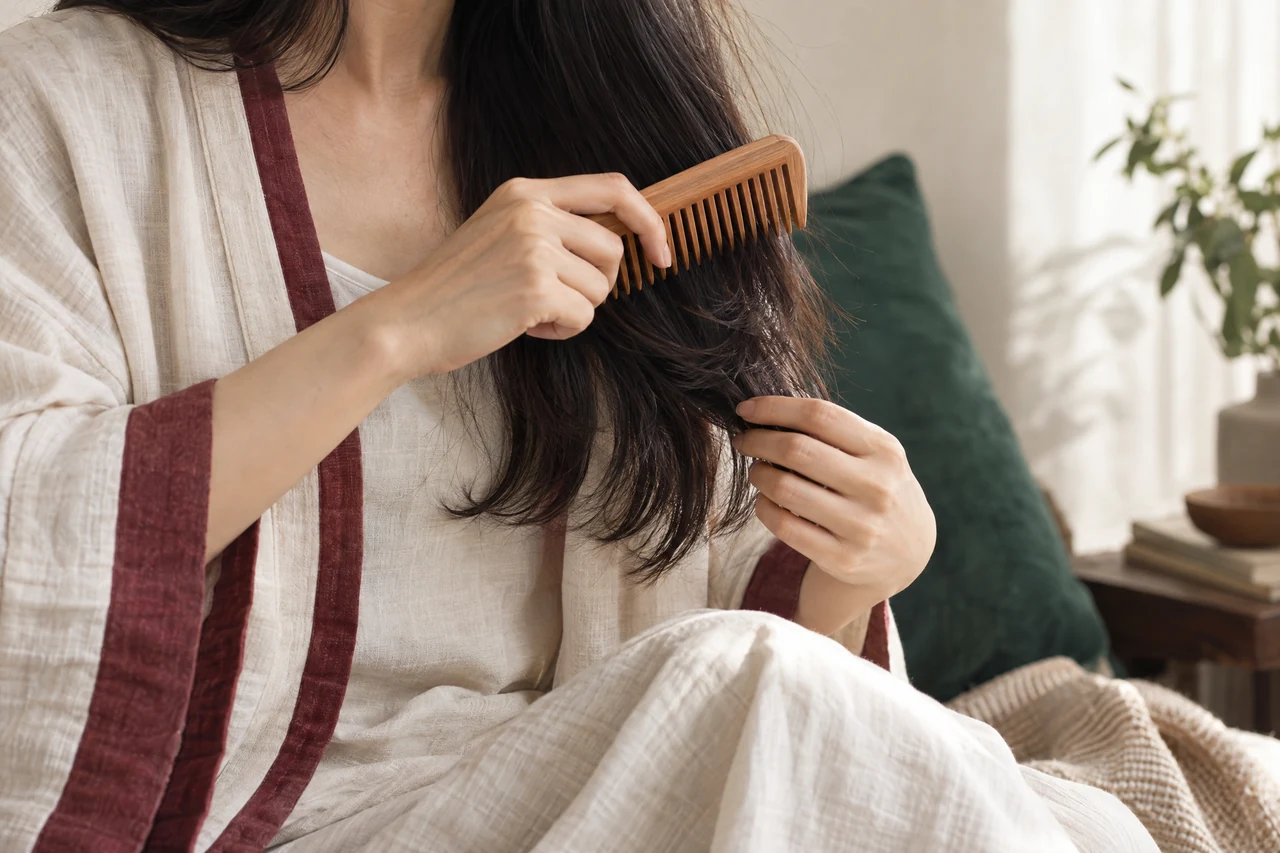
For fine hair, the care commitment belongs in the decision rather than at the end of the appointment. Describe how often you wash, whether you exercise before work and how much time you have to dry and organise your hair. Ask for instructions specific to the attachment, including where products may be used, how to detangle without pulling through a snag, and how to recognise a change that needs professional attention.
Review hair extension aftercare before committing to a design, so you can compare the required brushing, washing and sleep arrangements with your existing routine. Request a demonstration around the actual attachment rather than assuming your familiar brush and products are suitable. Also agree on the removal process; avoid improvising by pulling, cutting or treating an unfamiliar fixing at home.
Build in Checks Rather Than Waiting for Discomfort
Ask when the proposed fitting should be checked and what would prompt an earlier review. The AAD recommends taking breaks from extensions, so discuss a plan that includes time without them rather than automatic repeated fitting. New pulling, persistent discomfort or visible breakage should change the plan, not lead to more hair being added. For a Sheung Wan enquiry, bring the information in the checklist below so the discussion covers both the appearance you want and the routine you can sustain.
Compare fullness and length goals before choosing an attachment for fine hair
| Option | What it aims to change | Main decision point |
|---|---|---|
| Volume at the existing length | A more substantial end line or selected side and back contours | Can suitable supporting hair and coverage accommodate the proposed amount? |
| Fullness with added length | A longer silhouette with a transition from existing layers | Does the blend work in your everyday texture without exceeding suitable support? |
| Cut-based shape adjustment | The distribution of existing hair and the visible end line | Can you accept the proposed trim while retaining the length that matters to you? |
| Styling-only finish | Temporary lift, movement or a different parting | Can you reproduce the finish, and is temporary visual fullness enough? |
| Healthcare assessment before appearance work | Clarification of a new density change or scalp symptoms | Keep diagnosis separate from an extension or styling consultation. |
Your preparation checklist
- Photograph your ordinary dry hair from the front, sides and back in consistent light; include your usual parting and loose ponytail if you wear one.
- Name the area you want fuller and mark the length you want to retain, distinguishing end thickness from scalp coverage or extra length.
- Record previous bleach, colour, straightening, perming and extension wear, including any breakage, soreness or removal difficulties.
- Bring references in the texture you normally wear and identify which features are essential rather than requesting the entire photographed look.
- Explain washing, exercise, headwear and tied-hair habits, then ask for an attachment-specific care demonstration and review plan.
- Request an itemised scope covering fitting, blending, maintenance and removal; compare it with a cut or styling alternative before agreeing.
Frequently asked questions
Can hair extensions add volume without length?
A volume-focused plan may keep the existing length by shaping added hair to it. The attachment, supporting hair and blending still need assessment; this is not suitable for everyone.
Are fine hair and thinning hair the same concern?
No. Fine describes strand thickness, while a change in density is a different issue. Explain what you observe, and seek healthcare advice if the change is sudden or accompanied by symptoms.
Should I choose the smallest attachment?
Not on size alone. Total weight, placement, the supporting hair and the care routine are more useful comparison points than a small-component claim.
Discuss Fuller Ends Before Committing to More Length
Enquire with Vit So in Sheung Wan about the outline you want to improve. Share your current hair photos, preferred retained length and treatment history so the conversation can compare extension suitability with cut or styling alternatives. Ask for the proposed scope and ongoing care arrangements; an enquiry is not a confirmed booking.
Start your WhatsApp enquirySources & further reading
- How to prevent hair damage from a weave or extensions
Repeated pulling, pain and headache during fitting, natural-hair care and breaks from extension wear.
- Traction alopecia
Constant pulling as a cause of traction-related hair loss, extension-associated tension and possible scalp symptoms.



