






Compare chocolate brown hair with the current base
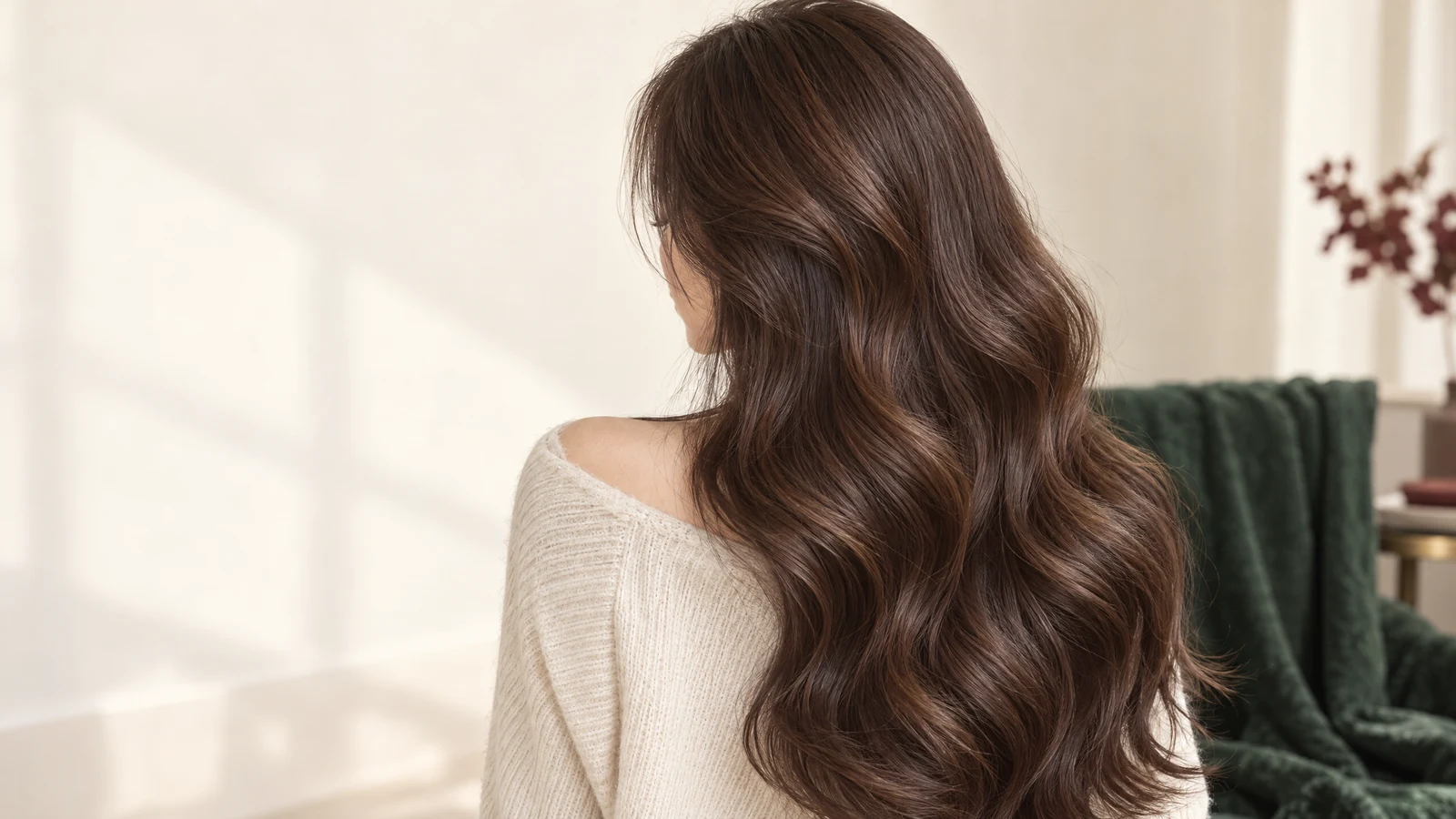
Chocolate brown hair usually suggests a rich brunette impression rather than one universal shade. A photograph may look deeper in shadow and warmer under bright light. Mocha brown hair colour is another useful reference label, but neither food-inspired name specifies a product or formula. Describe the depth and reflection you actually see rather than expecting the label to be enough.
Start with the darker areas of your reference, not its brightest shine. Look near the parting, behind the ear and underneath the lengths. Does the hair still read as dark brown there, or does it look noticeably lighter than your own base? This tells you whether you mainly want a change in warmth or a change in overall brightness. A glossy wave can create a broad bright band without showing how light the whole head actually is.
The range in Wella's chocolate brown colour guide includes light, dark, ashy and red-brown examples, as well as caramel and honey highlights. That variation is useful evidence of how widely the name is used. For your own reference, add a plain description such as 'deep brown, with gentle warmth and no obvious pale strands'.
Continue with brunette hair colour ideas for that specific comparison and the preparation questions it raises.
Chocolate brown hair is not a fixed depth
Mocha may suggest a quieter brown to you, while chocolate may suggest more warmth. Another person may use those words differently. Put the photographs side by side and identify what separates them: darker roots, a redder sheen or more visible light brown lengths. If you like the depth of one photograph but the reflection of another, say so. Those preferences can be discussed together without treating either label as a ready-made formula.
Identify chestnut brown hair colour warmth
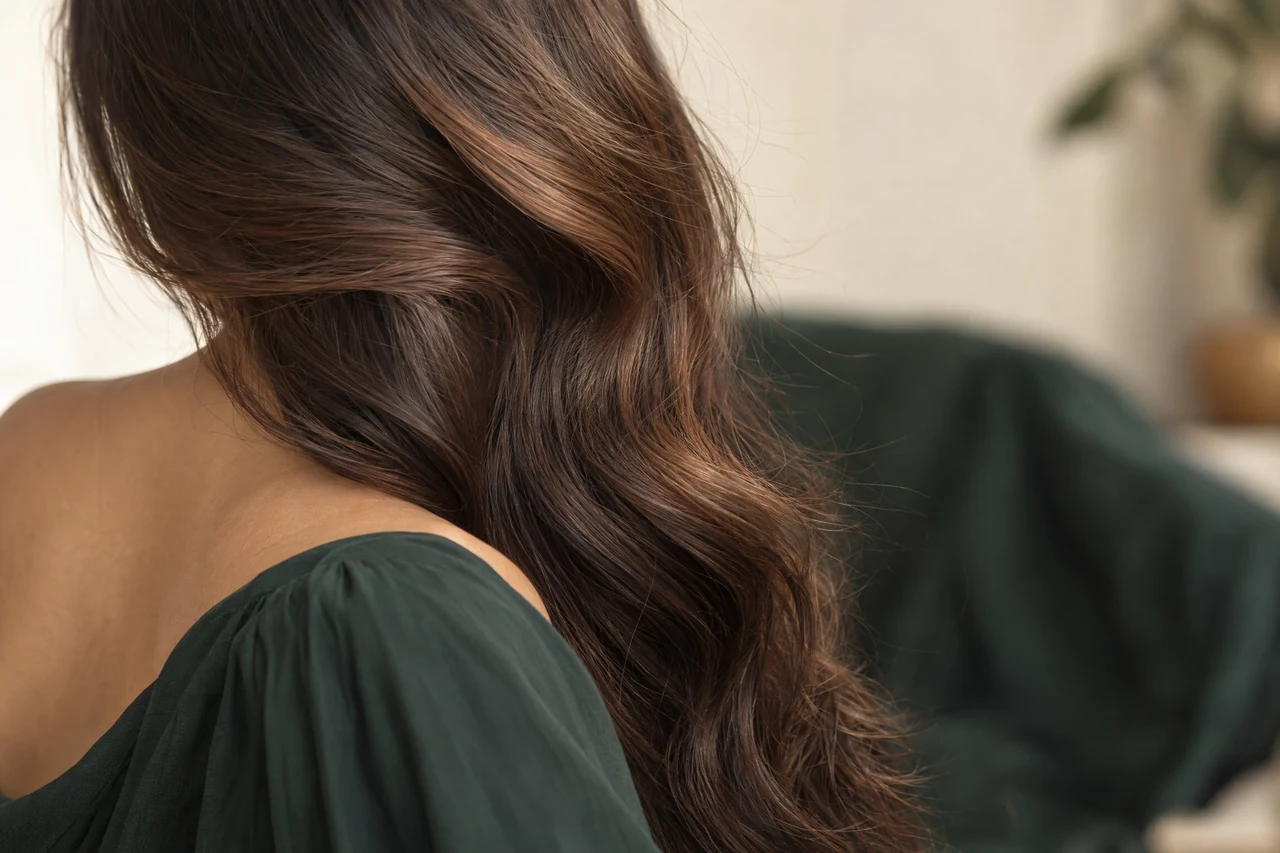
Chestnut brown hair colour can be a way to describe a warmer, reddish brunette direction. Cinnamon brown hair colour may suggest a more noticeable red warmth. Compare the images at similar depth before deciding which looks warmer; otherwise a brighter picture can make the difference seem larger than it is. Your actual base still needs assessment.
In Wella's chestnut brown guide, chestnut combines red warmth with brown tones. The same guide also includes golden and cooler chestnut examples. Rather than assuming chestnut always means a strong copper finish, ask whether the red should appear mainly in reflected light or remain clearly visible throughout the hair. These are different visual goals even when both references are described as chestnut.
A useful boundary is the point at which you stop reading the colour as brown first. If a cinnamon reference looks too red for everyday wear, keep it as a negative reference and identify the specific area you dislike. You might enjoy a warm chestnut sheen through the lengths but not an obvious reddish band around the face. Describing that limit helps make the comparison more precise.
Chestnut brown hair colour and a reddish reflection
Check that the warmer photograph is not simply lit by a stronger amber lamp. Compare the colour against a similarly neutral background and look at shaded strands as well as bright ones. Existing reddish lengths matter too: changing their reflection is a different starting point from adding warmth to untreated dark hair. Wella notes that very dark or previously coloured hair may need pre-lightening for a particular chestnut target, so share that history before agreeing on the reference.
Caramel, honey and golden names describe different impressions
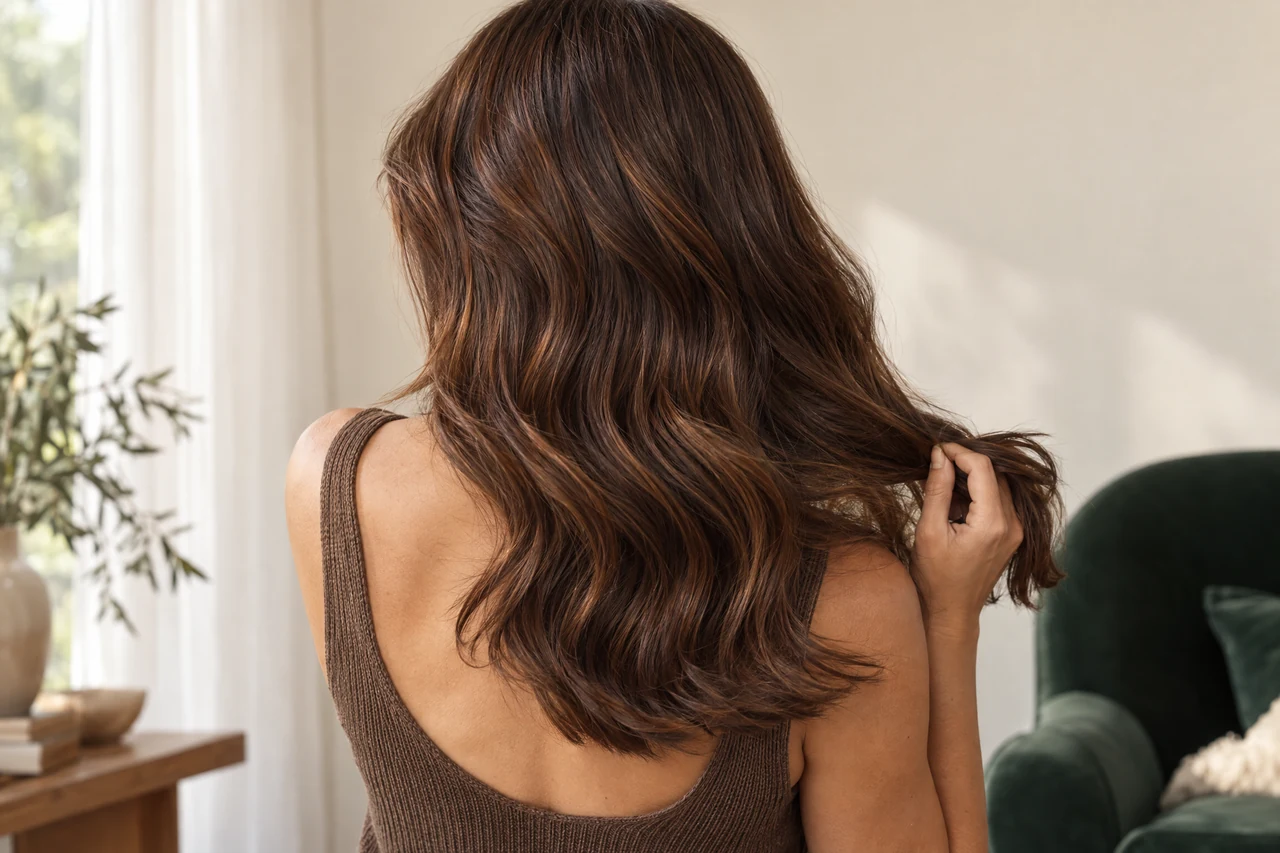
Caramel brown hair colour, honey brown hair colour and golden brown hair colour can help describe amber or golden warmth. Their names do not establish the same brightness, and a lighter-looking image may need a different starting base. Point to the reflection you like and say whether you want an overall brown finish rather than distinct lighter strands.
A caramel reference might show narrow amber ribbons against deep chocolate hair. A honey reference might have much lighter lengths, while a golden brown image might show a fairly even brown with a golden sheen. The words overlap; the distribution does not. Look at how much dark hair remains between the bright areas. A small amount of warm lightness can leave the overall impression brunette, whereas broad light panels can change the balance substantially.
If your favourite caramel reference contains separate lighter strands, review hair highlights to discuss their width, density and position rather than requesting an all-over shade by name. For hair worn straight, check whether those lines remain visible as distinct stripes. For hair usually tied back, include a reference showing the sides and underside, not only loose waves.
Separate golden reflection from lightness
Ask yourself whether you would still like the reference if its brightest strands were darker. If yes, the amber or golden direction may matter more than maximum lightness. If no, the contrast is probably an important part of the design. You can also prefer a golden reflection while wanting to avoid a reddish one. Pointing to individual areas in an image gives the consultation more useful information than adding several food names to the same request.
Make warmth a deliberate preference
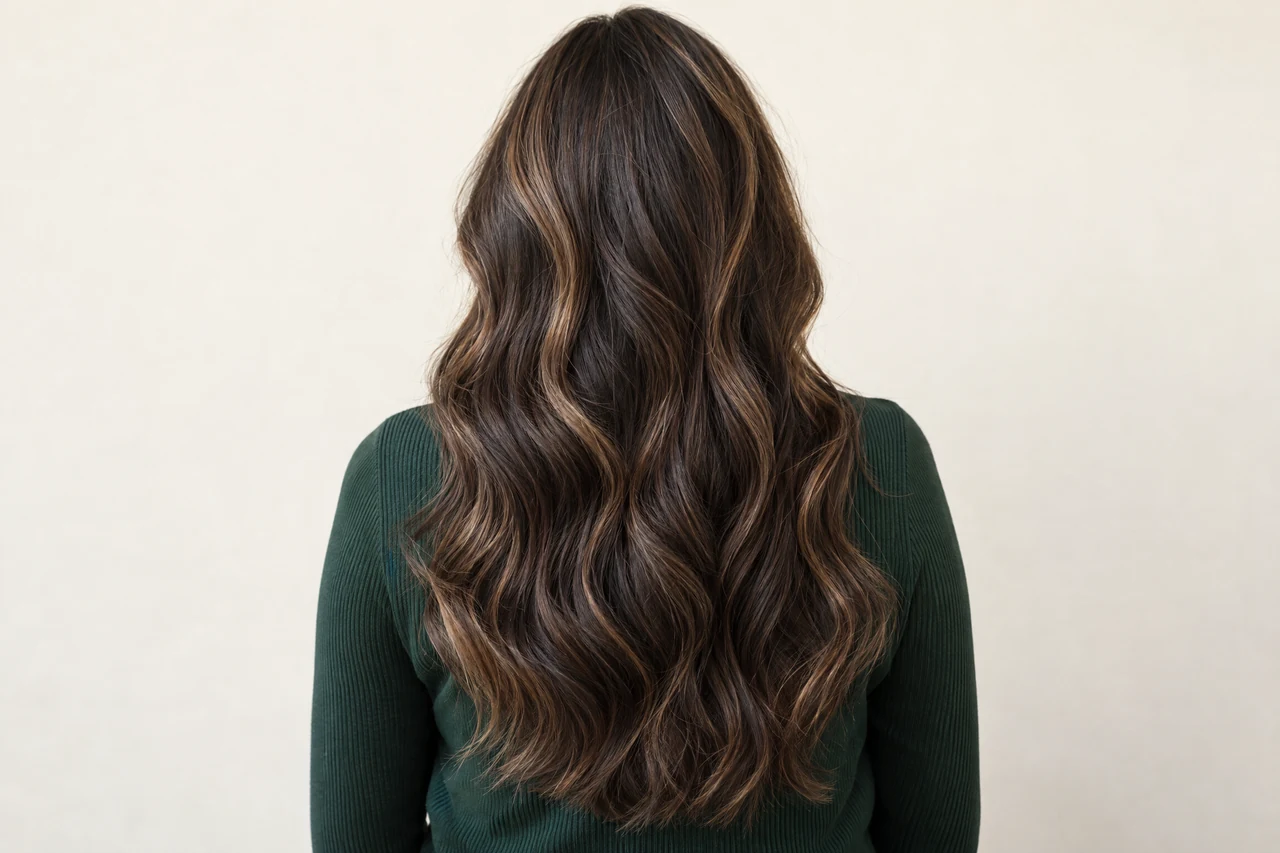
Choose two references that clearly differ in warmth and explain which feature you prefer. A reddish cast, a golden cast and a deeper neutral-looking brown are different visual goals. Your clothes and everyday lighting can help you judge the impression you enjoy; none of these shade families is automatically right for a particular person.
Consider where you will see the colour most often. A warm brown may look restrained at your office desk and more reflective beside a window or under restaurant lighting. If you want a subtle workday look, say whether warmth should remain soft indoors rather than asking for a shade that looks identical everywhere. Take current-hair photographs in soft daylight and ordinary indoor light, avoiding beauty filters, so both views can be discussed.
Continue with warm vs cool brown hair colour for that specific comparison and the preparation questions it raises.
Keep a comparison you like and one you do not
Use short annotations: 'keep this brown depth', 'less red than this', or 'golden strands only through the surface'. Include your usual neckline or jacket colour when checking the overall impression, but treat that as a personal preference test rather than a skin-tone rule. The comparison below describes directions to look for. It is not a shade chart, and the names should not be read as a guaranteed ranking from darkest to lightest.
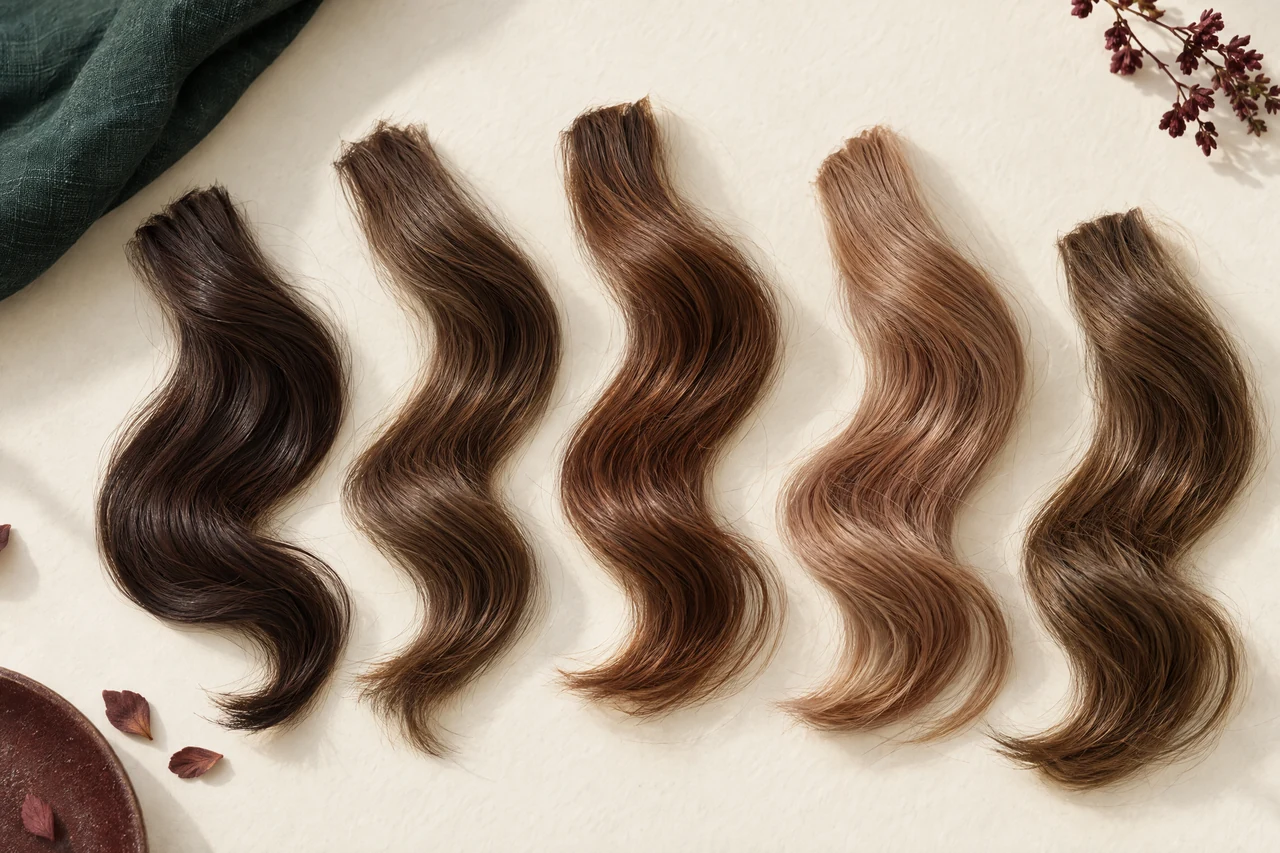
Turn the warm-brown reference into a service plan
Bring the discussion back to your roots, mid-lengths and ends. Tell the stylist about previous permanent colour, home dye, henna, lightening and chemical texture services, including areas that have been treated differently. A dark root with old lightened ends is not the same starting point as an even untreated base. Also mention visible white strands and whether you want them covered or left as part of the overall appearance.
Review hair colour to check its service scope and the details to share before arranging the related work.
The listed tinting price is HK$800–HK$1,000. That is a service range, not a quote for every chocolate or chestnut reference. Confirm whether the proposed work is tinting alone or includes separate lightening, highlights or tonal adjustment, and ask which length conditions apply. If avoiding bleach is a priority, make that clear at the beginning and discuss how much brightness you are willing to give up rather than assuming every warm brown can be reached the same way.
Agree on the change before choosing the technique
Finish the consultation description with a clear priority: preserve depth, add red warmth, add golden reflection or introduce lighter strands. Then identify your limit, such as no strong copper near the face or no broad pale panels. This makes it easier to discuss a practical alternative if the original photograph does not fit your current hair or planned upkeep. Confirm the proposed scope and quotation before arranging the work.

Keep the warmth you chose visible in everyday care
Judge changes using comparable photographs rather than a fresh salon blow-dry against a later bathroom selfie. Notice whether the whole brown looks lighter, whether a red or orange reflection is more apparent, or whether only the lightened strands have changed. Those observations describe different concerns. A warm brown becoming warmer than you like is not automatically a reason to remove every warm tone; the goal may still be a soft golden brunette.
The American Academy of Dermatology's colouring and perming advice notes that sunlight can leave hair dry, rough, faded and brittle, especially after colouring, bleaching or perming, and recommends a wide-brimmed hat outdoors. Include sun exposure in your care discussion if you spend weekends outside. Follow the instructions for your actual colour service rather than borrowing a maintenance routine from a different shade photograph.
Before choosing a warmer brown on the assumption that it needs little attention, compare low maintenance brown hair colour for the relationship between root contrast, lighter strands and ongoing colour changes. Ask which change should prompt a follow-up and which home products fit the finish you want. Do not automatically choose a strong cooling product if gentle red or golden warmth was part of your original preference.
Bring specific observations to a colour follow-up
A useful message explains where the change appears and under which light: for example, warmer ends beside the window while the roots still look close to the original depth. Send an unfiltered photograph of the whole head as well as the area of concern. Mention any home colour products used since the appointment. This gives a clearer basis for advice than saying only that the chocolate shade has disappeared.
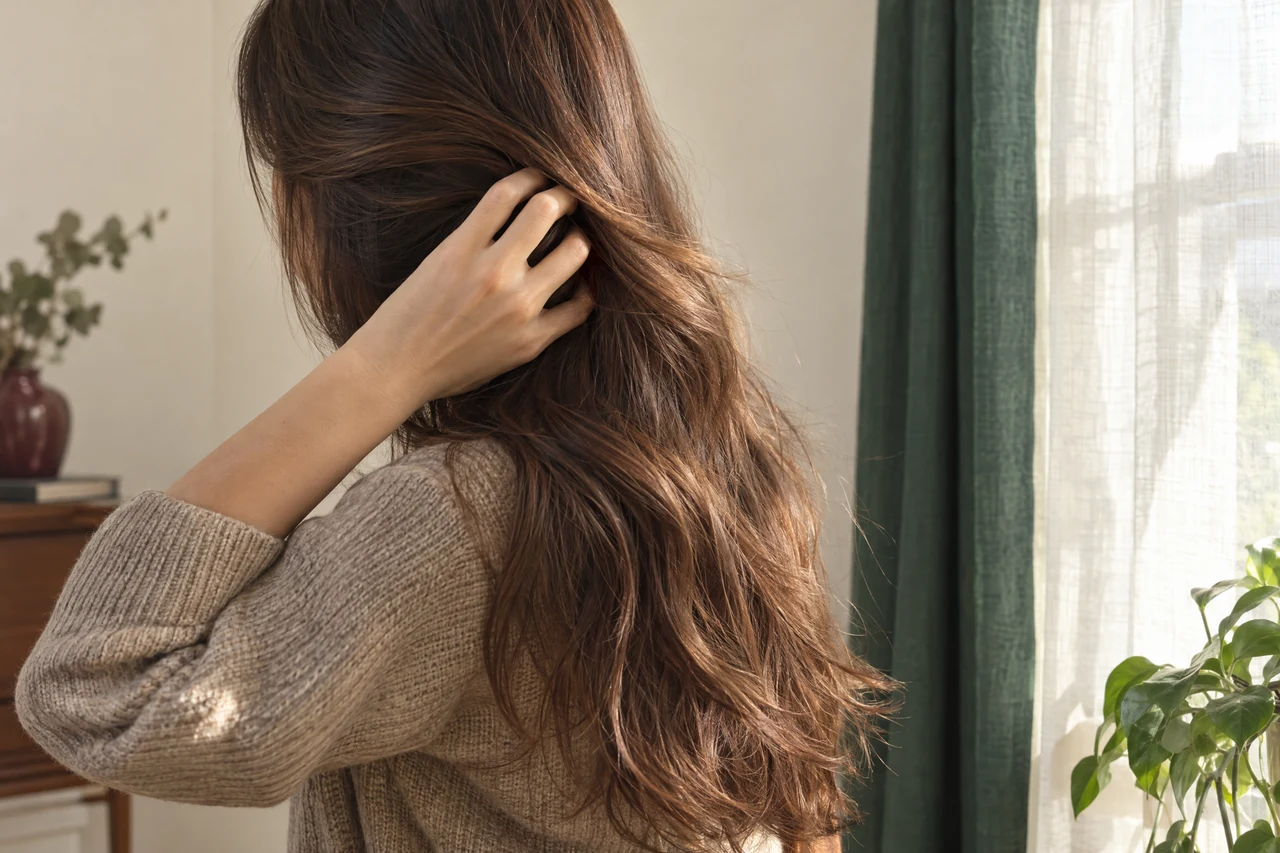
Warm-brown reference language: compare the brown base and reflected warmth separately
| Reference name | What to look for | Useful consultation detail |
|---|---|---|
| Chocolate or mocha | A rich brown base; warmth and depth vary between images | How dark should the shaded hair remain? |
| Chestnut | Brown with a reddish or red-golden reflection | Should red be a subtle sheen or clearly visible? |
| Cinnamon | A reference that may show stronger red warmth | Where does the colour become too red for you? |
| Caramel | Amber warmth, sometimes in separate brighter strands | Do you want an overall tint or a strand design? |
| Honey or golden brown | Gold-toned reflection with varying overall brightness | How much dark brown should remain between bright areas? |
Your preparation checklist
- Save a preferred reference and a less-preferred one at comparable depth; annotate the red or golden reflection you want to keep or reduce.
- Photograph your current roots and lengths in soft daylight and normal indoor lighting without a beauty filter.
- List previous dye, henna, lightening and texture services, noting which parts of the hair received them.
- Decide whether you want an even brunette impression or separate lighter strands, and show how you usually wear your hair.
- State any no-bleach preference and agree on the acceptable brightness, service scope, quotation and care instructions before proceeding.
Frequently asked questions
Are chocolate and chestnut always different depths?
No. Different photographs and naming systems can use the terms at similar or different depths. Compare the actual base and warmth rather than assuming one is always lighter.
Does caramel mean highlights?
Not by itself. Caramel describes a colour impression, while highlights describe placement. Say whether you want an overall tint or separate strands and confirm the proposed service.
Can these warm browns all be done without bleach?
That cannot be decided from the names. Your current depth, previous dye and target brightness determine what needs assessment, including whether avoiding bleach fits the specific reference.
Describe the warm brown you want, beyond its name
Send Vit So your current-hair photographs, your preferred chocolate or chestnut reference and the reflection you would like to avoid. For a Sheung Wan colour enquiry, include your treatment history and whether lighter strands belong in the design. The proposed service and availability need confirmation; an enquiry is not a confirmed booking.
Start your WhatsApp enquirySources & further reading
- 10 Deliciously Decadent Chocolate Brown Hair Color Ideas
Examples showing that chocolate brown spans several depths, reflections and highlight designs.
- 9 Chestnut Brown Color Ideas and Formulas for Shiny Hair
Chestnut's red-brown direction and the importance of very dark or previously coloured starting hair.
- Coloring and perming tips for healthier-looking hair
Sun protection advice for coloured, bleached or permed hair; not a recommendation of a shade or salon.



