






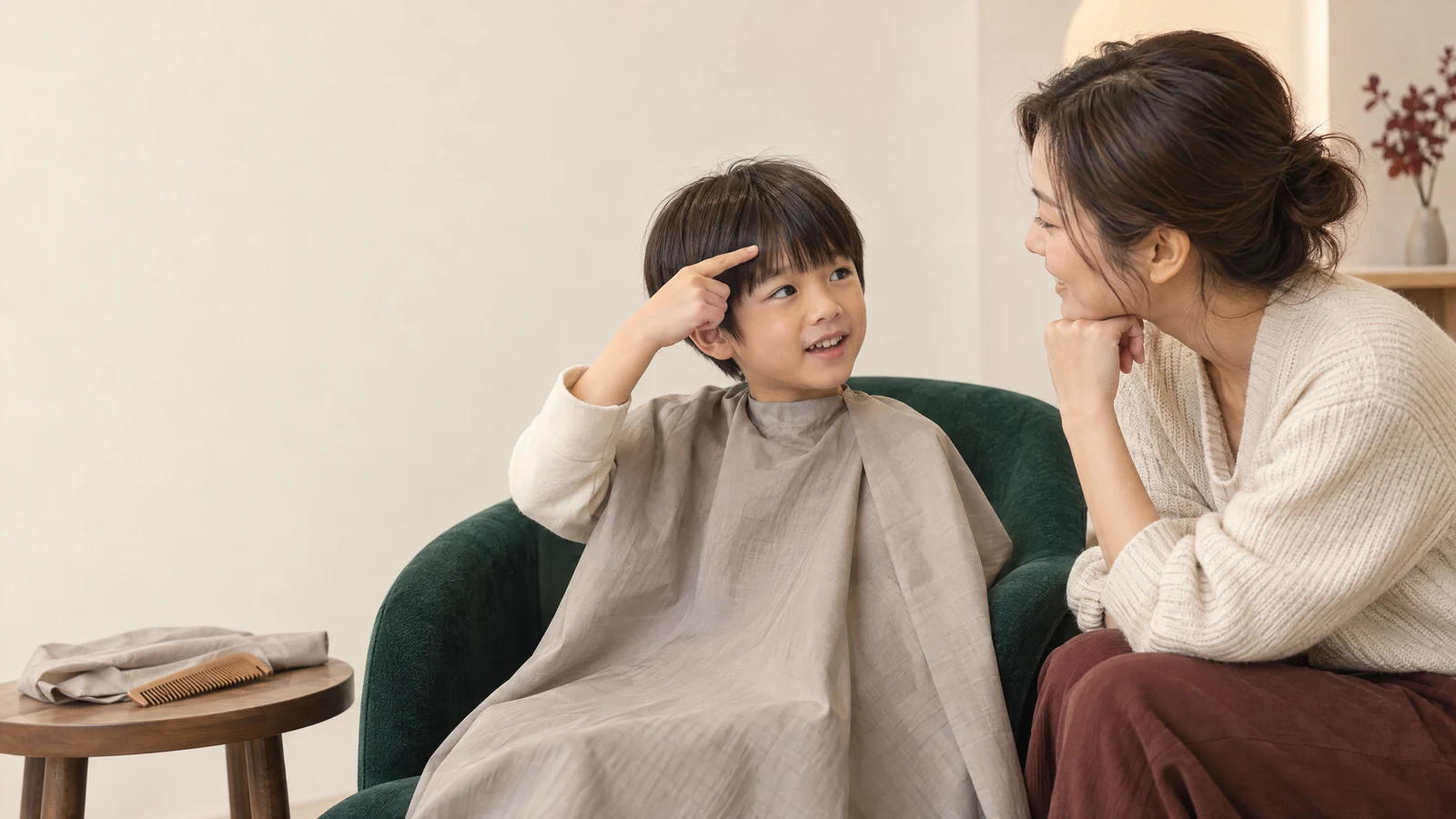
What to share for a kids haircut
For a kids haircut, send your child's age and explain the amount of length you hope to keep. Mention previous haircut experiences, discomfort with a cape or sounds, and whether a parent needs to stay close. These details are questions for appointment planning, not a guarantee that every individual arrangement can be accommodated.
Begin with the reason for the cut. Is the fringe falling into the eyes, is hair collecting around the ears, or do the ends need tidying while the length grows? These are different requests. Say which area matters most and which must stay unchanged. A parent who wants an easier school morning may have a different priority from a child who wants to keep a familiar bob or ponytail.
Describe what happened during previous cuts without labelling the child as difficult. For example, explain whether buzzing sounds caused distress or whether loose hair around the neck prompted movement. In its Sensory Strategies for Hair Cuts, Aneurin Bevan University Health Board identifies touch, tool sounds, product smells and cut hair on the skin as possible challenges for children with sensory difficulties. Its guidance recommends sharing anxiety and helpful strategies with the hairdresser. This is preparation advice, not evidence that a particular salon offers specialist support.
Continue with child's first haircut for that specific comparison and the preparation questions it raises.
Your kids haircut enquiry checklist
Keep the enquiry easy to answer: give the child's age, describe the current haircut, state the intended change and explain any support needed. If you send a photograph, identify the part you like rather than asking for an exact copy. Add possible dates and any fixed school or activity commitments. A useful message connects the haircut request with the child's practical needs; a photograph alone cannot explain whether the fringe should stay above the brows or whether the sides must still tuck behind the ears.
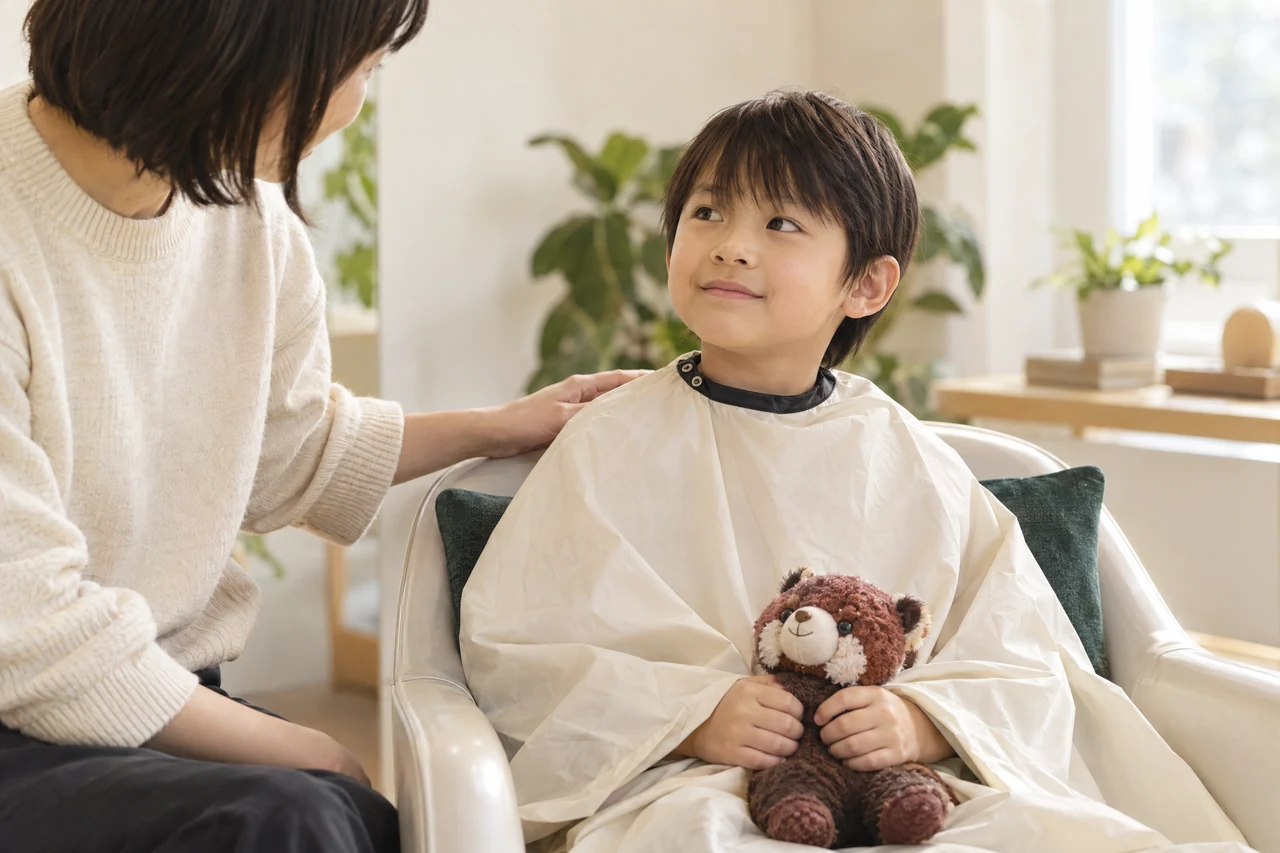
Understand the published age category
The listed haircut for children under 12 is HK$230. Ask about the child's exact age and the proposed visit before assuming the category includes babies or toddlers. A children's haircut listing does not by itself confirm specialist seating, entertainment, extra time or washing; ask which arrangements and service items apply.
Give the child's age at the intended visit, particularly if a birthday falls between your enquiry and the appointment. Under 12 is not the same as 12 and under. If your child has reached that birthday, ask which service entry and charge apply rather than carrying the younger-child price forward. School attendance alone does not establish eligibility for the published children's category.
Check the hair salon price list for published entries, then confirm the amount for your agreed scope.
For an older child, the student haircut guide helps organise school requirements and everyday preferences without implying a separate student discount. Whatever the age, ask for clarity on the service you are arranging, including whether any requested washing or finishing is included. Keep that answer alongside the appointment confirmation so the accompanying adult knows what has been agreed.
Under 12 does not establish a minimum age
A very young child may need different support from a child who already has regular haircuts. Mention whether they have had a salon cut before and any uncertainty about sitting for the proposed work. Ask directly whether a visit can be arranged for that exact age. The useful next step is an individual enquiry, not assuming that an age-based price automatically confirms baby or toddler reception arrangements.
Match the published entry to the assessed work
Vit So's children's haircut is listed at HK$230 for children under 12, with appointments at 252 Hollywood Road, Sheung Wan. Give the child's age and intended haircut when enquiring. Ask about accompaniment, suitability and reception arrangements before travelling; the age and price listing does not establish every young child's readiness or all appointment conditions.
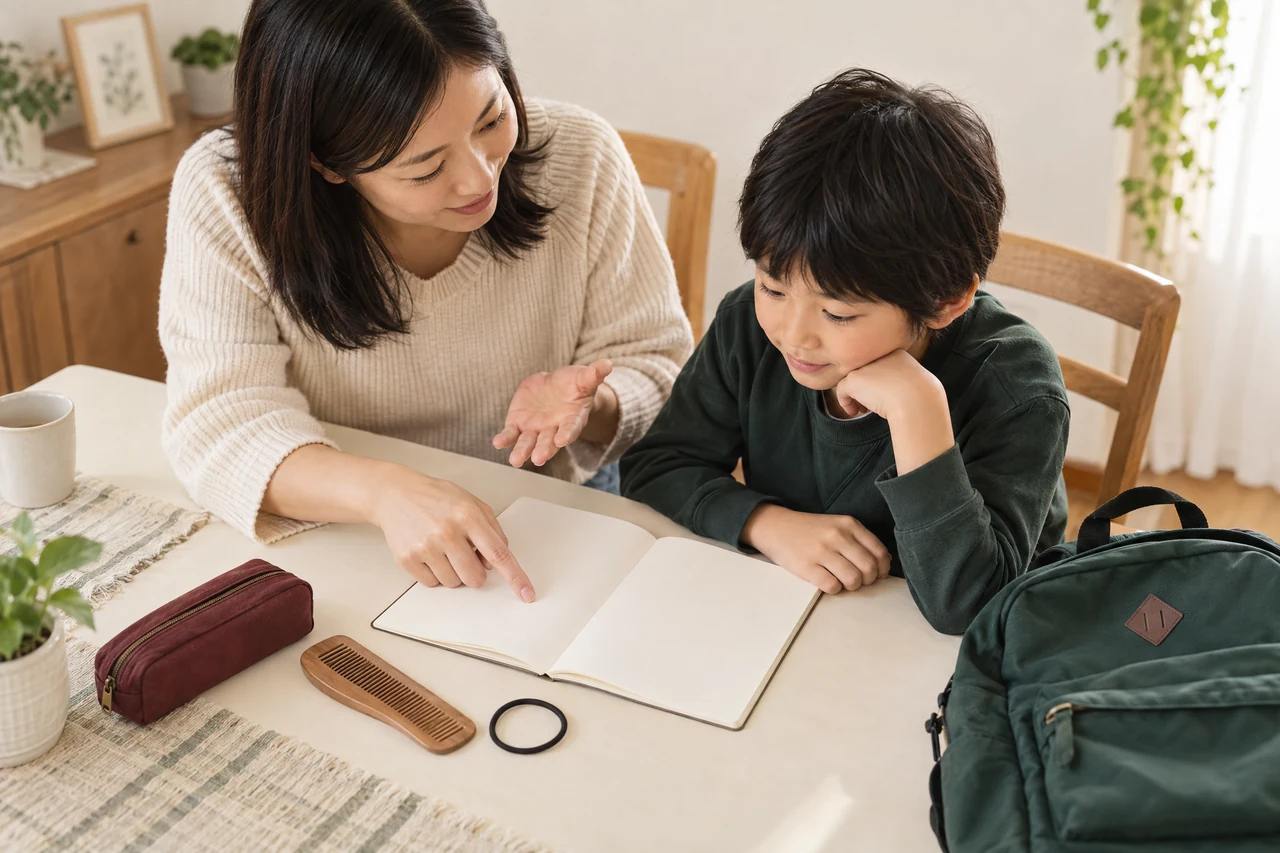
Choose a shape around daily use
A girls haircut or boys haircut can begin with the same practical questions: what needs to stay clear of the eyes, what length feels comfortable, and how will it be managed at home? Avoid making gender a fixed style rule. If a school has requirements, provide the actual wording rather than relying on a photograph alone.
Separate the fringe decision from the overall length. Keeping the back long enough to tie does not mean the front must remain equally long. Conversely, a short fringe will not solve side hair that falls forward during reading. Describe where the hair sits when it is worn normally, without holding it away from the face. Include glasses if the child wears them, because ear-area comfort and the fringe's position around the frame are useful discussion points.
A shorter outline can reduce the amount of hair to gather, but it also removes the option of tying some sections back. Longer hair retains that option, provided the proposed cut leaves the relevant strands long enough. Discuss this before requesting shorter face-framing pieces. Explain the actual tie your child uses for school or sport, rather than treating every ponytail as the same length requirement.
School rules should become clear haircut boundaries. Copy the wording about brows, ears, collars or tying hair where relevant, and distinguish a formal rule from the family's preference. If the child and parent disagree, identify a shared practical aim before discussing style. Keeping hair out of the eyes while preserving a familiar length is a more useful starting point than debating whether the whole haircut should simply be short.
School, sport and manageable length
Explain who manages the hair on an ordinary morning. If an adult makes the parting and ties it, say so; if the child does these steps independently, describe what they can comfortably manage. Include swimming, helmets or other regular headwear as everyday context, not as a request to alter safety equipment. A realistic shape should be discussed around the routine the family actually follows, without relying on extra styling steps nobody intends to do.
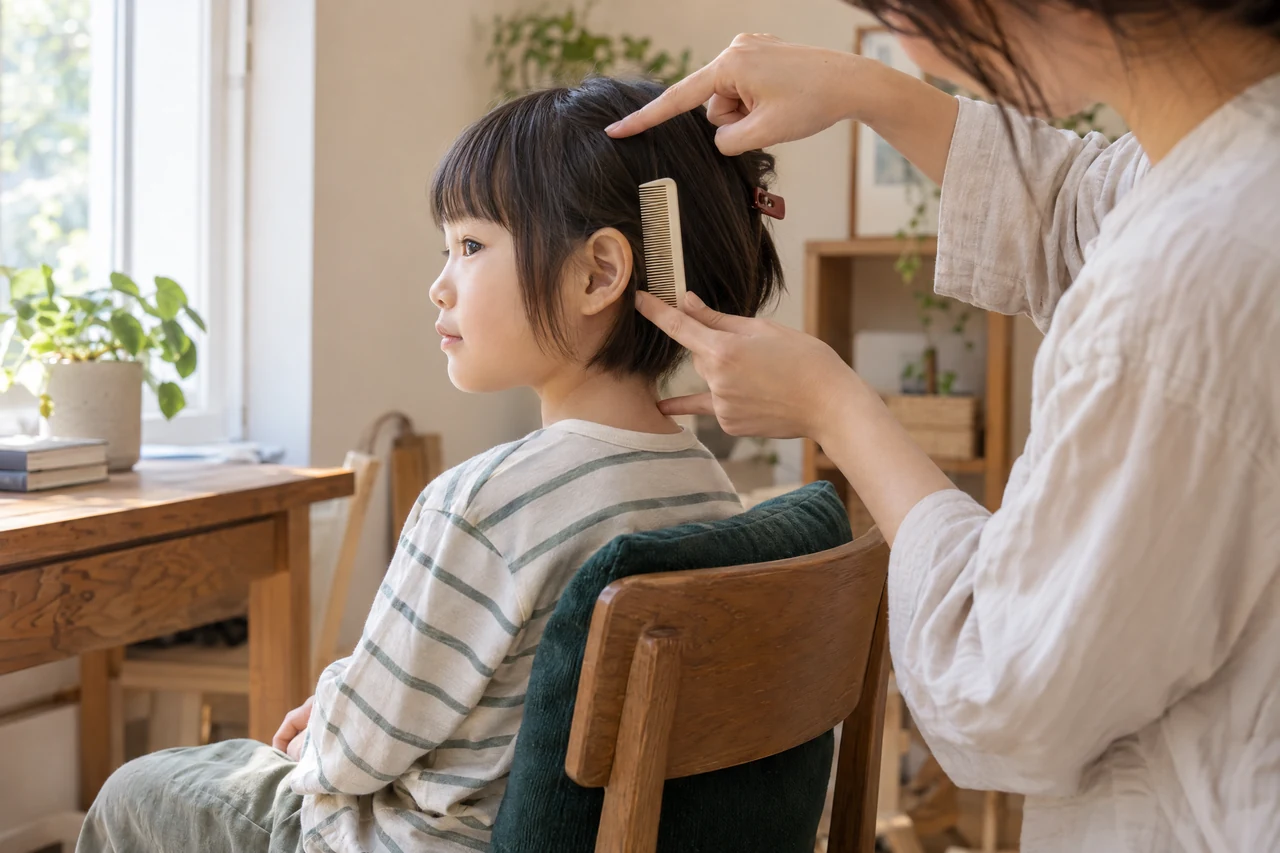
Confirm accompaniment and the visit plan
Ask who should accompany the child and how the appointment will be confirmed. Explain any uncertainty about sitting still before visiting rather than expecting a particular safety setup on arrival. If the child becomes uncomfortable, communicate with the hairdresser instead of insisting on completing the original design regardless of the circumstances.
Tell the accompanying adult the agreed length boundaries, even if another parent made the enquiry. Conflicting instructions on arrival can make a simple trim harder to discuss. Where the child can express a preference, give them space to describe it in ordinary language. Pointing to the fringe or saying that hair near the ears feels uncomfortable can be more informative than choosing a hairstyle name.
If your child needs a familiar object nearby, ask whether it can be accommodated without obstructing the work. Likewise, ask before planning lap seating, headphones or a particular position for the parent. These choices can affect access around the head and should be discussed with the hairdresser, not arranged unilaterally when cutting is underway.
Use book a hair appointment to send the intended work and possible dates; wait for confirmation before travelling.
Agree on who attends and what happens next
Ask how much time to allow for the agreed visit and plan the journey around that answer. If arrival arrangements matter for a pushchair or another accompanying family member, raise them in advance rather than assuming there is space. Agree how the child can ask for a pause, such as a simple word. If they need to turn or move, alert the hairdresser first and wait until tools are clear. A change of plan is preferable to pressing ahead when safe cooperation is uncertain.

Make the haircut reference easy to discuss
Choose haircut reference photos that show the length and outline you want, then explain what the picture does not tell the hairdresser. A favourite reference may have neatly styled hair, a different natural texture or a fringe held in place. Treat it as a discussion aid. State which feature you want to keep and which you are happy to adjust for your child's hair.
Show the dry length you mean
Use visible points such as the brows, ears, chin and shoulders to describe the finished length. If the hair is curly or wavy, share how it normally falls when dry rather than stretching it straight to demonstrate a target. Mention a strong parting or crown direction that appears again after washing. These details help frame a useful conversation about the cut; they do not require you to diagnose hair texture or specify a cutting technique.

Keep the routine gentle after the cut
The American Academy of Dermatology's children's hair-care guidance recommends gently massaging shampoo into the scalp, absorbing water with a towel instead of rubbing hair dry, and gently combing damp hair with a wide-tooth comb without pulling through resistance. It also advises loose braids or ponytails with covered bands and considering styles that do not require heat or chemical treatments. These care habits can inform your routine, but they do not determine the aesthetic shape of a haircut.
Observe what happens on an ordinary morning
After returning to the usual washing and styling routine, notice whether the fringe stays comfortable, the sides tuck where intended and the retained length still ties as needed. If something needs discussion, describe the specific area and send a clear photograph rather than saying the whole cut is wrong. Plan future trims around those practical changes and family commitments, without assuming every child needs the same fixed interval.
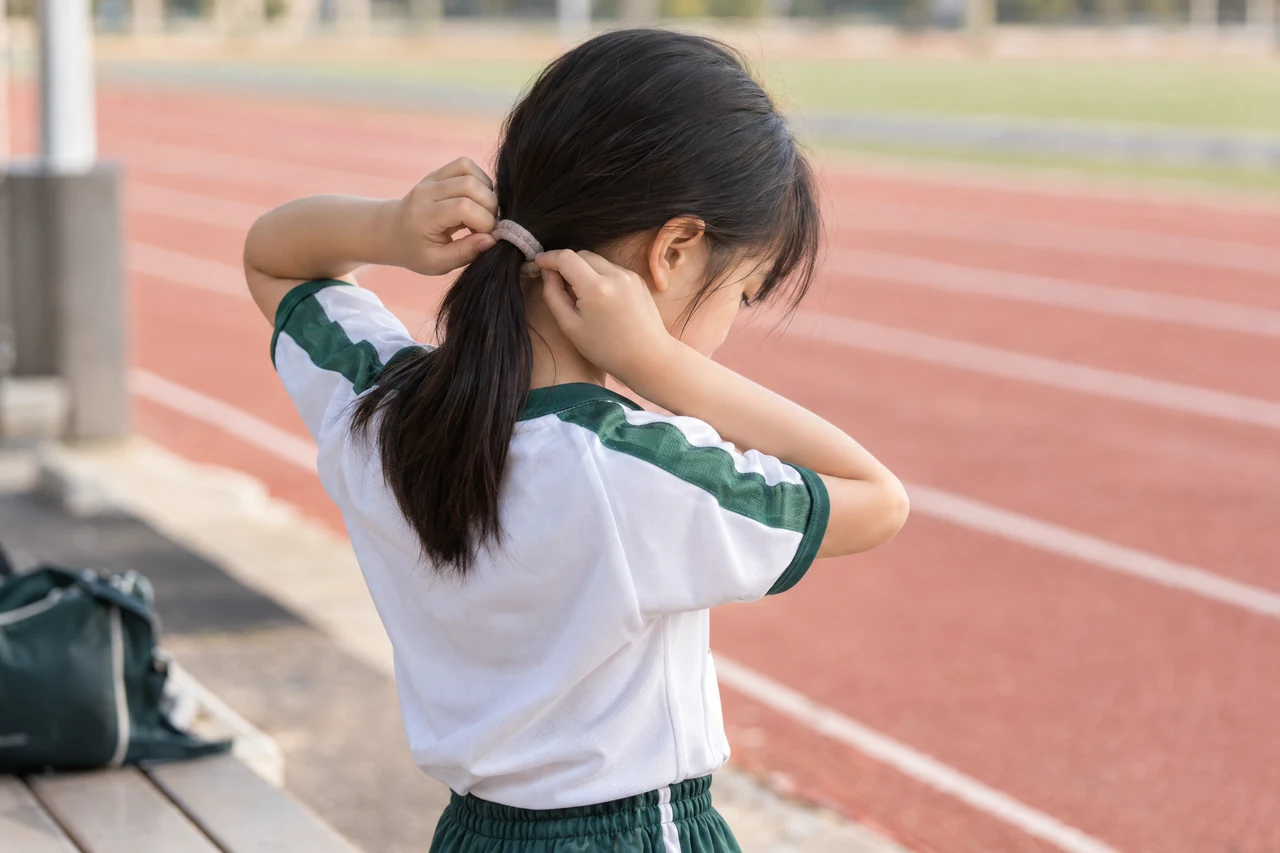
Compare children's haircut priorities before choosing the outline
| Main priority | Length decision to discuss | Trade-off or preparation |
|---|---|---|
| Keep the front clear for reading | Discuss the fringe's natural dry position | A shorter fringe changes the front outline; side hair may need a separate decision. |
| Retain a school or sport ponytail | Keep enough length in the sections that must tie | Shorter face-framing pieces may not stay inside the usual tie. |
| Tidy a familiar short haircut | Identify the ear area, back and fringe separately | A local tidy-up and a noticeably shorter overall shape are different requests. |
| Follow written school requirements | Translate the rule into visible length boundaries | Bring the actual wording and separate compulsory details from personal preferences. |
Your preparation checklist
- State your child's exact age at the proposed visit and ask which published service entry applies.
- Identify the main area to change and the length or tying options that must stay.
- Share relevant previous haircut reactions and ask about any support or accompaniment needed.
- Provide school-rule wording and explain the usual morning, sport and headwear routine.
- Confirm included items, the agreed charge, who attends and how the appointment will be confirmed before travelling.
Frequently asked questions
Does the under-12 price mean all younger ages are accepted?
No. The price identifies an age category, not a confirmed minimum age. State your child's exact age and ask whether the proposed appointment can be arranged.
Does the child price include washing and blow-drying?
The confirmed listing is a children's haircut at HK$230. Additional included items are not established here; confirm them during the enquiry.
Should a parent come to the appointment?
Ask about accompaniment before confirming. Include any support the child may need so that the practical arrangements can be discussed rather than assumed.
What should I send if my child wants to keep their hair long?
Describe the shortest acceptable finished length and whether the hair must still tie back. Explain which areas need tidying, so keeping overall length does not get confused with leaving every section untouched.
Prepare a clearer children's haircut enquiry
Send Vit So your child's age, the length to keep, the areas to tidy and any comfort or accompaniment questions. Add possible dates so the visit can be discussed around your family. An enquiry is not a confirmed appointment; wait for confirmation before visiting Sheung Wan.
Start your WhatsApp enquirySources & further reading
- Sensory Strategies for Hair Cuts — Aneurin Bevan University Health Board
Possible sensory challenges during haircuts and the value of telling the hairdresser about anxiety and helpful strategies.
- Teaching your child healthy hair care habits — American Academy of Dermatology
Gentle shampooing, towel drying and combing, loose tied styles, and avoiding reliance on heat or chemical styling.



