







How to Choose a Hair Extension Method by Removal Habits
Clip-in hair extensions are designed to be taken out, unlike fitted tape attachments that need a method-specific removal process. Comparing clip-ins with tape-ins therefore begins with how often you want to put the hair on and take it off. Neither option is automatically suitable for every head of hair, and temporary wear still requires sensible placement and attention to pulling.
For occasional extra fullness, decide whether you are comfortable sectioning your hair and checking the clips each time. Removable wear gives you control over when the added hair is present, but placement remains a skill. A piece that looks hidden with your hair down may show when you tuck it behind an ear. Choose the intended hairstyle first, rather than buying a full set simply because it offers more length.
Fitted wear changes the task: instead of putting the hair on each morning, you care for attachments already in place. Before considering tape-ins or another fitted system, ask how you will clean around it, recognise a problem and arrange removal. A method is not convenient if its required follow-up conflicts with travel or work.
Review hair extensions to check its service scope and the details to share before arranging the related work.
How to Choose a Hair Extension Method for Occasional or Daily Wear
Write down when you actually want added hair: an evening event, regular office days or most days between appointments. Then compare the effort of repeated fitting with the care commitment of fitted wear. For a practical washing distinction, the American Academy of Dermatology's weave and extension guidance advises removing clip-in extensions before washing your natural hair. That does not make clip-ins a care-free option; the pieces still need their own product-specific cleaning and storage instructions.
Compare Tape Panels with Individual Bonds
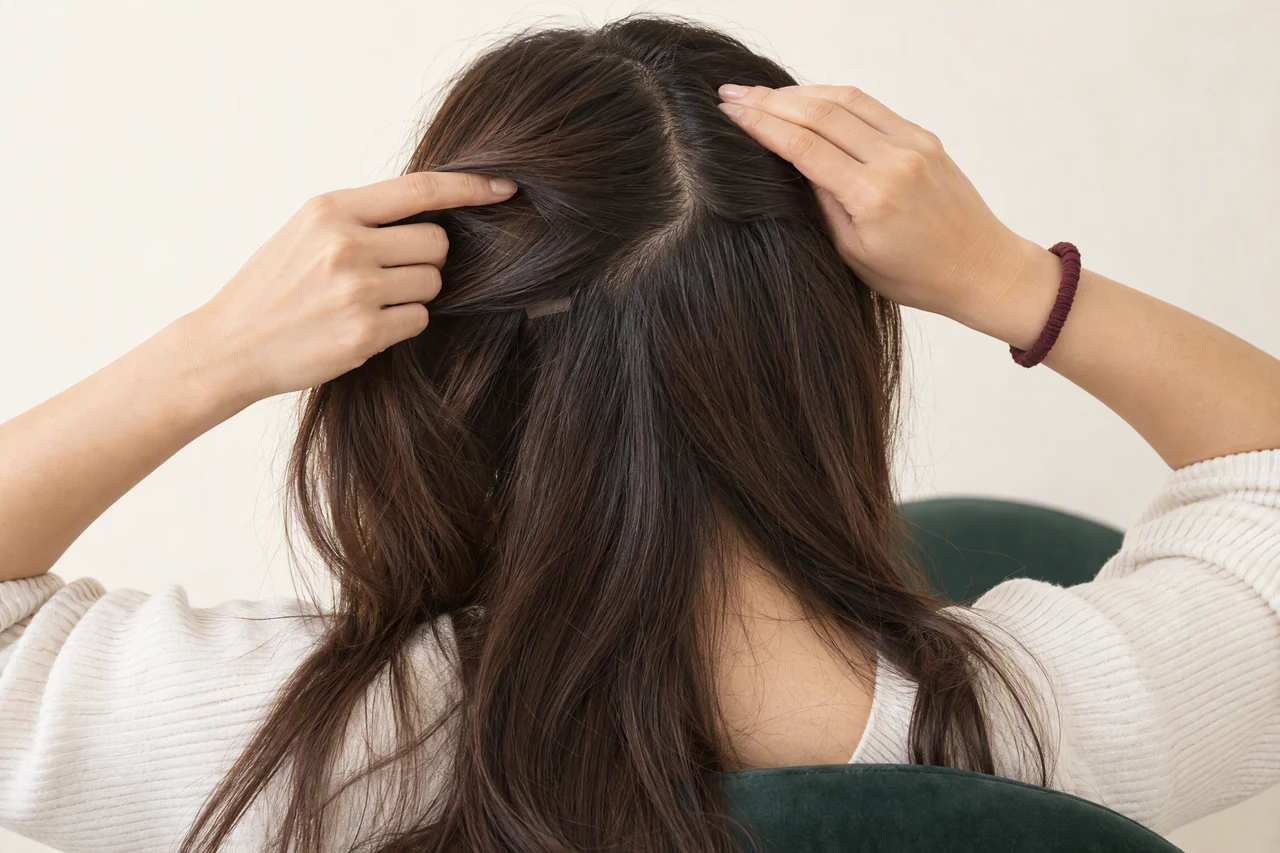
Tape hair extensions use adhesive panels, while keratin-bonded extensions use individual bond points. In a tape-in versus keratin-bond comparison, ask about contact area, placement and removal. Micro-bond describes a smaller bond format rather than proving low strain. Hot-fusion methods involve heat during attachment; the label alone does not establish suitability, product composition or the complete procedure.
A panel and an individual strand create different placement questions. With a panel, ask to see its width and how much natural hair would support it. With individual bonds, ask where the points would sit and how their number and weight would be chosen. Great Lengths' method comparison describes strands with individual keratin bonds and flat tape panels. Those structural descriptions are useful; they do not establish that either format is universally less visible or safer.
Think about your preferred parting and the hair left above each attachment. Coverage depends on that surrounding hair and its movement, not only whether an attachment is flat. If you regularly switch from a centre part to a deep side part, show both positions. Ask what would happen at the temples and behind your ears when the surface layer moves.
Attachment Area and Removal Matter More Than the Label
Request the name of the actual attachment product and an explanation of its removal. For an adhesive panel, clarify the compatible release process and any product restrictions near the tape. For a bonded strand, clarify how the bond is released without pulling through your hair. The word keratin is not a promise that an extension bond repairs natural hair. Likewise, hot fusion describes a fitting approach, not a complete account of where heat is applied or how the hair is protected.
Understand Rings, Beads and Strand Tips
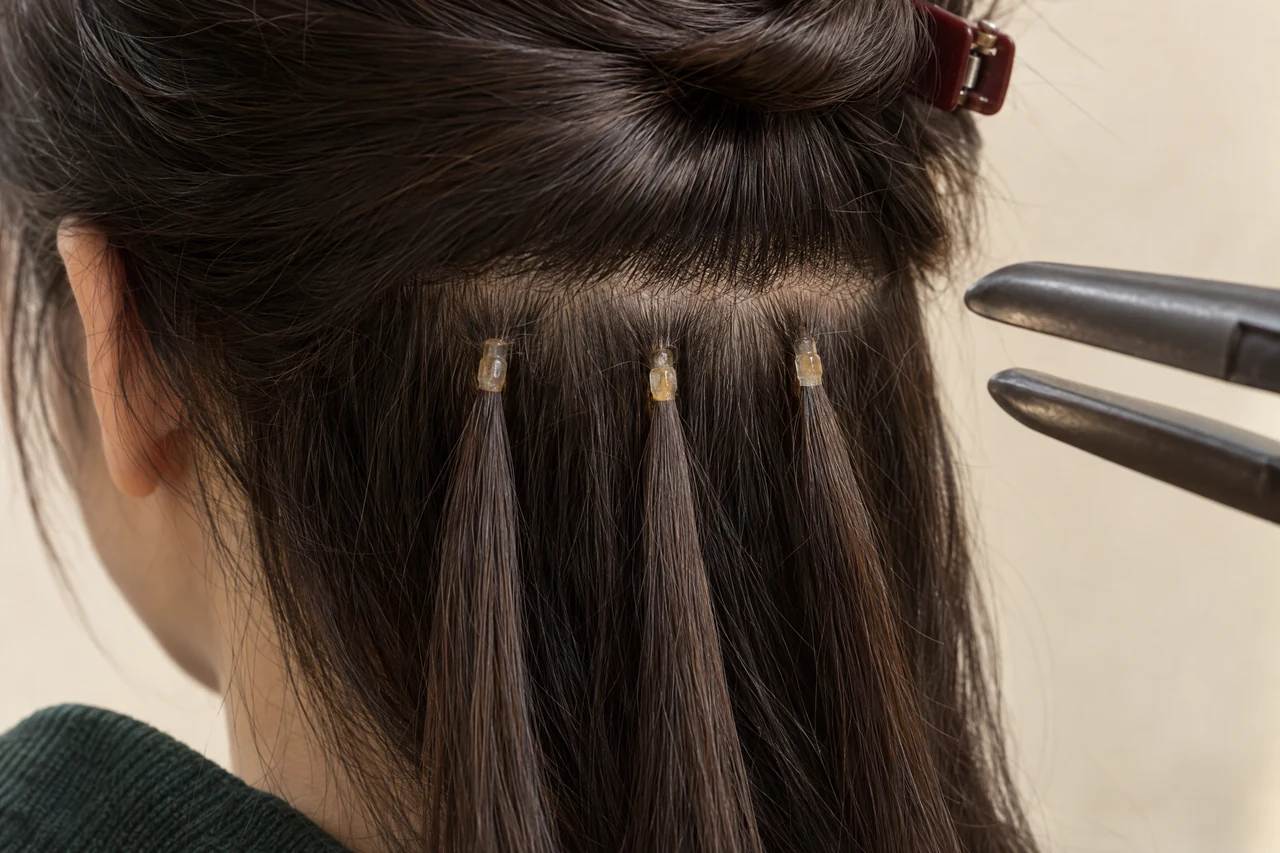
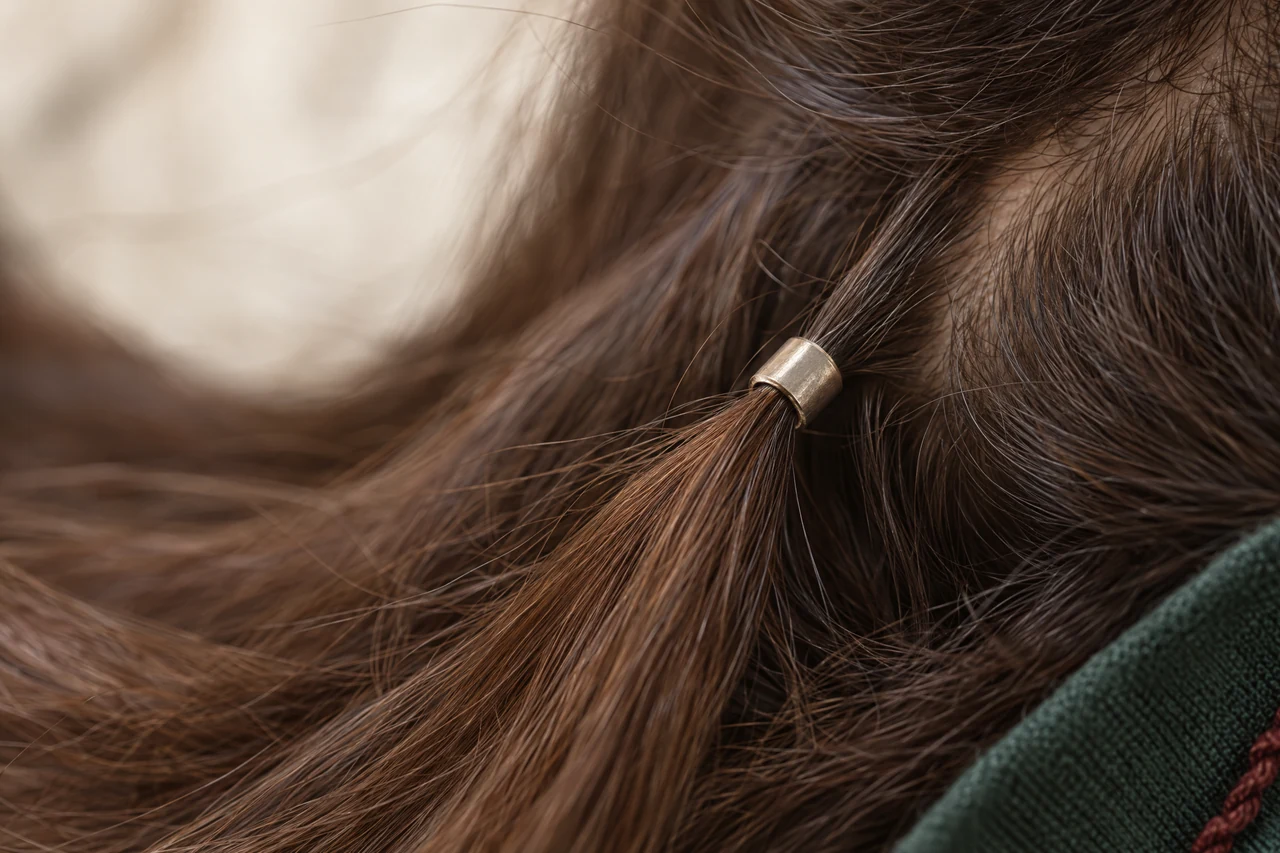
Nano-ring and micro-ring methods use small rings around strands, while I-tip hair refers to tipped strands whose attachment must be specified. A ring-versus-tape comparison should examine the actual ring size, attachment area and placement, not a claim that one is invisible. Ask about maintenance and removal of the particular system; a smaller component is not a promise of comfort.
If the description says only I-tip, ask how that tipped strand would be secured. The hair tip and the ring are separate components of the proposed system. Clarify the ring material, whether it has a lining and the product specifications relevant to any known material sensitivity. A claim that a method uses no adhesive does not answer questions about pressure, total weight or compatibility with your natural hair.
Ask to see the proposed position before judging a ring by its name. A small attachment may still be noticeable to touch or exposed by fine surface hair. The discussion should include whether the supporting hair is strong enough and how the attachment would move as the hair grows. Do not add more strands merely to compensate for a component that seems small.
Continue with hair extensions for fine hair for that specific comparison and the preparation questions it raises.
Nano Rings and Micro Rings Are Not Tape Panels
Compare the whole fitted arrangement: a ring holds a local strand section, whereas a tape panel has a broader adhesive surface. Ask which areas can be accessed for brushing and inspection, and what changes should trigger a check. Obtain removal instructions for the specified system rather than applying advice for tapes to rings. Opening, sliding or pulling a fitted component yourself is not a substitute for a planned removal process.
Separate Weft Construction from Weft Installation
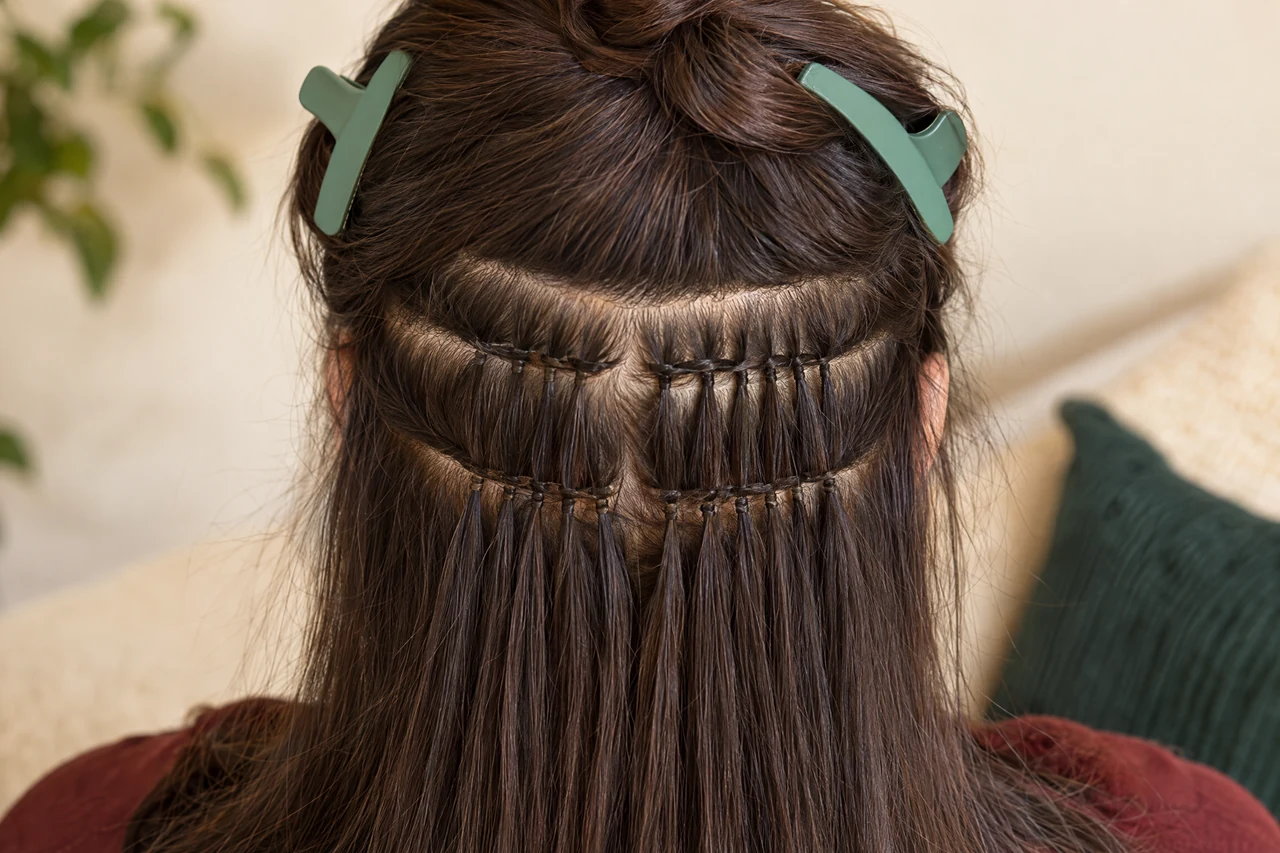
A weft is a row of hair. Sew-in installation and a beaded weft describe attachment arrangements, not the same thing as a strand-and-bead method. Compared with tape panels, they require a different discussion of rows and supporting hair. Hand-tied versus machine-made wefts concerns construction: ask about the edge, bulk and cutting limitations as well as how the row would be fitted.
Ask two separate questions: how was the hair row made, and how would it be attached? A label such as hand-tied does not, by itself, tell you the installation. Conversely, a beaded foundation does not identify the construction of the weft sewn onto it. BELLAMI's weft explanation gives a specific example of wefts sewn onto a beaded foundation, demonstrating why sewn and beaded can both describe one installation.
For a weft-versus-tape decision, discuss the planned row width, its supporting structure and how you would clean beneath it. Ask how the edge will sit when you lean back or tie your hair. If added fullness requires layering wefts, the combined thickness matters more than the thinness of an individual edge.
Hand-tied, Machine-made, Sewn and Beaded Describe Different Features
Inspect a sample edge rather than relying on a construction label. Ask whether the chosen product may be cut, folded or layered, and how its ends are secured. Cutting limitations are product-specific: BELLAMI states that its hybrid Infinity Weft can be cut without unraveling, unlike hand-tied wefts. This is not permission to cut any extension row yourself. The useful takeaway is to confirm the exact weft instructions before agreeing on row length or installation.
Test the Method Against Washing, Tied Hair and Sleep
Bring your everyday movements into the comparison. Show a loose ponytail, your usual ear tuck and where glasses or headwear touch your hair. For gym days, explain whether you need frequent washing or must secure your hair away from your face. A finished hair-down photograph cannot show whether the placement suits those habits.
Ask for a demonstration of brushing around the attachments and drying the areas beneath panels or rows. Discuss where conditioner and styling products can go for that system. Use the hair extension aftercare guide to prepare questions about washing, brushing and sleep, then obtain instructions for the actual fitted product rather than combining advice from unrelated methods.
Comfort Is a Requirement, Not a Visibility Claim
The American Academy of Dermatology explains that repeated pulling can cause traction alopecia and that pain or a headache during fitting means a hairstyle is too tight. Speak up during fitting rather than waiting to get used to it. Persistent discomfort, irritation or new hair loss warrants prompt attention; seek medical advice for scalp or hair-loss concerns. A discreet-looking attachment is not evidence that the supporting hair is comfortable.
Turn a Method Shortlist into a Clear Consultation
Use the 6-point decision checklist below to prepare your enquiry. Bring clear views of your current hair and show the intended length without hiding your existing layers. Share previous colouring, bleaching, straightening or perming, along with any recent breakage. State whether your priority is fuller ends, added length or both: these goals can require different amounts and placement.
Separate the condition of the extension hair from the lifespan of its attachment. Ask when checks are required, what a maintenance appointment includes and whether removal or refitting is charged separately. For budgeting, explore does the price of hair extensions include maintenance before comparing quotes. An initial fitting quote alone does not describe the full commitment.
Continue with how long do hair extensions last for that specific comparison and the preparation questions it raises.
Confirm the System Before Confirming the Appointment
Ask which methods are actually available and what an assessment would need to establish. Agree on the proposed attachment, hair material, care requirements and removal route before committing to work. For a Sheung Wan visit, factor follow-up into your schedule as well as the first appointment. A useful shortlist ends with a method you understand and can maintain, not a promise based on an appealing technical name.

Compare extension structures by what you would wear and maintain, not a universal ranking.
| Method or feature | Structural distinction | Decision question |
|---|---|---|
| Clip-in | Removable hair secured with clips | Can you place and remove it carefully for each wear? |
| Tape-in | Adhesive panels | What supports each panel, and how is it released? |
| Keratin bond or hot fusion | Individual bond points; hot fusion involves attachment heat | What are the material, weight and removal requirements? |
| Nano ring or micro ring | Rings securing local strand sections | What ring and tip are used, and where would they sit? |
| Sewn or beaded weft | A hair row attached to a supporting structure | How will you access the row for cleaning and checks? |
| Hand-tied or machine-made | Weft construction, not a complete fitting method | Can this exact edge be cut, folded or layered? |
Your preparation checklist
- Choose removable or fitted wear according to when you want added hair and how much daily placement you can manage.
- Show your usual parting, tied hairstyle and ear tuck so proposed attachments can be discussed in movement.
- Share hair-treatment history, breakage, scalp concerns and known material sensitivities before selecting a system.
- Inspect the actual panel, bond, ring or weft sample and ask how its weight and supporting hair will be assessed.
- Request system-specific washing, brushing, drying and sleep instructions, including the response to discomfort.
- Confirm availability, the quoted work, follow-up requirements and the removal or refitting arrangement before accepting an appointment.
Frequently asked questions
Is a smaller attachment always better?
No. Component size is only one consideration. Placement, total weight, the hair supporting it and the removal process matter too; there is no universal best method from a label alone.
Does this comparison mean every method can be booked?
No. This is a comparison of terms and decision questions. Confirm the specific method, materials and work available before arranging any appointment.
Does sew-in mean the same thing as every braided extension style?
No. A sewn attachment, its supporting structure and a decorative braid are different concepts. Ask for the actual fitting procedure rather than translating a style name into a method.
Prepare an extension enquiry that fits your routine
Share your current hair, desired fullness or length, parting habits and care routine with Vit So. Ask which methods and materials are available and what assessment is needed for your hair. An enquiry helps clarify the options; it is not a confirmed booking or confirmation that a particular method is suitable.
Start your WhatsApp enquirySources & further reading
- How to prevent hair damage from a weave or extensions
AAD advice on repeated pulling, pain during fitting, professional care and removing clip-ins before washing natural hair.
- The Hair Extension Truth-Bomb: Which Method Actually Wins?
Manufacturer descriptions of individual keratin-bonded strands and flat tape panels; not a universal ranking of suitability.
- BELLAMI Weft Hair Extensions
Manufacturer explanation of a sewn weft on a beaded foundation and product-specific distinctions in construction and cutting.



