






Hair treatment results vs blow dry finish: three observations
Consider how the lengths feel, whether combing is easier and how the finished outline looks as separate observations. A smooth blow-dry can change the third without proving that the fibre is permanently restored. Keeping those observations separate helps you decide whether the next discussion concerns care, styling or a combination of the two.
Start with touch during ordinary handling, not a stress test. Are the ends less rough when you gently gather them? Do the lengths feel light and flexible, or coated and heavy? Compare the same area rather than the smooth roots with older ends. Avoid repeatedly rubbing strands or stretching wet hair to find an answer; those actions are not a reliable home assessment of treatment performance.
For combing, the useful question is whether your usual gentle detangling feels easier. Notice where the comb catches and whether you need to pause at the ends or underneath the nape. Use the same tool and an appropriate detangling stage for your texture. A stylist working through sections has different access and control from someone managing their own hair, so an effortless salon comb-through is not a like-for-like comparison with a rushed morning routine.
Review hair treatment to check its service scope and the details to share before arranging the related work.
Compare hair treatment results vs blow dry finish beyond shine
Conditioning and finishing can overlap. A review in Skin Appendage Disorders on silicones in hair care describes how these ingredients can form a film that reduces combing friction and enhances shine. They can occur in conditioners, styling products and treatments. That explains why a silky feel and glossy surface cannot identify the contribution of one step in a combined visit. Easier handling is still a worthwhile cosmetic benefit; describe it accurately rather than dismissing it as only appearance or upgrading it to permanent restoration.
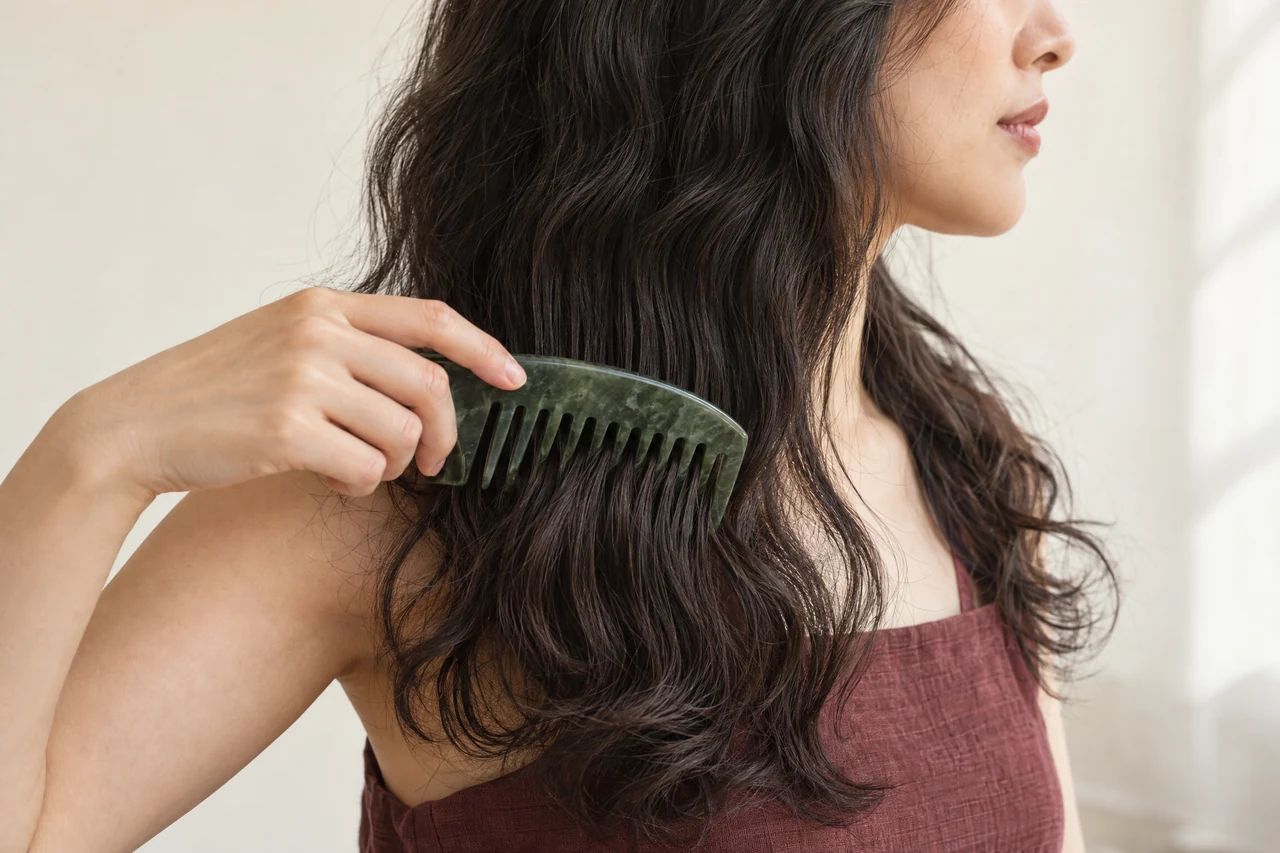
Use similar conditions for photographs
If you use photographs, keep lighting, angle and the way the hair is placed as similar as practical. Note styling products and whether the hair was brushed into a different shape. A glossy image alone cannot establish the cause of an improvement or prove that a treatment produced a lasting structural change.
Choose a familiar place with reasonably consistent light, such as an indoor spot beside a window. Keep the camera at a similar height and distance, and use a plain background that lets you see the ends. Compare dry hair with dry hair. Damp strands gathered together create a different outline from dry lengths resting loosely, even before treatment or styling is considered.
Leave filters and beauty effects off. If you are comparing pictures taken in different rooms or weather, label that difference rather than trying to edit it away. A bright reflected band can make hair look smoother; a change of head position can move that band. Look at the overall outline, visible flyaways and where the ends sit, but keep those visual notes beside your touch and combing notes.
Light and hair position can change the comparison
Arrange the lengths as you normally wear them. Pulling every strand straight over the back can hide the movement and wider outline you see with hair over your shoulders. If the salon finish has inward-curved ends and your home photograph shows natural waves, record the different styling rather than treating it as evidence that care has disappeared. A salon photograph can be a useful reference for the finish you liked without being a measurement of fibre repair.
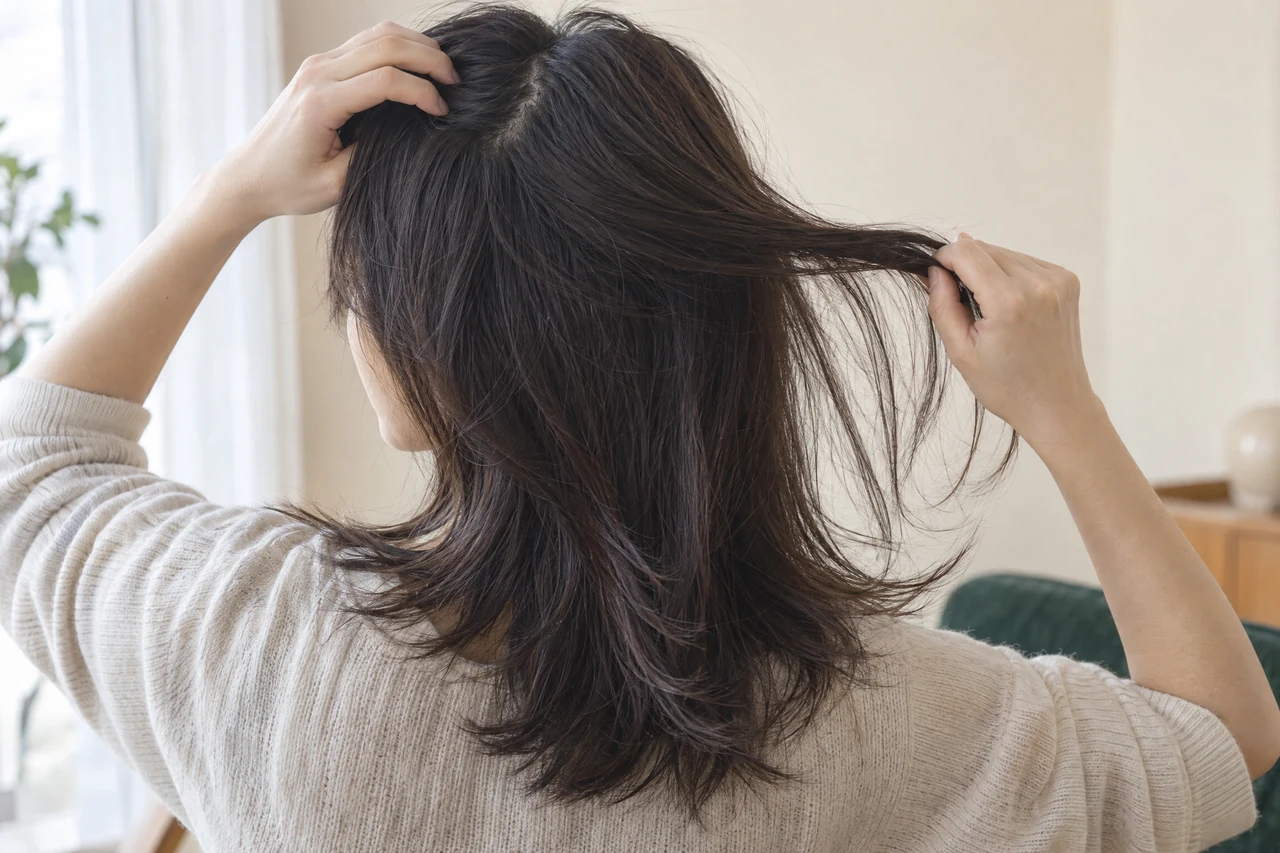
How long do hair treatment results last?
How long do hair treatment results last? There is no fixed duration that applies to every care product, hair history and washing routine. Observe slip, roughness and weight after normal washing under the agreed aftercare. Changes in heat use, friction and products can affect the comparison, so keep the routine in mind when discussing maintenance.
Before leaving, ask what was applied and which instructions belong to that product or procedure. Clarify washing advice and the role of any take-home care. A treatment name alone does not tell you whether the visit was ordinary conditioning or included a different smoothing process. If instructions are unclear, ask for clarification rather than borrowing a waiting period from an unrelated service.
When your normal wash is due, keep using the agreed routine. Note the shampoo, conditioner and leave-in products, together with how you dried the hair. Removing every care product to create a supposedly pure test changes the conditions you actually live with. The practical question is whether the result makes your usual routine more manageable, not whether it performs without any ongoing care.
Continue with how often should i get a salon hair treatment for that specific comparison and the preparation questions it raises.
Review your normal routine rather than a promised duration
Follow the observations across normal washes if that is useful, without delaying necessary washing to preserve an image. Record a new shampoo, an extra styling session or an unusually damp commute when it happens. If the styled curve relaxes but the ends remain easier to detangle, the observations point to different aspects of the visit. If both change, share that pattern without assuming a cause. Maintenance can then be discussed around your hair history, current needs and tolerance for product weight.
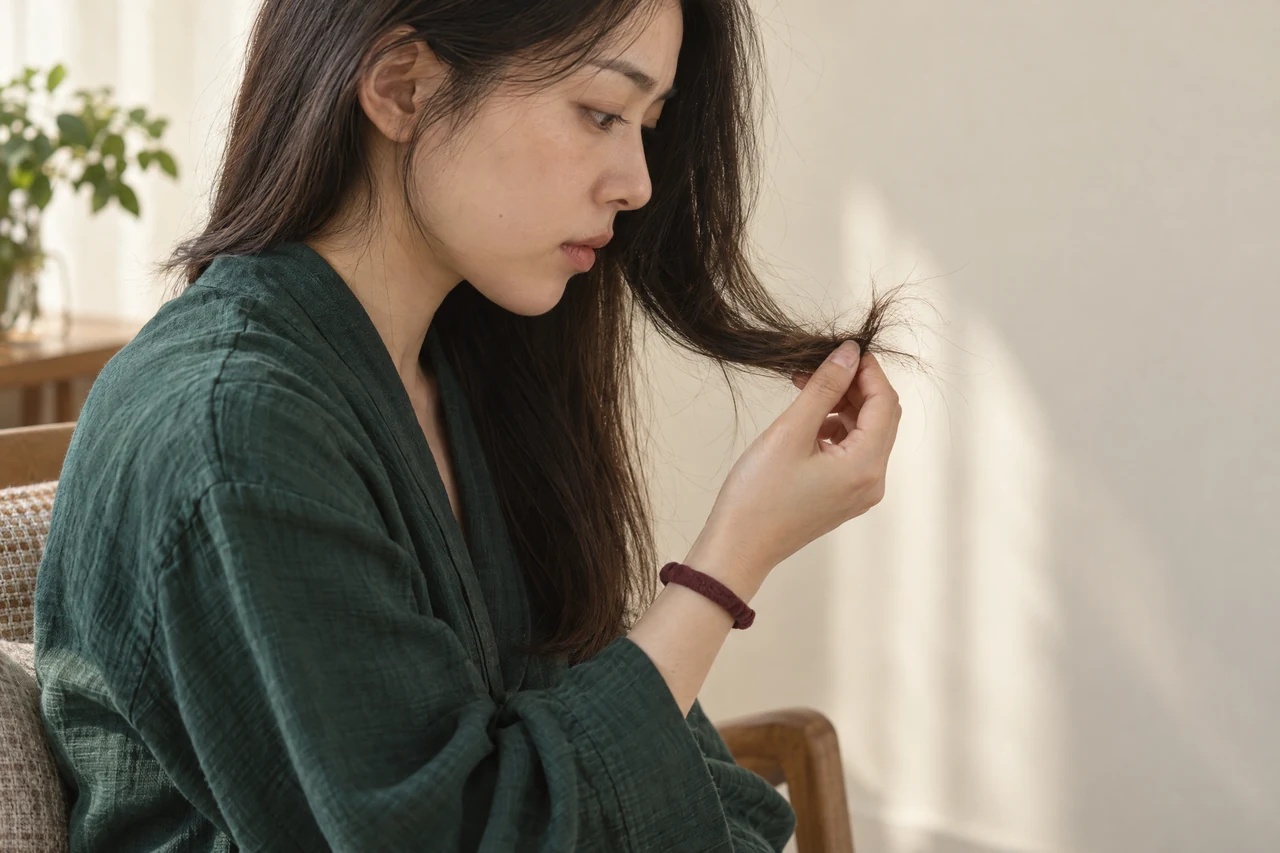
Choose the next step from the goal
If you liked the styled outline but the ordinary feel is unchanged, ask about styling needs rather than automatically repeating care. If handling is easier, describe that specific benefit and any heaviness before discussing maintenance. Persistent breakage needs a hair-condition conversation, not a stronger promise based on the shine of a finished photograph.
For an occasion, a polished outline may be exactly the goal. Explain whether you want root lift, a closer surface or curved ends, and say how you usually dry your hair at home. If the benefit you want is less resistance when managing the lengths, focus the enquiry on conditioning and gentle handling. When you want both, ask which steps address each goal and what the service includes.
Review blow dry to check its service scope and the details to share before arranging the related work.
If short broken pieces or fragile areas keep appearing, the next conversation should include damaged hair care and your recent colour, bleach, perm or straightening history. Do not ask for hotter styling or a heavier product simply to hide those areas. A discussion about handling, future processing and whether any ends need trimming is more useful than judging condition from a smooth surface.
Repeat care only when the need is clear
Balance softness against the finish you enjoy. Fine hair may feel easier to comb yet lose the movement you wanted if the product feels too heavy. Curly hair may be easier to manage while retaining its natural bends; a straighter outline is a separate preference, not the definition of successful conditioning. Tell the stylist what you want to keep as well as what you want to change. That makes the next recommendation more specific than asking for the strongest treatment available.

Keep the everyday comparison gentle
Do not try to reproduce salon gloss through repeated hot passes just to make your photographs match. The American Academy of Dermatology's advice on damaging hair-care habits recommends the lowest heat setting, less frequent heat-tool use and gentle combing without pulling or tugging. It also advises against rubbing hair with a towel. These are handling principles, not a test of how attractive a salon finish should look.
If your home finish depends on more heat than you would like, discuss how to protect hair from heat styling alongside your daily styling goal. Ask which parts of the outline can be achieved with simpler sectioning or a less elaborate finish. A result that fits the time and effort you can realistically give it is more useful than a photograph that requires a routine you do not want.
Match detangling to your texture
The AAD distinguishes straight hair, which can be allowed to dry a little before gentle wide-tooth combing, from textured hair or tight curls, which it advises combing while damp. Keep your own appropriate method consistent when comparing handling. If you meet resistance, stop and work gently rather than forcing the comb through. There is no need to count brush strokes or test how much pulling a strand can tolerate.
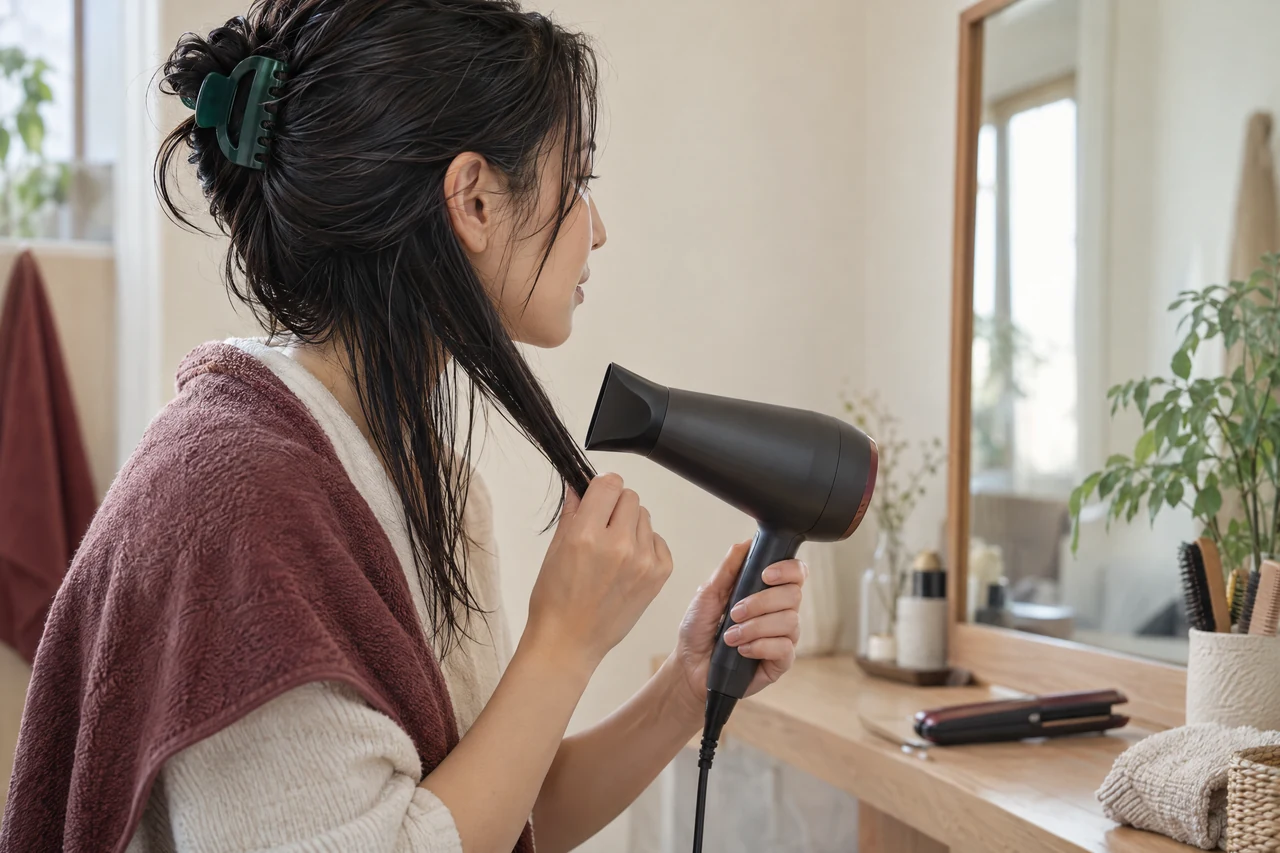
Bring useful notes to a follow-up
Use the 6-point checklist below to prepare a focused follow-up. A short note such as where the ends catch and whether they feel heavy gives the conversation more direction than saying the treatment has gone. Pair that note with a similar photograph if you have one, and explain any differences in styling or light. You do not need to turn everyday care into a daily inspection task.
For a Sheung Wan enquiry, share your current hair length and recent processing, together with the benefit you want to retain. Ask whether the next step is a care review, styling guidance or an assessment before further work. If there is new scalp discomfort, mention it separately; a comparison of shine cannot explain that concern. Enquiry allows the service details and availability to be discussed before an appointment is confirmed.
Describe a benefit you can recognise at home
Choose a practical outcome: gentler detangling after washing, lighter-feeling ends or a finish you can recreate for work. Bring an ordinary hair photograph as well as the salon finish you liked. This helps separate a care preference from a styling preference and gives the next consultation a clear starting point.

What each observation can tell you about care and the finished style
| Observation | Useful comparison | What it does not establish |
|---|---|---|
| Softness and weight | Same hair area during normal handling, noting products | Which step caused the feel or whether repair is permanent |
| Ease of combing | Same tool and texture-appropriate stage, without forcing knots | The strength of individual strands |
| Gloss in a photograph | Similar light, angle and dry-hair position without filters | A lasting structural change |
| Styled outline | Root lift, natural bends and end direction recorded separately | Whether conditioning has stopped working |
| After normal washing | Agreed aftercare, with changes in products and heat noted | A universal treatment lifespan |
Your preparation checklist
- Name the main benefit you want: easier handling, a particular outline or both.
- Record the treatment or procedure used and clarify its actual aftercare directions.
- Observe the same lengths gently, noting softness, resistance and unwanted weight.
- Take a similar dry-hair photograph without changing the light or arranging a different shape where practical.
- When your usual wash is due, note products, drying method and meaningful routine changes.
- Share the observations and processing history before agreeing on maintenance or another service.
Frequently asked questions
Should I wash immediately to test the treatment?
No. Follow the actual aftercare directions and observe the hair when your normal wash is due. An immediate rewash is not a necessary test of care.
Does a glossy photograph prove permanent repair?
No. Light, products and styling affect gloss. Photographs cannot by themselves establish permanent restoration or identify which part of a visit caused the appearance.
What notes help at the next visit?
Describe touch, ease of combing, weight and the everyday outline separately. Include changes to washing, products or heat use so the comparison has useful context.
Discuss the benefit you want beyond the salon photograph
Enquire with Vit So in Sheung Wan about your everyday handling and preferred finish. Share recent processing, care instructions and any useful photographs so the service scope can be discussed. An enquiry is not a confirmed booking; agree on the work and availability before visiting.
Start your WhatsApp enquirySources & further reading
- 10 hair care habits that can damage your hair
Gentle combing, texture-specific detangling, avoiding towel rubbing and reducing avoidable heat exposure.
- With or without Silicones? A Comprehensive Review of Their Role in Hair Care
Film-forming conditioning ingredients can reduce friction and enhance shine across care and styling formulations.



