






Brand relationship disclosure: OWNSTRAND and Vit So have the same owner. This guide provides selection information, not an independent review or product test. Confirm styles, supply and visit arrangements directly with OWNSTRAND.
Men's removable hairpieces for active work: compare the whole shift
Start with what happens before and after work. Do you want to remove the piece for grooming, or are you willing to follow a bonded product's application and release process? OWNSTRAND's removable vs bonded hair system for men guide makes attachment compatibility central: clips require a base designed for them, while tape or adhesive must follow the particular product's directions. Neither label establishes how well an item will tolerate your job.
Before comparing effort, identify what is actually being offered. OWNSTRAND's hair system page describes a cosmetic category and explicitly does not confirm an attachment or installation service. Ask whether the proposed item is removable, what holds it in place and which fitting services are available. A custom human-hair enquiry is not evidence that bonded installation, release appointments or ongoing rebonding are included. Keep those service questions separate from the product's name.
Use four dimensions to organise the decision: cleaning access, workwear fit, off-duty removal and service commitment. Write one requirement under each, such as wanting access to your scalp after a dusty shift or needing to wear approved head protection. Then ask for an item-specific answer. This is an original discussion aid, not a performance score. One unresolved safety or removal requirement can matter more than several appealing styling features.
Choose coverage before choosing the fastening
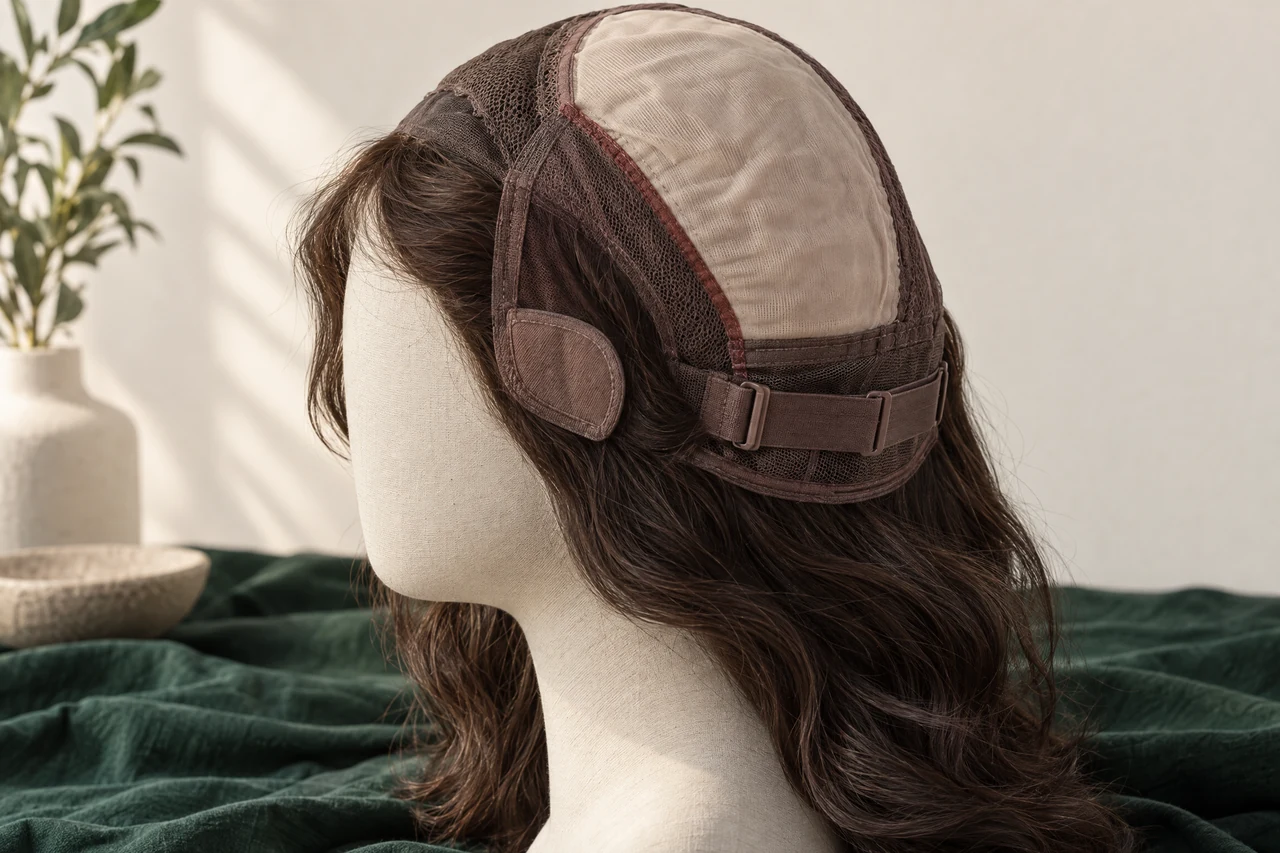
A smaller piece is not automatically the better work option. If your appearance goal needs broader coverage, keep OWNSTRAND's men's wigs guide in the comparison. It distinguishes full wigs from partial pieces and asks readers to check fit, fibre and care. A full cap changes the contact area and handling routine, but its size alone cannot prove comfort. Compare the intended coverage with the actual base, rather than treating every short hairstyle as a partial system.
For partial coverage, note where your own hair must meet the piece: the front, sides or crown may need different blending. Bring ordinary front, side and back photographs rather than only a preferred finished look. Vit So's guide to hairpiece fitting provides context for coverage and blending. That styling discussion is distinct from confirming fastening compatibility or a supplier's installation service; a neat visual transition cannot answer those questions for you.
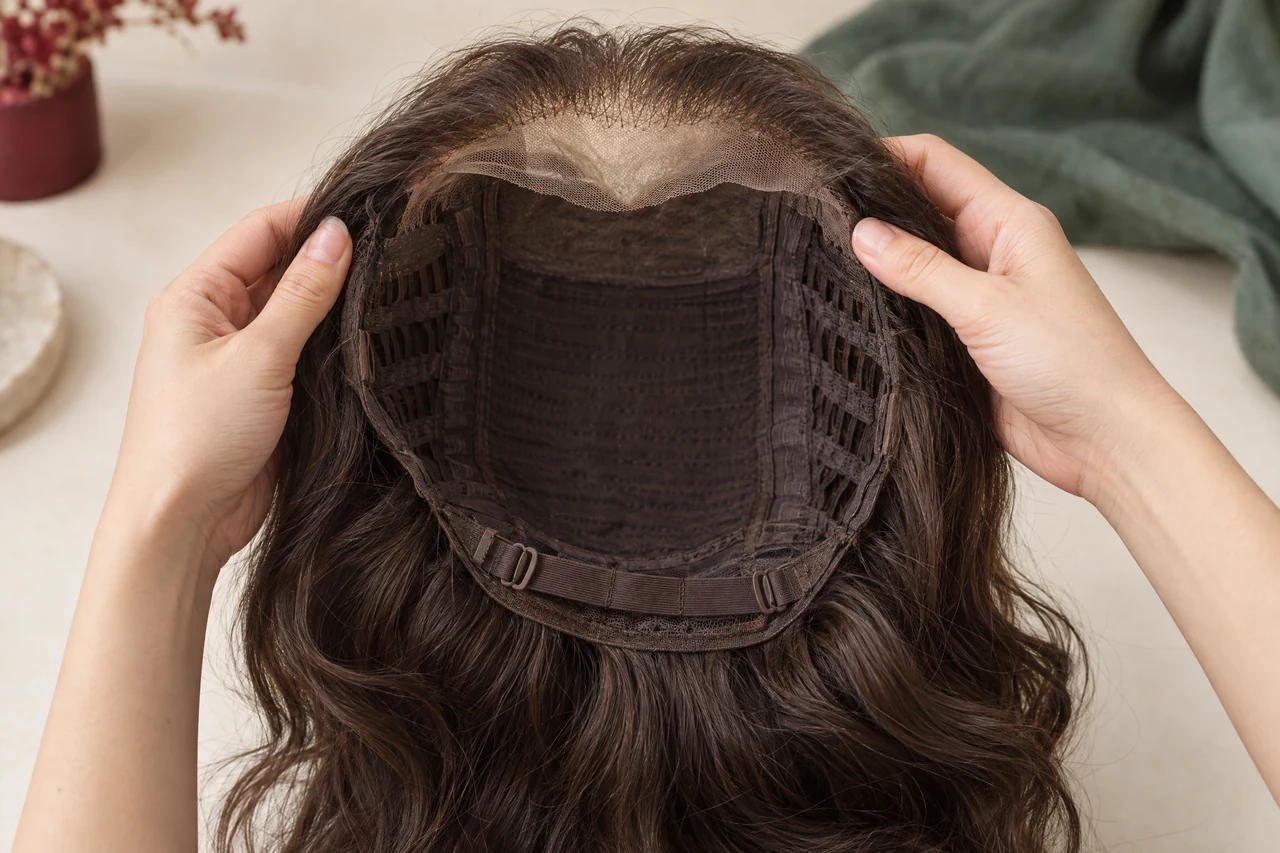
Look underneath the proposed item as well as at the hair. Ask where the base touches, whether clips are part of its intended design and what surrounding hair is needed for attachment. An adjustment strap shown on a full wig is not proof that a partial piece has the same construction. Similarly, a sample's appearance does not establish the fibre or fastening of the item you will receive. Request the exact specification alongside the fitting discussion.
Sweat makes cleaning access a practical requirement
After a warm shift, being able to take a piece off may make access to the scalp and underside more convenient. That is a handling advantage, not a claim that a removable base stays dry or prevents irritation. Ask what the maker recommends after perspiration, including cleaning the attachment areas and drying the base. With a bonded design, access involves its specified release routine; it should not be treated as a quick pull-off option when you feel hot.
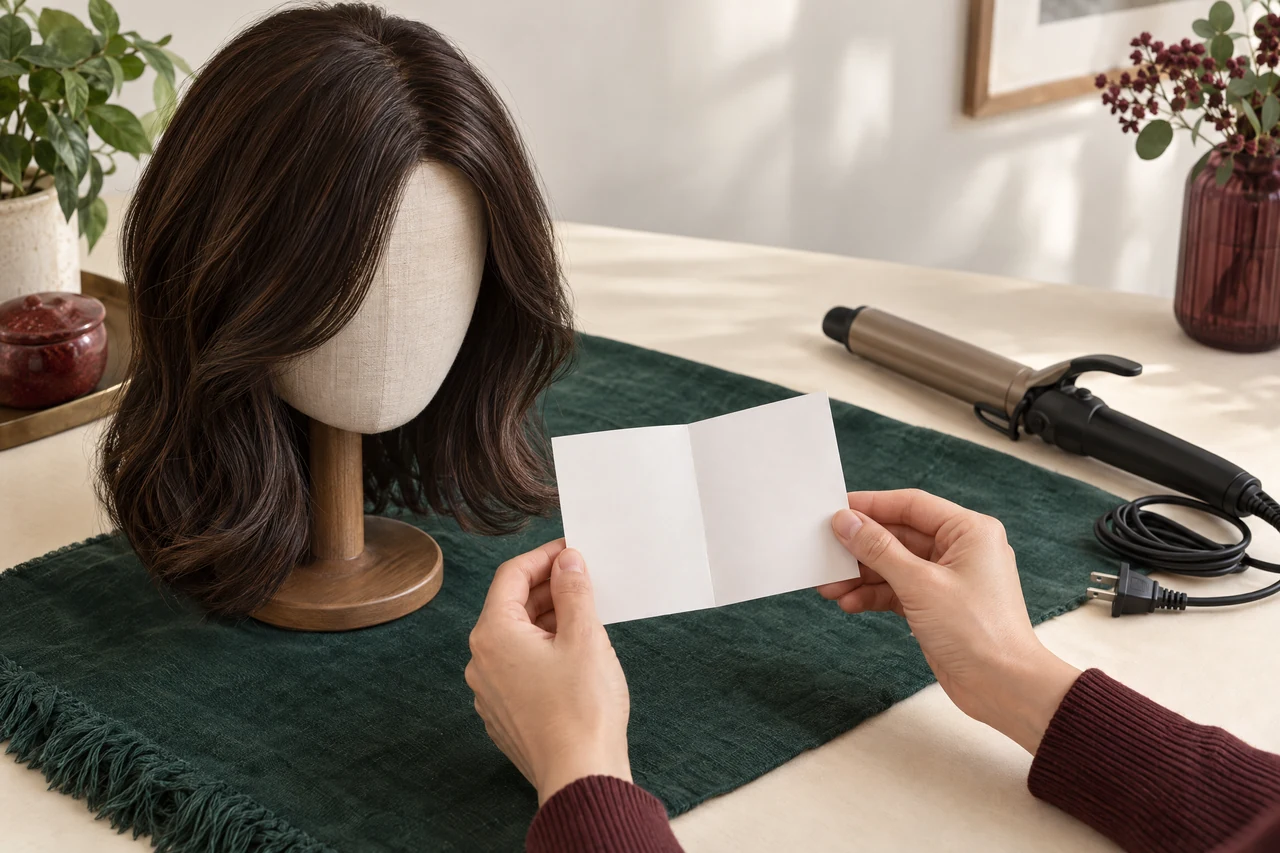
Cancer Research UK advises following the supplier's wearing and care instructions and checking manufacturer information before exposing synthetic fibres to direct heat. [1] Those general points are useful here, although its guide is written for people affected by cancer treatment, not as a comparison of active-work hairpieces. Do not assume a damp piece can be dried rapidly with a hot tool. Confirm the fibre, allowed drying method and products for the particular base before planning your after-work routine.
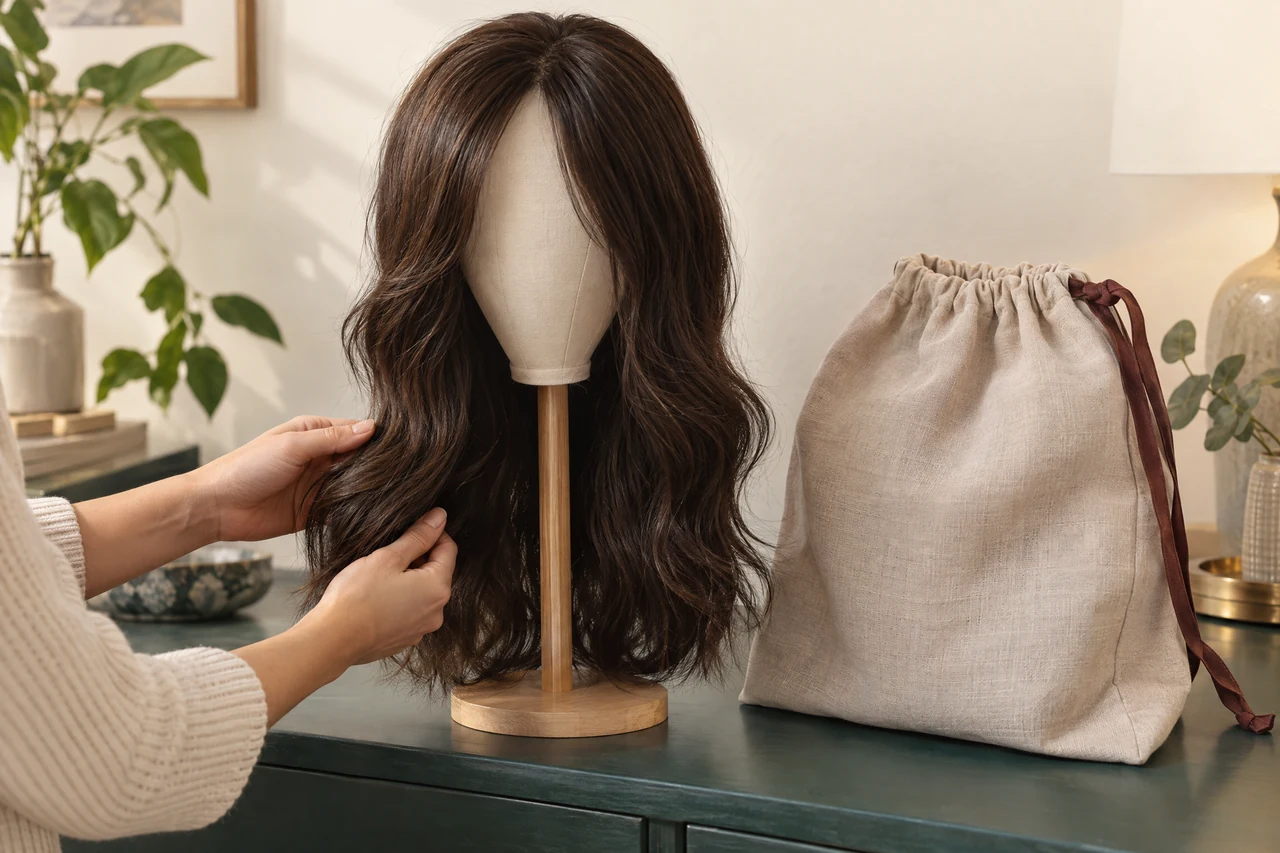
Think through the place as well as the process. Can you handle the fasteners with clean hands at home, and is there somewhere suitable to support the piece while it dries? Will it need to travel in a bag before you can clean it? The Vit So wig care guide offers removable-care context, but the item's own directions control the details. Ask how to manage a damp piece during the journey rather than sealing it away and forgetting it.
Plan around your next shift, not a guessed wash interval
Avoid choosing a fixed cleaning frequency from a general article. Your work exposure and the maker's instructions need to inform the routine. Describe whether the shift involves heavy perspiration, dust or repeated headwear changes, then ask how those conditions affect care. If the required drying or servicing cannot fit between shifts, that is a meaningful reason to reconsider the option. It is not a reason to skip steps or substitute a stronger cleanser.
Check movement and required headwear without tightening through discomfort
A quiet fitting can show positioning and obvious pressure points, but it cannot certify performance through a demanding shift. Where a fitting is offered, describe ordinary low-risk movements: turning to look behind you, bending slightly or putting on your everyday glasses. Notice whether you repeatedly need to reset an edge or feel pulling. Do not rehearse hazardous tasks to test a cosmetic piece. Work equipment compatibility belongs with your workplace's safety requirements as well as the product instructions.
If your job requires a helmet, protective headwear or another fitted item, do not loosen or modify it to accommodate the hairpiece. Ask the relevant workplace safety contact whether the combination is permitted and how the protective equipment must fit. A bicycle helmet in a concept illustration would not prove industrial compatibility. Also separate a uniform cap from protective equipment: either can create contact points, but neither establishes that the hairpiece will remain secure during all movements.
Repeated tension on existing hair deserves attention. The American Academy of Dermatology explains that repeated pulling can lead to traction-related hair loss and identifies pain or scalp stinging as warning signs. [2] This is not evidence that one hairpiece fastening is medically safer than another. It does support refusing to solve movement by simply pulling hair tighter. Stop the uncomfortable arrangement and seek appropriate professional advice for persistent symptoms, damaged skin or unexplained changes in hair.
Bonded hairpiece commitment questions to settle before paying
The important bonded hairpiece commitment questions concern who does each step and what happens when plans change. Does the exact product allow home application and release, or is professional help recommended? Which compatible supplies are required? If you are considering a service, ask whether release, cleaning and refitting are separately available and quoted. Do not infer an appointment interval or wear duration from the word bonded. The answers need to relate to the specified product and provider.
A removable design has commitments too. You must be willing to handle its permitted fasteners, position it correctly and follow its cleaning and storage directions. If small clips are difficult to manage, taking it off regularly may feel less convenient than expected. Request a demonstration where available and explain any handling limitation before buying. Do not solve that limitation by adding clips, glue or tape to a base that was not designed to support the alteration.
Consider what happens if you cannot attend a planned appointment, travel for work or need to stop wearing the piece unexpectedly. Ask for the approved response rather than improvising a solvent or pulling at a bond. For a service quotation, separate the item cost from the supplies and visits you would actually need. There is no basis here for calling either route cheaper over time. Your comparison needs confirmed inclusions, not a low starting figure or a promised lifespan.
Use one difficult workday as the enquiry example
Describe a realistic day: an early start, a warm shift and no private place to adjust the piece until you reach home. Ask the supplier to explain the permitted routine for that situation, including removal and care. Compare how much handling you want with what the directions require. The related guide to hair extensions for an active lifestyle highlights movement and care constraints, but extensions are a different category; their upkeep cannot be transferred to a men's hairpiece.
Turn the comparison into a specific product enquiry
Explore a removable option first if taking it off after work is a firm preference and you can manage its documented fastening and care. Explore a bonded design only if you are willing to learn its approved application, upkeep and release routine, with any necessary service confirmed. Neither choice needs to be final at the browsing stage. If your workwear requirement or care access remains unanswered, pause the decision instead of treating a style you like as evidence of suitability.
OWNSTRAND and Vit So have the same owner; these referrals are not an independent recommendation. OWNSTRAND has one confirmed shop in Kwun Tong, separate from Vit So's Sheung Wan location. Its assigned pages describe sample viewing and measurement for custom human-hair enquiries, with a return fitting including washing, cutting and blow-drying where applicable. Confirm what applies to your requested item, whether it is available and what arrangements are offered before making a journey. Bonded-system installation is not established by those descriptions.
Send the coverage you want, your shift conditions and your preferred removal routine with the product reference. Ask for confirmation of construction, fibre, fastening, care directions, quotation and service inclusions. If treatment-related wearing needs, a rash or scalp symptoms are involved, speak to your healthcare professional before relying on a cosmetic enquiry. The practical endpoint is a choice you can manage safely and realistically, not a guarantee of security, comfort or hair regrowth.
Four dimensions to compare against the exact item's instructions
| Decision dimension | Removable option | Bonded option |
|---|---|---|
| Cleaning access | Taking it off can provide access to the scalp and underside; follow its care directions. | Access may require approved release steps; confirm the cleaning process. |
| Workwear fit | Check contact points and workplace compatibility; do not compensate by overtightening. | Confirm the same requirements; a bond is not proof of equipment compatibility. |
| Off-duty removal | Consider whether you can comfortably manage the intended fasteners and storage. | Establish the permitted release method, required supplies and whether help is needed. |
| Service commitment | Confirm fitting, home-care guidance and any separately quoted adjustments. | Verify any installation, release or refitting service rather than assuming it exists. |
Your preparation checklist
- Specify the area to cover and how the piece should blend with your own hair.
- Describe perspiration, dust, movement and required headwear during an ordinary shift.
- Confirm the exact fibre, base and permitted attachment method.
- Ask to understand removal, cleaning, drying and storage before deciding.
- Separate product supply from confirmed fitting or attachment services and their quotation.
- Pause for unresolved equipment compatibility or symptoms needing professional advice.
Frequently asked questions
Does heavy sweating mean I should choose clips rather than a bond?
Not by itself. Sweat tells you to ask about care, drying and permitted wearing conditions for the exact piece. Clips are appropriate only for a supporting base and suitable attachment arrangement. No source used here establishes a universally more sweat-resistant method. Your ability to manage the required routine matters.
Can I buy a bonded system assuming OWNSTRAND will install it?
No. The assigned hair-system page explicitly does not confirm attachment or installation services. Sample viewing, measurement and custom-wig fitting do not establish bonded installation or ongoing rebonding. Ask directly what is available for the particular item before making a service-dependent purchase.
Can I remove a piece during a break if it feels hot?
Only according to its approved removal process and in a suitable setting. A removable label does not make every fastener easy to handle at work, and a bonded piece should not be pulled off. If routine mid-shift removal is important, explain that requirement before choosing and plan where you could safely handle and store it.
Is a full wig ruled out for manual work?
No blanket rule follows from coverage alone. A full wig and a partial piece have different contact and handling arrangements, which need item-specific assessment. Check fit, care and required protective equipment. If the combination cannot meet workplace requirements, cosmetic coverage should not take priority over them.
Bring your actual work routine to the conversation
Ask Vit So about hairstyle proportions and blending goals. Use the OWNSTRAND guides already linked above for a separate product or Kwun Tong visit enquiry, confirming the exact item, availability and services before deciding.
Start your WhatsApp enquirySources & further reading
- Cancer Research UK — Wigs, hats and scarves
General supplier-care and synthetic-fibre heat precautions; not evidence of active-work performance or brand endorsement.
- American Academy of Dermatology — Hairstyles that pull can lead to hair loss
Repeated pulling and warning signs such as pain or scalp stinging; not a safety ranking of fastening methods.



