






How to Care for Hair Extensions When Travelling Starts Before Departure
Keep a record of the fitted system, supplied hair and care instructions. If a routine review may fall during the trip, ask how to plan it before departure. Explain the trip length and activities without assuming an earlier appointment or a delay is appropriate. Knowing what is fitted makes an enquiry about a problem more useful than a photograph alone.
Identify the parts of the trip that make care difficult. A private hotel bathroom presents different choices from a shared hostel or overnight transport. Ask about the dryer rather than relying on room photographs, and explain if you will change accommodation frequently. These details turn general care advice into a workable plan.
Discuss an existing maintenance appointment before changing it. The decision depends on the fitted system and its current condition; a holiday does not reset the maintenance clock. If you are considering a new fitting shortly before departure, discuss learning the routine and how questions would be handled while you are away.
Continue with how long do hair extensions last for that specific comparison and the preparation questions it raises.
If the journey is still being planned, what to tell a stylist before a long trip helps you describe the travel conditions that may affect your wider hair-service choices. Bring practical information about bathroom access and daily activities, not only your destination name.
How to Care for Hair Extensions When Travelling Requires the Right Details
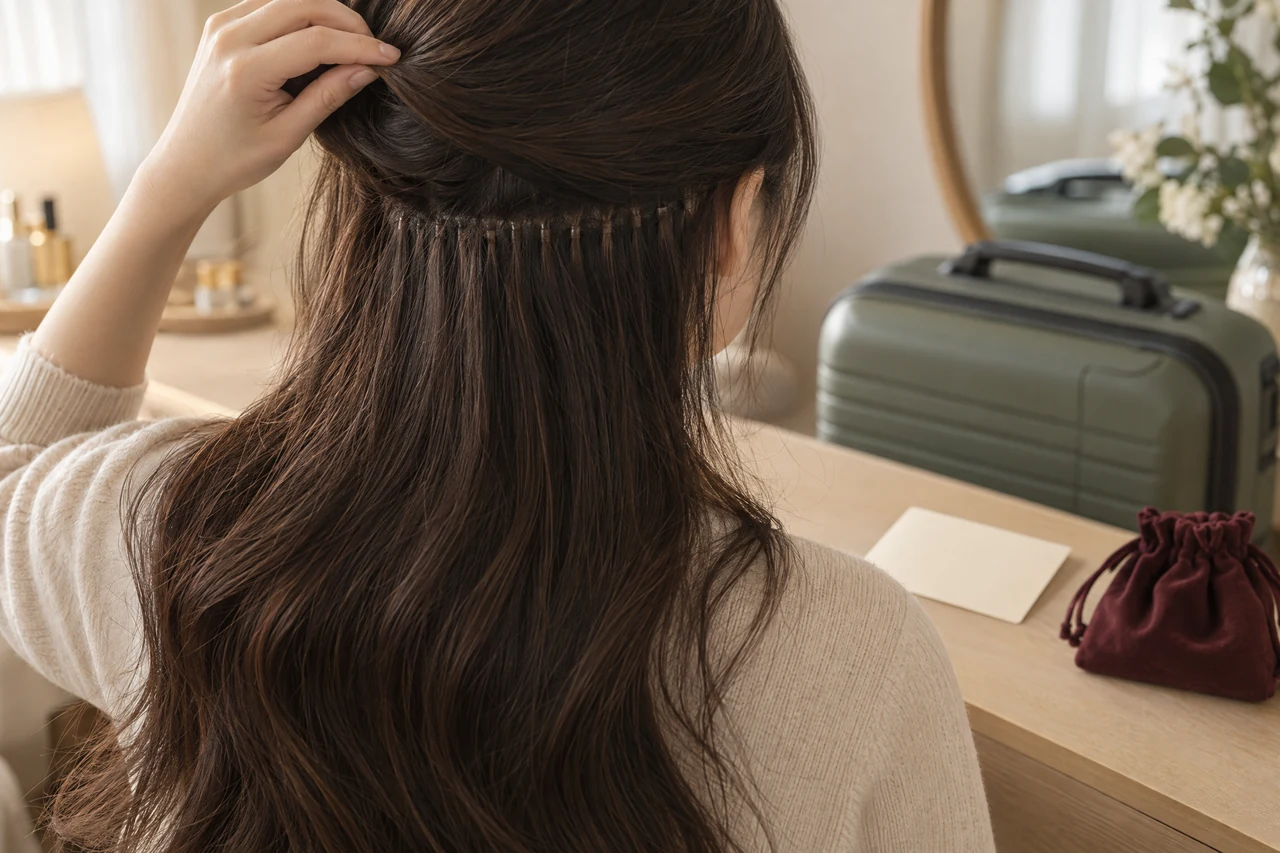
Save the attachment method, hair material, fitting date and written product instructions in a note you can open without internet access. Include the names of approved products and any limits on heat, water exposure or where conditioner can be applied. Keep the provider's contact information with that note and ask about their usual enquiry process. A photograph of the overall hairstyle can add context, but do not lift, pull or manipulate a connection simply to get a closer picture.
Pack for the Care Routine You Already Follow
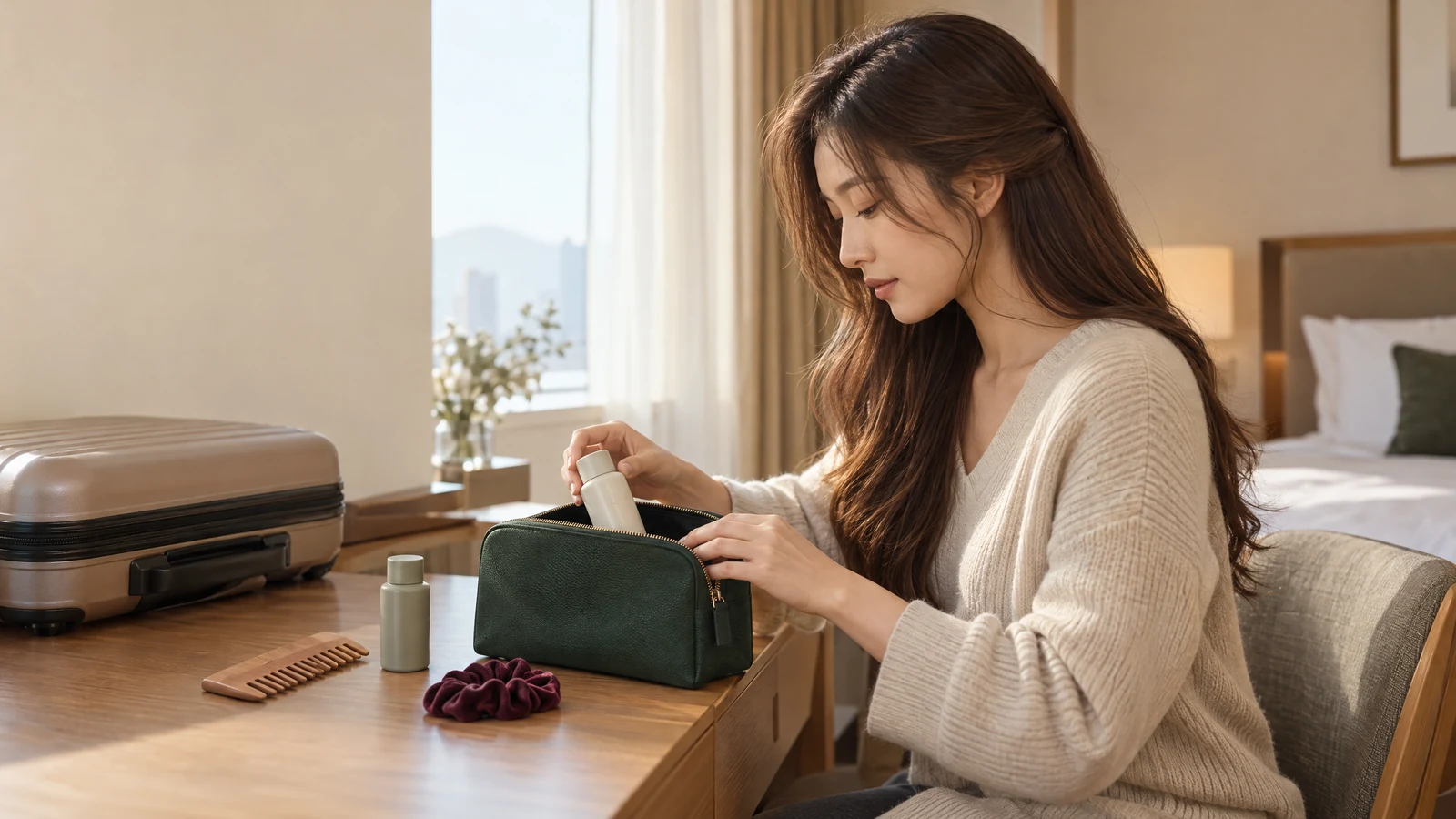
Bring products and a brush that match the system's instructions, within any travel restrictions. Check whether you will have suitable drying equipment and enough time to use it. Hotel products are not automatically compatible with attachments. For removable pieces, also follow their handling and storage instructions instead of packing them as though they were ordinary clothing.
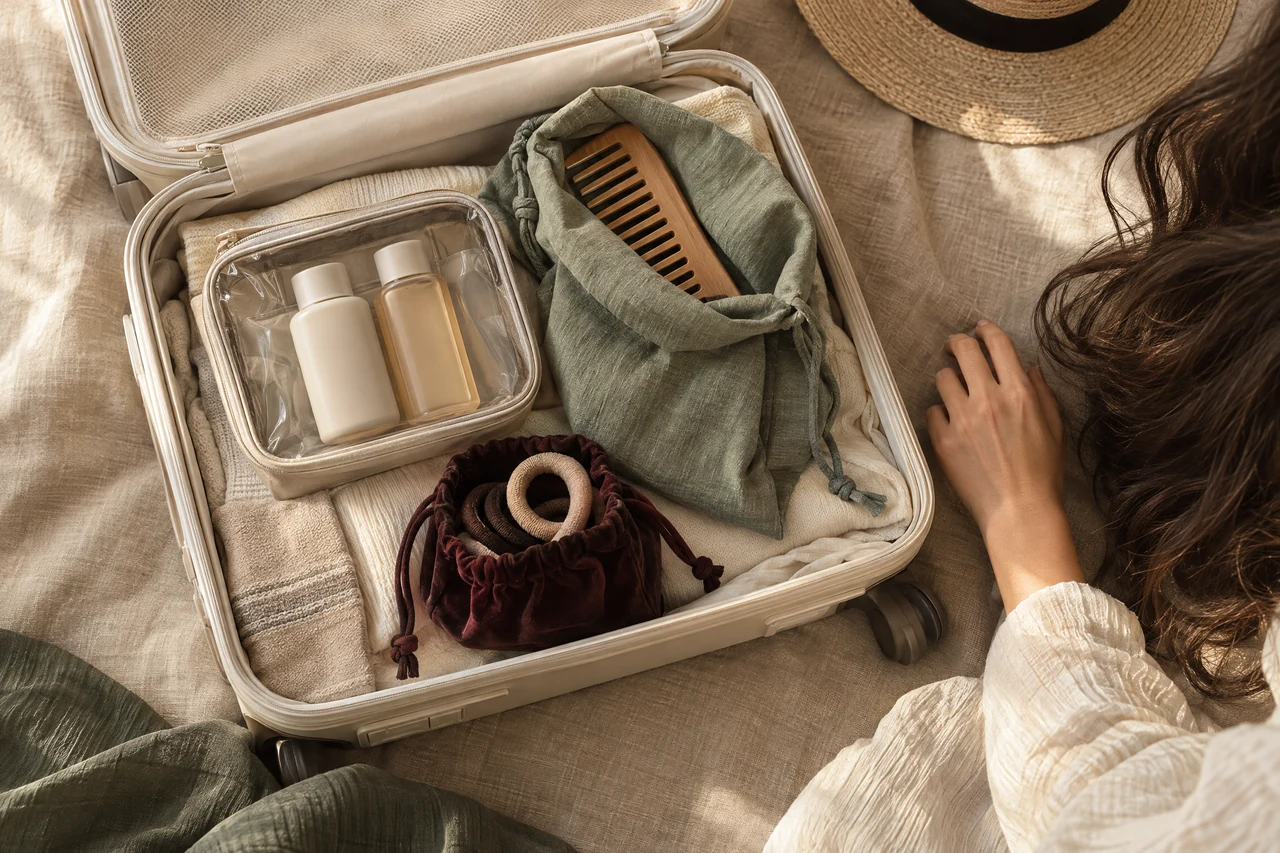
Pack by access as well as by size. Keep the brush and your usual suitable hair ties where you can reach them during a transfer. Put a leak-protected supply of compatible washing products in the baggage permitted for that product and route. If a delayed suitcase would leave you unable to follow your routine, consider a compliant small supply in your cabin bag. Label any decanted bottles clearly so shampoo, conditioner and styling products cannot be confused in an unfamiliar bathroom.
For departures from Hong Kong, Hong Kong International Airport's security guidance states that hand-baggage liquids, aerosols and gels must be in containers no larger than 100ml, packed in one transparent resealable bag of 1 litre or less per passenger. See the airport's security guidance. The container limit matters, not just the amount remaining. Check your airline and all transit and return airports too.
Check the electrical rating of any dryer you plan to bring, together with the destination supply and the manufacturer's instructions. A plug adaptor changes the plug connection; it does not necessarily make an appliance suitable for a different voltage. If equipment cannot be used safely, arrange an appropriate alternative before departure. For removable extensions, use their recommended storage method, keep them separate from leaking toiletries and do not close a suitcase over damp hair.
Compatible Supplies Are More Useful Than Unfamiliar Hotel Products
A bottle labelled nourishing or salon quality does not tell you whether it suits your hair material and attachment. Photograph the packaging of your familiar products so you can identify the exact item if a replacement is needed. Ask about alternatives before travelling somewhere with limited shopping. Avoid using a newly purchased oil, intensive mask or dry shampoo around connections simply because the hair feels different in the new climate. Keep product placement consistent with your written instructions.
Build Care Time into the Itinerary
A late arrival or an early departure can shorten the time available for washing and drying. Plan around those limits and confirm any water-activity restrictions before the trip. Follow the usual night-time handling instructions rather than improvising a tight style to save time. If the required care cannot be managed, discuss alternatives before travelling.
Look at the next transfer before deciding when to wash. If your routine requires thorough drying, the useful washing slot is one with enough bathroom access and drying time afterwards. It is not automatically the evening after a long flight. Avoid beginning a wash just before checkout and hoping the journey will finish the drying. Plan the care window around your own hair length and equipment rather than adopting a fixed number of minutes from someone else's routine.
On long flights or coach journeys, arrange the lengths so they are not caught beneath a bag strap, seat belt or headrest. Before standing up, check that nothing is trapping the hair. Use the low-tension handling recommended for your system rather than making a very tight bun for convenience. Once you reach your accommodation, give yourself space to carry out your normal gentle detangling instead of forcing a brush through resistance in a cramped seat.
Continue with hair extension aftercare for that specific comparison and the preparation questions it raises.
Water activities need a separate decision. Swimming, a boat excursion with spray and a spa visit do not create identical care conditions. Ask whether each activity is suitable for your actual fitting and what must happen afterwards. If the instructions require cleaning and drying that the excursion cannot accommodate, changing the activity may be more realistic than trying to compensate with extra conditioner later.
In its summer extension-care guidance, Great Lengths distinguishes bonds from tapes, advises keeping leave-in conditioning products away from attachments and calls for prompt drying of bonds or tapes after water exposure. It also warns that lotion residue can interfere with tapes. These instructions illustrate why the fitted system matters; they do not establish swimming permission for every extension type or replace your provider's instructions. Keep sun protection in your routine and ask how to avoid transferring product to your attachments.
Continue with hair extensions for an active lifestyle for that specific comparison and the preparation questions it raises.
Late Nights and Water Activities Can Change the Plan
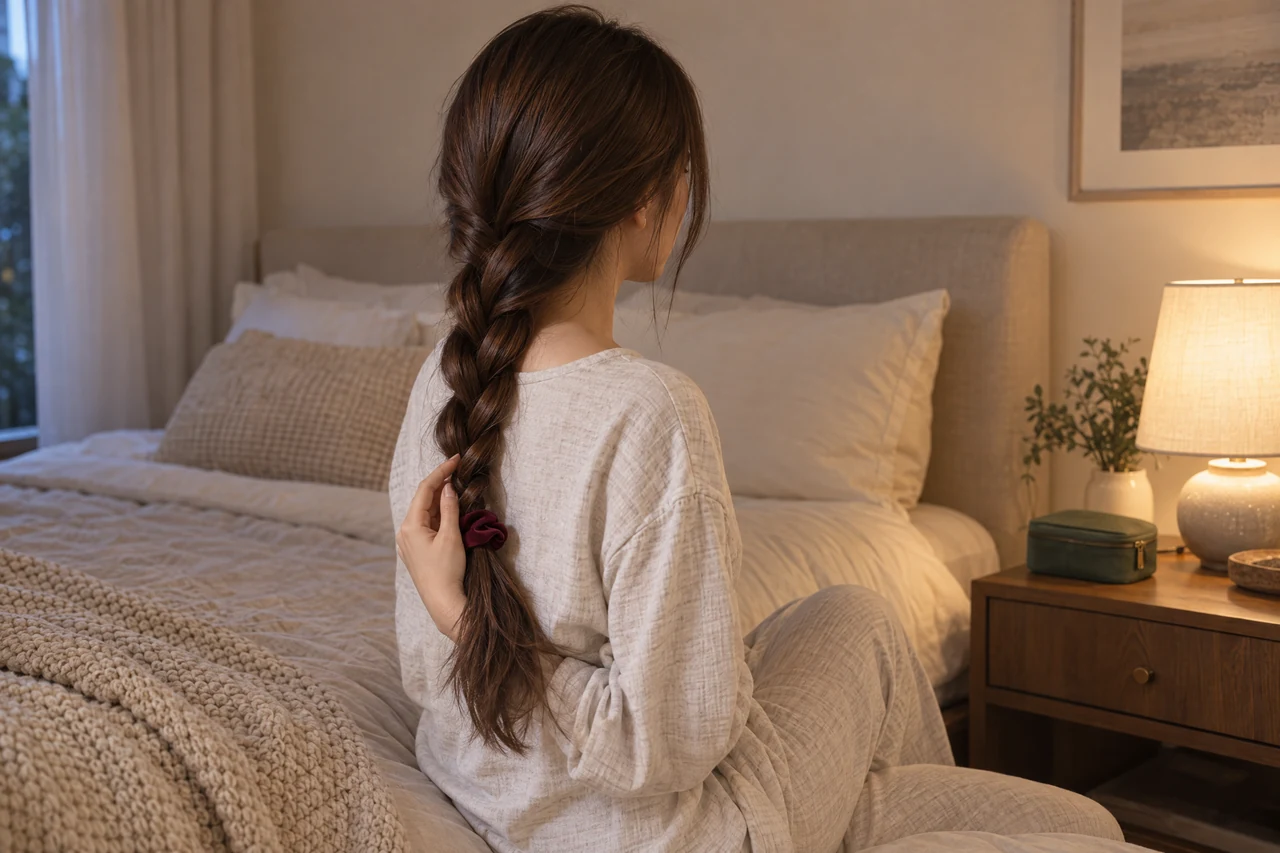
Make the care plan visible in the itinerary alongside dinner reservations and transport. A late-night celebration followed by an early excursion may leave no comfortable washing slot. Move the wash if your normal instructions allow, arrange time at the accommodation or reconsider the activity. For overnight handling, use the familiar approved approach on hair dried as instructed. A loose braid may suit some routines, but it is not a universal instruction and should never be tightened to conceal discomfort.

Respond to Problems Without Improvised Removal
If an attachment loosens or tangles cluster near it, record the change and contact the fitting provider with your system details. Do not use an unknown solvent, cut through a connection or pull it out. Seek appropriate healthcare advice for concerning symptoms. On return, share any change in products, activities or fit when discussing a check.
A useful message explains where the change is, when you noticed it and whether there is discomfort. Add the fitting date and any recent product substitution or water activity. Take a clear photograph only if you can do so without tugging on the hair. Ask what handling is appropriate while you seek advice, rather than requesting a quick removal recipe. Keep any detached extension dry and separate for assessment instead of trying to reattach it yourself.
The American Academy of Dermatology's advice on weaves and extensions explains that repeated pulling can cause traction alopecia, a form of hair loss. It identifies pain or a headache during fitting as signs that a hairstyle is too tight. Do not treat persistent pulling discomfort as something to hide under a holiday hairstyle. New scalp pain, irritation or noticeable hair loss deserves appropriate healthcare assessment rather than a cosmetic fix alone.
A remote message cannot guarantee a diagnosis or a repair appointment. If another stylist is needed locally, explain the exact fitted method and ask whether they can assess that system before agreeing to work. Avoid allowing an unfamiliar tool or chemical to be used on a connection without that assessment. The question do hair extensions damage natural hair is especially relevant when deciding whether a change is merely visible or involves tension and your natural hair.
Record Changes and Seek Appropriate Help
Separate an appearance concern from a health concern when describing the problem. A changed parting, a loose connection and a painful scalp need different responses. Do not spend the rest of the trip repeatedly checking by pulling on the same attachment. Keep a brief timeline and the product names, then follow suitable advice. If symptoms are concerning, seek healthcare where you are rather than waiting for a salon reply across time zones.
Bring the Travel Record to Your Return Check
After returning, compare comfort and manageability with your usual routine, not just how the hair looked in holiday photographs. Report any missed care steps honestly, including time spent without suitable products or drying facilities. If you received local assistance, keep a record of the work and products used. This helps the fitting provider assess the present situation without assuming the attachments are unchanged.
Follow the review arrangement discussed before departure, and seek earlier advice if a new problem appears. A return check is not automatically a full refit, and reusable hair does not automatically mean every connection can remain in place. Ask what assessment, adjustment or removal is being proposed and confirm the scope and quote before agreeing. Use the checklist below to organise the next journey, especially if you learned that your accommodation could not support the routine.
Plan the Next Trip Around What Was Practical
Keep the packing choices that worked, such as clearly labelled products and an accessible brush. Change the parts that failed, whether that was an unsuitable dryer or an excursion with no care time afterwards. The aim is a routine you can carry out comfortably away from Sheung Wan, not a promise that travel preparation will extend the life of the fitting.
Travel conditions and the extension-care decision they change
| Travel condition | What to check | Practical trade-off |
|---|---|---|
| Private hotel bathroom | Dryer suitability and time after washing | Reliable facilities help only if your schedule allows you to use them. |
| Cabin baggage only | Compatible products within every airport's restrictions | Smaller supplies save luggage space but may need a verified replacement plan. |
| Overnight transport or shared accommodation | Access to a brush, bathroom and required drying | Change the washing slot rather than improvising an incomplete routine. |
| Swimming or spa excursion | System-specific permission and after-activity care | Choose a different activity if the required care cannot be completed. |
| Loose attachment away from home | System details, symptoms and suitable professional assessment | Document and seek advice instead of attempting a quick DIY repair. |
Your preparation checklist
- Share departure and return dates with the fitting provider and agree how an existing review should be handled.
- Save the fitted method, hair material, fitting date, product instructions and contact details offline.
- Verify accommodation drying equipment and safe electrical compatibility before packing an appliance.
- Pack labelled compatible supplies and check liquid restrictions for departure, transit and return.
- Reserve washing and drying time around transfers, late nights and any permitted water activities.
- Record any change in fit, comfort or products during the trip and bring that record to your return discussion.
Frequently asked questions
Can I rely on the hotel's shampoo?
Only if it is compatible with the actual hair and attachment instructions. Bringing familiar, suitable products avoids making that decision without the system details.
Can I postpone maintenance until I return?
Do not assume a delay is suitable. Share the trip dates and the fitted system before leaving so the review plan and any changes needing earlier attention can be discussed.
What if an attachment loosens abroad?
Keep the fitting details, record the change and contact the provider for guidance. Do not pull, cut or use an unverified remover; concerning symptoms require appropriate healthcare advice.
Make Your Extension-Care Plan Work Away from Home
Planning travel from Hong Kong? Send Vit So your trip dates, current fitting details and the activities or accommodation limits you want to discuss. Enquire about a suitable consultation in Sheung Wan before changing your review plan. Availability, service scope and any quote need confirmation; an enquiry is not a confirmed booking.
Start your WhatsApp enquirySources & further reading
- How to prevent hair damage from a weave or extensions
Repeated pulling, excessive tightness and the need for dermatological advice about hair-loss concerns.
- Airport Security
Hong Kong hand-baggage liquid container and bag limits, with airline and destination differences.
- Hair Care: How to Maintain your Hair Extensions in the Summer
Manufacturer-specific distinctions between bonds and tapes, product placement and drying after water exposure.



