






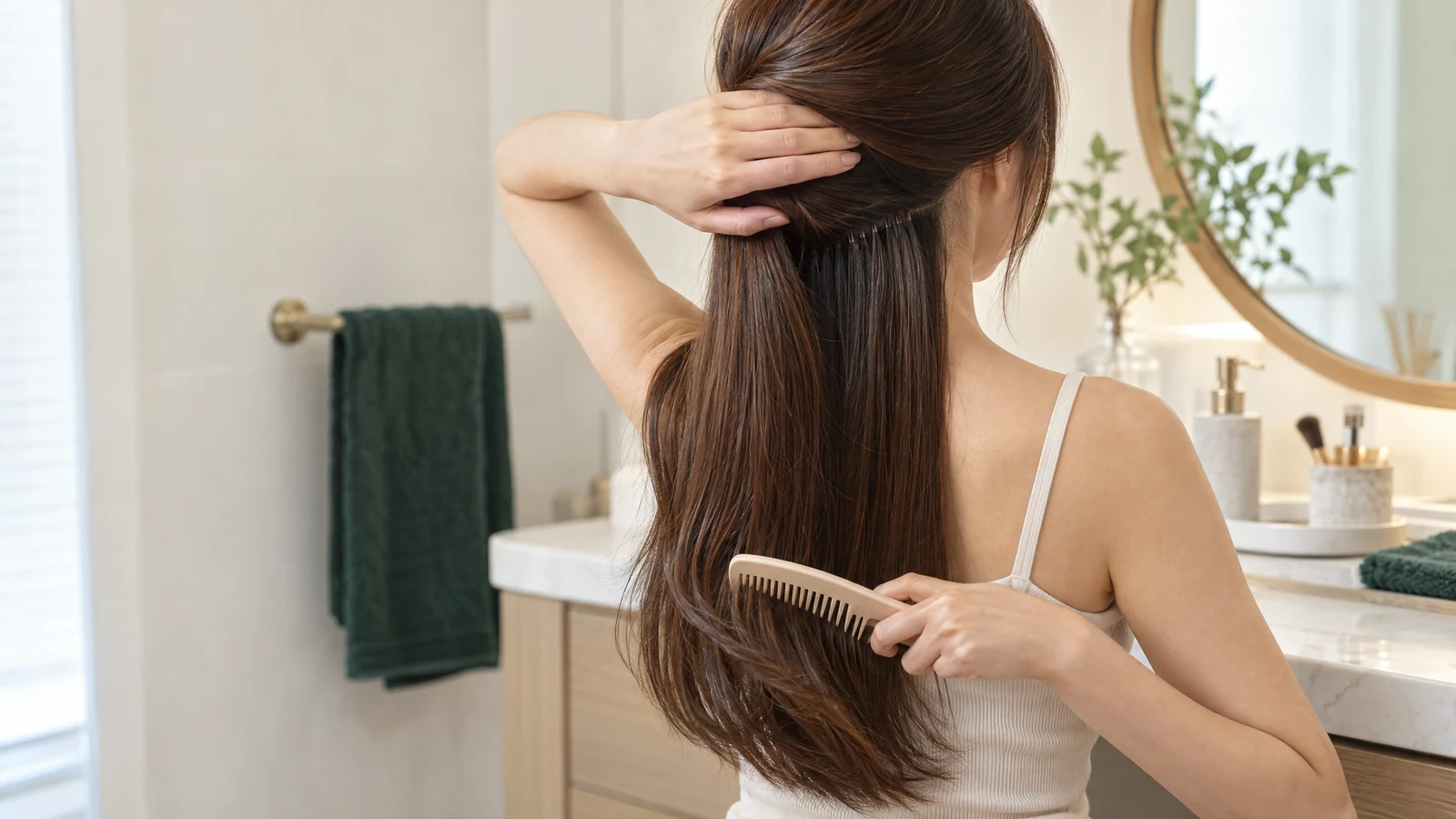
Make Hair Extension Aftercare Specific to the System
Hair extension maintenance at home depends on both the hair and its attachment. Ask which products are compatible, how the attachment area should be handled and what signs need a check. Keep those instructions with the fitting details so you can explain your routine later. A product being suitable for ordinary hair does not establish its suitability around every bond or adhesive.
Treat the handover as a practical lesson rather than a shopping list. Ask the fitting provider to show you where the connections sit, how to support a section while brushing and which parts of your usual routine need changing. Explain whether you normally wash before work or late at night, and whether you can comfortably reach the back of your head. An attractive finished style still needs a routine you can carry out yourself. If the demonstration is difficult to repeat, say so before relying on it at home.
When deciding whether this level of home care suits you, consider how to choose a hair extension method alongside your washing schedule and ability to handle the connection areas. The maintenance commitment should influence the choice, not arrive as a surprise afterwards.
Review hair extensions to check its service scope and the details to share before arranging the related work.
Hair Extension Aftercare Starts with Written Product Guidance
Ask for instructions that identify the supplied hair and attachment method, not just a general extension-care leaflet. Useful guidance explains product placement, washing restrictions, drying requirements and whom to contact when something changes. If a product recommended for your own scalp conflicts with the fitting instructions, ask the provider and the relevant healthcare professional how to reconcile the requirements. Do not simply stop needed scalp care or apply an incompatible product across every connection. Keep the agreed routine somewhere easy to find when you are preparing to wash.
Wash Without Treating All Attachments Alike
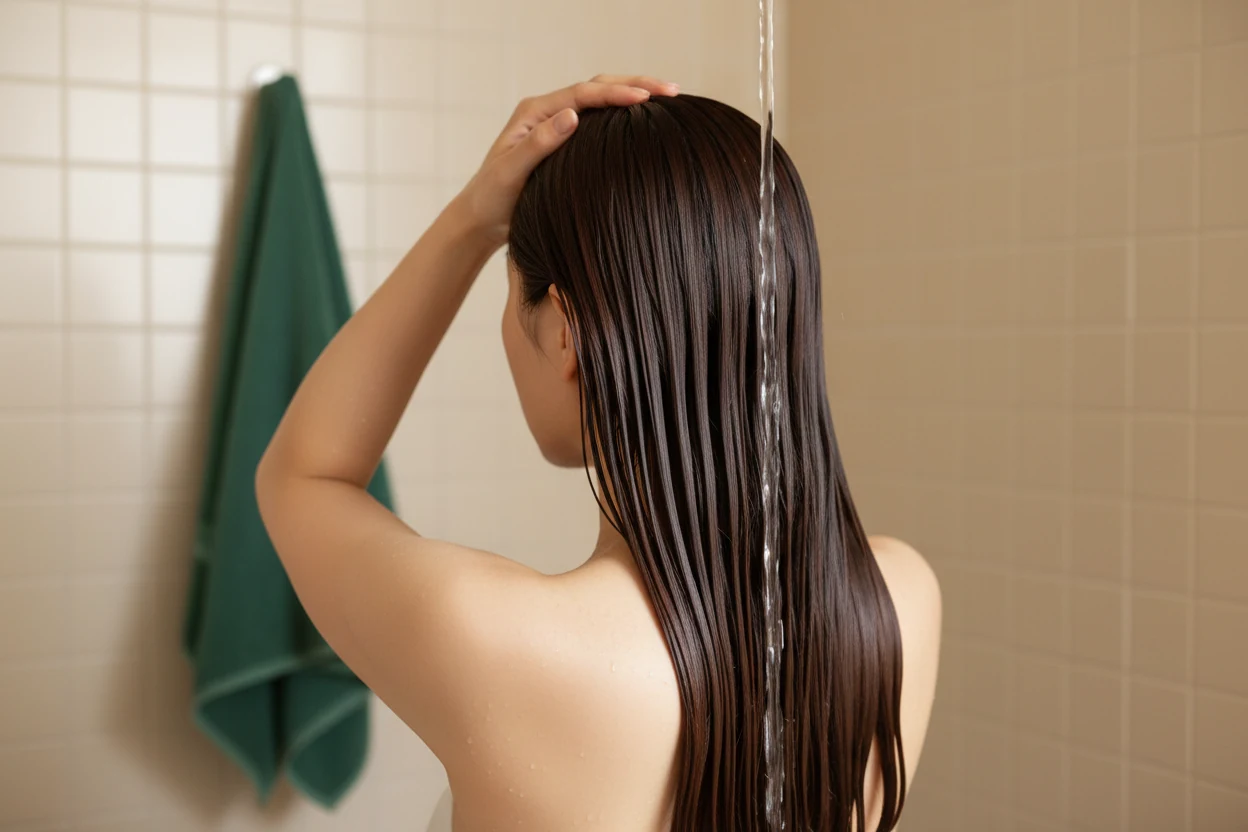
To wash hair extensions, begin with the instructions for the specific system, including any first-wash restriction. Ask how to cleanse near attachments and dry the roots and connection areas. Avoid vigorous rubbing or deliberately disturbing a bond to clean it. No single waiting time, shampoo formula or drying technique applies to every type of fitted hair.
Prepare your approved cleanser, towel and drying tools before washing. Deal with manageable end tangles using the demonstrated technique, but seek advice if a brush repeatedly catches near a connection. Choose a washing position that lets you control the lengths. Piling the hair into a ball is not a shortcut to a cleaner scalp.
For an example of system-specific instructions, Great Lengths' aftercare guidelines describe gentle lathering without rough scrubbing, rinsing with water flowing through the length and blotting excess water with a towel. Those directions belong to that manufacturer's extensions; they are not evidence that every system fitted elsewhere should use the same products or technique. Use the example to ask clearer questions about your own wash, not to replace the care sheet you were given.
Keep scalp cleansing and conditioning placement separate in your mind. A scalp that needs washing should not be ignored simply to preserve a styled finish. The American Academy of Dermatology's extension-care advice recommends washing as needed for your hair type and removing clip-ins before washing your natural hair. With fitted extensions, clarify how to cleanse the scalp while respecting the attachment instructions, then rinse out products as directed rather than leaving residue because access feels awkward.
Continue with hair extensions for an active lifestyle for that specific comparison and the preparation questions it raises.
Confirm the First Wash and Drying Instructions
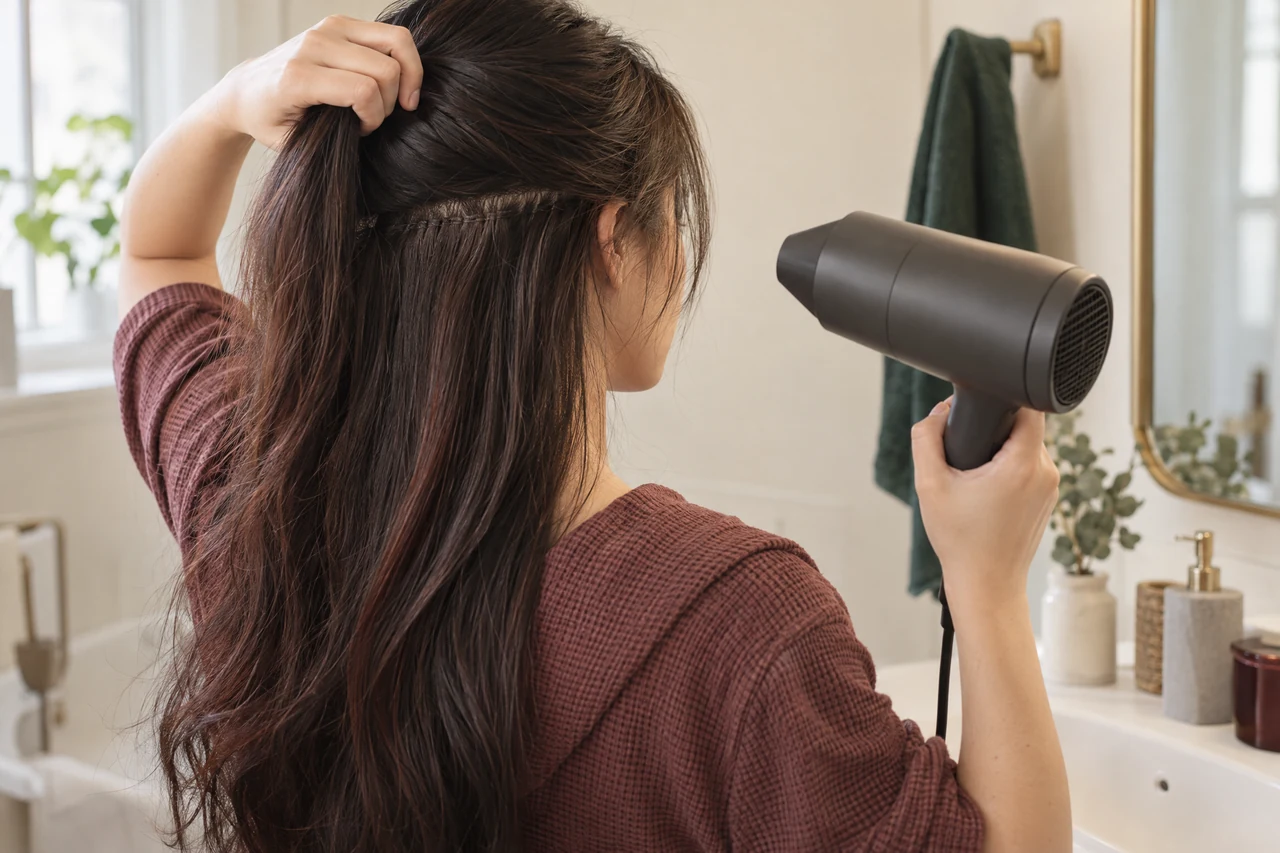
Before leaving the fitting appointment, ask when your particular installation may first be washed and what to do if it becomes wet beforehand. Write down the answer instead of borrowing a waiting period from an online tutorial. After washing, avoid twisting the lengths tightly in a towel. Follow the agreed drying sequence and gently expose inner layers so you can reach the required areas. The outside looking smooth does not tell you whether the roots underneath are ready for bedtime. Confirm permitted dryer settings and where heated tools must not touch the connections.
Reduce Pulling During Brushing and Bedtime
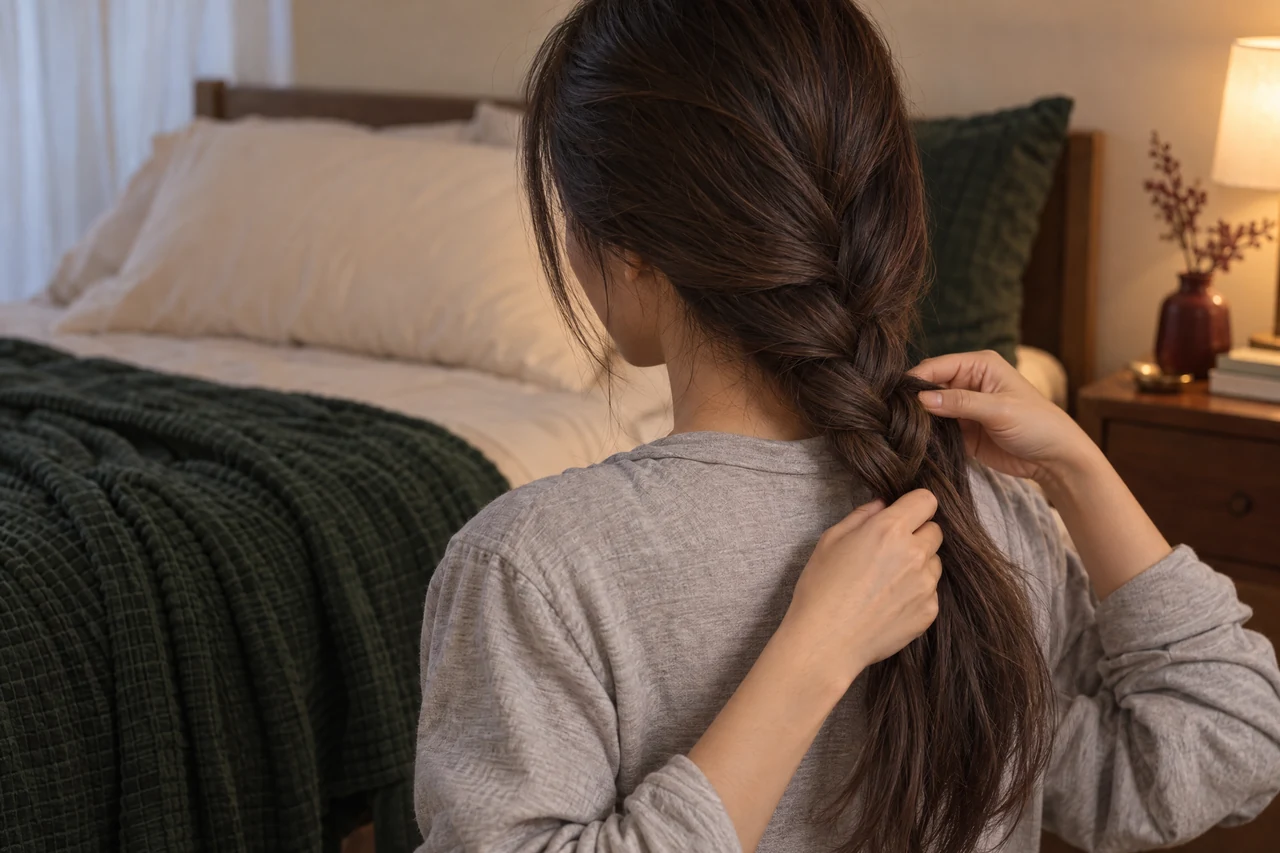
Gentle brushing should avoid pulling on the attachment area; ask for a suitable brush and handling demonstration. Before sleeping, follow the system's drying instructions and discuss a loose tie or braid to reduce tangling where appropriate. Clip-in pieces are normally removed for sleep rather than treated as fitted hair. A tight overnight style is not a substitute for careful detangling.
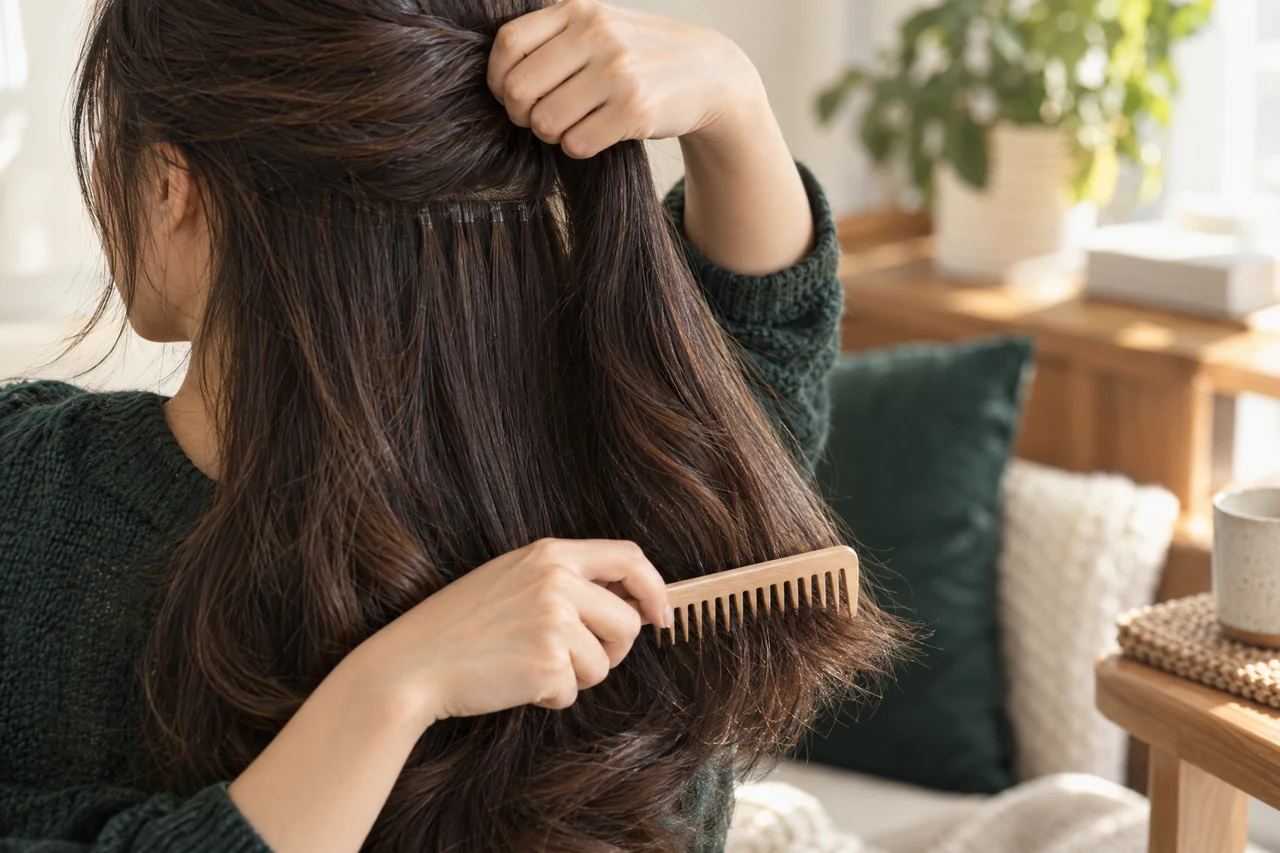
For the lengths, work in small sections using the approved technique. If demonstrated for your hair, begin with the ends and gradually move higher while supporting the section so resistance is not passed to a connection. A stroke should not drag your scalp or require you to brace against pain. Brush design matters: a tool that glides through loose hair may catch the hardware or attachment structure. Ask specifically how close it can travel to the roots, rather than testing that limit by repeatedly pushing it through.
Bedtime is easier when washing is not left until you are already exhausted. Allow enough time to complete the instructed drying and gently organise the lengths before lying down. A loose braid should feel relaxed at the scalp and around each connection; it is not meant to pull every strand into a polished overnight shape. If a low tie or braid presses a connection against your pillow, discuss a different placement rather than tightening it. The aim is comfortable containment, not a style that stays immovable.
Removable pieces need a different evening routine. BELLAMI's clip-in FAQ advises against sleeping in clip-ins because it can damage the clips and cause matting and tangling. Remove your pieces as instructed, checking that each clip is released before lifting it away. Follow their separate care and storage guidance instead of assuming the fitted-hair bedtime routine applies to them.
Looser Night-time Habits Do Not Replace System Advice
A smooth pillowcase or a soft hair tie may make bedtime more comfortable, but neither fixes damp connection areas, existing matting or an attachment that feels wrong. Before settling down, gently check the accessible sections without picking at the connections. If an overnight style feels tight when you turn your head, loosen or change it within the guidance you have been given. In the morning, release the tie carefully and check the ends before brushing through the length. Avoid pulling harder simply because a knot appeared overnight.
Know When to Stop Home Detangling
If tangles cluster around an attachment or a connection seems to have moved, avoid tugging or cutting through it. Record what changed and contact the fitting provider for assessment. Persistent pain, redness or other concerning symptoms warrant appropriate healthcare advice. Aftercare is not a way to diagnose a scalp problem or guarantee that attachments will cause no strain.
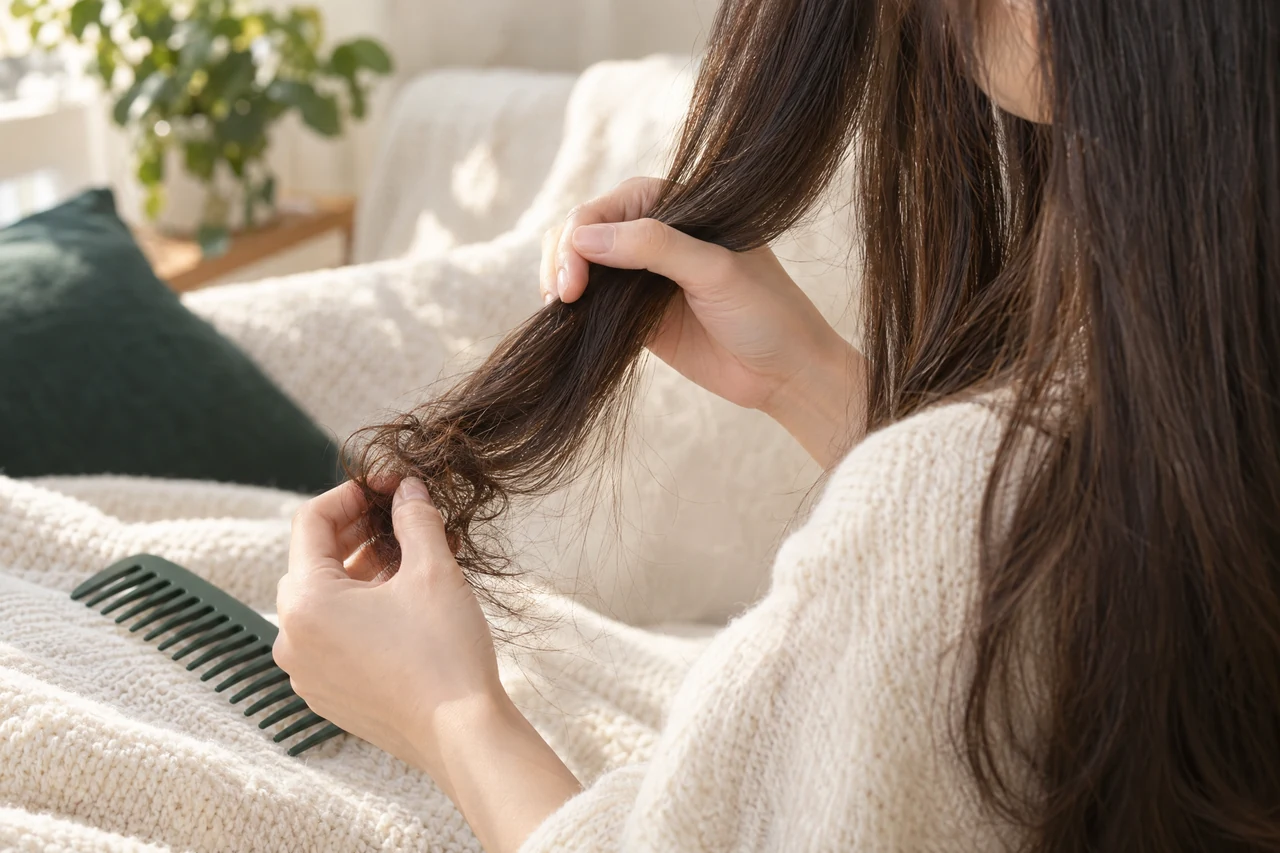
A small loose-end tangle and a dense knot at a connection call for different decisions. You may be able to work gently at the edge of a minor end tangle with the approved tool and product, provided the hair separates without pulling the scalp. Stop when you cannot tell which strands belong to your own hair, when several connections appear caught together or when the knot resists gentle handling. Adding more oil, scraping with a comb point or cutting into the knot can create a different problem without addressing its cause.
Do not accept pain as proof that an attachment is secure. The American Academy of Dermatology explains that repeated pulling can cause traction alopecia and advises asking a stylist to loosen a style that hurts or feels too tight. For ongoing discomfort after a fitting, arrange prompt advice rather than waiting for the next planned maintenance visit. Scalp symptoms or concerns about hair loss also need appropriate healthcare assessment; a salon check cannot diagnose them.
For the wider discussion of strain and suitability, read do hair extensions damage natural hair rather than treating careful washing as a guarantee against damage.
Continue with how long do hair extensions last for that specific comparison and the preparation questions it raises.
Attachment Changes and Persistent Discomfort Need a Check
Make your message to the fitting provider specific. Describe where the change is, when you first noticed it and whether it followed washing, brushing or sleeping. Include clear photographs if you can take them without pulling apart a knot. Mention any changed products and what you have already tried. Do not squeeze a ring back into place, reglue a loose connection or use household tools to remove fitted hair. Ask what handling is appropriate while you wait and whether the provider can assess the existing system before arranging a visit.
Build a Home Routine You Can Repeat
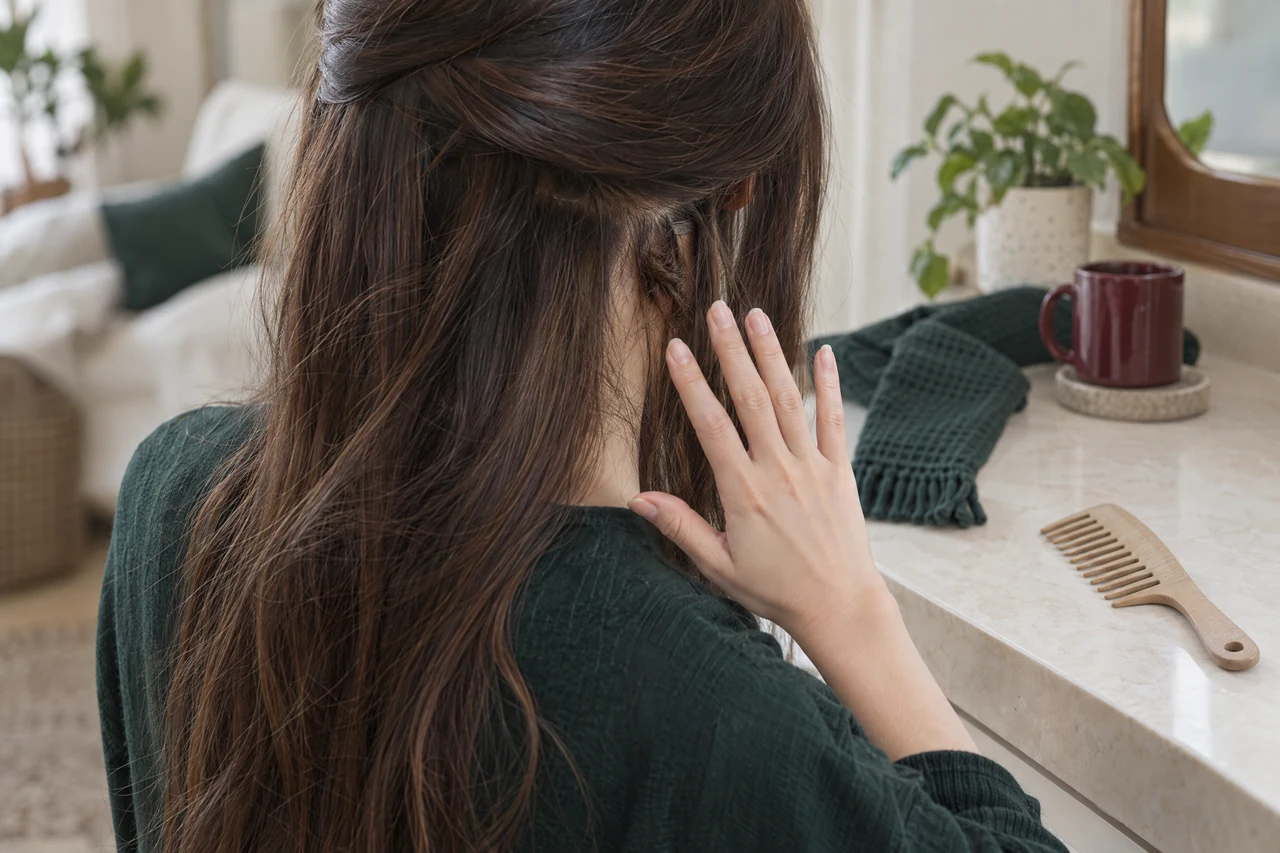
Gently organise the lengths in the morning, cleanse when needed and complete drying before bedtime. If back sections are consistently difficult to reach, request another demonstration or discuss whether the amount of hair is practical. More extension hair is not automatically better when it prevents comfortable scalp access and care.
Use the 6-point checklist below to organise your aftercare handover. Keep it with your fitting details so the same information is available if another stylist later handles your hair.
Agree on Follow-up Before a Problem Appears
Confirm how maintenance checks are arranged and which changes should bring the visit forward. Home care and professional maintenance do different jobs: a careful wash does not reposition an attachment or establish whether supplied hair can be reused. Ask what a check covers and whether adjustment, removal or refitting would be quoted separately. If your extensions were fitted elsewhere, identify the original system before requesting help. An enquiry should establish whether the work can be assessed, not assume every provider can maintain an unknown installation.
Choose the next action by what you are handling, not by how smooth the hair looks.
| Situation | Useful home action | Boundary to respect |
|---|---|---|
| Loose lengths with a minor end tangle | Support the section and use the demonstrated gentle detangling technique. | Stop if resistance reaches a connection or causes scalp pulling. |
| Scalp and fitted connection areas during washing | Use compatible products and follow the system's cleansing and drying instructions. | Do not scrub, pick at or deliberately shift attachments. |
| Fitted hair before sleep | Complete instructed drying and use an approved comfortable loose arrangement. | Do not use a tight braid to conceal tangles or discomfort. |
| Clip-in pieces at bedtime | Release and remove clips carefully, then follow separate storage guidance. | Do not treat removable pieces as overnight fitted hair. |
| Dense tangles, changed connections or persistent discomfort | Pause home handling, document the change and seek the appropriate assessment. | Do not cut, reglue, squeeze or force an attachment yourself. |
Your preparation checklist
- Record the supplied hair, attachment system and fitting provider's contact details with your written care instructions.
- Confirm compatible cleansers and exactly where conditioner, oils, masks and leave-in products may be applied.
- Write down the first-wash restriction and ask what to do if the installation gets wet unexpectedly.
- Practise the recommended brushing technique, including section support and handling near the connections.
- Confirm drying requirements and a comfortable bedtime arrangement; plan to remove clip-in pieces for sleep.
- Agree on maintenance arrangements, warning changes and how to request assessment without manipulating a difficult knot.
Frequently asked questions
How to sleep with hair extensions without pulling?
Follow the fitted system's drying advice and ask whether a loose tie or braid is appropriate for it. Remove clip-in pieces for sleep and avoid tight overnight styles.
Can I use my usual shampoo?
Check compatibility with the supplied hair and attachment instructions first. A product suitable for your own hair may not be suitable near every bond or adhesive.
Should I cut out a stubborn tangle near a bond?
Do not cut or force a tangle at an attachment. Stop home handling and seek assessment so the connection and your own hair can be checked.
Make your extension-care questions easier to answer
For an enquiry with Vit So in Sheung Wan, share your attachment details, current routine and any area that is difficult to wash or brush. Ask whether your system can be assessed and what information is needed before a visit. An enquiry is not a confirmed booking; assessment scope and arrangements need confirmation.
Start your WhatsApp enquirySources & further reading
- How to prevent hair damage from a weave or extensions
Hair-type-based cleansing, removing clip-ins before washing natural hair, and responding to painful tight styles and repeated pulling.
- Aftercare Guidelines — Great Lengths
An explicitly manufacturer-specific example of gentle washing, downward rinsing, towel blotting and loose bedtime arrangements.
- FAQ — BELLAMI Hair
The manufacturer's advice not to sleep in clip-in extensions because of discomfort, clip damage, matting and tangling.



