






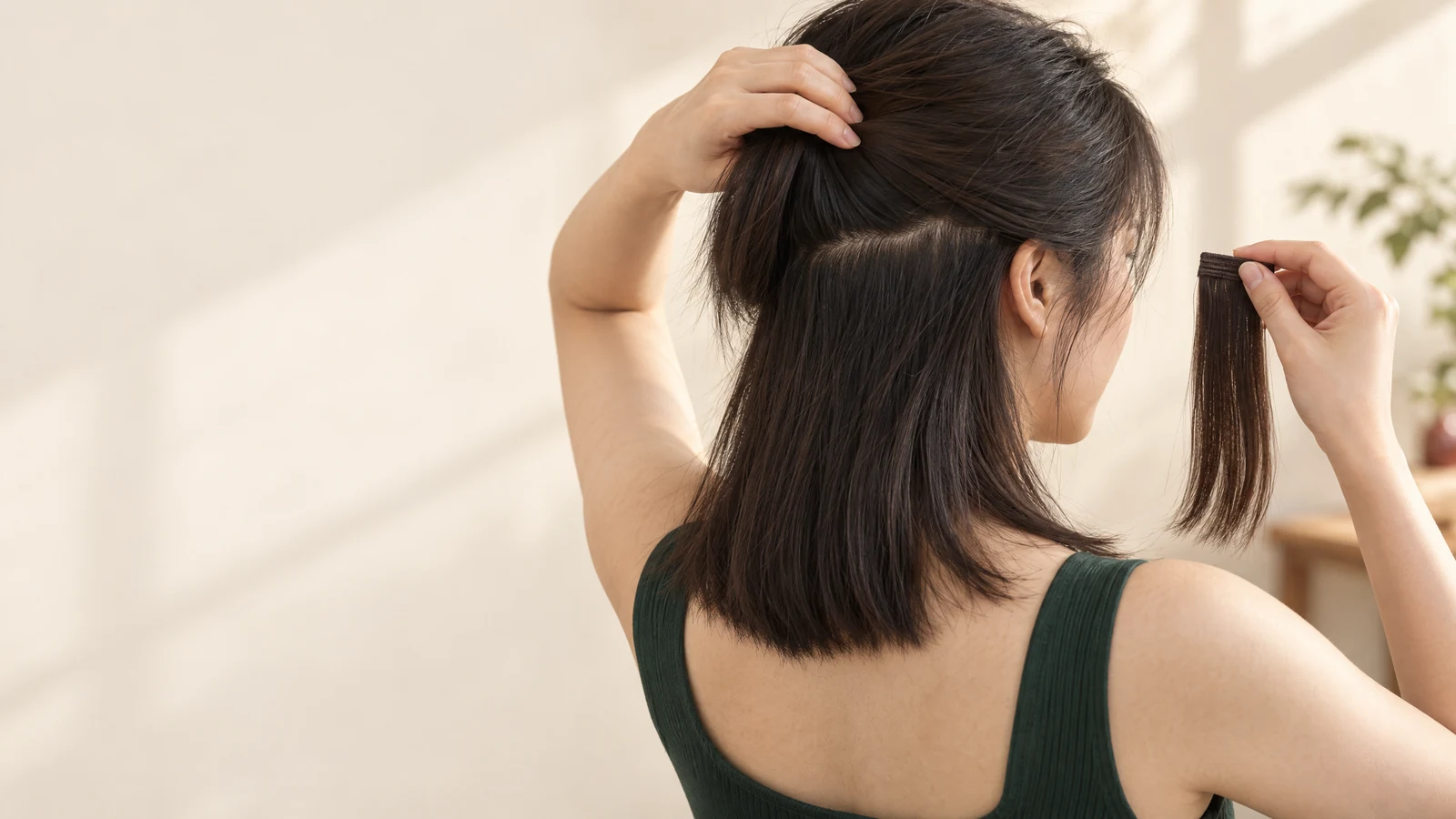
Do Hair Extensions Damage Natural Hair Through Pulling?
Attachments place added hair on or alongside supporting strands, so weight and pulling deserve attention. A small connection or a no-heat label does not establish low strain. Discuss the amount of hair, placement and your normal tied-back styles, and ask how these factors will be considered for your own hair rather than accepting a zero-damage promise.
Yes, pulling can be a source of damage. The British Association of Dermatologists' traction alopecia leaflet explains that repeated tension can cause hair loss and that longstanding pulling may permanently damage follicles, the structures that produce hair. It lists extensions among the associated hairstyles. That does not predict what will happen to a particular wearer, but it makes promises that all attachments are harmless unsuitable advice.
Hair breakage and a change in scalp coverage are not interchangeable concerns. A strand can snap along its length, while reduced coverage may have a cause that needs medical assessment. If you notice shorter broken-looking pieces, describe where they are and when you noticed them. Do not conclude that every short hair is damage, or that every density change must have been caused by extensions.
When considering how to choose a hair extension method, compare the proposed supporting sections, added length and removal process rather than treating a marketing label as a safety certificate.
Do Hair Extensions Damage Natural Hair Depends on More Than the Label
Ask the stylist to explain what will hold the added hair and how its weight will be distributed. A small-looking connection may still support a substantial bundle. A larger attachment is not automatically damaging either: appearance alone does not measure pulling. Explain whether you want thicker ends, much greater length or a fuller ponytail, because these goals involve different amounts of added hair. A less dramatic outline may be a more realistic option than pursuing maximum length on every supporting section.
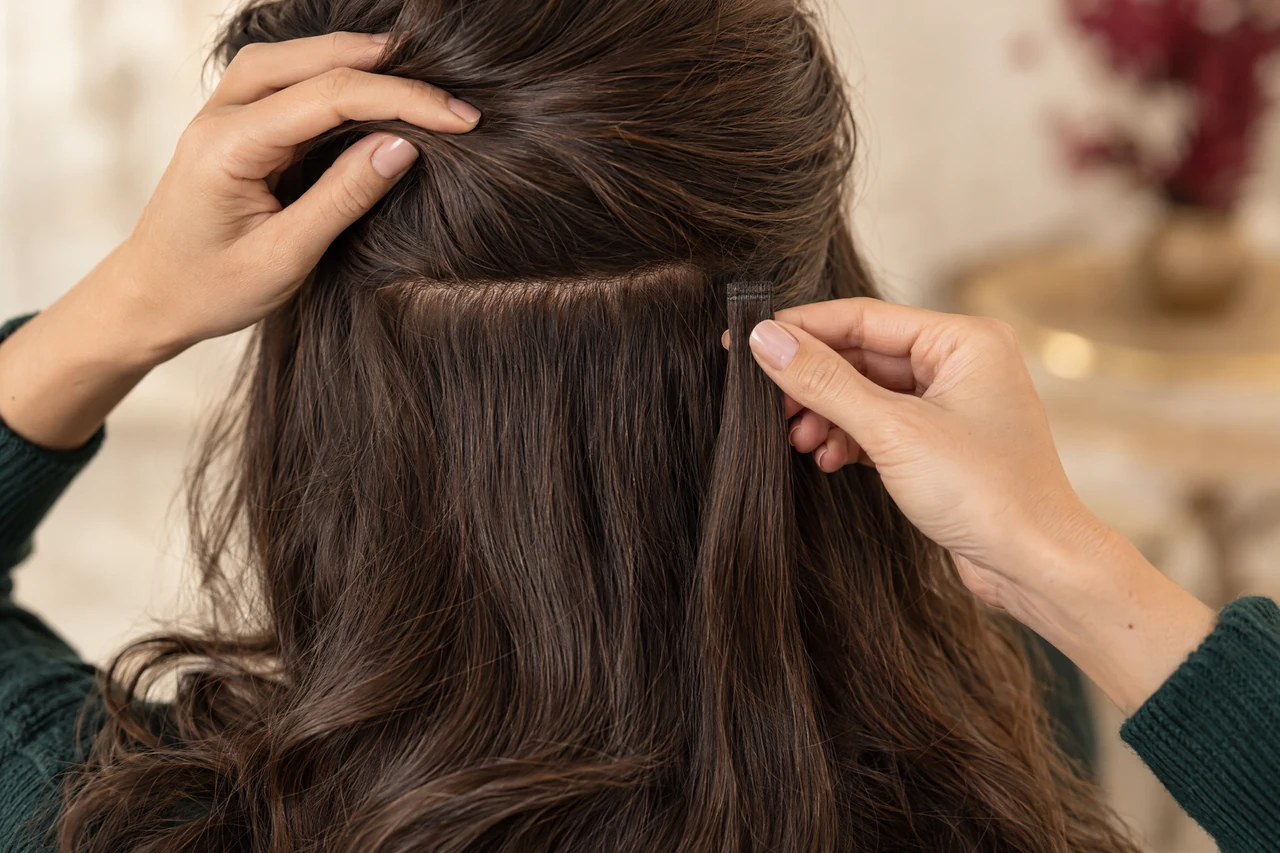
Disclose Existing Fragility and Previous Work
Describe earlier bleaching, chemical processing, breakage and any discomfort from previous attachments. These details may affect whether added hair is appropriate and what limits should be discussed. Do not hide a concern to obtain a particular method. A cosmetic consultation can consider appearance and handling, but it should not be presented as diagnosis of a density change.
Prepare a simple history of what remains in your hair, not just your latest appointment. Mention older bleached lengths even if they have since been dyed darker. Explain previous straightening or relaxing, and identify areas that catch during brushing or break more easily. If you do not know which products or attachment system were used, say so. Photos and available service records can help the provider understand the starting point without pretending to reveal everything about hair strength.
The British Association of Dermatologists notes that chemical relaxers can increase traction-related risk when combined with tight hairstyles. This is not a rule that every coloured head of hair is unsuitable. It is a reason to discuss overlapping stresses carefully rather than treating colour matching as the only preparation needed. The right consultation may lead to a smaller design, postponement or a decision not to add attachments.
Continue with hair extensions for fine hair for that specific comparison and the preparation questions it raises.
Colour History and Earlier Attachments Give Useful Context
Separate naturally fine strands from newly reduced density when describing your concern. Saying that your hair has always felt fine gives different context from saying your parting recently looks wider. Also disclose where earlier connections sat, whether removal involved pulling, and whether discomfort continued afterwards. These details help with a cosmetic suitability discussion. You do not need to assign yourself a diagnosis or prove that a previous provider was responsible before asking for appropriate advice.
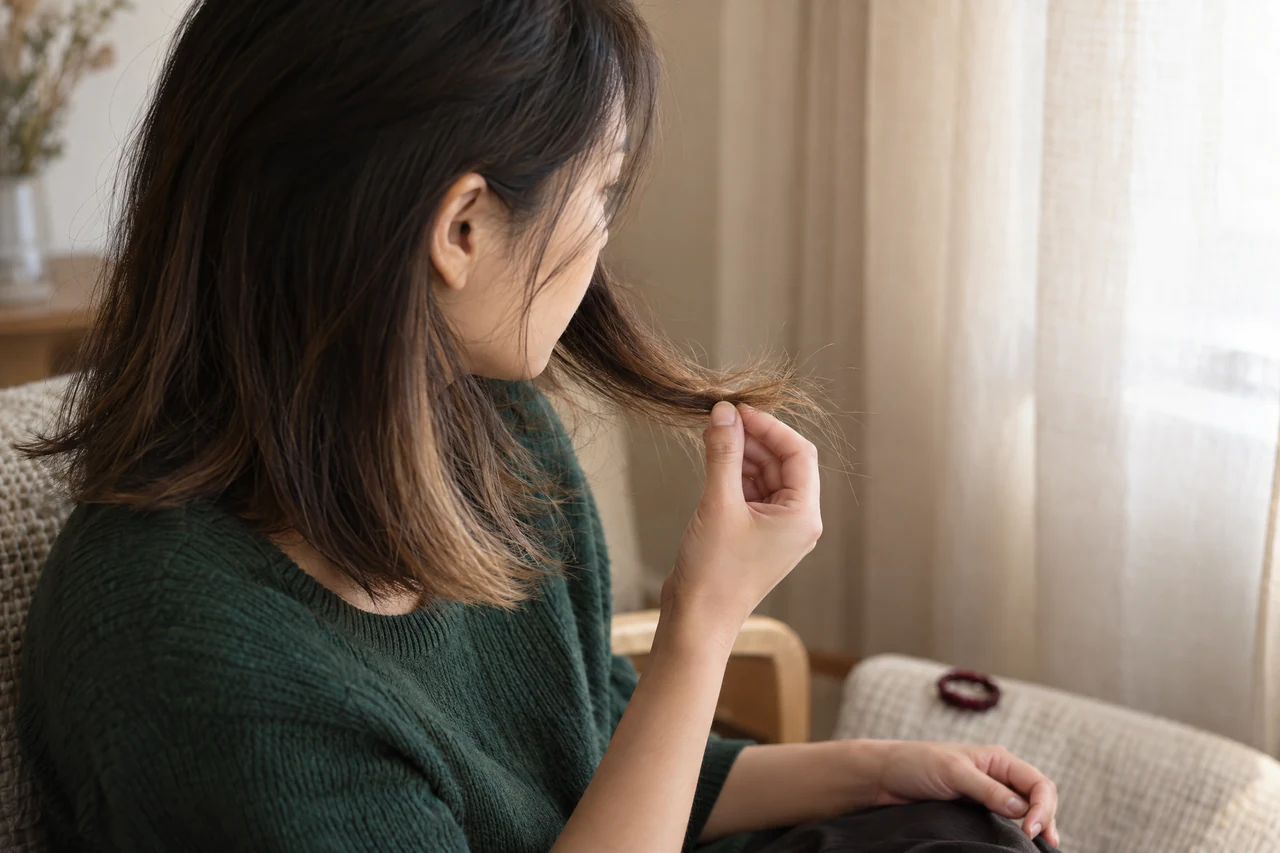
Avoid Forceful Removal and Tight Styling
Do not pull attachments out or use an unverified remover because the hair appears loose. A tight style that pulls at the connection should also be reconsidered. Ask for method-specific assessment and removal advice. Work fitted elsewhere needs its own acceptance check; a desire to remove it urgently does not confirm that any salon can handle it.
A loose-looking connection may still contain supporting natural hairs or sit beside a tangle. Pulling to see whether it comes away can transfer force to those strands. Cutting near the attachment risks cutting your own hair, and a remover intended for another system may not be appropriate. Instead, tell the fitting provider what has changed: sliding, catching, a visible gap or discomfort. Let them advise on assessment and the correct release process.
Before fitting, ask who will handle removal, whether a check is needed first, and what information to supply if you later seek help elsewhere. Clarify the cost and availability of that work separately from installation. Retaining the method name and written care instructions is useful, but neither guarantees that a different salon will accept the removal. Planning this stage early avoids relying on a last-minute home solution.
Continue with hair extension aftercare for that specific comparison and the preparation questions it raises.
Do Not Pull, Cut or Experiment at the Connection
Gentle handling means stopping when resistance increases, not repeatedly forcing a brush through it. Follow the fitting provider's instructions for supporting the lengths and working through the ends. If a knot involves several attachments, leave the connections alone and request advice rather than separating them with scissors. Similarly, loosen an ordinary hair tie if it adds pulling, but do not try to loosen a fitted bond or ring yourself. They are different tasks requiring different handling.

Recognise the Boundary Between Care and Healthcare
If you notice persistent pain, redness or another concerning scalp symptom, stop forceful handling and seek appropriate healthcare advice. Also contact the fitting provider about the attachment and any changes in the fit. Do not assume discomfort is a necessary settling period or try to diagnose its cause from photographs or a general aftercare article.
Speak up during fitting rather than waiting to see whether pain becomes persistent. In its guide to preventing damage from weaves and extensions, the American Academy of Dermatology says pain or a headache during styling indicates that the hairstyle is too tight and advises asking the stylist to loosen the affected area. A finished look is not a reason to tolerate pain while the attachment is being fitted.
A salon can discuss attachment placement, service suitability and cosmetic handling. It cannot determine the cause of a new bald patch or prescribe treatment for a scalp disorder through an extension consultation. If symptoms persist or coverage changes unexpectedly, seek healthcare advice as well as reporting the attachment concern. Avoid covering the area with more hair before that concern has been assessed; improved visual fullness would not establish that the underlying issue had resolved.
Persistent Symptoms Need Appropriate Assessment
Make a factual note of when the symptom began, its location and whether it changes when your hair is tied back. Mention any recent chemical service and the date of fitting. If you take a photograph, do so without pulling apart a painful area. This information can help you explain the situation to a clinician and the fitting provider. Do not delay healthcare assessment while waiting for a routine salon review or use an online image comparison to rule out a problem.

Check the Design Against Your Everyday Hairstyles
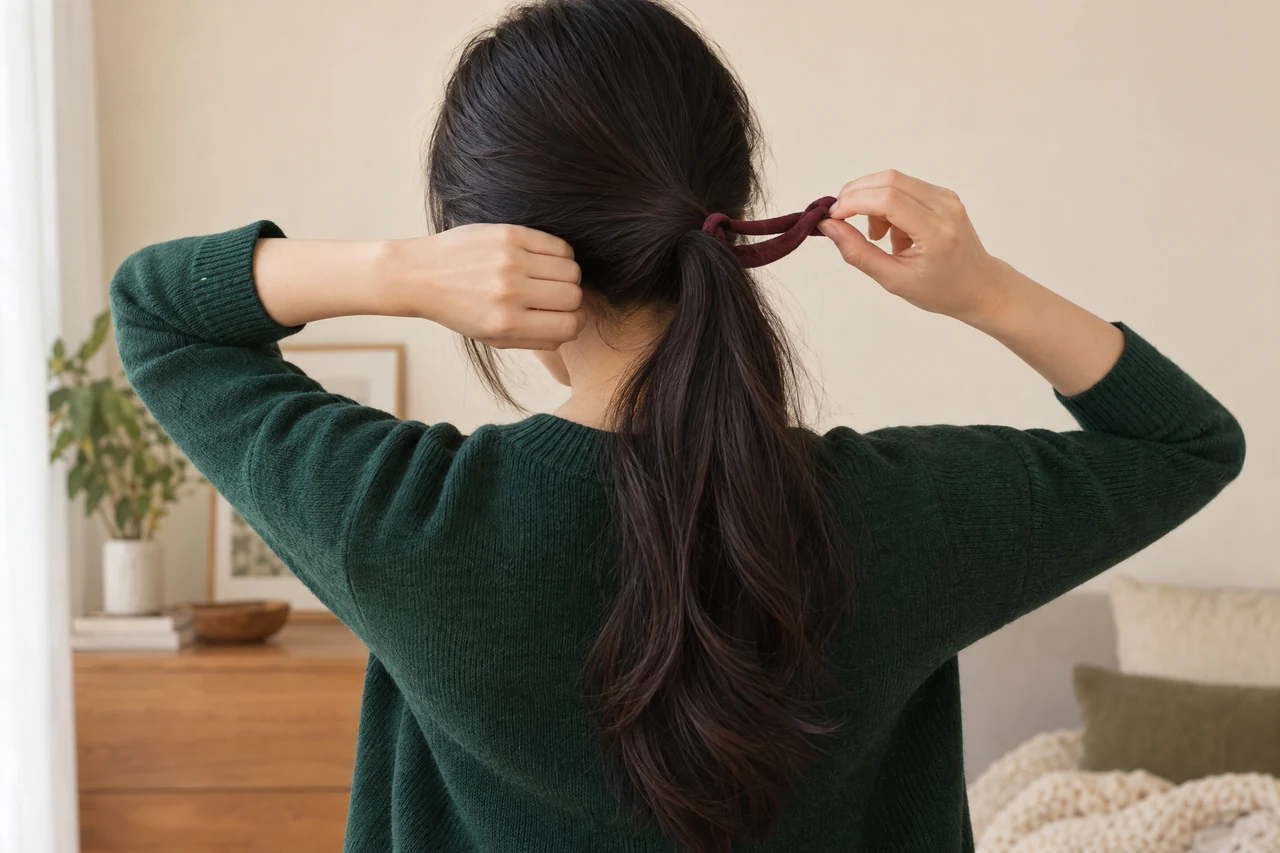
An extension design should be discussed in the positions you actually wear, not only with hair hanging down. Show your usual work ponytail and explain how you secure it for exercise. Describe clips, headwear or a helmet that may contact the attachment areas. The practical question is whether the proposed placement fits these routines without requiring you to pull harder to achieve your normal style.
For commuters and clients visiting Sheung Wan, bringing your usual accessories can make that conversation more specific. If a proposed arrangement conflicts with them, consider adjusting the amount or placement of added hair, accepting a looser style, or postponing extensions. Read about hair extensions for an active lifestyle when repeated tying-back and equipment contact are central to your decision.
Fuller Ends Do Not Have to Mean Maximum Length
Describe the result you value most before specifying a large amount of hair. If your priority is a neater, fuller end line, a modest addition may be worth discussing instead of a major length change. This is a design option, not a guarantee of low strain. Ask what compromises the stylist would recommend for your supporting hair and what signs would trigger reassessment. Be willing to keep a simpler natural-hair style if the proposed attachment is unsuitable.
Agree on Review, Removal and a Pause Option
Use the 6 preparation checks below to organise your enquiry. Their purpose is to help you share relevant information and ask useful questions, not to score your hair as safe or unsafe. Agree on how to contact the provider when fit changes, and what review arrangements apply to the actual system. A planned appointment does not override a new symptom.
Review hair extensions to check its service scope and the details to share before arranging the related work.
A Break Is an Option, Not a Failed Hairstyle
The AAD's extension guidance recommends giving natural hair breaks from these styles. Discuss that principle alongside your individual removal and review arrangements rather than assuming continuous replacement is necessary. A pause can also give you space to reconsider the design or seek assessment of a concern. It does not promise regrowth or prove a scalp condition has healed. Once attachments are removed, judge your next step by your natural hair and any professional advice, not only by the fullness you miss.
Compare extension concerns by what needs checking, not by a promise of zero damage.
| Concern | Useful question | Practical response |
|---|---|---|
| Added weight and pulling | How will this amount of hair be supported? | Discuss sectioning, placement and a more modest length or fullness goal. |
| Existing processed or fragile lengths | Which earlier chemical work remains in my hair? | Share the full history and areas that catch or break; reconsider fitting if unsuitable. |
| Pain during fitting | Can the affected area be checked now? | Speak up immediately and ask the stylist to address excessive tightness. |
| Loose connection or attachment tangle | What removal or assessment process applies? | Contact the provider; do not pull, cut or test an unverified remover. |
| Persistent scalp symptoms or new density change | Who should assess this concern? | Seek healthcare advice and contact the provider about the attachment separately. |
Your preparation checklist
- Describe your goal in practical terms: fuller ends, a thicker-looking ponytail or added length, including compromises you would accept.
- List previous bleaching, colour, relaxing or straightening and explain any known breakage or earlier attachment discomfort.
- Show your usual tied-back style and mention exercise, clips or headwear that may contact the proposed connections.
- Ask how the amount of added hair and its placement will relate to your supporting natural hair; reject a blanket zero-damage promise.
- Confirm method-specific care, review, removal arrangements and separate charges before agreeing to fitting.
- Agree to report pain or fit changes promptly, and seek healthcare assessment for persistent scalp symptoms or an unexpected density change.
Frequently asked questions
Does no heat mean no damage?
No. Heat exposure and attachment strain are different questions. Weight, placement, existing fragility and removal still need consideration, regardless of the method label.
Should a painful attachment be left until the next review?
Do not ignore persistent pain or other concerning symptoms. Seek appropriate healthcare advice and contact the fitting provider; do not pull or cut out the attachment yourself.
Can extensions treat a change in hair density?
Extensions can change a hairstyle's appearance while worn, but they are not a treatment for hair loss. A sudden density change or scalp concern needs appropriate healthcare assessment.
Discuss Added Length Without Skipping Your Natural Hair
Contact Vit So in Sheung Wan with your hair history, desired length or fullness, and any existing attachments. Ask about suitability, the work accepted and removal arrangements before making plans. An enquiry is not a confirmed booking; service scope, availability and charges need confirmation. If you have persistent scalp symptoms or a new density change, seek appropriate healthcare advice rather than using a cosmetic consultation as diagnosis.
Start your WhatsApp enquirySources & further reading
- Traction alopecia — British Association of Dermatologists
Repeated pulling, extensions and tight hairstyles as traction-related risks, the possibility of permanent follicle damage, and increased risk when chemical relaxers accompany these styles.
- How to prevent hair damage from a weave or extensions — American Academy of Dermatology
Professional fitting, pain or headache as signs of excessive tightness during styling, natural-hair care and breaks from extension hairstyles.



