







Keratin treatment vs deep conditioning: clarify the terms
A keratin conditioning treatment is discussed here as cosmetic care for the hair's feel, not as a confirmed straightening procedure. Deep conditioning is also a broad care label rather than one fixed formula. Compare the actual products, application and stated benefits; do not decide from the word keratin that the two options have the same steps.
There are two different questions behind this comparison. You might be choosing between rinse-out products for rough lengths, or considering a procedure intended to change how your hair falls. In the first situation, a mask containing keratin-derived ingredients could also be described as deep conditioning. Those labels need not identify competing options. In the second, you need a separate discussion of processing, curl retention and aftercare before comparing the service with a mask.
Make the first enquiry specific: ask for the product name and whether the proposed work is a rinse-out conditioning application or a smoothing process. Then explain what is bothering you. Ends that catch on a comb, an outline that feels too wide and waves you no longer want are different concerns. Describing the concern prevents a reassuring word such as smooth from standing in for an agreed result.
Review hair treatment to check its service scope and the details to share before arranging the related work.
What keratin treatment vs deep conditioning leaves unspecified
Neither name tells you the contact time, application area or whether a finishing blow-dry is included. Ask how the hair should behave after washing at home, rather than judging only the styled finish. A useful explanation should identify the procedure and describe its limits in ordinary language. If a description switches between softer ends and straighter curls, clarify which outcome is actually being proposed.
What a keratin hair mask tells you
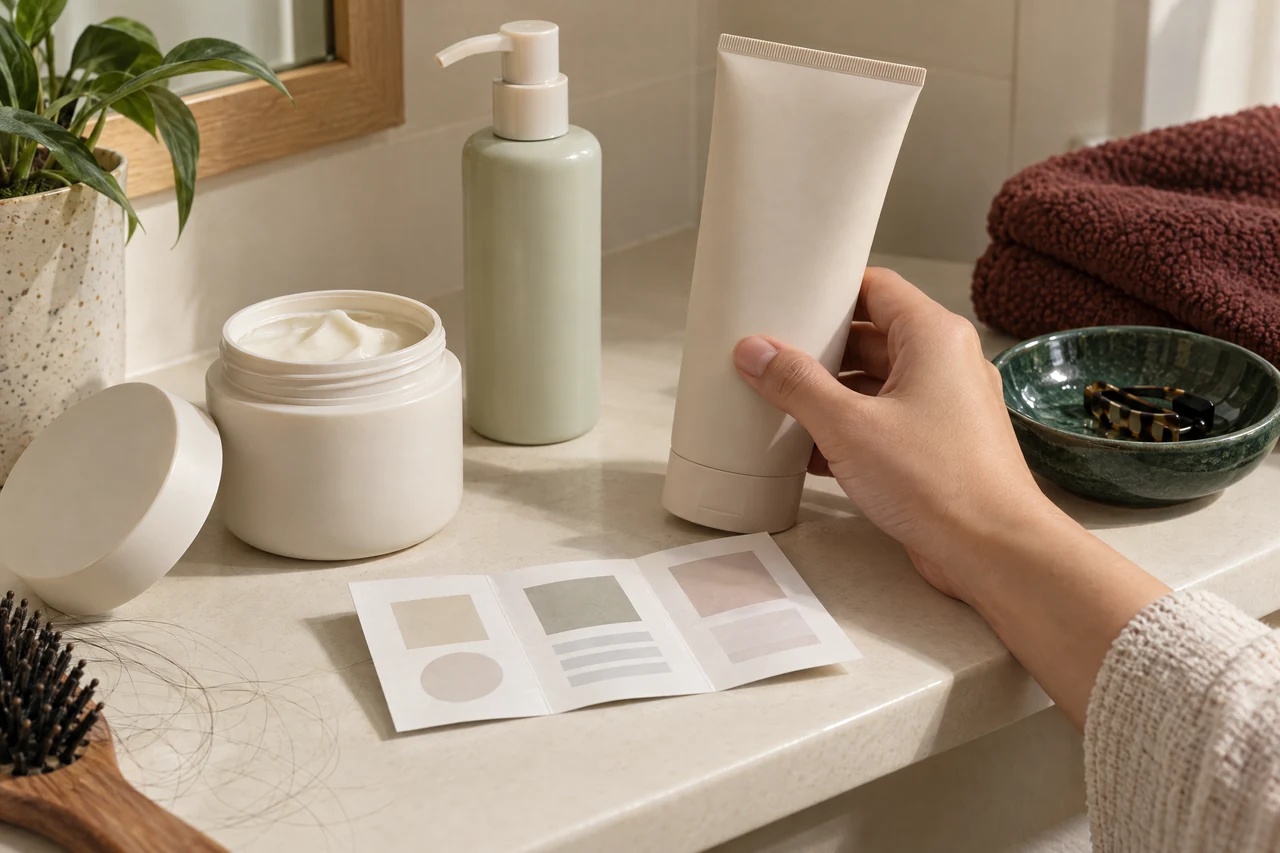
A keratin hair mask may contain keratin-derived ingredients alongside other conditioning ingredients. Its directions determine how it is used. The mask label alone does not establish a permanent change to natural curls or permed hair. If the goal is a straighter outline, ask about that separately instead of expecting a conditioning product to deliver it.
Keratin is a structural protein in hair, but putting its name on a container does not describe the complete formula. A mask may combine hydrolyzed proteins, which are broken into smaller fragments, with other conditioning agents. The hair-conditioning review in Polymers explains that film-forming agents can coat the hair surface and reduce friction between strands. It also describes protein-based conditioning effects as temporary. This supports realistic expectations for cosmetic manageability, not a promise that one named mask permanently restores damaged hair.
Read the use instructions as carefully as the ingredient claim. Check whether the product is rinsed out, where it should be applied and whether it replaces or accompanies your usual conditioner. Leaving it on longer or adding heat without instructions is not a reliable way to make the result better. A richer-feeling cream is also not, by itself, evidence of greater protein content or deeper action.
If you are deciding whether to add another wash-day step, hair mask vs conditioner helps separate the roles before you layer products.
Continue with moisture vs protein treatment for that specific comparison and the preparation questions it raises.
An ingredient label does not establish a shape change
A conditioning result can make lengths feel more slippery while the original bends remain. A round-brush finish can also make hair look straighter on the day. Neither observation establishes that the mask changed the curl pattern. When comparing products, ask about combing resistance and the feel of the lengths separately from the final styling technique.
Check heat, processing and hair history
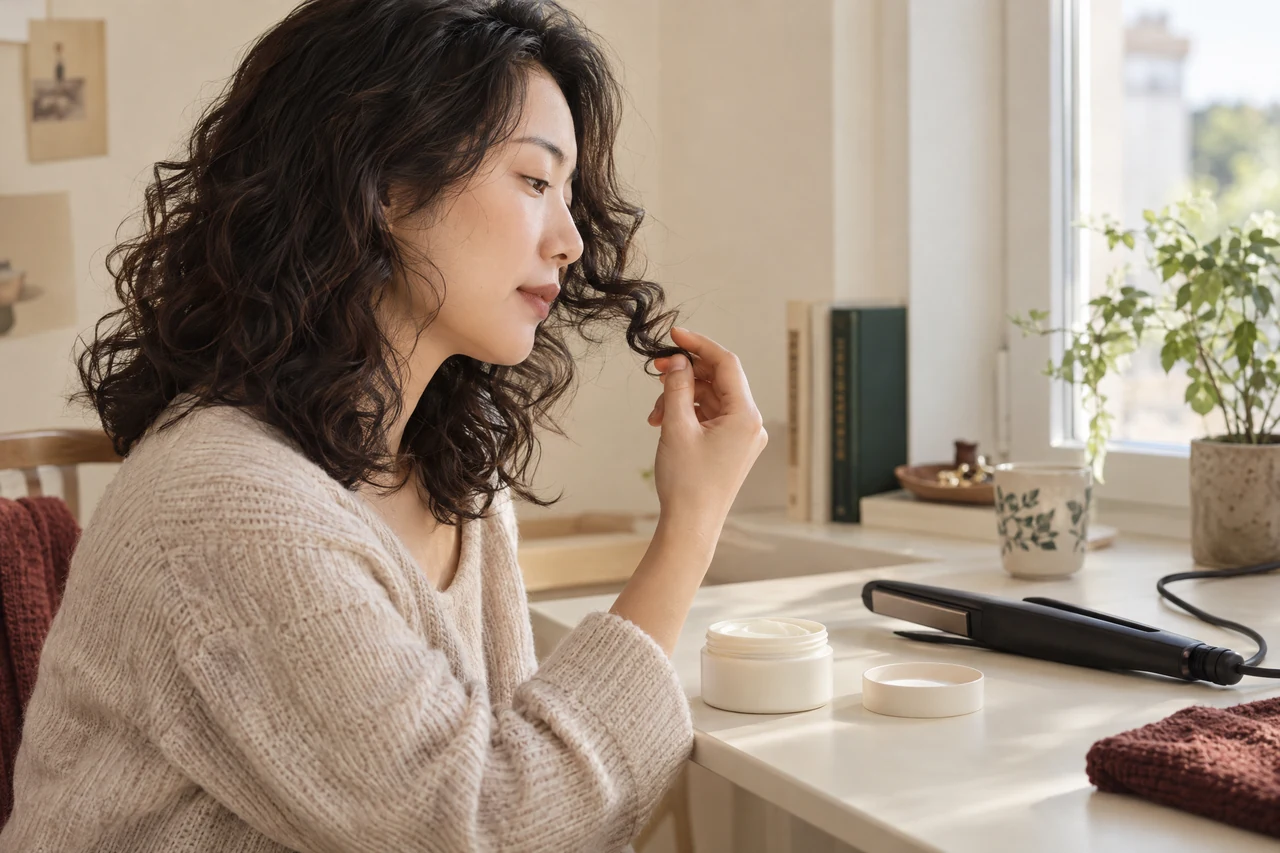
Ask whether the proposal involves heat, chemical processing or only a conditioning step, and request relevant product information. Explain any bleach, perm or straightening already present on the lengths. A market name is not evidence of compatibility, and this comparison does not establish that a particular product or procedure is offered at Vit So.
Distinguish warmth used during a care application from flat-iron processing that forms part of a smoothing procedure. Also distinguish both from a blow-dry used only to finish the appointment. Ask what each heat step is for and whether it is required by the product directions. Do not transfer instructions from a familiar home mask to a salon processing product simply because both use the word keratin.
The FDA guidance on hair smoothing products describes procedures involving a solution followed by heat processing. It warns that some products release formaldehyde when heated and notes that not all smoothing products contain it. If a smoothing process is proposed, request the ingredients, directions and relevant Safety Data Sheet, and ask about ventilation and application safeguards. These are product-specific questions, not a reason to assume that every keratin mask carries the same exposure issue.
For previously lightened lengths, hair care after bleaching provides a relevant starting point for discussing handling and the sections you want to preserve.
Do not assume a method from a menu name
Give the stylist a history of the hair still on your head, including older processing beneath newer colour. Identify fragile ends, frequently ironed areas and any reactions to previous products. Say when you cannot remember the formula rather than guessing. If a strand assessment is proposed, ask what it can establish; it should not be treated as a guarantee of every possible result or reaction.
Choose between a feel goal and a shape goal
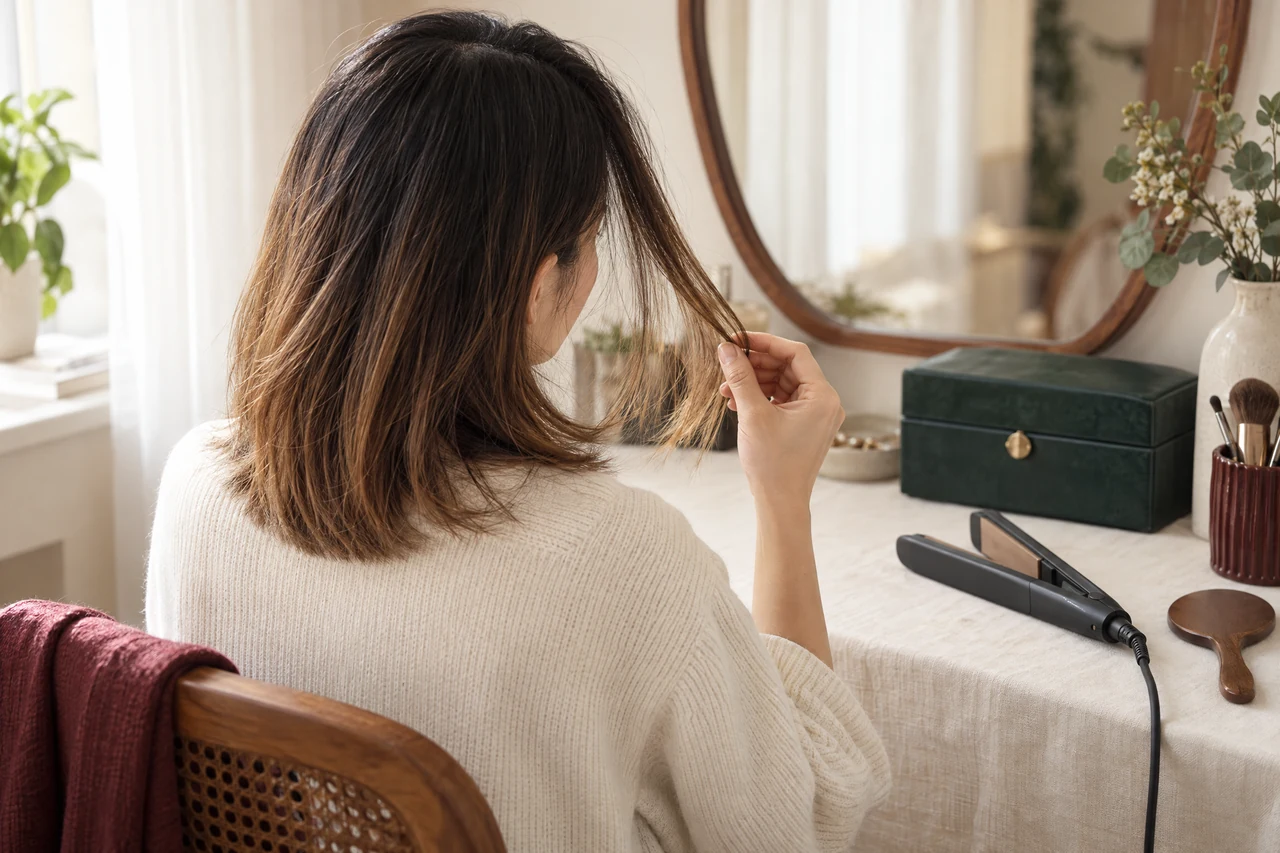
If your main problem is rough ends, discuss cosmetic conditioning and everyday handling. If you want a different straightness or curl pattern, discuss a separate shaping service and suitability. Both conversations should acknowledge fragile areas and prior processing. Do not compare prices until the proposed scope and goal are genuinely comparable.
For a feel goal, explain where the difficulty occurs: the ends after shampooing, the surface when brushing or the underside where hair tangles. Also say what should stay unchanged. You may want easier detangling while keeping your waves and root lift. For a shape goal, describe how straight you want the outline and whether bends at the ends should remain. Bringing a reference photo helps, but point to the specific feature rather than asking for the whole image.
Review hair straightening to check its service scope and the details to share before arranging the related work.
Think about your normal Hong Kong routine as well as the appointment finish. If you usually let waves dry naturally, evaluate a care proposal against that routine. If you rely on a brush and dryer before work, ask how much of the intended appearance still depends on styling. Conditioning should not be presented as a promise of an identical outline through humid outdoor journeys, washing and different drying habits.
Softness and straightness need separate expectations
Keep separate notes for touch and appearance. Does the comb pass more easily through the ends? Do the lengths feel coated or comfortable? Are the original bends still visible after your usual drying? This gives a follow-up conversation more useful detail than saying the treatment worked or failed. A softer result can meet a care goal even if the silhouette remains wavy.

Compare the quote with the actual care proposal
Vit So lists moisture care at HK$1,500. That listing does not confirm a particular keratin formula or mean that every service called deep conditioning has the same scope. Ask which listed item, if any, corresponds to the proposal before using the figure as your budget. A smoothing quote should be explained separately rather than treated as an upgraded mask price.
Ask whether the quote covers washing, application and the finishing work you want. Confirm any length-related charge and whether home-care purchases are optional or part of the proposal. Also discuss the appointment duration before arranging an after-work visit to Sheung Wan. A brief rinse-out application and a processing procedure need not require comparable time, preparation or ongoing care.
Bring information that makes the enquiry useful
Send the product name you have seen advertised, a clear current-hair photo and a description of your normal drying routine. Explain whether you are requesting conditioning only or are open to discussing a shape change. Ask for current availability and the expected scope before committing. This makes it easier to clarify a vague keratin request without assuming that a named product is stocked or that a requested procedure is suitable.
Assess the result during ordinary wash days
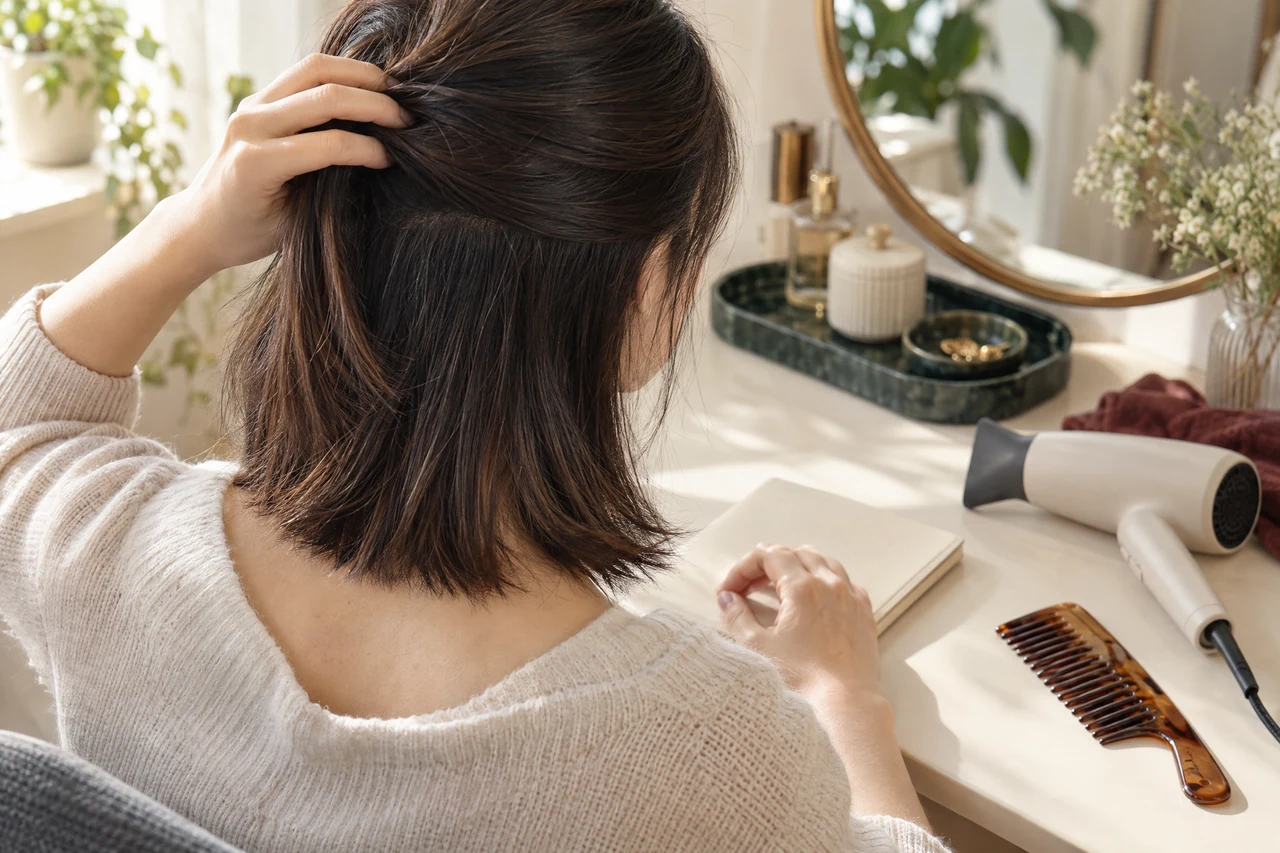
For a conditioning mask, follow its own frequency and application instructions rather than adopting a universal weekly schedule. Notice whether the lengths remain easy to handle after rinsing and whether the roots still have the movement you prefer. If the finish feels heavy, review the amount, application area and rinsing before adding another treatment. If a separate smoothing procedure was performed, follow its specific aftercare instead of borrowing mask instructions.
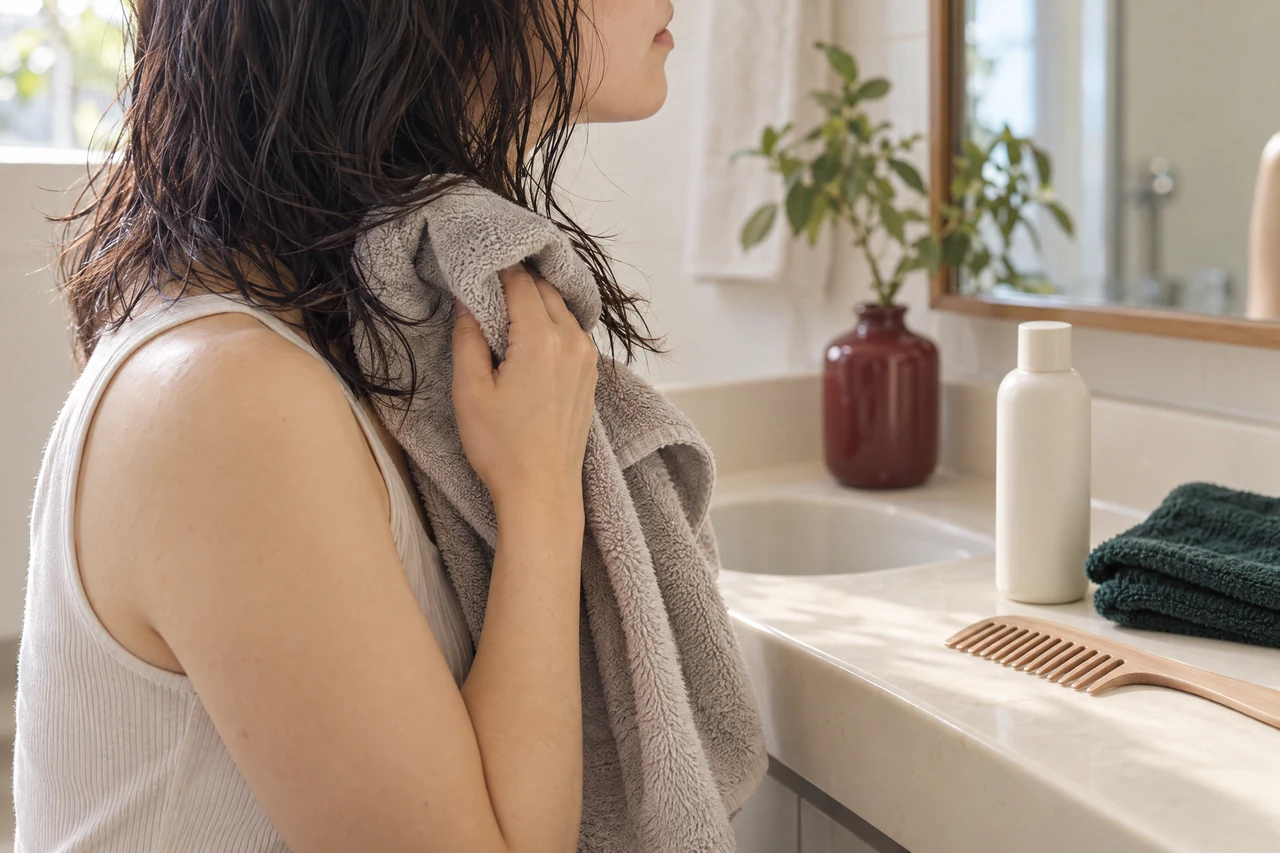
The American Academy of Dermatology's healthy-hair tips recommend conditioner after washing, with application to the ends for fine or straight hair and the lengths for dry or curly hair. The guidance also recommends gently absorbing water rather than rubbing with a towel, limiting heat tools and using low or medium heat with a heat-protection product. These everyday habits matter alongside whichever care product you choose.
Use consistent observations rather than chasing a salon finish
Compare your hair under similar wash and drying conditions, noting any extra styling products. Record changes in tangling, feel and curl shape separately. A salon blow-dry and an unstyled wash day are not like-for-like tests. If you notice a bad reaction, stop using the product and seek medical advice as appropriate; persistent scalp symptoms are not a reason to keep adding conditioning products.
Compare a keratin-labelled mask, deep conditioning and a separate smoothing procedure by their actual scope.
| Decision point | Keratin conditioning mask | Deep conditioning | Separate smoothing procedure |
|---|---|---|---|
| What the label tells you | A keratin-related ingredient claim; check the full formula | A broad cosmetic-care description; check the actual product | A processing proposal; confirm its method and intended shape effect |
| Useful goal to discuss | Easier handling and the feel of lengths | Softness and manageability without assuming shape change | A different outline or reduced curl, as specifically agreed |
| Application questions | Rinse-out directions, contact time and application area | Actual steps, product directions and finishing work | Solution, heat processing, product information and safeguards |
| Curl expectations | Do not assume permanent straightening | Explain which natural or permed bends should remain | Ask about possible curl changes before proceeding |
| Comparison after washing | Feel and detangling under your usual routine | Manageability and any unwanted weight | Shape and styling needs under the prescribed aftercare |
Your preparation checklist
- Identify the actual product and ask whether keratin means a conditioning ingredient or a separate processing procedure.
- State your main goal and what must remain, such as natural waves, permed curls or root movement.
- Share the bleach, colour, perm and straightening history of the lengths, including older work and fragile areas.
- Clarify every heat step and obtain relevant product directions and safety information before agreeing to smoothing work.
- Confirm the proposed service, included finishing work, applicable charges, appointment time and current availability.
- Agree on home-care instructions and evaluate touch, detangling and shape separately after ordinary washing.
Frequently asked questions
Does a keratin mask straighten hair?
A mask name alone does not establish a straightening action. Check the actual product directions and procedure; a conditioning mask should not be assumed to permanently alter natural or permed curls.
Is keratin always a smoothing service?
No. Keratin can appear in a conditioning product's ingredient description as well as in names used for different procedures. Clarify the steps and intended result.
Can I request a specific keratin product at Vit So?
Ask about current product availability and suitability before booking. A general moisture-care item does not confirm a named keratin product, formula or procedure.
Can a deep conditioner also contain keratin?
Yes, the descriptions can overlap. A deep-conditioning product may contain keratin-derived ingredients alongside other conditioning agents. Compare its actual directions and claims rather than assuming that keratin and deep conditioning are mutually exclusive categories.
Should I use a flat iron over a keratin mask?
Do not invent a heat-processing step for a conditioning mask. Follow its directions. A smoothing product with a specified heat procedure is a different proposal and needs product-specific information and safeguards; it should not be treated as a home mask routine.
Make your care goal clear before choosing a procedure
Contact Vit So about your hair-care goal in Sheung Wan. Share your current hair, processing history and any product name you are considering, and explain whether you want softer-feeling lengths or a different shape. Ask about availability, suitability and the proposed scope before arranging a visit. An enquiry is not a confirmed booking.
Start your WhatsApp enquirySources & further reading
- On Hair Care Physicochemistry: From Structure and Degradation to Novel Biobased Conditioning Agents
Conditioning agents can reduce friction at the hair surface; hydrolyzed-protein conditioning effects are temporary.
- Formaldehyde in Hair Smoothing Products: What You Should Know
Heat-processed smoothing procedures require product-specific ingredient, safety and ventilation questions; some products release formaldehyde when heated.
- Tips for healthy hair
Conditioner placement according to hair type, gentle towel handling and limiting heat styling with appropriate protection.



