







How often should I get a salon hair treatment? Review the need
Before repeating a visit, note whether the lengths feel rough, catch when combing or become heavy after care. Consider recent chemical work, heat use and changes in washing or products. Frequency should respond to the actual care plan and hair behaviour, not the assumption that more appointments always produce a better result.
Start by naming the job you want the appointment to do. Easier detangling through the ends is a different goal from a straighter outline or more lift at the roots. If your lengths remain manageable with the agreed home routine, ask whether another treatment is needed rather than treating the passing of a month as a reason on its own. If roughness is returning, describe its location and when you notice it before choosing the next service.
Compare hair treatment options by the care goal and confirmed scope before deciding whether a repeat visit addresses your concern. The name alone does not establish the application method, products or suitability for your hair history.
How often should I get a salon hair treatment when my routine changes?
A change in routine is a reason to reassess, not automatically to book sooner. Tell the stylist if you have added frequent hot-tool styling, changed shampoo, had new highlights or started swimming regularly. Include which lengths were treated previously. Rough ends with comfortable roots call for a different discussion from a heavy feel throughout the hair. Bring the timing of these changes so the conversation can focus on what actually changed rather than guessing from the finished appearance.
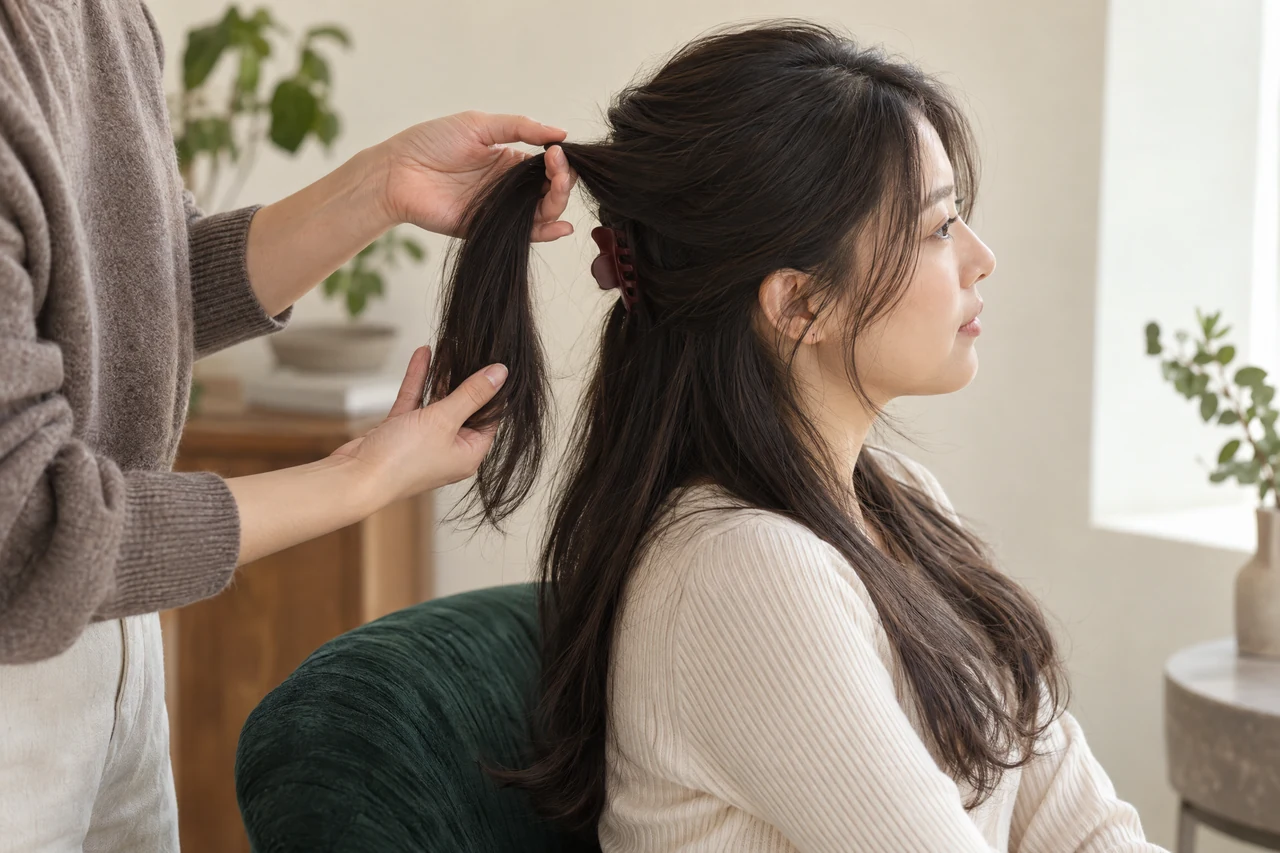
Keep home-mask frequency separate
A home mask's recommended use reflects that product, not the complete salon visit or its application. Follow its directions and explain how often you use it when discussing further care. Do not transfer a general home-care suggestion to a salon procedure with different products, or stack visits and masks without reviewing softness and weight.
Read more than the word 'mask' on the container. Check whether it goes before or after shampoo, whether it replaces conditioner, where to apply it and whether it must be rinsed out. Product order is genuinely specific: the official OLAPLEX N°.3PLUS directions describe a pre-shampoo treatment applied to wet hair, rinsed, then followed by shampoo and conditioner. This is an example of a manufacturer's home-product procedure, not a recommendation for that product or a statement about what Vit So uses.
Continue with hair mask vs conditioner for that specific comparison and the preparation questions it raises.
A product schedule is not a salon schedule
Keep a short list of your shampoo, conditioner, mask and leave-in products, including their label directions. Photograph the instructions if the exact version is difficult to remember. When the hair feels coated or flatter than you want, review placement and rinsing before adding another layer of care. Changing several products and booking an extra treatment together makes the result harder to interpret. Discuss a manageable adjustment while keeping the actual service's aftercare instructions in place.
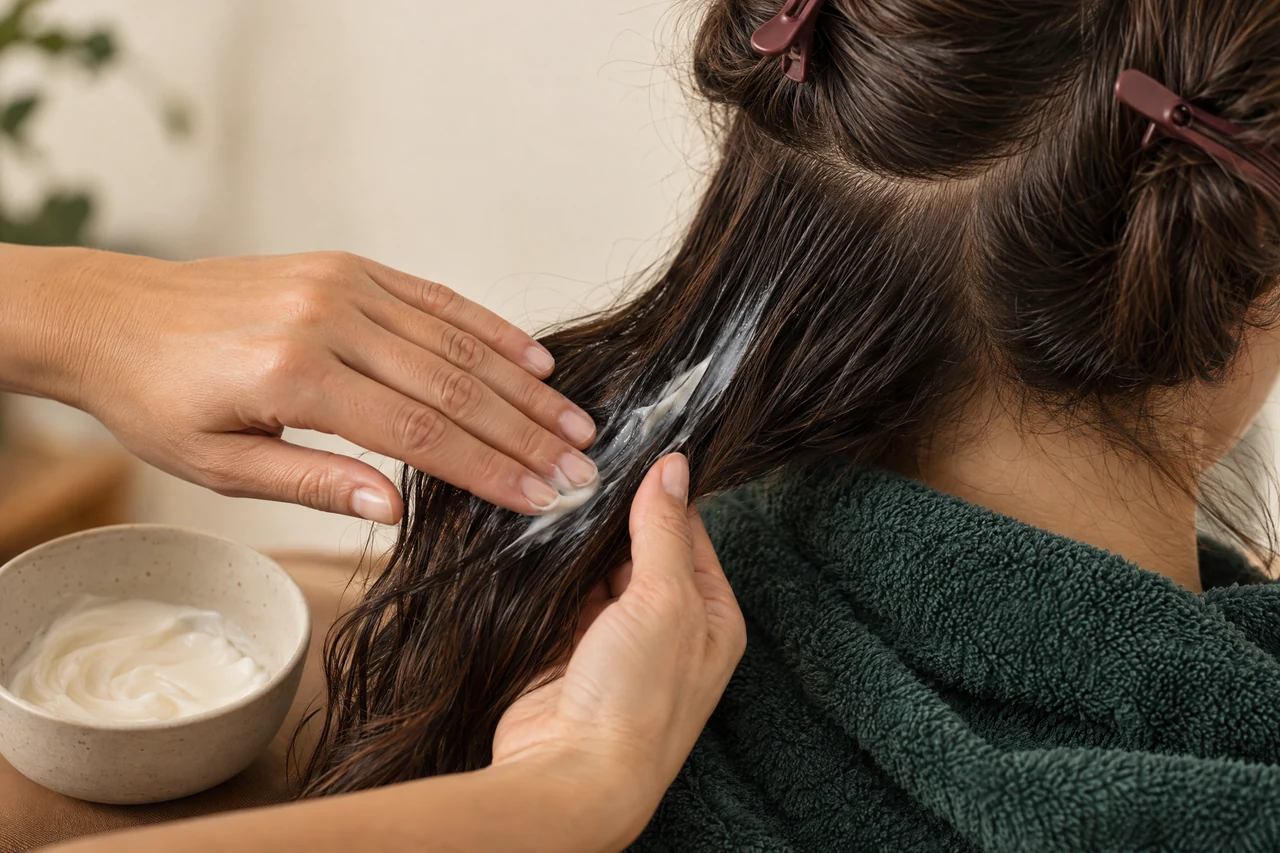
Confirm when washing fits the actual service
When can I wash my hair after a hair treatment? Follow the instructions for the product and procedure actually used, especially if care was combined with colour or perming. A conditioning step and a shaping procedure can have different directions. If the instructions are unclear, ask before leaving rather than relying on a fixed number of days found online.
Ask for the procedure's name and a clear first-wash instruction. Confirm whether any directions also cover tying the hair up, using heat tools or applying a home mask. If you are having colour or another service at the same visit, request one coherent aftercare plan for the combined work rather than trying to merge unrelated internet advice. A contact time during application is not a waiting period before your next shampoo.
Beyond any specific aftercare requirement, your ordinary wash routine should reflect your hair and scalp. The American Academy of Dermatology's healthy-hair guidance advises washing according to how dirty or oily hair becomes and concentrating shampoo on the scalp. That supports an individual daily-care routine; it does not prescribe a salon treatment interval or replace the directions for a particular procedure.
No universal waiting period covers every treatment
Mention practical conflicts before the appointment: an exercise class, a swim or travel may make a restrictive wash plan difficult. Ask whether the proposed service and its aftercare fit those plans. If you forget the instructions, contact the salon before improvising. Do not leave painful burning or a suspected reaction untreated just to preserve a finish; seek appropriate medical advice rather than treating discomfort as a normal aftercare requirement.
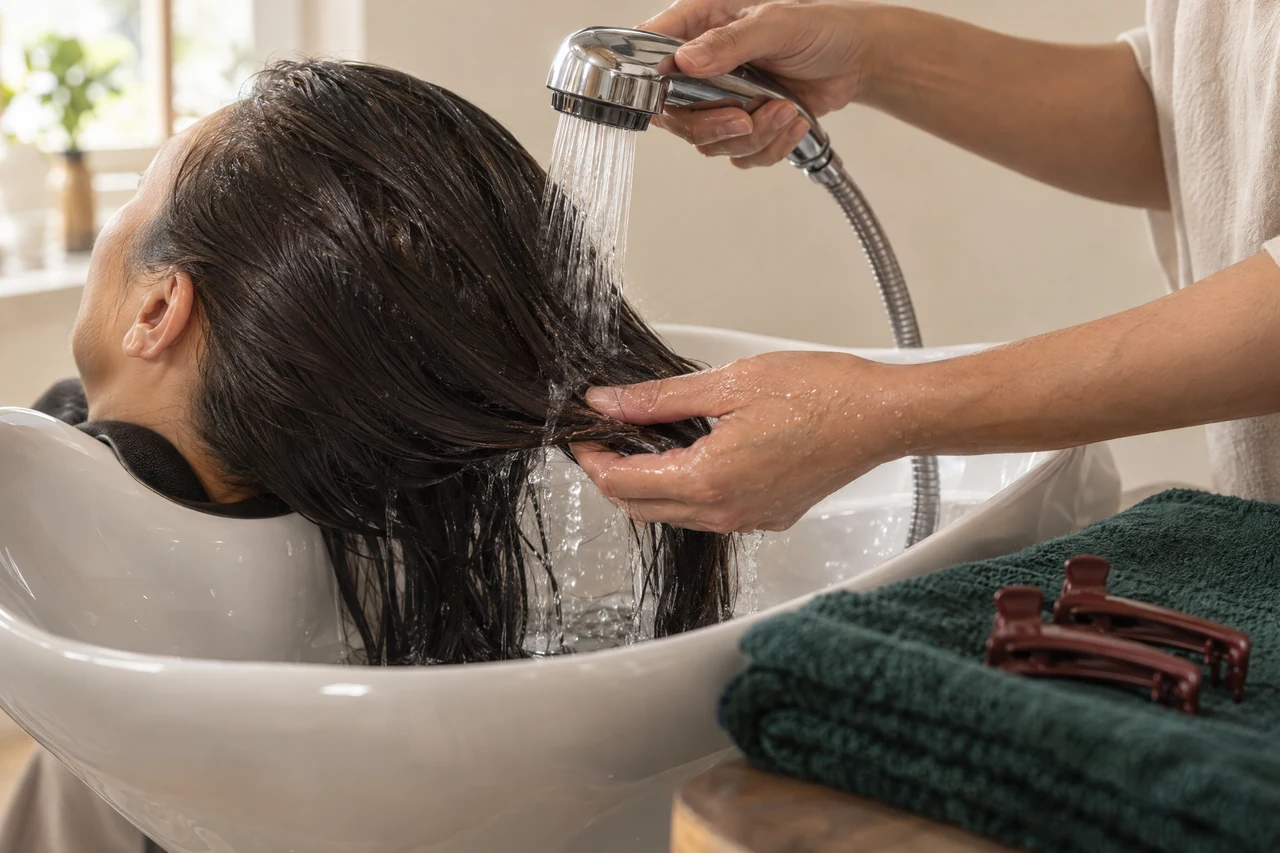
Make the next visit purposeful
Keep brief notes about the normal wash after care, detangling and any heaviness at the roots. Explain what you want to improve at a later visit and whether you can maintain the proposed routine. Confirm the complete visit time and scope through the booking enquiry; the product's contact time is not the whole appointment.
Record useful differences, not only whether the hair looked shiny when you left. Note whether the comb catches in the same area after your usual permitted wash, whether the ends feel easier to handle and whether the roots have the movement you want. Use similar home styling when comparing observations where practical. A carefully brushed salon finish and a rushed home dry do not give equivalent information about the need for another treatment.
Continue with hair treatment results vs blow dry finish for that specific comparison and the preparation questions it raises.
Use book a hair appointment to send the intended work and possible dates; wait for confirmation before travelling.
Bring observations rather than booking by habit
Ask what a repeat visit would change compared with adjusting home care. Confirm the quote and whether cleaning, finishing or any haircut you want is included. For a visit in Sheung Wan around work, state your available arrival time and when you need to leave; request the complete appointment estimate rather than assuming the application stage is the whole visit. A purposeful plan should have a defined aim, practical aftercare and a reason to review it later.

Adjust daily handling before adding another appointment
Repeated rough handling or excessive heat deserves attention even if you also enjoy salon care. The AAD guidance recommends gentle detangling, absorbing moisture without vigorous towel rubbing and limiting heat with low or medium settings and a heat-protective product. A treatment booking should not be treated as permission to increase styling stress. Explain how you dry your hair and which tools you use so the proposed routine suits what you can realistically do at home.
If you are considering more frequent visits because you straighten the lengths often, review how to protect hair from heat styling alongside the appointment plan. Reducing avoidable stress and choosing salon care are complementary decisions, not interchangeable solutions.
Separate root comfort from end manageability
Describe the scalp and lengths separately. Oiliness at the roots does not tell you that the ends need another rich application, and dry-feeling ends do not justify ignoring scalp discomfort. Persistent itching, soreness or unusual shedding needs appropriate assessment rather than a more frequent cosmetic treatment schedule. For ordinary styling concerns, be specific about whether you want lighter movement, fewer tangles or a softer feel; those observations make a care discussion more useful than saying the whole head feels 'bad'.
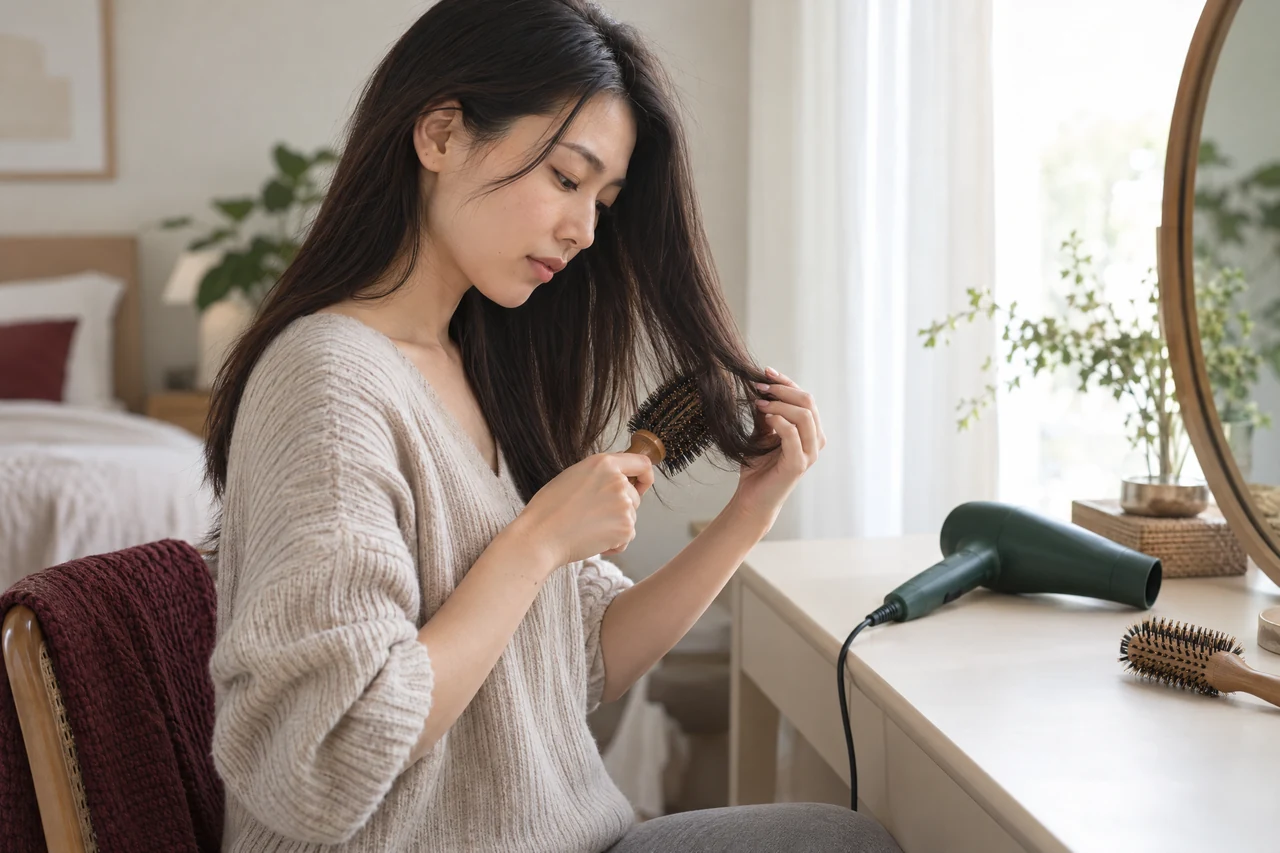
Keep a clear aftercare record
The checklist below has 6 steps for planning your next treatment discussion. It is a preparation tool, not a prescribed frequency. Keep the notes on your phone with the product instructions so you can refer to them after the visit. You do not need to test the hair constantly or create a complicated diary; a clear description of the concern and any changes is enough to start a useful conversation.
Agree what should prompt a review
Before leaving, ask what to do if handling remains difficult despite following the routine, or if unwanted weight appears. A review can be a discussion about use and application rather than an automatic repeat procedure. If a repeat schedule is suggested, ask why it fits your current hair history and how it will be reconsidered when your needs change. This keeps the decision tied to a care purpose rather than an obligation to return indefinitely.

Which change deserves a treatment-frequency review?
| What you notice | What to review first | What to ask before another visit |
|---|---|---|
| Lengths stay manageable with ordinary care | Whether the original goal is already met | Would another treatment add a useful benefit now? |
| Ends catch when combing after normal washing | The affected area, detangling method and recent processing | Should we adjust home care or assess the lengths in person? |
| Roots feel heavy after richer products | Placement, amount, formula and rinsing | Can the care approach suit the ends without unwanted root weight? |
| New colour, bleach or heat habits | Which hair sections have changed and what care is already used | Does the existing plan still fit my current routine? |
| Unclear washing instructions after combined services | The actual products and procedures used | What is the first-wash plan for this complete service? |
| Persistent scalp pain or irritation | Appropriate medical assessment, not additional cosmetic care | Should the planned service be postponed while I seek advice? |
Your preparation checklist
- Name the main aim of another visit, such as easier detangling at the ends, and identify the area concerned.
- Gather your recent colour, bleach, perm or straightening history and explain which lengths were processed.
- Photograph home-product labels and note their order, application areas and how often you currently use them.
- Describe handling after your normal permitted wash, including unwanted weight, without rewashing just to test the finish.
- Confirm the actual service's washing and styling instructions, especially when combining care with another procedure.
- Request the complete scope, quote and visit estimate, and agree what changes should prompt a later review.
Frequently asked questions
Should everyone return every month?
No. Product directions, hair history, daily habits and the reason for care differ. Review the need before agreeing a repeat schedule.
Does a heavy feeling mean I need more treatment?
Not necessarily. Review application, formula, rinsing and your routine first. Adding more care can make it harder to identify the cause of weight or residue.
Can I wash immediately to check the result?
Follow the service's washing directions. Do not rewash immediately just to test a finish; observe handling when your normal wash is due under the agreed aftercare.
Should I stop all home care before my next salon visit?
Do not assume that a salon appointment requires abandoning your whole routine. Ask whether any specific product needs to be paused for the proposed work, and share your current labels. Keep the distinction between ordinary conditioning and instructions for a particular procedure clear.
What if I cannot maintain the suggested routine?
Explain the difficulty before agreeing to repeated visits. Limited styling time, travel or frequent exercise should be part of the discussion. Ask for an approach whose home care you can actually follow, with the scope and aftercare confirmed before booking.
Plan a treatment visit around what your hair needs now
Tell Vit So what you notice through the lengths, your recent processing history and the home care you already use. For a Sheung Wan visit, include possible dates and any washing or travel constraints so the scope, aftercare and complete appointment time can be discussed. Sending an enquiry does not confirm a booking; wait for the agreed service and appointment details.
Start your WhatsApp enquirySources & further reading
- Tips for healthy hair — American Academy of Dermatology
Individual washing needs, shampoo placement, conditioning, gentle detangling and limiting heat; general home-care advice rather than a salon treatment schedule.
- N°.3PLUS COMPLETE REPAIR TREATMENT FULL SIZE — OLAPLEX
A named manufacturer's pre-shampoo product sequence, illustrating why product order and washing directions must be checked rather than assumed.



