






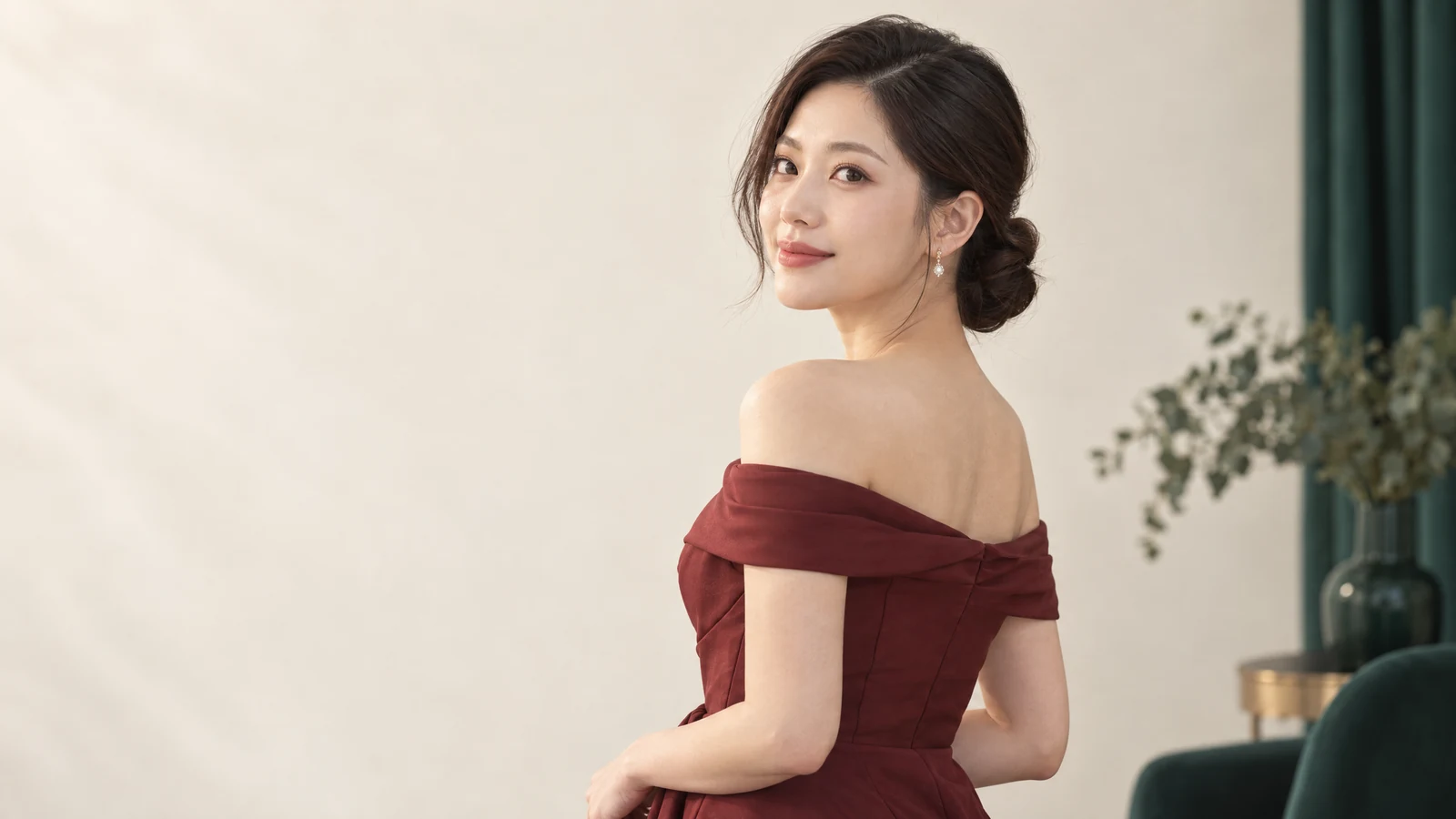
Event hair styling should fit the dress code
A formal dinner, a celebration and a themed gathering can call for different outlines even with the same hair length. Show the neckline, earrings and any headwear alongside your hair reference. Decide whether the priority is a clear face, a visible back detail or a softer outline; this makes the special occasion request easier to assess.
Start with the dress code on the invitation, then describe your role. Someone giving a speech may want the front kept away from the eyes, while a guest at a seated dinner may care more about the side profile and earrings. An elaborate hairstyle is not automatically the best match for a formal outfit. A restrained finish can leave room for a detailed collar, bold jewellery or a decorative jacket.
If you are still deciding between a loose finish and pinned hair, the broader hair styling page helps you describe the basic direction before adding event-specific timing and outfit requirements.
Match event hair styling to collars and accessories
Show the back of the outfit as well as the front. A high collar may sit against a low bun, and a textured shoulder detail may catch loose ends. With an open neckline, decide whether you want hair over a shoulder or a clear shoulder line. Bring any accessory you intend to wear so its size, weight and fastening can be assessed. If glasses are part of your outfit, include them in the conversation about ear exposure and face-framing hair.
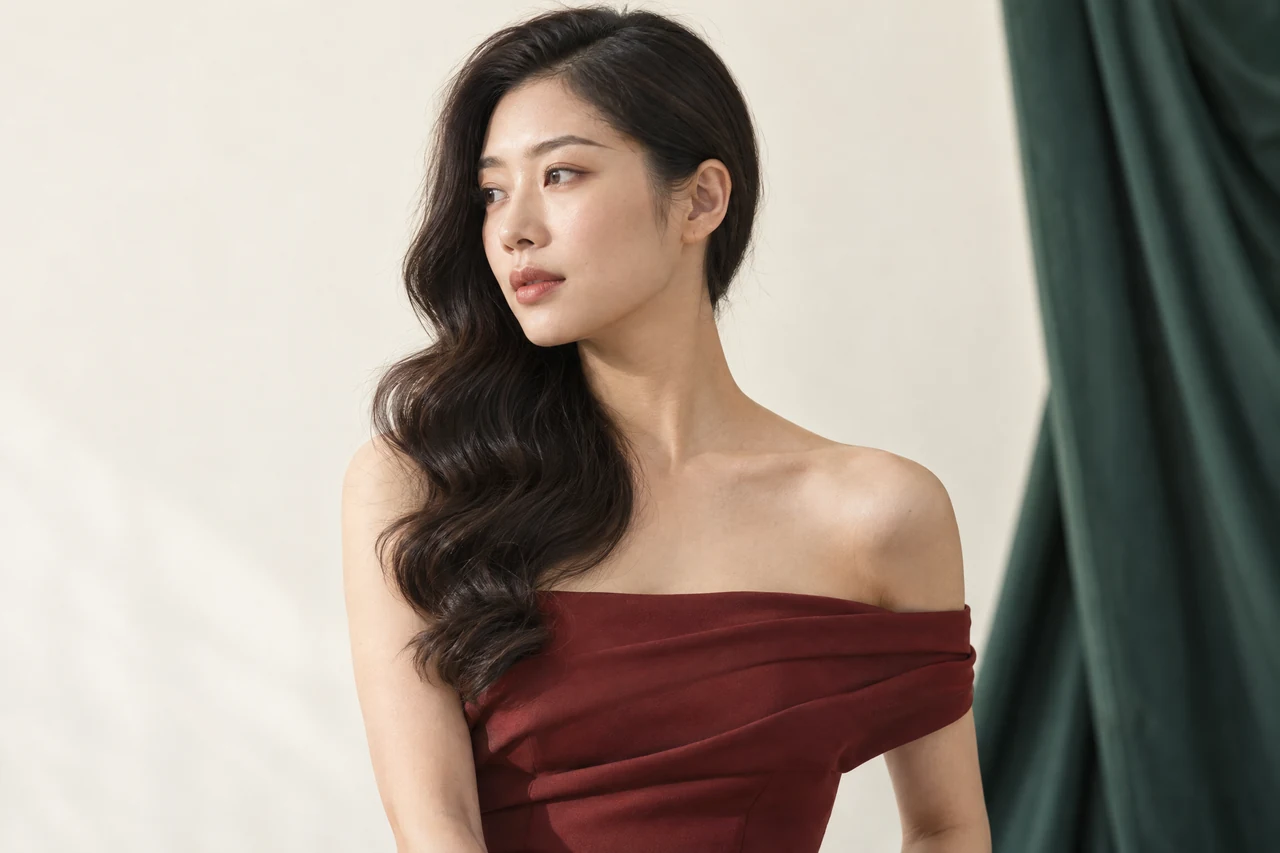
Allow for movement at parties and balls
Party hair styling often prioritises movement, while prom hair styling may also need to work with a formal dress and planned portraits. Explain how much walking or dancing the event involves and whether you usually touch or tuck your hair. A more structured outline may be worth discussing, but a fixed all-evening result is not guaranteed.
Describe the most active part of the occasion, not only the arrival photograph. Loose curls can give visible movement, but you may find them inconvenient if you repeatedly sweep them away from your face. A half-up finish can keep the front clearer while retaining length; a gathered style can reduce hair resting on the neck. These are starting points for assessment, not promises that every reference will work on every length.
Continue with party updo hairstyles for that specific comparison and the preparation questions it raises.
Balance photographs with dancing and comfort
Ask to check the outline while turning your head and looking down, rather than judging it only while sitting still. Explain if you dislike a tight feeling around the hairline. The American Academy of Dermatology's guidance on hairstyles that pull advises changing a style immediately if tightly pulled hair causes pain or the scalp stings. A polished appearance is not a reason to ignore discomfort. Raise any painful pin or pulling area while you are still at the salon.
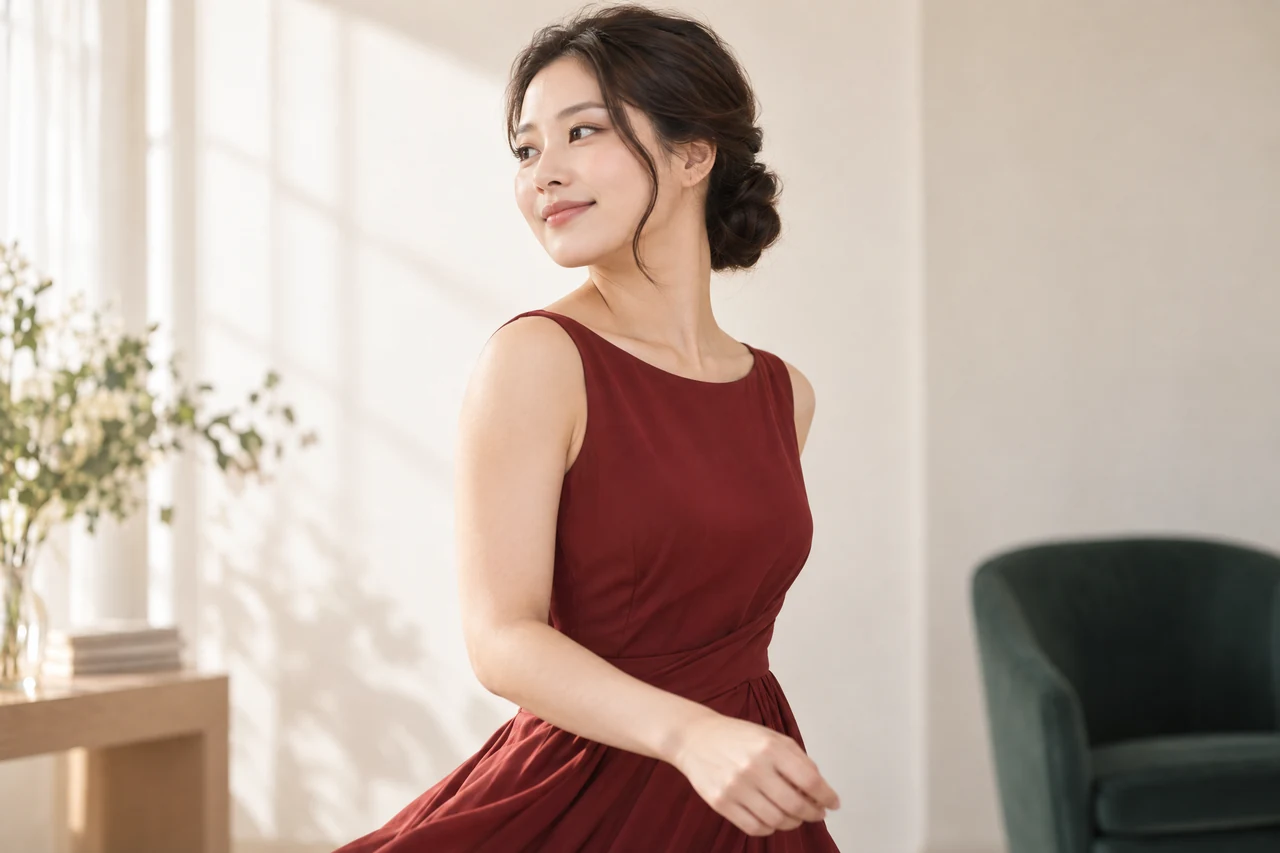
Work backwards from your departure time
Give the time you must leave, not just the event's start time. Add your own allowance for travelling, dressing and meeting others. The stylist can then assess your requested finish against the appointment requirements. No standard duration or same-day opening should be assumed before availability and the actual service plan have been confirmed.
Separate the day into the salon visit, your onward journey and your preparation at the destination. If portraits happen before dinner, the portrait time is the relevant deadline. If you need to collect someone or return home to change, include that stage too. Do not fit a complex reference into a short gap simply because the invitation starts later; share the real sequence and ask what is feasible.
Continue with day to night event hairstyles for that specific comparison and the preparation questions it raises.
Separate salon time from transport and changing
Consider how you will get dressed after styling. A narrow top pulled over the head could disturb a raised or pinned finish, so plan an outfit change that avoids dragging fabric across it. Mention any headwear you must use during the journey. If your schedule changes, contact the salon with the revised departure deadline; changing the arrival time alone may not leave enough room for the assessed work.
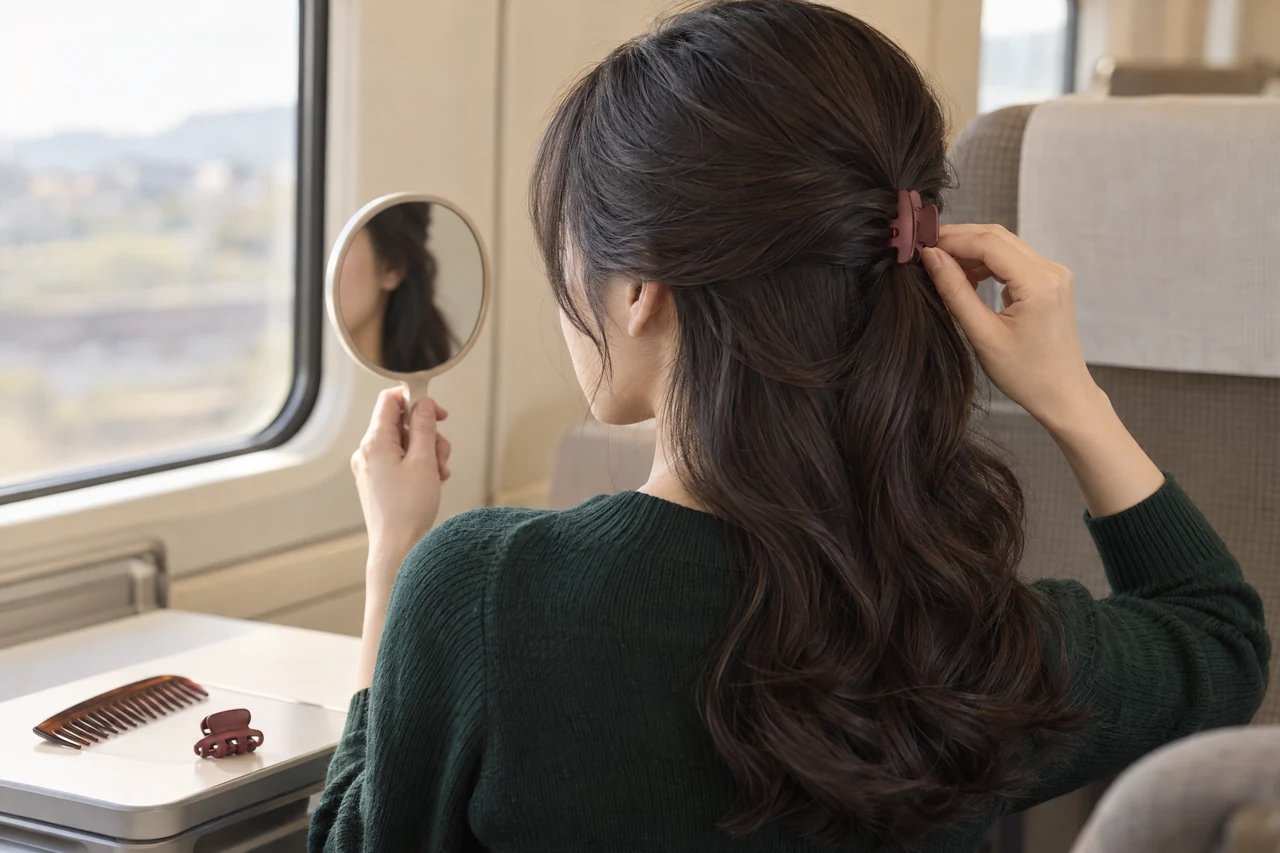
Keep hair, makeup and venue arrangements separate
An event hair appointment does not automatically include makeup, venue attendance or later touch-ups. If those arrangements matter, ask directly and organise alternatives where needed. For more than one person, provide each person's hair details and required finish time; a shared date does not establish group capacity or a team booking.
The published hair design entry is HK$480–HK$680. Treat that range as an entry to discuss, not an automatic quotation for every event reference. Check the hair salon price list and ask which listed service fits the assessed work, what is included and whether any additional charge applies. State if you also want a cut or another service, rather than allowing it to become an unexpected addition on the day.
Use book a hair appointment to send the intended work and possible dates; wait for confirmation before travelling.
Confirm what the appointment actually covers
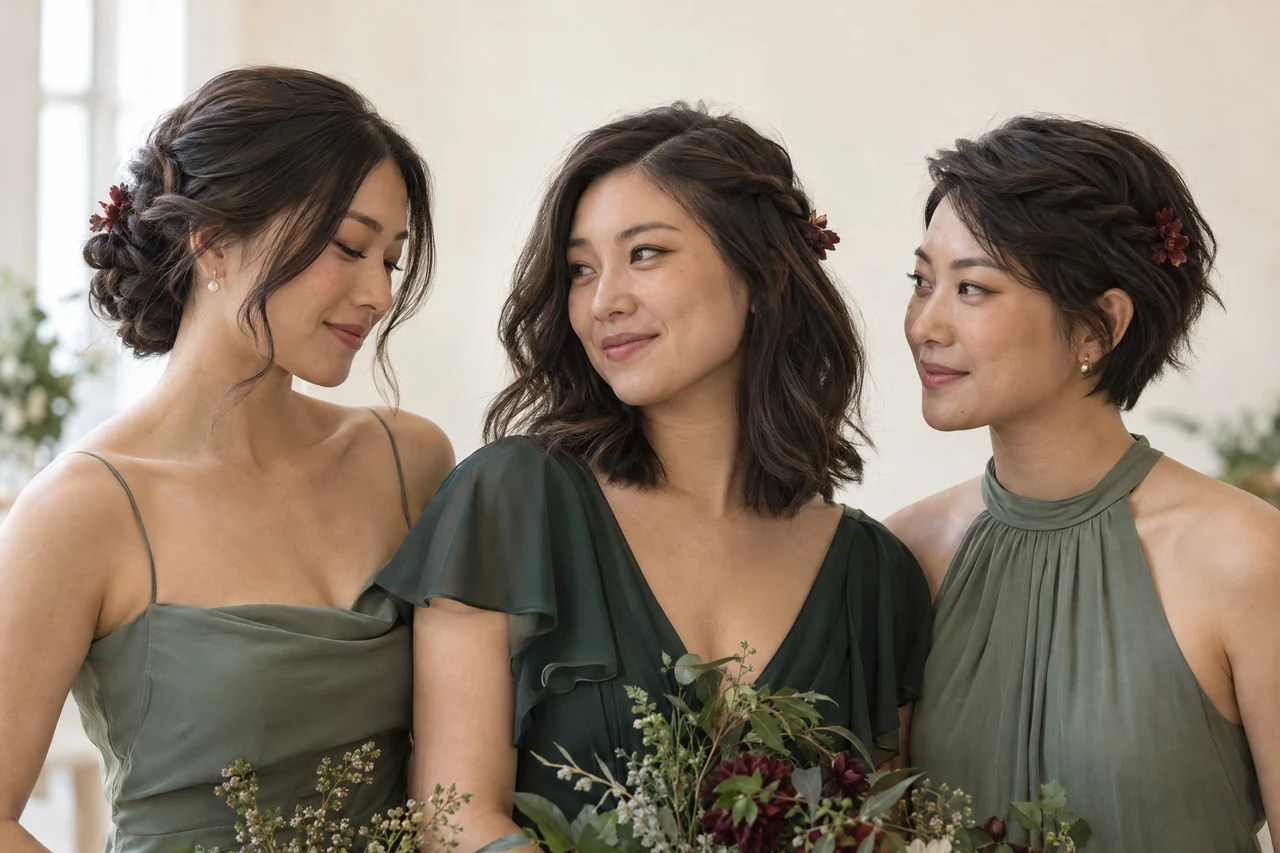
For friends attending together, let each person choose an achievable finish rather than assuming everyone should have identical hair. Shared accessories or a similar level of softness can create a coordinated appearance across different lengths. Include each person's departure deadline in the enquiry, even if you hope to travel together. Ask how appointments would be sequenced before committing the group to a shared transport plan.
Match the published entry to the assessed work
For event hair at Vit So's Sheung Wan location, share the occasion, outfit, desired finish and the time you need to be ready. The appointment address is 252 Hollywood Road. Ask about suitability, service time and a specific quote before arranging the onward journey. An in-salon hair enquiry does not establish makeup, a mobile team or guaranteed hotel and venue services.
Prepare references that explain the finish you want
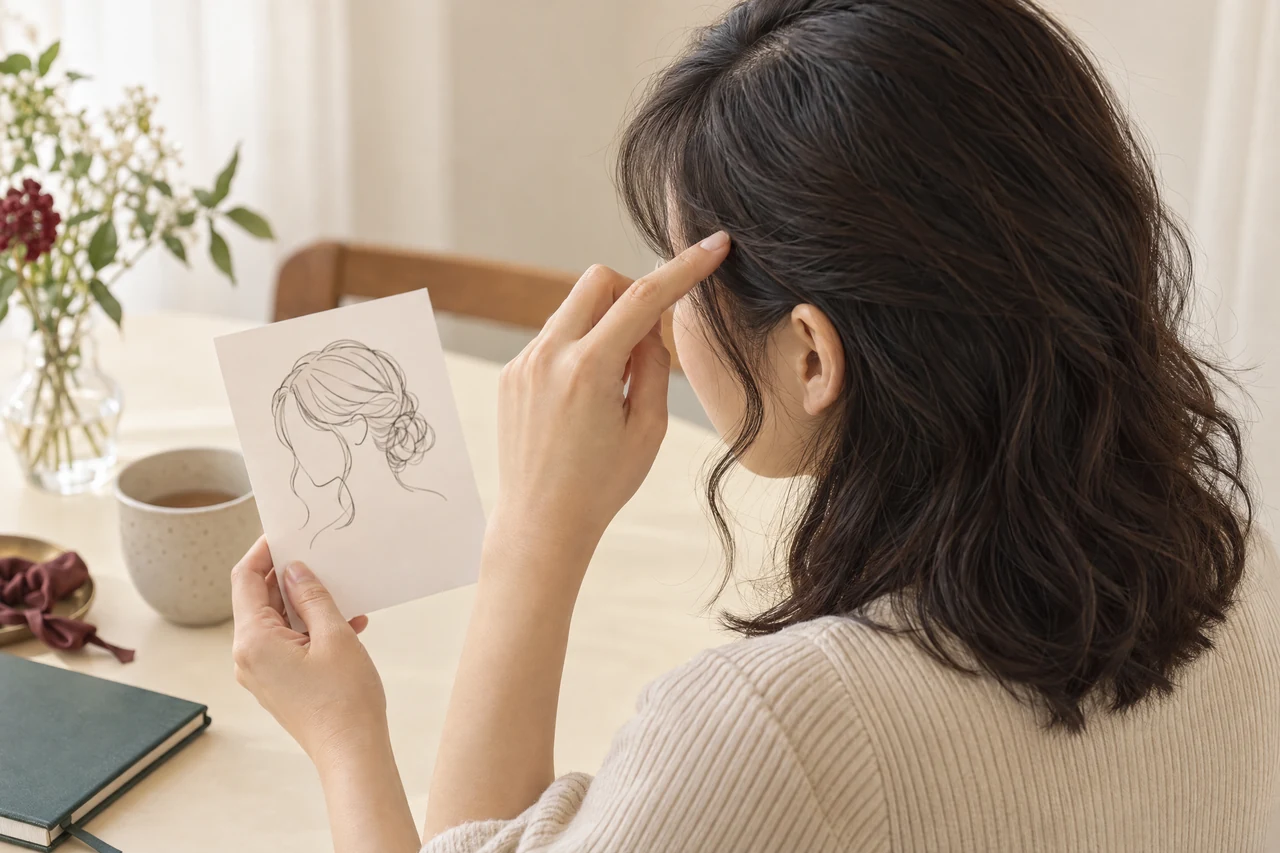
A useful reference shows a decision you can point to: the side part, the height at the crown, how much ear is visible or where the gathered hair sits. Explain what you like and what you would leave out. A rear-view photograph alone may not show the front you expect. Include a front or side view when possible, and distinguish the actual hair shape from lighting, clothing and accessories in the picture.
Send recent photographs of your own hair worn down, with the ends visible. Mention layers, a fringe and any extensions or hairpiece already in place. Share recent colour, bleaching, perming or straightening history, especially if the lengths feel fragile. A very full reference may rely on more length or added hair; ask whether a smaller shape or different placement would communicate the same idea using what you have.
Avoid repeatedly practising with heated tools simply to arrive looking like the reference. The American Academy of Dermatology's hair-care advice recommends the lowest heat setting, limiting contact time with a hot comb or curling iron and using heated tools less frequently. Share how your hair normally responds to styling so the approach can be discussed without unnecessary extra heat beforehand.
Ask for washing and arrival instructions
There is no need to guess whether to arrive freshly washed, damp or with yesterday's styling products still present. Ask what preparation suits the agreed service and whether washing is included. Mention products already in your hair and any known sensitivity. Bring the actual hair accessory rather than only a photograph of it; a clasp or comb that looks small in an online image may need a different supporting shape when handled.
Check the finished shape before leaving
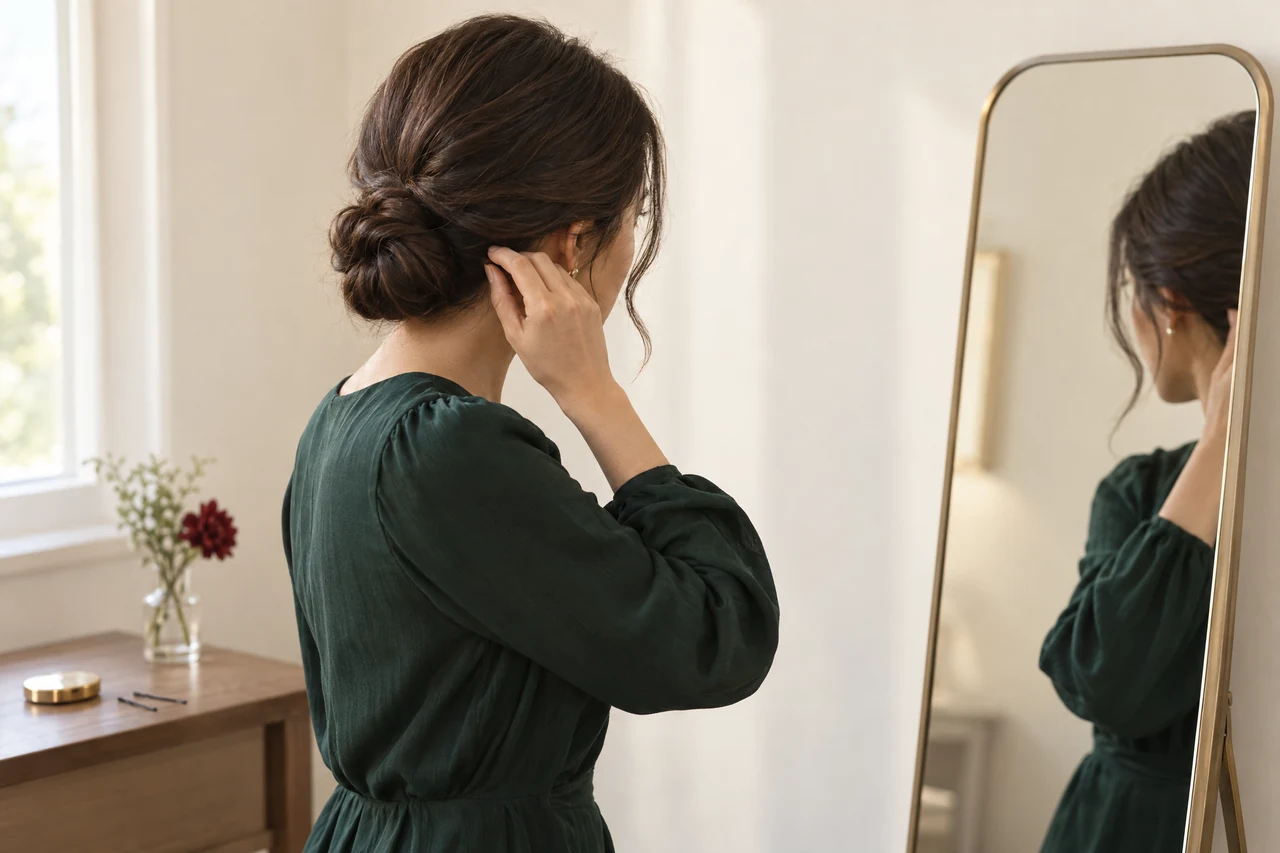
Review the front, side and back with your outfit details in mind. Look at whether the earrings remain visible, whether a loose piece reaches your eyes and whether the gathered hair meets the collar. A quick view of the back can reveal a balance you would not notice in the main mirror. If something differs from your agreed priority, explain the specific area while it can still be discussed.
For outdoor photographs or a walk between venues, tell the stylist that the finish will encounter movement outside the salon. Decide what matters most if softer hair changes: perhaps a clear face or a recognisable part matters more than identical curl definition. An indoor photograph of the completed style cannot establish how it will look after every stage of your evening.
Keep later adjustments simple
Ask which accessory, if any, you can remove yourself and which pins support the main structure. Clarify how to handle a small loose strand without dismantling the finish. If you want to change from pinned hair to a loose look later, mention that before styling; removing the supporting pins may not create the loose shape you imagined. Ask about gentle removal at the end of the occasion, and avoid pulling out a whole gathered section at once.
Choose an event finish by the outfit and activity you need it to accommodate
| Finish to discuss | Useful priority | Trade-off to assess | Information to send |
|---|---|---|---|
| Loose waves or a shaped blow-dry | Visible length and movement around an open neckline | Hair may rest on shoulders or need moving away from the face | Neckline photograph, usual part and how your hair behaves when left down |
| Half-up finish | A clearer front while keeping some length visible | The rear fastening must work with layers and any accessory | Front and back references, current length and accessory fastening |
| Low gathered finish | A visible neckline and less hair resting on the neck | A high collar or seat back may contact a low gathered shape | Outfit back view, collar height and planned dancing or seated activities |
| Short-hair shaping with an exposed ear | A defined profile without forcing an oversized updo | A long-hair reference may need a smaller interpretation | Current side view, fringe length and the earrings you plan to wear |
Your preparation checklist
- Send the event date and the time you must leave the salon, including any earlier portrait or meeting deadline.
- Share recent hair photographs and relevant colour, chemical treatment or extension history.
- Show the outfit neckline and back, then identify the hair detail you want to prioritise.
- Bring intended hair accessories and glasses; explain any headwear needed during travel or the event.
- Confirm preparation instructions, the assessed finish, appointment availability and the individual quote.
- Keep makeup, changing and onward travel arrangements separate, and check comfort before leaving.
Frequently asked questions
What should I send with an event enquiry?
Send the date, your departure deadline, current hair photographs, the desired finish and relevant outfit details. This helps clarify the appointment scope before confirmation.
Does an event appointment include makeup or venue styling?
Do not assume either is included. This is a salon hair enquiry; makeup, travel and venue arrangements require separate confirmation.
Can several friends be styled on the same day?
Provide the number of people, individual hair details and finish deadlines. Availability and any sequence of appointments need confirmation; group capacity is not guaranteed.
Should I choose my outfit before enquiring?
You can enquire while still deciding, but share the likely neckline and any essential accessory. If the outfit changes substantially, send the updated details so the proposed hair placement can be reconsidered before the visit.
Can a short haircut work for a formal event?
A formal finish does not require a large bun. Discuss the part, texture, front shape and ear exposure that can work with your existing length. Send current photographs so the request is assessed on your hair rather than on a long-haired reference alone.
Plan your salon finish around the occasion
Send your event date, outfit details, current hair photographs and salon departure deadline to Vit So. We can clarify the requested finish and appointment scope before you organise the rest of the day. An enquiry is not a confirmed booking; wait for availability and quote confirmation.
Start your WhatsApp enquirySources & further reading
- Hairstyles that pull can lead to hair loss
AAD advice to change a hairstyle if tightly pulled hair causes pain or the scalp stings supports the comfort check before leaving the salon.
- 10 hair care habits that can damage your hair
AAD advice on lower heat settings, shorter hot-tool contact and less frequent heated styling supports avoiding unnecessary repeated heat practice before the appointment.



