






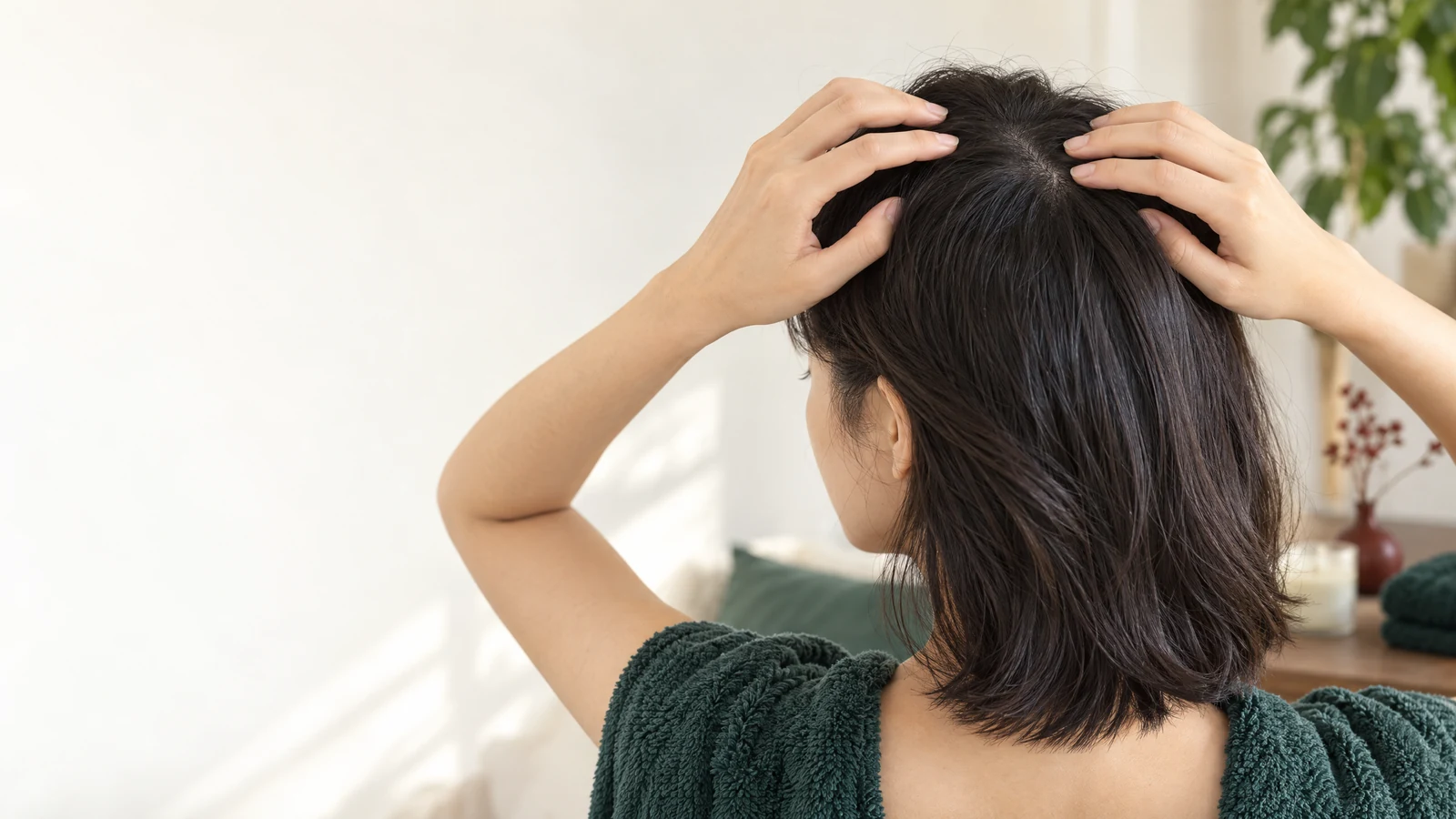
Scalp exfoliation vs scalp cleansing: the purpose
An exfoliating scalp treatment should be explained by the product used, its intended purpose and the way it is applied. The name does not tell you whether it is a physical scrub or another formulation. Ordinary cleansing and an extra exfoliation step are not interchangeable, and neither should be described as treatment for scalp disease or hair loss.
Ordinary cleansing is the starting point when you want to wash away oil or styling residue. It already removes some material from the skin surface; you do not need to assume that dead skin cells can only be removed by a separate scrub. In its dry shampoo guidance, the American Academy of Dermatology explains that regular shampoo and water remove accumulated oil, dead skin cells and dry shampoo. Dry shampoo absorbs oil but does not replace washing.
Exfoliation specifically concerns removing cells from the outer skin layer. The AAD's guide to safe exfoliation distinguishes mechanical methods, such as scrubs or tools, from chemical methods, such as formulations using certain acids. That is general skin guidance, not permission to use a facial exfoliant on the scalp. The product still needs to be intended for the area and used as directed.
Continue with how to remove product buildup from scalp for that specific comparison and the preparation questions it raises.
Using scalp exfoliation vs scalp cleansing to frame your questions
Describe what you notice before asking for a stronger method. A powdery feeling after dry shampoo, greasy roots before washing and soreness after a new product are different observations. Ask whether the proposed step addresses surface residue, involves exfoliation or simply forms part of the washing routine. That makes the discussion more useful than requesting the deepest clean available.
What a scrub description leaves unanswered
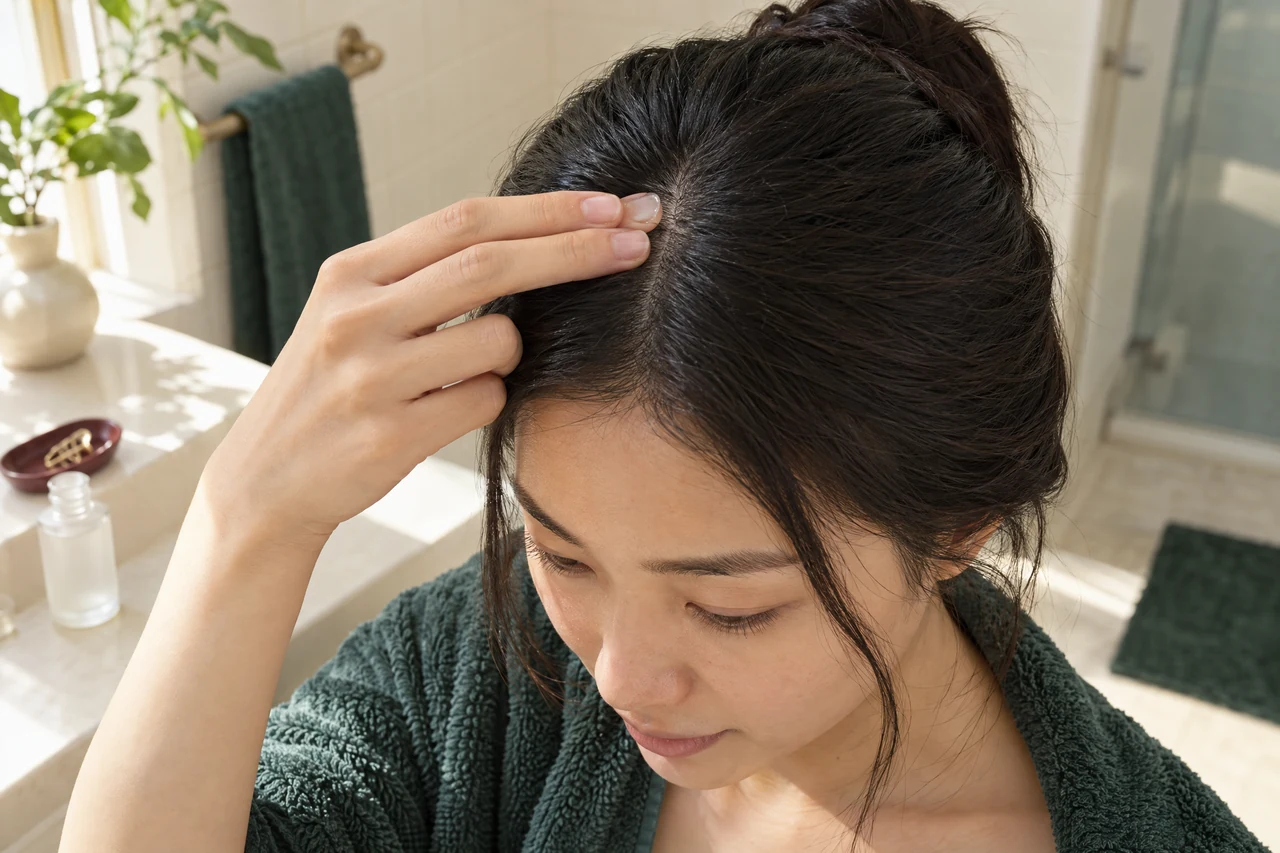
Before a scalp scrub treatment, ask what the product is, how contact and pressure are controlled and whether an alternative cleaning approach is more appropriate. A salon description cannot replace the product's instructions or an individual suitability discussion. Do not assume that vigorous rubbing, a gritty texture or a longer application means a better result.
A physical scrub brings a textured product into contact with the scalp. A brush is a tool, not a complete cleaning method by itself. A smooth gel could be an ordinary cleanser or an exfoliating formulation; its appearance cannot establish its function. Clarify whether shampooing happens separately and how the product is removed from the roots. Dense hair can make access and rinsing awkward, so ask how the application avoids simply coating the hair lengths.
Pressure should not become an endurance test. Tell the person applying the product if contact feels scratchy, pulls the hair or causes stinging. A fresh or cooling sensation does not measure how much residue has been removed. General AAD exfoliation advice favours gentle application and warns against exfoliating open wounds or sunburned skin; a scalp product's own restrictions remain important.
If your question is what is a head spa, separate the service label from the actual cleaning steps. A relaxing appointment name does not establish that a scrub is included.
Pressure, contact and the product instructions
Ask whether the product belongs on a wet or dry scalp, whether it needs massage and what determines its contact time. Some products are rinsed away as part of washing, while others have different directions. Do not borrow timing from another formula or add a brush unless the instructions support it. The relevant question is how this product is meant to be used, not how long you can tolerate it.
Frequency is not a universal timetable
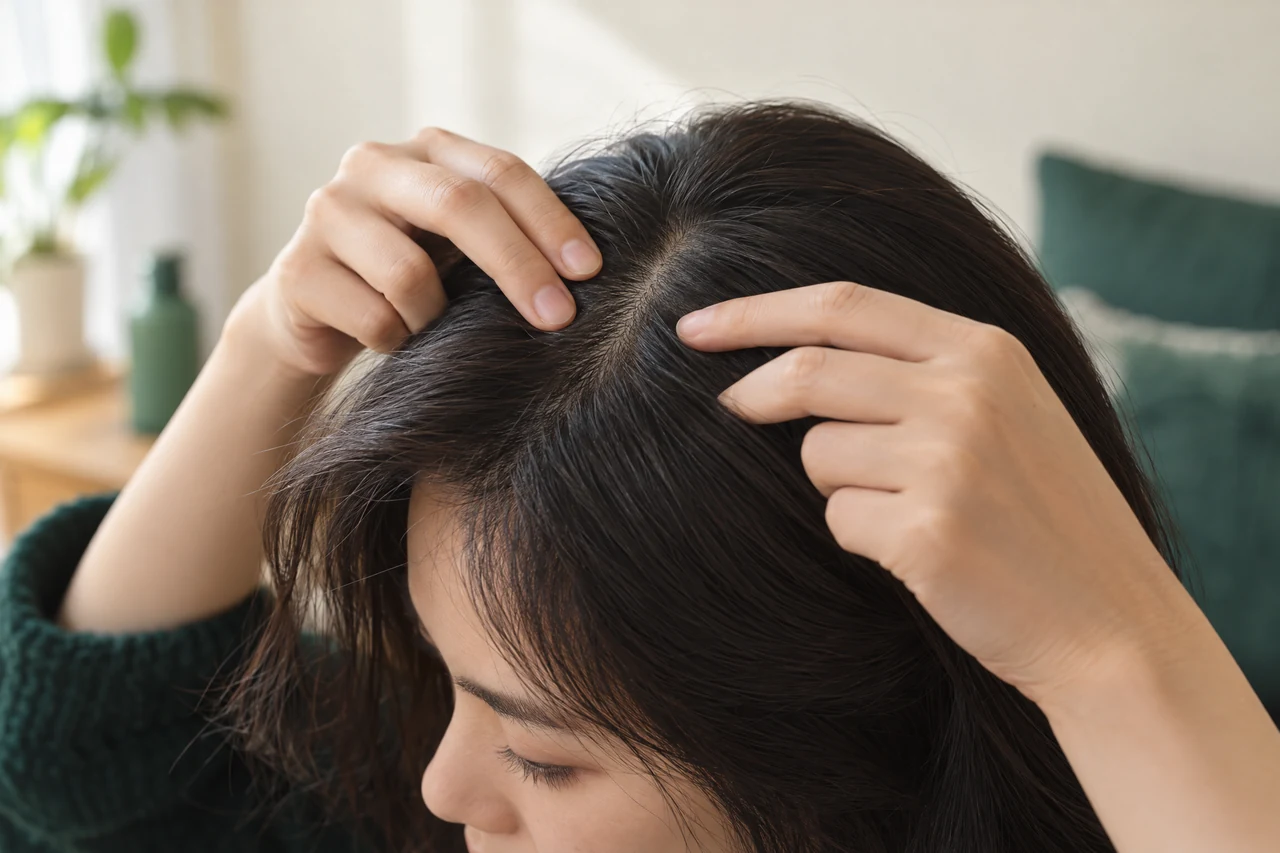
There is no single repeat schedule that fits every exfoliating product or scalp. Follow the relevant product instructions and advice for the option actually chosen, and review how the scalp feels afterwards. Repeated discomfort is a reason to stop and seek appropriate advice, not a reason to increase the strength or frequency of cosmetic cleaning.
Keep washing frequency separate from exfoliation frequency. Returning oil between washes does not automatically mean the scalp needs another scrub. Before adding a step, review whether ordinary cleansing reaches the roots and whether products are rinsed away properly. Also consider how much dry shampoo or styling product you apply near the scalp. Changing the amount or placement of a product may be more practical than adding another cleaning product.
Avoid starting several unfamiliar scalp products together. Keeping the rest of a comfortable routine stable makes it easier to describe what changed if a new step causes tightness or irritation. Note the product name, how it was used and how the scalp felt after rinsing and later when dry. This record helps a suitability discussion; it is not a home test that proves a diagnosis.
Continue with oily scalp care for that specific comparison and the preparation questions it raises.
Review the product and your response
For a busy Hong Kong routine, choose instructions you can actually follow without rushing the application or rinse. If an additional step makes washing complicated, ask whether ordinary cleansing is sufficient for your cosmetic goal. A repeat appointment should follow a clear purpose and a comfortable response, rather than a pre-set habit of making every wash more intensive.
Discomfort changes the decision
Visible flakes, an oily appearance or a tight feeling do not establish why the scalp is affected. Mention these observations before an appointment and avoid treating extra exfoliation as the default answer. Persistent itching, redness, soreness or changes in shedding need healthcare assessment; a cosmetic service should not be used to diagnose or manage the underlying cause.
Loose particles on clothing may seem like something that should simply be scrubbed away, but their appearance does not identify the cause. The AAD's dandruff guidance explains that flaking can have different causes and that severe or unresolved dandruff warrants dermatologist assessment. Removing visible material for a cleaner appearance is not the same as addressing the reason it keeps returning.
Stop an optional exfoliating step if it causes discomfort. Follow the relevant directions for removing the product rather than trying to counteract it with another active formula. If there are broken areas or a scalp that is already sore, do not work over them with a scrub or tool. Seek appropriate healthcare advice for persistent or worsening symptoms before considering further cosmetic cleaning.
Cosmetic cleaning is not a diagnosis
Useful observations include where the discomfort occurs, when it began and whether it followed a new shampoo, colour service or styling product. Share any prescribed scalp products and known reactions before an appointment. A cosmetic consultation can clarify what service is being proposed, but it cannot decide that flakes are harmless residue or that increased shedding will improve with exfoliation.
Read the label before combining steps
Look beyond words such as detox, purifying or refreshing. Find the intended application area, directions, warnings and whether the product is rinsed off or left on. A facial peel, body scrub and scalp formulation should not be treated as substitutes. If the label is unclear, ask the manufacturer or an appropriate professional rather than inventing a method from a short online demonstration.
Medicated dandruff shampoo belongs to a different decision from an optional cosmetic scrub. The AAD notes that dandruff shampoo application and contact instructions vary with the chosen product and hair texture. Do not copy its directions for a cosmetic exfoliant, or replace prescribed care with a salon cleaning step. If you use a scalp medicine, ask the prescribing professional before adding an unfamiliar product.
Keep scalp cleaning and length care separate
Roots and lengths can need different handling: an oily scalp can sit above dry or colour-treated ends. Ask how the cleaning product will be kept to its intended area and how the lengths will be handled during rinsing. Mention recent colouring, bleaching or perming when discussing compatibility. A stronger cleaning description is not evidence that the product suits every processed hair type.
Prepare a clear enquiry in Sheung Wan
Before contacting Vit So, gather the names of your current scalp and styling products and a short description of what you want to change. For example, you can ask about washing away product residue without requesting exfoliation. Explain whether the concern is a coated root feeling, visible oil or discomfort. Ask what the available cosmetic service includes; this guide does not confirm that Vit So offers a scrub or exfoliating formulation.
Review scalp treatment to check its service scope and the details to share before arranging the related work.
Use what to ask before a scalp treatment to prepare questions about products, suitability and the proposed cleaning steps. Confirm the quote and whether washing, conditioning and finishing are included before agreeing to a visit. An enquiry helps establish the options; it does not reserve an appointment or confirm a particular procedure.
Bring the details that affect the choice
Use this 6-point checklist to prepare for a cleaning-method discussion. Keep product labels or clear photographs available so directions can be checked accurately. If you want to avoid gritty textures or tools, say so at the enquiry stage. You can then compare the proposed method with ordinary cleansing instead of discovering an unwanted extra step after the appointment has begun.
Compare the cleaning job, not how strong the method feels
| Method | Purpose and practical distinction | What to confirm |
|---|---|---|
| Ordinary shampoo and water | Washes away surface oil and residue, including accumulated dry shampoo; can also remove loose dead skin cells. | Root application, rinsing and a routine that suits your hair and scalp. |
| Physical scalp scrub | Adds a textured exfoliating step; visible grit does not prove a better clean. | Scalp suitability, pressure, application area and removal instructions. |
| Chemical exfoliating formulation | Uses the formulation rather than grit for exfoliation; a smooth texture does not mean ordinary shampoo. | Intended scalp use, contact directions, warnings and compatibility with other products. |
| Dry shampoo | Absorbs oil to refresh appearance between washes; is not a replacement for washing. | Product directions and continued cleansing with regular shampoo and water. |
| Medicated dandruff shampoo | Has product-specific directions for a scalp condition; is not interchangeable with a cosmetic scrub. | The relevant label or healthcare advice, rather than a salon exfoliation timetable. |
Your preparation checklist
- Describe your cosmetic goal: removing a coated feeling or washing away surface oil, rather than simply asking for maximum strength.
- Bring the names or label photographs of shampoos, dry shampoo, styling products and any prescribed scalp products you currently use.
- Share recent colouring, bleaching or perming, known product reactions and any current scalp soreness or broken areas.
- Ask whether the proposed method is ordinary cleansing, a physical scrub or another exfoliating formulation, and whether it is actually available.
- Confirm the intended application, pressure, contact and rinsing instructions, along with an alternative if you prefer not to exfoliate.
- Agree on the service scope and quote, then review comfort rather than adopting a universal repeat schedule; pause and seek advice if symptoms persist.
Frequently asked questions
How often should I exfoliate my scalp?
There is no universal frequency for every product or scalp. Follow the relevant product instructions and individual advice, and stop if the step causes discomfort rather than copying a repeat schedule from another service.
Is scalp exfoliation already included in a spa appointment?
Do not assume that scalp exfoliation is included. Ask about the exact cleaning steps and products before agreeing to the service; a spa label does not confirm a scrub or an exfoliating formulation.
Will exfoliation cure dandruff or reverse hair loss?
No such effect should be inferred from a cosmetic service. Persistent flakes, discomfort or changes in shedding need appropriate healthcare assessment rather than escalating a scrub routine.
Discuss a cleaning method that fits your routine
Contact Vit So in Sheung Wan with your current product details and the cosmetic concern you want to discuss. Ask what cleaning steps are available, whether an extra step is appropriate and what the service includes. Availability, suitability, price and appointment confirmation need to be agreed before your visit.
Start your WhatsApp enquirySources & further reading
- Dry shampoo: Dermatologists' tips for getting your best results
Dry shampoo absorbs oil rather than replacing washing; shampoo and water remove accumulated oil, dead skin cells and dry shampoo.
- How to treat dandruff
Product-specific dandruff shampoo directions and the need for dermatologist assessment for severe or unresolved flaking.
- How to safely exfoliate at home
General skin exfoliation methods, gentle handling and avoidance of open wounds or sunburned skin; not a scalp-specific application protocol.



