







Bob vs lob: compare actual landing points
A lob haircut usually describes a longer bob cut, but the label does not specify an exact measurement. A long bob may offer more room for tying back than a chin length bob. Show where the dry ends should land and check whether the front pieces can reach your usual tie; length labels alone cannot establish that function.
For a practical comparison, stand upright with your head in its usual position and indicate the end point on yourself. Hair ending beside the chin leaves the shoulders clear; hair closer to the collarbone creates a longer frame. Your neck length and shoulder position affect that relationship, so the same reference can look shorter on another person. The Mane Addicts guide to bobs and lobs describes a lob as a long bob typically reaching the shoulders or collarbone. Treat that as a starting description, then agree on your own dry landing point.
Bob vs lob when tying back matters
Show the tie position you actually use, whether low at the nape or higher for exercise. Explain whether a few loose front pieces are acceptable or whether everything must stay off your face. Also distinguish ear-tucking from tying: a side section may reach behind the ear without reaching a hair elastic. If you would otherwise spend the whole day pinning pieces back, retaining a little more length may matter more than matching a photograph precisely.

Choose the perimeter of your bob haircut
Blunt bob vs layered bob is a choice about the visible edge and movement, not simply whether one is better. A blunt bob keeps a more continuous perimeter, while a layered bob introduces shorter lengths within the outline. A blunt lob applies that stronger edge at a longer length; discuss the weight you want to retain at the ends.
Look at the lowest edge in a reference before looking at the waves. Is it a clear line, a rounded outline or a broken-looking edge? Then examine whether shorter sections sit above it. A bob cut can have a defined perimeter and some internal shaping; asking for movement need not mean making every end wispy. Explain whether your priority is an intact bottom line when the hair lies still or visible separation when it moves.
Continue with haircuts for fine hair volume for that specific comparison and the preparation questions it raises.
A bob haircut with an edge or softer movement
Ask where any shorter lengths would begin and which parts of the perimeter would remain intact. If you like a solid edge but find the sides too wide, identify the width separately rather than asking for layers everywhere. If you prefer a looser outline, show how much separation you enjoy. Decisions about fine strands and visible density deserve their own discussion; a style name alone does not establish how much hair should be removed.

Read the back and side proportions
An inverted bob usually places a shorter back against longer front lengths. A stacked bob describes graduated weight through the back, while an asymmetrical bob deliberately differs from one side to the other. These terms can overlap. Bring side and back views so the conversation focuses on the proportions you like rather than treating the names as interchangeable packages.
A slope and a rounded back are different things to point out. In a side view, trace the edge from the nape towards the face; in a back view, look for fullness above that edge. You may like longer front sections without wanting a pronounced raised shape at the back. Equally, you may enjoy a rounded back but prefer less difference between front and rear lengths. Describe both preferences before settling on a label.
A slope, stacked weight or unequal sides
For an unequal-sided design, check it with your normal parting and with each side untucked. A photograph with one side behind the ear can appear asymmetrical even when the cut is not. Mention whether you switch your parting, wear glasses or dislike feeling hair against one cheek. At the nape, discuss whether you want a visible neckline or some coverage. These details are more useful than requesting the shortest possible back without seeing its relationship to the front.

Consider a fringe as a separate decision
A short bob with bangs combines two choices: the main outline and the hair across the forehead. A chin length haircut can feel quite different with an open front or a fuller fringe. Compare the shortest front pieces with the bob's sides, and explain whether you want to tuck them behind your ears or wear them loose.
Avoid judging only the model's face shape. Look at how much forehead is covered and where the fringe meets the side sections. A fuller front makes a more distinct horizontal line; an open or divided front reveals more of the forehead. Either can accompany a similar bob perimeter. Your own preferences about eye clearance, glasses and feeling hair on your forehead should guide the discussion, rather than a rule that a particular face must have bangs.
If the forehead area is your main uncertainty, compare a fringe cut separately before deciding how it should connect to the bob's sides.
The front outline and the main perimeter
Arrive with your usual parting visible and explain any front section that separates or lifts on its own. A fringe that looks neat after a directed blow-dry may take different effort when you leave it to dry naturally. Decide whether you are willing to restyle the front even on days when the rest stays untouched. If not, retaining longer front pieces may be a more comfortable compromise than changing both the main length and the fringe at once.

Check natural texture before choosing the finish
A bob haircut for straight hair may show a strong outline, yet the roots and ends can still bend or turn differently on each side. Compare the shape after your normal drying routine rather than only a smooth salon finish. If the photograph depends on waves or heat styling, separate that finish from the structure created by the cut.
Bring a recent photograph of your hair after an ordinary wash, alongside the cut you like. Note what changes after ear-tucking, sleeping or walking outdoors in Hong Kong. This helps identify whether the concern is a particular end direction, the width at the sides or simply a finish that you do not normally create. Do not assume a haircut will reproduce ironed waves or change your natural growth direction.
For a bob whose outline depends on natural bends, the guide to a haircut for naturally wavy hair explores the dry pattern in more detail.
Straight hair still has growth direction
Keep heat styling a separate part of the plan. The American Academy of Dermatology's hair-styling advice recommends using flat irons on dry hair at low or medium heat and warns that excessive heat can damage hair. If the reference needs repeated smoothing but you prefer not to use an iron, ask for a shape you also enjoy with its natural bends. A polished occasional finish and an everyday wearable outline can be different goals.

Balance styling effort and return visits
When considering whether a bob will be easy to manage, count both morning styling and the attention needed to maintain its outline. Hair that meets the shoulders may turn outward; a shorter perimeter may reveal changes in shape sooner. Agree on what you can live with between visits rather than expecting every bob to be wash-and-go.
Define the change that would bother you enough to return: a nape that feels heavy, ends touching your collar, or front pieces that need constant repositioning. If a little growth is welcome, say so. If you want to preserve a very precise edge, discuss the ongoing commitment before choosing it. A lob is not automatically maintenance-free either; keeping the length while managing shoulder contact may involve a different routine.
Continue with how to grow out a bob for that specific comparison and the preparation questions it raises.
The listed women's wash, cut and blow dry price is HK$480. Named bob variations are haircut references, not individually confirmed packages. Describe the intended change when enquiring, and confirm the work and applicable charges before the appointment.
Review women's haircut to check its service scope and the details to share before arranging the related work.
Shorter does not always mean less work
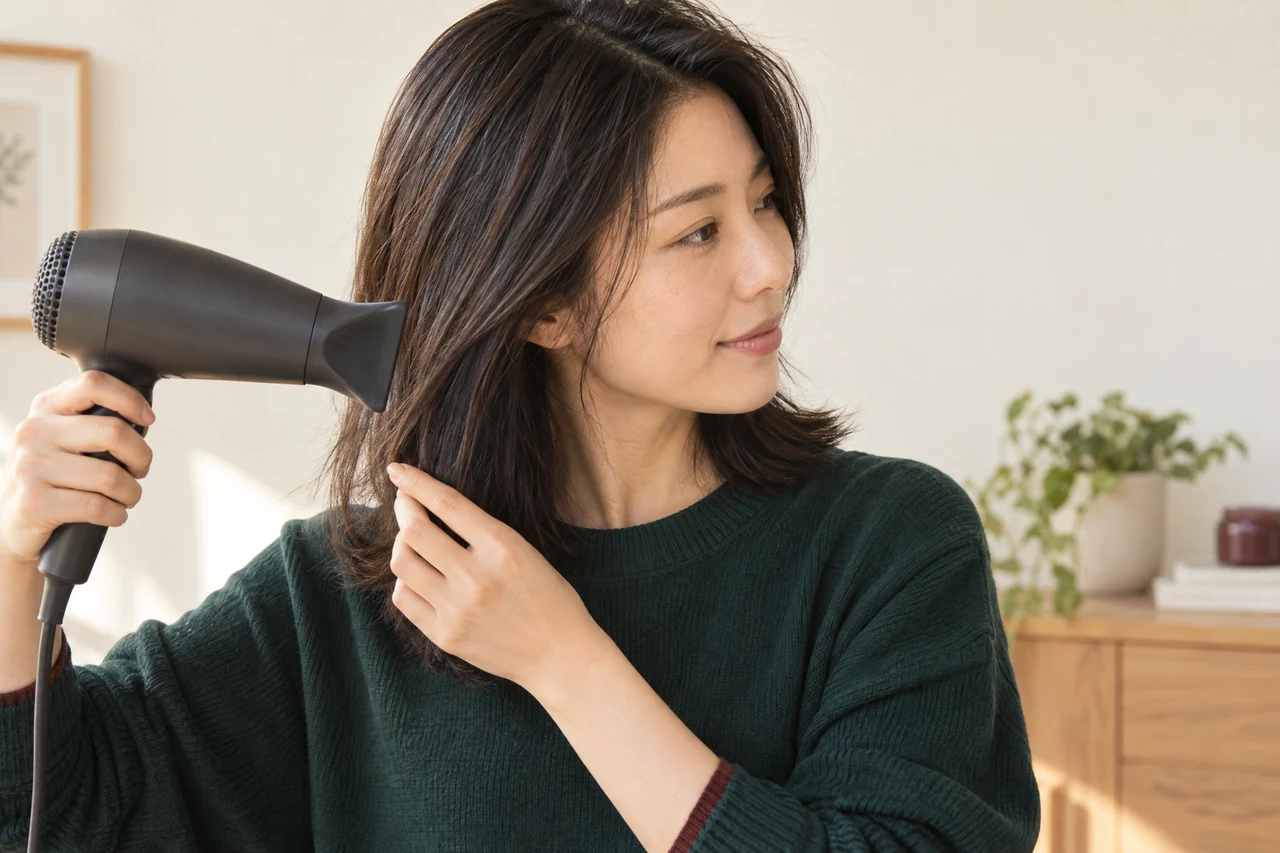
Tell the stylist what you will genuinely do on a rushed morning: let the hair dry, use a dryer with your fingers, or shape selected areas with a brush. Ask which step supports the chosen outline and which is only for an optional finish. Take note of the direction demonstrated around the nape and face. Before leaving, check the shape both loose and tucked so you understand the version you are most likely to wear.
Compare the features of a bob or lob independently; several can belong to the same cut.
| Feature | What to compare | Decision to explain |
|---|---|---|
| Chin-length bob | Dry ends beside the jaw and clearance above the shoulders | Whether ear-tucking is enough or tying back is essential |
| Lob | Ends near the shoulders or collarbone and the shortest front pieces | Your normal tie position and tolerance for shoulder-level bends |
| Blunt edge | Continuity and retained weight along the bottom line | How solid you want the perimeter to look |
| Internal layers | Shorter sections within the main outline | Where you want movement without losing the edge you like |
| Angled or stacked back | Front-to-back slope versus rounded weight at the rear | Whether you want one feature, both or neither |
| Fringe or unequal sides | Forehead coverage and the outline with your normal parting | Eye clearance, ear-tucking and willingness to style the front |
Your preparation checklist
- Indicate the dry end point on yourself while standing naturally; include the shortest length you would be comfortable wearing.
- Bring front, side and back references, identifying the edge or back shape you like rather than only naming the style.
- Demonstrate your usual ponytail position and explain whether loose pieces or clips are acceptable during work or exercise.
- Show your normal parting and mention glasses, persistent front separation, ear-tucking and any nape coverage you want to retain.
- Share an ordinary wash-day photograph and describe your actual drying tools, optional styling and acceptable changes between visits.
Frequently asked questions
Is a bob haircut easy to maintain?
It depends on natural texture, the chosen length and your routine. Compare the drying work and shape changes you can accept; a shorter cut is not automatically easier.
Can a lob always be tied into a ponytail?
No. The shortest front pieces and your usual tie position matter as much as the overall back length. Discuss that function before shortening the hair.
Are named bob styles separate services?
These are ways to describe a haircut idea, not confirmed individual packages. Use the women's haircut page to enquire about adapting the outline to your hair.
Make your bob idea clear before changing the length
Enquire with Vit So in Sheung Wan with your current hair photo, preferred dry end point and tying-back needs. Include the side or back shape you like and how you usually dry your hair. These details help frame a useful discussion of the cut and service scope; an enquiry is not a confirmed booking.
Start your WhatsApp enquirySources & further reading
- A Guide to Bobs, Lobs, and Everything In-between
Explains the lob as a longer bob and distinguishes perimeter angle, unequal sides and graduated back layers.
- Hair styling without damage
Supports the advice to use flat irons on dry hair at low or medium heat and avoid excessive heat when planning an everyday bob finish.



