







Hair straightening without losing volume: define the outline
Identify whether you want height at the roots, width beside the face or substantial ends. These are different design priorities. Straighter hair can look less wide as strands align, so compare a naturally dried photograph with your desired finish. Ask what can realistically remain and whether the goal conflicts with making every length very straight.
Start by pointing to an area rather than asking for more volume everywhere. A rounded crown with close-fitting sides is different from a wide outline around the cheeks. Likewise, full-looking ends can matter more than height on top. Use your own photograph to mark what you would be disappointed to lose, including the shape behind the ears and the lower edge of the haircut.
Some apparent fullness comes from bends and the space between strands. If those bends are part of the outline you like, removing them completely may work against your brief. A smooth surface, a straight length and a softly curved end are separate requests. Rank them so the stylist knows which matters most when the goals cannot all be met together.
Review hair straightening to check its service scope and the details to share before arranging the related work.
What hair straightening without losing volume means to you
Try a practical description: 'I want the sides to stop expanding, but I want the crown to remain softly raised and the ends to look substantial.' This describes a preference, not a promised result. Show both a freshly dried view and a later everyday view. Explain whether you dislike flatness immediately after washing, after your commute or only when the hair is tucked behind your ears. Each observation helps locate the real design problem.
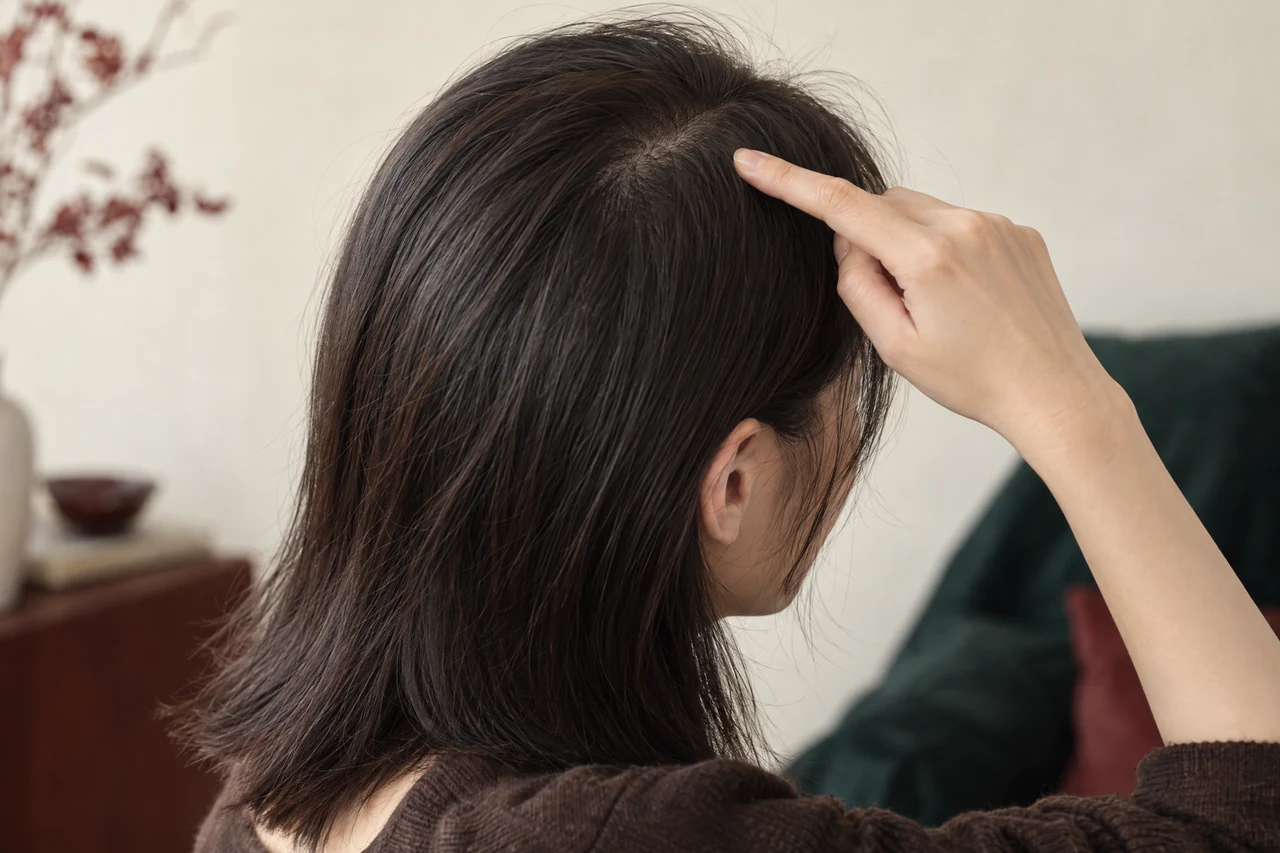
Coarse strands are not the same as dense hair
For coarse hair, the question may be how to reduce crossing waves while keeping the weight you like. For thick, dense hair, it may be how the outline will settle. Neither goal automatically calls for thinning. Tell the stylist which areas must retain substance and ask how cutting, conditioning or straightening would affect those areas differently.
Coarse describes an individual strand; density describes how much hair grows across the scalp. You can have fine strands in a dense head of hair, or coarse strands with less overall coverage. The everyday word 'thick' can mean either. Avoid letting that single word become permission to remove weight throughout the cut. Ask the stylist to explain what they are observing in your particular hair.
Hair straightening for coarse hair may be a request for more orderly lengths while retaining a substantial lower outline. Hair straightening for thick hair may instead be about reducing excessive width near the sides. In both situations, identify the inner lengths that contribute to the weight you enjoy. Request a discussion before any thinning, shortening or new layers are introduced; removing hair and changing its alignment are different decisions.
Understanding layering vs thinning out hair helps you discuss a lighter outline without treating every weight-removal technique as interchangeable.
Discuss thickness without automatically thinning the cut
Ask to see how the ends fall when the hair is simply combed into place, rather than spread out with a brush. Specify whether a continuous lower edge or a looser, separated finish suits you better. If the proposed cut changes the inner weight, ask which area will be affected and how that relates to your chosen outline. You can then decide whether to reconsider the cut after evaluating the texture change.
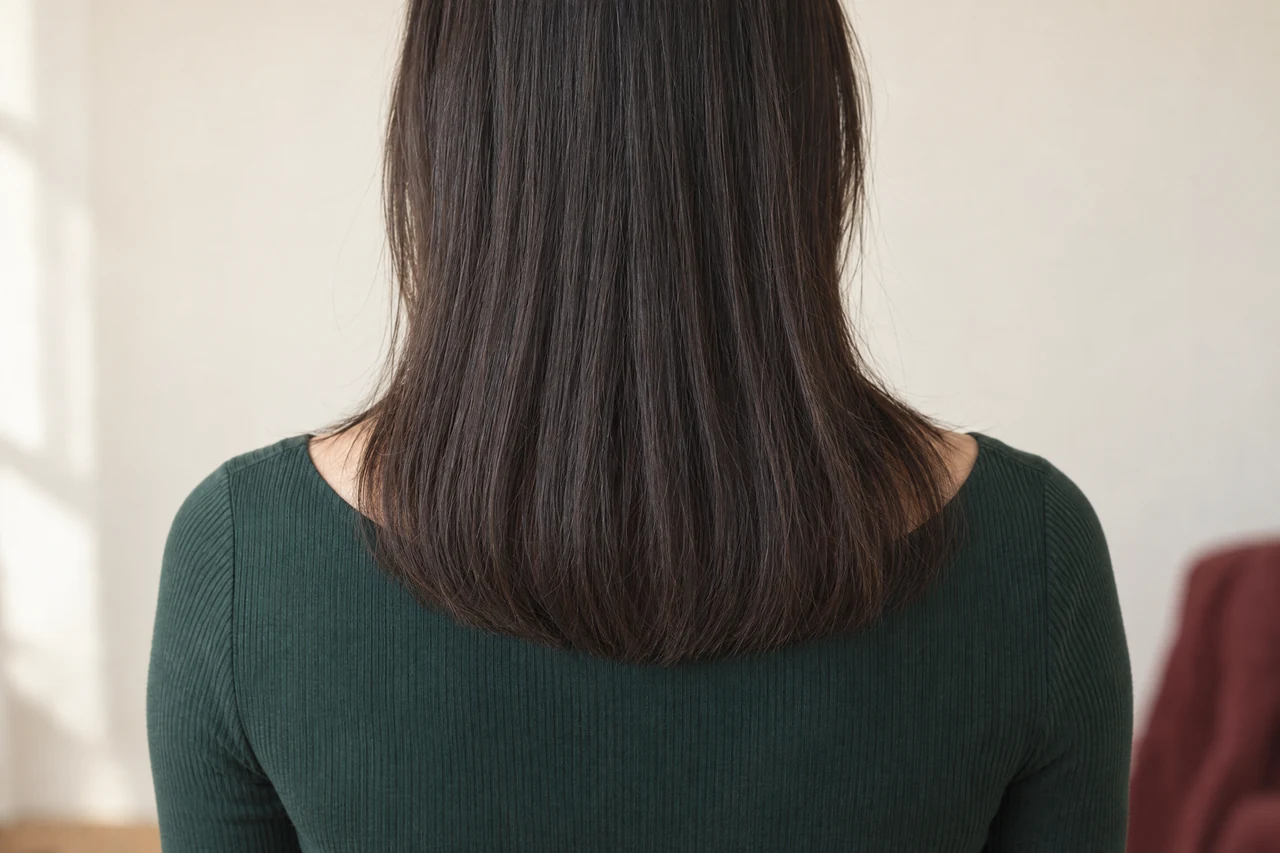
Fine hair needs a separate smoothing discussion
Hair smoothing for fine hair needs careful discussion of condition and the possibility of a flatter finish. Fine strands do not by themselves establish a hair-loss condition, nor does a shinier surface create extra density. Ask whether conditioning or a change in drying routine would meet your needs without adding a shape-changing procedure.
Describe what feels difficult: rough ends, tangled lengths, flyaways or roots that lie close to the scalp. These are not automatically the same problem. If the lengths already fall fairly straight, pursuing an even straighter finish may offer little benefit for your preferred shape. Bring details of previous bleaching, colouring, perms and straightening so suitability is considered alongside the cosmetic goal.
Product choice is also worth reviewing before deciding that fine hair needs a stronger procedure. The American Academy of Dermatology's leave-in conditioner advice recommends a lighter formula for fine, straight hair and the smallest amount that works. It also advises applying leave-in conditioner to the hair rather than the scalp. This supports a targeted care discussion, not a guarantee of root lift.
Consider fragility and a flatter finish
Show how your hair behaves with minimal styling product as well as your usual routine. Explain whether the ends look separated or whether the crown seems flat despite full-looking lengths. Do not judge the need for treatment from shine alone. If you notice new shedding, a widening part or persistent breakage, seek appropriate medical advice rather than asking straightening to resolve a density concern.

Protect your priorities in the consultation
Mark where you like the current fullness and where you dislike puffiness. Include side and back views, not only a front-facing portrait. Discuss the cut and the procedure separately, then ask what care and drying would still be needed. A smooth finish should not be taken as proof that every preferred proportion will remain unchanged.
Bring photographs taken with similar lighting and with the hair worn in your normal parting. A carefully styled reference can be useful, but ask which elements depend on the finish rather than the procedure. For a Sheung Wan consultation, explain your actual morning routine and whether you usually walk outdoors, tie your hair for work or leave it to dry with little assistance.
Before proceeding, ask the stylist to summarise the agreed priorities in plain language. Confirm whether the discussion includes the roots, lengths, ends and a haircut, rather than assuming a single service name settles everything. If keeping root height is more important than eliminating every bend, make that trade-off explicit.
Separate root height, length alignment and the haircut
Useful questions include: 'Which part of the visible fullness comes from my current waves?' and 'What styling would still be needed to show this shape?' Ask whether a proposed approach would affect the areas you want to protect. Leaving an area untreated is not automatically suitable, and this discussion should not turn into an assumed promise of permanent root lift or an additional root procedure.
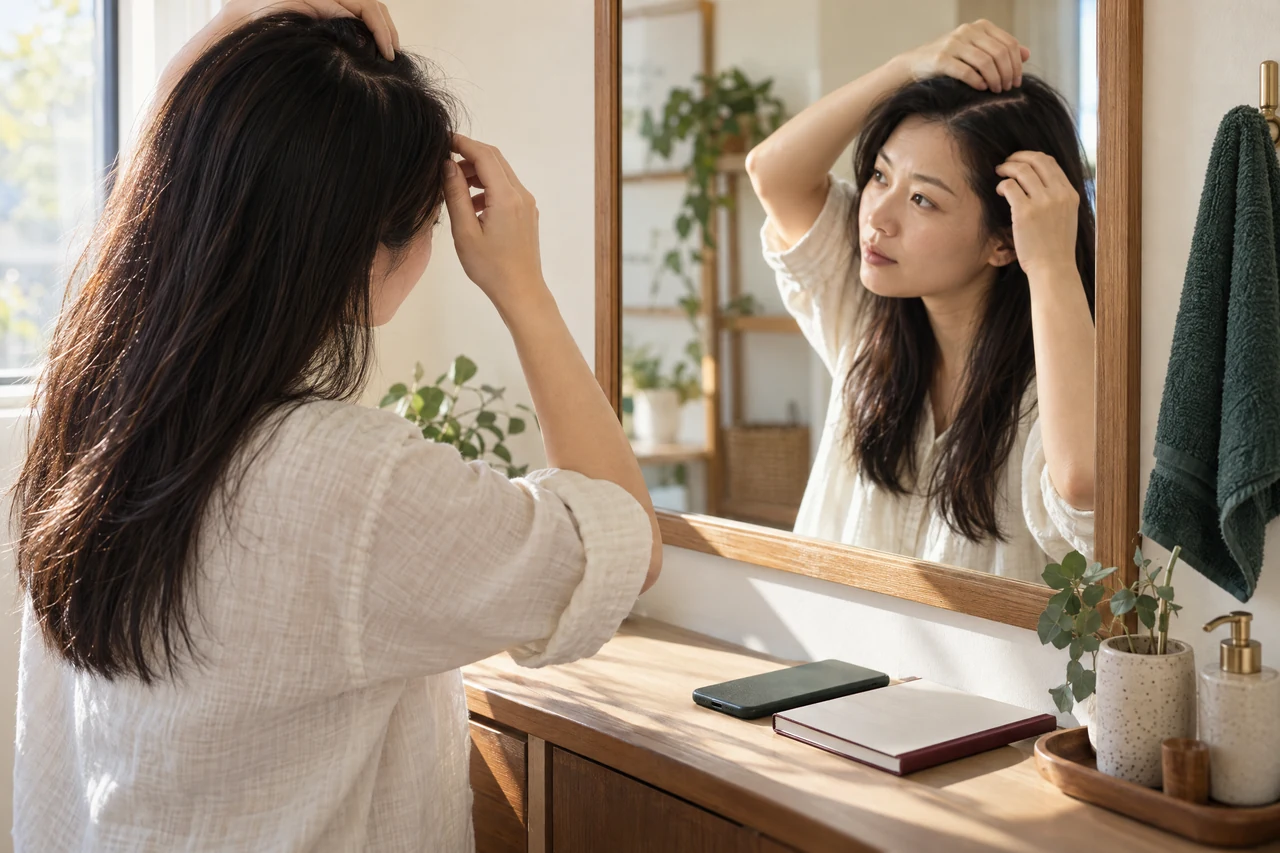
Choose the amount of change, not just a treatment name
Compare the least change that could address your concern with the straightest finish you have in mind. Conditioning may be worth considering when combing and feel are the main issues; temporary styling can help you explore a different silhouette. A shape-changing service needs a separate suitability discussion. Do not assume that something described as gentle, smoothing or keratin-based leaves your current outline untouched.
If some of the fullness you love comes from curls, clarify whether you want those curls retained or replaced with straighter lengths. Keeping curl identity is a different brief from preserving weight in a straight haircut, although both require careful communication.
Continue with keratin smoothing without losing curls for that specific comparison and the preparation questions it raises.
Ionic Straightening is listed at HK$1,600. Water Light Straightening starts at HK$1,600. These are different listed entries, not promises of the same effect on volume. Confirm the proposed service, haircut inclusion and any applicable length surcharge before arranging work; a price alone does not establish suitability.
Use a temporary finish to refine your preference
If you are unsure whether a narrower outline suits you, ask whether a temporary styled finish would help you compare the proportions before considering a longer-lasting change. It cannot predict a chemical result or prove suitability. It can, however, help you decide whether the ends feel too light visually, whether you miss width beside the face and how much crown height you prefer.
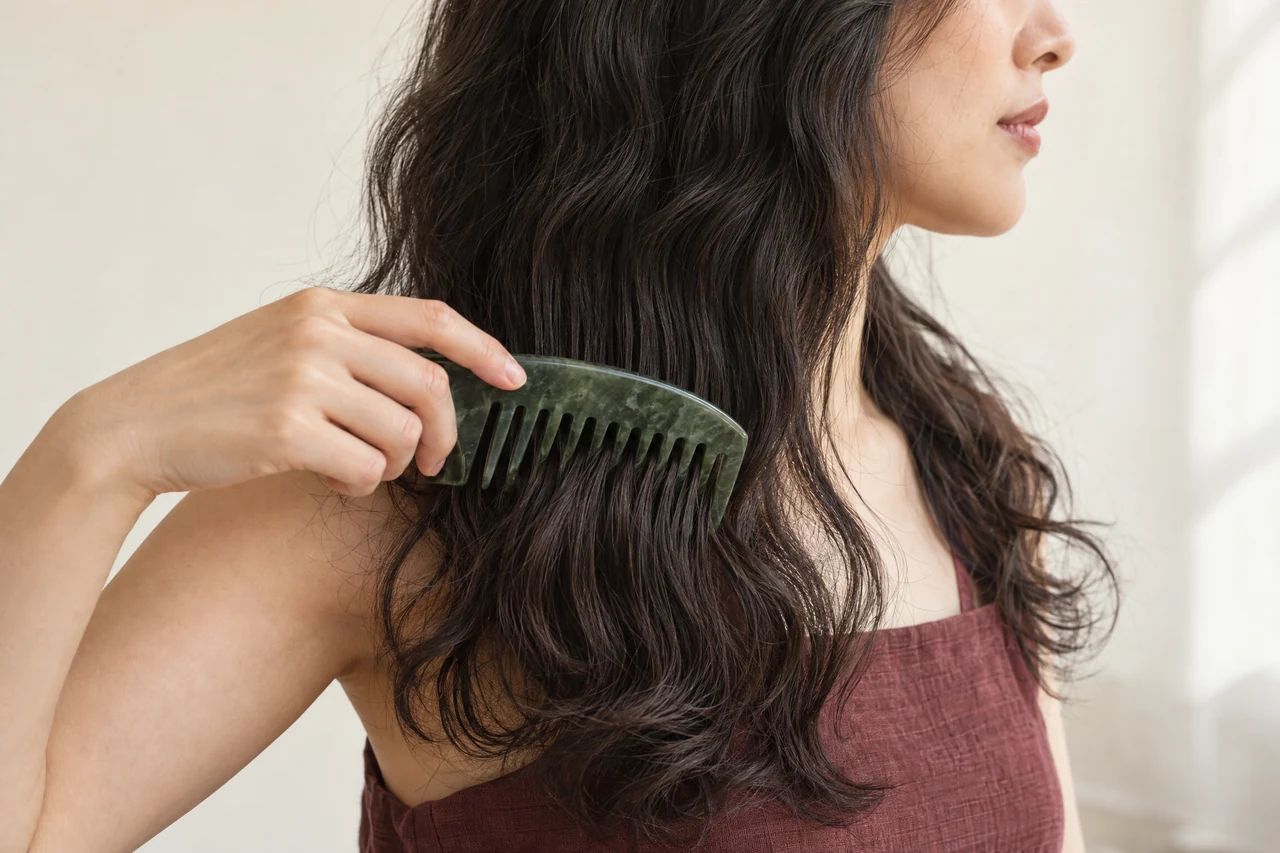
Plan for root lift and weight in everyday styling
A good consultation should leave you with a manageable home routine, not an assumption that straightened hair always needs no styling. Ask for a demonstration of drying direction at the crown and how to finish the lengths without repeatedly flattening the roots. Check which products belong on the ends and how much is needed for your hair, especially when you prefer a light finish.
The American Academy of Dermatology's guidance on styling without damage advises using flat irons on dry hair at low or medium heat and reducing blow-drying frequency to limit damage. Avoid chasing fullness with repeated hot-tool corrections. For the first washes and later care, discuss hair straightening aftercare alongside the instructions for your actual procedure.
Review volumising hair styling to check its service scope and the details to share before arranging the related work.
Evaluate the finish after your normal routine
Compare the crown, sides and ends after washing and drying as advised, not only in the salon mirror. If the shape feels flatter than expected, record where and when this happens and contact the salon before adding another procedure. Include what products and tools you used. Clear observations make a follow-up more useful than simply saying that all the volume has disappeared.
Match the fullness you want to preserve to a specific consultation question
| What you notice | What you want to keep | What to discuss separately |
|---|---|---|
| Coarse strands with crossing waves | Substantial lengths and ends | Whether changing alignment addresses the concern without removing cutting weight |
| Dense hair that looks wide at the sides | A rounded crown and a full lower edge | Which width is unwanted and which contributes to your preferred outline |
| Fine hair with rough or tangled ends | Light movement and visible root height | Targeted conditioning, product amount and whether straightening is needed |
| Mostly straight lengths with flat roots | Height at the crown | Drying and styling options rather than assuming further straightening adds lift |
| Curls that create an outline you like | Recognisable bends and their surrounding space | Whether preserving curls matters more than making the lengths straight |
Your preparation checklist
- Bring naturally dried front, side and back photographs showing your usual parting and minimal styling.
- Mark the areas where fullness matters: crown height, face-framing width, inner weight or the lower edge.
- Identify the specific puffiness or texture you want changed, rather than requesting less volume everywhere.
- Share previous colour, bleach, perm and straightening history, including which lengths were treated.
- Confirm haircut and thinning boundaries separately from the proposed texture procedure and its quoted scope.
- Ask for the expected home drying routine, product placement and instructions for assessing the finish after washing.
Frequently asked questions
Can I guarantee a smoothing treatment without flat hair?
No. The result depends on your hair, the procedure and styling. Describe the lift and width you want to retain, and consider whether a less intensive approach better fits those priorities.
Does coarse hair always need thinning before straightening?
No. Strand thickness and the amount of hair are different. Discuss the weight you want to keep rather than assuming thinning is necessary.
Will straightening make my hair denser?
No. It can change alignment and the visible outline, not create additional hair. If density is your concern, keep that separate from the cosmetic shape discussion.
Discuss a straighter outline with the fullness you value
Send Vit So your current front, side and back photographs, treatment history and the areas where you want height or weight retained. For a consultation in Sheung Wan, explain how you normally dry and wear your hair so the discussion can focus on realistic shape choices. An enquiry starts that conversation; it is not a confirmed booking or a guarantee of unchanged volume.
Start your WhatsApp enquirySources & further reading
- Hair styling without damage
American Academy of Dermatology advice on dry-hair flat ironing, low or medium heat and reducing blow-drying frequency to limit damage.
- Dermatologists' top tips for using leave-in conditioner
American Academy of Dermatology advice on lighter leave-in formulas for fine, straight hair, small effective amounts and avoiding scalp application.



