







Men's fringe haircut length at its natural landing point
Show where you want the front to end when it is dry and resting normally. Hair can sit differently when wet, lifted or stretched. Mention whether the fringe should clear your eyebrows or remain longer, and identify any sections that spring up or separate before selecting a firm front edge.
Start with a visible boundary: clear of the brows, touching their upper edge, or longer and directed away from the eyes. These are different briefs. A fringe that looks comfortable when swept aside may feel intrusive when it falls straight down. Explain both your preferred finished position and the longest position you can tolerate when you are not styling it.
The centre and outer corners do not have to land together. You might want short central pieces with longer temple connections, or a fuller line across the forehead. Look at the front with your head upright rather than tilted back. If you wear glasses, check whether the tips touch the frames or move towards your eyes when you look down.
Continue with textured crop haircut for that specific comparison and the preparation questions it raises.
Men's fringe haircut length should be checked dry
Ask to assess the resting front before a firm length decision and again when the hair is dry at the finish. For waves or curls, point out the sections that bend upwards rather than asking for an identical straight line when stretched. A photograph with the fringe lifted by a brush is useful for styling inspiration, but it does not show the same landing point as hair left to settle.
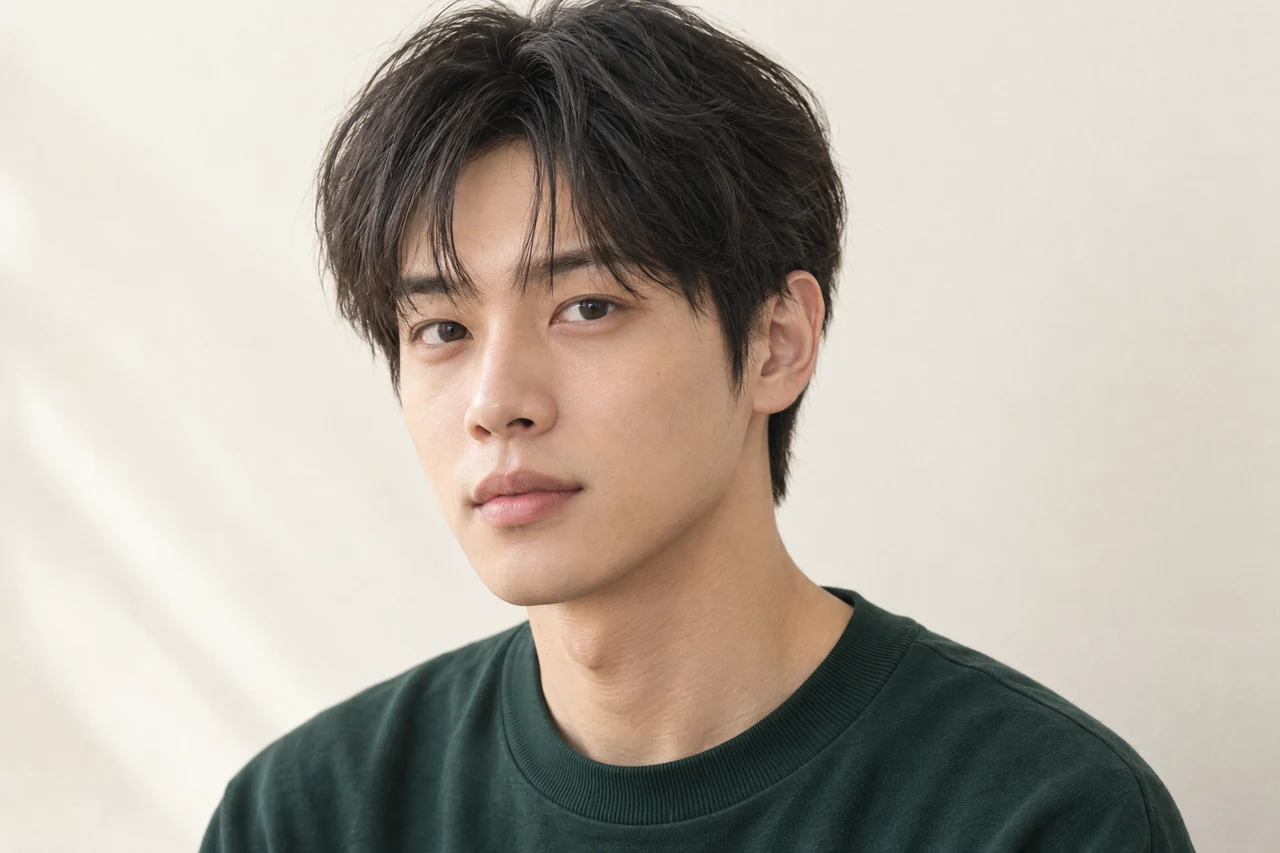
Texture and thickness are different choices
For a textured men's fringe, decide how much visible separation you want and how much thickness should support the shape. Removing weight everywhere can make the edge less solid than intended. Point out the heavy areas and the parts you do not want reduced, especially if the front currently feels like one continuous sheet.
Describe what feels heavy. Is the entire front pressing onto the forehead, is a thick central section covering the brows, or are the outer corners too wide? Each observation gives a more useful starting point than 'thin it all out'. Keeping enough hair at the edge may matter if you like a substantial outline, even when you want movement through the upper front.
Separation can also come from the finish. A reference image may show pieces grouped with product rather than a heavily reduced fringe. Ask which features depend on the cut and which need finger styling. For a softer result, describe small openings between groups of hair; for a bolder result, show the uneven tips you like without assuming every section should become shorter.
Visible pieces without losing the whole outline
A useful textured-fringe brief is: 'I want the front to separate, but I still want a visible edge above my eyebrows.' If your fringe is already sparse at a corner, identify that area before discussing weight removal. Compare the front without product and with a light finish so you can judge whether the new separation suits you. Very open gaps and a dense, continuous edge are competing goals, so establish which takes priority.

Forward or side-swept front hair
A side-swept fringe for men redirects the front rather than simply making every piece shorter. Consider the shortest central section and how it joins the longer outer pieces. Drying direction can contribute to the sweep, so distinguish a diagonal cut line from a finish that has been styled towards one side.
A forward fringe places more of the outline across the forehead. A sweep leaves an opening on one side and directs the tips diagonally. The distinction is practical: you need to know which way you want the hair to travel and whether you like the resulting exposure at the temples. Do not choose a parting solely because it appears on the same side in a mirrored selfie.
The Forte Series side-swept fringe guide describes the style as front hair brushed diagonally across the forehead and recommends explaining the desired side and length relative to the brows. Use those visible details for your own brief rather than copying its product suggestions. Show where your hair naturally opens as well as where you would prefer the opening to sit.
Continue with curtains haircut for that specific comparison and the preparation questions it raises.
A diagonal fall needs enough length and suitable direction
Before changing a forward fringe to a side part, identify the shortest section that must cross towards the longer side. If it stops early, cutting the surrounding hair shorter may tidy the outline but move you away from the intended sweep. Ask whether the current length can support a loose diagonal finish, whether some front pieces should grow, and what drying technique would be needed. A haircut cannot promise that a strong natural split will disappear.

Grow the front while keeping the rest manageable
If you are growing the fringe, mark the front and top sections that should retain length while discussing tidier sides. Keeping the whole head untrimmed is not the only option. Choose a temporary parting and an acceptable landing point so the growing front has a workable shape between appointments.
Say that lengthening the front is the priority before asking for a tidy-up. Otherwise, a request to restore the previous shape can include shortening the very pieces you need. Discuss the temple connection separately from the ear outline. Keeping the area around the ears neat does not necessarily mean removing all the hair that connects the fringe to the side.
Plan for the stage when the front reaches the brows but does not yet stay comfortably to the side. A softer temporary opening or a less sharply defined edge may be more workable than recreating a short, straight fringe. Set the next review around your experience: tips entering your eyes, corners becoming awkward, or the sweep needing excessive effort. There is no single trim schedule that serves both maintaining and growing a fringe.
A haircut consultation for growing out hair can help you describe the protected front-top area and the surrounding sections that may still need reshaping.
Protect the front-top area you are trying to lengthen
Point to the sections you want kept, not just the final hairstyle photo. Explain whether you intend to stop at a side sweep or continue to a longer parted front. Ask the stylist to distinguish essential trimming from optional reshaping before removing length. If the front has fragile or damaged tips, discuss the condition and the grow-out goal together rather than assuming that either leaving everything untouched or cutting everything back is the only answer.
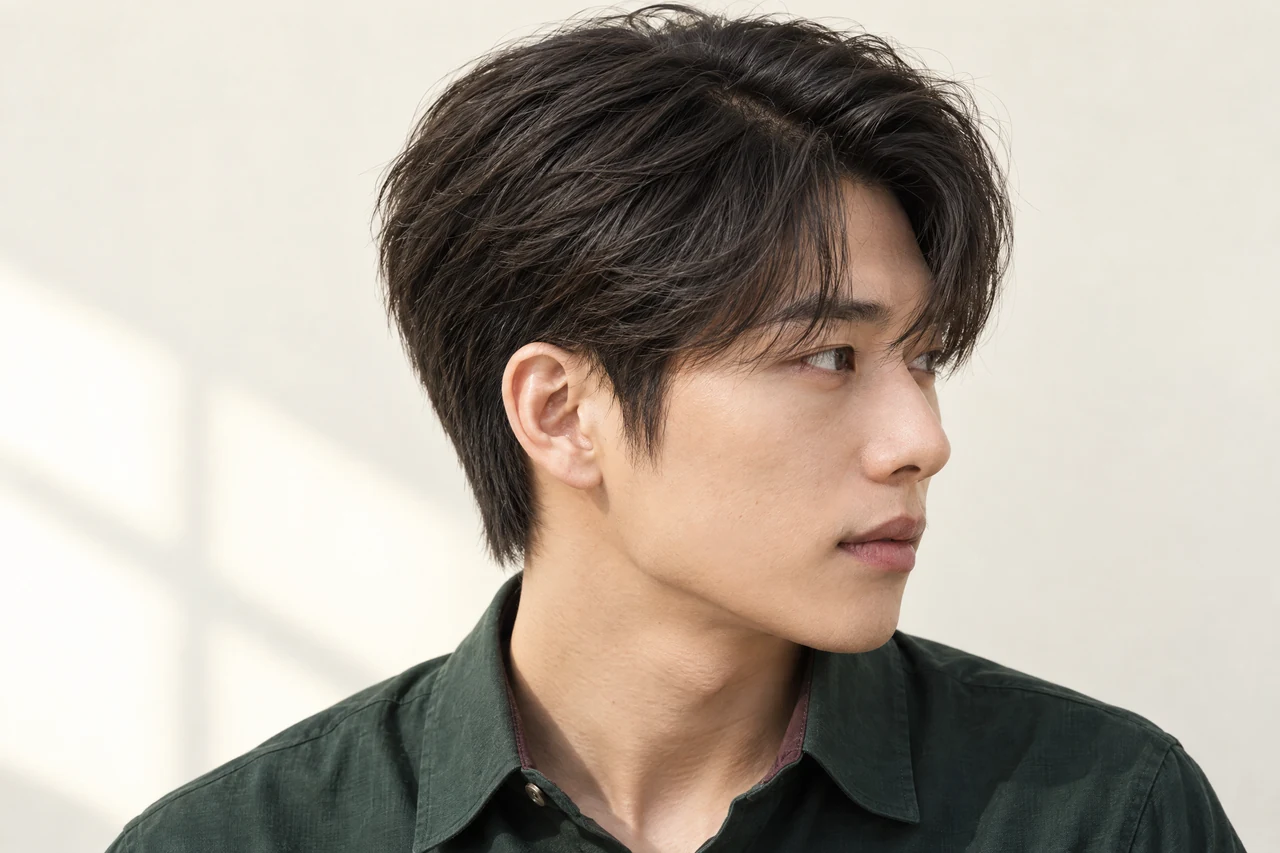
Make the daily fringe finish part of the haircut brief
Tell the stylist whether you usually air-dry, use a dryer, or simply push the front aside on the way out. A carefully lifted salon fringe is not the same test as a front section that settles without attention. Ask for a demonstration that uses tools you actually own. For a side sweep, watch where the fingers guide the roots before the tips are arranged.
Keep handling gentle. The American Academy of Dermatology's hair-styling advice recommends allowing hair to partially air dry before styling or combing and reducing blow-drying frequency to help limit damage. For your fringe routine, avoid repeatedly brushing and reheating the same front pieces just to chase a perfectly fixed line. Ask for a manageable finish, not a routine based on constant correction.
Check the fringe after it has settled
Use styling product sparingly at first and follow its directions. Adding more before judging the result can group the front into heavier-looking pieces than you wanted. Once finished, let the hair settle and look at it from the front and side. If it only sits as intended while you hold it, explain that before leaving. After a commute or exercise, record where it separates so the next consultation addresses the actual problem.

Bring a clear fringe brief to your Sheung Wan consultation
Bring a photo of your own dry front without a deliberate sweep, plus a reference showing the finish you prefer. In useful haircut reference photos, the brows and temples remain visible enough to judge length and coverage. Explain which feature you like: the central landing point, small gaps, or diagonal direction. You do not need to adopt the reference person's side length or overall style.
Men's wash, cut and blow dry is listed at HK$380. That is the listed full service, not a separately confirmed fringe-only price. If you only want the front adjusted, describe that scope when enquiring and ask what appointment and charge apply. A plan to retain the front while tidying the sides should also be stated before arranging the visit.
Review men's haircut to check its service scope and the details to share before arranging the related work.
Agree on the change before shortening the front
Your brief should identify the current problem and the length you want preserved. For example, you can ask for less central heaviness while keeping the brow-level tips, or for a temporary side opening while the shortest front pieces grow. Before cutting begins, confirm whether the aim is maintaining a forward edge or moving towards a sweep. These are different decisions even if both appointments include tidying the surrounding hair.

Compare fringe directions by what the front needs to do when dry
| Front choice | Detail to agree | Trade-off to consider |
|---|---|---|
| Forward, fuller edge | Dry brow clearance and retained central weight | A substantial outline leaves fewer open gaps |
| Forward, separated pieces | Spacing between pieces without losing the intended edge | The finish may need finger styling rather than more thinning |
| Side-swept front | Chosen side, shortest travelling section and temple connection | The desired direction may need drying support or more length |
| Growing towards a side part | Protected front-top sections and temporary opening | Tidy sides alone will not make short front pieces reach farther |
Your preparation checklist
- Photograph your dry, resting fringe so its natural split and brow position are visible.
- Choose a preferred landing point and explain how far the front may fall when unstyled.
- Point out heavy sections and identify any corners where you want thickness retained.
- Confirm forward, diagonal or grow-out direction before agreeing to shorten the centre.
- Describe your dryer and product routine, including whether you wear glasses or headwear.
- Confirm the appointment scope and charge if requesting only a front adjustment.
Frequently asked questions
How can men change a fringe to a side part?
Assess the shortest front section, natural direction and the length needed to join the outer pieces. Some changes need a grow-out stage rather than one immediate recut.
Do bangs mean a different men's service?
No. Bangs is common American usage for fringe. Describe the fall, edge and weight you want instead of assuming the word specifies a different package.
Can I grow only the fringe while keeping the sides short?
That is a useful brief to discuss. Identify the front-top length to preserve and how the sides should connect, rather than asking for an all-over shorter cut.
Does a textured fringe have to be very thin?
No. Explain how much visible separation you want and which parts should keep a fuller outline. Ask whether the reference's pieces come from cutting, product or both before requesting widespread weight removal.
What if my fringe looks longer after washing at home?
Compare the resting dry hair with the salon finish. Lift and direction can change the visible landing point. Share a natural photo and describe your routine before deciding whether the length needs changing or the styling needs adjusting.
Plan a fringe that suits your preferred fall and daily routine
Enquire with Vit So at 252 Hollywood Road, Sheung Wan, with a natural front-hair photo and your preferred direction. Say whether you want a fuller edge, softer pieces or a grow-out plan towards a side part. The enquiry can clarify scope, charge and availability; it is not a confirmed booking.
Start your WhatsApp enquirySources & further reading
- Hair styling without damage
General care advice supporting partial air drying and less frequent blow-drying to help limit styling damage.
- 21 Best Side Swept Fringe Haircuts for Men
Description of diagonal front-hair direction and advice to specify the chosen side and desired front length relative to the brows.



