







Set a hair budget for brassy ends and fragile front layers around the occasion
Choose the hairstyle before comparing services. A loose style with the ends falling over your shoulders makes colour through the lengths part of the visible result. A softly pinned style may place more attention on the face-framing outline. Neither automatically makes toner or cutting essential. Look at how you actually intend to wear your hair, then name the feature you would most like to change. This is more useful than asking for every concern to be fixed within one amount.
Next, separate appearance from an acceptable sacrifice. You might dislike the warm ends but be comfortable wearing them for this occasion. You might want a neater front but refuse to lose the length needed to tuck it behind your ears. Those limits matter as much as the desired improvement. A service that solves one concern while removing a feature you need is not necessarily good value, even if its listed price fits your budget.
Give your hair budget for brassy ends and fragile front layers one first objective
In a hypothetical example, someone attending a family dinner plans to wear their hair loosely pinned back. Their warm ends bother them less in that arrangement, but the front pieces keep falling across their face. The useful first conversation is about retaining enough front length for the pins and refining the outline only if that is feasible. This is not a recommendation to cut all fragile hair shorter; the chosen occasion style changes the priority.
Check whether the ends need tone adjustment or a wider colour change
Describe the colour concern in ordinary terms: too yellow, too orange, too dark, or different from one section to another. Wella Professionals' explanation of how brassy colour develops notes that fading can reveal underlying warm pigments and discusses different approaches to yellow and orange warmth. That makes identifying the unwanted tone worthwhile. It does not mean every warm-looking end needs the same corrective shade or that every available toning formula is suitable for fragile hair.
Look at your hair in reasonably consistent daylight, without a colour filter. Include the roots, middle lengths and ends in your photographs, even if only the ends bother you. Explain whether you want the same overall depth with less warmth, or a genuinely brighter or more even result. If the target depends on changing depth or addressing bands, a toner-only request may be too narrow. The consultation should establish the work needed rather than accepting the service name as a diagnosis.
Keep the target shade separate from the target service
Use the guide to toner or colour correction for brassy hair when the word brassy is hiding several different complaints. For this budget decision, the important question is whether a tonal adjustment can address the main concern on the hair you have now. Ask how the ends are expected to look in relation to the front sections. Do not assume a cooler tone will also repair fragility or reproduce the brightness of a reference photograph.
Weigh a front trim against the length you still need
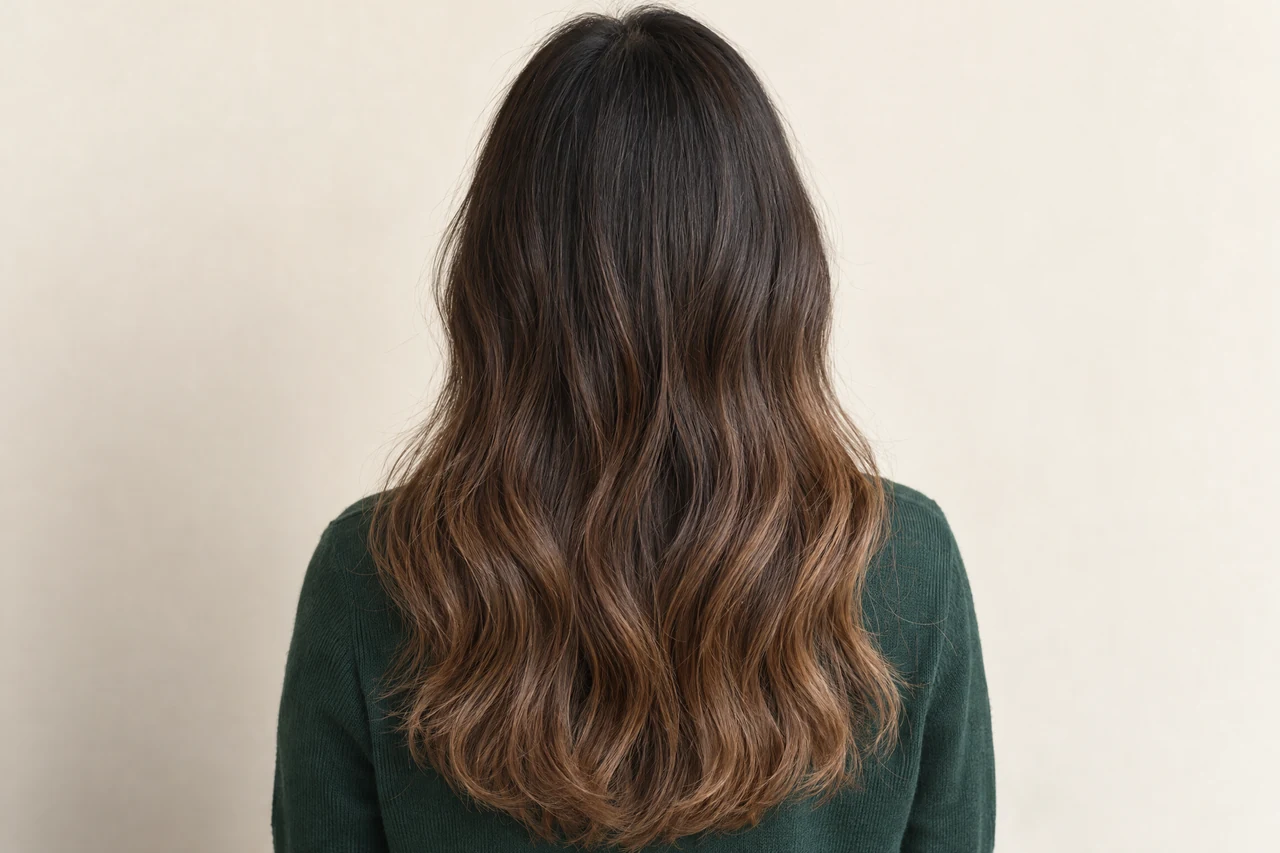
A front trim can refine the outline and remove the affected tips that are actually cut away. Its cost to you is not only the appointment charge: it also uses length that may be important for tucking, pinning or blending with the rest of the haircut. Point out where the front must still reach when dry. Ask the hairdresser to show the proposed cutting boundary before proceeding, rather than agreeing to a vague instruction to tidy anything that looks damaged.
Fragile front pieces are not automatically the same as split ends. Shorter pieces may reflect existing layering or breakage, and a photograph alone cannot reliably distinguish every cause. Explain what you have noticed and whether the area keeps becoming shorter. Cutting can change the visible shape, but it cannot add back hair that has already broken. If removing all visibly affected tips would leave an outline you dislike, discuss a limited trim or retaining the section rather than promising complete removal without shortening.
Decide what can remain after a selective trim
The distinction in trim or treatment for split ends helps when softness is being confused with removal. Cosmetic care may make the remaining lengths easier to manage, but it is not a substitute for cutting away a tip you want removed. For the front, ask whether the proposed refinement changes the whole face frame or only its ends. Leave the back length outside the agreed scope unless a wider haircut is genuinely part of your priority.

Consider temporary styling when neither lasting change fits
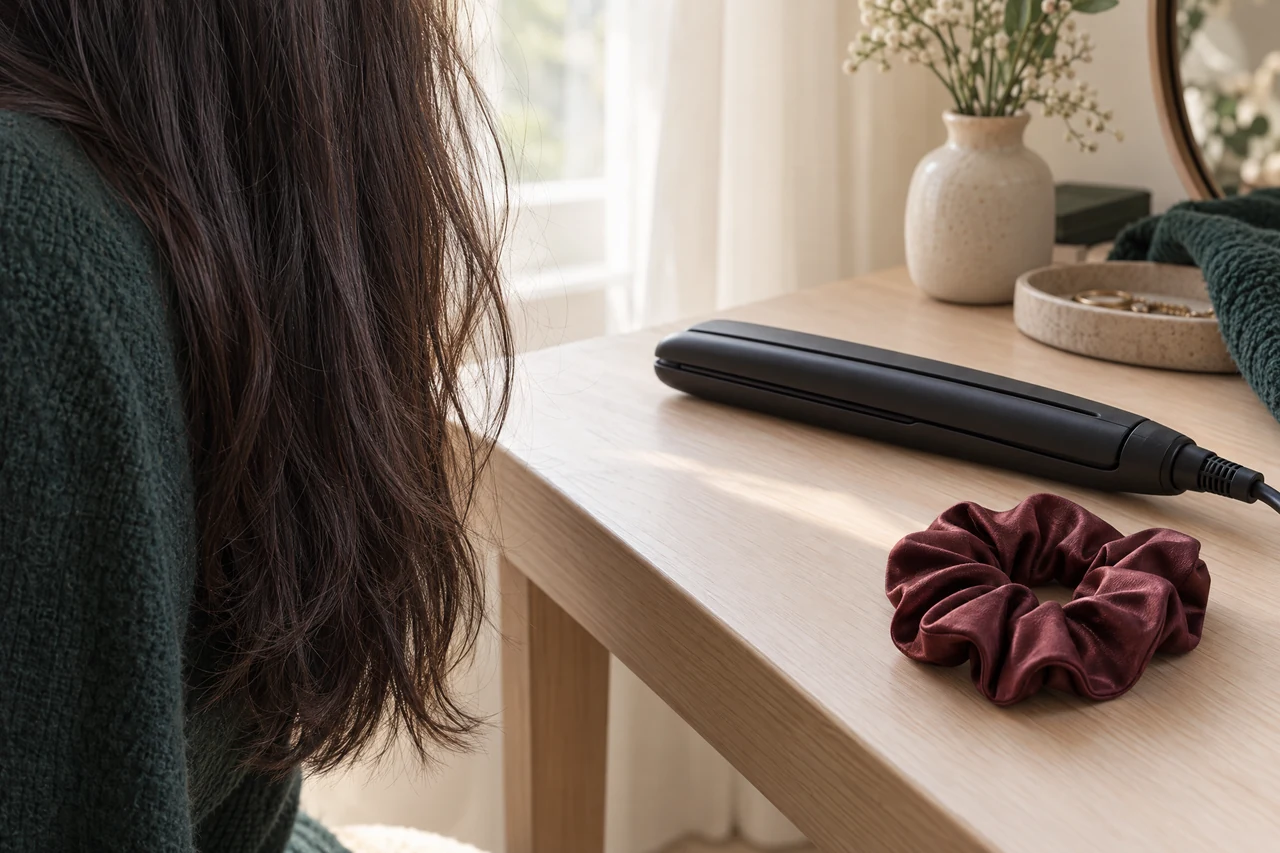
Temporary styling offers another option when the event is approaching and both cutting and colour involve trade-offs you cannot accept. A different parting, a loosely secured section or a style that places the lengths behind the shoulders may change what you notice without requiring a new chemical service. It will not neutralise the actual pigment or restore fragile strands. Ask for a finish that works with the present hair, not a promise that styling will hide every irregularity from every angle.
Gentleness still matters for an occasion hairstyle. The American Academy of Dermatology's guidance on avoiding further hair damage recommends lower heat, less frequent hot-tool use, gentle detangling and loosely pulled-back styles. A polished finish should not depend on repeatedly clamping or pulling fragile front pieces. Tell the hairdresser about any tenderness or pieces that snag easily. A relaxed outline may be a better compromise than insisting on a tight, perfectly smooth front.
Test the arrangement, not the strength of the strands
Before requesting a major change, gently arrange your hair as you hope to wear it and check the front, side and back in a mirror. Do not pull on a section to test whether it will break. Notice instead whether a pin can sit comfortably, whether the front reaches the required position and whether the warm ends remain your main concern. This simple comparison may reveal that styling is sufficient, or that one carefully defined service deserves the available budget.
Request a defined quote rather than a package-shaped answer
Vit So lists Toner at HK$900. The confirmed women's wash, cut and blow-dry entry is HK$480, but that does not establish a separate front-trim price or a combined trim-and-toner total. Ask which service entry applies to the proposed cutting scope and what finishing work is included in the toner appointment. A smaller area of concern does not by itself establish a lower charge. Compare the actual quoted options, not an assumed partial-service discount.
The published hair salon packages can help you check the relevant listed combinations, but their contents must match the proposed work. The women's cut, colour and protection package names standard hair colour; do not assume that it automatically substitutes a toner appointment or covers wider correction. Ask which listed option, if any, applies to your assessed plan. A combination is useful only when its included work serves the outcome you have agreed, rather than encouraging changes you did not need.
Compare the included work and confirm the spending ceiling
Request a quote that names the area to be cut or coloured, the finish, any proposed care and the total before work begins. For hair below the chest, the published pricing notes mention an additional HK$200; confirm which services it applies to. Any wider correction or unlisted work needs an agreed quotation. Explain that additions should be discussed before proceeding, and ask for an alternative within your ceiling if the first suitable proposal exceeds it.
Prepare the assessment and leave room to defer chemical work
Use the preparation checklist below to make the competing concerns easy to assess. Bring one reference for the occasion hairstyle and explain which part matters: the front position, the overall colour depth or the way the ends sit. Include known bleach, colour, perm and straightening history, including home products. State the occasion date without asking for a guaranteed result by that deadline. Suitability and any preparation requirements still need confirmation; urgency is not evidence that the hair can tolerate the proposed work.
If the front is breaking noticeably or the lengths appear too compromised for the proposed formula, be prepared to defer chemical work after assessment. A trim or gentle finish may still be discussed, but neither should be presented as a cure for an underlying condition. The American Academy of Dermatology advises seeking dermatological advice when changes in hair care do not help, especially if you are concerned about thinning or hair loss. Do not treat a newly thinning front simply as a haircut problem.
Agree on what will deliberately stay unchanged
End the consultation with a clear account of the compromise. You may keep some warmth while refining the front, retain an imperfect outline while adjusting tone, or postpone both changes and arrange a gentle finish. Ask what care is appropriate afterwards and what concern should prompt reassessment. A useful first appointment does not have to resolve everything. It should leave you knowing what was chosen, what was excluded and why that plan fits your current hair and occasion.
Compare the first step by its purpose, not by how many services it contains.
| First step | Main purpose | What it leaves unresolved | Confirm before agreeing |
|---|---|---|---|
| Selective front trim | Refine the front outline; remove the tips cut away | Warmth in remaining ends; missing length | Shortest acceptable front length and charge |
| Toner assessment | Consider adjusting unwanted colour tone | Fragile shape; a target requiring wider colour work | Suitable formula, treatment area and finish |
| Gentle temporary styling | Arrange the existing hair for the occasion | Underlying tone and damaged tips | Comfort, front placement and styling scope |
| Defer chemical work | Avoid proceeding when suitability is uncertain | The immediate colour concern | Alternative finish and next assessment |
Your preparation checklist
- State your maximum appointment spend and what matters most for the occasion.
- Bring unfiltered daylight photographs showing the front, roots, middle lengths and ends.
- Explain whether you want less warmth, different depth or a more even colour.
- Show the shortest front length you can accept for tucking or pinning.
- Share known salon and home colour, bleach, perm and straightening history.
- Ask for the included finish, any additions and the confirmed total before starting.
Frequently asked questions
Does prioritising a front trim or toner before an occasion mean choosing the cheaper service?
No. Start with the service that addresses your main visible concern and is suitable for the hair. A lower charge is not helpful if the trim removes length your hairstyle needs, or if toner cannot achieve the colour change you mean. Request the actual scope and charge for each relevant option before comparing them.
Can toner repair fragile front layers while cooling brassy ends?
Do not budget for toner as structural repair. Its tonal purpose is different from removing affected tips or changing a face-framing outline. Explain the fragile area even if you only want colour applied elsewhere, so suitability can be assessed. Any proposed care should have its own clearly explained purpose, without promising to replace missing length.
Should I trim every fragile front piece before the event?
Not automatically. Agree on the dry length and shape you can accept first. A selective trim removes only what is cut away, and taking more length may interfere with your intended style. If an acceptable cut cannot address the concern, ask about retaining the section with gentle styling and reassessing later rather than requesting indiscriminate shortening.
Ask for the first step that fits your hair and occasion
Send a WhatsApp enquiry to +85253057561 with daylight hair photographs, your occasion date, preferred hairstyle and budget ceiling. Explain whether the warm ends or front outline bothers you most, and ask for a suitable service scope and confirmed charge. Vit So is at 252 Hollywood Road, Sheung Wan, Hong Kong. Appointment availability, suitability and the proposed work require confirmation; an enquiry is not a completed booking.
Start your WhatsApp enquirySources & further reading
- Wella Professionals — How to Get Rid of Brassy Hair – and Stop it Coming Back
Further reading on underlying warmth becoming visible as colour fades and distinguishing yellow from orange tones. Its branded product claims are not a promise about Vit So's services.
- American Academy of Dermatology — How to stop damaging your hair
Dermatologists' guidance on gentle handling, conditioner, heat tools, tight styles and seeking advice when care changes do not help, particularly for thinning or hair loss.



