







Skin fade vs zero fade at the lowest edge
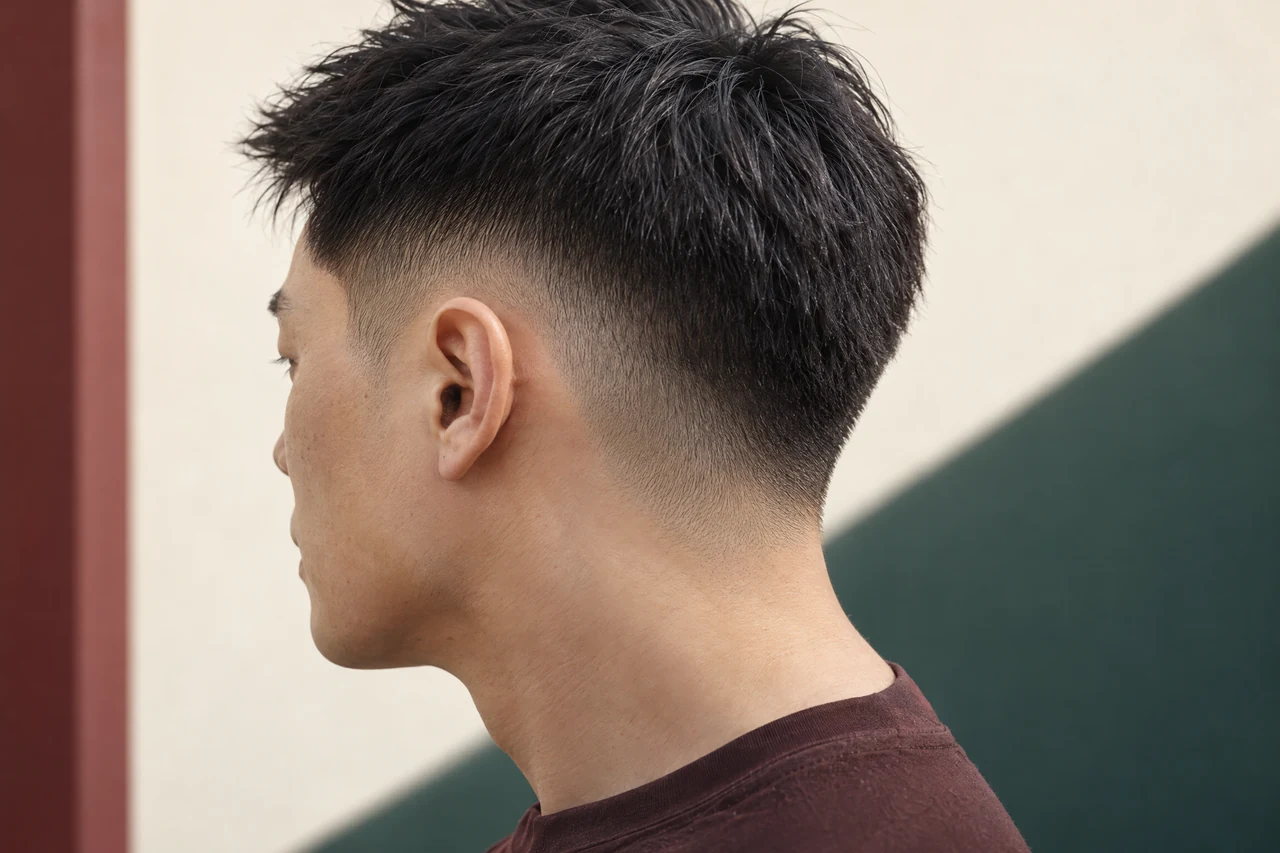
Look at the lowest side area in clear light. Bare skin and a shadow of short hair can appear similar in edited photographs, but feel and grow back differently. Ask for the remaining length to be explained separately from whether the transition is low, middle or high on the head.
The useful distinction is what remains at the base, not how dramatic the whole haircut looks. A skin finish can create a more exposed lower area against darker hair above. A stubbled finish keeps a fine layer of hair there. Hair colour, density and lighting affect the visible contrast, so a pale-looking area in a photograph is not proof that it has been shaved smooth.
In its own zero and skin fade explanation, Hudson / Hawk describes the first as retaining extremely short stubble and the second as a bare-skin finish. This is a useful vocabulary distinction, but names can be used differently elsewhere. Instead of asking for zero and expecting no hair, say whether you want visible stubble left or a smooth-looking bare area.
Continue with fade haircut for that specific comparison and the preparation questions it raises.
Skin fade vs zero fade: what the photograph shows
Look closely around the ear and lower back of the head, then check the same area in a rear view. Identify the part you like: the small exposed edge, the short shadow, or the contrast against the top. Avoid using a heavily filtered image as a length specification. A reference can show a visual goal without establishing the exact remaining length or tool settings.
Equipment is a question, not an assumption
Zero-length clipper work and skin-level finishing are not interchangeable descriptions. Foil shavers or razors may be used for some bare-skin finishes, but an image does not confirm the equipment a business offers. At Vit So, specific skin-level methods need enquiry; the general men's haircut listing does not establish these techniques.
Ask what the stylist means by the shortest setting on the equipment they use. A number alone is not a complete description: a guard, the underlying blade and the intended finish all matter. If a previous cut worked well, describe its appearance and comfort rather than assuming that the same number produces an identical result on every machine.
The London School of Barbering's tool comparison explains the different roles of clippers, close-detail trimmers and foil shavers. A foil has a perforated metal cover over cutting blades; it is not simply another clipper guard. These distinctions help you ask an informed question, but they do not make any tool automatically comfortable for every person's skin.
Review men's haircut to check its service scope and the details to share before arranging the related work.
Clippers, foil finishing and razors
A practical enquiry is: 'I like this lower edge, but do you achieve it with clippers only, a foil shaver or a razor?' Follow with whether the finish is intended to retain stubble. Be explicit if you do not want blade shaving. The goal is agreement on both appearance and approach, not choosing equipment from a photograph or instructing someone to use an unfamiliar method.

Discuss skin comfort before close finishing
Tell the stylist if close finishing has previously caused irritation or if an area is already uncomfortable. Do not treat a haircut guide as medical advice or a reason to work over irritated skin. Ask whether a longer lower edge would meet your visual goal with less close contact.
Describe what happened after your last close cut: where the discomfort appeared, whether it started during finishing or afterwards, and which method was used if you know. That information is more useful than simply saying your skin is sensitive. Mention any products that previously stung too, so the finishing routine can be discussed rather than assumed.
The American Academy of Dermatology's shaving advice recommends shaving with the direction of hair growth to help prevent razor bumps and burns. It also warns that shaving can irritate skin and worsen acne. This guidance concerns shaving care; it does not establish that a particular fade style or machine is medically suitable for you.
You do not have to accept discomfort as the price of a tidy haircut. If contact feels painful or an area is already inflamed, tell the stylist promptly and pause close work. Persistent or recurring skin concerns belong with a qualified healthcare professional. A clearly blended haircut with more hair left at the base remains a valid aesthetic choice.
Mention irritation and previous discomfort
Comfort can be a firm boundary in the consultation. Say, 'I want a neat lower edge, but I am happy to leave more stubble rather than shave this area closely.' Point out the exact area instead of asking for a generally softer haircut. That lets the visual blend and the limit on skin contact be discussed together without treating a longer finish as an unsuccessful skin fade.

Plan for the change as short hair grows
The bare or very short lower area changes visibly as hair grows. Decide whether you enjoy a softer outline between trims or want a sharper contrast maintained. Your growth pattern, preferred appearance and available time matter more than a universal return interval borrowed from another business's menu.
Compare your freshly cut appearance with the stage you normally reach before arranging another appointment. On a bare lower area, the arrival of visible stubble changes the original finish. A zero fade begins with that shadow already present, but its outline still becomes fuller. Neither option stays unchanged, and choosing stubble does not remove the need to maintain the overall shape.
Choose a return point by identifying what starts to bother you. It may be the loss of a light lower edge, extra weight behind the ear, or the top becoming harder to arrange. These are different problems. Before requesting a full recut, discuss which areas need attention and whether that scope is offered; do not assume a separate maintenance service exists.
For a practical way to track those changes, read how often should you get a fade haircut and base the decision on your preferred grown-out stage.
Choose an acceptable softer stage
If work, travel or family commitments make frequent visits difficult, choose a lower edge you will still like when its contrast softens. Keep a simple side and rear photo after the cut and another when the shape stops feeling right. Compare them in similar light. This records your own preference without turning someone else's maintenance schedule into a rule for your hair.

Keep the lower finish in proportion with everyday details
A short base is only part of the haircut you see in the mirror. The amount of hair left above the ear, the weight at the back and the top's direction determine how it fits together. If you like the top of a reference but not its exposed sides, say so. You can request a discussion of that combination without adopting every detail of the photograph.
For office days, inspect the side view with your usual glasses and shirt collar. Removing more hair may reveal the area around the frame arms and change the prominence of the sideburns. A tidy appearance does not require bare skin. If you wear a beard, also explain whether you want a continuous sideburn connection or a visible separation; beard work must be confirmed separately.
Separate styling effort from edge maintenance
A very short lower edge needs little hair styling there, but the top can still require drying and product. Conversely, keeping a stubbled base does not stop a longer fringe from needing attention. Describe your morning routine alongside your preferred edge. This keeps 'easy to style' from being confused with 'easy to keep freshly cut' when choosing between the finishes.

Send a finish-specific enquiry before visiting
Prepare a clear side reference and explain the lowest edge in ordinary language. For example: 'I want a fine shadow left around the ear, not a smooth shaved finish.' If bare skin is your goal, ask whether the required method can be provided before making travel plans. This establishes a useful starting point without requiring you to know the equipment terminology.
When selecting haircut reference photos, pair the desired finish with a recent picture of your own unstyled hair. Mark the feature you like verbally, and mention anything you do not want copied. A rear view is especially helpful when the neckline matters but the reference only shows the side.
The confirmed men's wash, cut and blow dry price is HK$380. That listing does not establish a separate skin-fade package or confirm foil or razor finishing. Ask about the proposed work and any applicable quote before agreeing to it. Include possible dates and whether you have an event that makes the finished appearance time-sensitive.
Use book a hair appointment to send the intended work and possible dates; wait for confirmation before travelling.
Agree on a fallback before the cut starts
If your first choice is unavailable or close finishing is unsuitable for an uncomfortable area, would you accept a longer blended edge? Decide beforehand whether that alternative still meets your goal. If not, ask for clarification before proceeding. A useful agreement covers what will be left at the base, what will be retained above it and the method you are comfortable receiving.
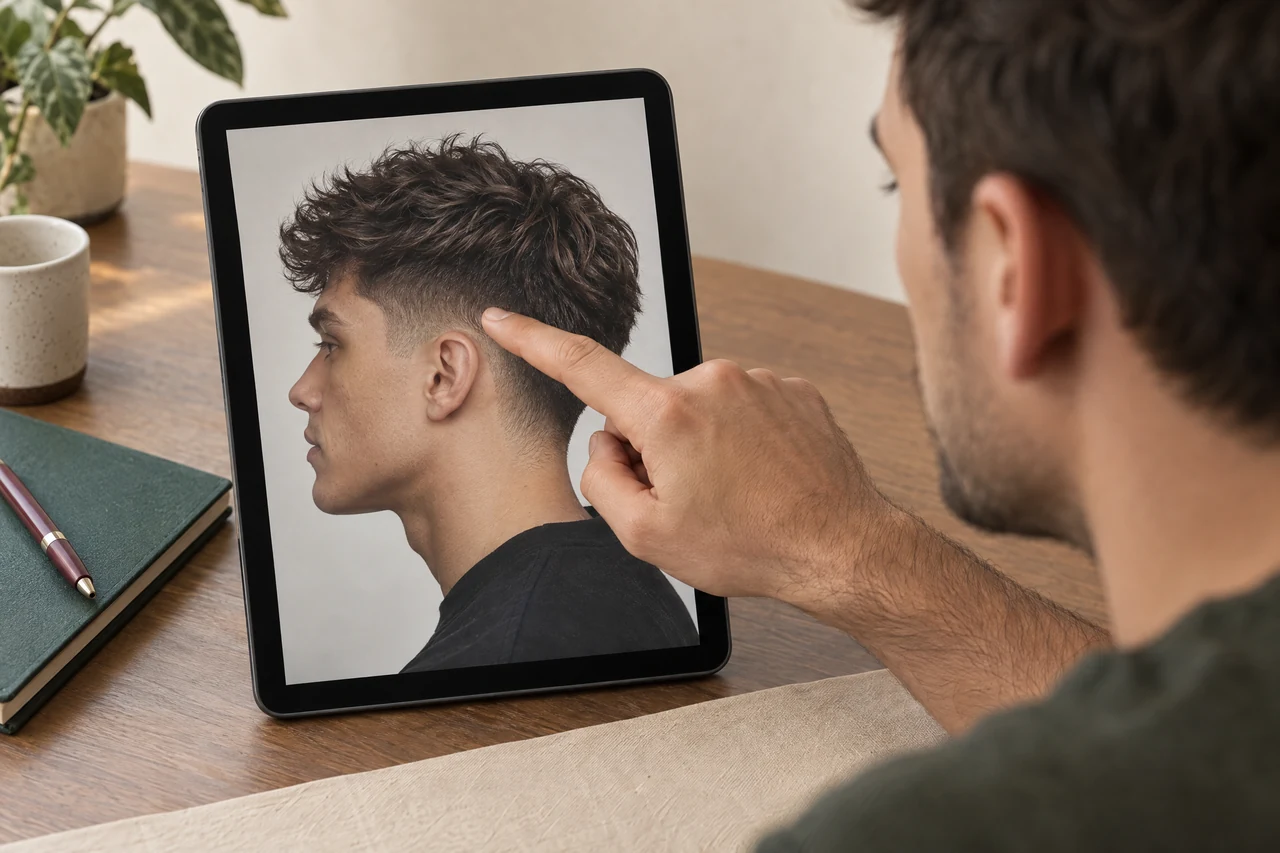
Compare the shortest finish separately from fade height and the rest of the haircut.
| Decision | Skin fade | Zero fade |
|---|---|---|
| Lowest area | Aims for a bare-skin finish | Generally retains extremely short stubble |
| Visible effect | Can emphasise contrast between exposed skin and hair above | Keeps a fine hair shadow at the base |
| Equipment question | Ask whether foil or razor finishing is involved | Ask what close clipper work and remaining length mean here |
| Transition height | Can be discussed separately as low, middle or high | Can be discussed separately as low, middle or high |
| Comfort decision | Discuss previous reactions before skin-level work | Stubble is an alternative, not a guarantee against irritation |
| Between visits | Visible stubble changes the initial bare finish | The existing shadow becomes fuller as hair grows |
| At Vit So | Specific skin-level method requires enquiry | Confirm the intended finish rather than relying on the name |
Your preparation checklist
- Decide whether the lowest area should retain visible stubble or aim for bare skin.
- Choose the transition height separately and identify the top length you want to keep.
- Bring a clear side and rear reference, plus a current photograph of your own hair.
- Mention previous irritation, current discomfort and any finishing method you do not want.
- Consider your glasses, sideburn connection and preferred softer stage between trims.
- Confirm the offered method, service scope, price and appointment before travelling.
Frequently asked questions
Does zero mean the skin is shaved smooth?
Not necessarily. It often describes very close clipper work with short stubble remaining. Confirm the finish and tools rather than relying on the name.
Can a skin finish also have a low transition?
Yes in style terminology: shortest length and transition height are separate. This does not confirm that a particular business provides the required method.
Can I assume Vit So offers razor or foil finishing?
No. Ask directly about the desired finish and approach before booking. Confirmed men's hair cutting does not itself establish razor or foil services.
Can I keep the same top while changing the lowest edge?
That is a useful goal to discuss. Show the top length and direction you want retained, then explain the different finish at the base. The connecting area still needs assessment so the shorter lower edge does not create a contrast you did not intend.
Is a zero fade automatically better for sensitive skin?
No haircut name guarantees comfort. Leaving stubble may avoid a requested bare-skin finish, but the equipment, technique and your current skin condition still matter. Mention previous reactions and seek healthcare advice for persistent concerns rather than using the style name as a safety test.
Clarify your shortest edge before choosing the cut
Send Vit So a clear reference and say whether you prefer visible stubble or a bare-skin finish. Mention previous discomfort and the top length you want retained. Ask about the available approach and quote for your Sheung Wan visit; an enquiry is not a confirmed appointment.
Start your WhatsApp enquirySources & further reading
- Zero Fade vs. Skin Fade
A barber provider's distinction between retained stubble and a bare-skin finish; terminology is not treated as universal.
- Shaving Machine: Foil Shaver Versus Clippers and Trimmers
Different functions of clippers, trimmers and foil shavers, including the foil cover over cutting blades.
- Hair removal: How to shave
General shaving guidance on hair-growth direction and irritation, not endorsement of a salon or assessment of a fade aesthetic.



