







How long does hair straightening last in treated lengths?
A lasting shape-changing procedure affects the treated lengths, not hair that grows afterwards. Changes you notice near the roots may therefore be natural regrowth rather than the original process wearing off. Identify whether the difference is at the scalp, through the mid-lengths or at the ends before asking whether another appointment is appropriate.
Start with the procedure, not the word straightening on its own. A blow-dried or flat-ironed finish is temporary styling. Some chemical methods change bonds within the hair shaft, producing a lasting change in the treated portion. The research review Straight to the Point: What Do We Know So Far on Hair Straightening? distinguishes thermal styling from permanent chemical straightening and explains that hair shape originates in the follicle. The practical implication is that a service on existing hair does not straighten future growth.
Permanent also does not mean that every strand stays glossy, perfectly aligned or free from bent ends. Shape, surface feel and the appearance of a freshly styled finish are different things. A rougher tip or a bend where hair meets your shoulder is not, by itself, proof that the original chemical change has reversed. For a useful comparison, photograph the roots and the lengths separately in similar lighting, with a comparable drying routine, instead of comparing today's unstylised hair with the salon's finished blow-dry.
Review hair straightening to check its service scope and the details to share before arranging the related work.
How long does hair straightening last as roots grow?
New growth can make the overall silhouette look less straight even while the treated lengths retain their changed shape. Look near your usual parting, behind the ears and at the nape, rather than judging only the front. The contrast may matter more to you in a loose style than when the hair is loosely tied back. Decide whether you are bothered by the root texture itself, the meeting point between textures or the extra drying effort. Those concerns can lead to different maintenance choices.
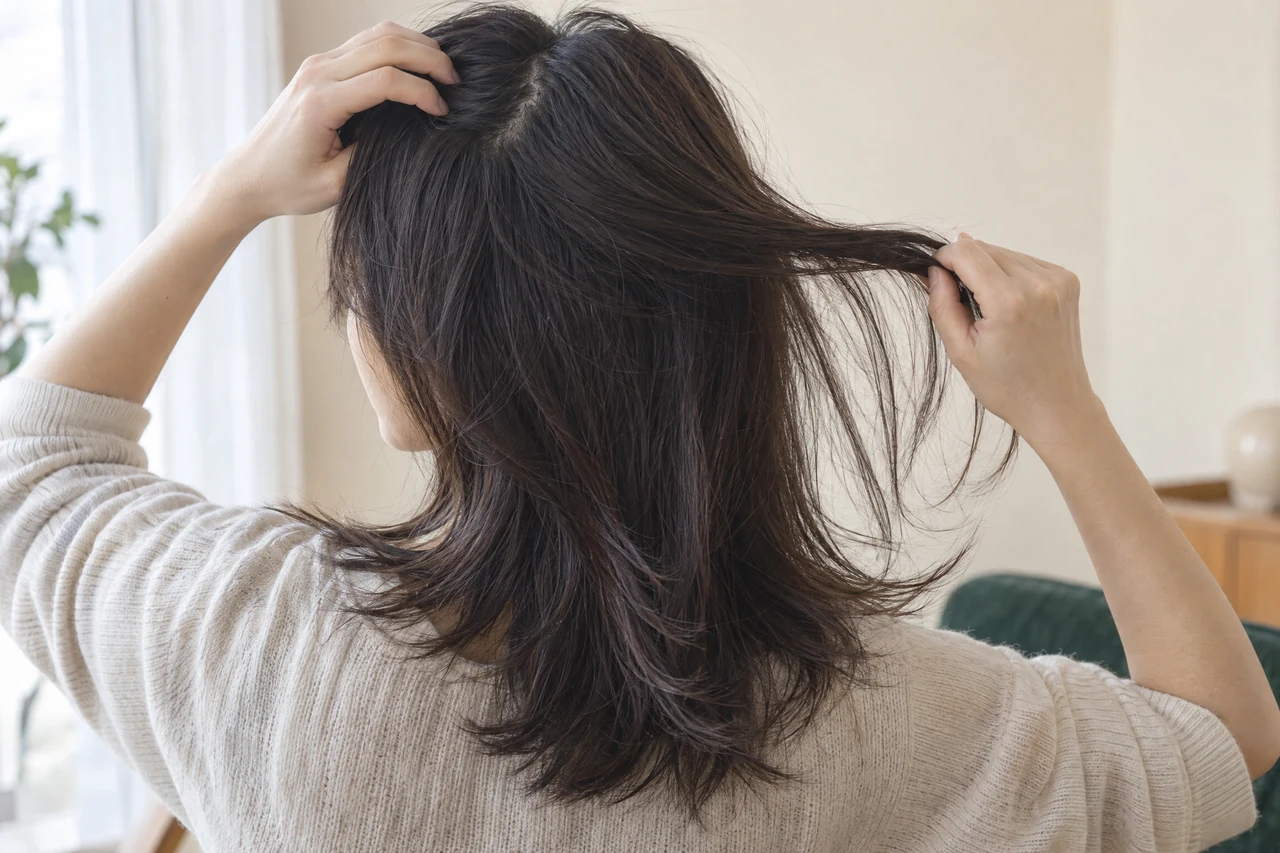
Smoothing effects can diminish differently
“How long does keratin smoothing last?” is a product-specific question, not a universal number of months. The formula, starting hair and maintenance can affect how the finish changes. Ask about realistic expectations for the actual programme and its care instructions; a competitor's timeline cannot establish the duration of a different procedure.
The name keratin does not tell you whether you received a conditioning product, a smoothing process or a procedure intended to change the outline more substantially. Cleveland Clinic's explanation of keratin treatments describes a chemical process that smooths the outer hair shaft and notes that curl patterns can be affected. It also describes variation in salon application. Use that background to ask what your particular service was designed to do, not to assume that all treatments carrying the same label behave identically.
Describe fading in terms you can actually observe. Is the hair taking more effort to dry smoothly, showing more surface flyaways or recovering more movement through the lengths? These are more useful details than saying it has expired. Check what changed in your routine, including washing products and heat styling, and keep the product instructions available. Do not try to prolong the finish by neglecting necessary scalp cleansing or compensating with repeated high heat. A maintenance plan should still be practical for your everyday hygiene and styling needs.
If you are unsure whether your goal is softer-feeling hair or a straighter outline, the hair smoothing vs hair straightening comparison can help you describe what you want to maintain.
Product and home care affect a fading finish
Ask which shampoo and conditioning instructions apply to the actual formula, and what ordinary changes to expect after washing and drying at home. Avoid transferring another salon's waiting period or product restrictions to your service without checking. For longer-term planning, explain whether you wash after exercise, swim regularly or prefer air-drying. These habits belong in the discussion before a repeat service, because a finish that demands a routine you cannot sustain may not be the right maintenance choice.
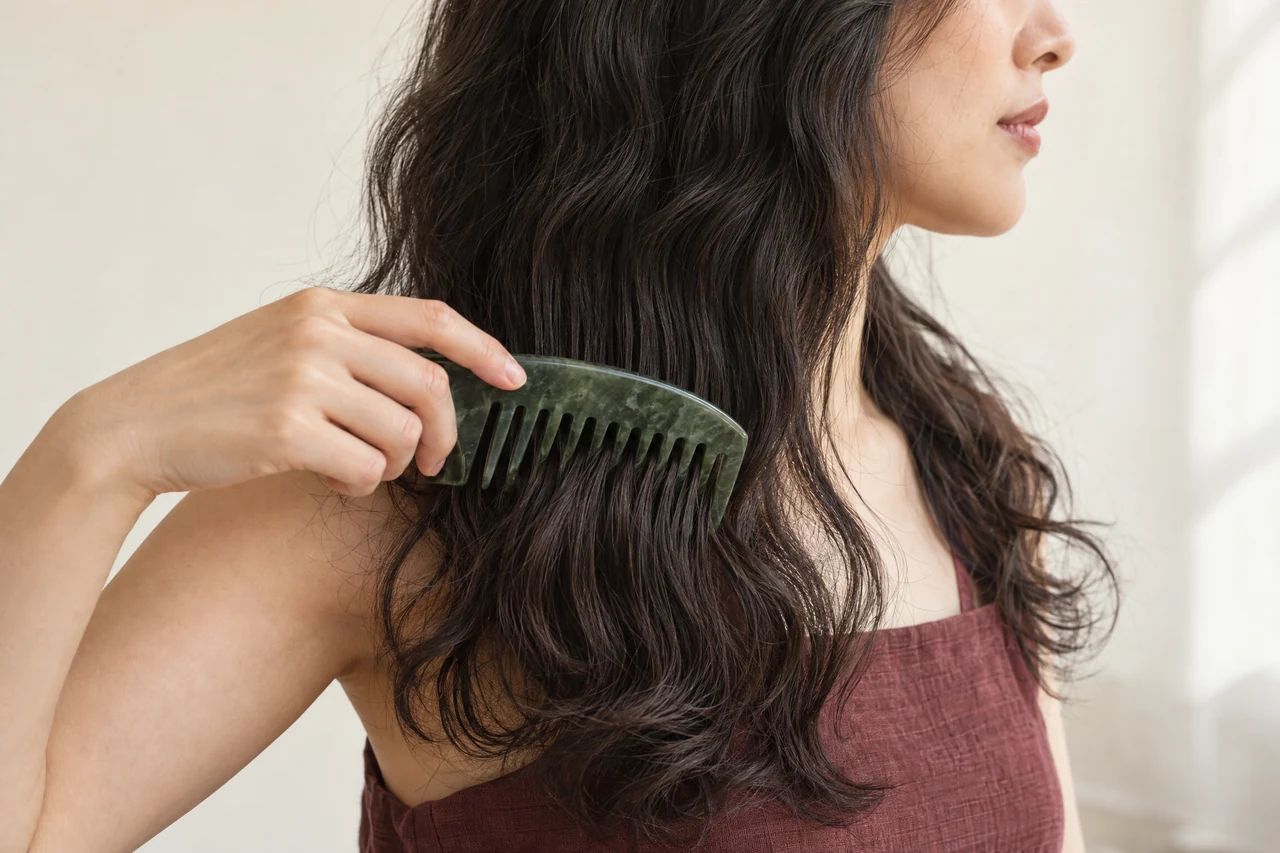
Blend natural roots with straighter lengths
Straightened hair regrowth blending can involve managing two textures rather than immediately processing everything again. Discuss how your usual parting, drying and cut could soften the transition. A gradual grow-out or length adjustment may fit some goals. Do not assume previously treated lengths should be included whenever new roots become visible.
Begin by choosing which texture you want to work towards. Keeping a predominantly straight look may involve a manageable drying routine while you assess the roots. Returning to your natural texture means accepting an in-between stage as the treated hair remains at the ends. Neither choice requires the roots and lengths to match perfectly every day. A softer outline or a loose, comfortable tied-back style may make the transition easier to live with without another chemical process.
Cutting offers a different trade-off. Removing some treated length can move you towards an all-natural shape, but it also changes what reaches your shoulders or fits into a ponytail. A small trim preserves more length while leaving the two-texture transition in place. Before agreeing to layers, ask how the shorter pieces will behave when the roots dry naturally. Use a haircut consultation for growing out hair to set a clear length boundary and explain which parts you want to keep.
Compare cutting, drying and growing out
Bring a reference for the transition as well as the eventual goal. Explain whether you want to retain enough hair for a loose bun, prefer a shorter outline or can spend time drying selected areas. Styling keeps your current length but asks for ongoing effort. Cutting removes treated hair more directly but sacrifices length. Growing out with modest trims avoids a large immediate change, while requiring patience with differing textures. Choose the compromise you can maintain on an ordinary workday, not just for a photograph.

Retouch timing needs more than a calendar
The amount of new growth, contrast in texture and condition of the previously treated hair all matter when discussing a retouch. Ask whether root-only work is appropriate and available, how the boundary would be handled and what it would cost. There is no fixed interval in this guide, and colour root-touch-up pricing does not establish a straightening quote.
Share the previous service name and product information if you have them, along with any later bleaching, colouring or perming. The straightening review cited above identifies chemical incompatibilities between hydroxides and thioglycolate that can cause breakage when combined. This is a reason to clarify an unknown treatment history, not a reason to diagnose compatibility yourself from a label. A root-only idea still needs an assessment of the old hair near the boundary and a clear agreement about which areas would be included or excluded.
The confirmed Ionic Straightening price is HK$1,600. That listing does not establish a root-only retouch price or confirm that a particular retouch method is available for your hair. Request the scope and quote before agreeing to further work. If you also want a cut, specify the length you intend to remove so the enquiry addresses both the future outline and the hair that will remain. Visible roots can start that conversation; they do not automatically make another chemical service the best next step.
Continue with can bleached hair be straightened for that specific comparison and the preparation questions it raises.
Ask about the boundary and the current condition
Ask the stylist to explain where natural growth ends and previously treated hair begins, and how that distinction affects the proposed work. Mention repeated snapping, unusual tangling or a recent change in scalp comfort before discussing an appointment. These observations do not establish a diagnosis, but they are relevant to whether more processing should be considered. If there is persistent scalp pain, thinning or hair loss, seek medical advice rather than treating the issue as a routine straightening-maintenance problem.
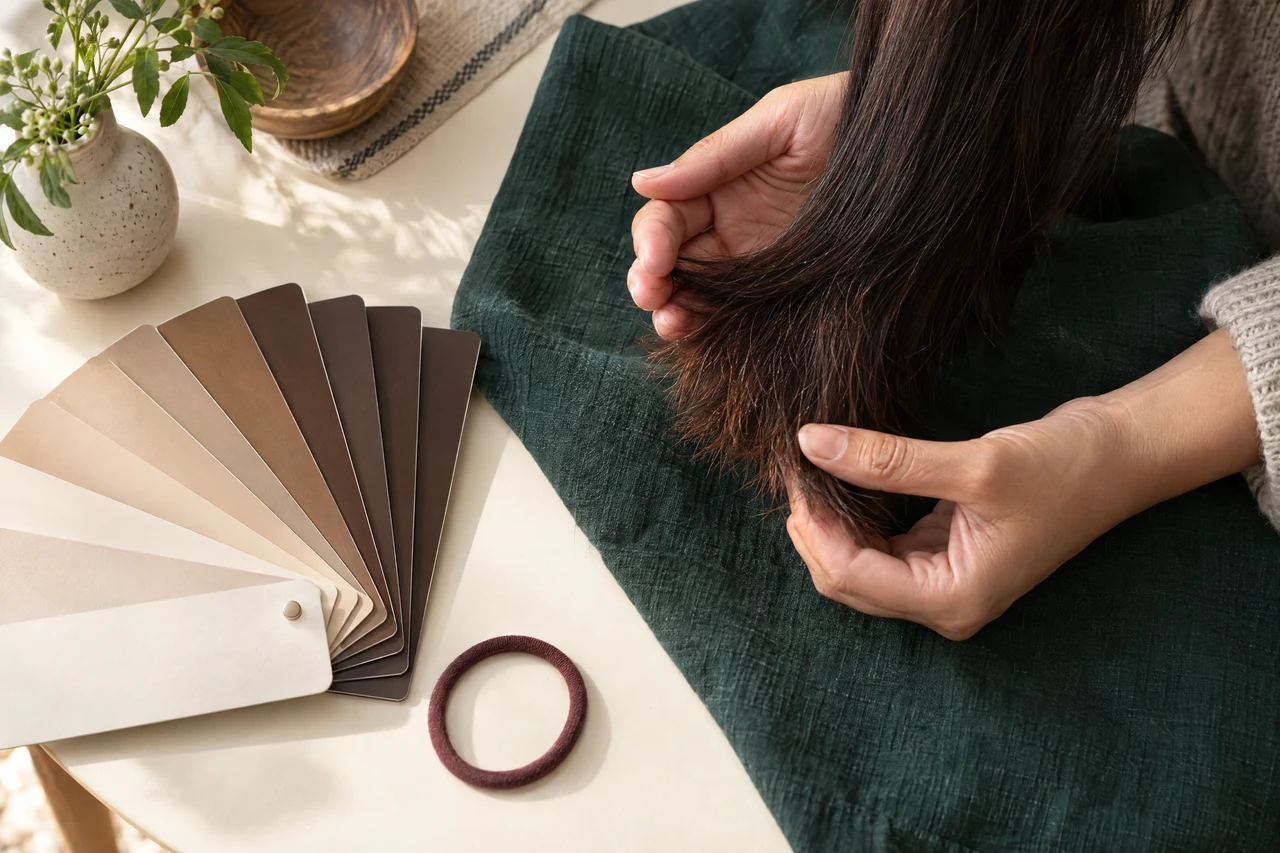
Keep maintenance from becoming repeated heat styling
It can be tempting to chase the original salon finish by repeatedly straightening the newly textured roots and then running the tool through every length. Consider whether a simpler outline would meet your needs with less daily handling. The American Academy of Dermatology's hair-care guidance recommends lower heat, less frequent heat-tool use and avoiding pulling or tugging. Those recommendations support gentle handling; they are not a measurement of how long a salon straightening service lasts.
Continue with hair straightening aftercare for that specific comparison and the preparation questions it raises.
Choose a finish you can repeat comfortably
For the longer term, judge success by the routine you can manage at home. A finish with some root lift or natural movement may suit you better than an outline requiring frequent passes over the same strands. Ask for drying guidance that accounts for both textures and your current condition. Keep the initial service's washing and tying instructions separate from the later decision about regrowth: immediate aftercare and eventual maintenance answer different questions.
Prepare a useful enquiry about your next step
Send clear photographs of the roots, the full dry outline and the ends, alongside a short treatment history. Describe the practical concern: a noticeable texture boundary, more styling effort or a wish to return to natural movement. Keep the question open enough to consider a cut, styling advice or waiting, rather than requesting an automatic repeat of the previous procedure.
Explain what you want to keep
Say whether length, fullness or reduced daily effort matters most. Mention how you normally detangle and whether the two textures catch during combing; avoid forcefully stretching strands as a home suitability test. An enquiry to Vit So in Sheung Wan can begin with this information, while the proposed service, availability and final quote still need confirmation.
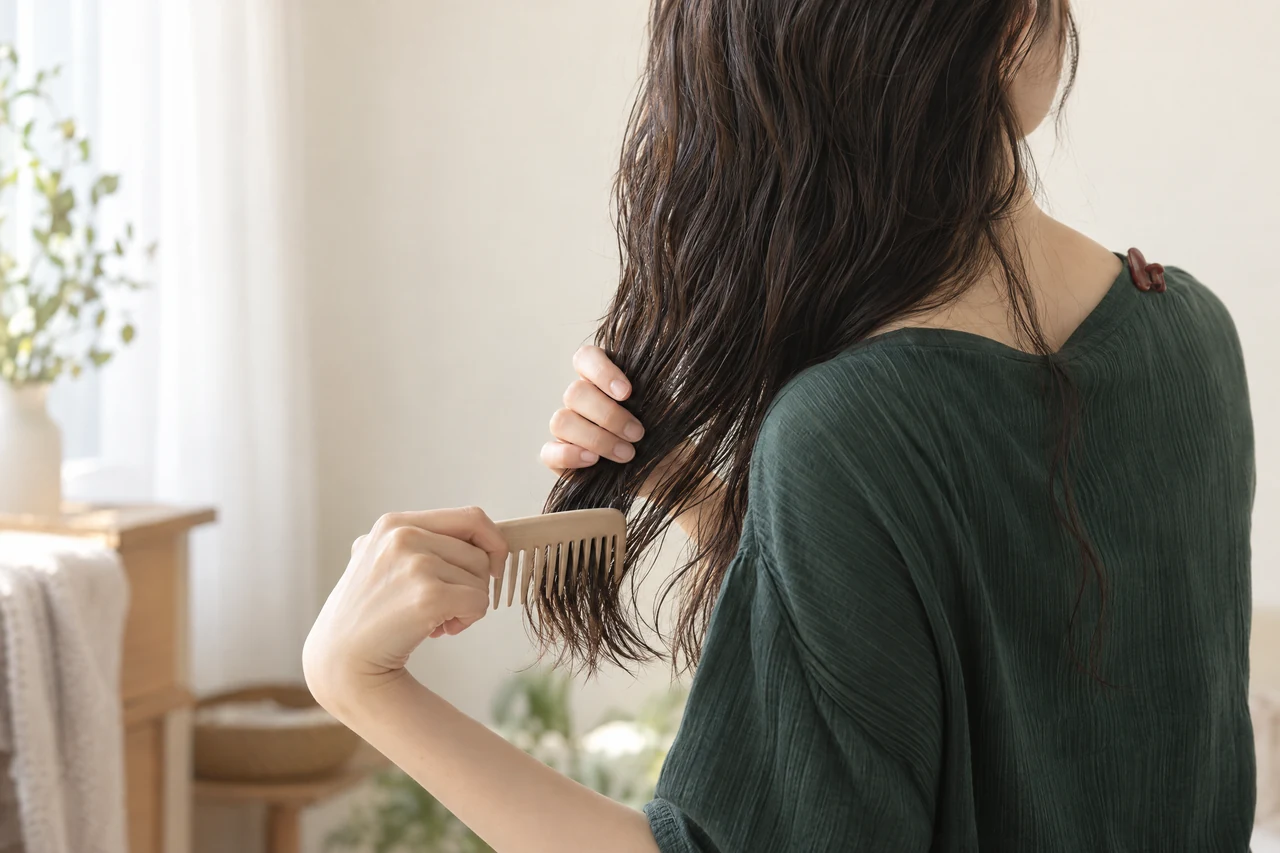
What has changed, and what could you discuss next?
| What you notice | Distinction to check | Possible next discussion |
|---|---|---|
| Natural texture close to the scalp | New growth versus previously treated lengths | Blend the textures, grow out or assess root-only suitability. |
| More movement throughout a smoothing-treated area | The actual formula and expected fading | Review the routine before deciding on any repeat programme. |
| Straighter lengths with rougher ends | Surface condition versus overall shape | Discuss gentle handling and whether a trim suits your length goal. |
| A visible transition between roots and lengths | Texture contrast and the treatment boundary | Compare styling effort with a cut or gradual grow-out. |
| Snapping or persistent scalp discomfort | Condition concerns, not simply service longevity | Pause further processing; seek medical advice for persistent scalp symptoms. |
Your preparation checklist
- Identify the previous procedure and bring its product name or appointment record if available.
- Photograph the roots, lengths and ends separately under similar lighting without changing the styling routine for comparison.
- List later bleaching, colouring, perming and regular heat use, including treatments done elsewhere.
- Choose your priority: retain a straight outline, reduce daily effort or move back towards natural texture.
- State the shortest length you would accept and whether you need enough hair to tie back comfortably.
- Ask about root-only availability, the treatment boundary, current suitability and a specific quote before confirming further work.
Frequently asked questions
How often should I retouch straightened roots?
Discuss your new growth, texture contrast and the condition of the treated lengths. Availability, scope and pricing need confirmation; a fixed schedule is not appropriate for every hair history.
Does regrowth mean the straightening has failed?
No. New hair keeps its natural texture. First distinguish the roots from the treated lengths before drawing conclusions about what has changed.
Do I have to process all my hair again?
Do not assume so. Discuss the treatment boundary and existing condition, and consider styling or growing out. Reprocessing previously treated lengths is a separate suitability decision.
Can washing return permanently straightened lengths to their original curls?
Do not rely on washing to undo a permanent chemical shape change. Temporary styling and fading smoothing effects behave differently. Confirm the original procedure before deciding whether growing out and trimming are the appropriate route towards your natural texture.
Should I cut my hair as soon as different root texture appears?
Not necessarily. A cut can remove treated length, but it also changes your styling options. Discuss the dry outline, the length you want to retain and how much daily effort you are comfortable with before choosing a trim or a larger change.
Plan your next step without automatically reprocessing your lengths
Tell Vit So what you have noticed at the roots and through the lengths, and share your previous treatment history. Enquire about a manageable transition in Sheung Wan, including whether styling, cutting or a suitability discussion fits your goal. An enquiry is not a confirmed booking; service scope, availability and pricing need agreement.
Start your WhatsApp enquirySources & further reading
- What You Need To Know About Keratin Treatments
Keratin smoothing acts on the outer hair shaft, may affect curls and involves salon-specific procedures; general longevity advice is not a Vit So duration promise.
- 10 hair care habits that can damage your hair
Lower heat, less frequent heat styling, gentle wide-tooth combing and avoiding pulling support caring for hair during a texture transition.
- Straight to the Point: What Do We Know So Far on Hair Straightening?
The review distinguishes temporary thermal styling from permanent chemical changes, explains the follicular origin of hair shape and identifies chemical incompatibilities relevant to treatment histories.



