







Build a haircut for an active lifestyle around your week
Explain your exercise schedule, whether you wash after training and how much time you have before work or another activity. Bring examples of your hair worn loose and secured for exercise. A cut can then be discussed against your actual weekly routine rather than a general idea that sporty hair should always be short.
Start with your most demanding transition. A morning class followed by a client meeting asks something different of your hair than an evening run followed by a shower at home. Identify whether the priority is keeping strands away from your eyes, avoiding hair against your neck, preserving a comfortable tie-back or restoring a loose shape afterwards. You may value all of these, but choosing the essential one helps set the cutting boundaries.
Your washing routine belongs in this conversation too. The American Academy of Dermatology's healthy hair tips recommend washing according to how dirty or oily hair gets, rather than applying one schedule to every hair type. Describe what actually happens to your roots and lengths after training instead of assuming every exercise session requires the same routine.
Describe the demands on a haircut for an active lifestyle
Mention the movements that expose a problem: front strands falling forward when you bend, a ponytail shifting during running or hair collecting around your neck. Bring an unfiltered post-exercise photo alongside a loose-hair photo. These show practical limits that a polished reference picture cannot reveal, regardless of gender or preferred haircut category.

Test the length needed for your ponytail
If you need to keep a ponytail, demonstrate where you normally tie it and which strands escape. Ask to check the proposed shortest layers as well as the overall length before cutting. There is no single minimum length that works for everyone; the front, sides, texture and height of your ponytail all affect whether the hair reaches comfortably.
Separate a haircut that can still go in a ponytail from one that only allows the back section to be tied. Decide whether you need the whole outline secured or can accept loose face-framing pieces held with clips. A shortened perimeter and newly shortened front layers are different changes; agreeing on one does not automatically mean agreeing on the other.
When comparing a layered haircut, make the shortest layer a specific discussion point. Ask which pieces would reach your tie and which would stay outside it. Keeping length at the back cannot compensate for front pieces that no longer reach, even if the loose outline looks beautifully balanced.
Review women's haircut to check its service scope and the details to share before arranging the related work.
Check the front and sides as well as the ends
Gather the hair near your temples and above your ears separately, showing where it needs to travel. For curls or waves, discuss the dry shape rather than judging reach only when hair is stretched. If a fringe is part of the design, decide how you will secure it during movement before agreeing to its length.
Show your usual tie-back position
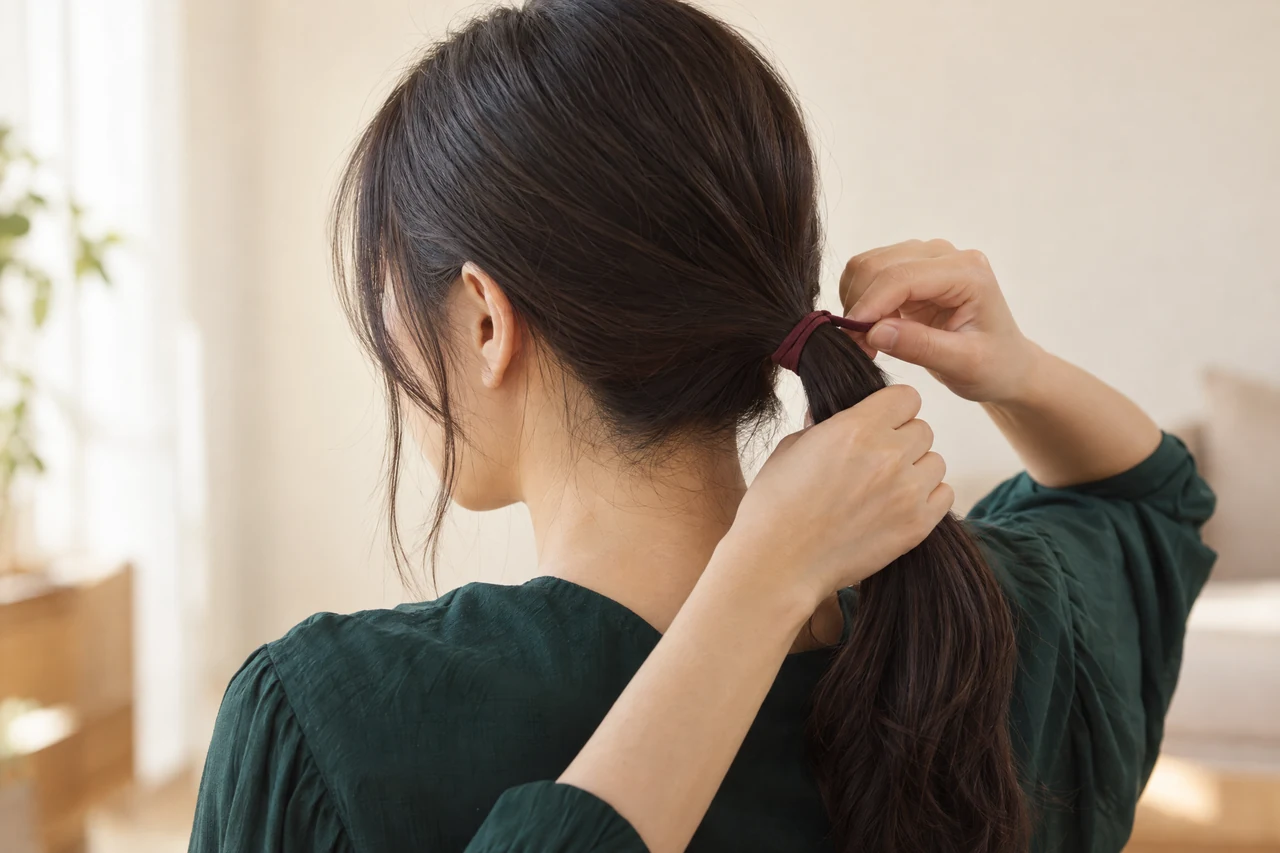
Use your normal hair band and demonstrate the actual position rather than a tighter salon version. The American Academy of Dermatology's advice on damaging hair habits recommends loosely pulled-back styles and covered hair bands. A useful length test should not depend on pulling hard to make marginal strands reach. If the proposed cut only works that way, reconsider the boundary or discuss another securing method.
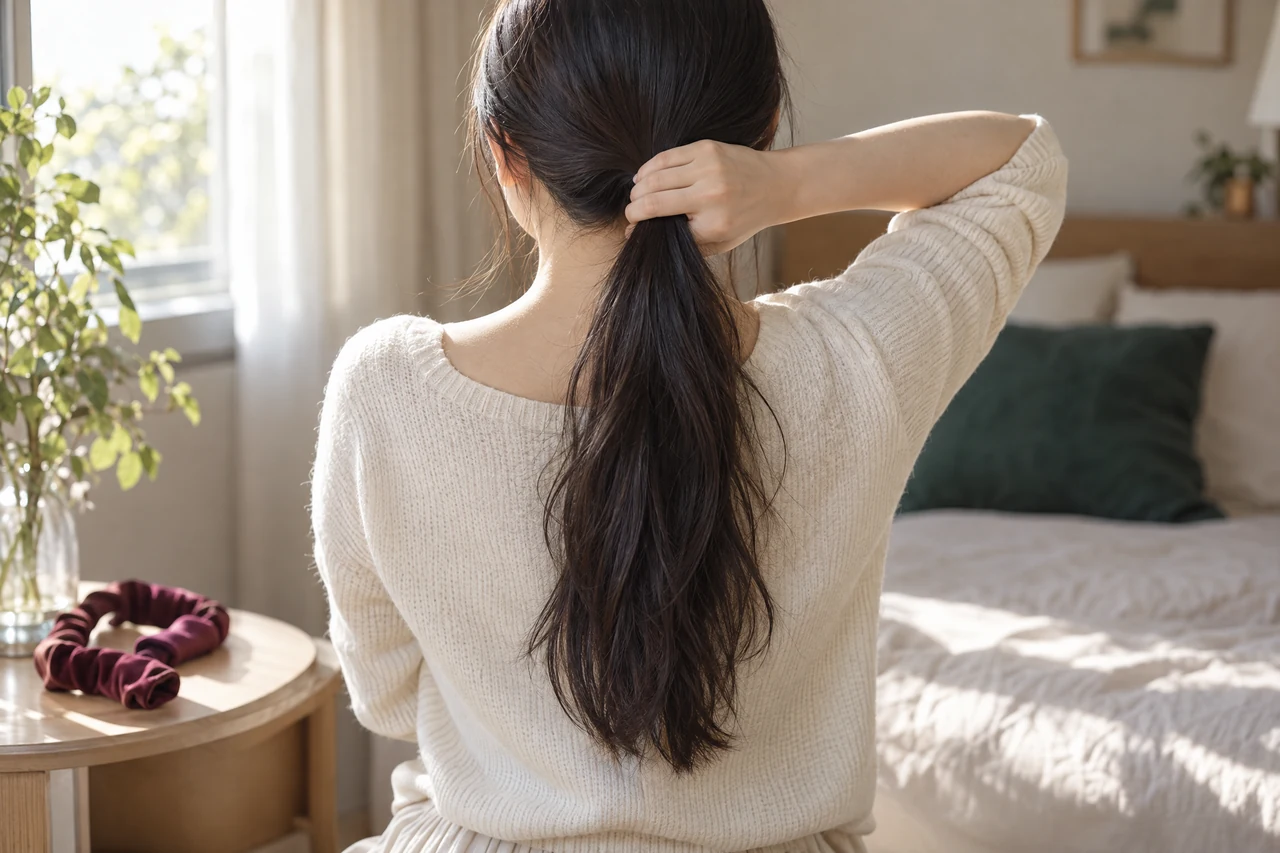
Plan the transition from gym to office
For days that go from the gym to the office, explain whether you have access to a dryer, a mirror and styling products. Discuss an outline you can manage with those resources and any workplace need to keep hair off your face. A freshly finished salon look is a useful reference, but it is not proof of the same result after exercise.
Describe your acceptable workday finish. You might be happy with a softly textured outline, need a visible parting or prefer to keep the hair tied for meetings. A haircut for gym and office use does not have to switch to a completely different style after every session. If a comfortable tie-back is acceptable at work, retaining that option may be more practical than cutting shorter and then needing to reshape the front each morning.
Discuss drying access after training
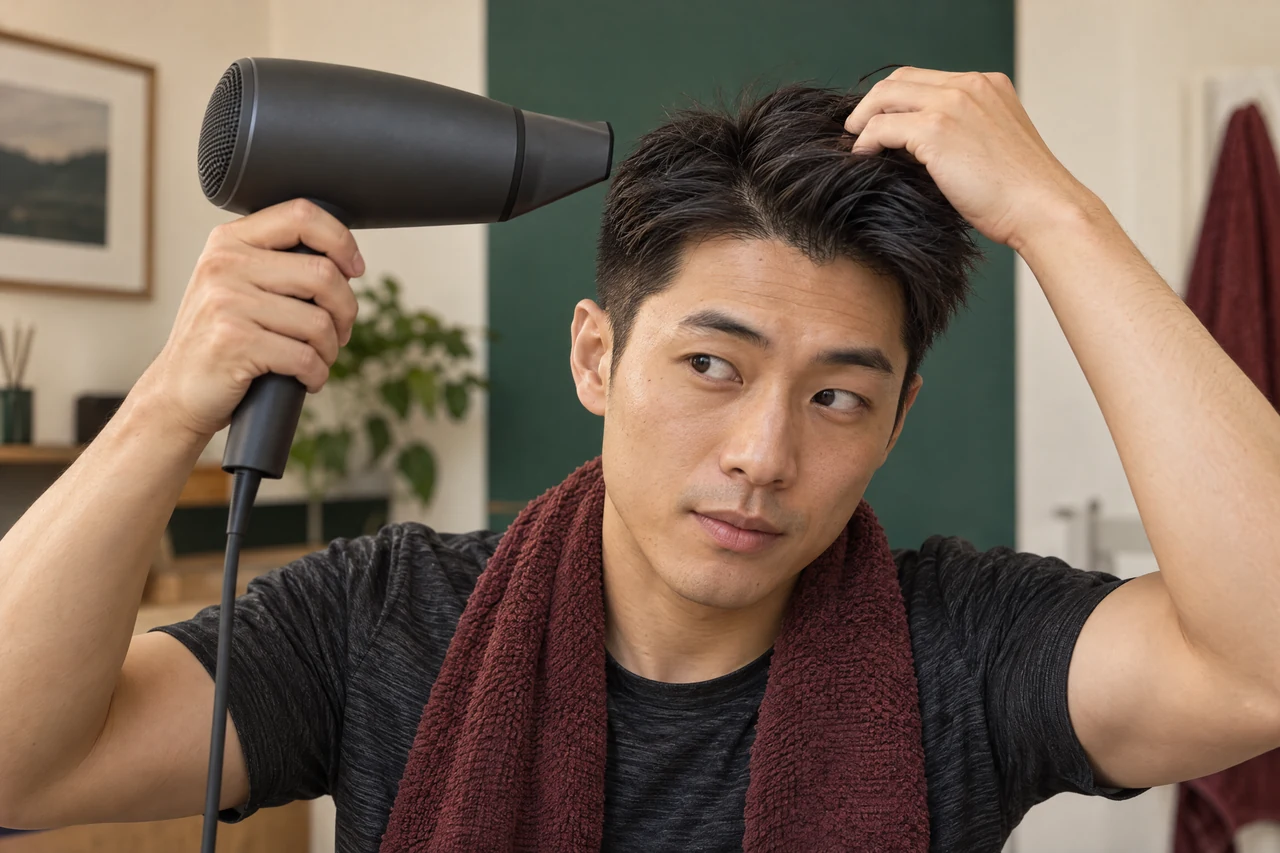
Tell the stylist whether your dryer has a controllable heat setting and whether you can use your own brush or comb. Ask for a demonstration using the tools you would actually carry. The AAD's healthy hair guidance advises gentle moisture absorption with a towel or T-shirt and low or medium heat settings. This supports careful handling; it does not establish a guaranteed drying time for a particular cut. Thick lengths may still need attention even after the perimeter is shortened.
Keep the face clear without assuming a sleek finish
Distinguish keeping hair out of your eyes from recreating a smooth blow-dry. If you only have a mirror and a hair band, discuss a tidy secured shape rather than a finish dependent on heat tools. If you wear the hair loose, ask how the front should fall without repeated pushing back. Avoid treating firm-hold product as the only solution to a cut that conflicts with your routine.
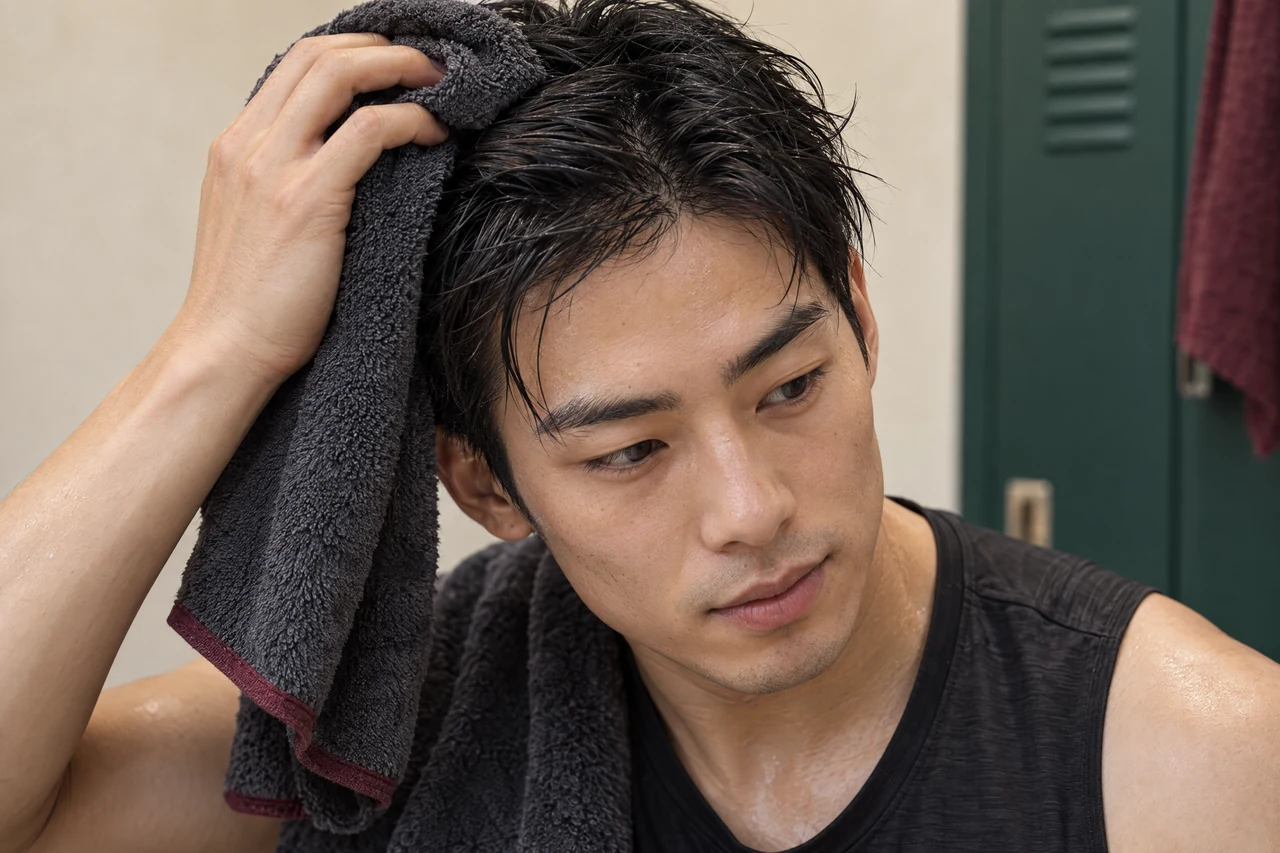
Compare a perm with your exercise routine
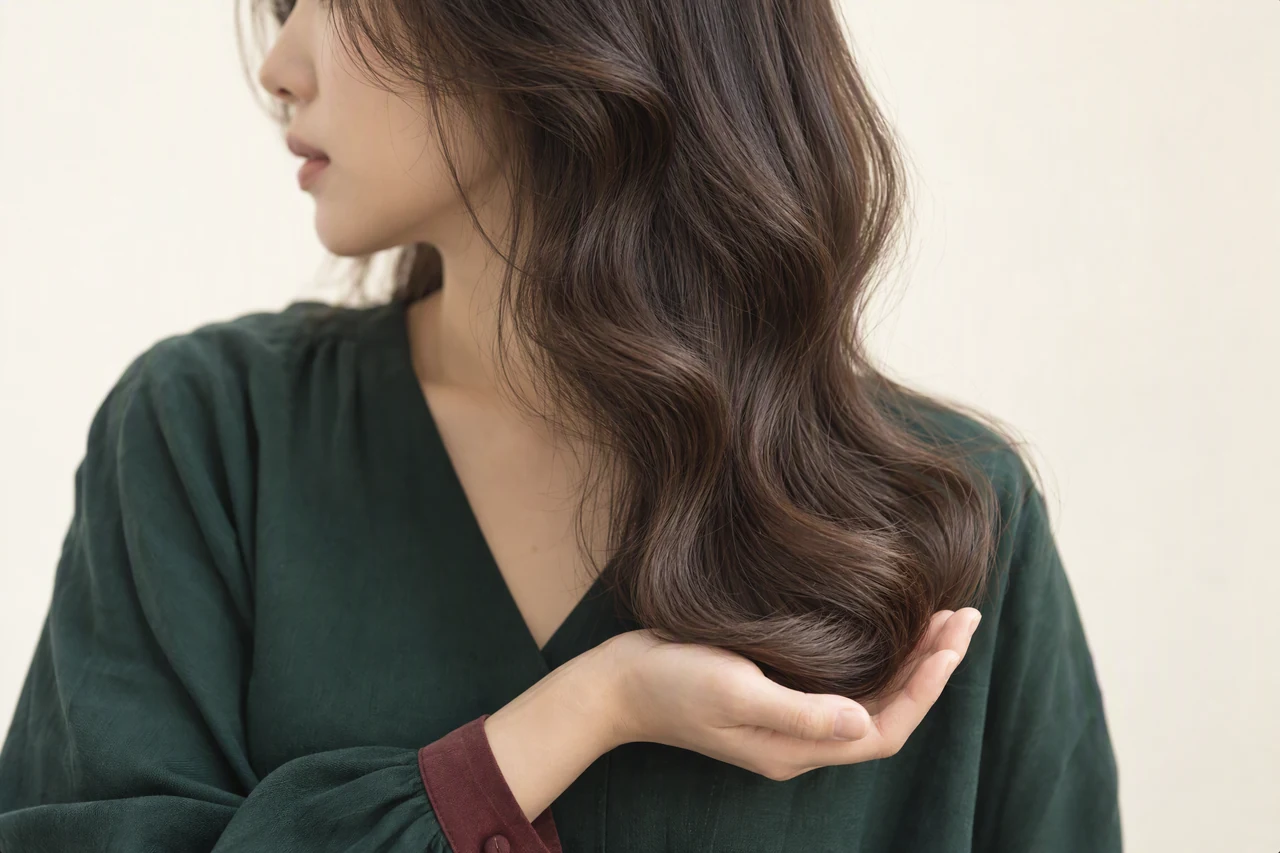
Daily exercise is a reason to discuss a perm carefully, not an automatic reason to choose or avoid one. Explain your washing schedule and how you dry your hair after training. Ask about the proposed curl pattern, suitable hair condition and aftercare, including any initial restrictions, before assuming a perm will simplify the routine.
First name the change you want: more bend at the ends, a fuller loose outline or curls that remain visible when tied. Added texture is not the same as reduced work. Compare the styling steps needed to show that texture with the steps you already use on your natural hair. If the main difficulty is front strands escaping during exercise, protecting their length may address that concern more directly than adding a chemical service.
Review hair perm to check its service scope and the details to share before arranging the related work.
Account for curl upkeep and washing
Explain whether you normally detangle in the shower, dry naturally or brush while blow-drying. Ask how the proposed curls should be handled when wet and what finish to expect without a full styling session. Share previous bleaching, colouring, straightening and perming history, including treatment remaining in the ends. Suitability depends on the hair being treated, not simply on how often you go to the gym.
Ask about service-specific aftercare
Discuss perm aftercare before choosing an appointment day, especially if training involves swimming or frequent washing. Ask whether the actual service has initial instructions for getting hair wet, washing, tying or using styling tools, and how those instructions fit your schedule. Do not substitute a general waiting rule found online for the advice supplied for your treatment. If the timing conflicts with an important session, discuss another date or start with a cut-only plan.
Decide whether a shorter outline is worth losing tie-back length
A shorter cut may remove lengths you dislike managing, but it can also remove your easiest securing method. Consider the front independently of the sides and nape. Closely cut sides do not make a longer fringe stay away from your eyes, and a short crop still needs a conversation about natural growth direction. Ask what the outline will look like without a lifted or sculpted salon finish.
Review men's haircut to check its service scope and the details to share before arranging the related work.
Compare the everyday reset, not only the finished photograph
If you are deciding between retained length and a short outline, rehearse the intended routine verbally: wash, absorb moisture, dry as available, then secure or arrange the front. Identify which step the proposed cut changes. A style that replaces tying with daily directional blow-drying is a different commitment, not automatically an easier one.
Confirm the cutting boundaries and service budget
The listed men's wash, cut and blow-dry price is HK$380, and the listed women's wash, cut and blow-dry price is HK$480. Full-head perm is listed separately at HK$1,600. Use these confirmed prices to distinguish a cut-only discussion from adding texture, not to assume the separate perm price includes a haircut. Confirm the appropriate service, inclusions and any applicable length surcharge before arranging the work.
Leave with a plan you can explain
Before cutting, restate what must stay: your tie position, the front pieces that need to reach and any fringe you are not ready to shorten. Ask to revisit the securing method after the cut and to see the intended everyday finish. After your next usual workout, note any specific difficulty rather than judging only whether the hair looks identical to its salon finish.
Compare the options against your exercise-to-work routine
| Design option | Practical advantage to discuss | Trade-off to check before deciding |
|---|---|---|
| Retain tie-back length with a trim | Keeps your familiar securing method available | Check the shortest front and side pieces, not just the back |
| Keep length and adjust layers | Allows a different loose outline without removing every long section | Shorter layers may need clips and may escape the tie |
| Choose a shorter untied outline | Removes unwanted lengths from the routine | The front may still need directional drying or arranging |
| Add a perm while preserving useful length | Introduces a curl pattern or bend to discuss | Assess condition, wet-hair handling and service-specific aftercare |
Your preparation checklist
- Photograph your loose hair and usual exercise tie-back, including the front, sides and back.
- Bring your normal hair band or clips and demonstrate the position you actually use.
- Identify which strands must stay secured and agree on the shortest acceptable layers before cutting.
- Describe your washing habits, drying equipment and acceptable finish when returning to work.
- Share previous chemical treatments and ask how any proposed perm would change the routine.
- Confirm service inclusions, the price and any aftercare instructions before agreeing to the work.
Frequently asked questions
Can I cut my hair shorter and still tie it up?
Possibly, but check the shortest layers in your usual tie-back position first. A shorter overall length does not tell you whether the front and sides will reach.
Should I arrive with my hair in a ponytail?
You can show the position you normally use, and bring a photo of the loose shape too. Explain whether you need all strands secured or are comfortable using clips.
Does exercising every day rule out a perm?
Not automatically. Hair condition, desired curl, washing habits and the actual service's aftercare need to be assessed together. Ask about those points before making a decision.
Keep your workout routine part of the haircut conversation
Enquire with Vit So in Sheung Wan about the length you want to keep, your usual tie-back and what happens after training. Share current photos and your preferred cutting or texture change so the service scope can be discussed. An enquiry is not a confirmed booking; availability and the proposed work still need confirmation.
Start your WhatsApp enquirySources & further reading
- 10 hair care habits that can damage your hair
General advice on avoiding tight pulled-back hairstyles, using covered hair bands and absorbing moisture without rubbing hair dry.
- Tips for healthy hair
Washing based on dirt and oil, conditioning, gentle wet-hair handling and limiting heat with low or medium settings.



