







Start a Hair Extensions Enquiry with Your Own Hair
A hair extension consultation starts with the areas you want to change: a fuller outline, more length or both. Bring recent views of your hair worn down and tied back, and describe any previous extensions. When choosing a salon, ask how the proposed attachment, blending cut and follow-up arrangements relate to your own hair rather than relying on a finished photograph alone.
Describe the result in practical terms. Fuller ends at your existing length are a different request from a substantial change below the shoulders. Point out the shortest layers and where the current outline looks sparse. Say whether you want your usual parting to stay, whether a ponytail matters and how much styling you are willing to do after washing. This helps keep the discussion focused on the shape you will actually wear.
The Lauren Ashtyn Collection's consultation guide recommends sharing inspiration, colour history and lifestyle needs, alongside questions about blending and upkeep. Use these as conversation prompts. A supplier's guide does not establish the methods or appointment arrangements available here.
What to Share Before Choosing Hair Extensions
Send clear photographs in natural light without filters, including the back and both sides. Add a view with your hair in its usual tied style. Explain recent bleaching, tinting, perming or straightening, including uneven or fragile areas. If you previously wore extensions, describe the attachment and why you stopped. Tell the salon about swimming, helmet use or a forthcoming event. A reference image is most useful when you identify the part you like: the end thickness, overall length or movement, rather than asking to reproduce every detail.
Separate Hair Materials from Attachment Methods
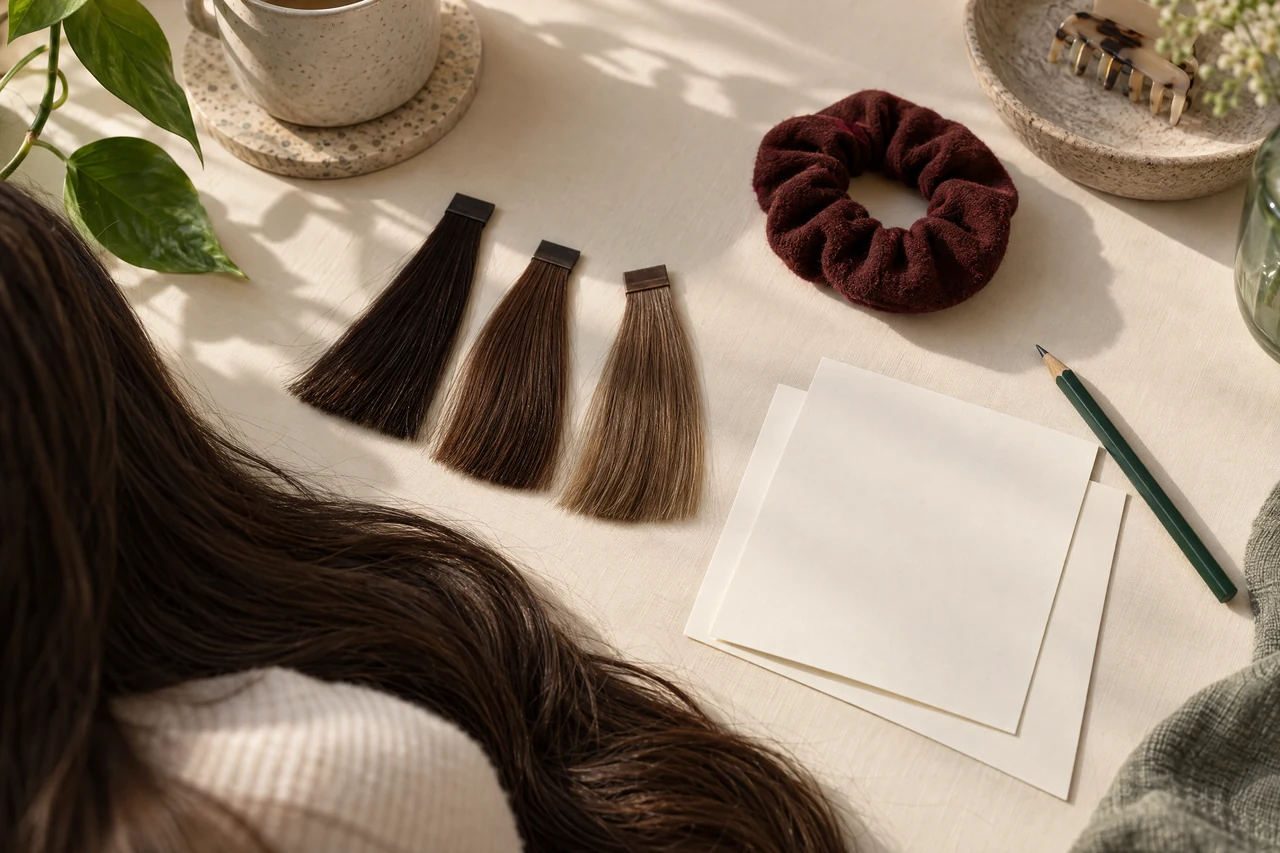
Human hair extensions describe the fibre, not the way it is attached. Ask about the supplied hair's texture, previous processing and care instructions as well as the attachment system. A material name does not establish stock, suitability for colouring or how long the finished style will last. Confirm these details for the actual hair being considered.
Discuss the hair and its attachment as separate choices. Ask what holds the added hair in place, where the connections would sit and how they would be removed. Then ask how the proposed fibre behaves after washing and which products or hot tools it permits. Attractive loose hair samples do not explain how the finished arrangement will feel near your scalp or work with your usual parting.
Colour matching should consider the visible lengths as well as the roots. Previously lightened ends may differ from the shade near your scalp. For a closer look at this decision, read hair extensions colour matching before discussing whether to retain your current colour or plan a separate colour service. Do not assume supplied hair can be bleached to solve a mismatch.
Continue with how to choose a hair extension method for that specific comparison and the preparation questions it raises.
Questions About Fibre, Texture and Colour
Compare texture in the state you normally wear it. A smooth reference photograph may involve styling you would not repeat at home. Ask whether the proposed hair needs regular smoothing or curling to sit alongside your own, and what that routine involves. Confirm the supplied colour rather than relying on a screen image. If your shade or texture is unavailable, discuss waiting for suitable supply or adjusting the goal instead of committing to hair that needs unconfirmed chemical work.
Match the published entry to the assessed work
For hair extensions in Hong Kong, Vit So receives enquiries for the Sheung Wan location at 252 Hollywood Road. Share your current length, colour and the change you want to discuss. Confirm the available method, materials, supply, maintenance and quote before planning an installation visit; a general extensions listing does not establish a particular system, stocked colour or medical hair-loss service.
Check the Full Appointment Scope
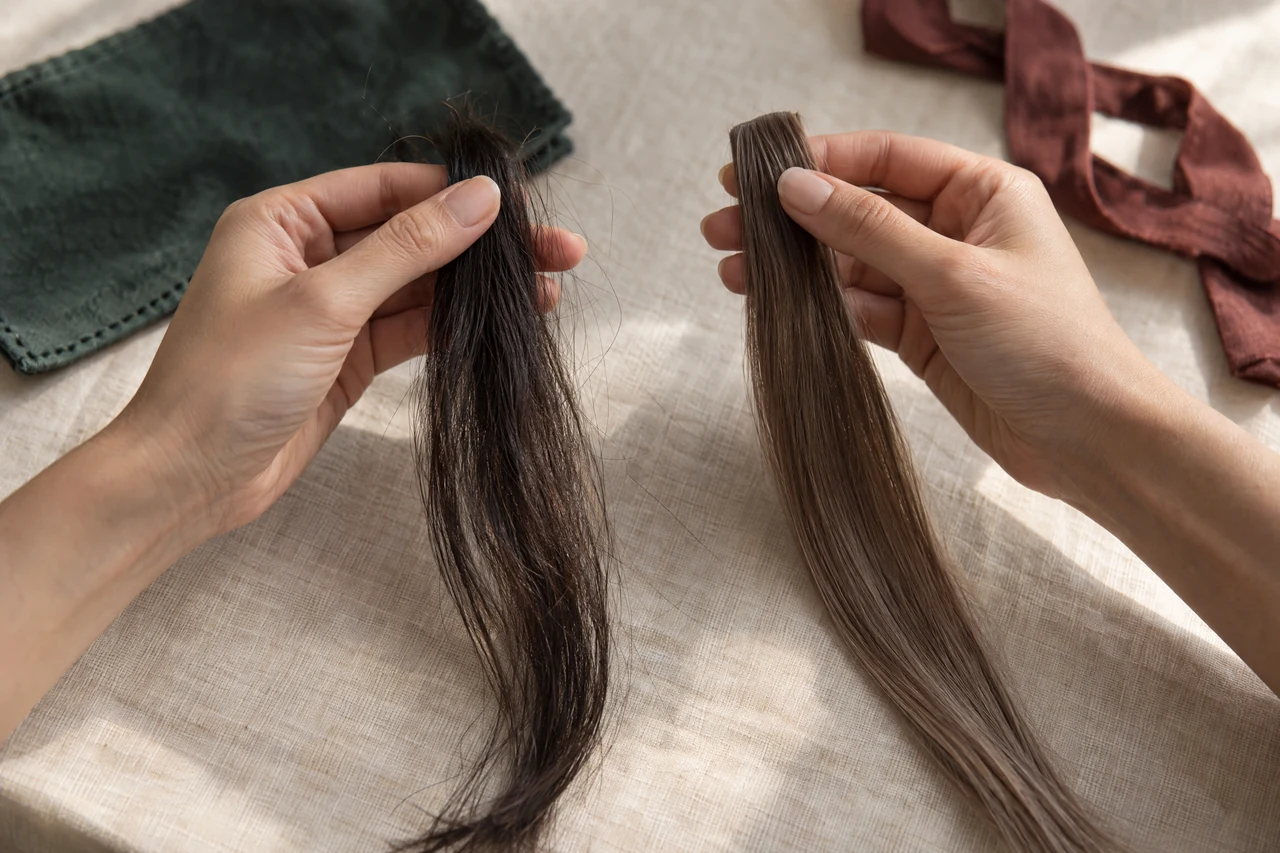
A useful enquiry distinguishes the hair itself from installation, any shaping needed to blend it and the care routine afterwards. Ask which parts of that scope can be arranged and whether more than one visit is needed. Specific attachment methods are not interchangeable, and a method discussed in a guide is not a statement of availability.
Ask for a quote that identifies what you are agreeing to buy. It should distinguish supplied hair from fitting and explain whether blending, finishing or other preparation is included. If you already own hair, say so before discussing a price; its acceptance needs confirmation. Keep the initial visit separate from future checks, replacement materials and removal, so you can compare like-for-like costs rather than only the headline amount.
Check the hair salon price list for published entries, then confirm the amount for your agreed scope.
There is no published extension price in the current list. Ask about any proposed payment or supply commitment before agreeing, including what happens if the assessed plan changes. For an event, share the date early and ask about the sequence of assessment, supply and fitting. Leave room to understand the care routine before wearing the style for an important occasion.
Fitting, Blending and Care Are Separate Questions
Blending means discussing the transition between your existing cut and the added length, not merely trimming everything to the same endpoint. A blunt short outline may need a different approach from long, soft layers. Explain which natural lengths must stay and whether you wear your hair straight or with waves. Ask how the finished shape will be checked from the sides, back and your everyday parting, and whether the proposed cut would still make sense after removal.

Plan Removal and Any Later Reattachment
For hair extension removal, send details of the existing attachment and where it was fitted. A hair extensions refit depends on both the attachment system and the condition of the hair being reused. A hair extensions move up appointment is not suitable for every system. Confirm whether the existing work can be assessed before arranging a visit; do not pull attachments out yourself.
Removal, reuse and a new installation are distinct requests. Hair that still looks attractive through the lengths does not automatically have reusable attachment ends. Ask whether the proposed work involves replacing connectors, preparing the hair again or supplying new hair. Also discuss the condition of your natural hair before deciding to continue. Your next appointment should respond to the actual arrangement, not simply repeat the first installation.
For work fitted elsewhere, send the original method name, fitting date and any supplied instructions or packaging information. Explain whether attachments have slipped, tangled or become uncomfortable, and provide a clear photograph without forcibly separating a knot. Avoid experimenting with household oils, solvents or pliers to release unfamiliar connections. First establish whether the salon can assess the existing work and what removal would involve.
Share the Existing Attachment Before Requesting Work
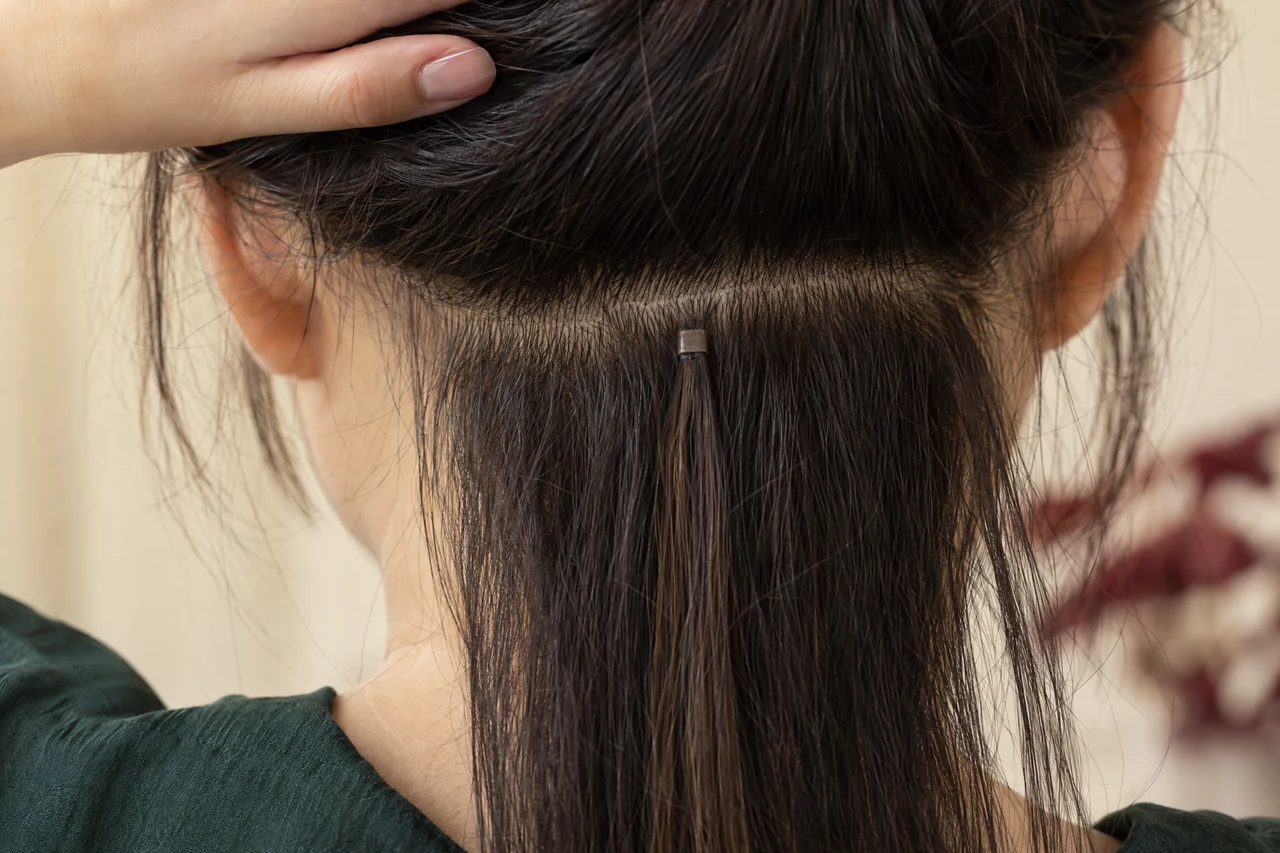
Describe what you can actually see: a flat attachment, small ring, bonded tip or stitched arrangement, if known. A marketing name alone may leave important details unclear. Tell the salon whether the same hair has been reused, coloured or repaired since fitting. If you are unsure of the structure, say so. Ask whether an assessment must precede a quote and whether removal and possible reattachment would be separate visits. Preserve the original care information for this discussion.
Fit the Care Routine into Your Week
Choose a plan you can maintain on ordinary days, not only after a salon finish. Before fitting, ask for guidance specific to the hair and attachment on washing, drying, detangling and sleeping. Find out which products may touch the connections and which tools are suitable. The hair extension aftercare guide can help you organise those questions, while the instructions for your actual system remain the practical starting point.
Discuss when you normally wash your hair and how you dry it after exercise. If you swim, travel frequently or wear a helmet, explain those habits before choosing the arrangement. Ask how to recognise a connection that needs checking and how to contact the salon. Keeping the supplied hair tidy and keeping the attachment appropriate are related, but they are not the same task.
Ask for a Demonstration You Can Repeat
Request a demonstration of handling the lengths without pulling at the connections. Clarify how to approach resistance during detangling rather than brushing harder. Check what preparation is needed at bedtime and whether hot tools must stay away from particular areas. If the proposed routine needs more time or products than you want to use, raise that before fitting; a smaller change or another styling approach may better suit your week.
Make Comfort Part of the Decision
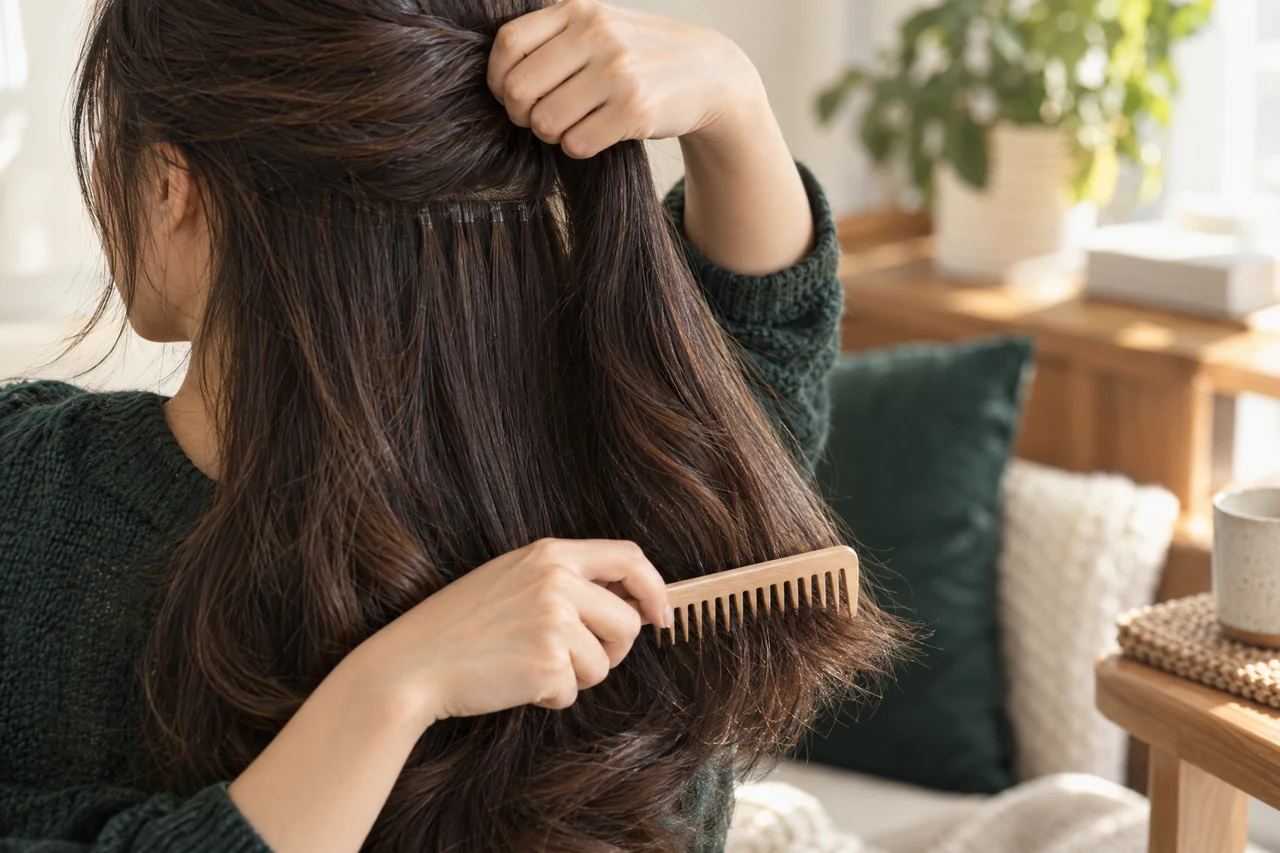
The American Academy of Dermatology's advice on weaves and extensions explains that repeated pulling can cause traction alopecia, a form of hair loss that can be permanent. It advises asking the stylist to loosen an affected area if the hairstyle hurts or feels too tight. Pain is not a sign that an attachment is working well, and a fuller appearance should not require ignoring discomfort.
Mention current scalp irritation, noticeable thinning or unusual shedding before discussing fitting. A styling enquiry cannot diagnose the cause of hair loss. If you are concerned about it, seek advice from a dermatologist rather than using added hair to postpone assessment. If discomfort develops after fitting, contact the fitting professional promptly and seek medical advice for persistent symptoms.
Use book a hair appointment to send the intended work and possible dates; wait for confirmation before travelling.
Prepare a Clear Enquiry Before Travelling
Use the 6-point preparation checklist below to organise your photographs, desired shape and questions. Include your preferred dates, but distinguish a request for assessment from a confirmed installation. A useful reply should clarify the next step, the proposed scope and what remains to be checked. Confirm these details before organising travel or rearranging other plans.
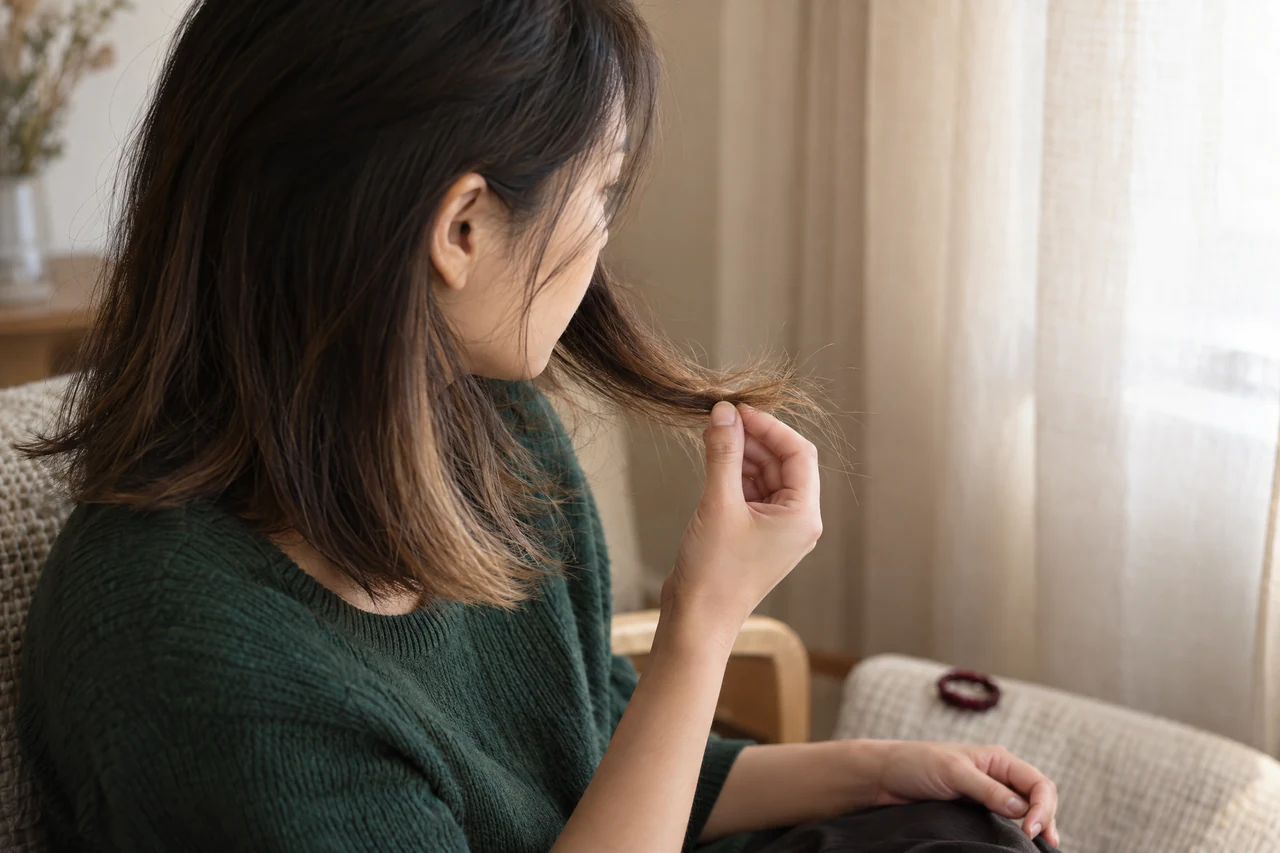
Compare extension enquiry goals before choosing an attachment
| Your priority | What to assess | What to clarify before agreeing |
|---|---|---|
| Fuller ends at a familiar length | Current end thickness and the outline you want | Proposed distribution, weight and blending scope |
| Noticeably longer hair | Shortest layers and the transition to new lengths | Feasible length, styling commitment and supply |
| A style worn loose and tied back | Usual parting, ponytail position and exposed areas | Attachment placement and everyday comfort |
| Removal of existing extensions | Attachment structure, fitting history and current condition | Acceptance, removal scope and separate reuse assessment |
Your preparation checklist
- Photograph your hair in natural light from the front, sides and back, plus your usual tied style.
- Describe the target length or fuller area and identify the natural layers you want to keep.
- Share colouring, bleaching, perming and straightening history, along with fragile or uncomfortable areas.
- Explain washing, exercise, swimming, helmet use and upcoming travel or event plans.
- Confirm the proposed fibre, attachment, actual supply, fitting and blending scope, and itemised quote.
- Ask about care instructions, future checks and removal, then wait for appointment confirmation before visiting.
Frequently asked questions
Can I choose a method from a photograph?
A photograph can show the style you like, but it cannot establish attachment suitability, fibre quality or the condition of your own hair. Use it to start the discussion, not to confirm a method.
Is there a published extension price?
The current published price list does not give an extension price. Ask for a quote covering the proposed hair, installation, blending and any separate future work before agreeing to an appointment.
Can extensions fitted elsewhere be removed here?
Acceptance of work fitted elsewhere needs confirmation. Provide the attachment type, fitting history and any care instructions; neither removal nor reuse should be assumed from a general enquiry.
Start with the length and fullness you want to wear
Send your current hair photographs, colour history and styling goal to enquire about extensions at Vit So in Sheung Wan. Ask for confirmation of available options, the assessment step and the proposed quote. An enquiry is not a confirmed booking.
Start your WhatsApp enquirySources & further reading
- How to prevent hair damage from a weave or extensions
Repeated pulling, traction alopecia, responding to pain or tightness, and seeking dermatological advice for hair-loss concerns.
- What happens at a hair extension consultation?
General consultation preparation, including inspiration, colour history, routine, blending questions and upkeep costs.



