







Vit So and DT HUB have the same owner. The DT HUB links in this article are promotional cross-brand references, not independent reviews or medical recommendations. Commercial pages are not used as evidence of treatment efficacy.
Hair coverage options and time off: keep different calendars
Start by describing what you need covered: a front boundary visible on video calls, a crown area, or a broader change in the overall silhouette. A cosmetic fitting discussion can address the coverage area and blending, but it cannot identify the cause of hair loss. The American Academy of Dermatology describes both gradual changes and sudden loss, sometimes alongside tenderness, burning, redness or swelling. Persistent, sudden, patchy or painful inflamed loss should be medically assessed first rather than hidden and forgotten. [2]
Keep appointment time, repeat maintenance and medical recovery separate. Consultation, ordering, fitting and learning to handle a piece occupy different parts of your diary. An attached system also creates recurring servicing commitments. Surgical recovery concerns healing and activity restrictions, not simply how long you sit in a chair. Feeling presentable, being able to answer emails and being cleared for physical work are different milestones; do not let a sales timetable stand in for a medical one.
The DT HUB guide on hair system vs hair transplant discusses fitting and upkeep alongside surgery. Use it to organise questions, not to rank clinical suitability or accept its recovery examples as personal clearance. Vit So and DT HUB have the same owner, so these are disclosed promotional links rather than independent recommendations. This article does not establish that DT HUB provides transplant surgery; questions about an operation belong to the medical provider responsible for it.
Write down the job, not just the desired return date
Describe your actual duties before asking about time away: desk work, outdoor heat, lifting, travel or compulsory headwear. Tell the clinician about those duties when discussing surgery. For cosmetic coverage, ask the fitter how the proposed arrangement works with your ordinary routine. A generic phrase such as 'back to normal' leaves too much unexplained to support a reliable leave request.
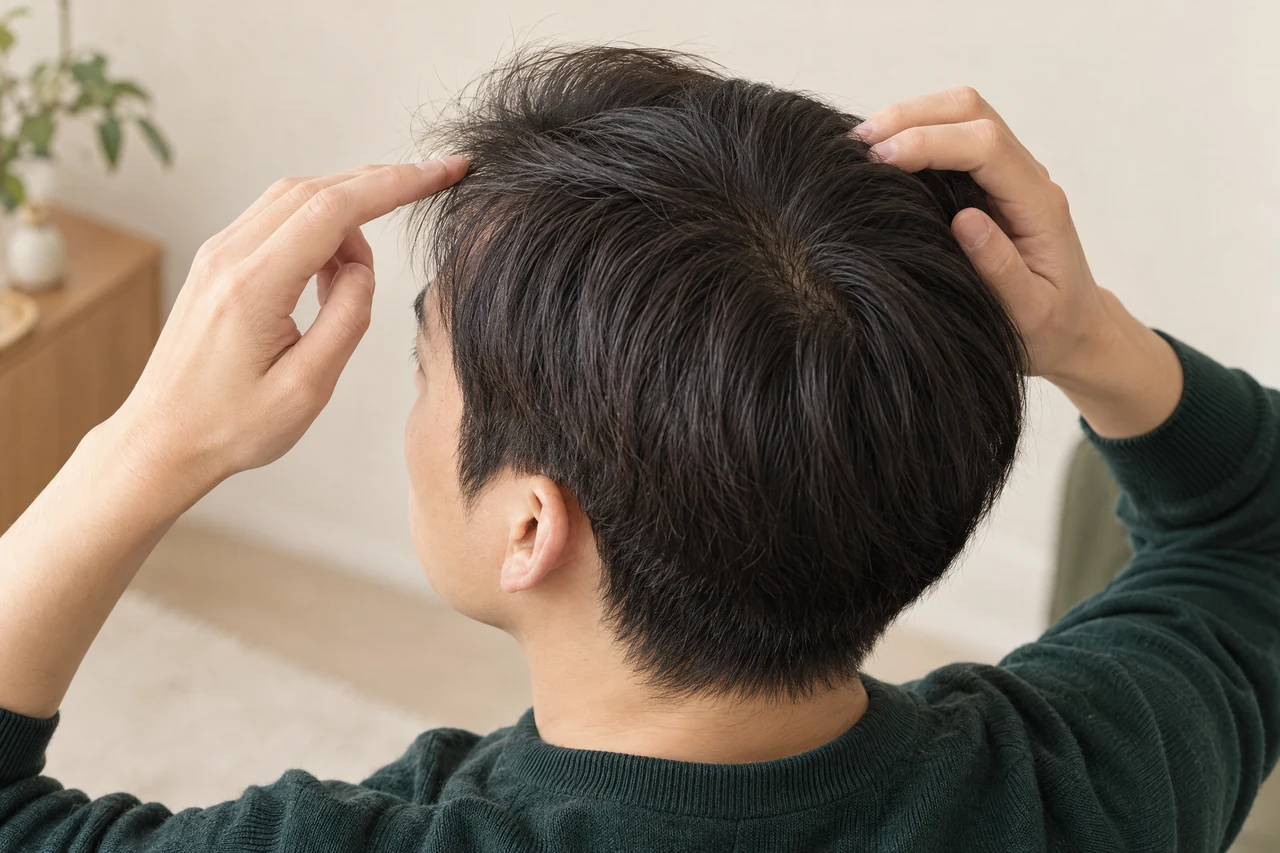
Hair systems: budget for fitting and repeated care
A hair system adds cosmetic coverage with a separate piece; it is not medical regrowth. The DT HUB page for hair replacement hong kong describes ready-made and custom options, different bases and attachment methods. Ask which of those arrangements is actually proposed for you, what you can remove yourself, and who handles servicing. A ready-made option and a custom order should not be assumed to have the same availability, fitting steps or delivery date.
Consider removable wear if being able to take the piece off at home is a priority, then check whether the attachment and coverage meet your needs. Consider an attached arrangement only after understanding cleaning access, reattachment and what happens if it feels uncomfortable. Neither choice is automatically effortless. Demonstration matters: ask to see the underside, practise the handling you are expected to do, and confirm which tasks must stay with the fitter rather than improvising them later.
If your coverage goal is still unclear, Vit So's guide to full head wigs helps distinguish broad coverage from partial pieces before you discuss attachment. That distinction matters for the calendar as well as appearance: more coverage is not necessarily the right answer to a local concern. Ask how the piece is checked, trimmed and blended with existing hair, whether another visit may be needed, and whether ordinary wearing arrangements can be tested before an important event.
Integration: blending does not remove attachment commitments
Hair integration involves incorporating added hair or a piece with existing hair rather than treating the coverage as an entirely separate hairstyle. The DT HUB page for hair integration hong kong discusses weaving, knotting or bonding, with later adjustment and cleaning. Those method names describe different commitments, not interchangeable promises. Ask exactly what will be attached, where it will contact existing hair, how the scalp stays accessible and how the arrangement is removed or adjusted.
Integration may be worth discussing when blending with existing hair is central to the desired look and you can attend the necessary maintenance appointments. A removable alternative deserves comparison when you need more control over wearing time or cannot reliably return for servicing. Do not assume a 'low maintenance' description means there is little to do between visits. Ask the fitter to explain home care in ordinary language and demonstrate the specific tasks without relying on a generic washing schedule.
Use Vit So's hairpiece fitting guidance to prepare the coverage and blending questions: where a partial piece should sit, what neighbouring hair needs to remain visible and which daily parting you want to keep. This makes the integration consultation more precise. If fitting causes pulling or discomfort, ask for it to be reassessed rather than agreeing to extra tension for a tidier look. Persistent pain, inflammation or new loss calls for medical advice, not repeated cosmetic tightening. [2]
Ask what happens between servicing visits
Clarify what to do if an edge changes, the attachment feels different or you cannot attend the next appointment. Ask who can check it, whether a temporary alternative is possible and what additional work might be chargeable. The answer should describe a practical support arrangement, not merely repeat that the system lasts a long time.

SMP: compare pigment appearance and aftercare, not growth
Scalp micropigmentation, often shortened to SMP, is tattoo-like pigment camouflage. It does not add wearable hair, create strands you can style or restore follicles. The DT HUB page on scalp micropigmentation can prompt questions about the scope being offered, but its growth language must not be treated as evidence that pigment makes hair regrow. Ask the provider to explain the cosmetic aim, the procedure and its limitations separately from any discussion of hair-loss treatment.
The appearance goal is different from a piece: pigment changes the visual impression of the scalp, whereas a hairpiece adds hair that occupies space and moves. If length, texture or a hairstyle you can change is your priority, do not treat a pigment illustration as an equivalent result. Ask about the proposed hairline, how pigment appearance relates to your usual hair length, and what correction or removal would involve if your preference changes. A concept image is not a promised outcome.
Do not translate 'not a transplant' into 'no aftercare' or 'safe for everyone'. Ask for written advice about appointments, scalp contact, washing, activity and concerns after the procedure. Pregnancy, breastfeeding, childhood and chemotherapy require guidance from the relevant healthcare team before scalp procedures or proposed attachment/contact arrangements. In particular, the treating cancer team should decide what is appropriate during treatment. Cosmetic planning must not replace or delay conventional care, and this article does not provide procedural instructions.
Transplant questions: let the medical provider define recovery
A hair transplant is surgery that moves existing hair to another area. The NHS describes surgeon-led graft care, possible limits on exercise and potential complications including bleeding, infection, anaesthetic reactions and scarring. [1] Those are medical recovery considerations, not the same as learning to wear a piece. Seek a diagnosis before comparing suitability and ask the surgeon whether an operation is appropriate for your situation. Neither a coverage fitting nor an online comparison can make that decision for you.
The DT HUB treatment-comparison page linked as hair transplant cost hong kong discusses surgery among other approaches; it is not your surgical quotation. Ask the actual medical provider what assessment, procedure, follow-up and complication support would be included. Confirm who would perform the operation and how their credentials can be checked through the relevant official register. Do not treat a commercial comparison, an advertised range or a referral description as verification of a surgeon or clinic.
Before requesting leave, ask for guidance tied to your duties, including commuting, headwear, physical exertion and travel. Ask when each activity can be reconsidered and whom to contact if recovery does not follow the expected course. The NHS advises contacting the transplant clinic promptly for severe pain or unexpected symptoms. [1] It also distinguishes recovery from the later appearance of results. Avoid booking a surgery-to-event deadline around a generic online timeline, and do not change medication on the advice of a cosmetic provider.
Turn the consultation into a written time-and-cost scope
For cosmetic coverage, make coverage consultation maintenance commitments explicit in the written proposal. Ask whether the quotation includes the piece, fitting, cutting and a care demonstration, then separate home-care supplies from future cleaning, reattachment, repairs and replacement. Confirm the expected servicing arrangement without assuming a universal interval or lifespan. Cost comparisons are only useful when the included work is comparable; a lower initial figure says little if important recurring tasks are left out of the discussion.
Use Vit So's wig care guide to organise questions about handling, washing, drying and storage, but confirm instructions for the actual material and base you choose. A general guide cannot tell you how long your own maintenance appointment will take. Ask for the appointment scope and access arrangements, including what happens when you travel or miss a service visit. If you want coverage while pursuing medical assessment, discuss the practical limits with both the fitter and your clinician.
Compare written proposals by what they ask of you after the first visit. Which option needs regular servicing? Which allows removal at home? Which depends on clinical clearance rather than personal preference? Keep the cosmetic and medical providers' responsibilities separate, and seek clarification wherever either proposal is vague. You can begin with a coverage discussion without committing to an attachment or procedure. The sensible next step is the one that resolves uncertainty, not the one that promises the fastest transformation.

Compare the type of commitment, not a universal number of days off. These are consultation questions, not treatment recommendations.
| Option | Time to clarify | Ongoing commitment | Decision boundary |
|---|---|---|---|
| Removable wig or partial piece | Availability, fitting and handling practice | Cleaning, storage and fit checks | Cosmetic coverage; removal must be demonstrated |
| Attached hair system | Fitting and servicing appointments | Scalp access, cleaning and reattachment | Confirm attachment and response to discomfort |
| Hair integration | Installation and later adjustments | Care of attachment and existing hair | Blending does not eliminate servicing |
| SMP pigment camouflage | Procedure-specific appointments and aftercare | Appearance review and future changes | Not hair growth; ask about limitations |
| Hair transplant surgery | Individual work and activity guidance | Surgeon-led aftercare and follow-up | Diagnosis and medical suitability first [1] |
Your preparation checklist
- Record the coverage area and take ordinary reference views without interpreting them as a diagnosis.
- List work duties, travel and compulsory headwear separately from the desired appearance.
- Ask what is removable, what is attached and who handles cleaning or adjustment.
- Request itemised initial costs and a separate description of future servicing and replacement.
- Confirm availability, appointment scope and arrangements if you cannot attend maintenance.
- Ask the medical provider for personalised recovery advice and the contact route for concerns.
Frequently asked questions
Can I assume a hairpiece means no time away from work?
No. It avoids transplant surgery, but consultation, fitting, learning to handle it and later servicing still take time. Ask for the actual appointment scope and any wearing restrictions relevant to your proposed attachment, rather than relying on 'no downtime'.
Is SMP a way to regrow hair without a transplant?
No. SMP is pigment camouflage, not biological regrowth or a new supply of hair. Compare its appearance goal and aftercare with your priorities, and seek medical assessment for the cause of loss rather than treating camouflage as treatment.
How many days should I book off for transplant surgery?
This article cannot set that number. The surgeon must consider the planned procedure and your duties, then explain recovery and activity restrictions. Ask about desk work, physical work, headwear and follow-up separately before making a leave arrangement. [1]
Which option costs less over time?
Compare itemised proposals rather than an advertised starting figure. Cosmetic options may involve supplies, servicing, repairs and replacement; a surgical quote needs a clear assessment and follow-up scope. No price or lifetime-cost ranking can be promised without those details.
Bring your coverage goal and diary constraints to the right consultation
Ask Vit So about cosmetic coverage, blending and the care you would need to manage, with current scope confirmed before booking. If loss is persistent, sudden, patchy or accompanied by scalp pain or inflammation, arrange medical assessment first. Keep any surgical decision and recovery plan with the medical provider.
Start your WhatsApp enquirySources & further reading
- NHS: Hair transplant
Hair transplantation is surgery that moves existing hair; recovery, graft protection, exercise restrictions and follow-up belong to the surgeon. The page describes possible bleeding, infection, anaesthetic reactions and scarring. No UK prices or fixed recovery days are applied to Hong Kong readers.
- American Academy of Dermatology: Hair loss: Signs and symptoms
Changing hair loss can be gradual or sudden and can include bald patches, tenderness, burning, redness and swelling. These observations support seeking medical assessment before treating a changing scalp as merely a coverage problem; they do not diagnose the reader.



