







Vit So and DT HUB have the same owner. DT HUB links in this article are related-brand promotional references, not independent recommendations or medical endorsements. The providers' locations, service scope and booking arrangements remain separate.
Head spa pressure and product consent continues after booking
Agreeing to a head spa is not the same as agreeing to every possible addition. You might welcome a wash but not a massage, accept scalp contact but not neck contact, or prefer to hear about a product before it is applied. Separate those decisions rather than giving a vague instruction to do whatever is usual. You do not need to offer a medical explanation for a personal touch preference.
DT HUB's page for head spa hong kong describes a programme involving cleansing, exfoliation, massage, serum and steam. That gives you specific steps to ask about, not proof that every step can be removed. Ask whether pressure or touching can be declined during the cosmetic session and what service would remain. If the provider cannot offer a version you accept, declining the appointment is a reasonable decision.
Vit So and DT HUB have the same owner; these are related-brand links, not independent salon recommendations. Their service arrangements should still be checked separately. If the terminology is confusing, Vit So's explanation of what is a head spa helps you distinguish the label from the actual procedure. The consent question remains the same whatever the name: what are you agreeing to now, and what requires another decision?
A limited yes is still a clear answer
Try: 'I agree to the wash, but please explain any other scalp contact before starting it.' This is more useful than agreeing to the package and hoping the provider will infer your limits. If the reply is unclear, keep the discussion at consultation rather than allowing the first step to begin.
Name the touch areas and make a pause signal usable
Pressure is only one part of touch consent. Ask whether the proposed massage includes the forehead, temples, ears, neck or shoulders, and say which areas you do not want touched. Also mention any discomfort with reclining, the basin position or towels around your face. These are practical boundaries for this visit, not a request for the salon to diagnose why a position or touch is difficult.
For an enquiry about head spa kwun tong, confirm the actual appointment arrangements: who will receive your preferences, how you will pause at the basin, and whether the provider can stop and discuss the next step. The page advertises English communication, but that does not establish your individual handover. Ask for your exclusions to be repeated before reclining, especially if a different person will carry out the service.
Choose a spoken word such as 'pause' and, if needed, a hand signal that the provider can see while working. Agree that the signal means stop contact, not merely use less pressure. Vit So's guide to what to ask before a scalp treatment can help organise the booking discussion; here, the important addition is a signal that remains usable once water, equipment noise or your position makes conversation harder.
Do not let 'lighter' replace 'stop'
If you want contact to end, say that directly: 'Stop the massage, please; I want to discuss the finish.' If you only want an adjustment, describe it separately. Do not move abruptly under running water or equipment; ask the provider to stop the process and help you change position first.
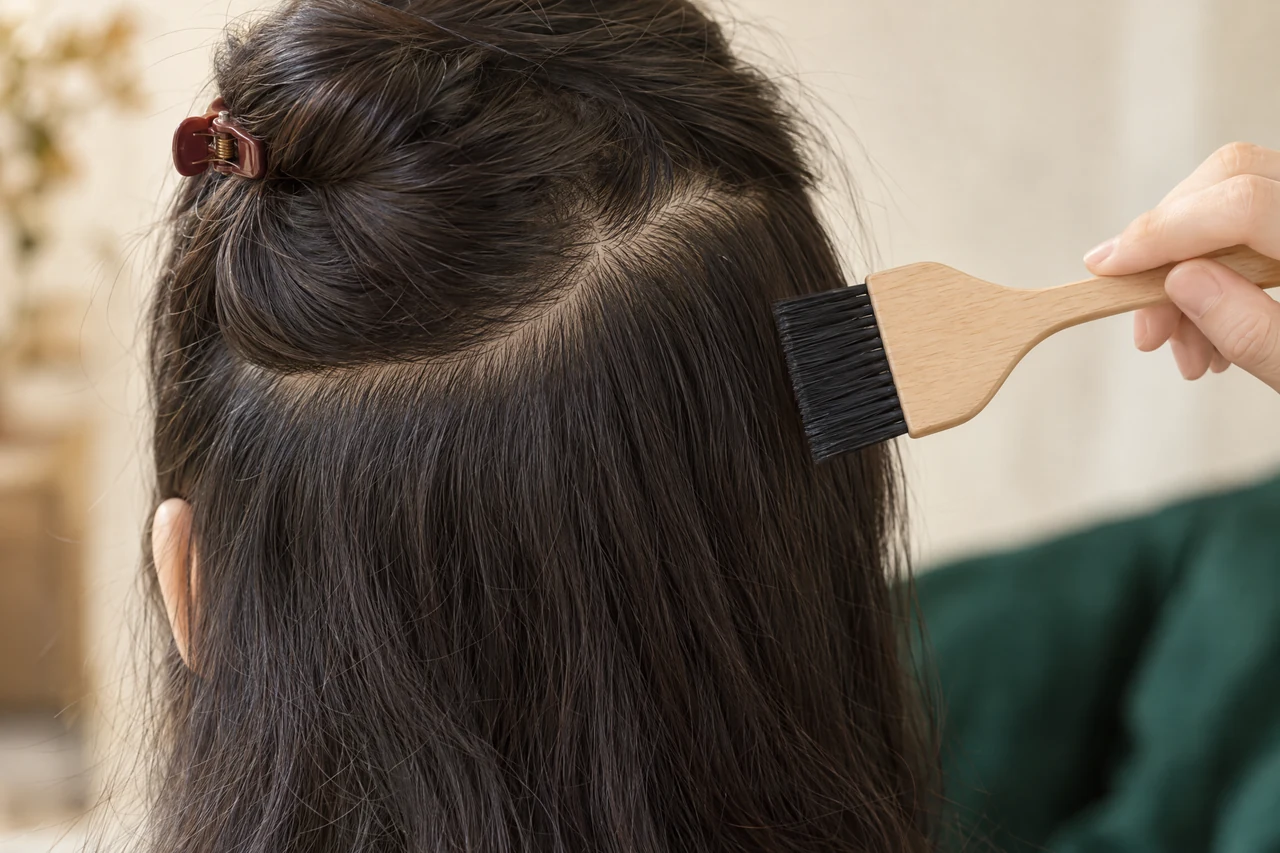
Compare an adjusted session, simpler care and not proceeding
An adjusted session makes sense only when the provider confirms that your exclusions fit the service. A simpler appointment may be a better match if your aim is ordinary washing or hair-length care without optional scalp contact. Neither option is automatically available, cheaper or suitable. Ask for a clear description and quote before choosing, including any consequences of changing a prepaid booking.
The page labelled scalp treatment kwun tong groups several scalp services together. A broad menu does not guarantee customisation or establish clinical care. Ask whether the particular visit is cosmetic, which steps belong to it, and whether your request can be met without substituting a different product or procedure. A service name alone cannot tell you who is qualified to assess a medical concern.
For a separate Sheung Wan enquiry, Vit So's scalp treatment page is a starting point for questions about cosmetic scope, not a promise of the same arrangement as DT HUB in Kwun Tong. Keep the location and provider clear. If a provider says a step is integral to its service, you can decline that service; you do not have to argue that the provider must redesign it.
Ask about each product before it reaches your scalp
Product consent is separate from massage consent. Ask for the actual product name, ingredient information and intended contact area before application. Clarify whether it is rinsed off or left on, and whether steam or heat is part of its use. A bowl or unlabelled bottle does not give you those details. If the information is unavailable, you can decline the optional application rather than rely on a reassuring description.
The scalp care hong kong guide hub introduces scalp topics but is not an ingredient list or an agreement to every product. Booking through a care page does not answer whether fragrance can be excluded, whether a serum is optional, or whether conditioner will contact the scalp. Ask those questions for the products planned that day, and request another explanation if something different is proposed during the visit.
The NHS lists fragrances and preservatives in cosmetics among substances relevant to contact dermatitis. It also notes that heat and friction can worsen existing irritant contact dermatitis symptoms. [1] This does not diagnose your scalp or mean every fragrance causes a reaction. It does make a previous reaction worth disclosing, alongside any clinician-given restrictions. A preference to avoid scent is also a valid reason to decline an optional product, even without a known allergy.
Do not accept an unconfirmed substitute
If you decline one serum, ask what happens next rather than assuming a substitute is acceptable. You may prefer no added scalp product. Likewise, a request for less scent does not confirm a fragrance-free option. If your requirement cannot be checked against the actual product information, leave that step undecided or do not proceed.

Keep camera contact and extra purchases separate
A scalp camera involves its own decisions: whether the probe may touch your scalp, which areas may be viewed, and what happens to any images. Ask whether observation is optional and how declining it affects the appointment. Consent to viewing your scalp is not automatically consent to retain or share an image. Before agreeing, ask how records are handled and whether any promotional use requires a separate choice.
When reading scalp diagnosis hong kong, note that the page itself says the service does not provide medical diagnoses and recommends dermatologist consultation for medical concerns. Keep that boundary in the discussion. A magnified image does not establish disease or oblige you to buy additional care. Ask what is directly visible, what is only an interpretation, and why any proposed cosmetic addition is relevant to your stated aim.
The American Academy of Dermatology explains that medical hair-loss assessment includes questions about the history, examination and sometimes further tests. [2] A salon image alone is not an equivalent assessment. If an image is used to pressure you into an immediate package, ask for the proposal in writing and take time to decide. You can accept a record or explanation without accepting extra products, follow-up visits or a medical-sounding conclusion.
Pause, agree the finish and put medical concerns first
Pausing optional scalp care steps should lead to a fresh decision, not an automatic restart. Say what you want stopped and ask what remains necessary to end the current process appropriately, such as removing a product already applied according to its instructions. Do not confuse declining another serum with leaving a product unfinished. Ask the provider to explain the immediate options before you agree to further contact.
Finishing also needs discussion. You may decline an optional styling product or additional brushing and ask what drying arrangement is available. Confirm that 'finish the visit' does not mean resume the massage or add a different product. Once the immediate process has ended, request a record of products used and clarify the charges. This guide does not promise a refund or a particular cancellation outcome; those terms should be confirmed separately.
Persistent scalp symptoms, sudden or patchy hair loss, or hair loss with pain, redness or inflammation call for medical assessment before cosmetic scalp care. Do not rely on stronger massage or another product to establish the cause; the AAD describes diagnosis as a medical assessment. [2] During pregnancy, breastfeeding or chemotherapy, ask your clinician about relevant product and contact restrictions before proceeding. A child also needs age-appropriate healthcare guidance, rather than assumptions based on an adult menu.
Keep a useful record without self-diagnosing
If discomfort occurs, note the product name, when it was applied, where contact occurred and what you felt. Share that information with a healthcare professional if symptoms persist or concern you. The record helps explain events; it does not tell you which ingredient caused them or replace assessment.
Choose according to confirmed boundaries, not the promise of a more complete package.
| Option | When it may fit | What to confirm | Main limit |
|---|---|---|---|
| Adjust pressure or touch areas | You want the service but not its usual contact | Excluded areas and a usable stop signal | The provider may not offer the requested version |
| Omit an optional product | You do not want that application or need ingredient information | Whether omission is possible and what follows | A substitute is not automatically acceptable |
| Choose simpler cosmetic care | Your aim is washing or hair-length care | Actual steps, finish and revised quote | A simpler name does not guarantee suitability |
| Pause or do not proceed | Consent is unclear, boundaries cannot be met or symptoms concern you | Immediate completion needs and booking terms | Medical concerns need healthcare assessment, not a package |
Your preparation checklist
- Name the areas you accept being touched and those you do not.
- Agree whether you want lighter pressure, no massage or no scalp contact.
- Confirm a spoken pause word and a visible signal before reclining.
- Check each product's identity, contact area and rinse-off or leave-on status.
- Ask whether fragrance exclusions and omitted steps can actually be accommodated.
- Separate camera viewing, image handling and optional purchase decisions.
- Confirm the finish and charges, and put concerning symptoms to a healthcare professional.
Frequently asked questions
Can I refuse a massage after it has started?
You can ask for the contact to stop and decline further optional massage. Use the agreed signal, then discuss whether you want another confirmed option or to end the visit. A pause should not be treated as permission to restart automatically, and stopping does not itself determine the final charge.
Does agreeing to a package mean agreeing to every product?
Ask what the package includes, but still state any product exclusions before application. If something new is proposed, request its details before deciding. The provider may be unable to offer the package without a particular step; you can then choose a confirmed alternative or decline, rather than accept it by default.
Can I ask for fragrance-free care without a diagnosed allergy?
Yes, you can state a fragrance preference without claiming an allergy. Ask whether it can be met with the actual products and setting. Do not assume that less scent means fragrance-free, or that a different product is suitable for you. If the requirement cannot be confirmed, decline the optional application or reconsider the visit.
What if a scalp image is used to recommend extra care?
Ask for a plain explanation and a written proposal, and leave the purchase undecided if you need time. A salon image alone does not establish a medical cause of hair loss or make a cosmetic package compulsory. Persistent symptoms or unusual loss need medical assessment, not an urgent purchase based on the screen. [2]
Start with your boundaries, not an automatic booking
Tell the intended provider which touch areas, products and finishing steps you accept, then ask for a confirmed option and quote. Keep a Vit So Sheung Wan enquiry separate from a DT HUB Kwun Tong enquiry. If the answer remains unclear, do not proceed; if symptoms concern you, arrange medical assessment first.
Start your WhatsApp enquirySources & further reading
- NHS: Causes — Contact dermatitis
Fragrance and preservatives in cosmetics can be relevant to contact reactions. NHS also states that heat and friction can worsen existing irritant contact dermatitis symptoms. These are general reasons to disclose prior reactions and pause uncomfortable contact, not grounds to diagnose the reader.
- American Academy of Dermatology: Hair loss — Diagnosis and treatment
Medical hair-loss assessment includes history, examination and sometimes further tests; a salon scalp image alone cannot establish a medical cause or justify a compulsory cosmetic package. The article cites only the assessment material, not drug, procedure or regrowth advice.



