






Vit So and DT HUB have the same owner. The DT HUB links are disclosed promotional links, not independent endorsements or medical recommendations. Vit So's Sheung Wan services and DT HUB's Kwun Tong services have separate scopes; sharing ownership does not make one location a branch of the other.
Life-stage shedding appointment questions start with what changed
Begin with what you can describe: when you first noticed more hair during washing, whether your usual parting looks different, and whether the change seems widespread or concentrated in one area. Separate the first observation from any event you think might explain it. A note such as ‘noticed more shedding after returning to work’ gives a sequence without declaring a cause. Approximate dates are useful when exact ones are unavailable. Record uncertainty rather than filling gaps with guesses.
The NHS advises seeing a GP about worrying hair loss and understanding the cause before considering a commercial hair clinic. It lists several possible contributors, rather than a single explanation for everyone. [1] If you later enquire about DT HUB's female hair loss treatment, ask what assessment is offered and how accompanying changes enter the discussion. The service label and its treatment claims do not establish why your hair is shedding or which approach is suitable for you.
Use familiar language before searching for technical labels. Vit So's explanation of fine hair vs thin hair can help you distinguish a description of strand texture from a concern about visible density. Neither description is a diagnosis. Tell the clinician whether the texture has always been fine or whether something looks newly different. That distinction is more informative than choosing a category from an image online.
Photographs support a history; they do not prove a cause
If comfortable, keep dated views of your ordinary parting in similar lighting and with similar styling. Note whether the hair was wet, freshly washed or rearranged. A wider-looking line in a different angle is not automatically evidence of progression. Bring existing photographs rather than delaying an appointment to build a complete series.

Prepare postpartum notes without setting a recovery deadline
For a concern noticed after childbirth, record the birth date, your best estimate of onset, and whether the pattern has changed since then. Add breastfeeding status and relevant health changes for the clinician to interpret. It is reasonable to say that childcare makes observation difficult or that washing happens less often than before. You do not need to turn a demanding period into a daily counting task. A brief, honest account is preferable to a detailed record built around assumptions.
DT HUB's postpartum hair loss treatment page discusses breastfeeding and promotes complementary approaches. Ask how an individual safety review would be conducted; do not treat general breastfeeding assurances on a commercial page as personal clearance. NCCIH specifically advises pregnant or nursing people to consult their healthcare provider before TCM. [2] Before starting a hair-loss product or complementary care, tell your clinician about pregnancy, breastfeeding, medicines and anything already being used. A booking conversation cannot settle those safety questions.
Avoid making an advertised recovery window your deadline for seeking help. If shedding is persistent, suddenly worse, patchy, painful or accompanied by scalp inflammation, arrange medical assessment rather than waiting for a milestone. Concern itself is a valid reason to speak to a GP. [1] Useful questions include ‘What else should we consider?’ and ‘What changes should prompt earlier contact?’ The clinician can advise on follow-up without requiring you to assume that every postpartum change has the same explanation.
Keep menopause timing separate from an explanation
Postpartum and menopause observation records serve the same practical purpose: they preserve a sequence for clinical discussion. For a concern arising around menopause, include when the hair change was first noticeable, any menstrual changes you can recall, and other symptoms you want to discuss. Describe these alongside one another without deciding that one caused the other. Hair history can start before the life-stage change, so older photographs or notes may be useful when they are readily available.
The DT HUB destination for menopausal hair loss presents a life-stage consultation category. Use it to ask about assessment scope and the evidence behind any proposed approach, not to confirm a hormone-related diagnosis. Its claims about balancing hormones or improving growth are not established by the page itself. Bring questions about sleep or other symptoms to the appropriate clinician, and keep any existing medical care coordinated rather than choosing a service from its title alone.
During the appointment, distinguish the worry about appearance from the question about health. You may want both investigated, but they need not have the same answer. Ask whether an examination, further assessment or a review appointment is appropriate, without requesting a particular test because an online checklist mentioned it. Let the clinician decide what is relevant to your history. Record the explanation, any remaining uncertainty and the agreed next step in words you understand.
Bring a full account of what you already use
List medicines, supplements, herbal products and scalp products, including anything recently introduced. Bring labels if the ingredients are unclear. NCCIH recommends telling all healthcare providers about complementary approaches so care can be coordinated. [2] The purpose is disclosure, not deciding on your own which item explains the change or which medicine should be stopped.

Choose medical assessment before a scalp-care appointment
If your main question is ‘Why is this happening?’, begin with a medical appointment. If the concern is persistent, sudden, patchy or associated with pain, redness or inflammation, do not use a salon visit as the first attempt to resolve it. A clinician can assess the history and decide what examination or further investigation is needed. The NHS explicitly recommends understanding the cause before considering a commercial hair clinic. [1] Photographs and service enquiries should not postpone that step.
A cosmetic appointment has a narrower purpose. Vit So's scalp treatment page can help frame questions about scalp-care service scope once medical concerns have been assessed. Ask what products and contact are involved, what can be omitted, and whether your clinician's restrictions can be respected. Scalp care is not evidence of treating the cause of shedding. If active discomfort or inflammation is present, obtain medical advice before arranging hands-on care rather than asking a stylist to diagnose it.
Mention the emotional effect as well as the visible change. The NHS encourages people to tell their GP if hair loss affects wellbeing. [1] Explain whether the concern is changing how you work, socialise or feel about yourself. You can ask for support even when you are not ready to buy coverage or pursue a programme. This keeps the appointment centred on your needs instead of treating a purchase as the only available response.
Ask what a free analysis includes before booking
DT HUB advertises free scalp analysis, including scalp viewing and interpretation. Before attending, confirm which parts are currently free, who performs the check, who explains it and whether a separate consultation is chargeable. Ask whether you can receive the findings and decline any subsequent programme. A free booking does not establish that you will receive a clinical assessment. Nor does a magnified image, by itself, explain the cause of a change noticed after childbirth or around menopause.
Keep practical terms separate from medical questions. Request a clear description of what happens during the visit, including any products or physical contact, and ask about privacy if you are sharing health information or photographs. If a paid option is proposed, request its scope and exclusions in writing before deciding. You can take the proposal away for discussion with your clinician. There is no need to agree to a package simply because the introductory check carries no advertised fee.
If complementary care is offered, ask what evidence supports it for the concern being assessed and what its risks and limitations are. NCCIH reports mixed findings and poor-quality studies for Chinese herbal products, and warns about contamination and adverse effects. It advises against replacing or delaying conventional care. [2] Those cautions matter more than broad claims of naturalness or safety. This article does not recommend herbs, acupuncture or a scalp-care programme as a shedding treatment.
Consider optional coverage after assessment, without calling it care
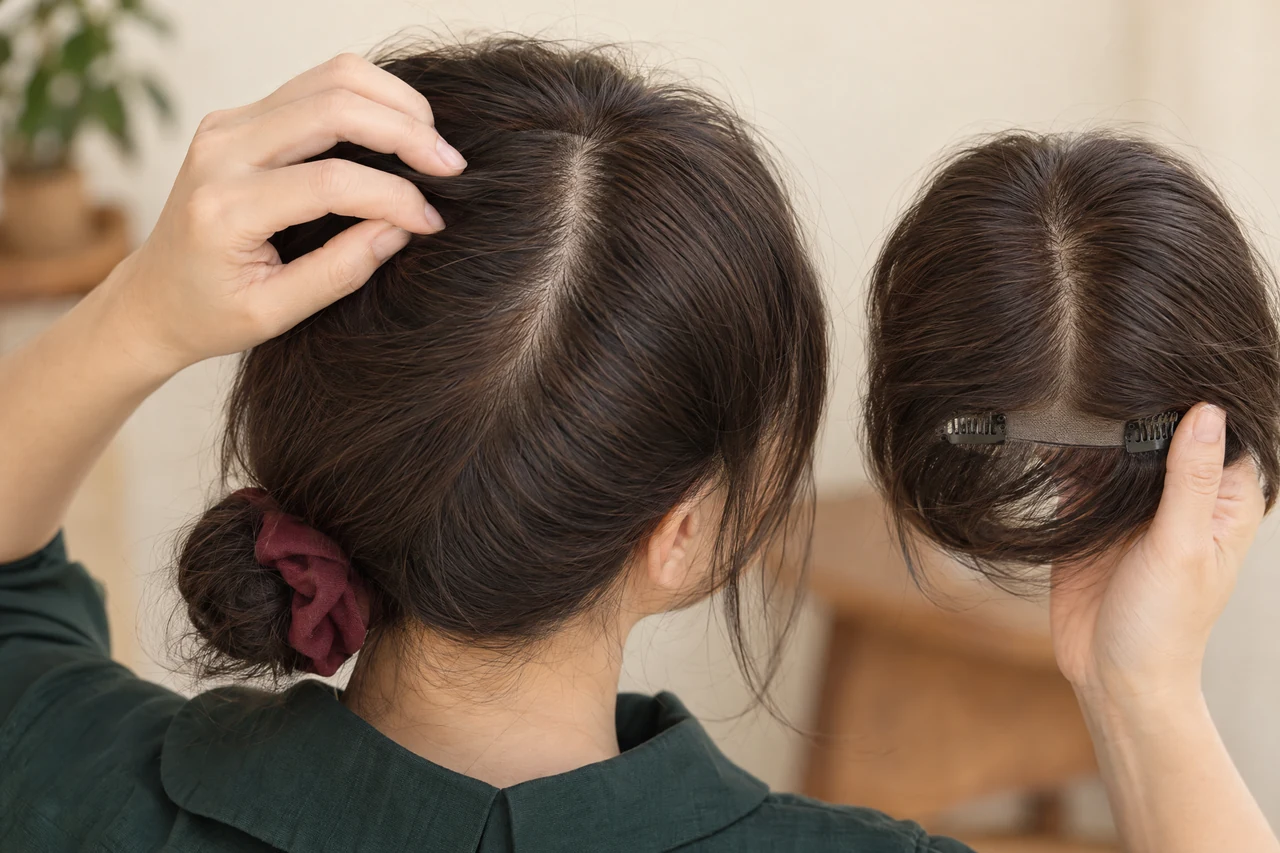
After assessment, you may want to discuss appearance separately from the medical follow-up plan. If you explore DT HUB's hair topper hong kong page, use it to ask about partial crown or parting coverage, materials and fitting terms. A topper is a cosmetic hairpiece: it does not treat shedding, determine its cause or demonstrate new growth. Choosing not to wear one is equally valid. The decision should reflect your comfort and everyday preferences, not a promised medical outcome.
Vit So's hairpiece fitting information offers a separate starting point for discussing coverage and blending. Ask which area would be covered, how the piece would be attached, how it would be removed and what maintenance would require. Bring any clinician advice about scalp contact. A fitting conversation should acknowledge restrictions and changing needs; it should not promise that every attachment is suitable. Request confirmation of trial terms, adjustments and the full quote rather than relying on a general online description.
Coverage should not conceal the need for further medical contact. Keep any agreed observation and follow-up plan, and report new symptoms to the clinician. During pregnancy or breastfeeding, obtain advice before introducing products or complementary care. If this concerns a child, involve the child's clinician; during chemotherapy, ask the oncology team about fitting, scalp contact and care products before booking. These situations need individual guidance, not a universal salon routine. Optional appearance support can wait while safety questions are resolved.
Choose the next appointment by the question it can answer—not by the name of the service.
| Next step | When it fits | Limit to recognise | Question to ask |
|---|---|---|---|
| Medical assessment | A new, worrying or symptomatic change | An explanation may require further assessment | What should we assess, and when should I contact you again? |
| Observation notes | Preparing information for the clinician | Notes and photographs cannot diagnose | Which changes would be useful to record? |
| Commercial scalp check | Clarifying a service after medical assessment | Free terms and clinical scope need confirmation | Who interprets this, and what is excluded? |
| Cosmetic scalp care | Discussing service scope after medical concerns are assessed | It does not establish or treat the cause of shedding | What contact and products are involved? |
| Optional topper fitting | Considering appearance after assessment | Coverage is not treatment | Can the fitting respect my restrictions and preferences? |
Your preparation checklist
- Write the approximate onset and describe where the change is noticeable.
- Add childbirth or menstrual timing without labelling it as the cause.
- Record pain, redness, patches or a sudden change; seek assessment rather than waiting to complete notes.
- Bring relevant photographs and note differences in lighting or styling.
- List medicines, supplements, herbal products and scalp products; disclose pregnancy or breastfeeding.
- Choose the main question for the clinician and mention any effect on wellbeing.
- Before a commercial visit, confirm scope, fees, contact restrictions and your ability to decline further services.
Frequently asked questions
Should I count every shed hair before the appointment?
No. Describe what changed from your usual experience and when you noticed it. A perfect count is not a requirement for seeking help. Ask the clinician what observations would be useful for follow-up, and do not delay assessment to build a record.
Does shedding after childbirth or around menopause identify the cause?
Timing is relevant history, not a diagnosis. Record the sequence and accompanying changes, then let the clinician assess them. Do not use a life-stage label to dismiss persistent, sudden, patchy or painful changes.
Can I rely on a general breastfeeding-safety statement?
No. Obtain individual clinician input before products or complementary care and disclose everything already being used. NCCIH specifically advises pregnant or nursing people to consult their healthcare provider before TCM. [2]
Does wearing a topper replace medical follow-up?
No. A topper changes appearance, not the need for assessment or follow-up. Discuss fitting restrictions after assessment, keep the agreed medical plan and contact the clinician if the pattern or symptoms change.
Prepare a clear account before choosing a service
Start with your timing notes and main concern, then arrange clinician assessment where needed. Once the medical questions and contact restrictions have been addressed, you can ask Vit So about optional styling or coverage scope. Request written terms, keep health and appearance decisions separate, and take time before committing.
Start your WhatsApp enquirySources & further reading
- Hair loss — NHS
Seek medical assessment for worrying changes before a commercial hair clinic; mention wellbeing impact. The page lists multiple possible causes, so life-stage timing alone should not be used to self-diagnose.
- Traditional Chinese Medicine: What You Need To Know — NCCIH
Pregnancy, breastfeeding and children require healthcare-provider input before TCM. Discuss all complementary approaches with care providers; do not replace or delay conventional care. Herbal products can have contamination and safety problems; this source does not establish hair-loss efficacy.



