







Hair Topper vs Wig: Identify the Coverage Goal
When choosing a wig, decide whether you want a complete new outline or targeted coverage at the top. When choosing a hairpiece, identify the area it needs to cover and how its edge will meet the hair you retain. Keeping your own sides and lengths visible creates blending needs that are different from wearing a complete wig.
Start with your everyday hairstyle, not a catalogue model. Point out whether you want to change the visible parting, crown, front hairline or overall outline. The American Cancer Society's wig guide distinguishes top pieces, which add coverage at the top, from full wigs, which cover the whole head. This is a useful functional distinction even when your enquiry is about styling rather than treatment-related hair loss.
A topper lets retained hair contribute to the finished look, but that also means its texture and length remain part of the design. A full wig can provide a different overall shape without matching every visible natural strand. Its front, sides and neckline still need checking, and your own hair must be arranged underneath according to the cap instructions.
Review hairpiece fitting to check its service scope and the details to share before arranging the related work.
Review full head wigs to check its service scope and the details to share before arranging the related work.
Hair Topper vs Wig Depends on How Much of Your Hair Stays Visible
Write down what you want to keep: perhaps your familiar side lengths, existing fringe or current colour. Then describe what you want covered or changed. If retaining your own sides matters most, compare partial coverage first. If you want a different silhouette throughout, examine full-wig options. This separates your preferred appearance from assumptions about which category sounds more natural.
Choose the Base by Area and Attachment Needs
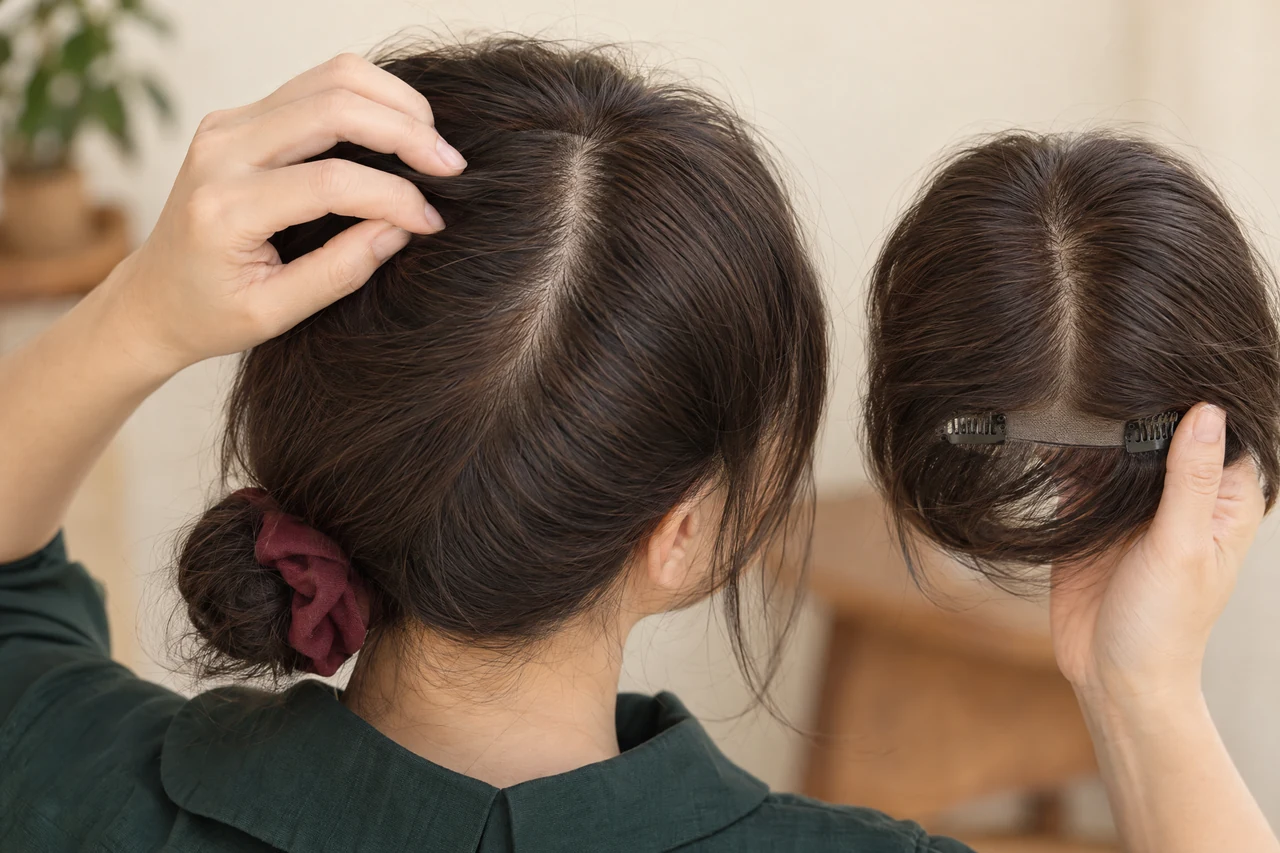
To choose a topper base size, discuss the area of coverage, the base shape and the locations needed for the intended attachment. A larger base is not automatically more suitable. Check the actual construction and the hair around the proposed edge rather than choosing from the length of the supplied hair alone; individual fitting questions still need assessment.
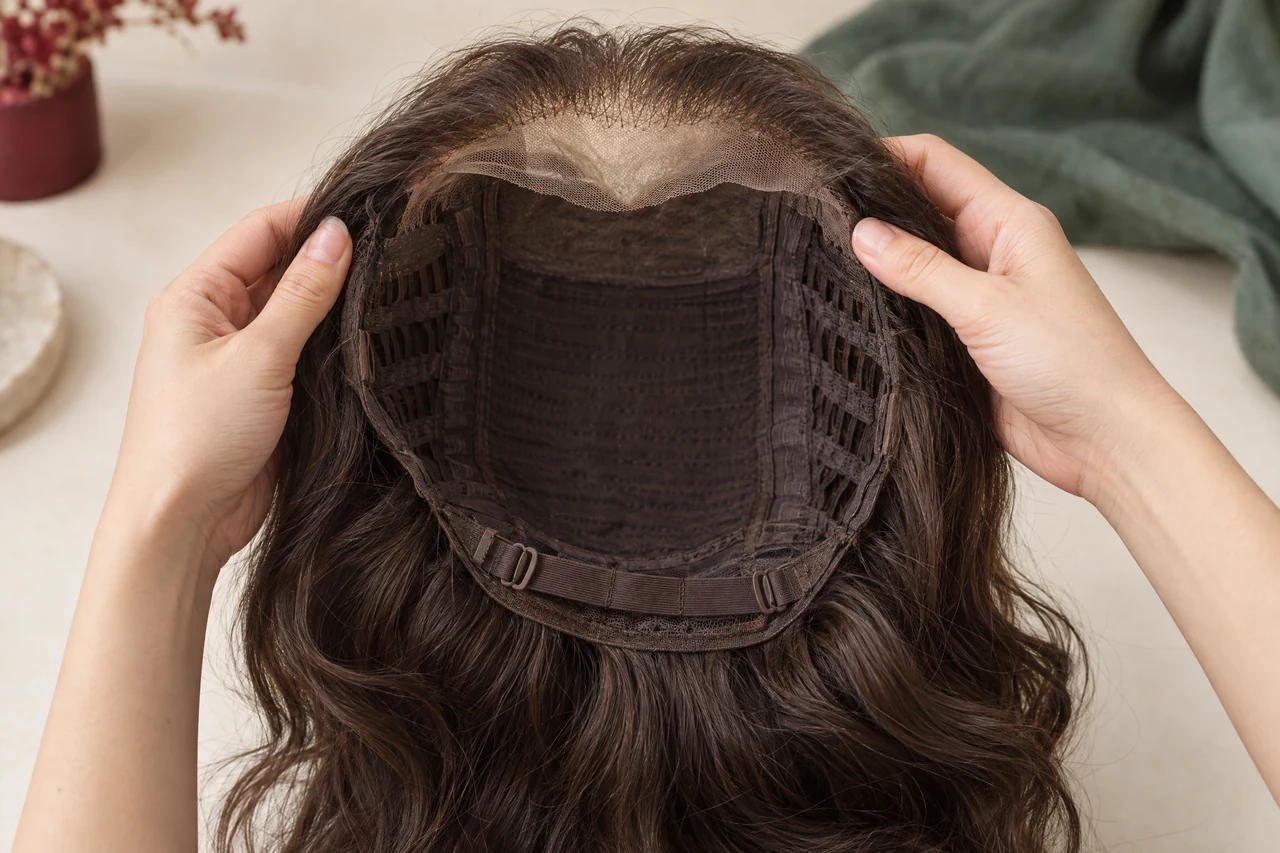
The base is the structure carrying the added hair. Its footprint is different from the length of the strands hanging from it. Ask to see the underside, front edge and proposed attachment positions. For a clip-attached piece, identify exactly which retained hair would support each clip; do not assume that an attractive top view establishes suitable support underneath. Other attachment systems need their own instructions and assessment.
The UniWigs topper catalogue lists base type, coverage, length and density as separate filters. That separation helps explain why two pieces with similar hair lengths can have different fitting requirements. It does not establish which products or attachment systems Vit So can supply or accept for fitting.
A full wig raises a different measurement question: how the whole cap sits around the head. The American Cancer Society's guide distinguishes circumference, front-to-back and side-to-side measurements, and advises checking the particular brand's size chart. A topper's coverage measurement cannot be substituted for those cap measurements.
A Topper Base Size Is More Than a Hair-length Choice
When discussing how to choose a hair topper base size, mark the desired covered area and the proposed edge separately. Ask whether the base lies flat, where its front should sit and whether the attachment positions are appropriate for your retained hair. If the piece only works when pulled tight or shifted away from the intended coverage area, revisit the fit rather than buying a longer version of the same design.
Check How a Topper Blends with Your Own Hair
To blend a hair topper with your own hair, compare the visible lengths for colour, texture and density, then look at the parting and edge from the side and back. The front view alone may miss a transition. Any shaping must suit the actual fibre and base; a natural blend cannot be guaranteed by matching one shade number.
Compare the piece beside the hair that will actually remain visible. Your roots may be darker than older coloured ends, so matching only the crown can leave a contrast through the side lengths. Look near a window as well as under indoor lighting, keeping both hair types together in the same view.
Texture needs the same attention. A smooth topper above wavy natural lengths may require more daily styling than you want. Very full added hair above light ends can create an abrupt change in thickness. Discuss whether shaping the piece could soften that transition while preserving the length you value. Do not cut your own hair shorter just to solve a mismatch before you understand the alternatives.
Once the coverage direction is clear, compare human hair vs synthetic wigs for the material-related styling questions. Fibre choice affects handling, but it does not turn a partial base into a full cap or remove the need to check the blend.
Parting, Texture and Visible Edges Work Together
A practical discussion of how to blend a hair topper with your own hair should include your usual parting and whether you tuck hair behind your ears. Check the front transition, then turn to view the sides and back. Ask which parting changes the construction allows. A style that looks convincing with hair falling forward may reveal a different edge when swept back, so try the arrangement you actually wear.

Compare Top Coverage with Extension Goals
In a topper-versus-extensions decision, ask whether the goal is top-area coverage or more length and fullness through the existing style. A partial base and attached strands do different jobs and have different support requirements. If the chosen direction cannot meet your removal habits or care limits, revisit the goal rather than treating the options as interchangeable.
The hair topper vs hair extensions comparison becomes clearer when you separate a visible parting from a thin-looking ponytail. Added lengths may change the ponytail or end line, but that is not the same as placing a base over a selected top area. Conversely, a topper that meets a crown goal may leave the ends less full than you hoped. Describe both priorities if they matter, without assuming that combining systems is necessary or suitable.
Short layers also change the comparison. Longer added strands can leave a visible step where the original hair ends, while a partial piece has its own edge and length transition. Ask to compare the loose style and any intended low tie-back before agreeing to added length.
Review hair extensions to check its service scope and the details to share before arranging the related work.
Added Length Is Different from a Covered Crown
Make your main goal specific: reducing the visibility of a parting, changing the whole hairstyle, extending the end line or adding fullness through the lengths. Put secondary wishes underneath it. This makes it easier to compare what each option can realistically address and to recognise when an appealing product photograph answers a different question from yours.

Test the Routine as Well as the Appearance
Daily removal is a practical preference, not something the word topper or wig establishes on its own. Ask how the actual piece goes on, comes off and is stored. A removable piece still requires careful handling and time to position it. An attached extension method may need professional removal rather than a quick change at home. Consider what you are willing to do after work, after exercise and before bed.
For Hong Kong commuting and humid days, describe whether you routinely tie hair up, wear glasses or use headwear. During an appropriate fitting, turn your head, look down and put your glasses back on. Check whether the cap or attachment area feels pressured and whether the intended edge shifts. These ordinary movements are more useful than judging only a still mirror pose.
Comfort should not be traded for a firmer attachment. In its guidance on preventing extension damage, the American Academy of Dermatology says pain or a headache during weave or extension installation indicates excessive tightness, and advises asking the stylist to loosen the affected area. Repeated pulling can cause traction alopecia. This supports a tension check, not a claim that any cosmetic option treats hair loss.
Discuss wig care alongside the chosen construction and fibre. The American Cancer Society warns against using heated styling tools unless the wig is heat resistant. Confirm the actual item's limits instead of assuming you can style the added hair exactly as you style your natural strands.
Make Removal and Cleaning Part of the Decision
Ask which products may contact the base or attachment, how the piece should dry and where it can rest without being crushed. If your proposed routine depends on washing or heat-styling both hair types together, have that checked before choosing. Stop a painful fitting or attachment adjustment and seek suitable advice; persistent scalp symptoms or unexplained hair loss need a healthcare assessment.

Prepare a Clear Coverage Enquiry
The preparation checklist below contains 6 decision steps. Use it to explain how to choose a hairpiece around your coverage goal rather than a product label. For an enquiry with Vit So in Sheung Wan, share current front, top, side and back photographs in natural light, along with your usual parting. Pictures help describe the question; they do not replace checking the actual item on you.
If you already own a piece, provide its product details and clear underside photographs before bringing it in. Ask whether the requested fitting or shaping work can be accepted. If you are considering a purchase, first confirm what can be supplied or worked on, what the quotation includes and whether alterations affect the seller's return terms. This prevents a coverage decision from turning into an unsuitable purchase.
Agree on the Fit Questions Before Altering Anything
Keep the final decision focused on the area covered, the hair left visible and the routine you can maintain. Confirm attachment support and the planned shaping before cutting the piece or your own hair. A useful enquiry leaves you with a clear next step, even if that step is assessing a different coverage direction rather than proceeding immediately.

Compare coverage and support before choosing a topper, full wig or extensions.
| Decision point | Hair topper | Full wig | Hair extensions |
|---|---|---|---|
| Main appearance goal | Coverage or fullness over a selected top area | A complete hairstyle and outline | Added length or fullness within an existing style |
| Role of your own visible hair | Sides and lengths contribute to the blend | Most natural hair is arranged under the cap | Natural hair supports and blends with added strands |
| Fitting question | Base footprint, edge and attachment support | Whole-cap measurements and position | Supporting hair, attachment placement and length transition |
| What to inspect | Parting and side or back transitions | Front hairline, ear area and neckline | Short layers, covered attachment points and end line |
| Removal question | Confirm the actual fastening and removal routine | Confirm cap security and removal instructions | Confirm whether home or professional removal is required |
| What the name cannot establish | Suitable base size or available products | Comfortable cap fit or unrestricted styling | Suitability for top-area coverage or hair support |
Your preparation checklist
- Identify the main target area and state whether you want coverage, a new overall outline, added length or fuller ends.
- List the natural hair you want to keep visible, including your usual parting, fringe and side lengths.
- Prepare natural-light photographs from several angles and disclose previous colour, chemical treatments or scalp discomfort.
- Request the actual base or cap specifications, underside view and attachment assessment rather than relying on supplied hair length.
- Compare colour, texture and edge transitions in your intended loose or tied-back style, including everyday movements and glasses.
- Confirm removal, cleaning, styling limits, quotation inclusions and acceptance of any client-owned piece before purchase or alteration.
Frequently asked questions
Can extensions replace a topper for every coverage goal?
No. Added strands and a partial base serve different appearance goals. Top-area coverage, available supporting hair and removal habits should be discussed before selecting a direction.
Will a larger topper base always look better?
No. The coverage area, edge, attachment arrangement and the hair you retain matter together. More coverage does not automatically establish a better fit or blend.
Can I decide from a product photograph?
A photograph can explain the style, but it cannot establish fit, attachment support or the blend with your own hair. Ask about the actual construction and item before deciding.
Clarify Your Coverage Goal Before Choosing a Piece
Contact Vit So in Sheung Wan with your current hair photographs, the area you want to change and any piece details you already have. Ask about the relevant service scope, fitting needs and quotation before purchasing or arranging work. An enquiry is not a confirmed booking; the item, requested work and appointment availability need confirmation.
Start your WhatsApp enquirySources & further reading
- UniWigs Hair Toppers
The catalogue treats base type, coverage, hair length and density as separate specifications.
- Wigs for Hair Loss
Functional differences between top pieces and full wigs, whole-cap measurements, brand-specific sizing and heat-resistant styling limits.
- How to prevent hair damage from a weave or extensions
Repeated tension can cause traction alopecia; pain or headache during installation is a reason to have excessive tightness addressed.
Map coverage and attachment support as separate questions
Brand relationship: OWNSTRAND and Vit So have the same owner. These selection resources are not an independent review; confirm styles, availability and visits with OWNSTRAND.
A comparison of hair topper vs wig is most useful after you mark the visible area you want covered and the surrounding natural hair available for attachment. An off-centre part can need an uneven footprint, while short regrowth may change where clips could sit. These are selection questions, not diagnoses. If support is unsuitable or the scalp is uncomfortable, pause and consider other cosmetic options with appropriate advice. Confirm item-specific dimensions and fitting arrangements instead of choosing by product name alone.



