







Can I get a perm again on permed hair? Locate the overlap
Mark where the earlier perm began and which sections still contain that treatment. Include any later colour, bleach or straightening over the same lengths. New roots do not make the old ends untreated again. The proposed placement should be discussed section by section rather than assuming the whole head can receive another identical process.
Start with the lengths you still have, not just your most recent appointment. An ends-only perm followed by highlights creates a different history from a perm on uncoloured hair. If the highlighted ends remain, that overlap matters even when the colour now looks darker. Describe earlier straightening or smoothing too, including services whose product names you cannot remember.
DermNet's guide to hair shaft defects identifies perming lotions, straighteners and dyes as possible sources of chemical injury. This supports taking the full processing history seriously; it does not establish that every treated section is damaged or that a photograph can determine its suitability.
Continue with can you perm bleached hair for that specific comparison and the preparation questions it raises.
Ask can I get a perm again on permed hair with a treatment map
Use front, side and back photographs to point out the approximate boundaries. Mark new growth separately from the old perm, then identify any lighter pieces within those lengths. If you do not know where the previous solution was applied, say so rather than drawing a precise line from the visible curl alone. The map is a starting point for an assessment, not permission to process each area.

Explain why you want more curl now
Describe whether the old shape has relaxed, the haircut has changed or you now prefer tighter curls. These are different reasons for the request and may lead to different options. Photographs under similar drying conditions can explain the change, but they cannot confirm that stronger chemical work is appropriate for the existing lengths.
Separate the location of the problem from its appearance. Flat new growth above waving ends is not the same request as faded curls through the entire lower length. A wider outline after a shorter haircut is different again. Point to the area you want changed and name the movement you want to keep, especially around the face and underneath.
A reference photograph should explain curl size, starting height and overall width, not merely show a hairstyle you like. Tell the stylist whether you expect an air-dried finish or are willing to style it. For a Hong Kong workday, consider how the hair looks after your commute as well as immediately after drying at home.
Continue with uneven curls after a perm for that specific comparison and the preparation questions it raises.
Distinguish fading from a different design goal
Bring an earlier photograph that represents the curl you enjoyed and a current photograph taken with a comparable routine. Explain any change in haircut, drying method or styling products between them. If you now want noticeably tighter movement, present that as a new design goal rather than assuming the original service needs repeating. It may involve different length and maintenance trade-offs.
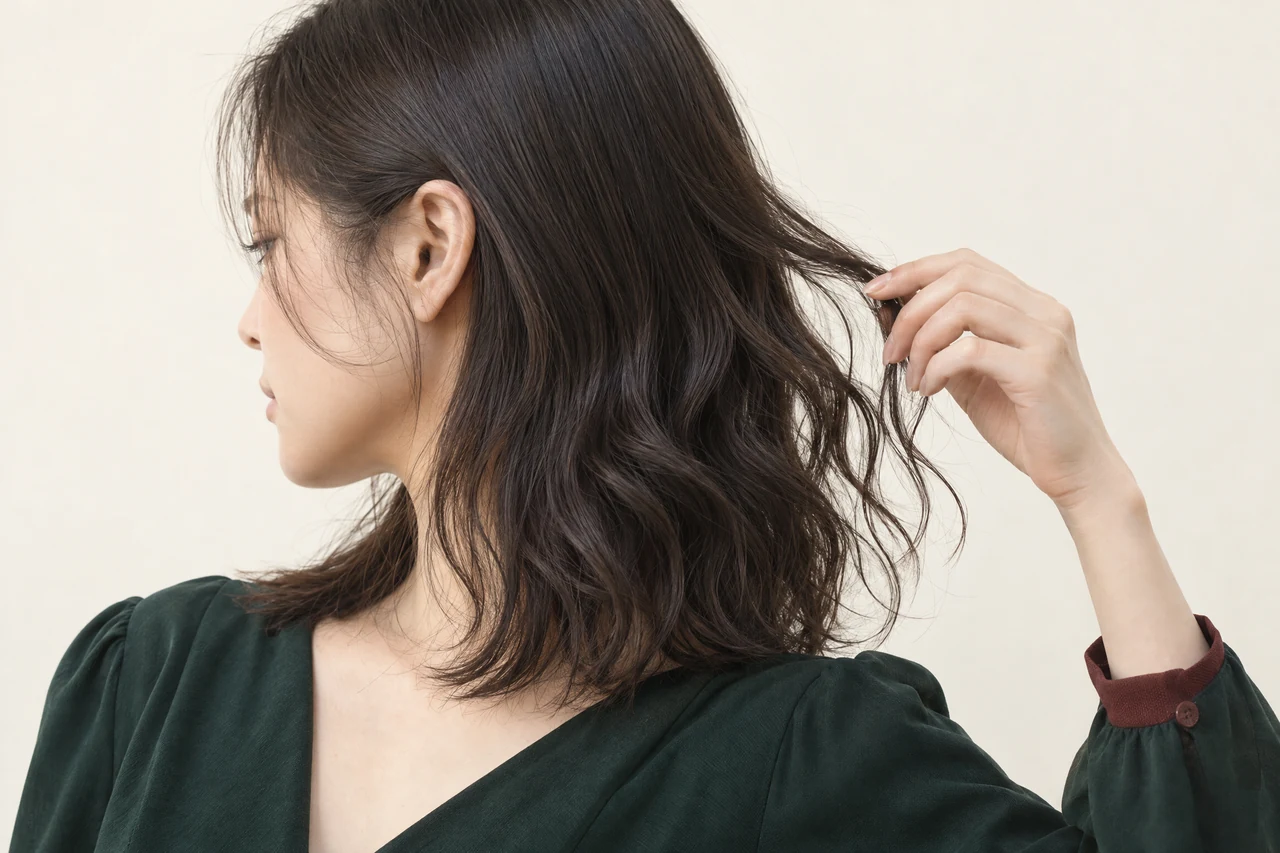
Fragile ends can limit the treatment area
Breakage, tangling or rough ends need to be disclosed before considering repeat processing. A long interval since the previous perm does not remove that hair's history. Neither a conditioning service nor a different method name guarantees readiness for another chemical change. The discussion may reasonably end with a recommendation to leave processed sections alone.
Useful observations are specific: ends that catch during gentle combing, short broken pieces you have started noticing, or a section that feels much rougher than the surrounding hair. Report when the change began. Do not pull or stretch strands to perform your own strength test; ordinary observations and a professional assessment are more useful than deliberately stressing the hair.
The American Academy of Dermatology's hair-damage guidance explains that damaged hair is fragile and tends to break. More curl should not come at the expense of the length you want to preserve. If there is persistent scalp irritation, unexpected thinning or significant hair loss, seek medical advice rather than treating another perm as the solution.
Time elapsed does not reset hair condition
A calendar can help reconstruct appointments, but it cannot show what those remaining lengths can tolerate. Likewise, a smoother feel after conditioning does not prove readiness for another perm. Ask what the stylist sees in the intended overlap and what would make them recommend leaving it untreated. A smaller treatment area still needs its own assessment.
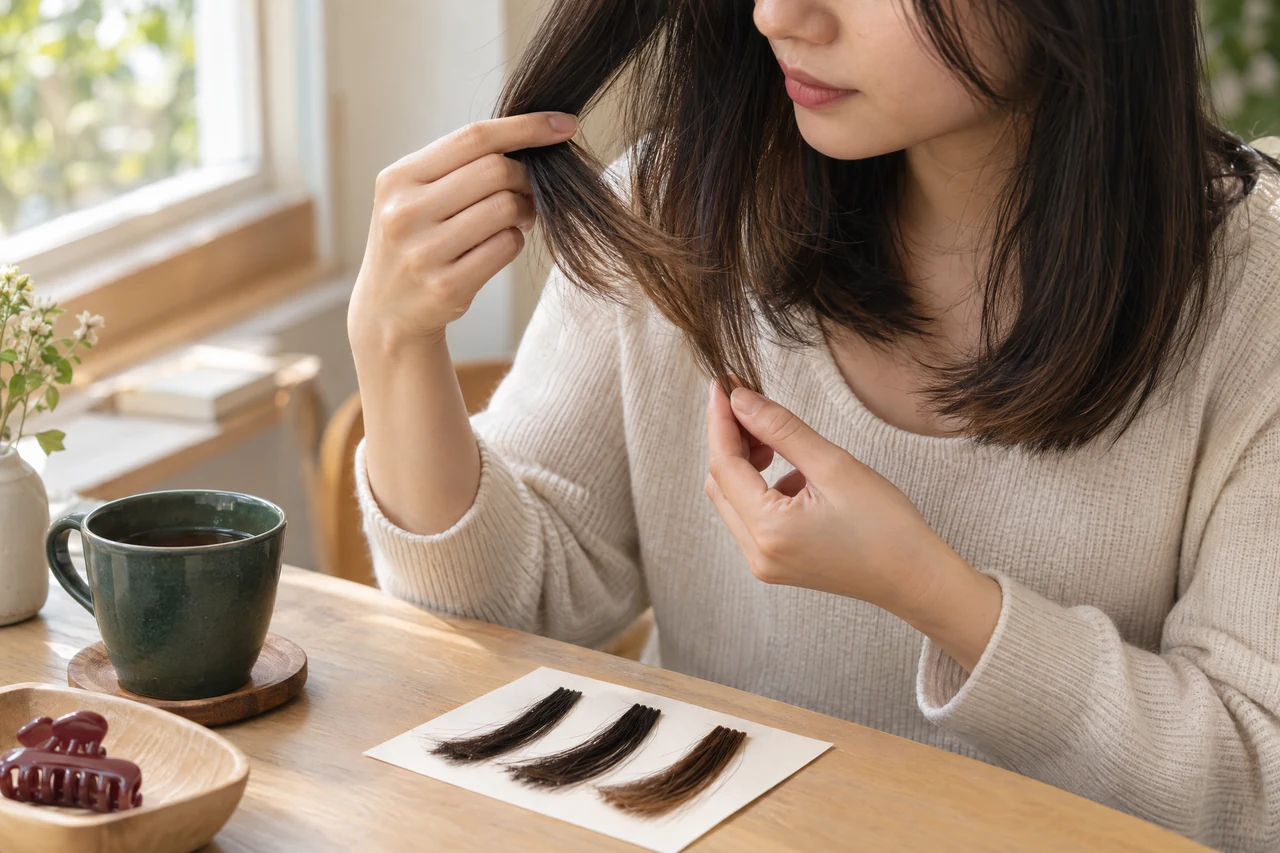
Compare a cut, temporary styling and postponement
A revised cut may change how the remaining curl sits, while temporary styling can help explore a different finish. Neither option is identical to a fresh perm, but both deserve consideration when old lengths are unsuitable for more processing. Confirm the practical routine and trade-offs of each direction instead of treating re-perming as the default next step.
For a cut, agree on the dry length you need to keep and how much of the previously treated ends you are willing to remove. A tidier outline may address the concern without adding curl. However, cutting away the curliest part can also leave less movement. Ask to discuss that consequence before deciding on a shorter shape.
Review women's haircut to check its service scope and the details to share before arranging the related work.
For an occasion or a change you want to try first, discuss hair styling as a temporary way to explore curl placement without scheduling another perm. Temporary does not mean stress-free: heat and tension still need to suit your lengths. A styled finish also does not predict how the same outline would behave after chemical processing.
Postponement works best with a plan. Agree on the shape to maintain meanwhile, the processed length you hope to grow out and what information to bring when you next enquire. The plan need not end with another perm; keeping the remaining movement or changing the cut may become the preferred direction.
More chemical work is not the only way to change the outline
Decide which priority comes first: keeping length, getting a different curl pattern or reducing daily styling effort. These goals may not all be achievable together on the current hair. If preserving length matters most, a modest cut and leaving old sections alone may be more acceptable than pursuing tighter curls. Use the comparison below to frame the discussion, not to choose a treatment without assessment.

Keep the remaining curls manageable while you decide
While deciding, avoid turning every loose curl into a reason for repeated hot-tool styling. The American Academy of Dermatology recommends conditioner after each shampoo, gentle wide-tooth combing and the lowest heat setting when heat tools are used. These habits aim to reduce further damage; they do not restore untreated status or certify that another perm is suitable.
Use perm aftercare to review everyday handling and the details worth recording before a follow-up. If your usual routine leaves the ends tangled or the outline difficult to manage, describe the actual steps rather than asking only for a stronger perm. A routine you can realistically maintain is part of the design decision.
Make the temporary routine fit your day
Explain whether you normally air dry, use a diffuser or tie the hair back for work. Show how the curls sit when worn that way. Ask which parts of the existing shape can be supported with gentle handling and which need a cut. Avoid adding several unfamiliar products at once just to make the hair look ready for an assessment.

Prepare an enquiry that allows for more than one outcome
Before contacting Vit So in Sheung Wan, use the six-point checklist below to gather your history and preferences. It helps explain both the desired curl and the lengths that need caution. Approximate dates are useful when clearly labelled; uncertainty is better than leaving an earlier treatment out. Include home colouring and previous services performed elsewhere.
The listed full-head perm price is HK$1,600, while women's wash, cut and blow dry is HK$480. These are different service scopes, not competing promises of the same result. A listed price does not establish suitability for old permed ends. Confirm the proposed work, inclusions and applicable charges before agreeing to proceed, especially if the plan changes from repeat processing to a cut or styling.
Agree on the fallback before choosing the service
State the shortest length you would accept and whether you would prefer temporary styling or no service change if the old ends should be left alone. Ask whether an in-person assessment is needed before a treatment decision. This keeps the enquiry useful even when the final recommendation differs from the appointment you initially had in mind.

Options when you want more curl but the remaining lengths have an old perm
| Option to discuss | What it may address | Main trade-off | Question to settle first |
|---|---|---|---|
| Another perm involving old lengths | A request for a different or renewed curl pattern | Adds chemical overlap; may be unsuitable | Which existing sections, if any, are appropriate for further processing? |
| Assessing new growth separately | A mismatch between the roots and existing movement | Does not automatically solve faded ends or the transition | Can the desired outline be discussed without reprocessing the old lengths? |
| A revised cut | Untidy outline, end placement or unwanted processed length | Loses length and may remove some remaining curl | How will the dry shape look after the agreed amount is removed? |
| Temporary styling | Trying a different curl placement or an occasion finish | Needs restyling and may involve heat or tension | Is the method appropriate for the current ends? |
| Postponement with a maintenance plan | Avoiding further processing while keeping options open | The current pattern remains and needs managing | What cut and gentle routine make the in-between stage workable? |
Your preparation checklist
- List the previous perm and any earlier straightening or smoothing, with approximate dates and product or service names if known.
- Identify new growth, the old perm area and any coloured or bleached pieces that remain within the intended curl zone.
- Bring current front, side and back photographs, plus an earlier photograph showing the curl you want to regain or change.
- Describe roughness, recurring tangles or breakage and when you noticed them; disclose scalp irritation before discussing chemical work.
- Set your minimum acceptable dry length and explain whether you are willing to try a cut, temporary styling or postponement.
- Describe your daily drying routine and confirm the assessment, service scope and quote before treating an enquiry as a booking.
Frequently asked questions
Is there a fixed number of weeks before another perm is safe?
No universal interval establishes suitability. The condition and treatment history of the sections that would overlap matter, even if substantial time has passed.
Can I re-perm only the faded ends?
That request still involves previously processed hair. Show the desired area and ask whether any additional processing is appropriate; a smaller area does not make the risk disappear.
Does a protective treatment guarantee I can re-perm?
No. Protection or conditioning does not erase previous chemical work or establish that damaged ends can tolerate another process. Discuss alternatives if suitability is uncertain.
What if I cannot remember which perm method was used?
Share the date, salon or home product details you do remember, and show which lengths were present at that time. Do not guess the method from today's curl pattern. The uncertainty should be included in the assessment, particularly if colour or bleach was applied later.
Can new roots be considered without repeating the perm on my ends?
Ask for the roots and processed lengths to be assessed separately. Explain the shape you want at their transition. New growth does not establish that a particular partial service is possible, and leaving the ends alone may still limit the overall design.
Will tighter curls necessarily mean less work at home?
Not necessarily. Discuss the dry shape and the routine needed to keep it presentable, including how you wear it for work. A tighter reference pattern is a design preference, not proof that it will be easier to maintain on your existing cut and treated lengths.
Plan the next curl change around the hair you want to keep
Send Vit So your current hair photographs, previous treatment history and desired curl direction before arranging a visit in Sheung Wan. Include your length boundaries and willingness to consider a cut or temporary finish. An enquiry starts the discussion; it is not a confirmed booking or approval for another perm.
Start your WhatsApp enquirySources & further reading
- How to stop damaging your hair
Damaged hair fragility, conditioner use, gentle combing and reducing heat-related damage while deciding on further processing.
- Defects of the hair shaft
Perming lotions, straighteners and dyes can cause chemical injury to hair shafts; treatment history matters when considering overlap.



