







Digital perm vs cold perm: where heat enters the process
A hot perm refers broadly to a heat-assisted process; digital systems are one way that heat may be controlled. A cold process still uses chemicals and is not automatically gentler. Ask which equipment, processing steps and suitability checks the proposed treatment uses. Neither label promises a particular curl size or a damage-free result.
The practical equipment distinction is illustrated in Cherishair's comparison of digital and regular perms: it describes machine-controlled heated rods for digital perming and room-temperature rods for a regular perm. This explains the names, but it is not a recommendation for your hair. The proposed treatment still needs an explanation of the chemical preparation, where the rods will sit and how the process will be checked.
Separate processing heat from finishing heat. A cold perm can still be blow-dried afterwards, so seeing a hairdryer in a finished-look video does not identify the perming method. Equally, a digitally controlled machine is not evidence that every hair section receives an appropriate treatment. Ask the stylist to describe the actual procedure in plain language rather than choosing whichever menu name sounds newer.
Review hair perm to check its service scope and the details to share before arranging the related work.
Read digital perm vs cold perm beyond the menu label
A useful explanation connects the equipment to your goal: which lengths will be reshaped, what curve is intended and what limitations your existing hair introduces. You do not need to choose a chemical formula or machine setting yourself. You do need to understand why the proposed approach suits the areas you want to change.
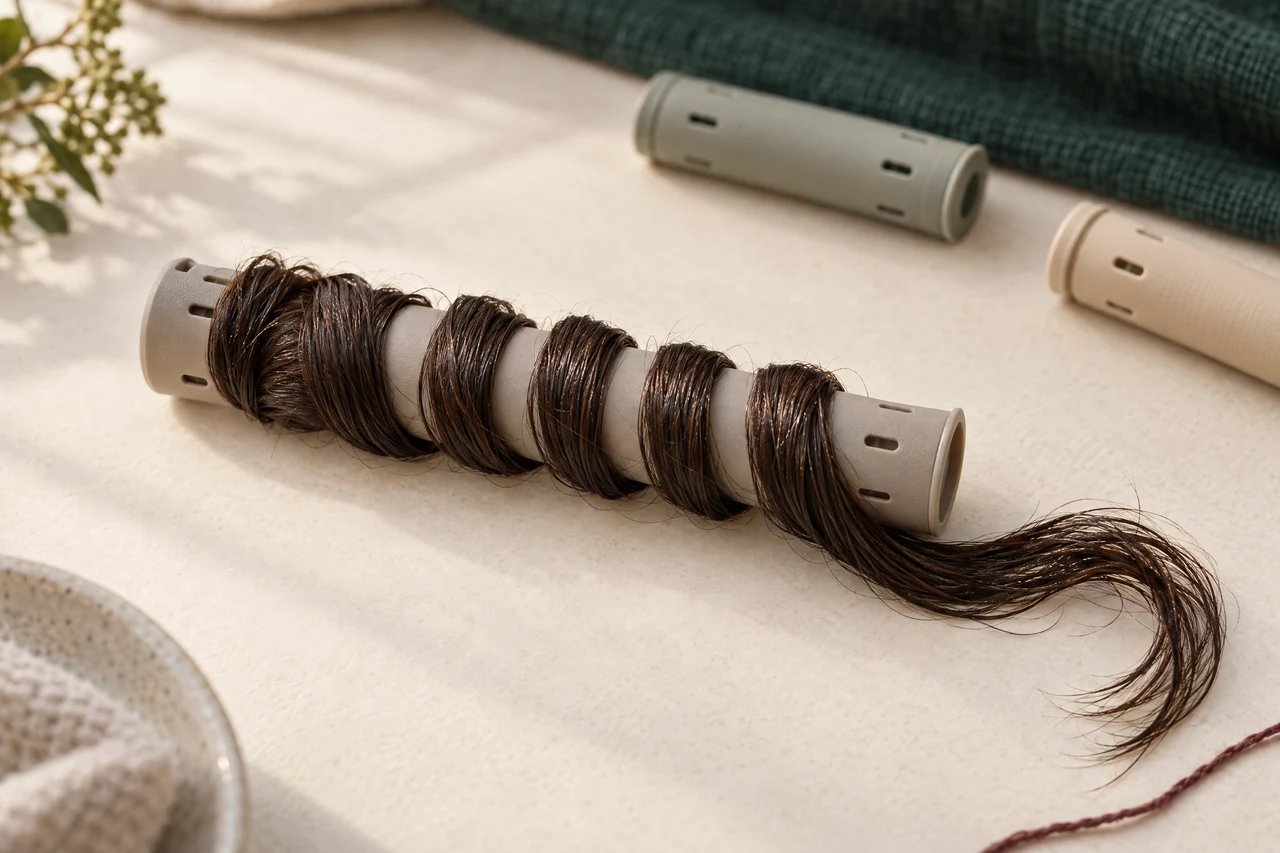
Compare the curl when wet and after drying
Heat-assisted and non-heated methods can differ in how curls present when wet or dry, but your hair and the actual procedure matter. Ask to discuss the desired dry finish, not just a freshly styled image. Explain whether you air-dry, use a diffuser or normally brush your hair straight, since these habits change the practical comparison.
A photograph of a smooth, separated wave does not show how much styling created that finish. Ask whether the hair was simply dried, twisted by hand, shaped with a brush or finished with a curling tool. These are different levels of everyday effort. If you want a loose curve after uncomplicated drying, a picture that depends on detailed hot-tool finishing may be a poor reference, whatever perm name appears beneath it.
Describe what your normal wash day looks like. For a Hong Kong commute, you may prefer to dry your hair before leaving home rather than keep a wet-looking finish. If you wash after exercise, consider whether you are willing to repeat the recommended curl-shaping steps. For the routine itself, perm aftercare helps you separate first-wash questions from ongoing drying and handling.
Ask how the intended finish is styled
Ask for a simple explanation of the wet-to-dry sequence and where hands, products or a diffuser are needed. State whether you like defined curl groups or a softer, more brushed-out appearance. A perm that supports a look you enjoy styling is a more useful goal than a curl that looks impressive only immediately after a salon finish.

Setting and ceramic labels need an explanation
A digital setting perm may appear under the shorter name setting perm. A ceramic perm label may refer to heat-related equipment, but it does not tell you the complete procedure or suitability criteria. Ask what each label means at the salon you are considering; similar names across different menus need not describe identical treatments.
When comparing quotations, request a description of the work rather than assuming matching names mean matching services. Does setting refer to the heated-rod system, the finished wave or a particular package? Does ceramic identify equipment, or is it simply the salon's preferred label? Understanding the wording lets you compare the proposed treatment without treating every menu term as a separate category of perm.
Rod arrangement also deserves attention. Ask where the curl is expected to begin and which sections are intended to remain straighter. For an ends-focused curve, the boundary between the straighter upper length and curled ends matters more to your visible result than the equipment label alone. A reference image should make that boundary clear.
Equipment names are not complete treatment descriptions
A complete explanation includes the treated area, suitability assessment and expected home finish. It should also distinguish the reshaping process from any conditioning or final styling included in the appointment. If a label remains unclear, ask for clarification before using it to compare price or expected results.
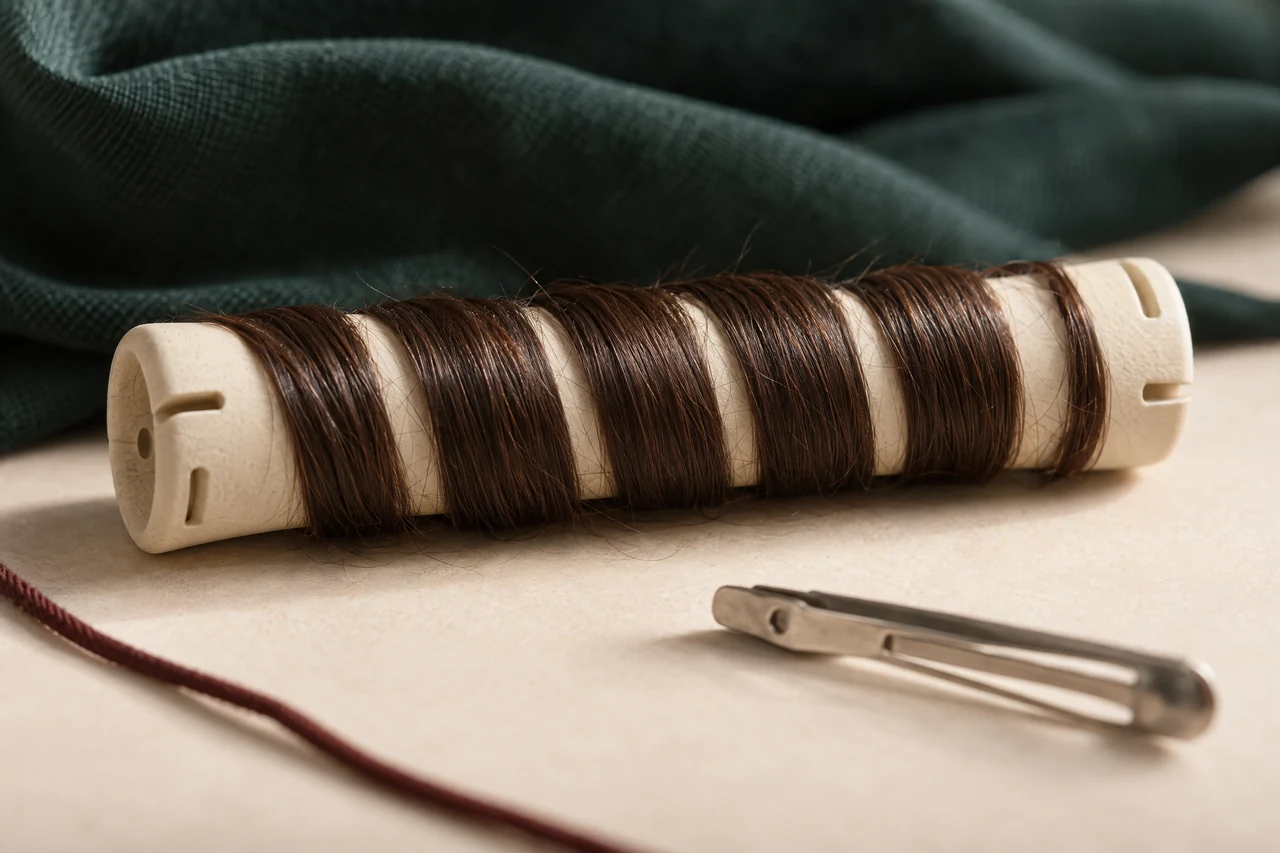
Separate a style label from a processing method
A Korean perm often describes a style direction rather than one exclusive chemical process. A texturized perm label can also describe the intended movement instead of a universal recipe. When comparing types of perms for women, separate the equipment and processing method from curl shape, treated area and daily styling requirements. Those are different decisions.
For example, liking a Korean-inspired reference does not tell the stylist whether you want face-framing bends, broad waves through the lengths or fuller movement nearer the crown. Point out the specific feature you want to keep. Then identify what you dislike, such as too much width at the cheeks or a strongly curled end line. This makes a style reference usable without assuming that its caption names the required procedure.
Continue with body wave perm vs spiral perm for that specific comparison and the preparation questions it raises.
Korean and texturized descriptions can overlap with methods
The question Korean perm vs digital perm may compare an appearance with a processing system rather than competing treatments. Ask whether the proposed method is being chosen for the desired movement or simply because its name matches your reference. For a texturized finish, explain whether you want visible curl loops or just enough bend to make the hair sit differently.
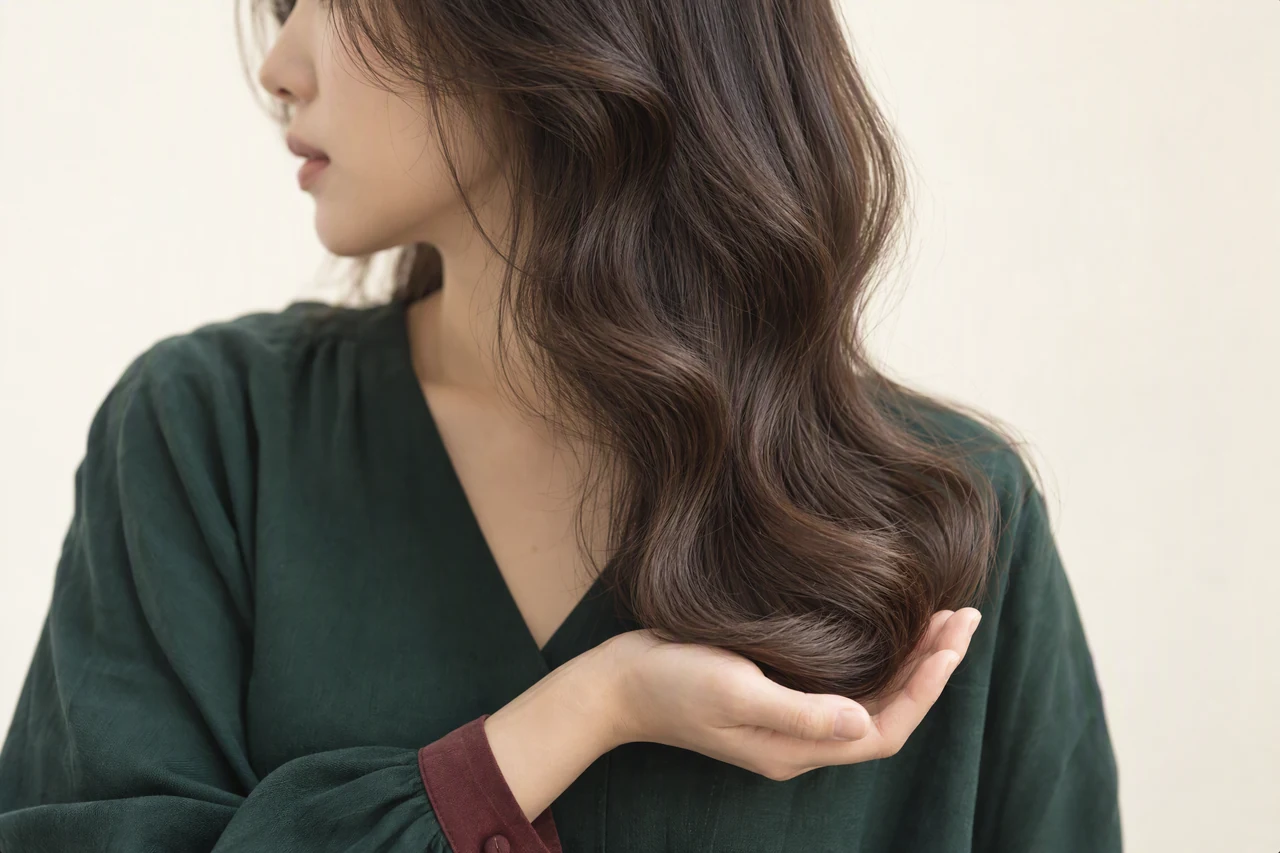
Hair history matters more than a fixed winner
Bleach, previous straightening and repeated chemical work can affect which options remain worth discussing. A method comparison should include the condition of individual sections, not just whether the hair is fine or thick. Confirm actual availability separately: Vit So's listed Technical Perm name does not prove that digital, hot or cold procedures are offered.
Prepare a history by area: untreated roots, coloured mid-lengths and previously lightened or straightened ends may all be present on the same head. Include home treatments and older work that remains in the length. If the exact product or date is unknown, say so. A description of thick hair is not a substitute for knowing which sections have already undergone chemical reshaping.
The American Academy of Dermatology's colouring and perming guidance warns that appearance-enhancing treatments can leave hair dry and brittle. It also advises immediate rinsing and dermatologist consultation for excessive stinging or burning during perm processing. Tell the stylist promptly about discomfort; do not treat it as proof that the solution is working. This general safety advice does not rank digital and cold methods.
Continue with can you perm bleached hair for that specific comparison and the preparation questions it raises.
Ask what would rule out the proposed method
Ask which findings would change the plan, including whether fragile ends should be excluded or whether reshaping should be postponed. A suitability assessment should allow a different recommendation, not just confirm the treatment you requested. The hot perm vs cold perm question becomes meaningful only after the condition and history of the intended treatment area have been considered.
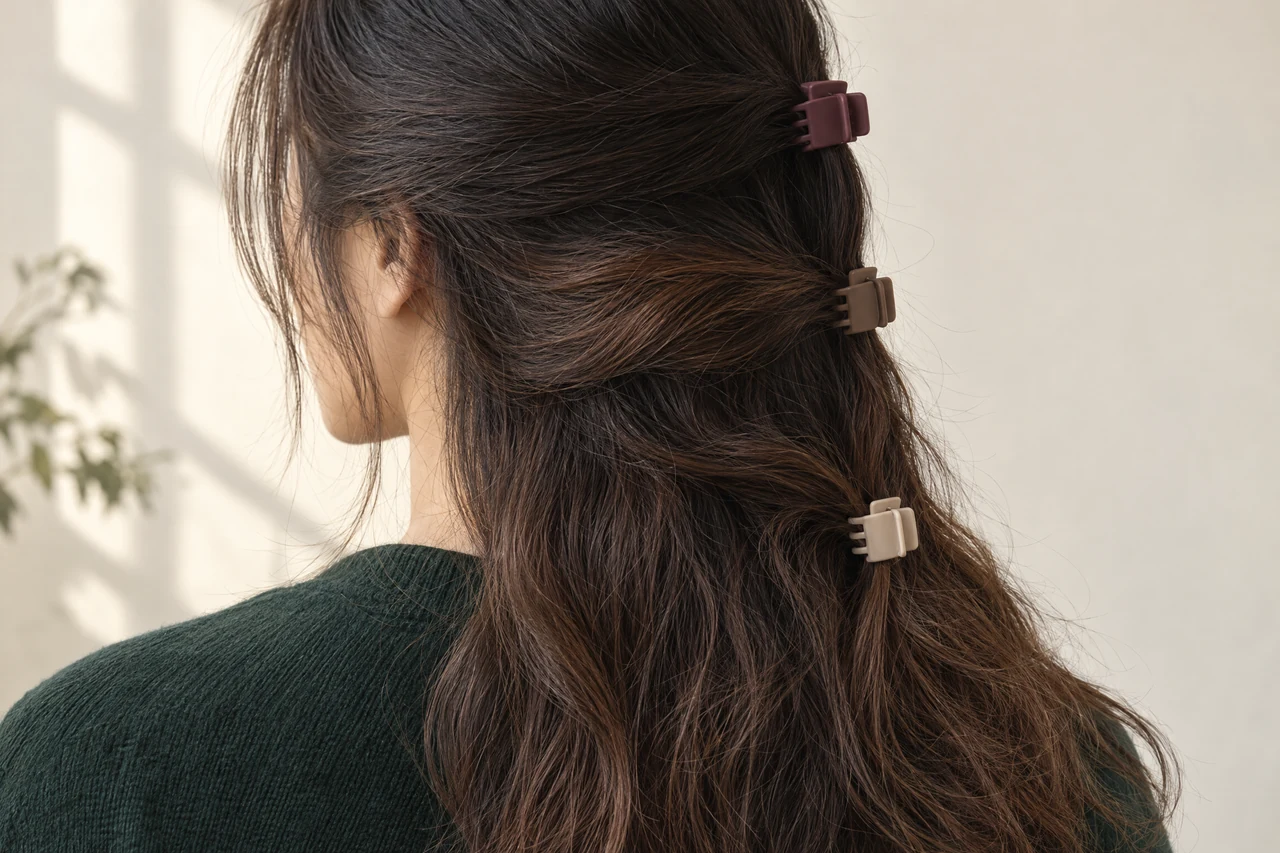
Turn the comparison into a clear consultation
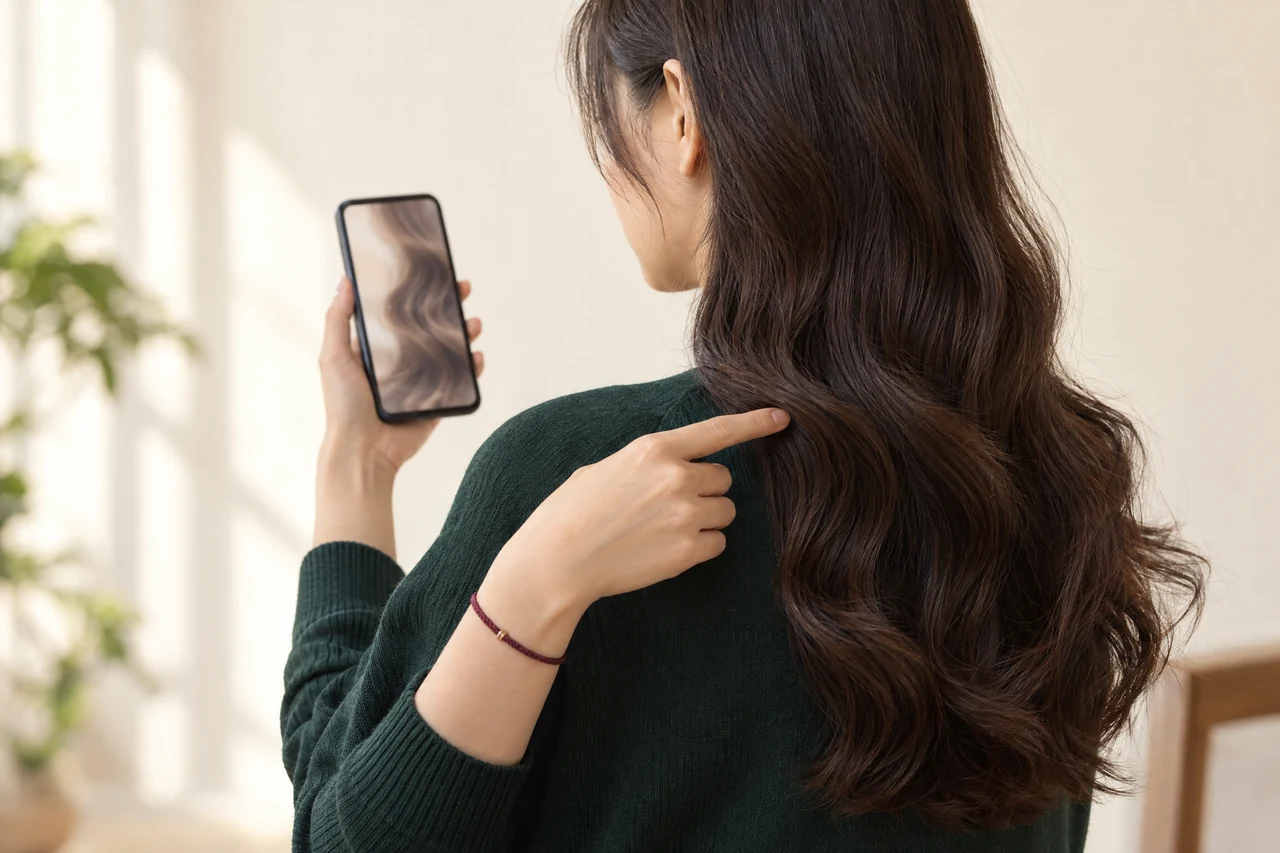
Bring current hair photographs alongside your preferred reference. Show your dry hair from the back and side so that length, existing movement and the end line are visible. Describe the finish you want on an ordinary workday, not just for a photograph. Ask the stylist to connect that finish to the proposed method and demonstrate the home styling steps you would need.
Care requirements also belong in the comparison. The American Academy of Dermatology's damage-prevention advice recommends conditioning after shampooing, absorbing water with a towel rather than rubbing, and using the lowest heat setting on styling tools. Gentle handling supports either approach; adding stronger heat or pulling through tangles is not a substitute for understanding the new curl pattern.
Vit So's listed Technical Perm price is HK$1,400. That is the price of the named service, not a confirmed digital-perm or cold-perm quotation. Ask which procedure, treated area and inclusions would apply to your enquiry. If you are ready to book a hair appointment, send your hair history and desired dry finish first so that availability and the appointment scope can be discussed.
Agree on the method, finish and practical commitment
Before confirming, check that you understand the proposed processing method, the curl placement and the everyday routine. Ask for treatment-specific first-wash instructions rather than borrowing a waiting period from another salon's guide. Leave room for a revised plan if the hair assessment does not support the look you originally requested.
Compare the proposed procedure, not a universal winner
| Decision point | Digital or heat-assisted perm | Cold perm |
|---|---|---|
| Processing equipment | Chemical reshaping with controlled heated equipment; confirm the actual system. | Chemical reshaping on rods without externally heated rods; confirm the actual procedure. |
| Wet and dry appearance | Discuss the dry wave and the finishing steps used to create it. | Discuss how the wet curl changes during the drying routine you intend to use. |
| Curl placement | Confirm where the heated-rod arrangement is intended to create movement. | Confirm where the rod arrangement is intended to create movement. |
| Existing chemical history | Heat-assisted does not establish suitability for bleached or straightened sections. | Cold does not establish suitability for bleached or straightened sections. |
| Home styling | Ask whether the finish needs hand-shaping, products or additional tools. | Ask whether the finish needs curl support during drying and how to provide it. |
| Booking decision | Confirm the method is available and appropriate before agreeing to it. | Confirm the method is available and appropriate before agreeing to it. |
Your preparation checklist
- Describe the dry finish you want, including curl size, starting point and the areas you want to remain straighter.
- Bring a current back and side photograph plus a reference whose appealing features you can identify.
- Record previous bleach, colour, perm and straightening work by hair section, including home treatments.
- Explain your normal drying routine and whether you are willing to shape curls after each wash.
- Ask what the proposed method name means, how suitability will be assessed and what could change the plan.
- Confirm actual availability, included work, treatment-specific aftercare and the applicable quotation before agreeing to an appointment.
Frequently asked questions
What is a digital perm?
It generally describes chemical reshaping combined with heat from controlled equipment. The precise products, settings and treatment sequence vary, so the name is not a full description of a service.
What is a cold perm?
It usually reshapes hair chemically on rods without externally heated rods. Cold does not mean chemical-free, risk-free or suitable for every previously treated section.
Does Korean perm vs digital perm compare two exclusive options?
Not necessarily. Korean can describe the visual style, while digital describes a processing system. Ask for the intended curl shape and the actual method instead of assuming that the labels are opposites.
Is hot perm vs cold perm a reliable way to choose the least damaging option?
No fixed winner follows from those names. Hair condition, previous treatment and the proposed procedure need to be considered together before discussing a suitable option.
Discuss a curl method that fits your everyday finish
Enquire with Vit So in Sheung Wan using current hair photographs, your treatment history and the dry look you want. Explain how you normally style your hair so that the proposed approach, actual availability and service scope can be clarified. An enquiry is the start of that discussion, not a confirmed appointment for a particular method.
Start your WhatsApp enquirySources & further reading
- Comparing Digital and Regular Perms
Salon explanation of machine-controlled heated rods versus chemical processing with room-temperature rods; cited only for the equipment distinction.
- Coloring and perming tips for healthier-looking hair
General risk of dry, brittle hair after cosmetic treatments and guidance on excessive scalp stinging or burning during perm processing.
- How to stop damaging your hair
General conditioner, towel-handling and low-heat styling advice relevant to planning the daily routine after either method.



