







Hair colour correction starts with a map of the colour history
Professional hair colour correction assessment needs the dates and types of earlier colouring, including home dye and bleach. Roots, mid-lengths and ends may have different histories even when they look similar. Record where the unwanted colour begins and whether the concern is brightness, warmth or unevenness; this helps avoid treating the whole head as one uniform problem.
Start with the most recent change, then work backwards through treatments that may still affect the lengths you are keeping. Include permanent dye, highlights, all-over lightening and colour-depositing products. Add any perm or straightening history alongside the colour notes. A faded shade does not tell the whole processing story. If you do not know a product or date, write that uncertainty rather than guessing.
Condition deserves its own description. Explain whether particular ends catch during combing, feel rough or have been breaking. The American Academy of Dermatology's colouring and perming advice notes that appearance-enhancing treatments can leave hair dry and brittle. Your colour goal and the condition of the areas involved therefore belong in the same discussion.
Preparing a hair colour correction history by hair segment
Describe the roots separately from the previously coloured lengths, then identify the oldest processed ends. Use recognisable positions such as the ear line or shoulders to locate a band. Note whether the same product was applied only to new growth or pulled through older colour. Bring packaging photographs or previous appointment notes if available; they are more useful than trying to identify a chemical method from the finished shade.
Tone adjustment and changing depth are different requests
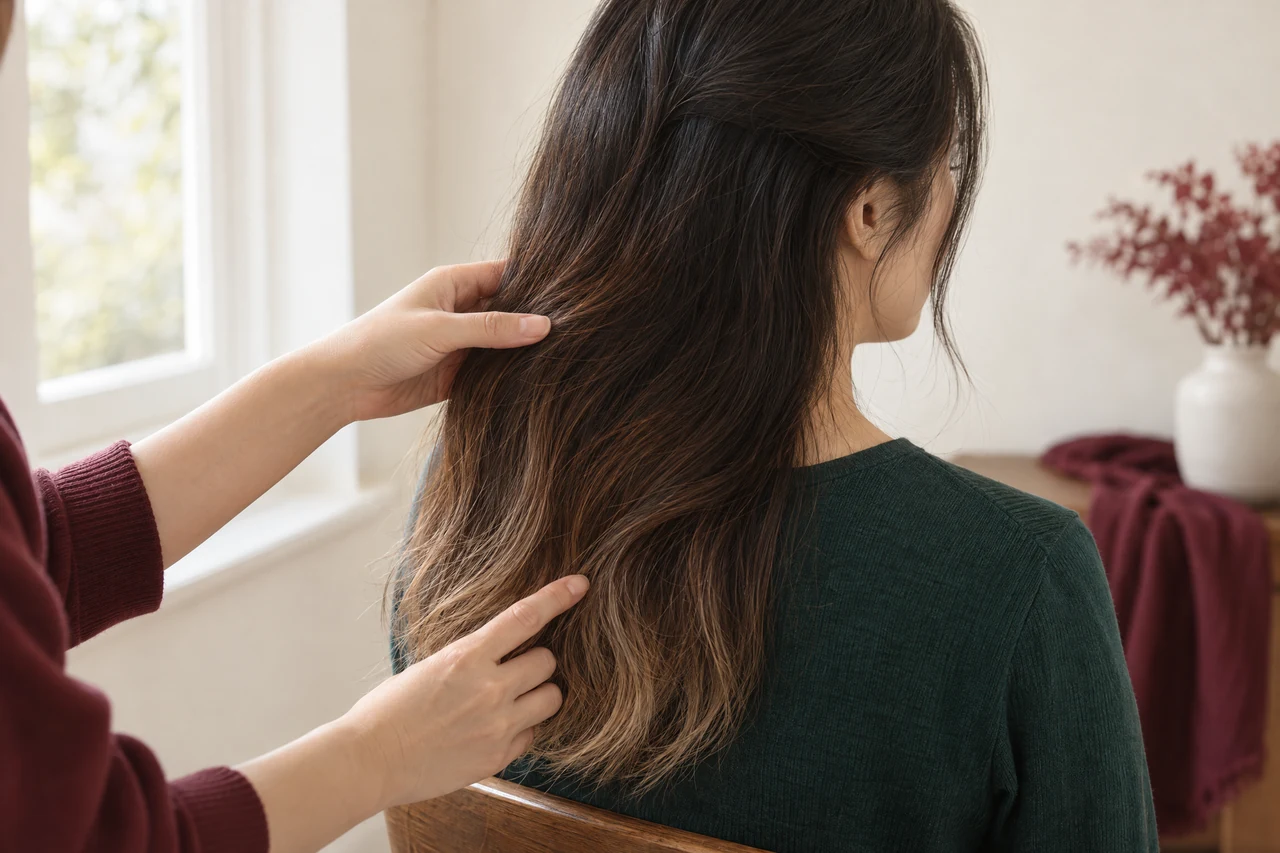
A toner can be considered for a change in tone, but a band of darker or lighter hair raises a different question about depth. Identify whether you want less orange, a darker finish or a smoother transition. The published Toner price is HK$900; that listing does not establish the cost or suitability of a wider correction plan.
Depth describes how light or dark the hair appears; tone describes its colour direction, such as golden, coppery or cool. Wella's guide to blonde toners separates these qualities and explains how toning can counter unwanted yellow or orange. That distinction helps you describe the problem without choosing a product or formula yourself.
Compare the unwanted area with the surrounding hair. If a band remains noticeably darker when you look beyond its warmth, ask about evening out depth rather than simply making everything ashier. If you like the brightness but dislike the orange reflection, say that explicitly. A light-to-dark request also needs a target depth and an acceptable amount of warmth, not just the instruction to cover the blonde.
Review hair colour to check its service scope and the details to share before arranging the related work.
Continue with toner or colour correction for brassy hair for that specific comparison and the preparation questions it raises.
Why a toner is not a universal answer to colour bands
A warm strip and a dark strip may look like the same problem in a quick photograph, yet your requested change could be different. Ask the stylist to explain which part concerns tone and which concerns depth. Also identify any lighter pieces you want to preserve. Making the whole head darker might reduce visible contrast, but it would not meet a goal of keeping those pieces bright.
Match the published entry to the assessed work
For a colour correction price, explain the current colour, previous dye or bleaching and any uneven bands before asking about the proposed scope. There is no independent correction amount in the confirmed menu. Tinting or Toner prices do not establish the total for corrective work; ask which assessed stages and finishing are included in a quote.

Allow room for assessment, staged work or a revised goal
An ambitious change may need more than one visit, or a less dramatic goal may be preferable for the current hair. Ask which areas can be considered first, what should be left alone and what an interim finish could look like. Do not treat a fixed number of appointments or a single-session result as guaranteed.
Rank the change that would make the biggest difference to your daily comfort. You may care more about softening a visible band near the face than reaching a much lighter overall shade immediately. Alternatively, retaining length may matter more than eliminating every warm reflection. Tell the stylist which priority comes first so that a revised goal is a real choice, not an unexpected compromise at the end.
If staged work is proposed, ask what the next visit would depend on. Clarify whether later work is a possible option after reassessment or already part of a confirmed plan. A useful discussion gives you an interim appearance to consider and a reason for reviewing the hair again, rather than a calendar promise detached from its condition.
Agree an acceptable interim colour before proceeding
Describe what you could comfortably wear to work or an event between visits. Would a deeper brown be acceptable, or do you need to retain some lighter detail? Bring an alternative reference that genuinely appeals to you. Mention upcoming travel and whether you can return for reassessment. An interim choice should suit the way you wear your hair, including a ponytail that may expose colour differences underneath.
Choose a consultation by its questions, not a correction promise
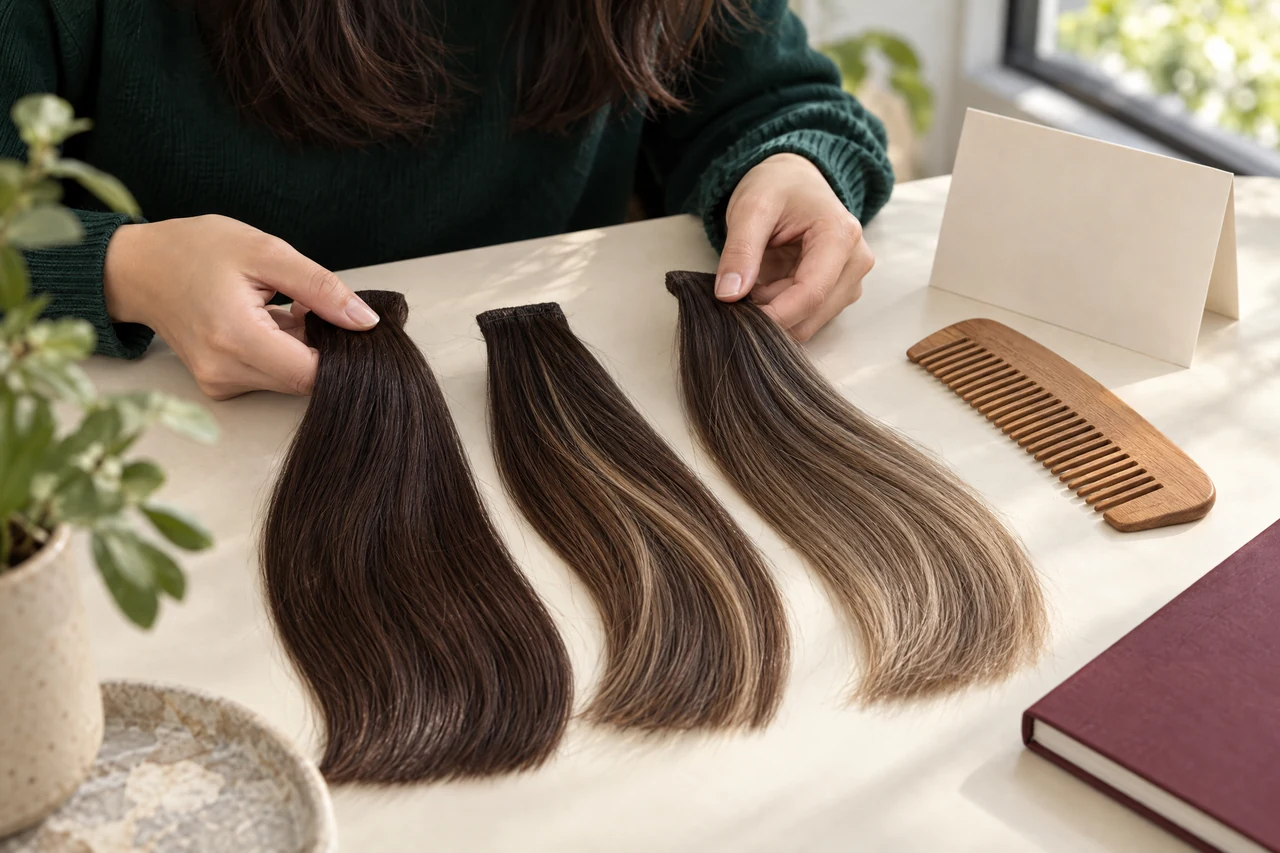
When comparing a colour correction salon, look for a discussion of existing colour, hair condition and the requested change. Vit So's enquiry location is Sheung Wan, Hong Kong. Share photographs and your priorities, then confirm whether the proposed work is available, what it includes and its quotation; a photo enquiry does not establish a chemical method or final result.
A useful explanation should connect each proposed stage to a specific concern. Ask which areas would be worked on and which would be left unchanged. If the suggested finish differs from your reference, ask what feature is being adjusted and why. You should understand the trade-off between the target shade, retained brightness and current condition before deciding whether the proposal suits you.
For a wider correction enquiry, how to compare hair colour quotes helps you compare included work rather than assuming that identical service labels describe identical appointments.
Check scope and quotation before confirming an appointment
Ask whether the quotation covers assessment, the proposed colour stages and the finishing you want. Clarify any separately charged work, whether a cut is included and how a change of scope would be agreed. If later visits are discussed, separate their possible costs from the current appointment. Set a budget boundary before confirming; that allows you to discuss a smaller first goal without relying on an unexplained total.

Use photographs to make uneven areas easier to assess
Take an overall back view and closer views of the areas that concern you in the same soft daylight. Show your normal parting and gently separate the surface hair if an uneven area sits underneath. Avoid filters and dramatic changes in exposure. A warm indoor photograph and a bright outdoor photograph can make comparison harder because both the lighting and the visible area have changed.
Continue with patchy hair colour correction for that specific comparison and the preparation questions it raises.
Separate current evidence from the target reference
Label which photographs show your hair now and which show a preferred direction. For the reference, explain whether you like its depth, its cooler reflection or its distribution of light pieces. Send an unfiltered current photograph even if you dislike it. It provides a clearer starting point than an edited image selected to resemble the goal, while still leaving condition and suitability to assessment.

Keep the interim plan workable at home
Before leaving an appointment, ask what cleansing, conditioning and colour-depositing products fit the work actually performed. Wella's toner guide makes clear that violet shampoo is not the same as a blonde toner; do not assume a purple product answers every warm or uneven area. Tell the stylist about products you already own before adding another, especially if the lengths contain several different colours.
Plan hair care for colour-treated hair around your interim finish, daily handling and the specific advice given for the appointment rather than an internet routine intended for a different starting colour.
Record changes before choosing another intervention
If the tone changes or a band becomes more noticeable, photograph the same area in comparable light and note any new products used. Share that information before applying another dye or lightener. For time outdoors, the American Academy of Dermatology recommends sun protection for dyed, bleached or permed hair, including a wide-brimmed hat. Keep observation and follow-up part of the plan rather than judging every change under a different bathroom light.

Describe the colour concern before discussing corrective scope
| What you notice | What to clarify | Useful consultation question |
|---|---|---|
| Warm reflections but acceptable brightness | Whether the goal is a tonal change | Can the warmth be assessed without changing the depth I like? |
| A darker band between roots and ends | Its position and processing history | Does this area need a depth change rather than only a tone adjustment? |
| Lighter ends you now want darker | Target depth and acceptable warmth | What should be assessed before choosing a darker overall finish? |
| Uneven light pieces near the face | Which brightness you want to retain | Can a smoother transition be discussed while keeping some light detail? |
| Fragile ends alongside unwanted colour | Retained length and current condition | Would a revised first goal be more appropriate than further lightening? |
Your preparation checklist
- Write the colour, bleach, perm and straightening history by roots, mid-lengths and ends; mark unknown products or dates clearly.
- Prepare comparable current photographs, including hidden bands and the parting you normally wear.
- Identify whether your priority is tone, depth or a smoother distribution of light and dark.
- Choose an acceptable interim direction and explain what brightness or length you want to retain.
- Share your budget and schedule, then confirm the proposed scope, inclusions and quotation before agreeing to work.
- Ask which home-care products to use and how to arrange a follow-up if the colour or condition changes.
Frequently asked questions
What should I send before asking about an unwanted colour?
Send recent photographs of the roots, mid-lengths and ends in similar light, a history of colouring and bleach, and a description of the change you want. Photos support discussion but do not replace assessment.
How many appointments does colour correction take?
There is no fixed number. Starting colour, previous processing, condition and the distance from the target affect whether staged work is appropriate. Ask about an interim goal and reassessment rather than assuming a one-visit transformation.
Why does colour correction cost more than a root touch up?
A correction can involve several differently coloured areas and a wider change than maintaining new roots. Its scope may therefore differ, but a higher price is not automatic. Request a quotation rather than applying the HK$800 root price to unlisted correction work.
Should I try another home dye before the consultation?
Avoid choosing another product simply to conceal the evidence of an unwanted result. Send your current photographs and product history first so the enquiry reflects the starting point. Disclose any previous reaction separately from colour preferences. If testing a store-bought dye causes a rash, redness, swelling, burning or itching, the American Academy of Dermatology advises not dyeing and consulting a dermatologist for further allergy testing.
Make your unwanted colour easier to discuss
Send Vit So your current photographs, processing history and preferred direction for an enquiry in Sheung Wan. Include the change that matters most and an interim colour you could accept. Ask whether the proposed work is available and confirm its scope and quotation; sending photographs is not a confirmed booking.
Start your WhatsApp enquirySources & further reading
- Coloring and perming tips for healthier-looking hair
Hair-treatment damage, manufacturer-led colour testing, reactions that require avoiding dye and dermatology advice, and sun protection for processed hair.
- Let's Decode the Perfect Color Toners for Blonde Hair
The distinction between colour depth and tone, blonde toning for unwanted warmth, and why violet shampoo and salon toner are different.



