






What hair colours can I get without bleaching on a dark base?
If you are asking, 'Can I dye my hair brown without bleach?', distinguish a brown close to your current depth from a noticeably lighter one. A subtle hair colour for dark hair may aim for a reflection rather than major lightening. Existing dark dye also changes the assessment, so a natural dark base and previously dyed lengths need separate discussion.
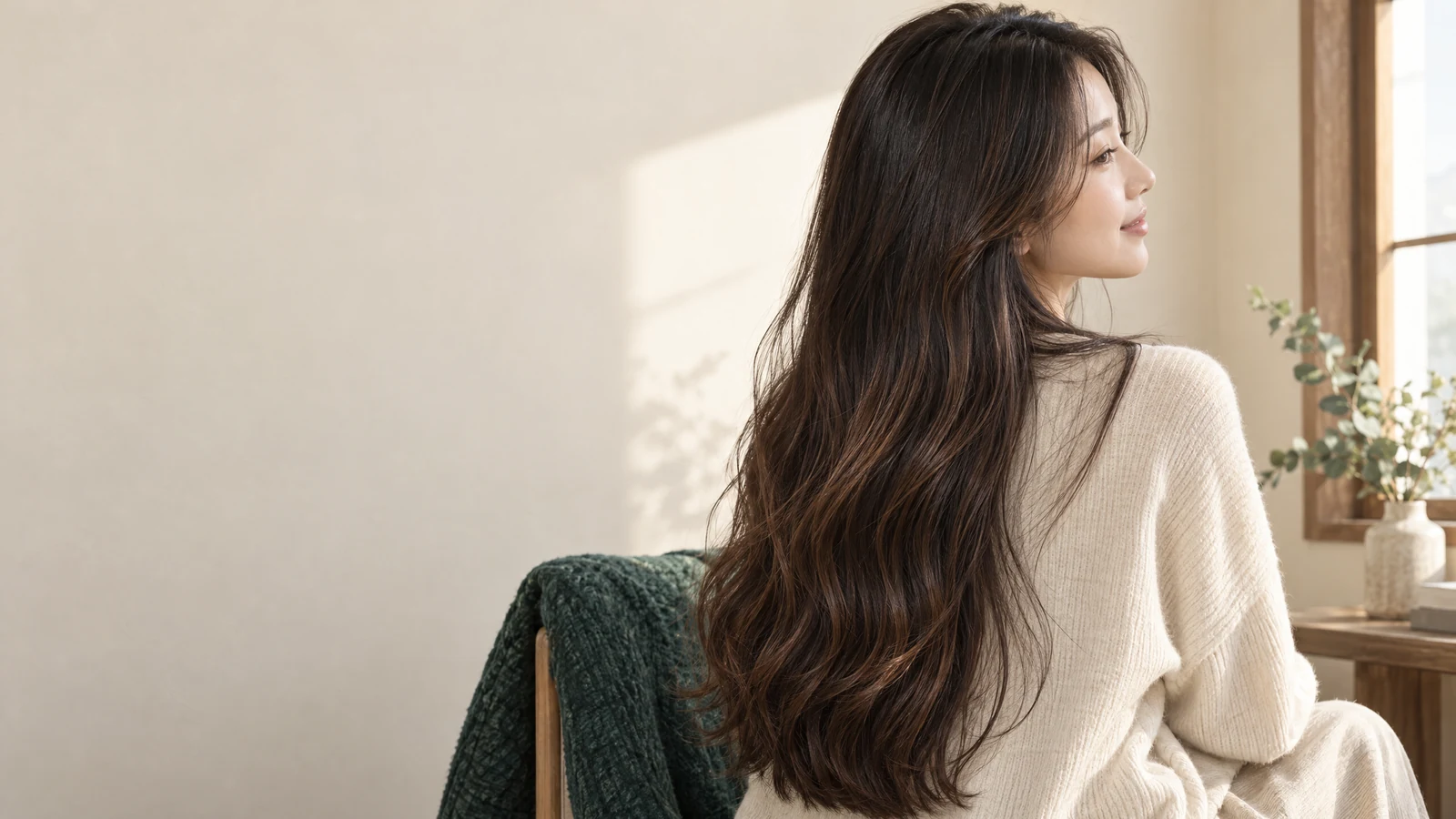
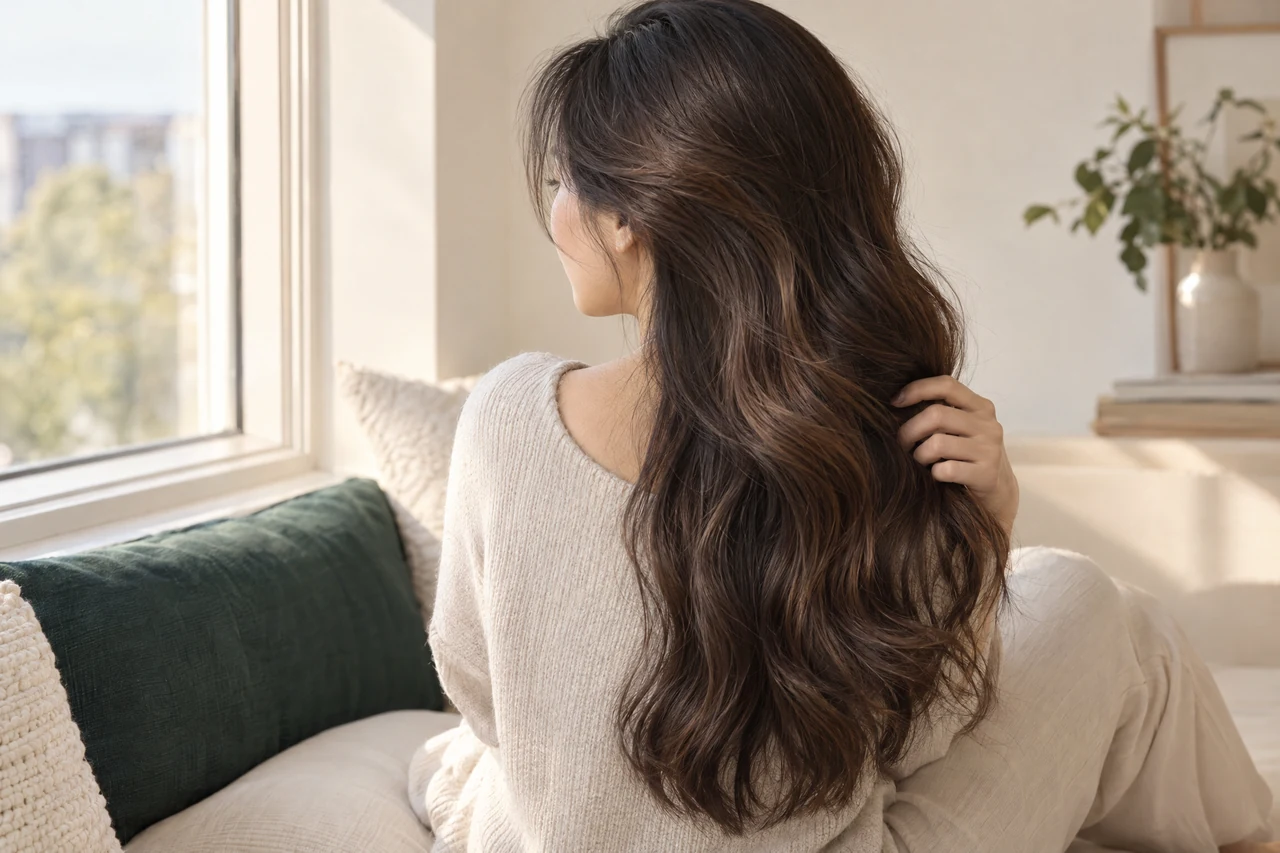
For a first shortlist, consider deep chocolate, neutral espresso brown or a restrained chestnut reflection. These describe a dark overall appearance with different warmth, rather than a promise of transformation. If your hair looks almost black indoors, a brown direction might be most noticeable beside a window. Decide whether that visibility would satisfy you before using a sunlit photograph as your target.
Bleach-free does not always mean that the process only deposits colour. Some professional colour systems can also lighten natural pigment. Wella's guide to lightening without bleach specifically distinguishes techniques for virgin hair from the challenge of previously coloured hair. Its examples are product-specific; they do not establish what every dark head of hair can achieve. Tell your stylist whether avoiding a separate bleaching step or avoiding lightening altogether is your actual priority.
When comparing chocolate brown hair, look for the amount of dark brown that remains between the brighter reflections. This helps you distinguish a rich brunette goal from a lighter caramel image that happens to carry a similar name.
Review no bleach hair colour to check its service scope and the details to share before arranging the related work.
What hair colours can I get without bleaching when depth stays similar?
Keeping a similar depth makes tone the main decision. A neutral brown aims for balance, chestnut introduces warmth, and a red-brown idea puts more emphasis on a coloured reflection. Compare references with similarly dark shadow areas. A small change can be worthwhile if it is the change you want; it may disappoint if you expect colleagues to see a clearly lighter colour across the room. Describe both the preferred tone and where you want it to be visible.
Look for the reflection, not only the colour name
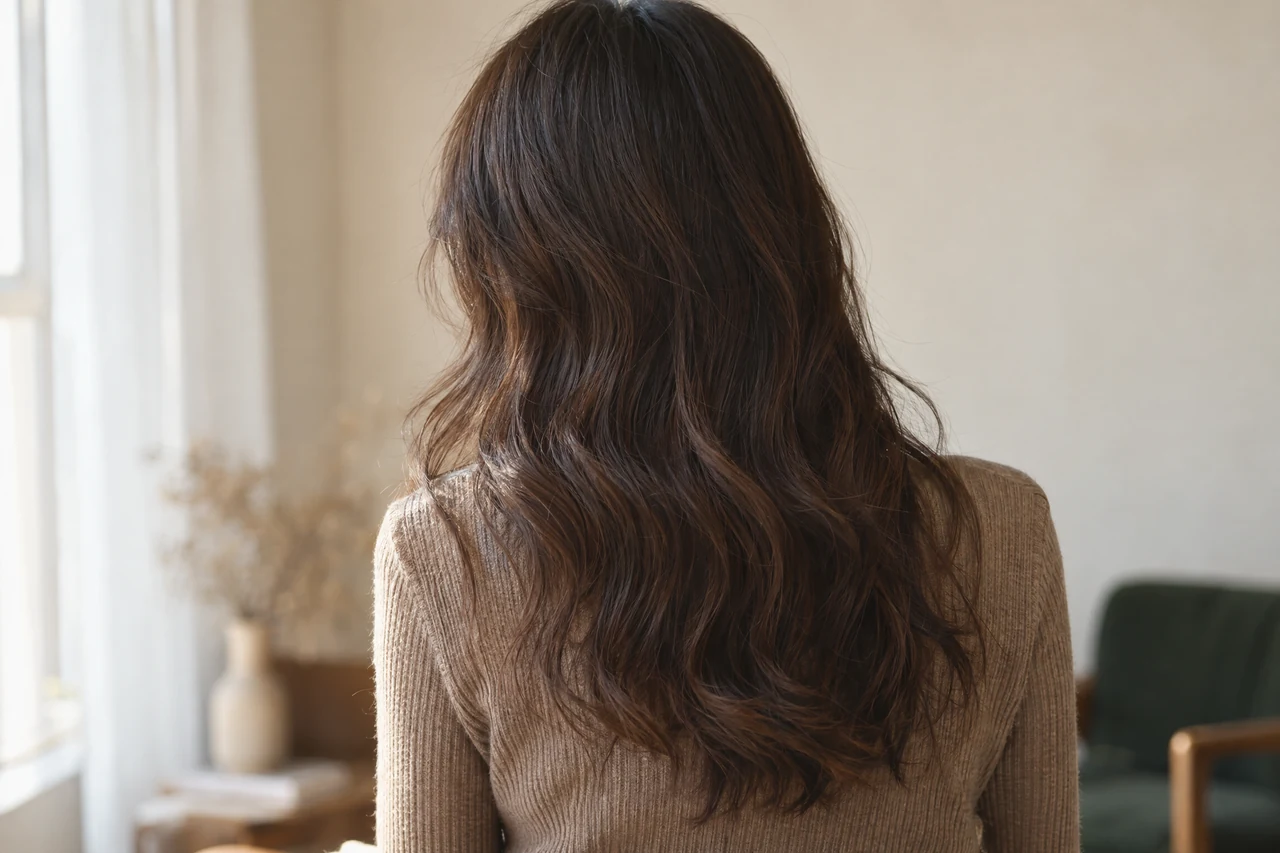
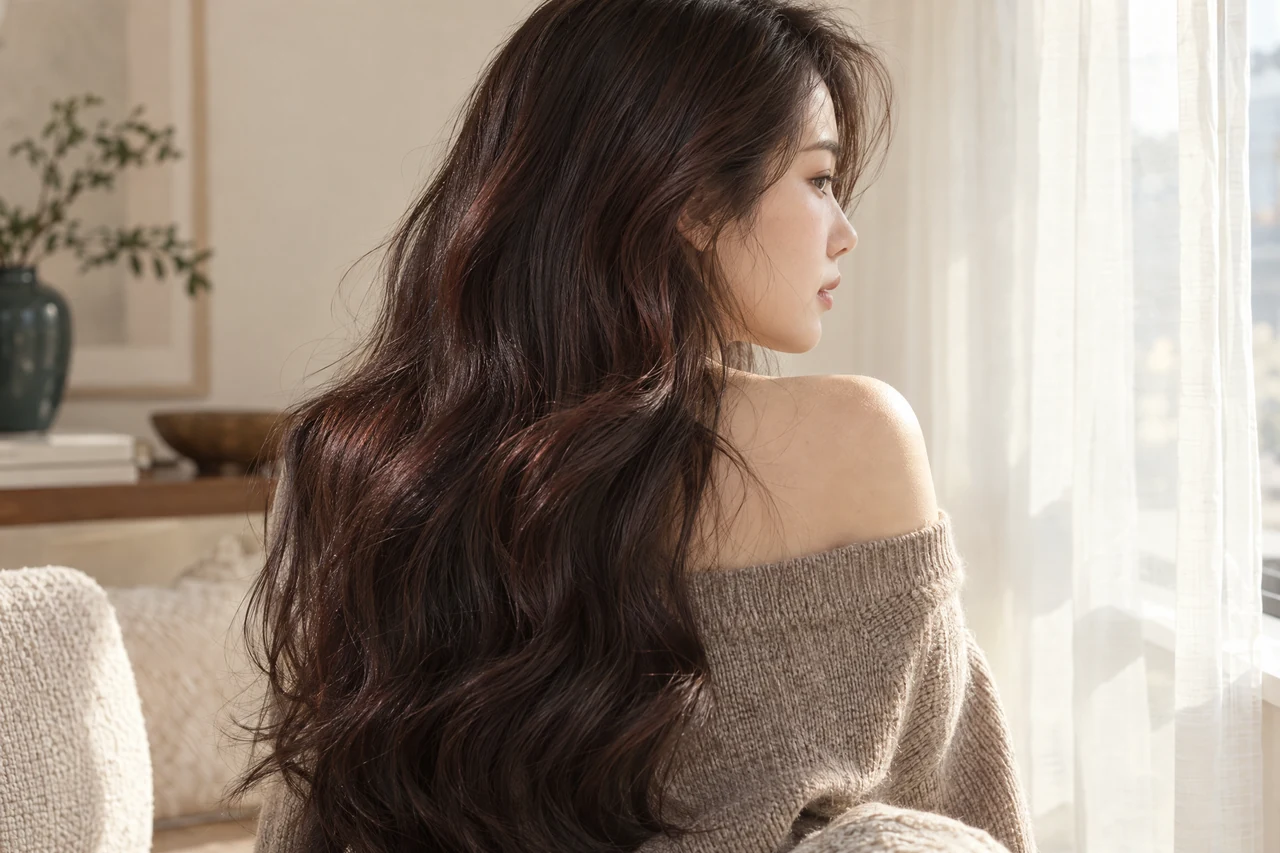
Auburn hair without bleach is a conditional possibility to discuss, not a fixed outcome. A dark red-brown reflection and a bright copper-looking reference have different brightness requirements. Compare the depth visible in the photograph's shadows with the tone in the highlights, then explain which feature matters most to you if the two cannot both be matched.
Warm options deserve their own distinctions. Chestnut may read mainly as brown with a warm shimmer. Deep auburn suggests a stronger red-brown direction, while burgundy references often lean towards wine or red-violet. The names are not standardised promises. Show the actual photograph and say whether you like its brown base, orange-red warmth or cooler wine reflection. That is more useful than asking for whichever shade is advertised as bleach-free.
Think about your daily setting, too. If you need a restrained appearance at work, do not judge a red-brown idea only in dim indoor light. Explain whether a more visible reflection outdoors would be acceptable. Conversely, if your aim is an obvious copper change in ordinary room lighting, a very dark auburn alternative may not meet your expectations even when it belongs to the same broad colour family.
Continue with auburn vs copper hair colour for that specific comparison and the preparation questions it raises.
Auburn ideas with realistic brightness expectations
Choose an auburn reference that still contains the depth you are comfortable keeping. Look beneath the surface shine and around the hair nearest the neck, not just at the brightest curled ends. Tell your stylist whether a subtle red reflection would be enough or whether the brown must visibly become lighter. Existing red dye also belongs in that conversation: changing the direction of an old red is not the same request as adding warmth to untouched dark hair.
Cool and pale targets need a different question
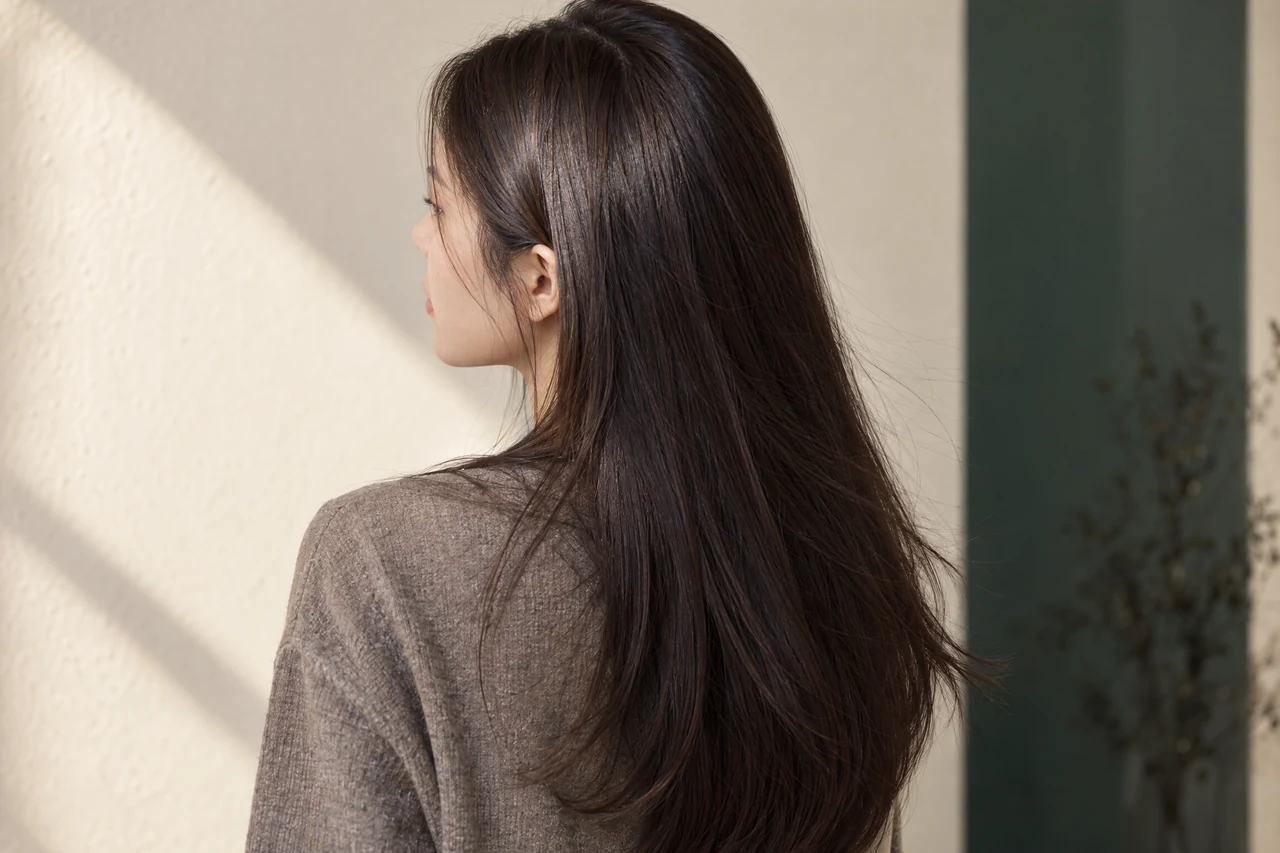
An ash label describes tone, not how light the hair must be. A muted deep brown and a pale smoky brown can both be called ash in photographs, yet require different starting conditions. Do not treat a cool-toned image as evidence that bleaching is unnecessary. Bring the desired depth as well as the cool reflection into the consultation.
A deep cool brown can be a worthwhile alternative when you like a subdued brunette appearance. However, it should not be presented as an equivalent to pale mushroom brown, silver-grey or an airy beige finish. If the attraction of your reference is that individual strands look light and translucent, simply keeping the overall colour dark would change an important part of the design.
Ask what the achievable coolness would look like at the depth your hair can reasonably retain. Would it look mainly dark brown indoors? Would some warmth remain visible? Would the lighter ends and darker roots read differently? These questions clarify the result you are considering without turning an ash label into a guarantee. A cool reflection and a completely pale, warm-free appearance are not interchangeable goals.
Continue with ash brown hair colour for that specific comparison and the preparation questions it raises.
Ash brown may not match a dark starting shade
If avoiding bleach is non-negotiable, keep a deep neutral or cool-brown fallback beside your pale ash reference. Ask the stylist to explain the difference in plain language before you decide. If that darker option no longer appeals to you, postponing the colour change may be preferable to agreeing to a result you already know is too subtle. A photograph with light ends also needs a separate question about whether those ends were lightened previously.
Build a shortlist with an acceptable alternative
Hair colour ideas for dark hair are more useful when you can explain how much visible change you would accept. Select one closer-to-base idea and one brighter reference, then state whether avoiding bleach takes priority over brightness. The shortlist is a conversation tool, not a treatment plan; previous colour and hair condition still need assessment.
Make the alternatives genuinely different in brightness rather than collecting many versions of the same sunlit image. For example, compare a deep chestnut direction with a lighter warm-brown reference. State what you are willing to keep dark and what you hope will change. If the only acceptable result is the brighter picture, say so; that is an important preference, not a reason to relabel the target as bleach-free.
The listed tinting price is HK$800–HK$1,000. Confirm whether tinting is the appropriate scope for your hair and what the actual quote includes before arranging a visit. Do not assume that removing old dark dye, changing uneven lengths or adding another service falls within the same price. A clear colour goal helps you discuss the work as well as the appearance.
Decide whether depth or avoiding bleach comes first
Write a short preference statement to accompany your references: 'I want a warmer brown, I am happy to keep it dark indoors, and I do not want a bleaching step.' Alternatively, explain that obvious lightness matters more and ask what would need to change. These are preference statements, not recipes. Before agreeing, check that the proposed alternative still suits your work setting, everyday clothes and willingness to maintain the tone.
Your current colour history changes the shortlist
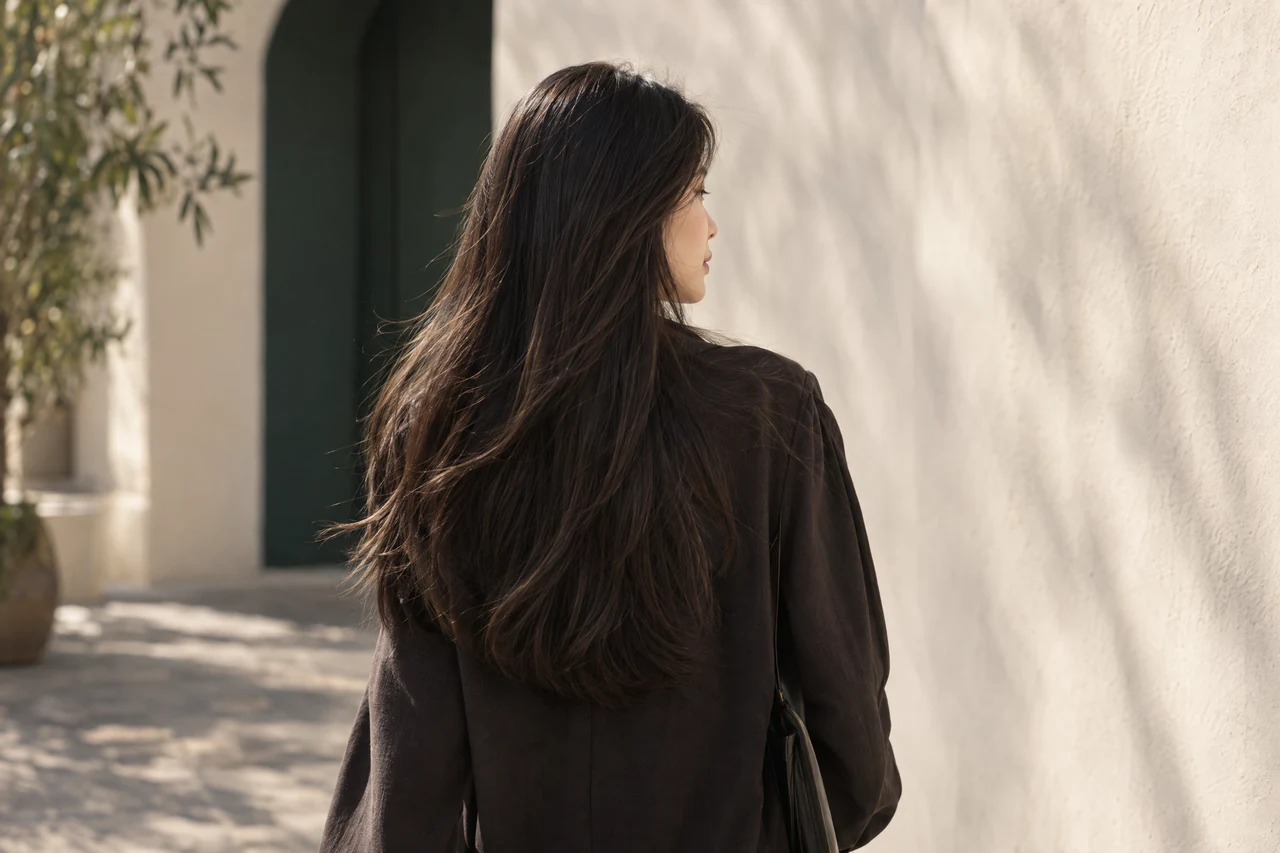
Natural roots, repeatedly dyed mid-lengths and old highlights can share the same head of hair without sharing the same starting point. A colour name cannot account for those differences. Record where each previous treatment remains, including dark box dye, salon tint, henna or plant-based colour. If you do not remember the product, say that rather than guessing. A faded colour still belongs in the history.
If your lengths were previously dyed black or deep brown, use hair colour correction to prepare the information needed for a change. The relevant question is not simply whether brown is possible without bleach, but whether your specific old colour can move towards the desired brown evenly. This may lead to a different shortlist from the one suitable for untouched roots.
Separate colour feasibility from allergy precautions
A no-bleach preference does not remove dye-allergy considerations. The FDA's hair-dye guidance explains that reactions can develop despite previous trouble-free use and recommends following the product's skin-test instructions before every use. A negative test does not eliminate every risk. Tell the salon about past itching, swelling or other reactions before discussing an appointment, and seek healthcare advice for a previous reaction rather than treating a different shade as the solution.
Judge the colour in the light you actually live in
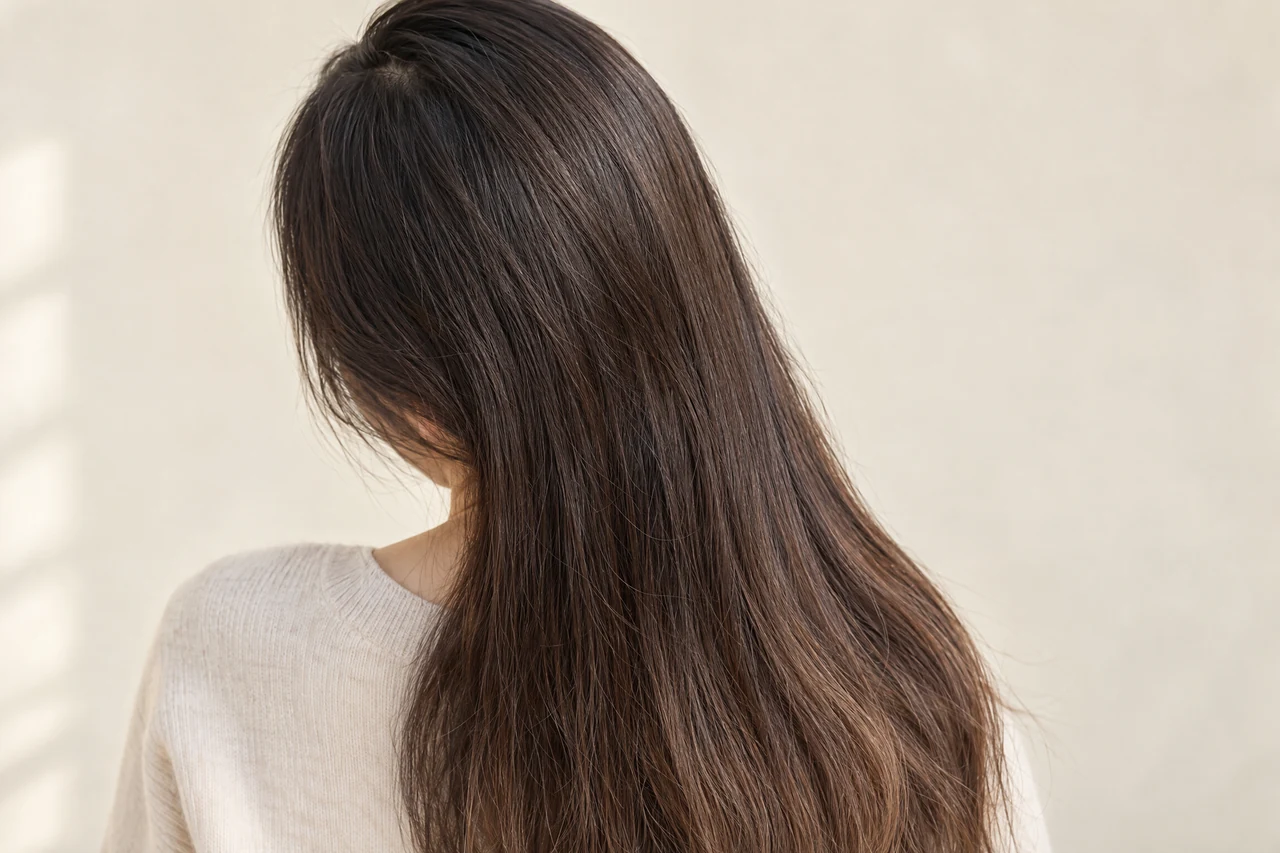
Save references that show the whole hairstyle, including the roots and shaded areas. A close crop of a glossy wave can hide how dark the rest of the hair looks. Take current photographs in indirect daylight and normal indoor lighting without colour filters. For a Sheung Wan consultation, these views make it easier to explain whether you want a discreet office appearance or a reflection that becomes noticeable outside.
Keep your care expectations realistic after colouring, even without bleach. The American Academy of Dermatology's colouring advice notes that appearance-enhancing treatments can leave hair dry and brittle and recommends sun protection for dyed hair. Ask for care guidance suited to the actual process rather than assuming a bleach-free label means no upkeep.
Notice changes in tone as well as depth
For ongoing hair care for colour-treated hair, discuss washing, conditioning and your normal styling routine. Observe the colour in similar lighting when deciding whether it has changed. If you like the overall brown but dislike a developing warm reflection, explain that specific concern before requesting another full colour change. It gives the stylist a clearer question than saying the entire shade is wrong.
No-bleach colour directions to discuss on a dark base, not a universal result chart
| Direction | What to look for | Question before choosing |
|---|---|---|
| Deep chocolate or neutral brown | A predominantly dark appearance with a brown reflection | Would a subtle change in ordinary indoor light satisfy me? |
| Chestnut or warm brown | Brown depth with warmer reflected light | Am I choosing warmth or expecting noticeably lighter hair? |
| Deep auburn or burgundy | Red-brown or wine reflection while retaining depth | How visible should the red be indoors and outside? |
| Deep cool brown | Muted brunette tone rather than a pale smoky finish | What warmth may remain at my achievable depth? |
| Pale ash, silver or bright copper reference | Lightness as well as a distinctive tone | Would I prefer a darker alternative or reconsider the process? |
| Brown over old dark dye | Different starting conditions at roots and lengths | Does the old colour need a separate correction assessment? |
Your preparation checklist
- Choose a dark reference you genuinely like and a brighter reference that explains your ideal change.
- State whether avoiding bleach means avoiding a separate bleaching step or avoiding any lightening of your natural colour.
- Photograph your current roots, lengths and ends in indirect daylight and ordinary indoor light without filters.
- List previous colour and chemical treatments, where they remain, and any product details you can reliably identify.
- Explain your preferred indoor visibility, acceptable outdoor reflection and any work or school colour restrictions.
- Share previous dye reactions early, then confirm assessment requirements, the proposed service scope and the quote before arranging a visit.
Frequently asked questions
Can dark hair be coloured without bleach?
Some colour goals may be discussed without a bleaching step, but the answer depends on natural depth, old dye and the desired change. A result that only adds a reflection is not the same as a clearly lighter finish.
Can I get ash brown hair without bleach?
A shade name cannot answer this. Ask whether the specific depth and coolness in your reference are feasible on your current base, and whether a darker alternative would better fit your preference.
Is a no-bleach colour chart reliable for everyone?
No. It cannot account for individual dye history, existing lighter sections or the lighting used in each image. Use examples to describe preferences, not to predict your result.
Find a darker colour direction you would actually enjoy
Send Vit So your current hair photographs, colour history and preferred references for a Sheung Wan enquiry. Explain how much visible change you want and whether avoiding bleach is your priority. The aim is a useful discussion of your options; an enquiry is not a confirmed booking.
Start your WhatsApp enquirySources & further reading
- How to Lighten Hair *Without* Bleach
Professional product-specific discussion of bleach-free lightening on virgin hair and the separate limitations of previously coloured hair.
- Coloring and perming tips for healthier-looking hair
Hair-damage considerations and sun protection for dyed hair; not evidence that a particular aesthetic can be achieved.
- Hair Dyes
Allergic reactions despite previous uneventful use, product skin-test instructions and the limits of a negative test.



