







Set the Coverage Goal Before Hairpiece Fitting
A crown hairpiece addresses the top area rather than providing a complete hairstyle. Describe the parting and outline you want to soften or make fuller, and show how much of your own hair you prefer to leave visible. The aim here is a cosmetic change in coverage or fullness, not treatment of the reason for a change in hair density.
Start with the view that bothers you: a visible line along your usual parting, the crown seen from above, or a flat upper outline. These are different goals from wanting thicker ends. Point out where you want the change to begin and stop. A piece that adds more hair than you intended can change the balance between the crown and the sides, even when its colour looks close.
Think about the hairstyle you want to keep without the piece as well. If you value a natural fringe or a particular side part, say so before discussing coverage. A small coverage area does not automatically mean a small base will fit well: the proposed edge and attachment positions still need to work with the hair surrounding that area.
Continue with hair topper vs wig for that specific comparison and the preparation questions it raises.
Hairpiece Fitting Starts with the Area, Not the Product Name
When looking for hairpieces hong kong options, describe your goal in everyday language rather than choosing a system name first. For example, distinguish filling out the crown from replacing the appearance of the whole top and front. Show your dry hair in its normal arrangement, not only pushed into a flattering position. This gives a clearer starting point for discussing how much existing hair should remain visible.
Check How a Partial Wig Meets Your Own Hair
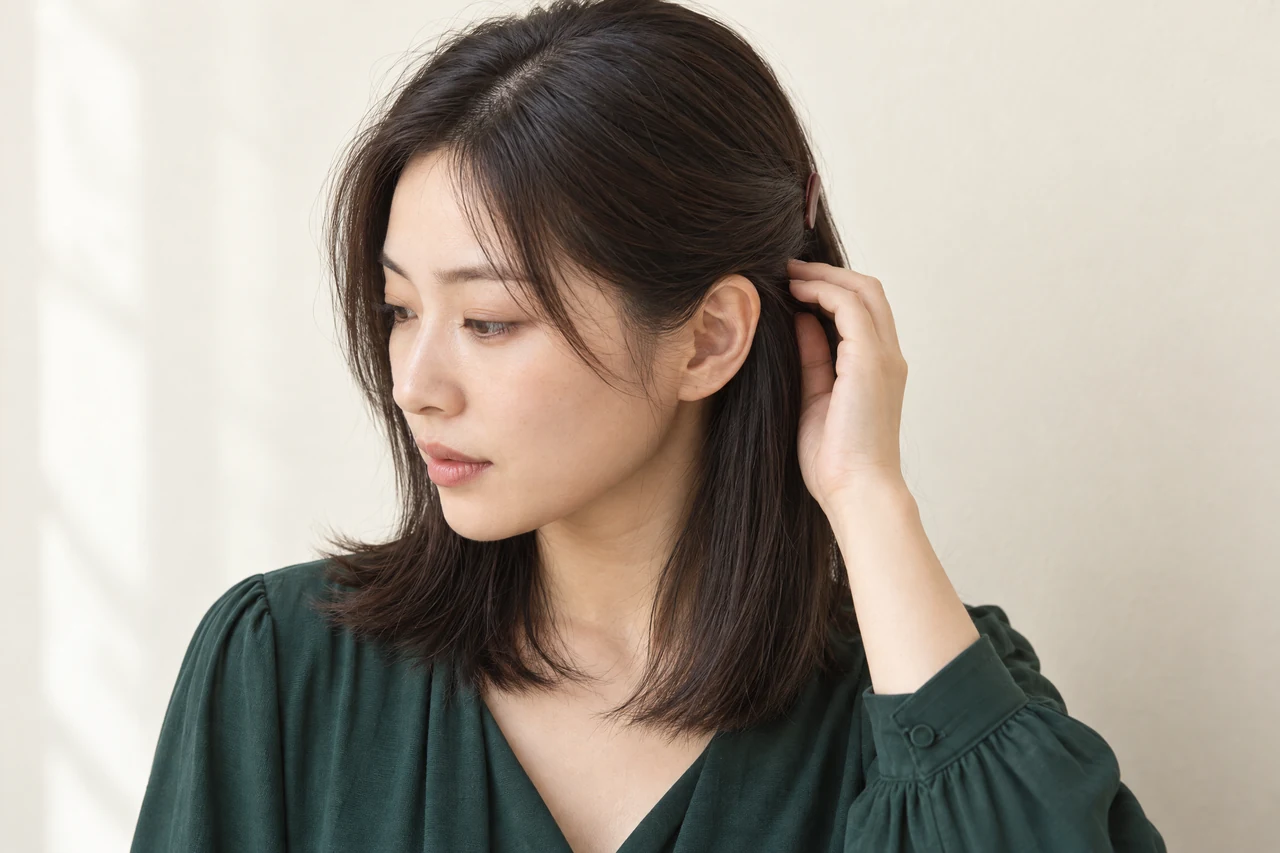
The edge of the piece has to work with your own length, texture and parting. A human hair topper names a fibre and an area of coverage, but does not establish an available product or attachment. Ask how the proposed piece would blend when worn down, moved to a different parting or gently tied back, rather than judging only one front view.
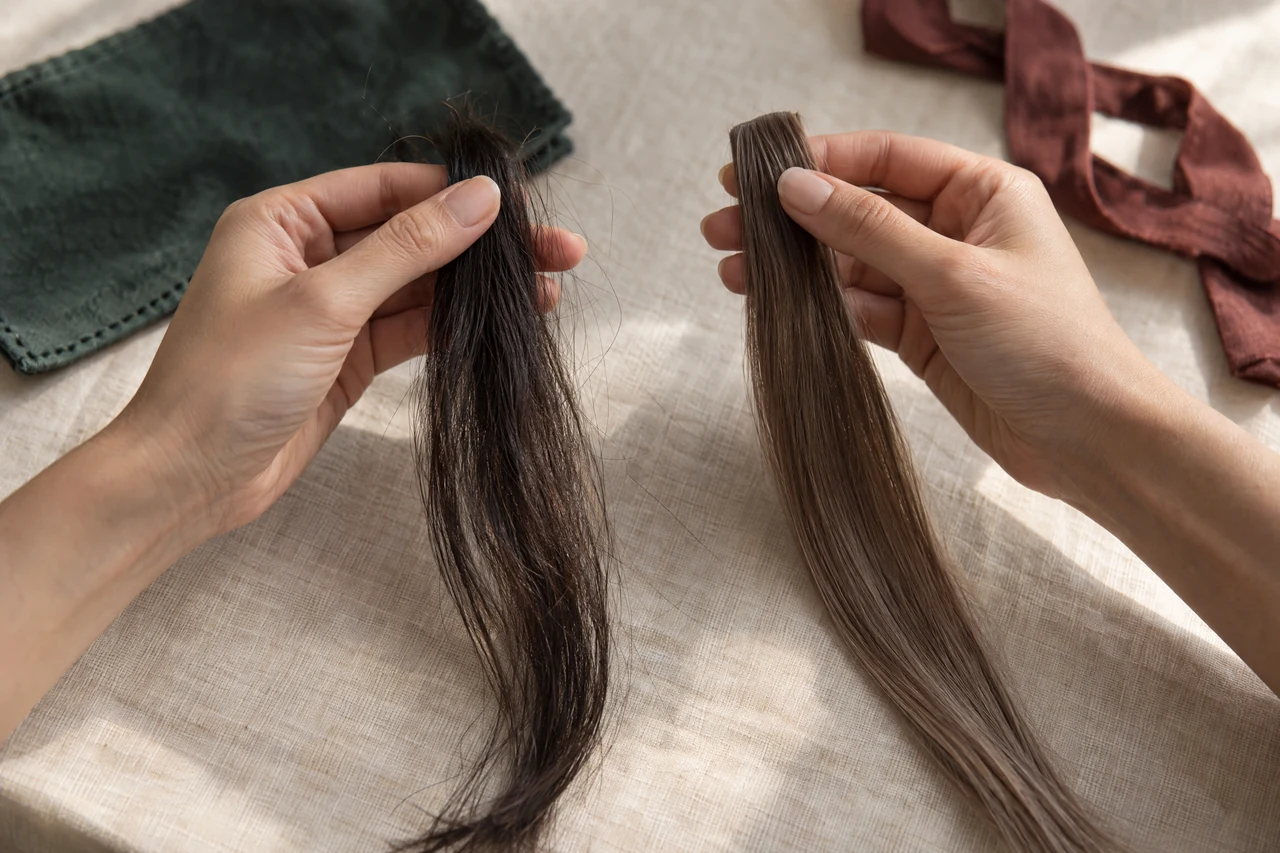
Compare the visible lengths where the two sets of hair overlap. Your roots may be dark while older coloured ends look warmer or lighter. A match at the roots alone can leave a noticeable difference around the shoulders. Density matters too: a full, blunt edge on the piece can sit heavily over finer ends. Discuss whether a softer transition is possible without removing the length you want to keep.
Texture should be compared in the finish you actually wear. If your own hair dries with a bend, a very straight piece may require more daily styling than you want. The retailer's Simply Wigs topper styling guide discusses matching length and colour and considering a professional trim for blending. These are useful questions for assessing a particular piece, not a promise that any item can be altered.
A Partial Wig Needs a Usable Blending Edge
Bring attention to your shortest visible layers, especially around the temples and fringe. Ask which hair would sit over the edge and which would fall underneath it. Before agreeing to a blending cut, identify whether scissors would touch your own hair, the piece or both. Your own haircut should remain wearable on days when you choose not to use the hairpiece.
Coverage and fixing details in a hairpiece quote
For a hairpiece quote, explain the area to cover, desired density, colour and how you normally part your hair. If asking about a topper, confirm the proposed piece, base size and fixing arrangement rather than assuming every hairpiece has that specification. Material, customisation and supply need to be checked; no independent hairpiece or topper price is established in the confirmed menu.
Clarify the Base and Attachment
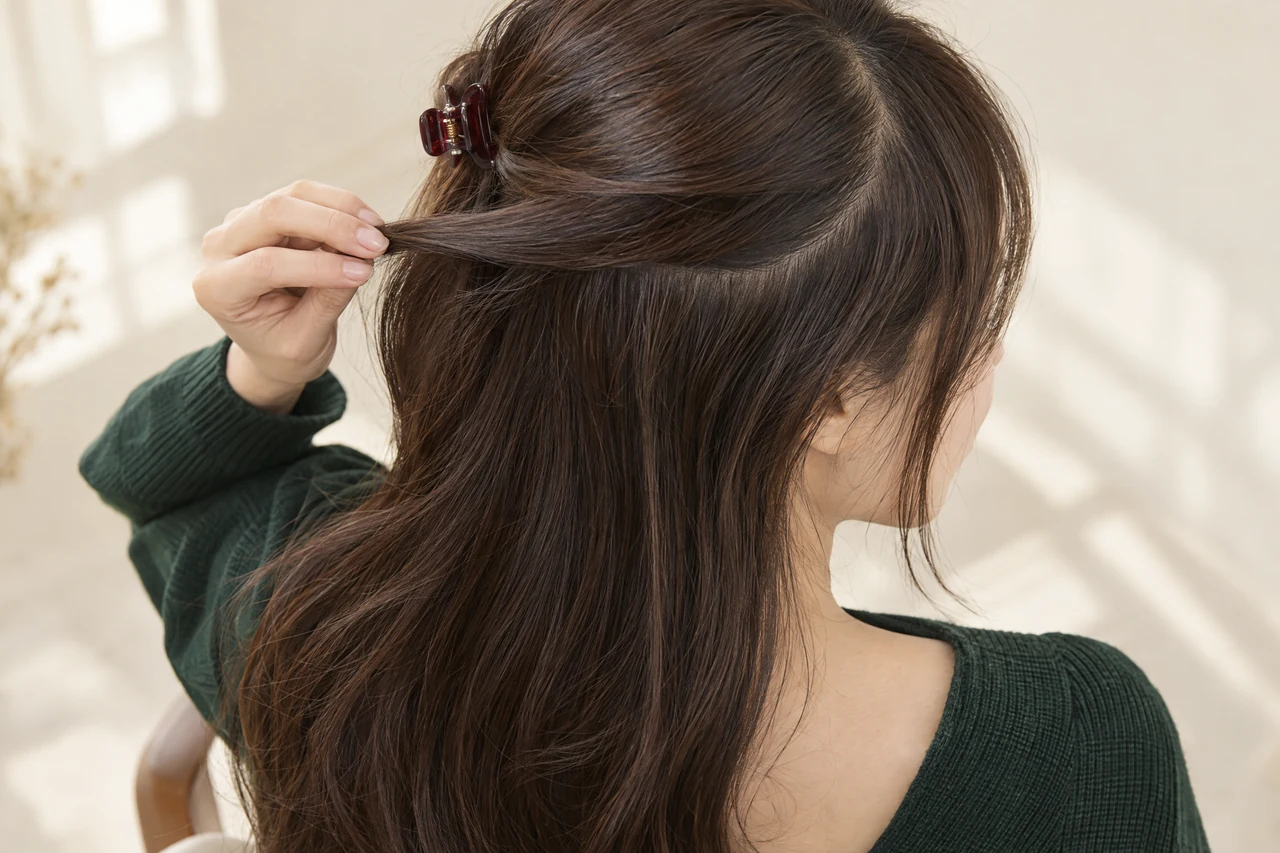
For a hair system consultation, explain whether you mean a removable piece, clips or a longer-wear attachment. The term alone does not identify a product or method. Share any label and base details from a piece you already own. Availability of toppers, adhesives or other systems needs confirmation; do not infer a fixed-wear service from a general hairpiece page.
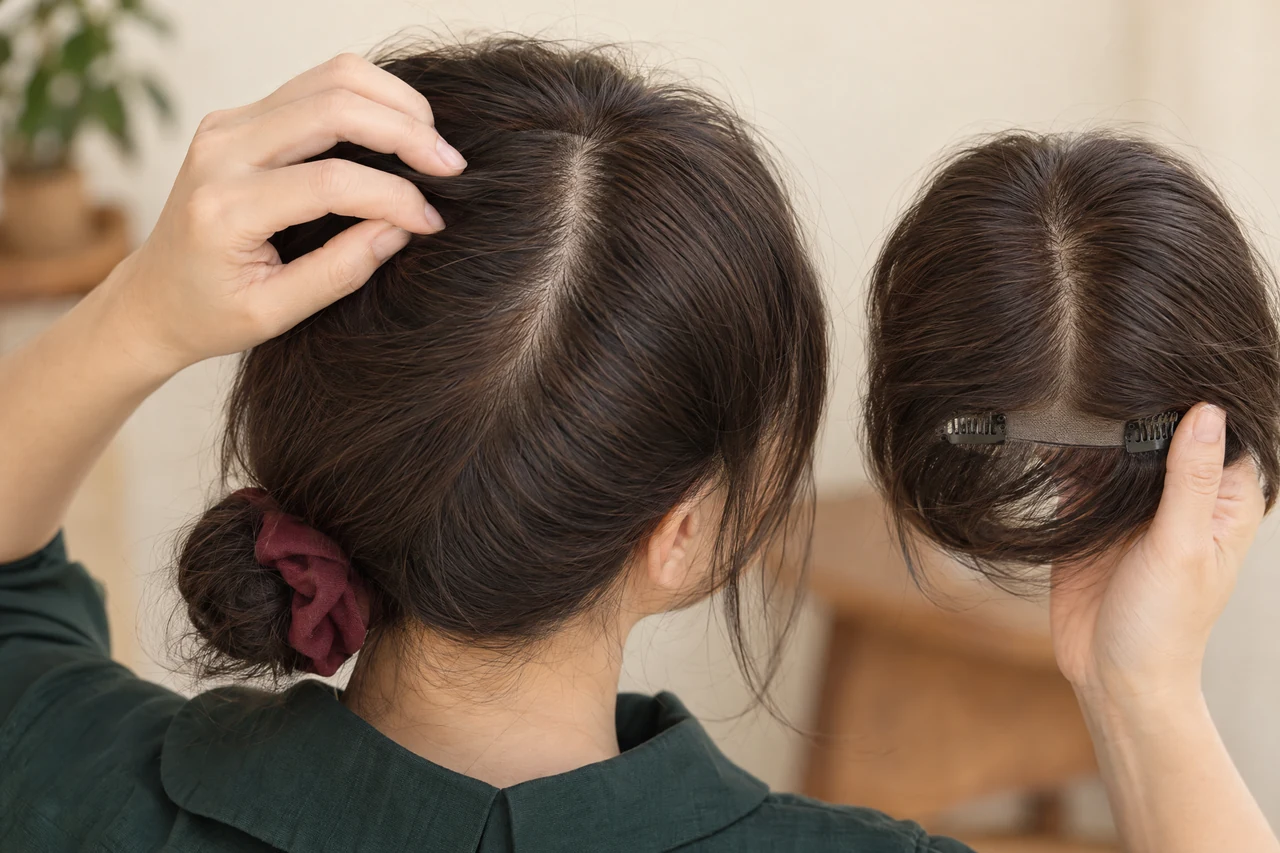
The base is the structure that carries the hair. Its outline may not be the same as the area you hope to disguise. For a clip-attached item, ask where each clip would hold and whether those positions suit your existing hair. Moving a piece forward for more front coverage also changes where the rest of the base sits. Position and fixing should therefore be discussed together, rather than treating attachment as an afterthought.
A secure feeling should not depend on painful pulling. The American Academy of Dermatology's advice on hairstyles that pull explains that repeated tension can cause traction alopecia and identifies pain, stinging and scalp crusts as warning signs. In a fitting discussion, report pulling or soreness rather than accepting it as the price of stability. Persistent irritation or unexplained hair loss belongs with an appropriate healthcare professional.
A Hair System Enquiry Needs a Specific Description
If you already own a piece, provide clear photographs of its underside as well as its hairstyle. Include the manufacturer's description and any instructions for removal. A detachable clip piece and a bonded item raise different questions about handling and upkeep. Do not add tape, glue or replacement clips yourself merely because an online tutorial uses them; first establish what the actual base is designed to accept.
Plan Blending and Later Upkeep
Ask whether the enquiry concerns the piece itself, a blending cut to your own hair or both. Colour matching should take account of the visible lengths, not only the roots. Confirm the work that is suitable for the actual material and base, and ask which care instructions apply before assuming that ordinary hair products or styling tools can be used.
Separate the routine for your own hair from the routine for the removable piece. Ask how to hold the base when detangling, what may contact it during washing and how to let it dry. Keep the care label accessible. If the fibre is unfamiliar, avoid experimenting with a hot tool to see whether it tolerates heat. A material name by itself is not a temperature setting or permission to colour it.
For a clearer discussion of fibre choices, read human hair vs synthetic wigs before selecting a piece whose upkeep may differ from your current routine.
Continue with wig care for that specific comparison and the preparation questions it raises.
Work on the Piece and Your Own Hair May Differ
Plan for changes in your own haircut and colour. Shortening the sides or changing the visible ends can alter a previously acceptable blend. Take the piece into account before a new fringe or major colour change, rather than assuming it can be modified to follow. For travel, discuss suitable storage and drying arrangements so that a removable item does not have to be packed damp or compressed under heavy belongings.

Preview the Fit in Your Everyday Hairstyle
If a trial can be arranged for the actual item, use it to assess your usual hairstyle rather than an elaborate finish you rarely wear. Begin with the normal parting and look from the front, sides and above. Then turn your head gently and bring the hair forward over your shoulders. Notice whether the edge shifts, a colour difference becomes clearer or the piece feels different when you move.
A loose tie-back is a separate check, not an automatic feature of every piece. Simply Wigs notes that pulling a ponytail too tightly can distort a topper's finish. Discuss the height and looseness of the style you normally wear, and whether it exposes the base. Mention exercise, frequent headwear and glasses if they affect how you arrange your hair; a fitting preview is not proof of suitability for swimming or longer wear.
Review full head wigs to check its service scope and the details to share before arranging the related work.
Agree on the Changes Before Cutting
Separate an adjustment you can undo from a cut you cannot. Repositioning and arranging the hair can help clarify what is needed before length is removed. Ask to identify the visible edge or heavy section causing the mismatch. If the proposed correction would sacrifice your preferred fringe or everyday length, pause and reconsider the piece rather than agreeing to a haircut solely to accommodate it.
Prepare an Item-Specific Enquiry and Quote
A search for hair topper hong kong services can cover several different requests: sourcing a piece, checking an existing item or discussing a haircut that blends around it. State which request you mean. The same applies to hairpiece price hong kong or hair topper cost hong kong searches: a useful figure needs an identified item and a defined scope, rather than a price transferred from a regular haircut.
For a custom hairpiece cost enquiry, ask which design choices are being priced and whether supply, fitting, cutting and later adjustments are separate. Establish what can be considered before buying an outside item for a visit. If an item is accepted, clarify whether the proposed appointment is an assessment, fitting or styling session and what preparation it needs.
Use this 6-point preparation checklist to organise an item-specific enquiry. To book a hair appointment, share the coverage goal and item information first so that the relevant work, price and availability can be discussed before a visit is confirmed.
Bring Information That Makes the Discussion Useful
Share recent views of your own hair with the usual parting, plus any piece label and underside photographs. Describe how you normally style it and what you do not want changed. Include relevant colour or chemical-treatment history. This is more useful than sending only a polished product photograph, which may hide the base and may not show how that piece would relate to your own hair.
Questions that distinguish partial coverage from other ways of changing fullness
| Option or request | What to examine | Main decision |
|---|---|---|
| Partial crown piece | Coverage outline, base edge and surrounding hair | Can the desired area be covered while retaining the visible hair you like? |
| Full wig | Whole cap fit and complete hairstyle | Would broader coverage be more useful than blending a partial edge? |
| Extra fullness through extensions | Lengths, attachment positions and existing hair | Is the goal fuller ends rather than crown coverage? |
| Styling your own hair | Parting and dry outline without an added piece | Would arranging existing hair address the goal with less upkeep? |
| Existing-item fitting enquiry | Fibre, underside, condition and requested alterations | Can this particular item and work be accepted? Confirm before visiting. |
Your preparation checklist
- Identify the area you want to change and the fringe, sides or parting you want to keep visible.
- Prepare current photographs of your dry hair from the front, sides and above with its usual parting.
- For an existing item, provide its label, fibre information, care instructions and clear underside views.
- Describe daily tying, headwear and styling habits, including any pulling or discomfort you have noticed.
- Distinguish work on your own hair from work on the piece, and state the lengths you do not want cut.
- Confirm item acceptance or supply, included work, quote and appointment availability before travelling.
Frequently asked questions
Is a topper always the best choice for the crown?
Not necessarily. Coverage, attachment points and the hair available around the edge need to be considered together. A product name does not establish suitability or comfort.
Can I bring a hairpiece bought elsewhere?
Acceptance needs confirmation for the actual item and requested work. Share the fibre, base construction and care label before arranging a fitting or styling visit.
Can a hairpiece regrow my hair?
A hairpiece changes the appearance of coverage or fullness while worn. It does not regrow hair or treat a scalp condition; seek appropriate healthcare advice for a medical concern.
Should I cut my own hair before discussing a piece?
Discuss the blend first if the haircut is intended to accommodate the piece. Removing fringe or side length can change the hair available around its edge. Explain the haircut you want to retain when the piece is off, then agree which hair would be altered.
Does a natural-looking front view mean the fitting is complete?
It is only part of the assessment. Check the side outline, crown view and normal movement, as well as comfort. A different parting or tie-back may expose an edge that is hidden when all the hair falls forward. Ask which everyday arrangements suit the specific item.
Clarify Your Coverage and Blending Priorities
Tell Vit So what you want to change while keeping your own hair visible. Share your normal parting and any item details to discuss what fitting or blending work can be considered in Sheung Wan. Product supply, acceptance, price and appointment availability need confirmation; an enquiry is not a confirmed booking.
Start your WhatsApp enquirySources & further reading
- Hairstyles that pull can lead to hair loss — American Academy of Dermatology
Repeated hairstyle tension can cause traction alopecia; pain, stinging and crusts are warning signs.
- How to Style a Hair Topper — Simply Wigs
Matching colour and length, considering a professional trim and avoiding a tightly pulled ponytail when blending a topper.
Protect the natural hair that supports a partial piece
Brand relationship: OWNSTRAND and Vit So have the same owner. These selection resources are not an independent review; confirm styles, availability and visits with OWNSTRAND.
The right partial piece needs both suitable coverage and a workable join with the hair you want to keep. When comparing hair toppers, look at the base footprint, fibre length, layers and actual attachment positions before asking about blending. A blunt bob need not automatically be thinned to accommodate a topper. If attachment hair seems fragile, or clips cause persistent discomfort, pause the plan and seek appropriate advice rather than tightening the piece or assuming a larger base will solve it.



