






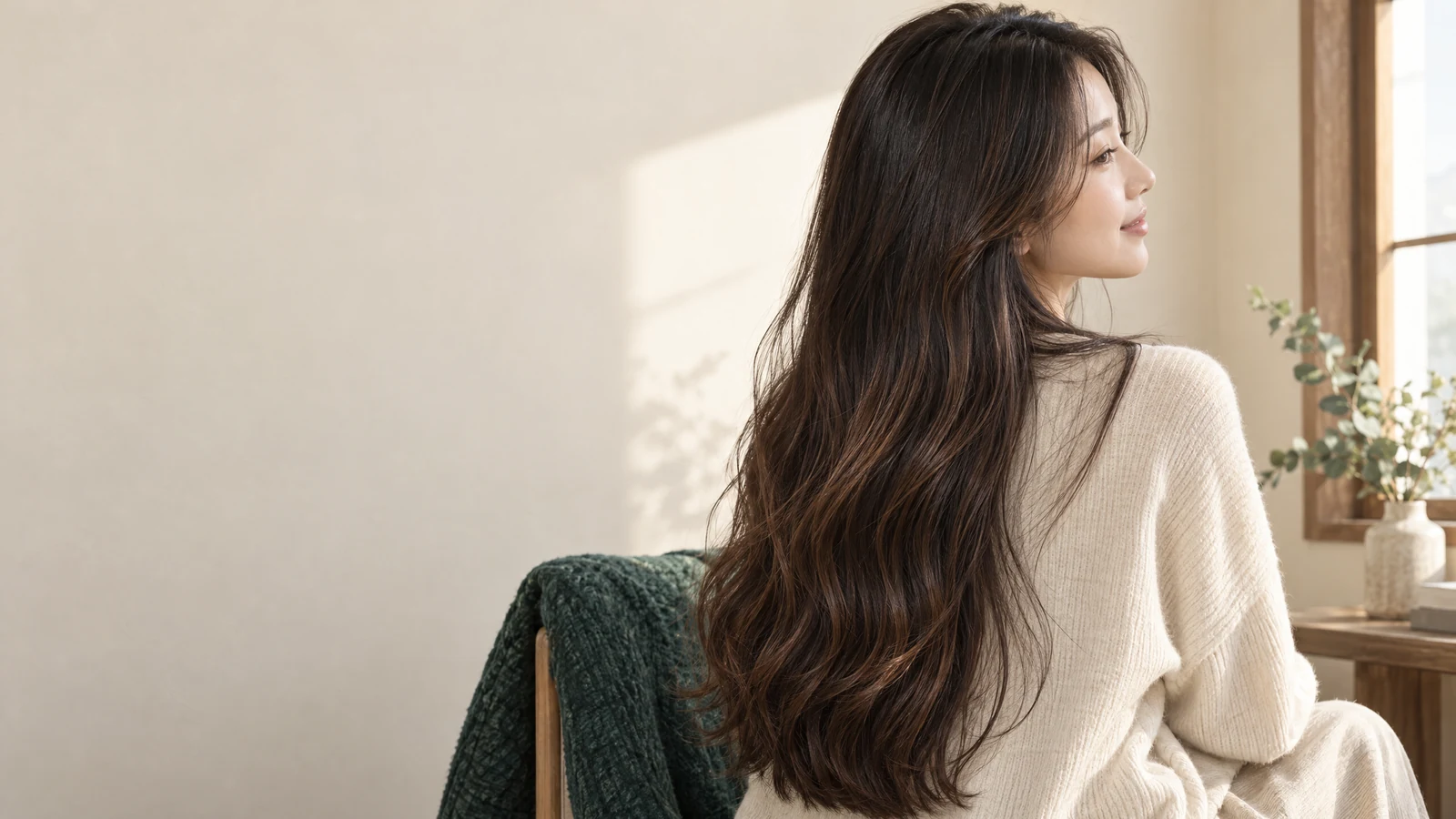
What no bleach hair colour can mean
A richer brown or a subtle warm reflection may involve a different colour goal from a pale beige or bright ash shade. Bleach free hair colour describes avoiding a bleaching step; it does not mean that no chemical colour is used. Decide whether avoiding bleach or matching a particular brightness is your priority before discussing the options.
There is also a difference between avoiding bleach and avoiding any lightening of your natural colour. Some colouring processes mainly add or adjust tone; others can change the natural depth as well. If you want to retain your existing darkness, say so explicitly. A request for a softer brown reflection is more specific than asking for a brown that looks lighter in every setting.
In its technical guide, Wella explains lightening without bleach through particular colour-and-developer systems on virgin hair. This shows why no bleach does not necessarily mean no lightening. It is not a reason to select a formula yourself, nor confirmation that Vit So uses the products in that guide. The proposed process still needs to fit your hair and your preference.
Continue with what hair colours can i get without bleaching for that specific comparison and the preparation questions it raises.
No bleach hair colour and the size of the change
Describe the change relative to your current hair: keep the depth and add warmth, make the brown look less red, or become visibly lighter overall. These are different requests even when the reference carries the same shade name. If avoiding bleach is your firm boundary, ask for the closest appropriate direction within that boundary rather than an exact photograph match.

Separate natural depth from existing dye
Natural dark roots and lengths with old dark dye are not interchangeable starting points. Tell the stylist where colour has been applied and whether any sections have been lightened. If removing an unwanted shade is the real goal, discuss colour correction separately instead of assuming that another overall tint can create the lighter result you have in mind.
Map your hair from the parting to the ends. You may have untouched regrowth, a previously coloured middle section and older highlights hidden underneath. An overall photograph can make these areas look similar while leaving out their different histories. Include home colour, salon tint, toners and colour-depositing products; a product used only on the ends still belongs in the conversation.
Wella's guide distinguishes its virgin-hair lightening methods from previously coloured hair and explains that tint alone is insufficient for the coloured-hair lightening situation it describes. The practical point is to assess artificial pigment separately. Do not use an encouraging result on natural hair as proof that the same process will lift old dark dye from your lengths.
Continue with colour correction for that specific comparison and the preparation questions it raises.
Previously darkened lengths need their own discussion
If you cannot remember the brand or date, say that the history is uncertain rather than guessing. Bring a product photograph or an older hair photograph if available. Mention henna or any product described as plant-based, along with previous straightening or perming. Ask whether a strand assessment is appropriate and whether retaining the darker lengths is a better option than pursuing removal now.

Judge the target in everyday light
A colour can look discreet indoors and show a warmer reflection in daylight. Choose references that reveal both depth and tone rather than only a brightly lit close-up. Say whether you would accept a darker version of the idea if the lighter finish conflicts with avoiding bleach; the answer is personal and cannot be read from a shade name.
Take current photographs with the hair dry and visible from the roots through the ends. Use soft daylight without a filter, then add an indoor view if that is where your colour matters most. Avoid judging only a sunlit edge or a shiny curled section. A full view helps explain how dark you want the overall silhouette to remain, while a close-up can show the reflection you like.
For office life, decide whether you want colleagues to notice a new overall shade or only a warm sheen when your hair moves. For a colour you will wear mainly outdoors, make that daylight appearance part of the discussion. These preferences help define the target; neither an office-friendly label nor a dramatic social-media image establishes the chemical steps required.
A reflection is not the same as a lighter base
Look first at the darkest areas of a reference, not just the brightest strands. If the shade appears pale even in shadow, the goal is probably more than a surface reflection. Tell the stylist which feature you want to keep: the deep outline, the soft brown glow, or the cooler tone. Prioritising one feature makes it easier to discuss a darker alternative honestly.
Prepare an enquiry without assuming a result
For a no-bleach colour enquiry in Hong Kong, send current photographs, previous dye and lightening dates, and a clear statement that you prefer to avoid bleaching. Vit So's appointment location is Sheung Wan. Ask which scope and price apply after assessment; no separate fixed no-bleach rate or guaranteed shade is implied by the general tinting price.
The confirmed general tinting price is HK$800–HK$1,000. Treat that as the listed general service range, not a personalised no-bleach quote. Confirm the areas to be coloured and whether any proposed preparation, cut or other work is included. If the assessment changes the scope, agree on the revised price before proceeding rather than assuming that every colour request fits the same item.
When you are ready to book a hair appointment, include your no-bleach boundary in the enquiry alongside your photographs and preferred dates. Ask how much time to allow for the assessed work, especially if you have plans afterwards. Sending the enquiry does not confirm a booking; wait for the proposed service and appointment arrangements to be agreed.
Share the history and your non-negotiable preference
Explain why you want to avoid bleach if it affects the decision. You may want to retain depth, protect already fragile lengths, or avoid a major change. If your concern is a previous reaction, discuss that separately from brightness: removing bleach from the plan does not establish that another dye is suitable. Keep relevant product details available for the consultation.
Bring current hair, references and the details to retain
For a no-bleach colour enquiry at Vit So in Sheung Wan, share your current shade, previous colouring and the result you want to discuss. The appointment location is 252 Hollywood Road. Ask what can be considered without lightening for your starting colour; a preferred colour name or photo does not establish that the same result can be achieved on every hair base.
Choose an acceptable alternative before the appointment
A useful consultation should leave room for a result you would genuinely enjoy, not merely a technically possible substitute. If your pale, cool reference conflicts with the no-bleach boundary, compare keeping a deeper version, changing the tone direction, or leaving the hair unchanged. A darker alternative is only useful if its depth and reflection suit you; it should not be presented as the identical finish.
Also decide whether you are open to different treatment scopes across the hair. Refreshing previously coloured lengths and changing natural regrowth are separate tasks. Ask what each area would look like and whether any existing contrast would remain. If your priority is an even overall appearance, make that clear before agreeing to a plan that retains visible differences.
Review hair colour to check its service scope and the details to share before arranging the related work.
Agree on what happens if the reference is unsuitable
Decide in advance whether you would prefer a deeper brown, a warmer reflection or no colour service if the assessment rules out your first idea. You do not have to approve a more intensive process simply because you brought a lighter reference. Equally, if matching that brightness matters more than avoiding bleach, say so and request a separate discussion before changing the plan.
Keep the no-bleach preference in your care plan
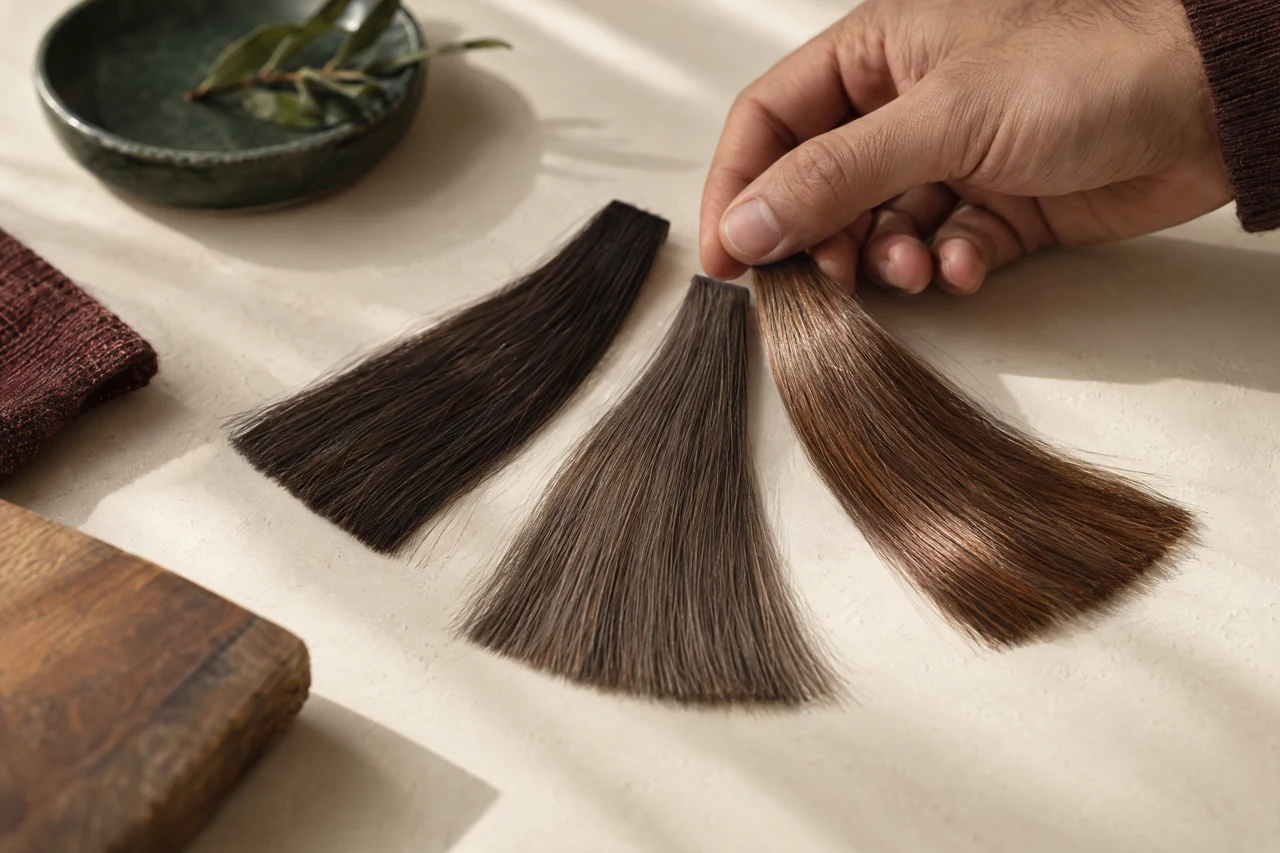
Avoiding a bleaching step does not remove the need to care for coloured hair. The American Academy of Dermatology's colouring guidance explains that appearance-changing treatments can leave hair dry and brittle and recommends staying close to the natural shade. That is general hair-care guidance, not a test of whether your chosen brown can be achieved or a guarantee of condition.
Before leaving, ask for instructions suited to the actual service: when to wash, what cleansing and conditioning routine to use, and what to avoid while the hair settles. Do not borrow a first-wash rule from a different treatment. Tell the stylist if you heat-style frequently or already struggle with tangling, so the everyday routine can be discussed alongside the colour decision.
For ongoing hair care for colour-treated hair, focus on the feel of your lengths as well as the reflection. The AAD also recommends a wide-brimmed hat for sun protection, particularly for treated hair. Observe colour changes in similar lighting rather than assuming that every warmer photograph means the same amount of fading.
Discuss upkeep without promising a fixed lifespan
Ask whether future visits would mainly address regrowth, refresh tone or reassess the overall shade. A no-bleach process is not automatically low maintenance: a deep colour can still contrast with new roots, and a reflection you particularly value may need attention. If the lengths feel unusually rough or the scalp becomes uncomfortable, seek appropriate advice rather than layering on another colour product yourself.

How the starting point changes a no-bleach colour discussion
| Starting point and goal | What needs assessment | Useful decision to bring |
|---|---|---|
| Natural dark hair; subtle brown reflection | Current depth, desired warmth and whether any lift is wanted | Keep a dark overall appearance or accept a visible depth change |
| Natural dark hair; pale cool reference | Distance between the natural base and target brightness | Accept a deeper interpretation or keep the no-bleach boundary and decline the change |
| Old dark dye; lighter brown goal | Artificial pigment, application history and condition of the lengths | Retain the darker lengths or discuss correction separately |
| Natural roots with previously lightened ends | Different histories and existing contrast across the hair | Preserve the contrast or prioritise a more even appearance |
| Fragile coloured lengths; tone refresh | Condition and suitability of the proposed process | Prioritise the lengths you want to retain rather than brightness |
Your preparation checklist
- Photograph your current dry hair in soft daylight, showing the parting, middle lengths and ends without filters.
- Record previous salon and home colour, lightening, henna and other chemical treatments; identify uncertain details honestly.
- Describe the desired change in depth and tone separately, using a reference with visible shadow areas as well as shine.
- State whether avoiding bleach also means avoiding any lightening, and identify a darker or warmer alternative you would accept.
- Share fragile-length concerns and any previous reaction separately from your shade preferences before agreeing to products.
- Confirm the assessed scope, actual price, appointment arrangements and aftercare; an enquiry alone is not a confirmed booking.
Frequently asked questions
Can every brown be achieved without bleach?
No universal brown shade list applies to every starting point. A deep brown and a much lighter brown are different targets, and old dye can change the assessment.
Does avoiding bleach mean avoiding damage?
No. Colouring still needs a condition and product assessment. Share any concerns about fragile lengths and ask what preparation and aftercare suit the proposed process.
Can a photograph confirm that I will not need bleach?
A photograph helps describe the goal but cannot fully reveal colour history or condition. Confirm feasibility and the proposed steps before agreeing to the appointment.
How should I describe a no bleach hair color request?
Say whether you want to retain your current depth or are open to lightening without a bleaching step. Then describe the reflection you like and share your full colour history. The spelling of colour or color does not change the assessment; the starting hair and desired change do.
Find a colour direction that respects your no-bleach preference
Send Vit So current hair photographs, your colour history and the feature you most want to change. Mention what you want to retain and whether a deeper alternative would suit you. Enquire about assessment at 252 Hollywood Road in Sheung Wan, then confirm the proposed scope, quotation and appointment before making plans to visit.
Start your WhatsApp enquirySources & further reading
- Coloring and perming tips for healthier-looking hair
General guidance on dryness and brittleness from cosmetic hair treatments, staying close to natural shade, and sun protection for treated hair.
- How to Lighten Hair Without Bleach
Manufacturer-specific examples of colour-and-developer lightening on virgin hair and the separate limitations of tint when assessing previously coloured hair.



