







Hair smoothing vs hair straightening: separate feel and shape
Look at clean, dry hair without deliberately pulling it straight. Rough ends, uneven shine and a wavy outline are not the same issue. A smoother surface can still have curves. Explain which change matters most before comparing treatments, and ask whether the suggested procedure is conditioning the hair, changing its shape or combining different steps.
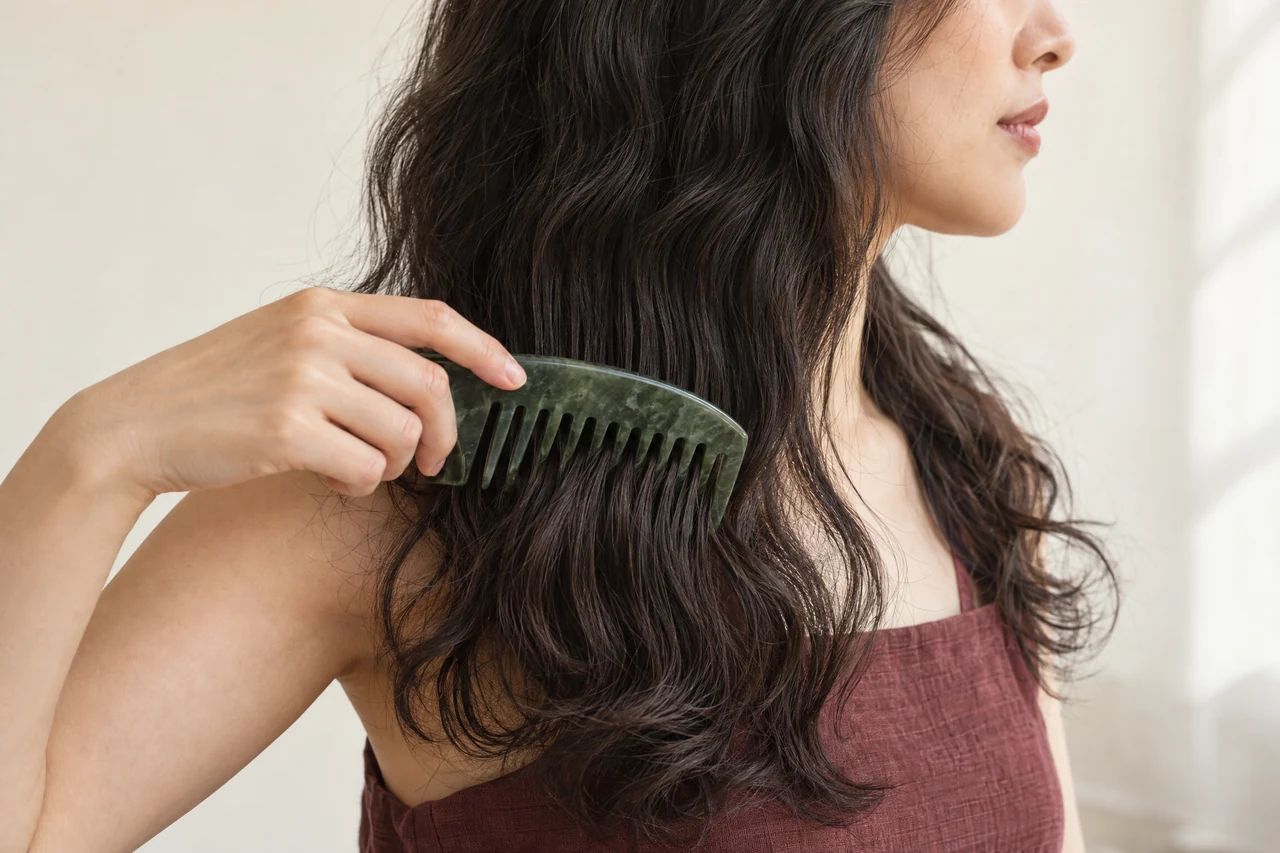
Describe touch and shape separately. For touch, notice where a comb meets resistance and whether the ends feel rougher than the mid-lengths. For shape, look at the bends around your face, the width at the sides and the direction of the ends. A wave can feel soft and look orderly. Straight hair can still feel dry or catch when you comb it. Neither property tells the whole story.
The word smoothing covers different procedures. It might describe conditioning aimed at easier handling, a temporary styled finish, or a chemical and heat process that also loosens the pattern. Do not assume every smoothing service is surface conditioning, or that every one will preserve curls. Ask what your hair should look like after an ordinary wash and your usual drying method, not only at the end of the appointment.
Review hair treatment to check its service scope and the details to share before arranging the related work.
Hair smoothing vs hair straightening in your everyday hair
A useful goal sounds like 'I like my waves but want less resistance when detangling' or 'I want the bends at the sides to become straighter.' Add what you do not want to lose, such as root lift or curved ends. This gives a consultation clearer boundaries than asking for smooth hair without explaining whether smooth means soft, shiny or straight.
What permanent means for treated lengths
Permanent hair straightening describes a lasting shape change in the treated lengths; it does not make future growth straight or return damaged hair to an untouched state. Temporary smoothing can gradually diminish, depending on the procedure and care. The useful comparison is between these different patterns of upkeep, rather than a single promised number of months.
The distinction matters if you might want your natural pattern back later. Permanently altered lengths do not simply reset because you stop booking appointments. Growing out the change can leave natural texture near the roots and straighter lengths below. Discuss how the cut and everyday styling could manage that transition before choosing a lasting change.
In a comparison of permanent straightening vs temporary smoothing, separate a styled finish from a chemical smoothing procedure. A blow-dry or flat-iron finish is temporary; a chemical smoothing effect has its own product-specific pattern of change. The review Straight to the Point: What Do We Know So Far on Hair Straightening? distinguishes temporary thermal styling from chemical methods that alter stronger bonds within the hair.
For a closer look at treated lengths and the emerging root area, read how long does hair straightening last before assuming that a fading finish and visible regrowth need the same response.
New growth keeps its own texture
Ask how future appointments would separate new growth from previously treated hair. A root that grows with a bend is not proof that the lengths have reverted. Equally, rough ends are not a reason to repeat a shape-changing process over them. Identify the area that needs attention and agree whether the next step concerns shape, conditioning, trimming or styling.
Ask what the chemical process actually changes
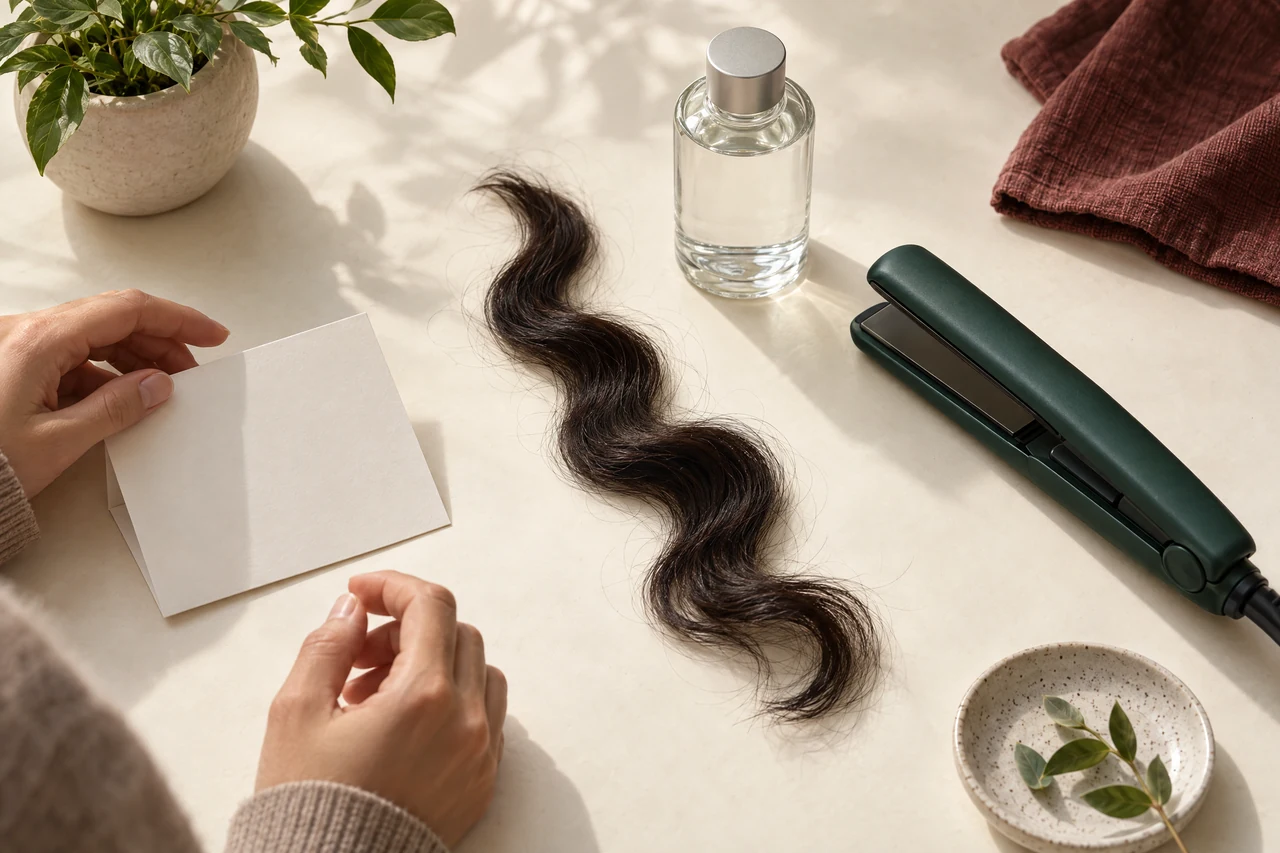
Chemical hair straightening changes hair shape through a process that needs compatibility checks. A glossy finish is not proof of repair, and a smoothing label does not identify the ingredients or heat requirements. Ask about your previous colour and shape-changing treatments, the intended finish and the instructions you would need to follow afterwards.
The scientific review linked above explains that hydroxide and thioglycolate straighteners act on disulfide bonds, which are strong connections within hair keratin. Their chemistry is not interchangeable: combining these incompatible treatments can cause breakage. You do not need to select a chemical yourself. You do need to provide the names of earlier services or products so the professional can assess the proposed procedure against that history.
Include bleach, permanent colour, previous straightening, perms and home kits, even when the treatment happened long ago or in another salon. Old processing may remain in the ends. If the product is unknown, say so rather than guessing. A professional may recommend checking a small hair section, changing the plan or postponing further processing; no photograph can replace that assessment.
Review hair straightening to check its service scope and the details to share before arranging the related work.
Continue with keratin smoothing vs japanese straightening for that specific comparison and the preparation questions it raises.
Read beyond a smooth or glossy finish
Request the actual product name, its intended use and whether heat is part of application. Ask how much natural bend is expected to remain and what the assessment suggests about your ends. Terms such as keratin, silky or glossy do not establish a shared formula. A polished surface should not be described as a guarantee that previously damaged hair has returned to its original condition.

Build a choice around the movement you value
To choose a suitable route, decide whether you want to keep curls, avoid a flat outline or reduce daily brush work. Bring ordinary dry-hair photographs and describe your routine. Compare the proposed shape change, care requirements and total quote only after discussing suitability; a more expensive name is not automatically the better fit.
If your priority is keeping waves, make that a firm part of the discussion, rather than an assumption about smoothing. If you want a straighter outline but still like fullness, identify where it matters: the crown, the sides or the ends. These are separate visual choices. Ask what can reasonably be retained with your hair and the proposed method, without treating either softness or volume as guaranteed.
Think about an ordinary Hong Kong weekday. Do you wash after exercising, leave home with minimal drying, or use a brush to turn the ends under? Straightening may change the starting pattern, but it does not automatically produce your preferred root lift or end direction. Compare the work that would remain at home with the work you currently find frustrating.
Vit So's listed Ionic Straightening price is HK$1,600. That figure is a service reference, not evidence that it suits your hair or that every smoothing procedure is equivalent. Confirm the proposed scope, any separate haircut or care and the total quote before proceeding.
Choose priorities before comparing the quote
Rank what matters most: less tangling, less visible wave, retained fullness or simpler drying. Then name the compromise you would not accept. Someone who enjoys natural curves may prefer a care-focused discussion, while someone seeking consistently straighter lengths may accept a regrowth commitment. Neither choice is inherently better; the useful question is which proposed process matches your priorities and hair condition.

Compare the home routine, not just the salon finish
Before accepting the plan, ask for the procedure's instructions on the first wash, tying hair and using heat. Avoid borrowing a waiting period from an unrelated treatment. Clarify how to dry the roots and whether the finish you want still needs a brush or occasional styling. For product-specific questions to raise, use hair straightening aftercare to organise the conversation.
For general handling, the American Academy of Dermatology's advice on preventing hair damage recommends conditioner after shampooing, avoiding towel rubbing and forceful detangling, and using low heat less frequently. Its combing guidance differs for straight hair and textured hair or tight curls. Match gentle handling to the pattern you retain, rather than pulling every texture through the same routine.
Separate shape changes from a rougher feel
After home washing, observe the outline and feel independently. Note whether a change appears at new growth, throughout the lengths or only at the ends. If the hair feels harder to comb but still looks straight, report that distinction. Record the products and drying method used before seeking advice, rather than immediately adding stronger heat or booking another full-length chemical treatment.
Confirm the product information before committing
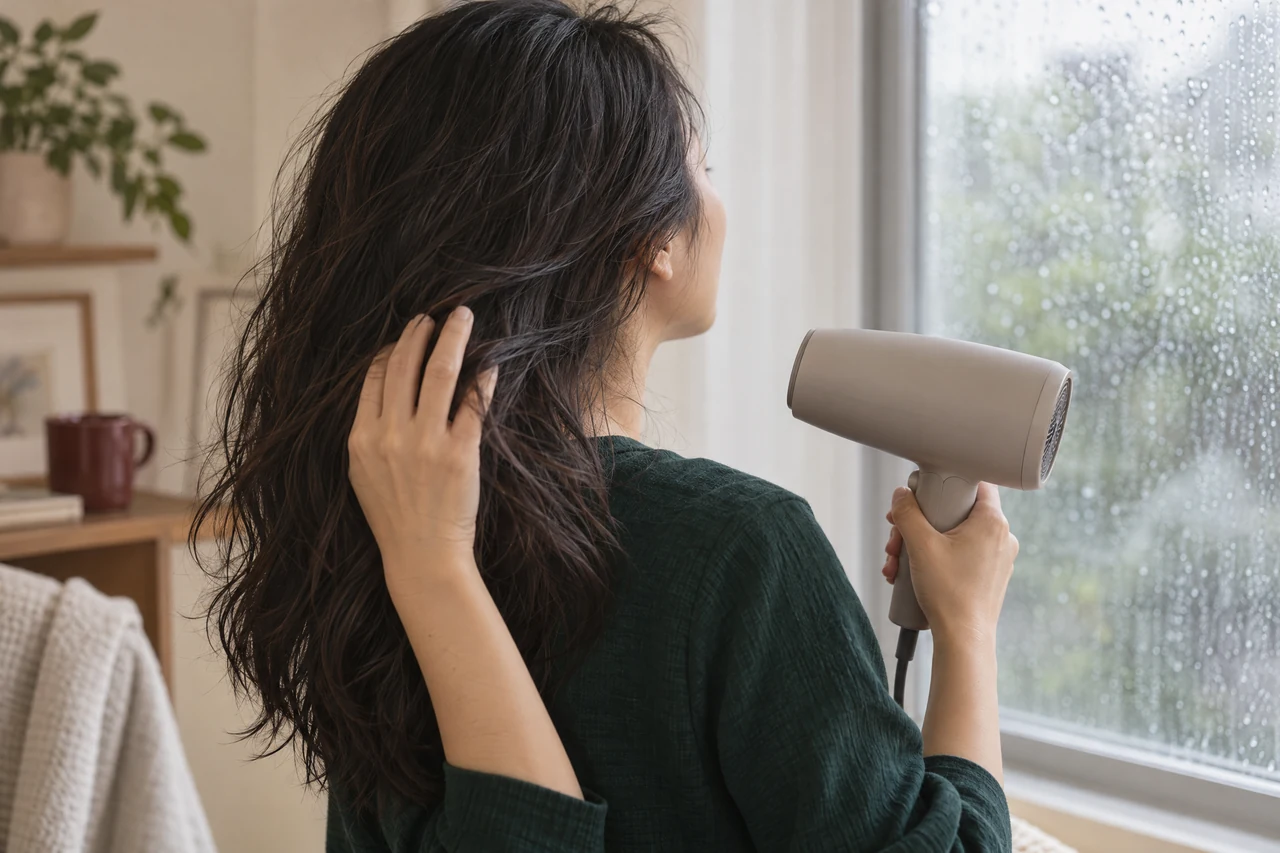
The FDA's information on hair smoothing products explains that some formulas release formaldehyde gas when heated. It advises asking salon professionals about ingredients, including formaldehyde, formalin and methylene glycol. This does not mean every smoothing formula contains them; it makes the actual product and conditions of use more informative than the treatment label.
Ask about the manufacturer's precautions and the ventilation needed for the planned procedure. Share any previous reaction to a hair product before application. If you develop burning, eye irritation or breathing discomfort, tell the professional immediately and pause the process rather than treating discomfort as a necessary part of achieving smoothness. Seek medical help for significant or persistent symptoms, and urgent help for breathing difficulty.
Leave with a clear plan rather than a name alone
A useful consultation should leave you knowing the intended shape, the limits for your processed lengths and the care you would follow. You should also understand what would prompt reassessment instead of another treatment. Persistent scalp concerns, unexpected breakage or thinning deserve attention beyond a cosmetic promise of a smoother finish.

Compare the actual route against your feel, shape and upkeep goals; smoothing is not a single standard process.
| Route or goal | What to clarify about feel and shape | Upkeep and trade-off |
|---|---|---|
| Conditioning-focused care | Ask whether the purpose is easier handling without a planned lasting shape change. | Continue appropriate home care; softer hair can retain its waves. |
| Temporary styled smoothness | A blow-dry or iron can create a straighter finish without permanent chemical restructuring. | The styled shape is temporary, and repeated heat adds handling demands. |
| Chemical smoothing procedure | Check the formula and expected change in curl, not just the word smoothing. | Duration and aftercare depend on the actual process; curl retention is not assured. |
| Permanent straightening | Discuss a lasting shape change in treated lengths, separately from gloss or softness. | New growth retains its texture; plan the transition and avoid unnecessary reprocessing. |
| Keeping fullness or curved ends | Identify exactly where movement matters before selecting a procedure. | The cut and drying routine still influence the outline you prefer. |
Your preparation checklist
- Photograph your ordinary dry hair without pulling it straight, including the roots, sides and ends.
- State your main goal and what must remain: natural waves, root lift, curved ends or retained length.
- Bring your processing history and available product names; identify unknown treatments rather than guessing.
- Ask for the proposed product, expected shape change, compatibility assessment and application precautions.
- Confirm home instructions, the likely regrowth discussion and the complete quote before agreeing to proceed.
Frequently asked questions
Which hair straightening treatment is right for me?
That depends on your desired outline, previous processing and current hair condition. Discuss those first, then clarify the exact method and aftercare. A treatment name or reference photo cannot determine suitability by itself.
Does permanent straightening remove the need to style my hair?
No. New growth, the cut, drying habits and the finish you prefer can still require attention. Permanent refers to the treated hair, not a promise of maintenance-free styling.
Can smoother hair still be curly?
Yes, smoothness and curl are different properties. Whether a particular procedure preserves your pattern depends on its actual formula, application and your hair; ask before proceeding.
Explain the softness and shape you want to keep
Enquire with Vit So at 252 Hollywood Road, Sheung Wan, with ordinary dry-hair photographs and your processing history. Describe whether you want easier handling, straighter lengths or retained movement so the proposed scope, care and quote can be discussed. An enquiry is not a confirmed booking; suitability and appointment details need confirmation.
Start your WhatsApp enquirySources & further reading
- Straight to the Point: What Do We Know So Far on Hair Straightening?
Temporary thermal styling, permanent chemical shape changes and incompatibility between hydroxide and thioglycolate processes.
- Hair Smoothing Products That Release Formaldehyde When Heated
Questions about actual smoothing ingredients, heating, ventilation and reported irritation rather than assumptions from a treatment name.
- How to stop damaging your hair
General conditioner, detangling, towel and heat habits, with different combing advice for different hair patterns.



