






How often should you get a fade haircut for a sharp outline?
Watch where the transition becomes less distinct and whether the sideburns or nape look heavier than you prefer. There is no single return interval for everyone. A photograph taken in similar lighting helps separate actual shape changes from different styling, wet hair or a different camera angle.
Decide what sharpness means to you. It might be a clearly exposed area around the ear, a smooth change from very short hair into darker hair, or a tidy boundary at the neck. These details can change without making the entire haircut unsuitable. If your priority is maintaining the very close lower area, its loss of contrast may be your first reason to enquire. If you mainly want a narrow overall silhouette, you may be comfortable with that contrast softening.
A close cut can also feel different as short hair reappears. Cleveland Clinic's explanation of shaving and regrowth says shaving does not make hair grow thicker or faster, although short hairs can feel stiff or stubbly. Do not interpret that texture alone as evidence that your cut has accelerated growth. For maintenance, the useful question is whether the visible outline still works for you.
When describing the shortest area you want restored, the skin fade vs zero fade comparison can help you discuss remaining length and comfort rather than relying on the word 'short'.
How often should you get a fade haircut when the sides soften first?
Look at the side profile with your head held normally. Is the ear still framed as you intended? Has a darker band become more noticeable above it? Does the back look rounded in a way you dislike? If only the lowest area has filled in and the upper blend remains balanced, describe that limited change. If the entire side has widened, simply tidying the perimeter may leave the main issue untouched. Your next visit should respond to the area that bothers you, not automatically repeat every part of the original cut.
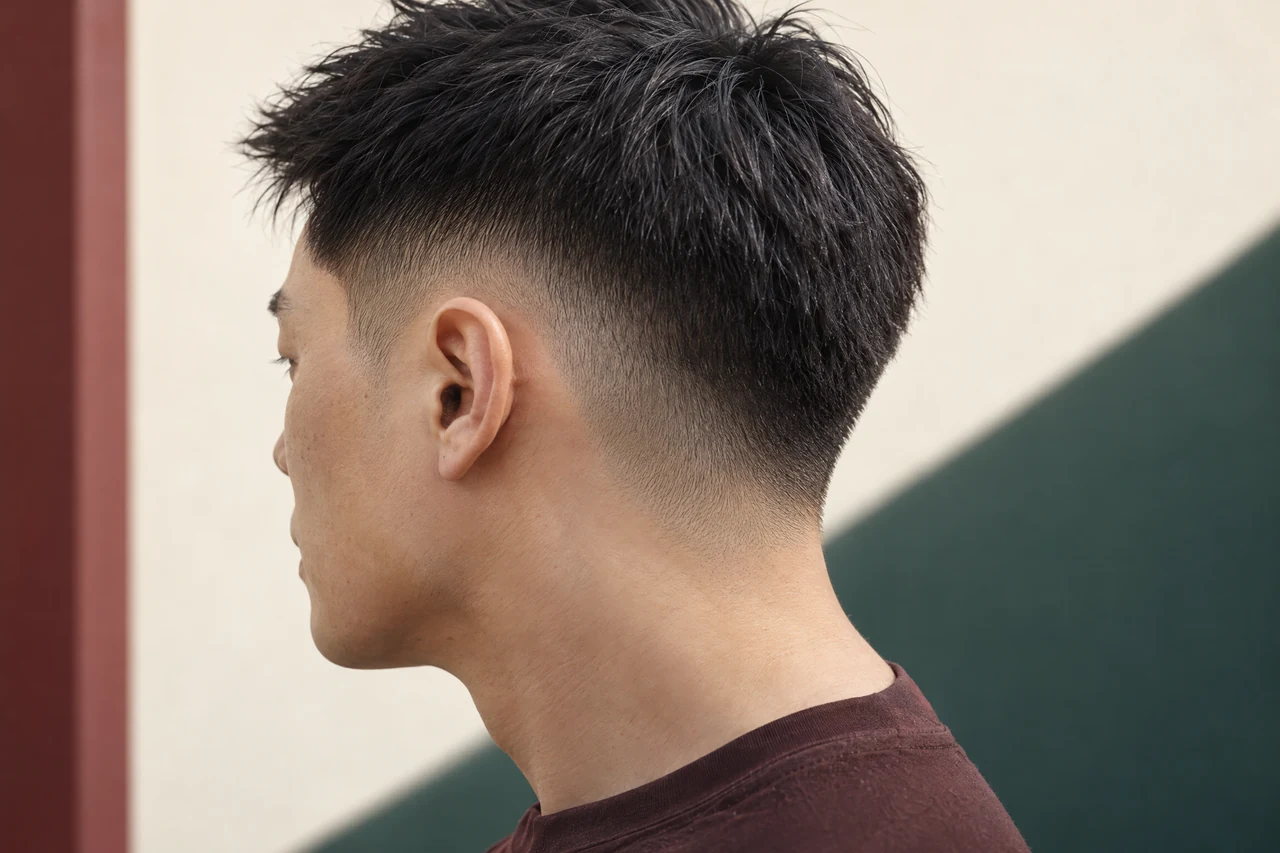
The top and sides need not change together
If the top still falls well, explain that you want its length preserved while discussing the side outline. If the top has become hard to style, an edge refresh may not solve the overall imbalance. Ask about the appropriate service scope rather than assuming a separate quick touch-up is offered.
Test the top using your usual routine rather than an unusually elaborate finish. A fringe that falls where you like, a crown that settles naturally and a top that keeps its intended direction are reasons to discuss retaining length. Conversely, needing extra product to lift the front or finding that the top repeatedly spreads over the blend may indicate a shape issue beyond the edges. Explain what has become difficult instead of asking for all the hair to be shorter.
Preserving the top does not mean ignoring its connection to the sides. When the sides are taken close again, the contrast with a longer top can look stronger. Discuss the weight at that meeting point, especially if you are growing the fringe or changing the parting. A clear instruction is: 'Please keep the front length; I want to review the width above the ears and how it connects to the top.'
Review men's haircut to check its service scope and the details to share before arranging the related work.
Retain length that still works
Name the lengths you value before cutting begins: the front you sweep back, the crown coverage you prefer or the side hair you eventually want to grow. 'The same again' can be unclear if the last visit included shortening areas you now want to retain. Use your fresh-cut photograph to identify the outline, then use your current photograph to show the length you like today. Those references can communicate different goals without treating either photograph as an exact pattern to copy.

Balance sharpness with your preferred routine
A lower-contrast edge may suit someone who prefers fewer appointments, while a close, sharp outline can demand more attention. Consider both morning styling and repeat trims when choosing the original cut. Low styling effort does not mean the shape never needs maintenance or that everyone follows the same schedule.
Separate the look you enjoy immediately after cutting from the look you are happy to wear between visits. If you like some softness but dislike width at the temples, tell the stylist both. The aim is not necessarily to make the initial cut as close as possible. It is to choose an outline whose changing appearance fits your preferences and the time you can realistically give to upkeep.
Continue with fade haircut for that specific comparison and the preparation questions it raises.
Vit So's listed men's wash, cut and blow dry is HK$380. Use that confirmed service price when considering repeat visits, while asking separately about the scope and charge for any requested maintenance work. Do not assume an edge refresh has its own lower price. A sustainable plan considers the service you actually need as well as travel and appointment time.
A softer grow-out can be an intentional choice
A fade does not have to look freshly cut throughout its grow-out to remain a look you enjoy. If you prefer the outline once it has softened, save a photograph at that stage too. It gives the stylist useful information about how much scalp exposure and side coverage you like. If softer edges are acceptable but the shape becomes bulky, discuss retaining a gentler lower transition while reviewing the upper side weight. That is more specific than requesting a haircut that needs no maintenance.

Prepare a useful maintenance enquiry
Send the date of your last cut, current side and back views, and the areas you want refreshed. Mention any length you are growing. If an event makes timing important, enquire about an appointment in advance and wait for confirmation instead of assuming a walk-in or same-day opening.
Include a short description of the change: 'The top still styles well, but the area behind the ears looks fuller,' or 'I like the softened blend, but the nape needs reviewing.' Mention whether you want the fresh-cut finish or a softer version of it. If you wear glasses, show how the sideburns sit with the frames. This helps make the enquiry about your everyday outline rather than a cropped close-up alone.
When the concern is specifically the hair in front of the ear or the neck boundary, the men's sideburn trim guide helps you describe those details without confusing them with the whole fade. Mention any discomfort from the previous close finish before agreeing to repeat it.
Use book a hair appointment to send the intended work and possible dates; wait for confirmation before travelling.
Share the last cut and the areas that have changed
For an interview, celebration or photograph, explain how you want the haircut to look on the occasion itself. If you usually prefer it after the initial sharpness softens, say so; if you want a crisp finish, say that instead. Ask about an appropriate appointment based on your previous grow-out and available dates. There is no need to choose a dramatic new outline just because the event is important. Keeping a familiar shape can make your daily styling needs easier to explain.

Check the haircut in a consistent everyday state
Before deciding that the fade needs cutting, compare it when clean, dry and arranged as you normally wear it. Hair flattened by a cap or changed by a workout can make the top-to-side balance look different. Reset your usual direction gently, then check whether the unwanted width or heavy edge remains. This separates a temporary styling change from a length or shape concern.
The American Academy of Dermatology's healthy hair tips recommend washing according to dirt and oil, applying shampoo to the scalp and absorbing moisture gently rather than rubbing. The guidance also advises limiting heat styling and using low or medium heat settings. These habits support everyday care; they do not prescribe how frequently a fade should be cut. Avoid repeated hot blow-drying simply to force growing sides flatter.
Compare like with like before choosing a trim
Use a similar camera distance and ordinary lighting for each photograph. An overhead light can make scalp exposure appear stronger, while a darker room can hide the blend. Keep your chin at a similar angle when recording the back, and include enough of the top to judge proportion. Do not crop every image down to the nape. A useful comparison shows both the detail you dislike and how it fits into the complete haircut.
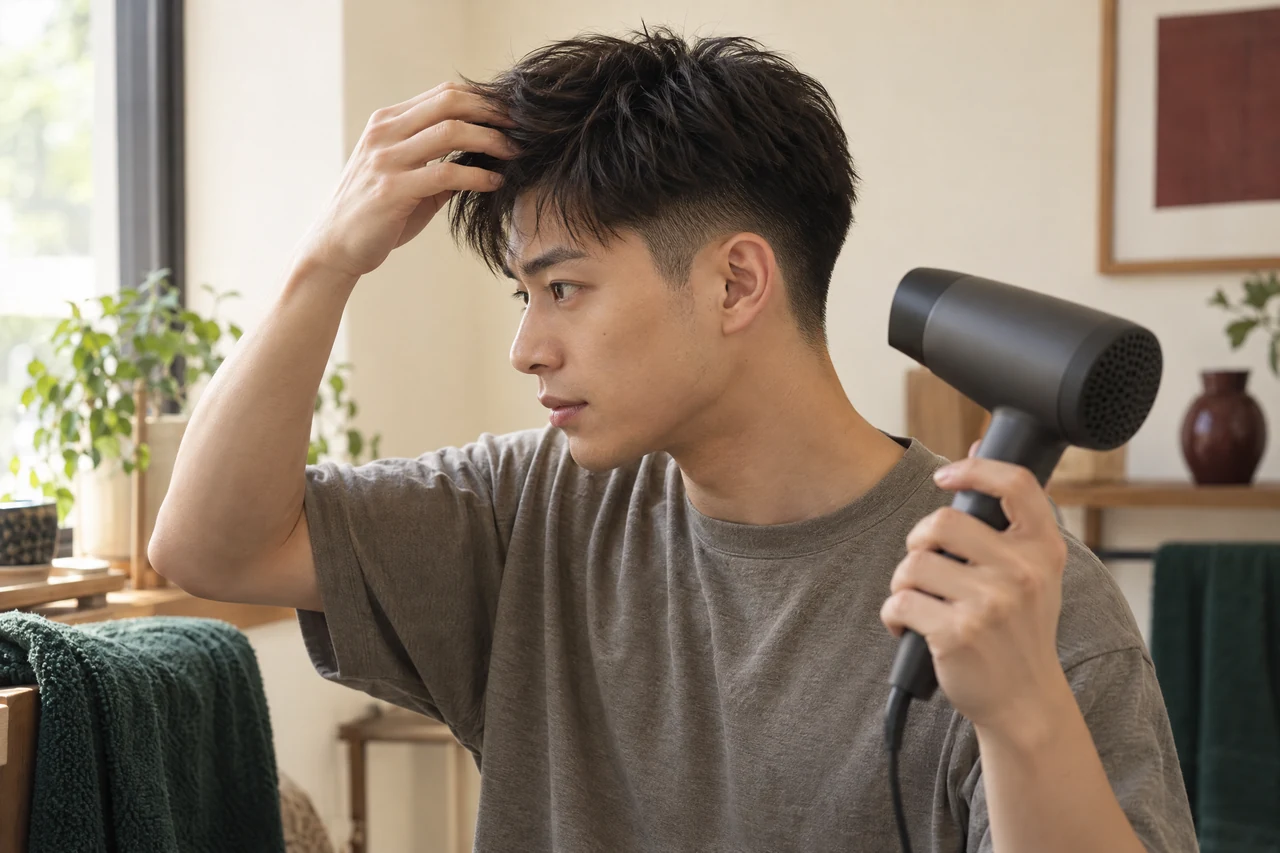
Turn your grow-out observations into a repeatable plan
After a cut, note when you first notice softer edges and when the outline actually stops suiting you. Those are different observations. The first can be normal visual change; the second is a practical reason to discuss maintenance. Recording what bothers you helps avoid booking merely because someone else follows a particular interval.
At the next visit, share what stayed comfortable and what became inconvenient. If the top lasted well but the sides became your main concern, retain that information for the next cut. If every part felt heavy, discuss the complete shape. Reassess after a change in top length, side coverage or styling routine rather than assuming your previous timing must still apply.
Use the table and checklist to decide what to ask for
The comparison below connects visible changes with useful enquiry language. It is not a service menu or a promise that each concern can be handled through an outline-only visit. Choose the description closest to your current hair, then complete the preparation checklist. The goal is a clear discussion about what to refresh and what to preserve, with the proposed work confirmed before your visit.

Fade grow-out: match the visible change to the maintenance conversation
| What you notice | What to assess | Useful enquiry |
|---|---|---|
| Lower edge looks darker, but the shape still suits you | Whether loss of close contrast matters to your preferred finish | I like the overall shape; can we discuss restoring the lower transition? |
| Sideburns or nape look untidy while the blend stays balanced | The perimeter separately from side width | Please assess these boundaries and confirm the appropriate service scope. |
| Hair above the ears looks wider and the top feels heavy | The upper blend and top-to-side connection | I would like the complete shape reviewed, not just the edge. |
| The top still works and you are growing the front | Which lengths need protection when the sides are refreshed | Keep my front length and discuss the side weight before cutting. |
| The outline looks different only after headwear or exercise | Whether your normal gentle styling restores it | Here are photographs before and after resetting my usual direction. |
Your preparation checklist
- Record the date of your last cut and keep a photograph of the finish you liked.
- Take current dry side and back views in comparable lighting, with the top visible.
- Identify whether your concern is lower contrast, the perimeter, upper side width or the whole shape.
- State the front, crown or other lengths you want to keep, especially during grow-out.
- Describe your normal styling routine, glasses or headwear, and any discomfort from close cutting.
- Share preferred dates and any event deadline, then confirm the service scope, charge and appointment before travelling.
Frequently asked questions
Should everyone return every two weeks?
No. Hair growth, the original length and your tolerance for a softer outline vary. Use visible changes and personal preference to discuss your next trim.
Can I refresh only the outline?
Describe that preference and ask what service scope is appropriate. An outline-only appointment or separate price is not assumed from the men's haircut listing.
Do I need to shorten the top at every visit?
Not automatically. Tell the stylist what is still working and what you want to retain, then assess the balance between the top and sides.
Refresh the fade without losing the length you like
Send Vit So your current side and back photographs, last-cut date and the areas you want to keep or change. Discuss your preferred sharpness and the suitable service for a visit in Sheung Wan. Your enquiry starts the conversation; the appointment is confirmed separately.
Start your WhatsApp enquirySources & further reading
- Tips for healthy hair — American Academy of Dermatology
Everyday washing, gentle drying and restrained heat styling; care advice rather than a fade maintenance interval.
- Will Shaving Make Your Hair Grow Back Thicker? — Cleveland Clinic
Close cutting does not accelerate growth or thicken hair, although short regrowth can feel stiff or stubbly.



