






Moisture vs protein treatment: what is being compared?
Moisture-focused conditioning is generally discussed for softness and manageability. A protein hair treatment may contain protein-derived ingredients intended to support the feel or handling of the fibre. These categories can overlap within a formula. The wording on a menu does not establish ingredient concentration, the exact procedure or which option is suitable for your hair.
For a useful comparison, translate the label into a practical aim. Moisture-focused care might be discussed because the ends feel rough or a comb catches during washing. A protein-containing formula might be proposed as part of caring for processed lengths. Neither description tells you how heavy the product will feel, whether it is rinsed out or how much styling follows. Those details help determine whether it fits your routine.
The review Hair Cosmetics: An Overview explains that conditioners can reduce friction and improve combability. It includes protein-derived substances among conditioning ingredients and emphasises interactions within the formula. This is why a moisturising mask containing a hydrolysed protein is not a contradiction. The complete product matters more than treating an ingredient name as a verdict on your hair.
Continue with bond repair vs deep conditioning for that specific comparison and the preparation questions it raises.
Read moisture vs protein treatment through the product details
Hydrolysed means that a protein has been broken into smaller fragments. An ingredient list may identify hydrolysed keratin or another protein source, but it does not tell you the exact concentration or the finished result. Look for the product's intended use and directions alongside the ingredients. Ask what the proposed formula is expected to change: slip during detangling, the dry feel of the ends or the amount of weight left behind. A promise of 'strength' needs a clear explanation rather than an assumption that all earlier damage will disappear.
Discuss damaged lengths without self-diagnosing
When considering a protein treatment for damaged hair, describe prior bleach, colour, straightening and repeated heat use. Explain whether hair feels rough, tangles or breaks, and where. These observations support a care discussion, but do not prove a protein deficiency or guarantee that adding more protein will make damaged lengths fit for another chemical service.
Separate the newer roots from the older lengths. A recently coloured root area may have a different history from ends that were lightened and later dyed darker. Give approximate dates where you can, and say when you do not remember. Include home colouring, previous smoothing procedures and the places where a straightener is repeatedly used. A darker current shade does not erase the processing history beneath it.
Describe the problem during a normal task. Does the comb catch only at the nape, do the ends feel rough once dry, or are short broken pieces appearing while you brush? These descriptions are more useful than saying the whole head feels 'unbalanced'. Do not repeatedly pull or stretch strands to prove that protein is missing. If breakage is significant, the discussion should include gentler handling and whether further chemical work should wait.
Continue with damaged hair care for that specific comparison and the preparation questions it raises.
Breakage alone does not identify a missing ingredient
A care choice should account for what happens to the hair between washes. Tight brushing through knots and repeated high-heat finishing are relevant even when a mask feels pleasant. The American Academy of Dermatology's healthy-hair tips recommend gentle detangling from the ends and limiting excessive heat. These are practical ways to reduce avoidable stress, not a test for choosing protein. Persistent scalp discomfort or an unexplained change in hair loss deserves medical advice rather than a stronger cosmetic treatment.

Compare application and aftercare
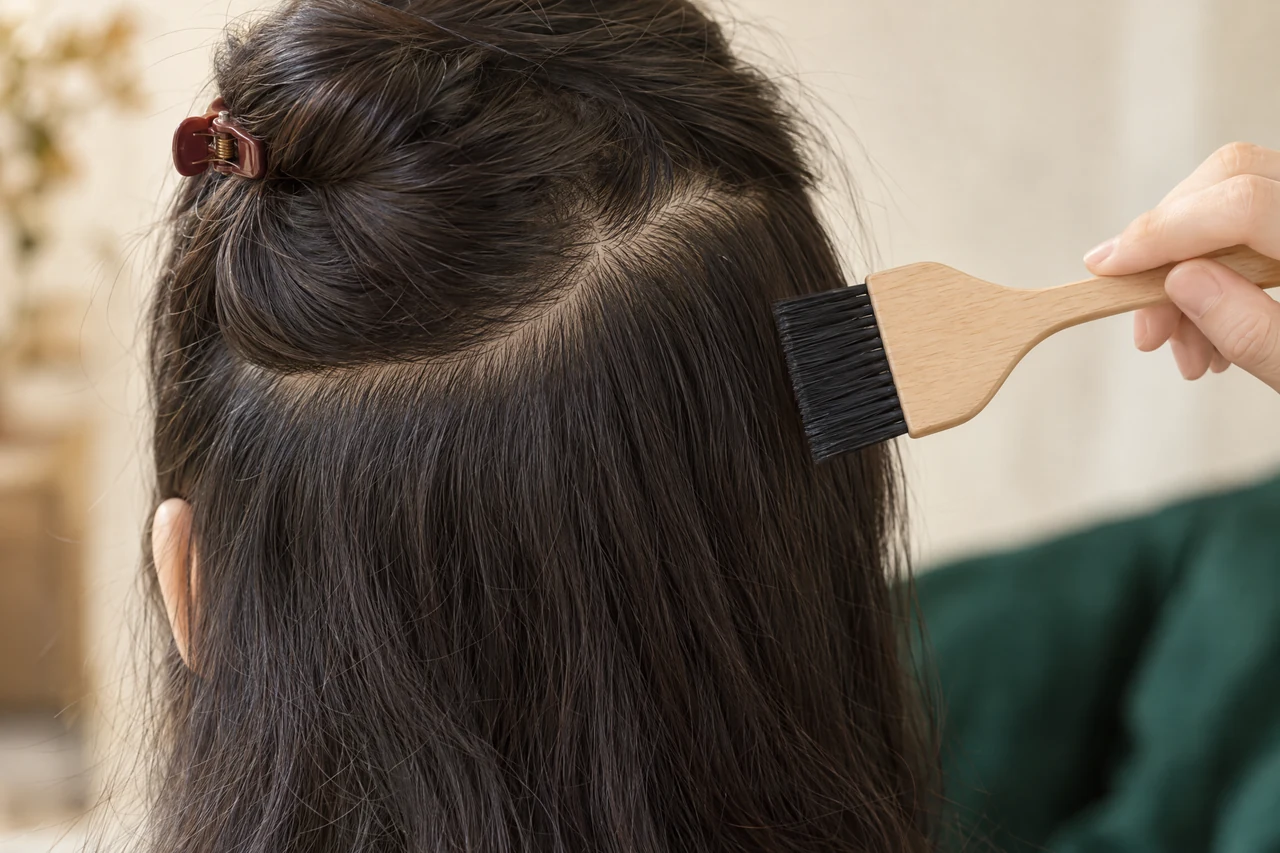
Ask where the product will be applied, how it is used and what routine should follow. Do not extend the recommended contact time or layer several concentrated products to pursue a stronger result. If the hair feels stiff, coated or difficult to manage, review the products and steps before deciding that it needs more of the same.
Check whether the directions specify wet or towel-dried hair, a rinse-out step and a particular application area. A product intended for the lengths should not automatically be massaged onto the scalp. Ask whether any heat is involved and what it is for. The presence of protein in a conditioner does not by itself make the procedure a heat-assisted smoothing or straightening service.
Make the home routine clear before adding purchases. If you already use a mask, conditioner, leave-in and finishing oil, share that sequence. A new treatment may replace a step rather than justify another layer. For the distinction between product formats, hair mask vs conditioner can help you ask whether both are needed in the proposed routine. Do not substitute a rinse-out product for a leave-in unless its instructions allow that use.
The AAD advises using conditioner after washing, with placement reflecting hair type: the ends for fine or straight hair, and the lengths for dry or curly hair. This general advice supports a placement discussion, while the actual treatment instructions still govern the product being used. Protecting movement at the roots can be as important to you as improving the feel of the ends.
Directions matter as much as a headline ingredient
Ask for an aftercare plan that you can realistically follow on workdays. Clarify which product is used at the next wash, whether the existing mask stays in the routine and what should trigger a review. There is no useful universal rule that every protein-containing product must alternate with a moisture mask. Nor does a richer texture automatically call for a longer application. Follow the proposed product's directions and avoid changing several concentrated products at once, which makes the result harder to interpret.
Review the result in your normal routine
After following the agreed care directions, compare how the hair combs and moves under familiar washing and drying conditions. A shinier salon finish is not enough to identify which ingredient helped. Keep notes about softness, tangling and heaviness so a later discussion can focus on a concrete change rather than a broad claim of repair.
Notice wet slip and dry softness separately. A product may make detangling easier yet leave fine lengths feeling too coated after drying. Another may feel light but not give enough slip at the ends. Record where this happens and which steps you used. Hair that looks smooth immediately after a careful blow-dry may behave differently after air-drying at home; that comparison does not isolate the action of protein or moisture ingredients.
Use an ordinary wash as your reference rather than arranging an elaborate test. Keep the usual drying method where practical and mention any change in weather, styling product or heat use. In Hong Kong, a humid outdoor journey and an air-conditioned office create different styling conditions. Note the setting without assuming that every change in frizz reveals a product failure or an ingredient shortage.
Notice slip, flexibility and weight separately
Useful feedback sounds like 'the ends untangle more easily, but the upper lengths feel heavy' or 'the dry ends still catch after rinsing'. These are observation phrases you can adapt, not expected results. If the hair feels stiff, do not immediately label it protein overload or counter it with several new products. Review the amount, rinsing, styling layers and the whole formula first. Agree on a simpler next step with the person advising you, especially if fragile lengths are involved.
Choose a care goal that suits your hair's movement
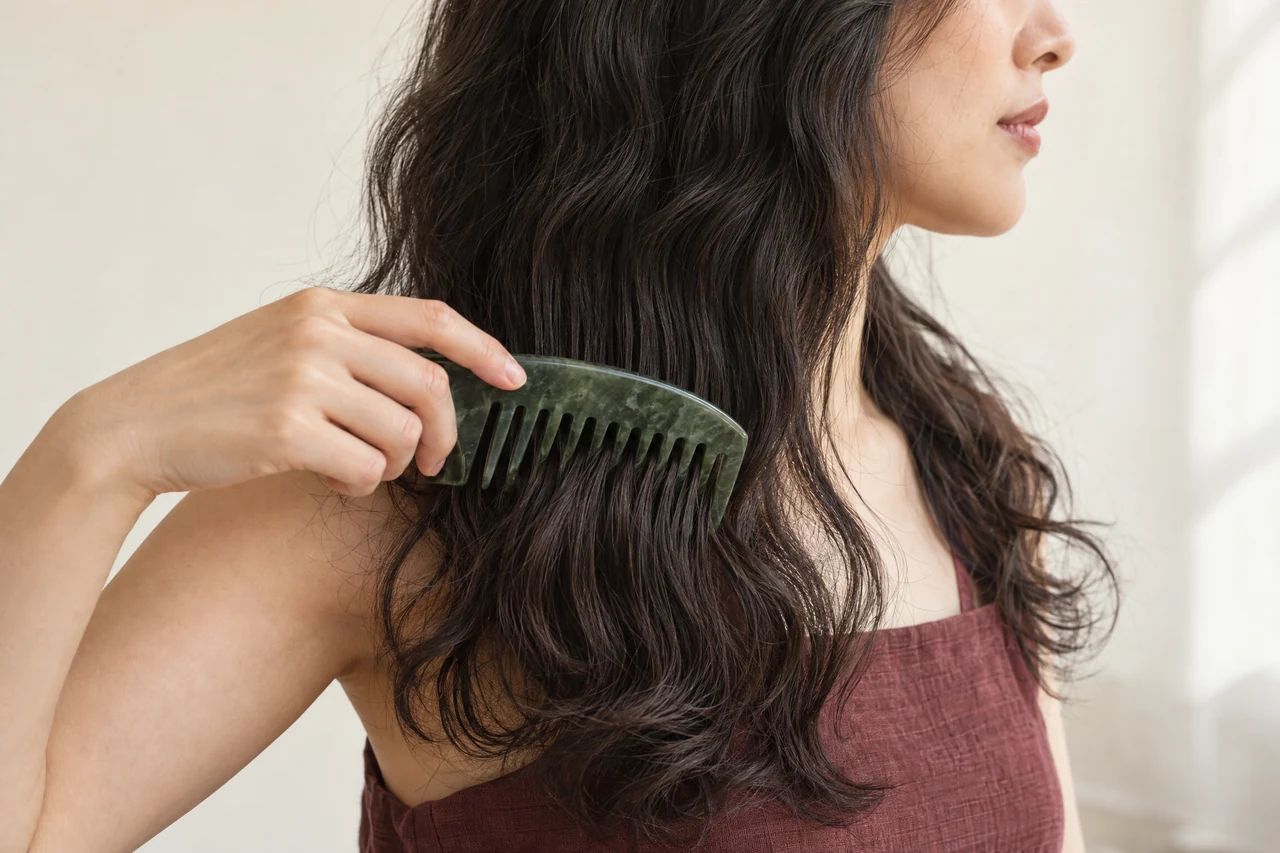
For fine hair with rough ends, explain that you want easier combing without a flat upper outline. That gives the discussion a placement and weight target rather than forcing a choice between two labels. For coarse or curly lengths, describe how much slip you need during detangling and whether you want to keep your existing curl shape. Softer handling and a straighter silhouette are different goals.
For lightened lengths, a protein-containing product may be part of the discussion, but it is not permission to add another bleach or perm service. Care planning should still reflect the condition of the processed sections. If lightening is the main background to your concern, hair care after bleaching addresses the daily handling of those lengths. A product comparison is most useful when it supports the lengths you want to keep, rather than serving as a promise to reset them.
Compare these labels using the same questions
The table below is a discussion guide, not an ingredient prescription. Apply the questions to the actual products offered, including formulas that combine both approaches. Choose the result that matters most in everyday use, then ask which application and routine are intended to support it. You do not need to eliminate every protein-derived ingredient to pursue softness, or abandon ordinary conditioning to discuss protein-containing care.

Prepare a clear moisture-care enquiry at Vit So
The listed moisture-care item is HK$1,500. That price identifies the menu item, not a confirmed protein formulation or a separate protein procedure. Before arranging a visit to Sheung Wan, ask which products are currently proposed, what the service includes and how the cost applies to your hair length. Mention whether you also want a cut or colour so the work and quote can be clarified without assuming a package includes the same treatment.
Review hair treatment to check its service scope and the details to share before arranging the related work.
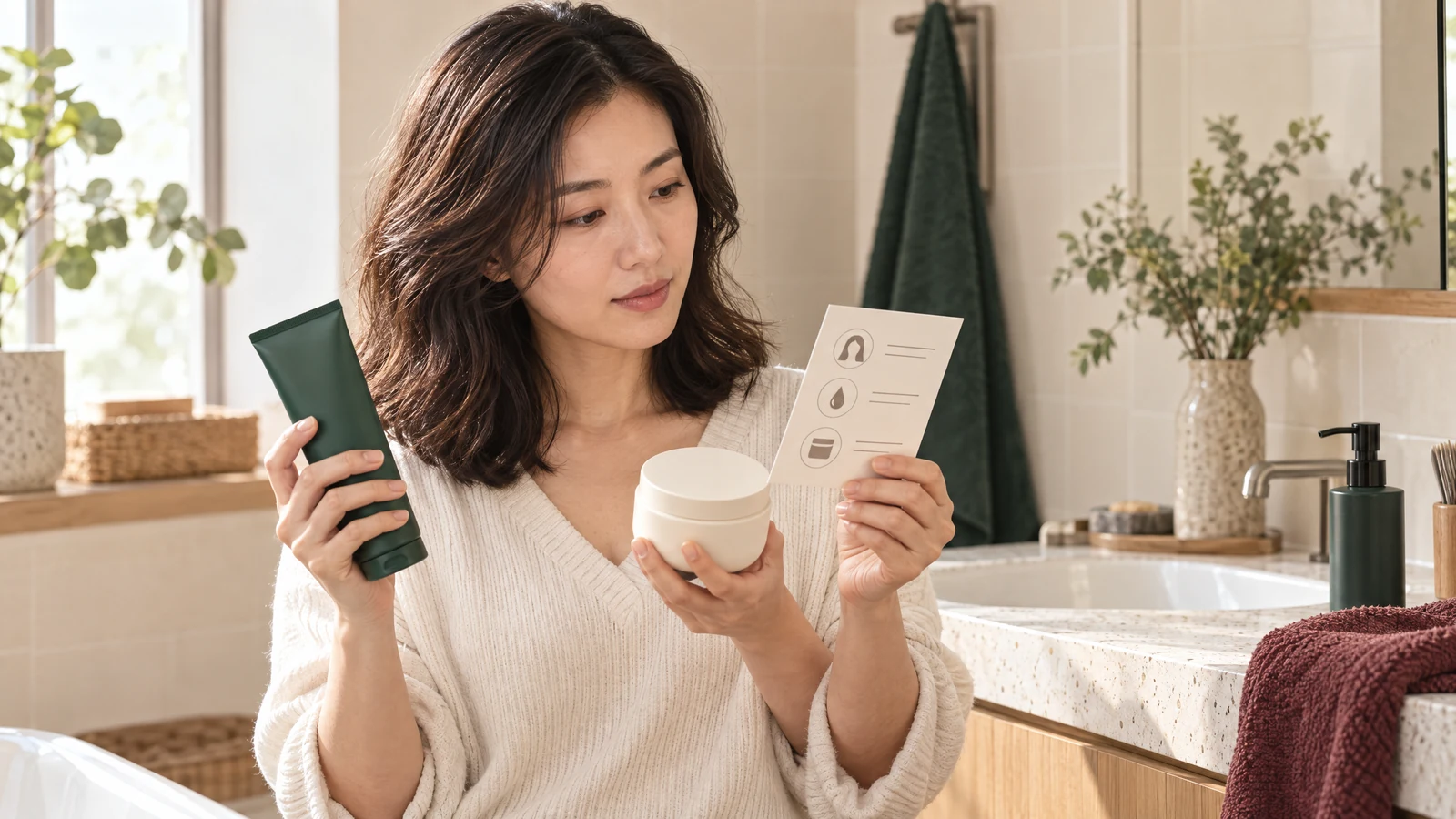
Bring the product names or clear label photographs from your current routine. Say which change would make washing or styling easier and what you want to preserve, such as curl definition or root movement. The checklist below helps turn a general moisture-or-protein question into a manageable conversation about products, application and follow-up.
Confirm the proposal before committing to a method
A useful proposal identifies the care aim, application steps and what to do after the appointment. Ask about the time you should allow rather than inferring it from the treatment name. If you are seeking a specifically named protein service, confirm its availability before choosing it. Sending an enquiry is a way to clarify these details; it does not confirm an appointment, a product or suitability for additional chemical work.
Questions for comparing moisture-focused and protein-containing care
| Decision point | Moisture-focused care discussion | Protein-containing care discussion |
|---|---|---|
| Main practical aim | Describe desired softness and easier detangling. | Ask what the formula is intended to change in handling processed lengths. |
| Formula overlap | May include protein-derived ingredients alongside other conditioners. | May include ingredients supporting softness and slip as well as proteins. |
| Information to request | Application area, product format, rinsing and expected weight. | Actual protein-derived ingredients, complete directions and whether heat is involved. |
| Home review | Notice wet slip, dry softness and root or length heaviness. | Notice handling, movement and any stiff or coated feel without diagnosing its cause. |
| What the label cannot settle | The cause of dryness or suitability for more chemical processing. | A protein deficiency, permanent repair or a guarantee against breakage. |
Your preparation checklist
- List bleach, colour, perm and straightening history, separating newer roots from older processed lengths.
- Describe where roughness, tangling or breakage occurs and whether it appears during washing, drying or brushing.
- Bring current product names and directions, including masks, conditioners, leave-ins and styling products.
- Choose the main care goal and what you want to preserve: easier combing, softer ends, curl shape or lightweight movement.
- Confirm the actual product, application area, rinsing, any heat step, service inclusions and quote before arranging the work.
- Agree on the next-wash routine and the observations that would make a follow-up discussion useful.
Frequently asked questions
Does dry hair always need protein?
No. Dry feel does not identify a single cause or a missing ingredient. Review your routine, processing history and the actual proposed product before choosing.
Are moisture and protein mutually exclusive?
No. A formula may combine conditioning ingredients with protein-derived ingredients. The complete formula and directions are more informative than putting every product in one category.
Is a protein treatment confirmed on the Vit So menu?
A named protein procedure is not established by the published moisture-care item. Ask about the actual available products and proposed care before booking a specific method.
Discuss softer, more manageable lengths without guessing a deficiency
Enquire with Vit So in Sheung Wan about the care currently available. Share your processing history, present routine and the feel you want to improve so the proposed products, steps and quote can be clarified. An enquiry is not a confirmed booking.
Start your WhatsApp enquirySources & further reading
- Hair Cosmetics: An Overview
Conditioners reduce friction and improve combability; protein-derived ingredients can form part of conditioning formulas, whose ingredient interactions matter.
- Tips for healthy hair
General guidance on conditioner placement, gentle detangling from the ends and reducing excessive heat exposure.



