






How Long Does a Down Perm Last as the Sides Grow?
New hair near the roots can begin to show its original growth direction while the treated lengths remain different. Note where projection returns rather than judging only the widest part of the outline. The rate of visible change depends on the hair and retained cut, so a calendar alone cannot determine when another treatment is appropriate.
For side control, a useful result is a silhouette you like with an amount of daily effort you can manage. That might mean less projection above the ears while keeping enough hair to cover the scalp. It does not necessarily mean every strand lies completely flat. Decide which part of the original shape matters most: the upper side, the ear edge or the sideburn. This gives you a clear observation point as the haircut grows.
Regrowth is not the same as a treated strand returning to its previous appearance. DermNet's explanation of hair structure describes the shaft growing from cells in the hair bulb. Newly emerging hair and the existing lengths therefore need separate attention when discussing your outline. A small outward-growing area close to the scalp can coexist with flatter hair farther along the side.
Review down perm to check its service scope and the details to share before arranging the related work.
Answering How Long Does a Down Perm Last Without a Fixed Promise
Set a practical threshold rather than an expiry date. Can you still arrange the sides comfortably before leaving home? Is the change concentrated above one ear, or has the whole side become wider? If the outline remains acceptable, visible growth alone need not prompt another chemical service. If you need increasingly forceful styling to recreate the shape, show that change to the stylist rather than simply requesting the same treatment again.

The First Wash After Side Control
Ask when the sides may be washed and how to handle them during the early aftercare period. Do not assume that a rule for another perm or product applies. If the instruction is unclear, contact the salon before changing the routine; a general guide cannot supply the missing details of your individual chemical service.
Before leaving, ask whether the instruction concerns shampooing, getting the hair wet, styling products or all of these. Share any immediate plans involving exercise or swimming so the salon can address them for the process used. Save the advice in a note you can find at home. When can I wash my hair after a down perm is a sensible question to resolve at the appointment, not by choosing whichever online waiting time sounds longest.
Once washing is permitted, keep handling gentle. The American Academy of Dermatology's hair-care advice recommends massaging shampoo into the scalp rather than rubbing the lengths, using conditioner after shampoo and absorbing water without towel rubbing. It also recommends the lowest heat setting when using heat tools. These are damage-reduction habits, not a measured guarantee that the sides will stay flat for a particular period.
Use Instructions for the Process Actually Applied
If the appointment also included waves on top, ask the stylist to explain the side and top routines separately. The top may need a different styling direction from the sides. Request a demonstration of how to place the side hair during drying without repeatedly pulling it. A clear demonstration is more useful than treating the entire head as one uniform texture or trying to force the side outline with hotter air.
What a Shorter Side Cut Changes
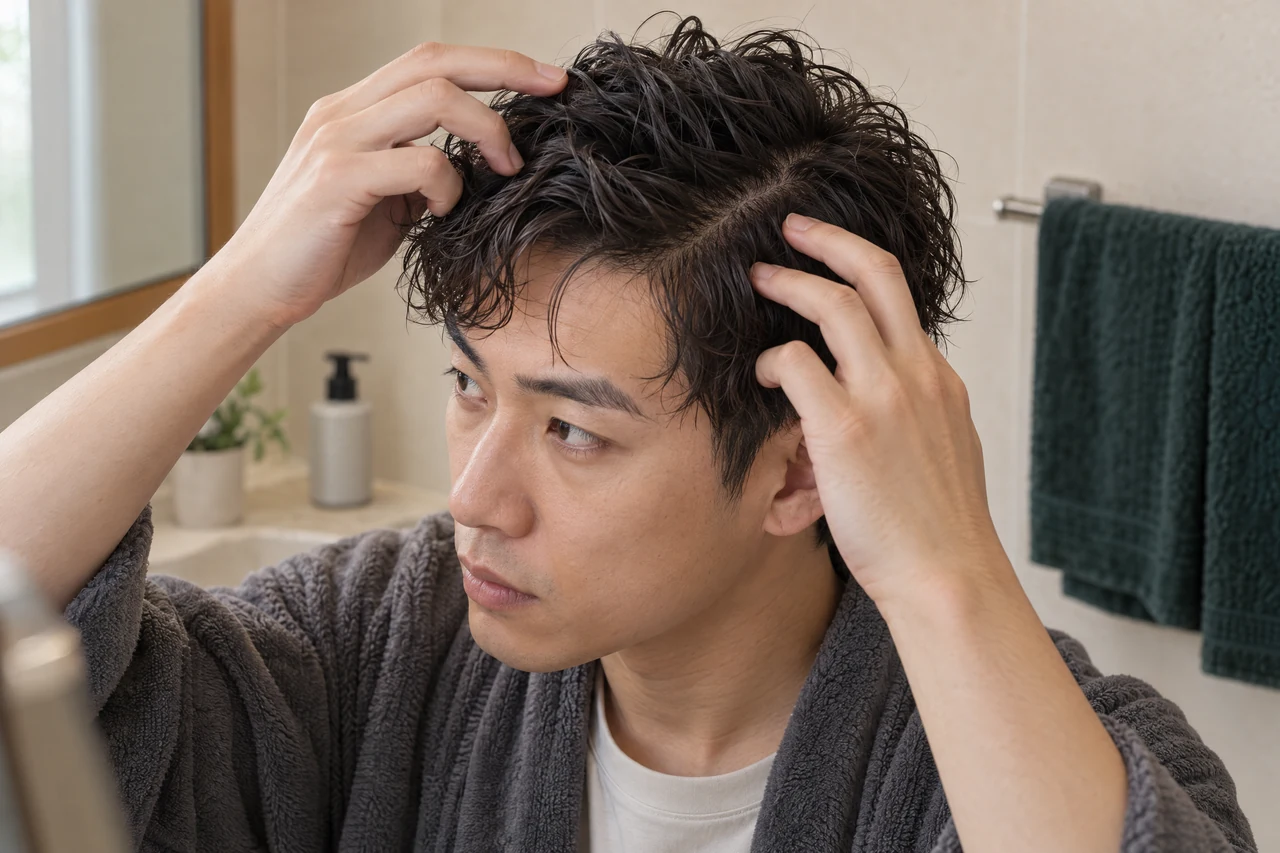
Shortening the sides removes some of the hair that was treated and can reveal the direction of the remaining strands. Explain whether your priority is a cleaner edge or keeping the flatter outline. A haircut can change the appearance without establishing that the original treatment has suddenly stopped working or that another process is required.
A request to make the sides shorter needs a length boundary. You might want a tidier ear edge while preserving coverage higher up, or you might prefer a more exposed taper. Those choices remove different amounts of existing hair. Show the stylist where you want hair to remain, especially if you like the soft transition between the fuller top and the closer sides. Do not assume a very close cut will preserve the same appearance as a longer, flatter side.
The comparison in down perm vs fade is useful when you are deciding between keeping side coverage and removing more length. Neither route should be chosen solely because the original service happened some time ago. The aim is to match the next haircut to the outline you want now.
Review men's haircut to check its service scope and the details to share before arranging the related work.
Retained Length Can Matter as Much as Regrowth
Tell whoever cuts your hair about the earlier side treatment before the cutting starts, even if you are visiting a different salon. Mention the area treated and bring a clear side photograph from when you liked the shape. Ask what the proposed trim will remove and what it will leave. If you are growing the top longer, discuss the top-to-side transition too; the side outline should not be planned in isolation.

A Follow-Up Based on Condition and Shape
Before discussing another side-control service, show current dry views and describe the earlier treatment area and date. The condition of the existing lengths matters when considering overlap. Styling, a haircut or postponement may be more appropriate than repeat treatment, especially if there is fragility or irritation; do not apply side-control chemicals at home.
Bring your wider treatment history, not just the last down-perm date. Colour, bleach, straightening and previous side-control work may be relevant to the lengths still present. DermNet's guidance on hair-shaft defects identifies perming lotions, straighteners and dyes as possible sources of chemical injury. This supports assessing the hair before more processing; it does not mean every outward-pointing strand is damaged.
Describe the change without trying to diagnose it. Useful details include whether the sides feel unusually rough, whether short pieces are breaking and whether your scalp is uncomfortable. A photograph can help explain shape, but it cannot establish chemical suitability on its own. Persistent irritation or concerns about hair loss deserve medical advice rather than attempts to hide the problem with stronger products or further chemicals.
Continue with men's puffy sides after a perm for that specific comparison and the preparation questions it raises.
Avoid Repeating Chemicals on a Calendar Alone
Ask what the next step is intended to change. Is the concern fresh growth close to the scalp, weight in the haircut or a side that needs a different drying direction? Discuss how previously treated lengths will be considered if more processing is proposed. Being satisfied with a styling adjustment or a trim is a valid outcome of the consultation; an assessment need not end in a repeat down perm.

Compare the Sides in Your Everyday Routine
Compare your hair in a consistent dry state. Use similar lighting and head position, with the ear visible rather than hidden by a tilted camera angle. Take the photograph after your ordinary permitted wash-and-dry routine, before using an unusually firm styling product to press the sides down. A heavily styled salon finish and a quick morning routine are different comparison conditions.
For a Sheung Wan commute, note whether the outline concerns you immediately after drying or only after being outdoors. If you wear glasses, look at the contact area above the ear as well as the upper side. If you wear a helmet, record the appearance after removing it and after your normal reset; never change a helmet's safe fit for the hairstyle. These details help distinguish a recurring everyday difficulty from a single photograph taken after pressure or movement.
Track the Effort Needed, Not Just the Width
A short note can say where hair projects, what you did during drying and whether your usual styling product was enough. Keep the routine stable before comparing results; changing the cut, product and drying method together makes the cause harder to discuss. The record is useful when it shows which part of your morning has become inconvenient. You do not need to measure every strand or turn home observation into a daily test.

Plan the Next Visit Around the Shape You Want
Plan a review around your actual needs, especially before a work event or a trip when you will have less time to style. Explain whether you want to keep the same side coverage, move towards a shorter cut or grow the hairstyle out. A request for advice on the current silhouette leaves room for the stylist to recommend a suitable approach rather than assuming you already need a chemical refresh.
The listed standalone Down Perm price is HK$700. The listed men's wash, cut and blow-dry plus Down Perm package is HK$780–HK$880. Confirm package contents and the actual charge before arranging work. These are different listed options, not a promise that another treatment will be appropriate. Avoid estimating annual maintenance costs from an assumed lifespan; the future mix of cutting and chemical services is not yet known.
When you are ready to book a hair appointment, include current side views, the earlier service date and your preferred retained length. State whether you are asking for an assessment, a haircut or clarification of aftercare. An enquiry helps establish the next step, but the visit and any proposed service still need confirmation.
Prepare a Clear Side-Control Enquiry
Use the checklist below to gather the details that change the decision. A reference photo can show your preferred outline, while your current photos show the starting point. Mention which part of the previous shape you want to keep. That combination makes the conversation more specific than asking for a longer-lasting result without describing the length, coverage or routine you are prepared to maintain.

Side-outline changes and the questions they raise before another down perm
| What you notice | What to check | Useful next discussion |
|---|---|---|
| Projection close to the scalp | Whether the change starts in new growth while longer side hair stays flatter | Review the growth area and retained length before proposing more chemicals |
| Different shape after a shorter cut | How much treated hair was removed and where coverage remains | Agree on cutting boundaries rather than assuming the treatment expired |
| Sides difficult only after headwear | Appearance after removal and after your ordinary reset | Discuss contact and styling without compromising safe headwear fit |
| Roughness, breakage or scalp discomfort | Earlier chemical work and when the concern began | Prioritise condition; seek medical advice for persistent scalp symptoms |
Your preparation checklist
- Save current dry views of both sides with the ears visible and no unusually heavy styling product.
- Record the previous treatment date, the side areas treated and any later haircuts or colour work.
- Identify the coverage and length you want to keep above the ears and at the sideburns.
- Describe the normal drying routine and where maintaining the outline has become inconvenient.
- Confirm the first-wash instructions for the actual process and ask about exercise or swimming plans.
- Share any breakage or scalp discomfort, then confirm the proposed scope, price and appointment before visiting.
Frequently asked questions
When can I wash my hair after a down perm?
Follow the first-wash instructions for your actual treatment. The products and process matter, so confirm the advice instead of adopting a universal number of hours from another service.
Does visible regrowth mean I should repeat the service immediately?
No. Discuss the new side outline and existing hair condition first. A cut or styling change may be enough, and repeat chemical work should not be decided from elapsed time alone.
Can regular top-perm care predict how long my sides stay flat?
No. Added waves and side control have different aims and observation points. Record your own side regrowth and retained length rather than transferring a top-perm lifespan.
Find the Right Next Step for Your Side Outline
Send Vit So your current side views and the details of your earlier treatment to discuss the shape you want to keep. For a visit at 252 Hollywood Road, Sheung Wan, confirm the appropriate service, charge and availability first. An enquiry is not a confirmed booking.
Start your WhatsApp enquirySources & further reading
- 10 hair care habits that can damage your hair — American Academy of Dermatology
General advice on gentle shampooing, conditioning, towel handling and lower heat to reduce hair damage; not a down-perm first-wash timetable or retention measurement.
- Defects of the hair shaft — DermNet
Hair-shaft growth from the hair bulb and possible external chemical injury from perming lotions, straighteners and dyes.



