






Growing out an undercut starts with a protected area
Show the shortest side sections and explain that they are being grown, not reset. Separate those areas from stray edges you would like tidied. A request to make everything neater can otherwise be interpreted as returning to the original close outline, so establish the retained length before discussing a trim.
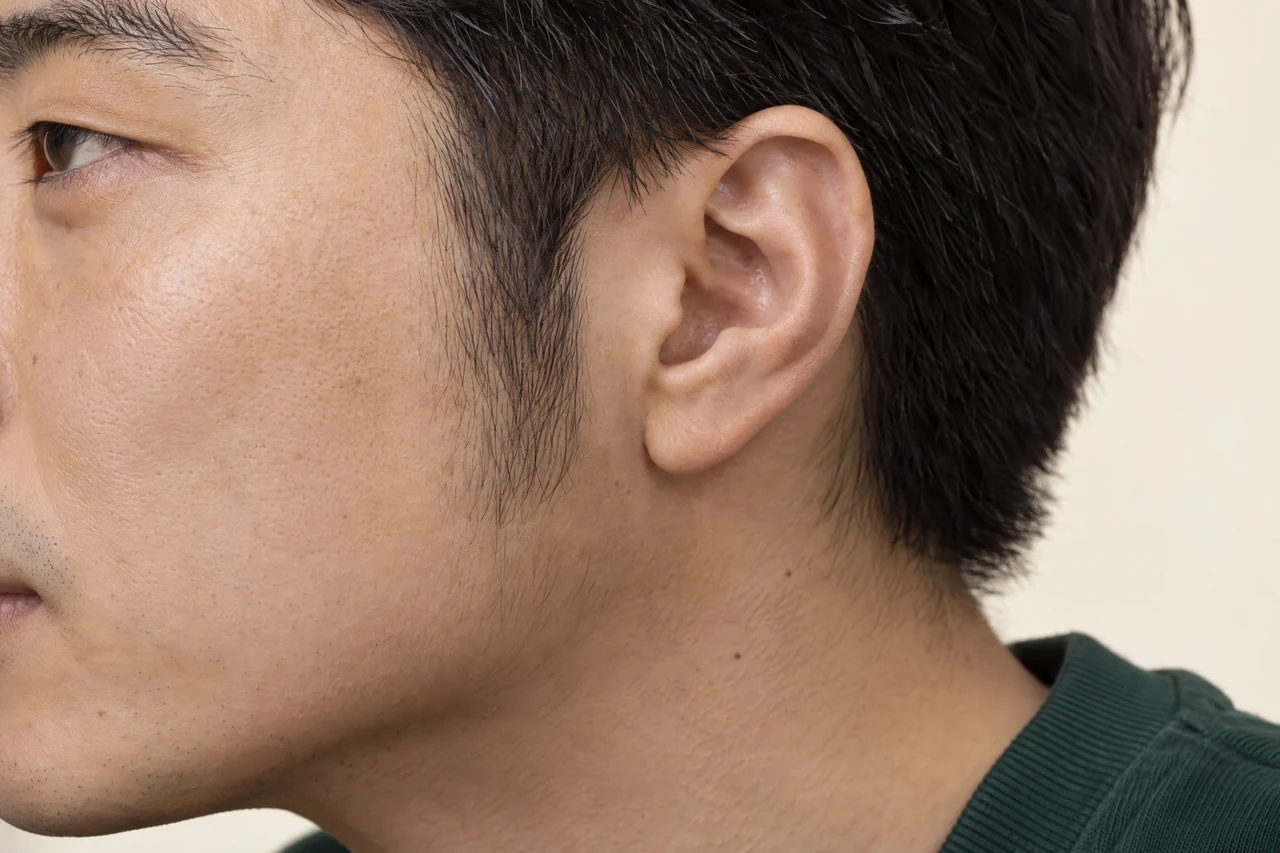
Start at the temples and work around the ears to the back of the head. An undercut may extend much higher than its exposed lower edge suggests, especially when the top falls over it. Lift that overlap during the discussion so the stylist can see where the short section ends. The hair immediately beneath the longer top may be essential to your next shape, even if it currently feels bulky.
An edge tidy and a side-length reduction are different requests. You might want stray hairs below the natural neckline removed while keeping the hair above it. Around the ears, decide whether you need a completely exposed outline or can accept some soft coverage. Discuss a men's sideburn trim if the ear-front detail is the main irritation, rather than treating the entire side as unwanted hair.
Growing out an undercut: mark the sides you want to keep
A clear starting sentence is: 'I am growing the clipped area above my ears, so please keep that length. I would like to discuss the neckline and the top separately.' Point to the boundary rather than relying on 'not too short'. If the suggested tidy-up reaches into your protected section, ask what that change would remove before agreeing.
Blend the visual contrast without promising an instant join
To discuss blending an undercut during grow-out, compare the overhanging top with the short section beneath it. Softening some top weight may reduce the visible contrast, but short sides cannot become long through cutting. Ask which areas can be adjusted now and which need more length before a fuller connection is possible.
When asking how to blend an undercut while growing it out, distinguish a softer appearance from a connected cut. A softer appearance might mean reducing an abrupt shelf at the top edge while leaving some separation underneath. A connected cut needs suitable length in the upper sides as well as a compatible top. These are different outcomes, and a consultation should establish which is realistic today.
Regal Gentleman's undercut grow-out guide identifies the upper side area above the round of the head as an important blending area. This is why simply re-clipping the lower sides does not address the whole join. Ask the stylist to show you that upper side area and explain what must remain there for your intended transition.
Continue with undercut haircut for that specific comparison and the preparation questions it raises.
Before asking to remove weight everywhere, compare layering vs thinning out hair: changing the top's shape and reducing its density do not necessarily preserve the same coverage.
Top weight and side length must be considered together
Keeping a long top may preserve the overlap you use to cover the sides, but it can also leave a pronounced edge. Shortening it may make the proportions less extreme while sacrificing a sweep or tied-back option you value. Ask what the top will look like both resting down and pushed away from the face before choosing either route.

Choose a temporary shape you can actually wear
Try a parting or top position that makes the current contrast more comfortable without changing your long-term goal. Explain whether you prefer the sides covered or visible. A temporary shape should work with today's lengths rather than being judged solely against a finished reference that needs much more side coverage.
A side sweep can place the longer top over a growing area, but check the uncovered side too. A central opening may distribute coverage differently while exposing both temples. Pushing everything backwards makes the short-to-long boundary easier to see. None is automatically the best choice: try the positions with your own hair and judge the front and profile together.
For office days in Hong Kong, decide what neatness means in practice. It might mean keeping hair away from your eyes rather than retaining a freshly clipped side. If you wear glasses, put them on while checking the ear area; tucked hair and the frame arms may compete for space. If you exercise before work, choose a direction you can restore after washing rather than one that depends on an elaborate finish.
Parting and overlap can help during the transition
Keep the temporary styling test simple enough to repeat at home. Ask to see the top with less product as well as the finished look, so you understand how much coverage comes from length and how much comes from styling. A slight asymmetry may be preferable to repeatedly cutting both sides back just to make them look identical.
Review progress instead of fixing a growth deadline
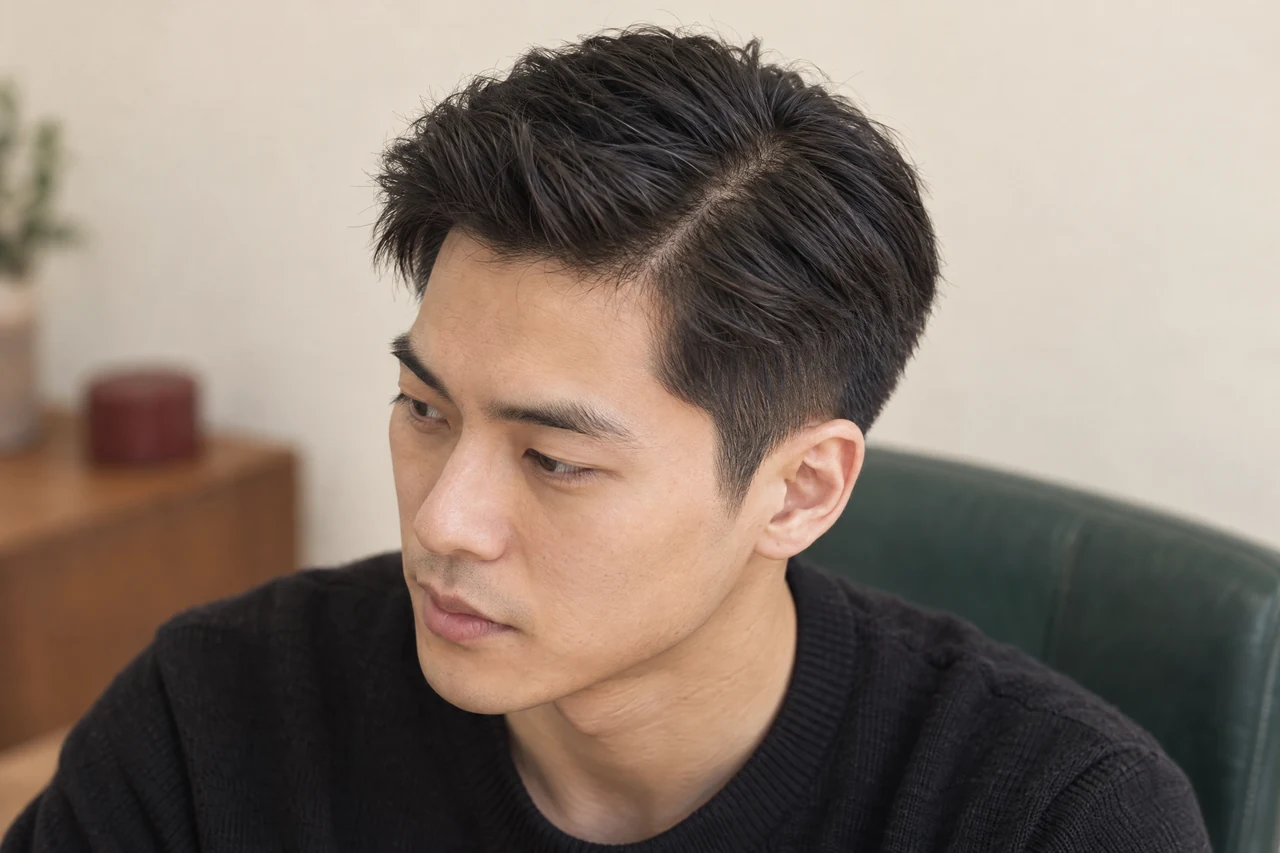
Take side views with the hair dry and resting naturally so you can compare the growing area. Discuss a follow-up when the shape becomes hard to manage, not because a guide promises a fixed number of weeks. Growth rate and starting lengths differ; each trim should preserve the areas needed for the next stage.
Use similar lighting, head position and parting in each photograph. A brightly lit scalp or a newly lifted top can make the gap look different without showing a meaningful length change. Include a view with the top moved aside, then another with it in your usual position. The first helps identify the retained area; the second shows whether the everyday shape is becoming easier to wear.
Before a follow-up, name the current problem: the upper side is projecting outwards, the top edge looks heavy, or the neckline is untidy. Those observations lead to different discussions. A useful review can result in leaving the growing section alone, not necessarily removing more hair.
Use comparable photographs between appointments
Keep a brief note of what was preserved and what was adjusted at the last visit. At the next consultation, compare the same area instead of judging the whole haircut from memory. If an important meeting is approaching, explain the date and acceptable temporary finish; an occasion can guide styling choices without becoming a promise that the sides will be ready.
Decide whether the long top or an earlier connection matters more
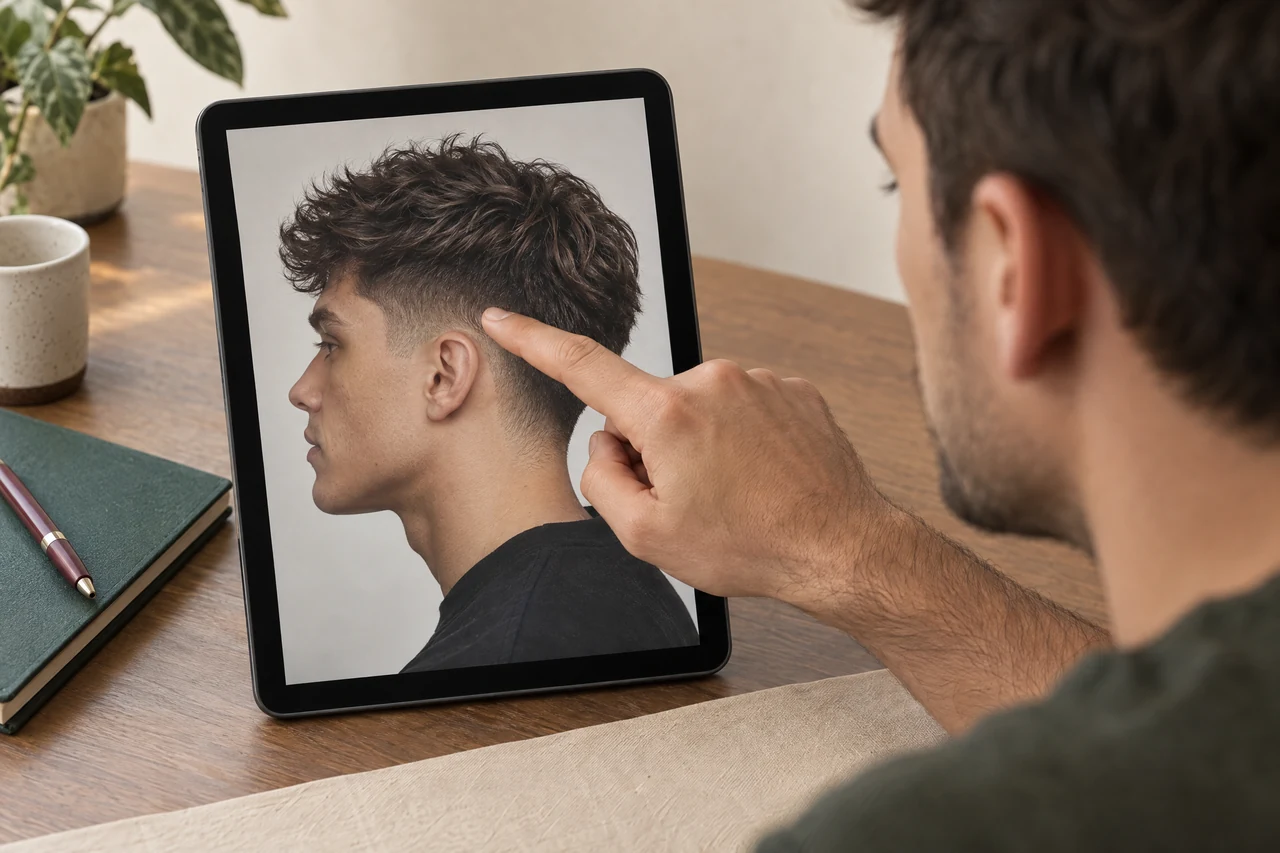
If your goal is a longer shape with ear coverage, preserve the side sections that will eventually provide it. The existing top may already be useful, so cutting it short merely to match the sides could move you away from that goal. If you instead want a balanced shorter haircut, you may be willing to reduce the top once the stylist can assess a workable connection.
Continue with long haircuts for men for that specific comparison and the preparation questions it raises.
Make the temporary compromise explicit
Show an eventual reference and explain which feature matters most: a long fringe, covered ears, a swept-back top or a less divided profile. Then agree on a separate interim shape. You do not have to accept a buzz cut to stop maintaining an undercut, but you may need to tolerate visible separation if keeping the top is your priority.

Keep the daily routine gentle and the appointment scope clear
Avoid trying to force every growing side hair flat with repeated high heat. The American Academy of Dermatology's healthy-hair advice recommends limiting heat styling, using low or medium settings with a heat-protective product, and gently absorbing moisture rather than roughly rubbing with a towel. It also recommends conditioner after washing. These are hair-care measures, not methods for creating missing length or guaranteeing a flatter side outline.
The listed men's wash, cut and blow dry price is HK$380. Explain that your enquiry concerns an undercut transition with protected side length, and confirm the proposed service before arranging a visit. Do not assume that an edge-only request has a separate lower price or that another treatment is included.
Review men's haircut to check its service scope and the details to share before arranging the related work.
Practise the direction you will actually use
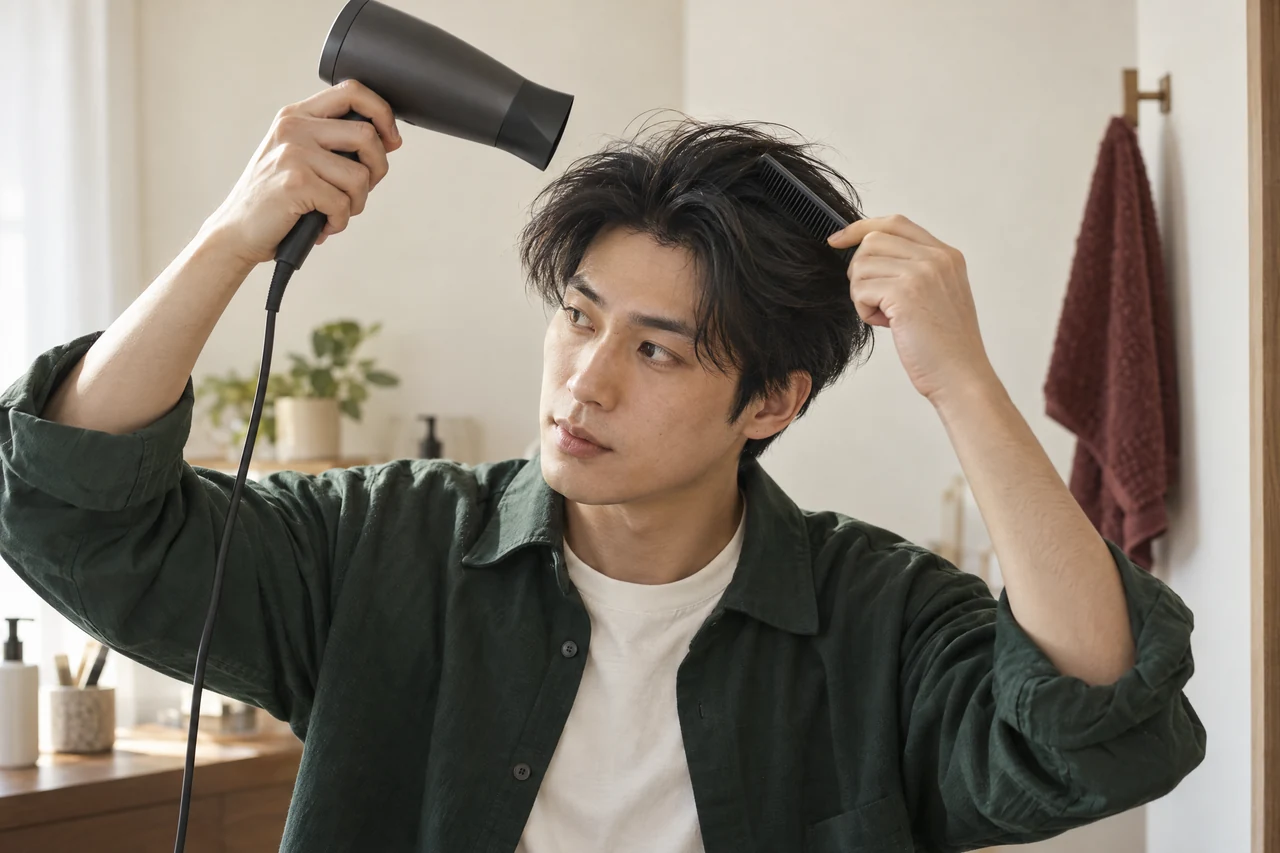
Ask for a manageable way to position the top after washing and show where the sides resist that direction. Start with a small amount of styling product and assess whether you can still reposition the overlap. If the temporary shape needs constant correction, bring that observation back to the consultation rather than reaching for clippers at home.
Undercut grow-out choices: what each adjustment keeps and what it gives up
| Choice to discuss | What it preserves or changes | Main trade-off |
|---|---|---|
| Protect sides and keep the long top | Retains side growth and existing overlap | The dividing line may remain visible during movement |
| Protect sides and soften selected top weight | Changes the overhanging edge without resetting side length | Less weight may also mean less coverage |
| Shorten the top towards a connected interim cut | Reduces the length contrast if the sides allow it | Gives up some top length, sweep or tying options |
| Tidy only agreed perimeter details | Addresses stray neckline or ear-front hairs | Does not solve a high disconnected boundary |
| Repeat the original close side cut | Restores the familiar undercut outline | Removes side length needed for the grow-out |
Your preparation checklist
- Photograph the dry sides naturally, then move the top aside to show the short section clearly.
- Point out the upper side hair you want protected, not just the hair immediately around the ears.
- Decide whether keeping the long top matters more than reducing the contrast at this appointment.
- Identify neckline or sideburn details separately from the main growing area.
- Bring your glasses and explain your usual work, exercise and home-styling routine.
- Confirm the proposed trimming boundaries and service scope before agreeing to the cut.
Frequently asked questions
Can one trim remove the whole dividing line?
Not always. If the sides are still much shorter, reducing the contrast may be possible while a fully connected shape still needs more length.
Should I stop cutting every part of my hair?
Not necessarily. Protect the growing side sections, then discuss whether small changes elsewhere would improve the temporary shape without undermining the goal.
Is this a home clipping tutorial?
No. It is a guide to explaining retained length and the top-to-side join during a haircut discussion, not instructions for using tools on yourself.
What if only one side looks awkward as it grows?
Check whether the parting covers one side more than the other and compare both sides with the top moved away. Explain the difference you see before requesting matching reductions. A change to the top's position may be worth trying before removing useful length from either side.
What should I say if my usual request is 'same as last time'?
Replace it with a clear change of goal: you are no longer maintaining the close undercut and want the side area retained. Bring a current photograph and identify any perimeter details you still want tidied. The familiar outline should not take priority over the new length plan.
Plan a tidier transition while protecting your side length
Enquire with Vit So in Sheung Wan using current side-view photographs and your longer-term reference. Explain which side areas must stay and whether you are open to adjusting the top. A consultation can help clarify the next wearable shape; an enquiry is not a confirmed booking, so agree on the service and appointment details before visiting.
Start your WhatsApp enquirySources & further reading
- How To Grow Out An Undercut For Men
Explains the importance of upper side length for blending and the trade-off between growing the sides and shortening the top into an interim style.
- Tips for healthy hair
Supports gentle drying, conditioner use and limiting heat styling while caring for retained hair during the transition.



