







Lace Front Wig vs Full Lace Wig: Locate the Lace
A lace-front design has lace at the front hairline, while a full-lace design uses lace across the cap. Other sections and reinforcing details may still vary between items. Ask to understand the actual cap rather than treating the product name as a complete specification. Fibre type, density and colour are separate from the location of the lace.
Start with the underside, not just the finished hairstyle. A sheer front panel tells you about the forehead edge. It does not tell you whether the crown is lace, monofilament mesh or another material, or whether rows of sewn hair sit at the back. The National Alopecia Areata Foundation's cap construction guide explains that lace fronts can be combined with wefted, monofilament or hand-tied sections. A lace front is therefore a feature, not necessarily the whole construction.
Look for the boundary between materials and ask where the hair is tied individually rather than sewn in rows. UniWigs' construction guide describes its full-lace designs as hand-tied mesh bases and its lace-front designs as front lace with back wefts. These are useful examples, not a specification for every brand. Linings, seams and reinforced areas still deserve inspection, especially where you intend to open a part.
Continue with human hair vs synthetic wigs for that specific comparison and the preparation questions it raises.
Lace Front Wig vs Full Lace Wig Is a Construction Comparison
Keep two decisions separate: where the cap permits you to expose the base, and how the hair fibre can be styled. A broad lace area does not establish heat tolerance, colour-change suitability or the work needed after washing. Request both the cap description and the fibre instructions before treating a piece as suitable for your routine.
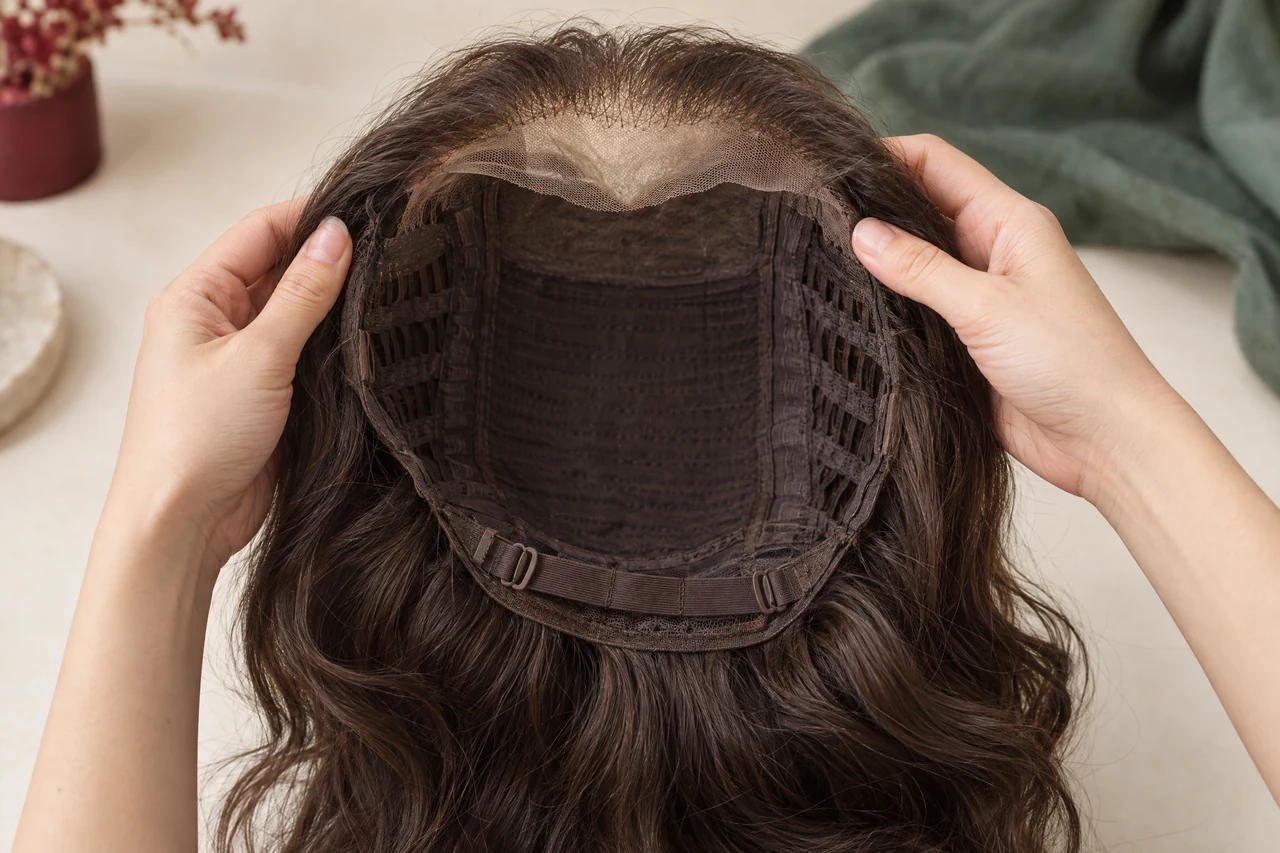
Match the Cap to the Parting You Prefer
Explain where you want to part the hair and whether you wear it away from the face. The construction can affect the positions that can be considered, but a name alone does not guarantee any parting or tied-up style. Review the actual cap and hair placement with your intended look rather than assuming a photograph shows every suitable option.
Distinguish a visible hairline from a usable parting area. The hairline is the edge that meets the forehead; a part is the exposed line between sections of hair. A front panel may make an off-the-face look possible without providing a long part through the crown. Ask to see where your preferred centre or side part would end, and whether moving it exposes a material change or a row of wefted hair.
For a ponytail or bun, the front is only part of the assessment. Lifting the hair can reveal the temples, ear area and nape. Full lace can offer more positions to explore, but the perimeter finish, hair direction and secure fit must support the intended style. Bring a reference showing the back as well as the front. A low, loose tie and a high, tightly lifted ponytail are different requests.
Continue with how to make a wig look natural for that specific comparison and the preparation questions it raises.
Parting Freedom Must Be Checked on the Actual Piece
Demonstrate the part you wear most often before asking for occasional alternatives. Check how the hair falls when released, whether the desired line remains within the appropriate base area and what styling is needed to keep it there. More possible partings only add practical value if you want to use them and can manage the corresponding styling routine.
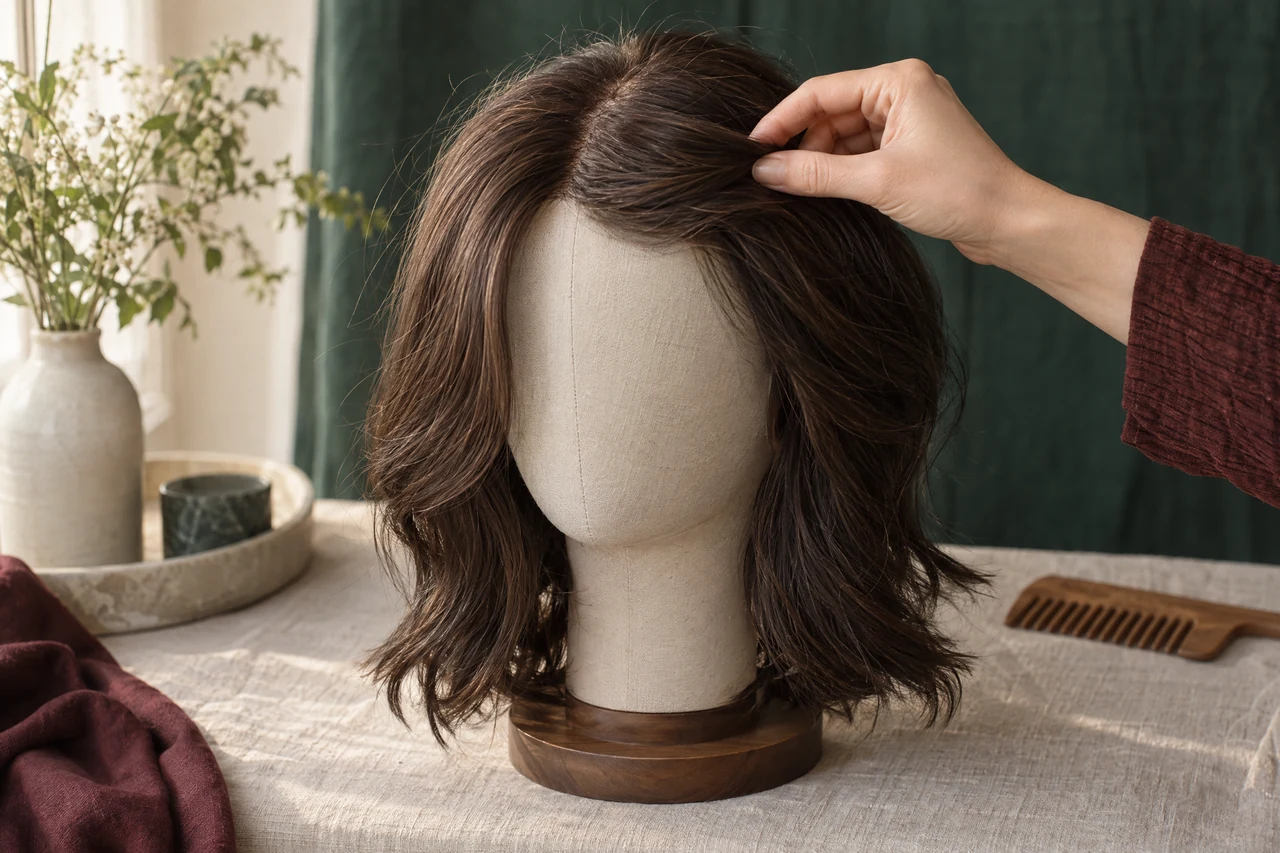
Clarify the Attachment Before Wearing
A lace label does not specify whether the piece is intended for a particular adhesive, clips or another wearing arrangement. Follow the item's instructions and ask how the proposed fit will be checked. Do not assume a long-wear adhesive service or experiment with unverified products because a cap is described as lace-front or full-lace.
Ask what holds the cap in position and what each component contacts. An adjustable strap changes fit; it is not proof that every hairstyle is secure. Clips or combs may depend on suitable remaining hair. A grip, tape or adhesive has its own requirements. The American Hair Loss Association's wig guide describes several attachment options and notes that adhesives can irritate skin and damage vulnerable hair during removal. The appropriate arrangement depends on the wearer and the actual piece.
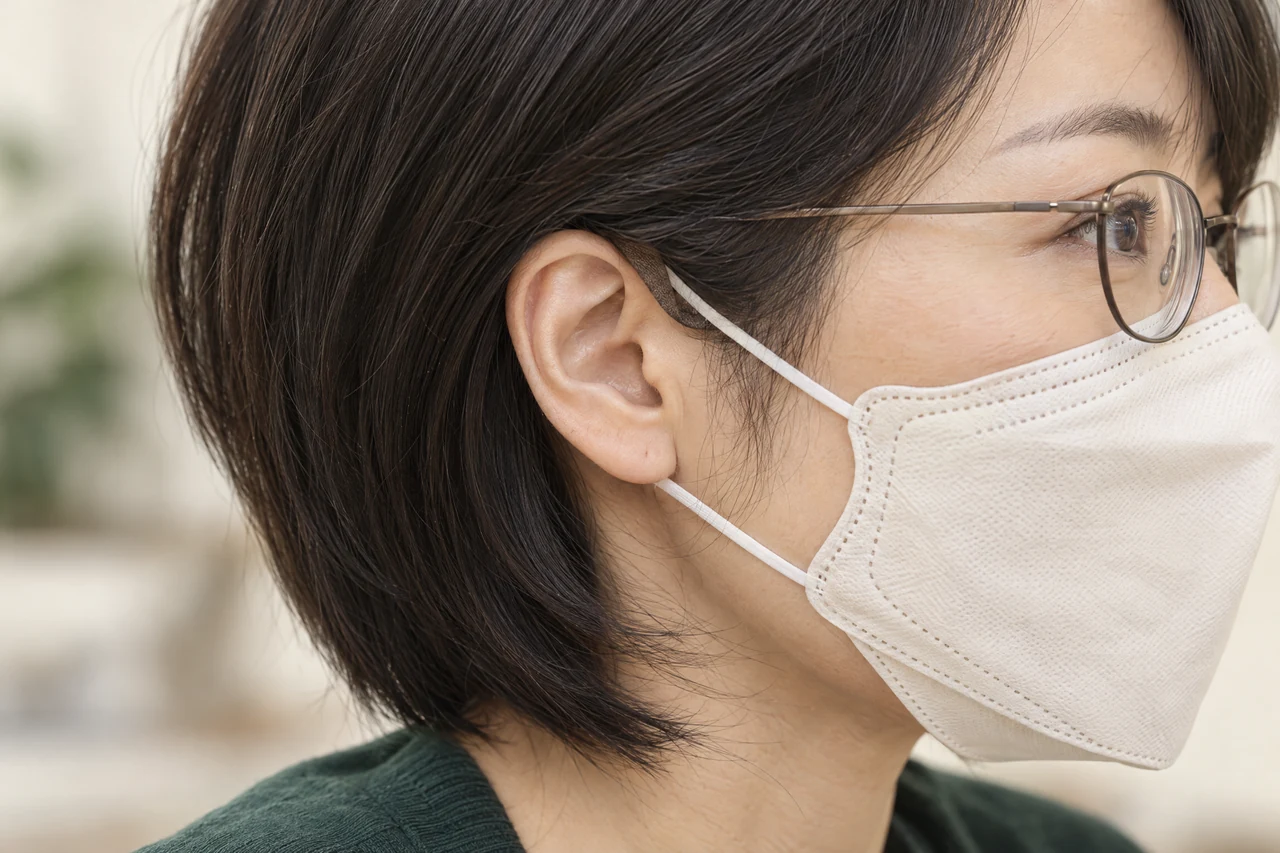
Include the things you wear around your ears. Glasses arms and mask loops may meet the cap edge or reinforced ear tabs, especially when you tuck hair back. If that is part of your day, the guide to can you wear glasses with a wig helps you identify the contact points to check. Do not solve crowding by trimming the base yourself.
Review full head wigs to check its service scope and the details to share before arranging the related work.
Lace Does Not Establish an Adhesive System
Separate the putting-on routine from the removal routine. Ask who will explain removal, which products are compatible and whether the piece is intended to come off each day. Persistent pain, burning or significant irritation warrants stopping the wearing arrangement and seeking appropriate advice, not tightening the cap or adding stronger adhesive. Medical symptoms need medical assessment rather than a hairstyle adjustment alone.
Include Handling and Repair Limits
Check how the cap should be handled during cleaning, drying and removal, as well as the guidance for the fibre. If the base is damaged, seek an assessment instead of cutting or gluing it yourself. Structural repair is a separate capability that needs confirmation; a cap comparison or general wig-care enquiry does not establish that it can be arranged.
Lace needs a different kind of attention from the lengths and ends. UniWigs warns against pulling or stretching its delicate lace. When learning the routine, ask where your hands should support the cap and which areas should not take tension. Do not pull on the front mesh to bring the whole piece forward. A full-lace label is not a reason to handle the base as if it were a sturdy fabric hat.
Request written washing, drying and storage guidance for the whole item. Check whether conditioner or other products may contact the base and how any residue should be removed. A hair fibre that permits a styling tool does not automatically make that tool suitable near lace, knots or attachment surfaces. Use the broader wig care guide to organise those questions, then follow the instructions for your specific piece.
The Base Needs Care as Well as the Hair
If you notice a tear, stretched edge or unusual shedding concentrated in a small area, record the location and contact the supplier before further styling. Explain what changed and whether removal or cleaning preceded it. Repairability, turnaround and replacement availability are separate questions. Planning for them before purchase is more useful than assuming all lace can be repaired in the same way.

Choose for the Looks You Actually Wear
If you usually wear the same part with the lengths down, start by checking whether that exact arrangement works on a lace-front design. Extra lace elsewhere may not improve the look you use most. If changing parts and exposing the sides or back are important, compare those positions on a full-lace piece. The decision is about useful styling coverage, not buying the most extensive base by default.
For a Hong Kong commute followed by an office day, describe whether you tuck the front behind your ears, put the hair up outdoors or adjust it after arriving. Those actions are more informative than asking for a wig that handles humidity. They reveal the edges that may be exposed and the places you may touch repeatedly. Discuss the wearing conditions separately from the fibre's response to weather.
Compare the Whole Purchase, Not a Lace Upgrade Alone
Compare quotations with the fibre, cap size, density and intended finishing work identified. Ask whether fitting advice, lace finishing, care instruction and any later adjustment are included. A price for either lace construction needs separate confirmation; a haircut price should not be treated as the cost of supplying or fitting a wig. Confirm the relevant scope and quotation before arranging work.

Inspect Before Cutting or Customising the Lace
Before altering a purchased piece, read the seller's return conditions. The American Hair Loss Association notes that cutting lace, washing, colouring or modifying the cap may restrict returns. Ask what inspection or try-on is allowed while the item remains returnable. A photograph of an uncut edge and the underside can help clarify questions, but do not change the piece merely to make it easier to assess.
Use this 6-point checklist to compare the actual cap before deciding. If a try-on is permitted, check the normal part and hairline first, then the sides and nape with gentle everyday movements. A comfortable, supported result in your usual style is a stronger basis for choosing than the promise of a hairstyle you rarely wear.
Bring Evidence of Your Preferred Part and Perimeter
For an enquiry in Sheung Wan, share the product description, clear underside photographs if available and reference views of the front and back of your intended style. Say whether you already own the piece. This lets the discussion focus on visible construction and desired work, while availability and whether the requested assessment can be arranged are confirmed separately.

Lace-front and full-lace construction: questions that matter on the actual piece
| Decision point | Lace-front design | Full-lace design |
|---|---|---|
| Where lace sits | At the front hairline; identify what forms the crown and back. | Across the cap; inspect lining, seams and reinforcement. |
| Preferred part | Check usable width and depth rather than assuming the front panel reaches the crown. | More parting positions may be possible; demonstrate the desired line on the item. |
| Hair tied up | Inspect side and nape coverage when hair is lifted. | Evaluate the perimeter and attachment as well as the wider lace area. |
| Attachment | The front lace does not establish glue, clips or another system. | The full-lace label likewise does not establish a specific attachment. |
| Handling | Protect the delicate front panel and follow care guidance for the remaining base. | Ask how to support the lace base throughout cleaning and removal. |
| Best decision basis | Your usual hairline exposure and part work within the actual construction. | The additional styling positions are useful and the routine is manageable. |
Your preparation checklist
- Locate the front lace, crown material and rear construction using the actual underside or clear product photographs.
- Show your usual part and any important alternative, including where the exposed part should end.
- Explain whether you tuck hair back or tie it up, and inspect the side and nape edges for those looks.
- Confirm the intended attachment and removal routine, including contact with remaining hair, glasses and mask loops.
- Obtain item-specific cap and fibre care instructions, and ask about assessment if lace becomes damaged.
- Check the quotation, included finishing work and return conditions before cutting lace or making any permanent alteration.
Frequently asked questions
Does full lace mean human hair?
No. Full lace describes cap construction. The fibre and its processing need to be identified separately from the base material.
Does a lace-front wig always need glue?
The lace label alone does not establish the attachment. Follow the actual piece's instructions and clarify the intended wearing arrangement before using any product.
Can either cap be worn in any hairstyle?
Do not assume that. The actual hair placement, cap and attachment affect the styling positions that can be considered, including partings and off-the-face looks.
Is a lace front the same as a lace top?
No. The front describes the hairline area, while a lace top describes construction further over the head. A piece may combine those features. Ask where each material begins and ends so that your desired part stays within a suitable area.
Make your cap enquiry specific to your everyday style
Tell Vit So in Sheung Wan where you want to part the hair, whether you wear it up and whether you already own a piece. Share its cap information where available. Ask which related assessment or work can be discussed and confirm availability and scope first; an enquiry does not confirm a booking or the supply of either lace construction.
Start your WhatsApp enquirySources & further reading
- Wigs and Toppers: Understanding the Basics
Lace-front panels can be combined with different crown and rear constructions; cap features and fibre categories are separate.
- Wig Cap Constructions
Manufacturer examples of front lace with rear wefts, full-lace hand-tied mesh and glueless variants; warning against stretching delicate lace.
- Women’s Wigs, Hairpieces, and Toppers
Attachment options and scalp concerns; manufacturer terminology varies, and alteration may affect returns.



