







Define a low maintenance haircut for office workers
Describe what a professional appearance means in your workplace: a clear face, controlled sides, tied-back length or another specific requirement. Then explain how long you spend getting ready. These details are more useful in a haircut consultation than simply requesting a formal style, because the same outline can demand different effort on different hair textures.
Start with the working day you repeat, not the occasional presentation. Do you spend most of it at a screen, move between client meetings or wear a headset? Notice whether you keep pushing the front away, flattening the sides or gathering the ends out of your collar. These repeated adjustments identify the areas that need attention. They do not automatically mean that the whole haircut should become shorter.
Separate morning effort from salon upkeep. A close, precise outline may be easy to arrange at home but need attention when its edges soften. Longer hair may require more drying yet offer a reliable tied-back option. State which burden matters more: styling before leaving home, readjusting during work or arranging maintenance visits. Low maintenance means a workable balance, not the absence of all care.
Continue with haircut for a busy lifestyle for that specific comparison and the preparation questions it raises.
Balance neatness in a low maintenance haircut for office workers
For a haircut consultation for a professional look, use observable language: the fringe should stay out of your eyes, the sides should not obstruct your glasses, or the ends should gather comfortably. Natural waves and curls need not be replaced by a straight finish to achieve those goals. Explain any written requirement separately from your own preference, so the design is not based on an assumed office stereotype.

Choose a shape for work and weekends
Bring examples of how you wear your hair at work and on days off. Ask whether the proposed length can suit both a tidier finish and a more relaxed one without daily heat styling. Discuss fringe placement, parting and any need to tie it back before settling on a shape, rather than relying on a styled reference photo alone.
Treat the work finish as the baseline and the weekend finish as an optional variation. For shorter hair, that might mean a familiar parting during work and more texture on days off. For longer hair, it might mean a loose low tie at the desk and the same shape worn down later. A haircut that works for the office and weekends should not require you to recreate a completely different foundation every morning.
The comparison below is a discussion aid, not a ranking of professional styles. Match each option to your natural hair movement and the tools you actually use. A shoulder-length reference deserves particular attention if your current ends turn when they meet a shirt collar; ask how a proposed length would interact with the clothes you wear to work.
Compare your usual parting and tied-back style
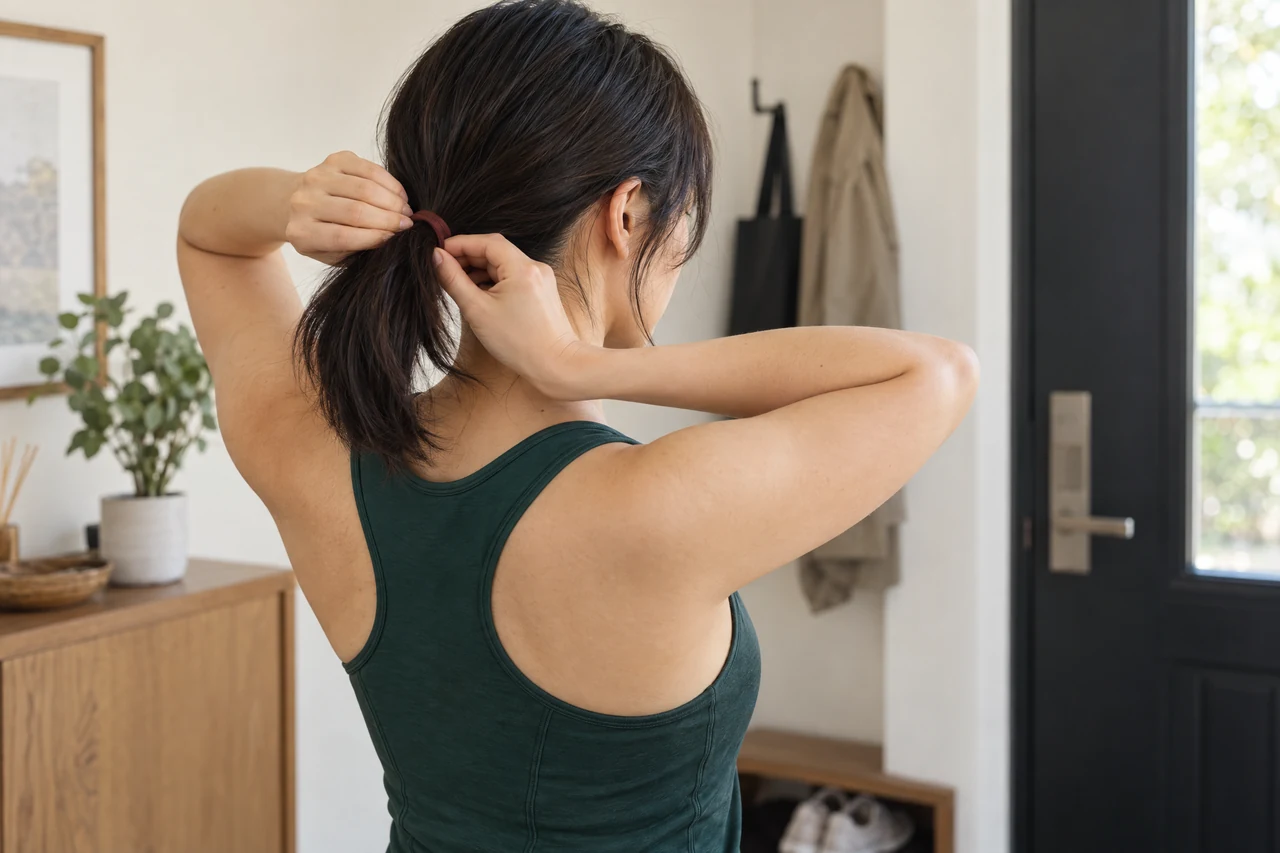
Show your normal parting before discussing a new fringe. Then demonstrate your usual tie or clip, if you use one. Ask which front pieces and layers would remain outside it after cutting. Face-framing strands may look attractive loose yet become the part you repeatedly secure during meetings. The American Academy of Dermatology's hair-care damage guidance recommends loosely pulled-back hair and covered hair bands rather than tight ponytails. Plan enough usable length for a comfortable tie instead of relying on extra tension.
Avoid a finish that depends on one tool
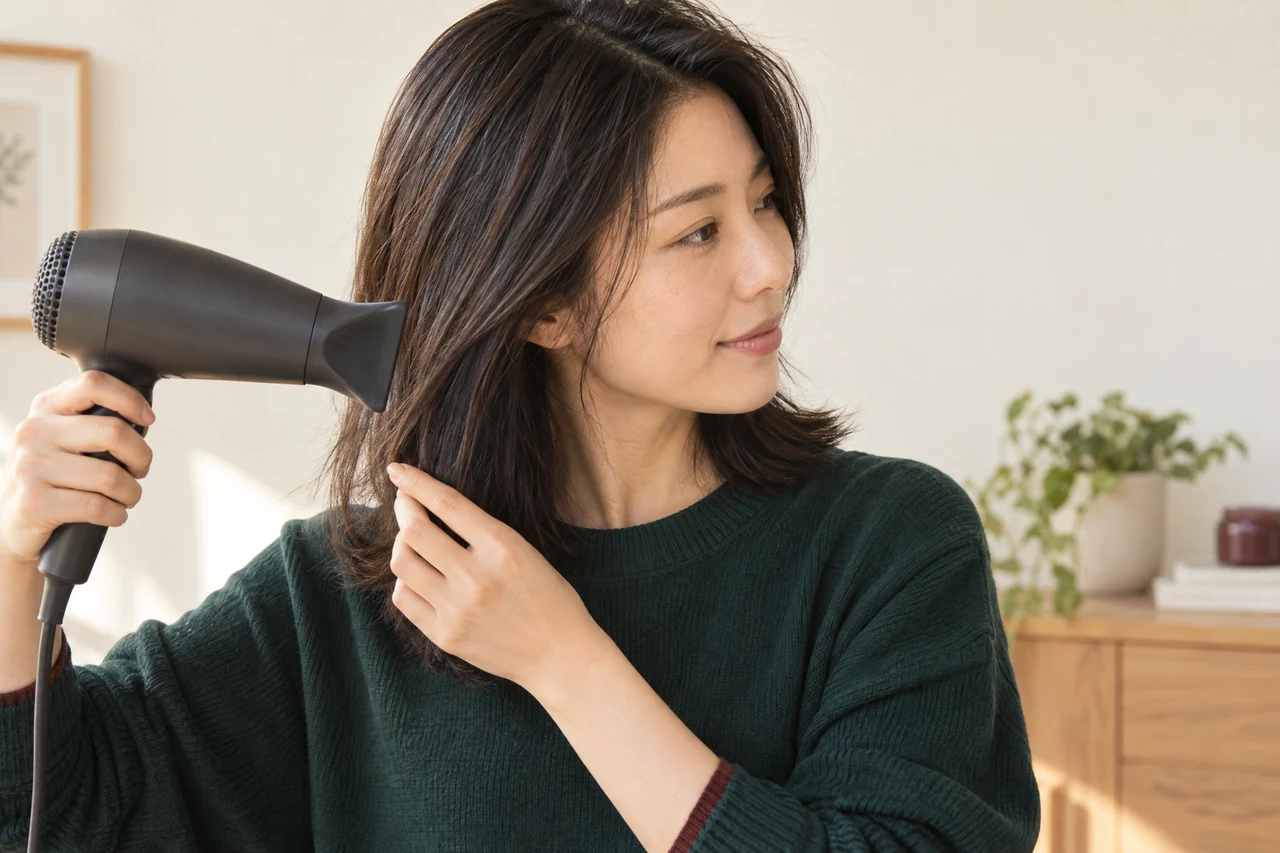
Ask to understand the shape without the finishing iron or elaborate brush work used in a reference. If you only use a dryer and your fingers, say so. Discuss where a small directional adjustment could help and which parts can retain their natural movement. AAD also advises air drying when possible and using the lowest heat setting to help prevent damage. That care advice supports reducing avoidable heat; it does not establish that any particular haircut will air dry perfectly.
Explain workplace rules before choosing colour
For an office-appropriate hair colour discussion, share the actual workplace rules and your own preference for subtle or noticeable contrast. Ask how the proposed shade and placement may look in different light and as the roots grow. The stylist can discuss design options, but your employer remains the authority on whether a look meets its rules.
If you are wondering how to explain office dress code to a hair stylist, bring the relevant wording rather than a personal summary such as 'nothing too bright'. Identify whether it addresses shade, contrast or visible coloured sections. If it is ambiguous, seek clarification from the appropriate workplace contact before agreeing to a colour change. Your preferred design can then be discussed against an actual requirement.
Review hair colour to check its service scope and the details to share before arranging the related work.
Bring the actual dress-code wording
For a hair colour consultation for an office appropriate look, share your current colour, previous colouring or bleaching and whether you normally wear the hair up. A placement hidden under loose hair may become visible in a ponytail or when you tuck the sides behind your ears. Do not treat 'hidden' colour as a way to bypass a rule; discuss the positions that could show during an ordinary working day.
Compare contrast and upkeep
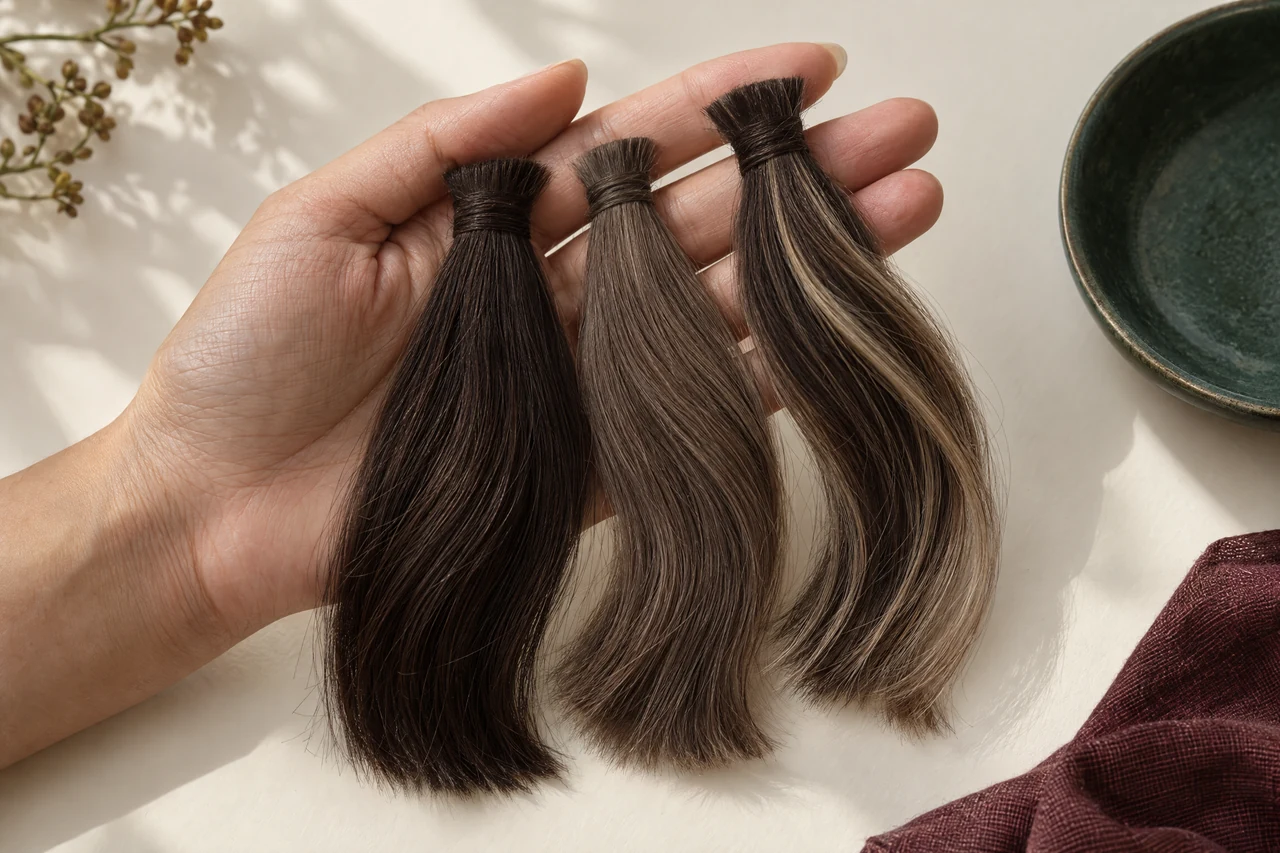
Compare the proposed colour with your natural roots, not just with another reference photo. Ask whether the difference would be most noticeable at the parting, around the face or through the ends. Discuss how tone and contrast may change between visits. A shade described as subtle can still require upkeep you do not want, while a darker-looking reference may contain lighter sections that are difficult to judge on a phone screen.
Check the upkeep between working weeks
Consider how soon a fringe or precise outline becomes inconvenient at work and how often you can return for maintenance. Ask for a realistic discussion of those changes before choosing the cut. If you need an appointment around work, enquire about the date and time separately; a weekday or weekend preference is not a confirmed booking.
Describe your maintenance trigger. It might be hair touching your eyes during screen work, ends no longer fitting into your usual clip, or sides becoming difficult to arrange around a headset. These are more useful than asking for a universal trim interval. If returning frequently would be difficult, discuss which details can soften or grow without disrupting those tasks.
Plan trims around shape changes
Agree on what should stay consistent and what you are happy to let change. A fringe maintenance visit and a full reshaping are different requests, so explain whether you want to preserve the overall length. The guide answering how often should i trim my fringe helps you compare maintaining its position with deliberately growing it out, rather than repeatedly shortening it by default.
Make enquiries without assuming available hours
Share your preferred date and any firm arrival or departure constraint. If the proposed service includes colour as well as cutting, ask about the work involved before fitting it between meetings. When you are ready to book a hair appointment, request actual availability and confirmation of the service scope. Do not plan an immediate client call around an unconfirmed finishing time.

Test the routine through a real working day
Evaluate your current routine after the commute as well as in the bathroom mirror. Note where the front falls, whether the ends catch on your collar and what happens after wearing headphones. If the shape changes in a way that bothers you, photograph the specific area before adjusting it. That gives the consultation a practical starting point rather than a vague request for hair that stays neat all day.
Ask for a simple demonstration of the everyday finish and repeat the relevant hand movement yourself where practical. Check that you understand the parting, drying direction and placement of any product. An optional weekend finish can add movement, but the weekday version should remain within the effort you agreed to.
Keep washing and styling decisions separate
A haircut cannot determine your washing schedule. The American Academy of Dermatology's Tips for healthy hair advises washing according to how often hair becomes dirty or oily, applying shampoo to the scalp and using conditioner after washing. Explain your actual wash-and-dry pattern, including whether you wash before work or at another time, so the suggested styling routine fits it.
Prepare a clear office haircut consultation
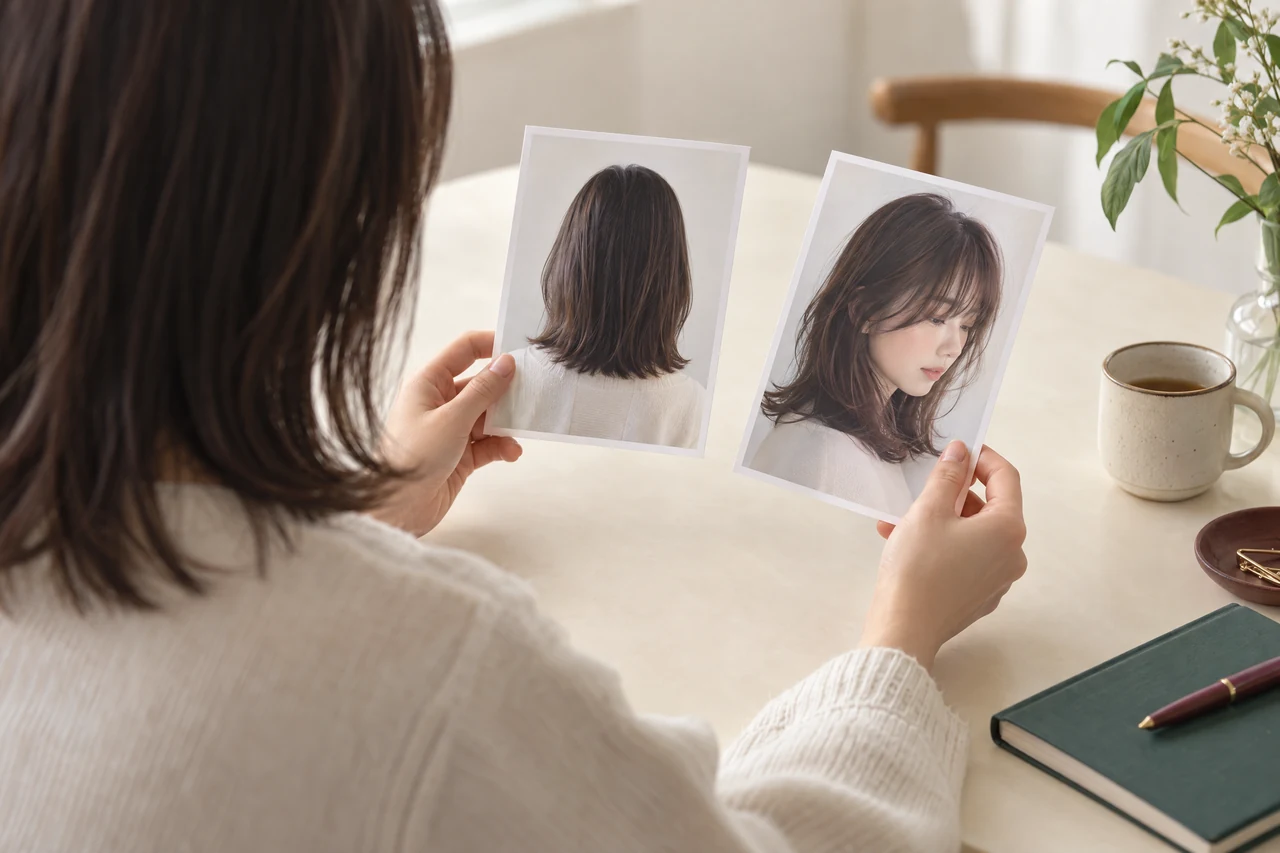
Bring a current photograph showing your ordinary work finish and a reference showing what you enjoy at weekends. Identify what you want to keep in each: the exposed forehead, usable tie length or relaxed movement. You do not need to like every detail in either photograph. Point out any finish you would not be willing to recreate regularly.
The checklist below covers 6 preparation steps for an office haircut enquiry.
An interview is a separate planning situation from the working routine discussed here. A major change may need practice, while a familiar tidy-up has a different purpose.
Continue with haircut or blow dry before a job interview for that specific comparison and the preparation questions it raises.
Agree on the minimum workable finish
End the discussion by checking the retained length, front placement and routine you are expected to use at home. Ask which change would make maintenance worthwhile. If colour is also under consideration, confirm its scope separately rather than assuming every part of the haircut enquiry includes it.
Compare office haircut priorities with the finish you want at weekends
| Design priority | Office-day benefit to discuss | Weekend option | Maintenance trade-off |
|---|---|---|---|
| Shorter outline with a familiar parting | Less length around the ears and face | Looser texture through the top | Precise edges may need attention as they soften |
| Bob or lob worn down | A clear outline without a daily tie | Natural movement or an optional styled finish | Check collar contact and whether the front stays clear |
| Longer length with restrained layers | A comfortable tied-back option | Wear the same shape loose | More length to dry; check which layers escape the tie |
| Longer front pieces instead of a short fringe | Discuss whether they can tuck or clip away | Loose face framing | They must actually stay secured during work |
| Colour closer to the natural root depth | Discuss contrast against workplace wording | Dimension visible in a loose finish | Assess tone changes and visible regrowth separately |
Your preparation checklist
- Bring the relevant workplace wording and clarify anything ambiguous with your employer before choosing colour.
- Photograph your ordinary work finish, including the part that becomes inconvenient after commuting or desk work.
- Show your normal parting and demonstrate any tie or clip whose usable length must be preserved.
- Describe your washing pattern, styling tools and the steps you are genuinely willing to repeat before work.
- Choose a weekend reference and mark the specific movement or outline you want, not every detail of the photograph.
- Explain your maintenance trigger and preferred appointment constraints; request confirmed availability and service scope.
Frequently asked questions
Is there one haircut that always looks professional?
No. Workplace expectations, personal preference and hair texture vary. Describe the practical requirements rather than choosing a universal office hairstyle.
Can I choose a subtle colour without checking my workplace rules?
It is better to check the rules first. A shade that looks subtle in one photograph may look different in daylight, and a stylist cannot approve it on behalf of your employer.
Should I change my style just before an interview?
A small tidy-up and a major restyle have different adjustment needs. Compare your comfort with the current shape and the time available to practise the new routine before deciding.
Plan a haircut around your real working week
Enquire with Vit So in Sheung Wan about a shape that fits your office requirements and weekend preferences. Share your current hair, the length you need to preserve and your usual morning routine. Include preferred dates when asking about availability; an enquiry is not a confirmed booking.
Start your WhatsApp enquirySources & further reading
- 10 hair care habits that can damage your hair
AAD guidance on loosely pulled-back hair, covered hair bands and reducing avoidable heat during styling.
- Tips for healthy hair
AAD guidance on washing according to dirt and oil, concentrating shampoo on the scalp and using conditioner after washing.



