







Vit So and DT HUB have the same owner. The DT HUB links here are promotional links to the related brand's published product information, not independent recommendations or promises of repair. The nonbrand references support general care precautions only.
Wig restyling after care mistakes: stop the next experiment
After a hot wash, an incorrect product or a comb that caught at the base, the temptation is to make the wig presentable immediately. Separate that appearance goal from the condition of the item. A flattened curl, a resistant patch and a changed cap fit are different observations, even if they appeared during the same wash. Repeating the routine before identifying the problem leaves you with more changes to explain and less certainty about what caused them.
Put the styling tool aside and stop forceful detangling. Do not pull the cap between your hands to check whether it has stretched, or tug loose hairs to test how firmly they are attached. If you have already used a cleanser or spray, keep its container and the original care card. Macmillan's wig guidance emphasises following supplied care instructions; advice for a different wig is not a substitute for those instructions. [1]
Record the sequence while you remember it: whether the wig was wet, which product was applied, where the comb caught and whether a hot tool touched the hair or base. Distinguish what you know from what you estimated. An uncertain tool setting should stay uncertain rather than becoming a claimed temperature. If product is still present and the label does not explain what to do, ask promptly about the appropriate next handling step instead of layering on another formula.
Observe a change without testing its strength
Use ordinary light and describe what is visible: an opening at an edge, a loose seam, a stiffened patch or a band sitting differently. These observations help an enquiry; they do not establish the cause or whether repair is possible. Photograph the area with the wig supported, without stretching it to make the feature more obvious. A photo may help the supplier decide whether an in-person inspection is needed.
Check the lace front before changing the hairline
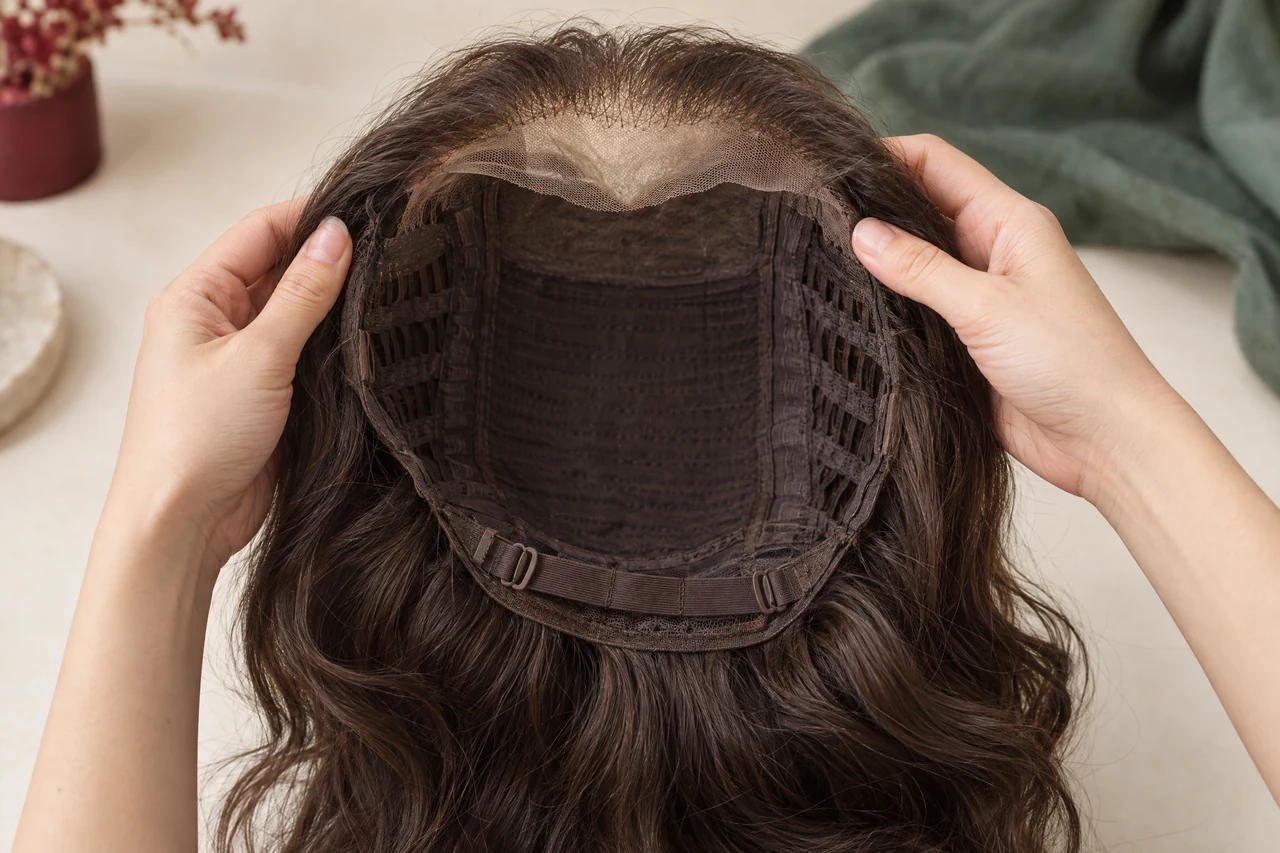
A lace front has a lace panel at the front hairline, while the rest of its cap may use other construction. That means an edge caught by a brush deserves a different question from tangled ends. Before deciding on a new fringe or a tighter attachment, use the lace front wig vs full lace wig guide to understand which parts of your own cap you need to identify. Construction explains where to look, not whether an observed change is repairable.
DT HUB's lace front wig hong kong page describes this front-panel distinction and cautions against forceful pulling. If the edge now looks frayed, has an opening or no longer lies as it did, use those details to ask about assessment. The page is a product-category starting point, not an inspection of your wig. Confirm whether the supplier can examine your particular piece, especially if you bought it elsewhere, rather than assuming a listed maintenance service covers it.
Do not cut away a changed edge simply to make it neat. Nor should you glue over an opening, sew through the mesh or bleach knots as part of a home rescue. These are further alterations, not neutral checks. Even when the hair can be arranged to conceal the area, the supplier still needs to consider the base and attachment. Ask whether styling would place tension on the affected panel and whether wearing the piece should wait for assessment.
Separate a hairline preference from a structural concern
Wanting less visible lace is an appearance preference; seeing a new opening after a snag is a condition concern. Explain both, but let the condition question come first. A requested fringe trim does not automatically solve an attachment issue. If the supplier cannot assess the base from photographs, accept that limitation before authorising changes that might hide the area they need to examine.
Distinguish full-lace damage points from glueless fit
On a full lace wig, DT HUB describes lace across the cap rather than only at the front. After pulling or twisting, an enquiry should therefore identify the crown, sides and rear as well as the hairline. The styling flexibility described for an intact item is not permission to tie a changed cap into a tight ponytail. A lace perimeter, often called 360 lace, is also not the same as lace throughout; confirm the actual construction before discussing further restyling.
The term glueless wig concerns attachment without glue or tape. DT HUB's page describes possible straps, combs and anti-slip components, but the term does not specify the fibre or make the cap resistant to poor handling. If the fit changed after washing, describe the band position, ear-side contact and any visible fastener problem. Do not compensate by tightening everything, adding glue or sewing in a new band before the supplier has considered the existing structure.
A wig can be both lace-front and glueless, so these labels answer different questions. Compare the position of components with your care information or an earlier unedited photo if you have one; do not recreate the pulling incident. If a seam or fastener looks loose, or wearing now requires extra tension, stop the fit experiment. Ask whether the issue needs cap assessment, a permitted adjustment or replacement, rather than treating stronger fixation as the default answer.
Verify the fibre before considering any more heat
A changed curl does not tell you whether the wig is human hair, ordinary synthetic fibre, heat-friendly synthetic fibre or a blend. Find the order details and product label instead of identifying material by shine or softness alone. The human hair vs synthetic wigs guide helps explain why the distinction matters for your routine. It cannot identify an unlabelled item, and choosing a more flexible material later does not establish that the current piece can be rescued.
DT HUB's synthetic wig hong kong destination distinguishes regular synthetic fibres from heat-resistant options and says tolerance varies. Its category descriptions are not a safe setting for your particular wig. Macmillan warns that synthetic hair can melt under heat and that blended wigs may need special care. [1] If texture or shape changed after a hot tool or hot water, do not reheat the area, try steam or perform another test strand to see whether it returns to normal.
For an intact, identified item, its own instructions may allow particular styling methods. After a care mistake, however, the supplier first needs to consider whether those methods remain appropriate. Send the item reference, the tool details you genuinely know and photographs of the changed area. Human hair does not make the base heat-proof, and a heat-protection spray does not create permission to use heat on a non-rated fibre.
Do not force a wet tangle to reveal the result
CancerCare advises against twisting or wringing synthetic wigs and against combing or brushing them while still wet because fibres can stretch to breaking point. [2] That supports stopping forceful handling, not a guaranteed drying-and-repair method. If the wig is wet after the mistake, follow its applicable drying instructions or obtain supplier guidance; do not wring it, pull it onto an oversized form or brush harder to assess the damage.
Check each care product rather than repeat the wash
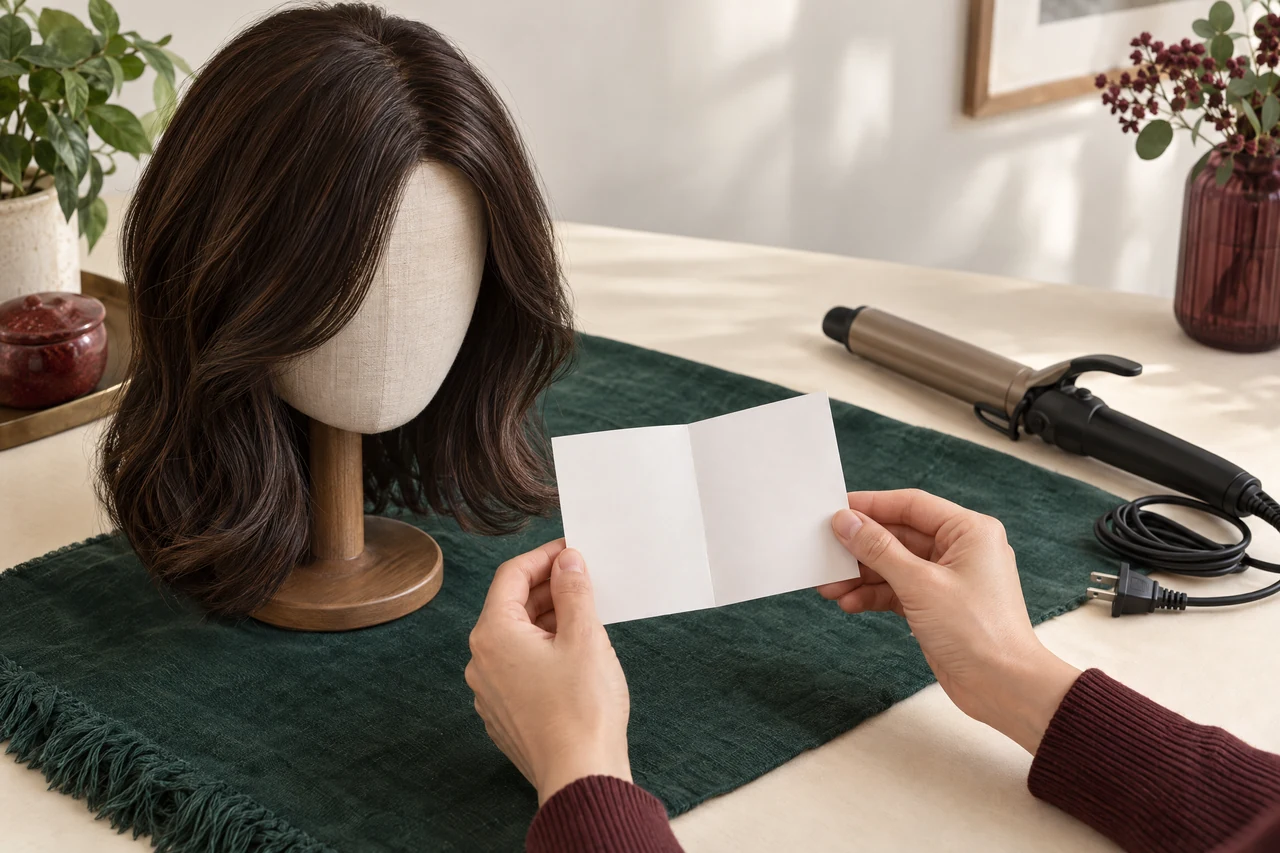
Before adding a conditioner or detangler, check the exact bottle against the exact wig. DT HUB's wig care products page explicitly discusses material compatibility and distinguishes synthetic care from human-hair care. A category name such as wig shampoo, or a sulfate-free description, does not by itself confirm suitability for your fibre, lace, knots or lining. Photograph the full label and ask which parts of the item it may contact.
A softening product and a structural repair are not the same intervention. Do not expect conditioner to close torn mesh, restore a changed fastening point or reverse heat-altered fibres. If a product left an unexpected coating, state where it was applied and whether it was rinsed. Adding oil to hide roughness or repeating a stronger wash gives the supplier another variable to consider. Ask about the existing residue before applying a different formula.
Once the item has been assessed, the wig care guide can help you organise future cleaning, drying and storage questions. Keep product compatibility, comb choice and cap handling together rather than focusing only on the hair's finish. Request instructions that name your item and permitted method, including any restrictions on the base. A routine should fit the piece you actually own; it should not depend on borrowing a generic soaking time or heat range from another product page.
Make a clear enquiry, then compare restyling with replacement
A useful wig cap and fibre damage enquiry gives the supplier an item reference, a short account of the mistake and the current observations. Ask whether photographs are sufficient to decide the next step, whether they accept your item for inspection and what you should avoid meanwhile. If you need the wig for an event, give the date as a requirement, not an assumed completion deadline. Confirm any assessment fee before arranging a visit or sending the piece.
If inspection suggests limited styling is appropriate, ask what will change and what will remain unresolved. A trim may alter the outline without addressing cap fit; cleaning may remove residue without restoring a pulled edge. Request a written scope covering the base, fibre and final fit check, with any restrictions on subsequent use. Do not authorise an open-ended rescue on the strength of a promise to make the wig look better, and do not assume the original style can be reproduced.
Replacement is reasonable when the item cannot meet the intended fit or styling requirements, assessment cannot establish an appropriate way forward, or the proposed work is not worthwhile for you. Compare the whole requirement rather than the lowest initial quote: can you follow the new item's care routine, does its cap suit your normal wear, and are its material limits clear? Ask about stock, fitting, return conditions and timescales separately. DT HUB's public wig pages concern its Kwun Tong studio; they do not establish a Vit So branch or guarantee acceptance of every damaged piece.
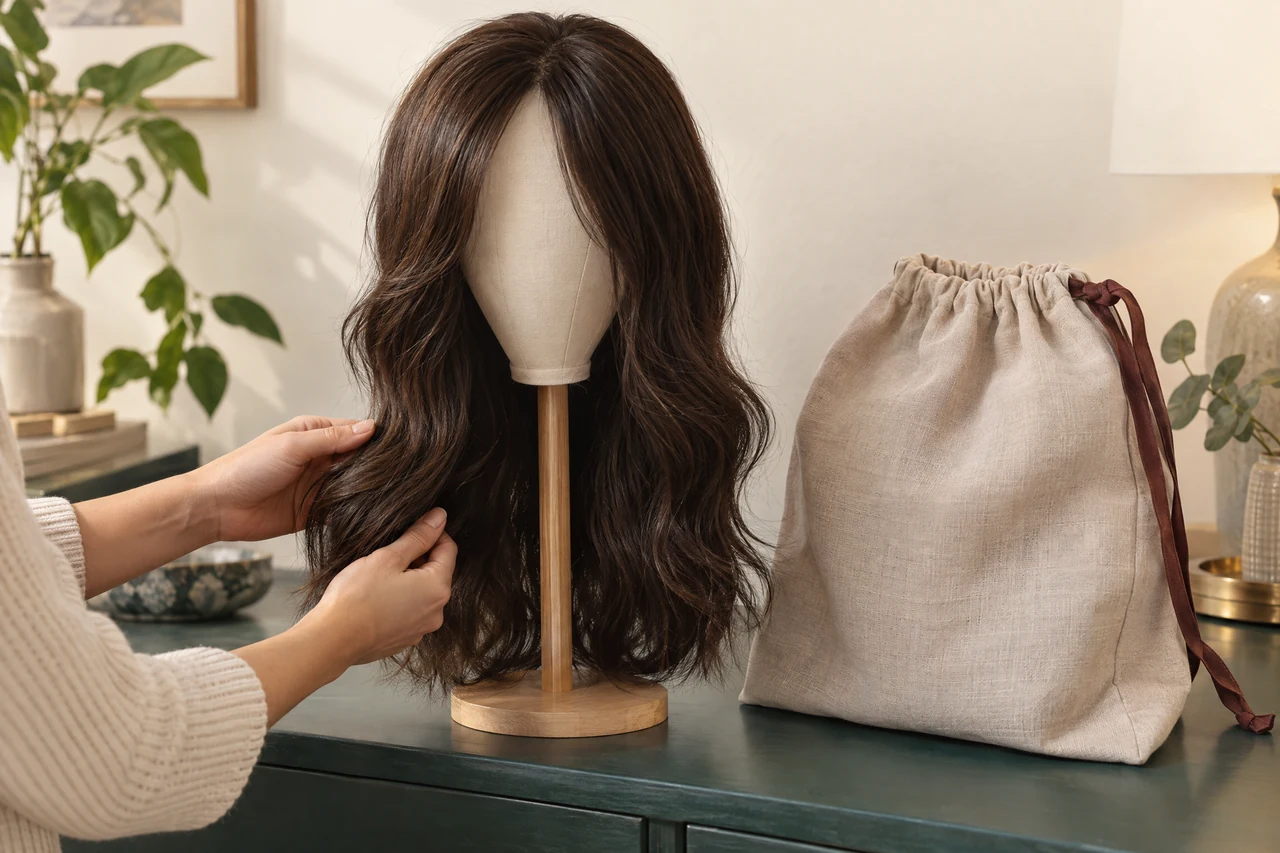
Compare the next decision after a care mistake, not a promised repair outcome.
| What you can observe | Immediate choice | Question before proceeding |
|---|---|---|
| Front edge has a new opening or fraying | Pause wear and hairline alterations pending advice | Can the supplier assess this lace panel and attachment? |
| Band or fastener sits differently after washing | Stop tightening or reinforcing the cap | Is assessment or a permitted fit adjustment appropriate? |
| Texture changed after heat; fibre rating is unknown | Do not reheat or try steam | Can the item reference establish material and next handling? |
| Residue remains after an incorrect product | Do not add another formula | What handling is compatible with this fibre and base? |
Your preparation checklist
- Find the order reference, original label and item-specific care instructions.
- Write down the wash, product, heat or pulling sequence without guessing missing details.
- Photograph the overall wig, supported cap and changed area without stretching or tugging.
- Keep product containers and record tool settings only where genuinely known.
- Ask about inspection eligibility, interim handling, fees and any need to pause wear.
- Compare the proposed scope with replacement, including fit, care demands and confirmed timing.
Frequently asked questions
Can I wash the wig again to undo the mistake?
Not automatically. Another wash may not address the base or fibre change. Identify the item and the product already used, then ask about compatible handling. Routine washing guidance is not evidence that a repeat wash will restore a damaged piece.
Does heat-friendly mean a rough synthetic patch can be smoothed with an iron?
No. A verified heat rating concerns permitted use of that item; it does not prove that more heat reverses damage. If the patch appeared after heat, stop and ask about assessment rather than applying a generic temperature or testing another strand.
Should I tighten a glueless wig if it became loose after care?
Do not assume tighter is better. Describe what changed around the band, seams and fasteners. Ask whether an adjustment is appropriate or the cap needs inspection before introducing more tension or adding another attachment method.
Will a supplier definitely repair a wig bought elsewhere?
Acceptance and repairability are separate questions, and neither should be assumed. Send the item details first and ask whether inspection is available, what it costs and what it can establish. A public care-service description is not a promise for your piece.
Ask about the item before asking for a new style
Start with the original supplier and send your label, observations and care sequence. If you enquire with DT HUB, confirm whether it can assess the piece before arranging a visit. Keep stopping home restyling, limited work and replacement as real alternatives.
Start your WhatsApp enquirySources & further reading
- Wigs for cancer treatment — Macmillan Cancer Support
Follow the particular wig's care instructions; synthetic hair can melt under heat; blended wigs can need special care. Used only for wig-material care, not cancer treatment or efficacy claims.
- Synthetic Wig Care and Resources — CancerCare
Avoid twisting or wringing a synthetic wig and forcing a comb through it while wet. General routine guidance does not establish a rescue procedure for a damaged wig. The article omits the source's ambiguous temperature figure, universal shampoo suggestion and washing interval.



