







Vit So and DT HUB have the same owner. The DT HUB links in this article are related-brand promotional links, not independent recommendations or medical evidence. Vit So's Sheung Wan beauty services, DT HUB's Kwun Tong salon and wig services, and the separate DT Hair Growth TCM service scope should not be confused.
Patchy hair loss before cosmetic cover: choose assessment first
A newly exposed area can make a booked appointment feel urgent: perhaps you want a different part, a fuller outline or a piece that hides the scalp. But a visual solution cannot explain why hair has changed. The NHS advises seeing a GP about the cause before considering a commercial hair clinic.[1] For sudden, patchy, persistent or painful-inflamed loss, make medical assessment the first appointment, not a step reserved for when a beauty service disappoints.
DT HUB's page for hair loss hong kong describes salon scalp-care options and includes a dermatologist-first boundary for sudden, severe or patchy loss. Use that destination to ask about the limits of its cosmetic service, not to obtain a diagnosis from its descriptions. A salon camera image or reassuring visual check does not establish the cause or provide medical clearance to proceed.
Pausing does not mean every ordinary haircut will remain off limits indefinitely. It means not starting scalp work, stronger cleansing, colouring or an attachment while the relevant symptoms are unassessed. If you were considering Vit So's scalp treatment, explain the change before attending and ask to postpone hands-on work. Medical advice should determine whether and how a later beauty visit can proceed, rather than the availability of an appointment.
A pause is not a self-diagnosis
You can say, 'I have noticed a new area of hair loss and need medical advice first.' That is enough. Do not wait until you can name a condition, and do not rely on an online photo match. If pain or inflammation accompanies the change, seek medical advice promptly rather than waiting for the cosmetic booking date.
Describe the location and change without naming a condition
Write where you first noticed the change in ordinary language: beside the left temple, behind an ear, near the crown or along a familiar part. Add when you noticed it and whether that date is certain. 'First noticed last weekend' is more useful than an invented start date. Distinguish a newly exposed area from a longstanding part that looks different under brighter light; if you cannot tell, record that uncertainty.
DT HUB's alopecia areata treatment page describes an assessment of patch extent within its TCM service discussion. Its title is not a label to apply to your own scalp. Take location notes to a medical appointment first; if you later enquire about the advertised service, ask what assessment it offers, what evidence supports any proposed approach and how it would coordinate with your doctor. A round-looking gap alone is not a diagnosis.
A simple photograph may help communicate what you saw, provided taking it does not hurt or require pulling at the area. Use an ordinary view that includes its location, keep the lighting reasonably consistent and date the image. Avoid filters or styling designed to conceal the change in the record itself. Keep images private and share only what the clinician needs; a beauty provider does not need unrestricted access to your health history.
Make a record, not a home test
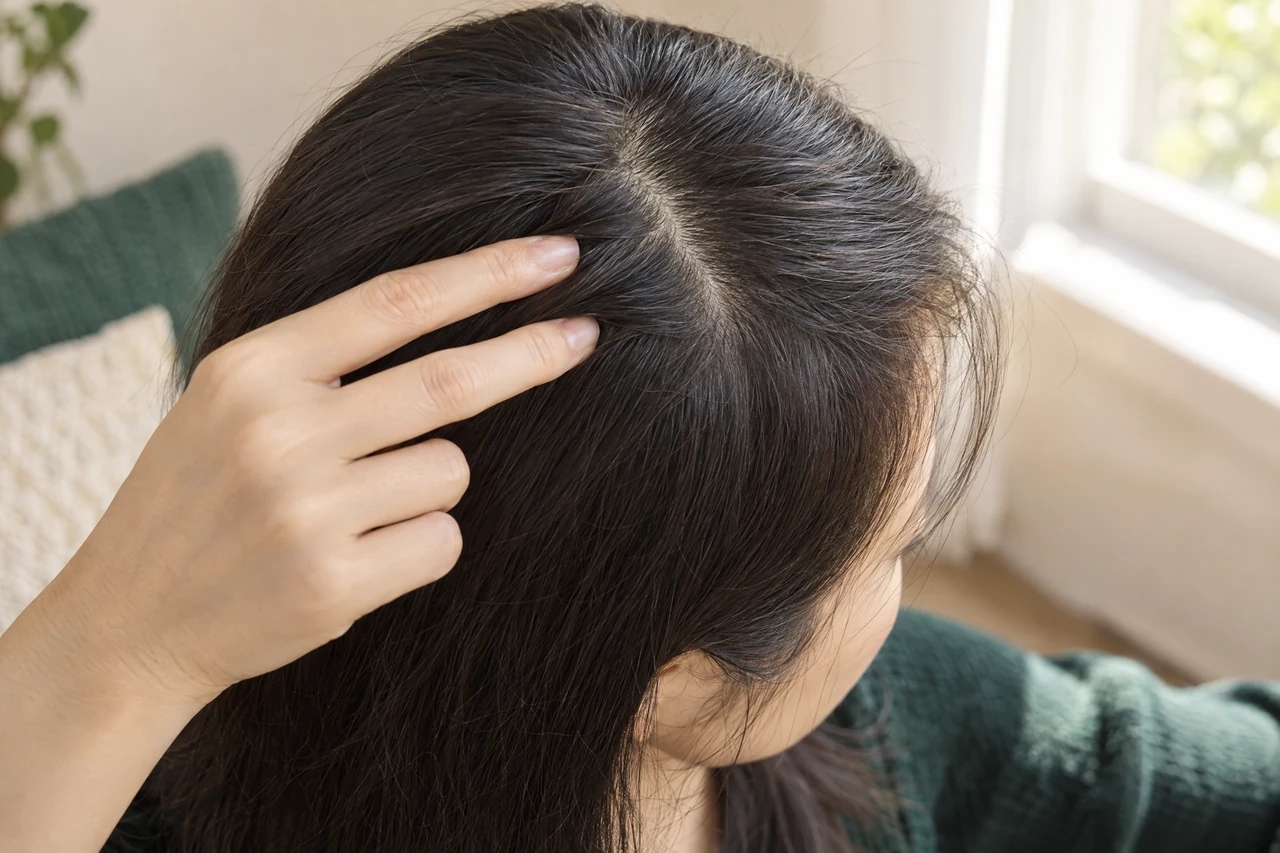
Do not repeatedly tug hairs to see whether they release, scrape flakes to expose the skin or stretch the scalp for a closer image. Note what is already apparent. If the area is difficult to see, tell the doctor that rather than making an uncomfortable examination part of your preparation. A phone image is a communication aid, not a clinical measurement.
Build a symptom timeline without blaming stress
For sudden shedding symptoms to record, start with what happened during normal routines: more hair noticed during washing, a new exposed area, discomfort when the scalp is touched or a change that keeps recurring. Include whether there is itch, burning, tenderness, redness or visible flaking. You do not need a daily strand total. A clear description of the change and its timing is more useful for this decision than trying to meet a numerical threshold before asking for help.
The NHS lists stress among possible causes of temporary hair loss, alongside other factors.[1] That makes a stressful event relevant history, not proof that stress caused your particular change. When reviewing DT HUB's stress hair loss treatment description, ask how a proposed consultation considers other causes and when it refers someone for medical assessment. Do not select a treatment merely because its label resembles a difficult month in your life.
Bring a brief account of recent illness, major events and changes to your usual hair routine. Also bring the names of medicines, supplements and scalp products you use, including anything newly introduced. This is information for your clinician to interpret, not a reason to change prescribed medicines yourself. If you are unsure of an ingredient or product name, a label photograph can be more accurate than relying on memory.

Oil and flakes do not turn hair loss into a cleansing problem
Oiliness can change how strands group together and how much scalp is visible, while flakes can make you focus on a particular area. Neither observation explains a new patch or ongoing shedding. Describe these features separately: where the oil or flakes appear, whether there is discomfort and whether the visible hair change persists. Do not assume that removing surface residue will resolve hair loss or make an inflamed scalp ready for a beauty service.
The commercial page labelled seborrheic hair loss combines oil and flake descriptions with a TCM and cleansing service pathway. Its wording does not establish your cause. If discussing it after medical advice, ask which parts are cosmetic care and which require a healthcare practitioner, and what would make the provider decline treatment that day. Oil, flakes and itch are observations to report, not a diagnosis to carry into a booking.
Vit So's oily scalp care guide can help separate greasy appearance from everyday styling concerns, but it should not be used to downgrade the medical-first boundary. Avoid turning preparation into an intensive scrub or a trial of several new scalp products. If you are considering herbal products or needle-based services, discuss them with your healthcare provider: NCCIH identifies safety issues with some TCM products and warns against delaying conventional care.[2]
Discuss optional coverage without treating it as permission to wait
Wanting privacy about a visible change is understandable. Appearance support and medical assessment have different purposes: one may help with how you present yourself, while the other investigates the change. Arrange assessment first and ask your clinician whether any temporary cover would interfere with scalp contact, observation or ongoing care. Do not wait for a piece to arrive before seeking help, and do not assume that a removable option is automatically suitable.
DT HUB's alopecia wig destination describes wig and topper consultation, fitting and aftercare. It is an optional appearance-support enquiry, not a treatment recommendation. If your clinician considers a fitting appropriate, ask how the proposed base and attachment would avoid sensitive areas, how it is removed and what happens if your needs change. No clip, adhesive or breathable material should be treated as universally safe for an unassessed scalp.
Vit So's guide to full head wigs offers a starting point for comparing coverage areas rather than diagnosing loss. A partial piece may depend on existing hair at its attachment points; a full piece involves a different fit and daily routine. Discuss those practical differences only within the contact limits your clinician gives. Ask for an itemised quote covering the piece, fitting, adjustment and aftercare, without committing to an assumed result or unconfirmed availability.

Rebook around clinical advice, comfort and a clear service scope
There is no fixed waiting period in this article. The next beauty decision should follow the clinician's advice and the condition of your scalp, not a promised recovery schedule. Ask whether scalp contact, washing, colouring or attachments need restrictions and whether any proposed cover would interfere with care. Pass on the practical limits to the beauty provider without feeling obliged to disclose a diagnosis or unrelated medical information.
If you are pregnant or breastfeeding, considering services for a child, or receiving chemotherapy, ask the relevant healthcare team before adding scalp procedures, herbal products or a new attachment. NCCIH specifically advises healthcare-provider consultation for TCM during pregnancy, nursing and childhood.[2] During chemotherapy, let the treating team set any contact restrictions; this blog cannot give universal permission for a fitting or procedure. Conventional care must not be postponed for a beauty appointment.
A later consultation should have a narrow, agreed purpose: discussing a hairstyle or suitable optional cover, not promising to identify or treat the cause. Confirm privacy arrangements, the work proposed and the option to stop if discomfort occurs. If the change continues or a new painful or inflamed area appears, contact your clinician again rather than escalating the salon service. Tell the doctor if hair loss is affecting your wellbeing; the NHS recognises this as a valid concern to discuss.[1]
Choose the next appointment by the concern, not by the cover you want. This is a decision guide, not a diagnostic table.
| What you have noticed | Next step | Limit of a beauty visit |
|---|---|---|
| A new patch or suddenly exposed area | Pause cosmetic work and arrange medical assessment | A different part or piece cannot identify the cause |
| Shedding that persists or keeps recurring | Bring a timeline and seek medical advice | Do not use a salon course as the first assessment |
| Hair loss with pain, redness or inflammation | Seek medical advice promptly and defer scalp contact | Stronger cleansing or a fitting is not a substitute |
| A wish for cover after medical guidance | Discuss suitable optional coverage within clinical limits | Fit and appearance support do not treat hair loss |
Your preparation checklist
- Record the first noticed date and locations; mark uncertain dates as uncertain.
- Describe shedding, itch, pain, redness or flakes without assigning a condition.
- Prepare a short timeline of relevant events and a list of medicines and products.
- If comfortable, keep a dated, unfiltered image that shows the area's location.
- Contact the beauty provider to pause scalp work, chemical styling or fitting while arranging assessment.
- Ask your clinician about contact restrictions before discussing optional cover or rebooking.
Frequently asked questions
Should I keep my beauty booking so someone can look first?
For sudden, patchy, persistent or painful-inflamed loss, arrange medical assessment first. Contact the beauty provider rather than arriving expecting scalp work. A visual salon check cannot replace a doctor's assessment or establish that a proposed service is appropriate.
Does a stressful period explain my new patch?
No conclusion follows from the timing alone. Stress can be relevant history, but it does not establish your cause.[1] Record the event and the visible change separately, then let your clinician assess them rather than choosing a service by a matching label.
Can I discuss a wig while waiting for medical advice?
You can ask general questions about coverage and cost, but do not postpone medical assessment for a purchase or assume a fitting is suitable. Ask the clinician about scalp contact and attachment limits before trying or installing a piece. Coverage is optional and is not treatment.
Do I need a diagnosis before telling the salon I am pausing?
No. Describe the concern and say that you are arranging medical advice. You can share practical restrictions later without disclosing your full medical history. A responsible consultation should respect that boundary rather than requiring a label or a treatment commitment.
Make the healthcare appointment before choosing the cover
If the change is sudden, patchy, persistent or painful and inflamed, arrange medical assessment and tell the beauty provider why you are pausing. After clinical advice, a Vit So consultation can focus on styling or optional coverage within the limits you have been given, with no need to commit to a piece or scalp service first.
Start your WhatsApp enquirySources & further reading
- Hair loss — NHS
Seek medical assessment before a commercial hair-loss visit when concerned; stress is one possible cause rather than proof of the cause; discuss effects on wellbeing. The sudden, patchy, persistent and painful-inflamed stop boundary is a conservative editorial safety rule, not a diagnosis or an NHS urgency classification.
- Traditional Chinese Medicine: What You Need To Know — NCCIH
TCM must not replace or delay conventional care; herbal-study limitations and contamination risks mean commercial descriptions are not efficacy evidence; pregnant or nursing people and children require healthcare-provider consultation. Chemotherapy contact restrictions are referred to the treating team without prescribing a restriction or claiming a universal rule.



