







Can bleached hair be dyed dark brown? Review each hair segment
New growth, lightened mid-lengths and repeatedly processed ends can have different starting points. Show where the bleach was applied and describe any existing unevenness. A dark brown reference does not establish that all sections will look identical or that one product and application will be suitable throughout the hair.
Start by describing the pattern you have now. An all-over blonde with pale ends is not the same starting point as dark roots with scattered highlights. Include hidden lightened sections behind the ears, a bright face frame and any darker band left by an earlier application. These areas may be easy to miss when the hair is tied up, yet visible when it falls forward or moves.
In its guide to colouring hair brown, Schwarzkopf explains that bleaching changes the hair structure and that later colour can appear more intense or darker than intended. This supports assessing old lengths individually; it does not establish how your own hair will respond. Tell the stylist if the ends tangle readily, feel unusually rough or have been breaking, rather than presenting colour as the only concern.
Continue with colour correction for that specific comparison and the preparation questions it raises.
Can bleached hair be dyed dark brown evenly across old lengths?
Evenness is a goal to discuss, not a conclusion drawn from a photograph. Ask whether the priority is a close root-to-tip match or a softer brunette with some visible dimension. Show your normal parting and the underside of your hair. If a test on selected strands is proposed, ask which areas it represents and what it can help clarify. A small sample may inform a plan, but it cannot promise identical colour throughout every processed section.
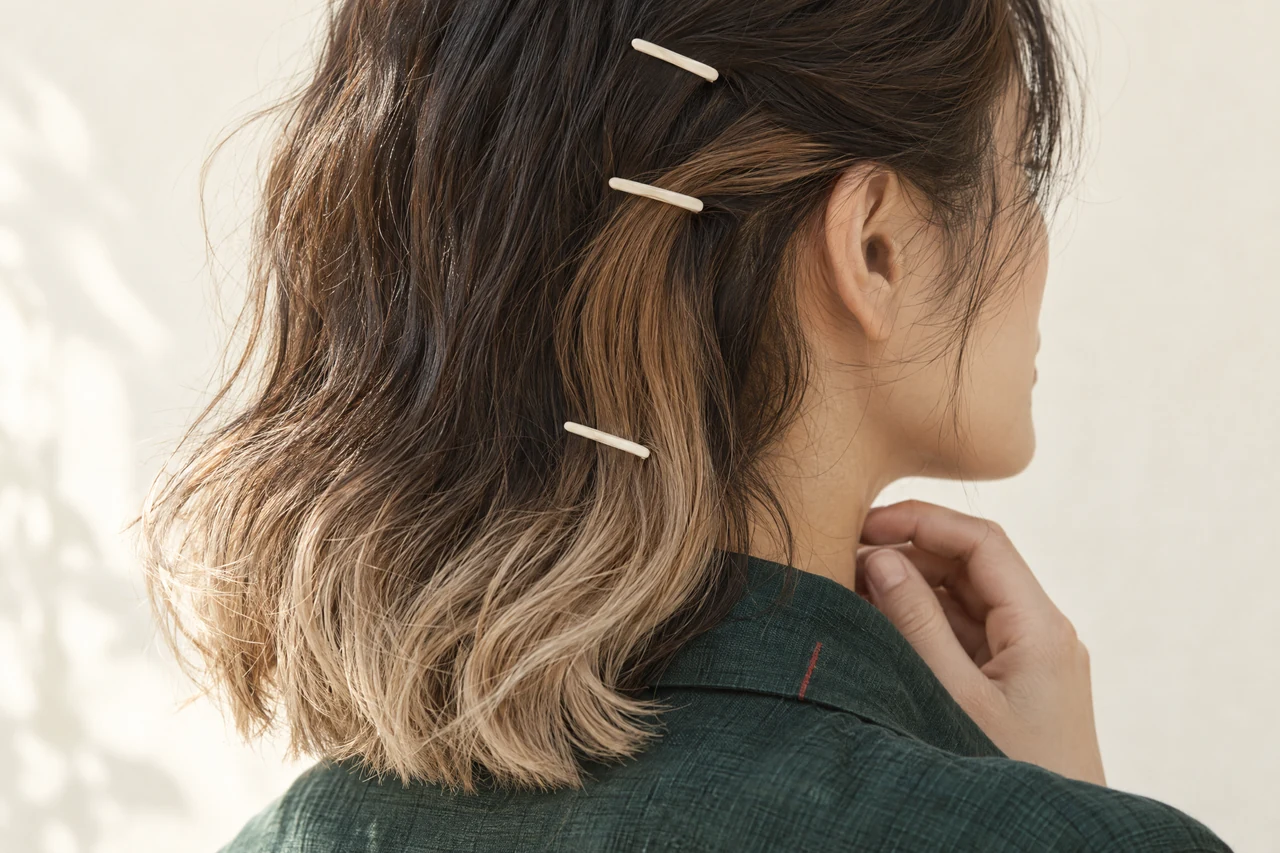
A brunette goal includes depth and warmth
Blonde to brunette colour correction is a request to change both the overall depth and the balance of tones. Compare the amount of warmth and darkness you would accept in normal light. Explain whether the ends should match the roots closely or retain variation; the method and any stages need individual assessment.
Separate the request into an overall darkness and a reflected tone. You might want a brown that looks very deep indoors but still reads as brown beside a window. Alternatively, you may prefer more visible warmth through the lengths. Saying that you dislike orange does not necessarily mean you want the coolest possible finish. Say what you want to keep as well as what you want to remove.
Choose references with hair shown in ordinary light, rather than relying only on glossy studio photographs. Point out the part you like: the root depth, the softer ends or the absence of strong red reflection. Bring a reference that is too dark as well, so that the limit is clear. A colour name such as chocolate, espresso or ash cannot describe every element of that preference.
For a more useful comparison of reflected tone at similar depths, explore warm vs cool brown hair colour before deciding that all warmth should disappear.
Review hair colour to check its service scope and the details to share before arranging the related work.
Name the brown you prefer without treating the label as a formula
Translate the reference into everyday language: brown rather than almost black, subtle warmth rather than obvious copper, or a close match to natural roots without demanding a flat finish. Explain how you usually wear your hair, including a ponytail that brings pale underneath sections into view. Agree which feature matters most if the original reference is unsuitable for the current lengths. That makes an alternative easier to evaluate without turning the consultation into a search for a particular dye number.
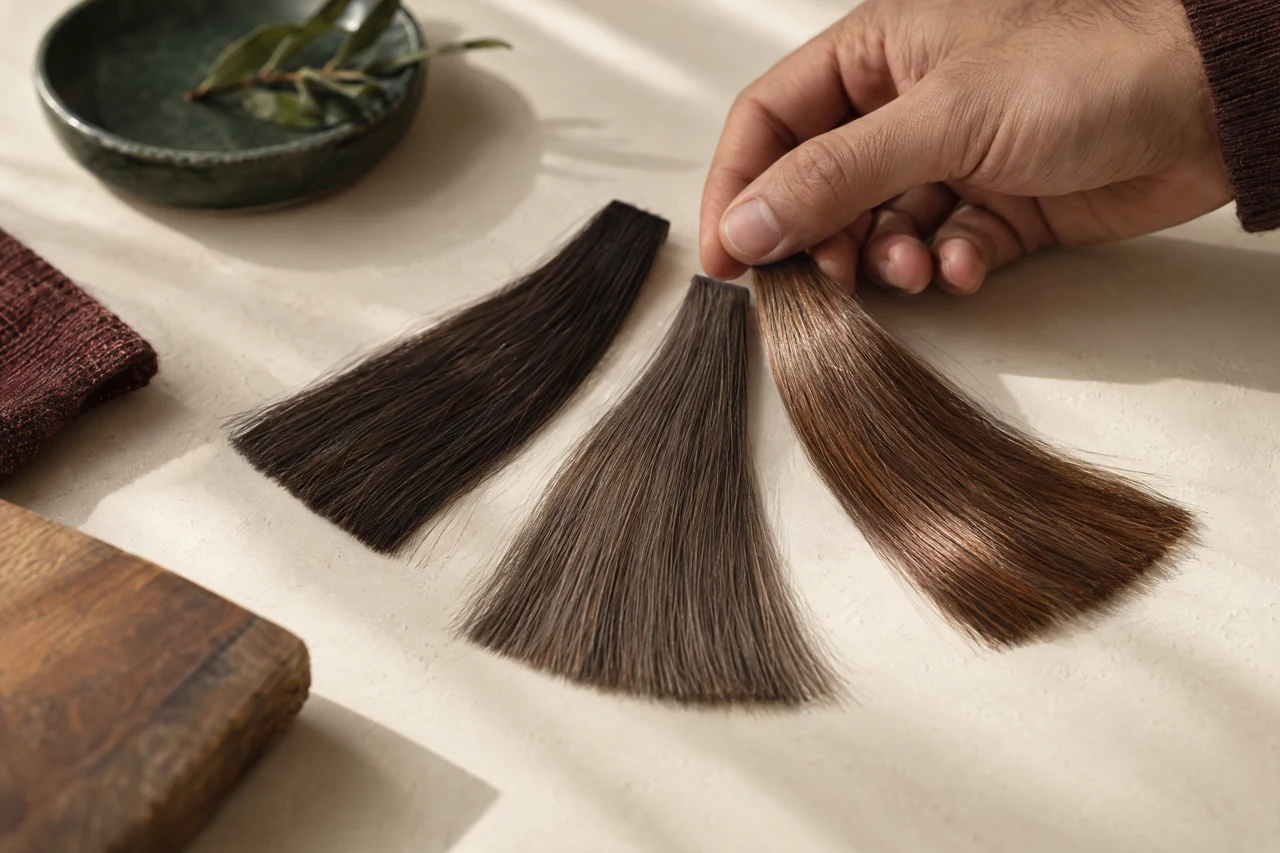
A green-looking finish needs a separate follow-up record
If hair looks green after dyeing it brown, photograph the affected lengths in neutral daylight and list the earlier bleach, dye and toner history. Explain whether the concern is a green cast, excessive darkness or both. Do not infer the cause from one lamp or add a home balancing formula before the starting hair is assessed.
Schwarzkopf's brown-colour guidance describes a possible green tinge when permanent colour is not suited to hair that has lost red pigment through lightening. This is a relevant possibility, not a diagnosis of every green-looking end. Existing toner, the particular colour history and the affected areas still need to be discussed. The source's explanation is not a reason to copy a balancing application at home.
Take an overall photograph and a closer view of the same affected section in indirect daylight. Avoid filters and keep the original images. Note whether the cast was visible immediately after colouring or became noticeable after washing. Include any tinted masks or shampoos used since the appointment, as these belong in the history too. A photograph under a strongly coloured lamp can be shared as context, but should not be the only reference.
Compare the cast in neutral light before adding more colour
Describe the location precisely: a greenish reflection on the ends, an olive-looking band at ear level, or a dark overall finish with only a small tonal concern. If the main problem is darkness, make that explicit rather than asking only to remove green. Adding colour without agreeing the intended depth may move the hair further from your goal. Contact the salon with your record and ask what needs to be assessed before any further application.
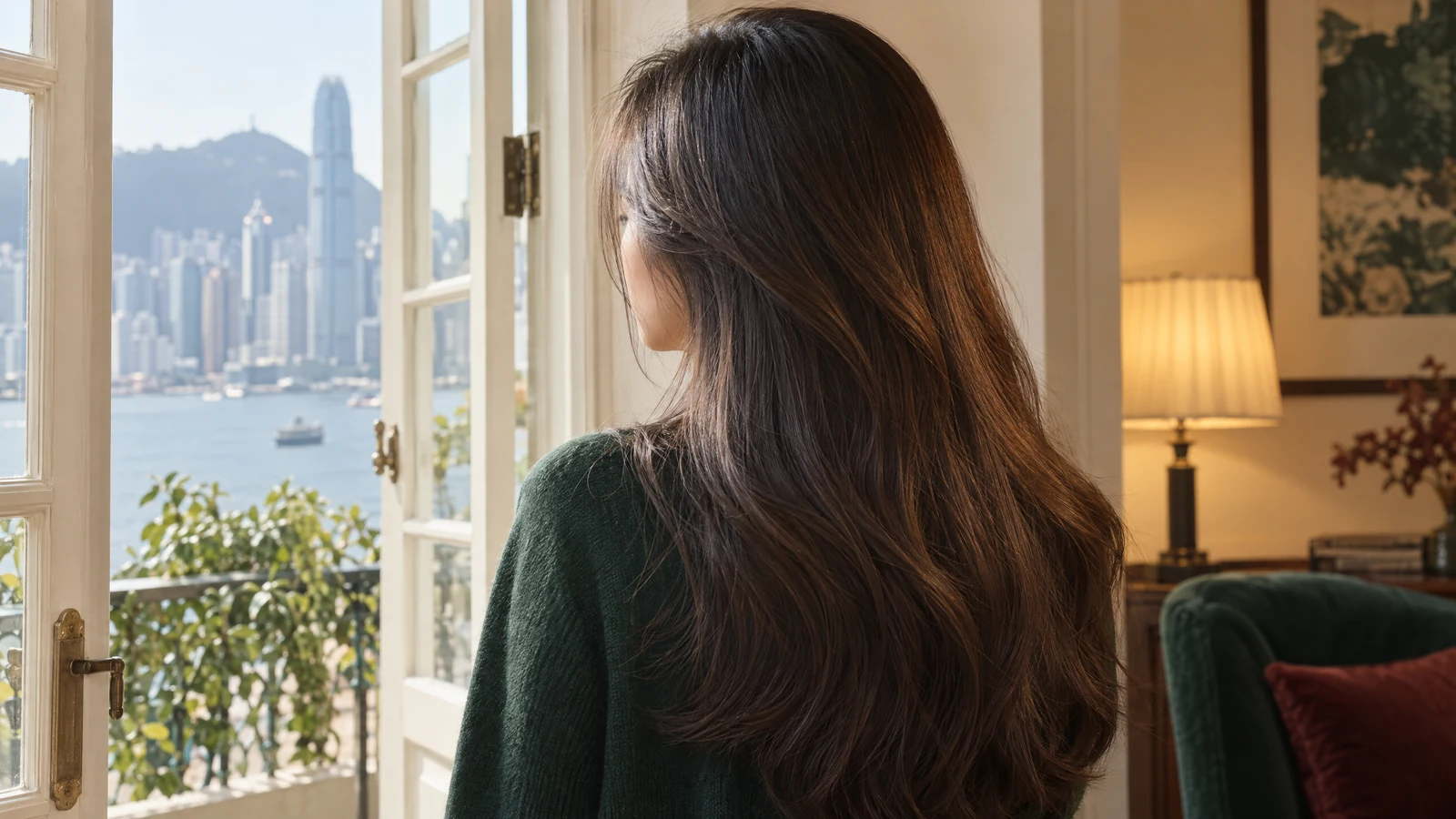
Consider fading and future lightening plans before going dark
Discuss whether you intend to stay brunette or might want a lighter colour later. Old lightened lengths and newly added darker colour can create different questions as the colour changes or grows out. Ask what appearance to monitor and what future changes would require reassessment rather than expecting a reversible, maintenance-free result.
A temporary intention is not the same as a reliably temporary result. Schwarzkopf limits its suggestion of rinseable colour for trying brown to hair that has not already been coloured or bleached. Do not assume that a wash-out label means your pale lengths will return exactly to their previous blonde. Tell the stylist if you only want a darker appearance for an event or a short period; that changes the discussion before colour is agreed.
If you may want highlights again, say where and how light you imagine them. Future assessment must consider the added brunette colour as well as the condition of the old bleached sections. Keeping a record of the darker service is useful even when you like the initial result. Do not interpret fading as proof that the hair has returned to an untouched blonde starting point.
A darker goal today may affect later colour decisions
Ask how to distinguish a tonal change from a depth change during upkeep. You may notice warmer ends, a darker root area or old light sections becoming more visible. Agree which changes you would accept and which should prompt a follow-up. If maintaining the brunette requires more appointments than you want, discuss a softer depth or retaining some variation before committing. Avoid choosing extra darkness simply as an attempt to make the result last longer.
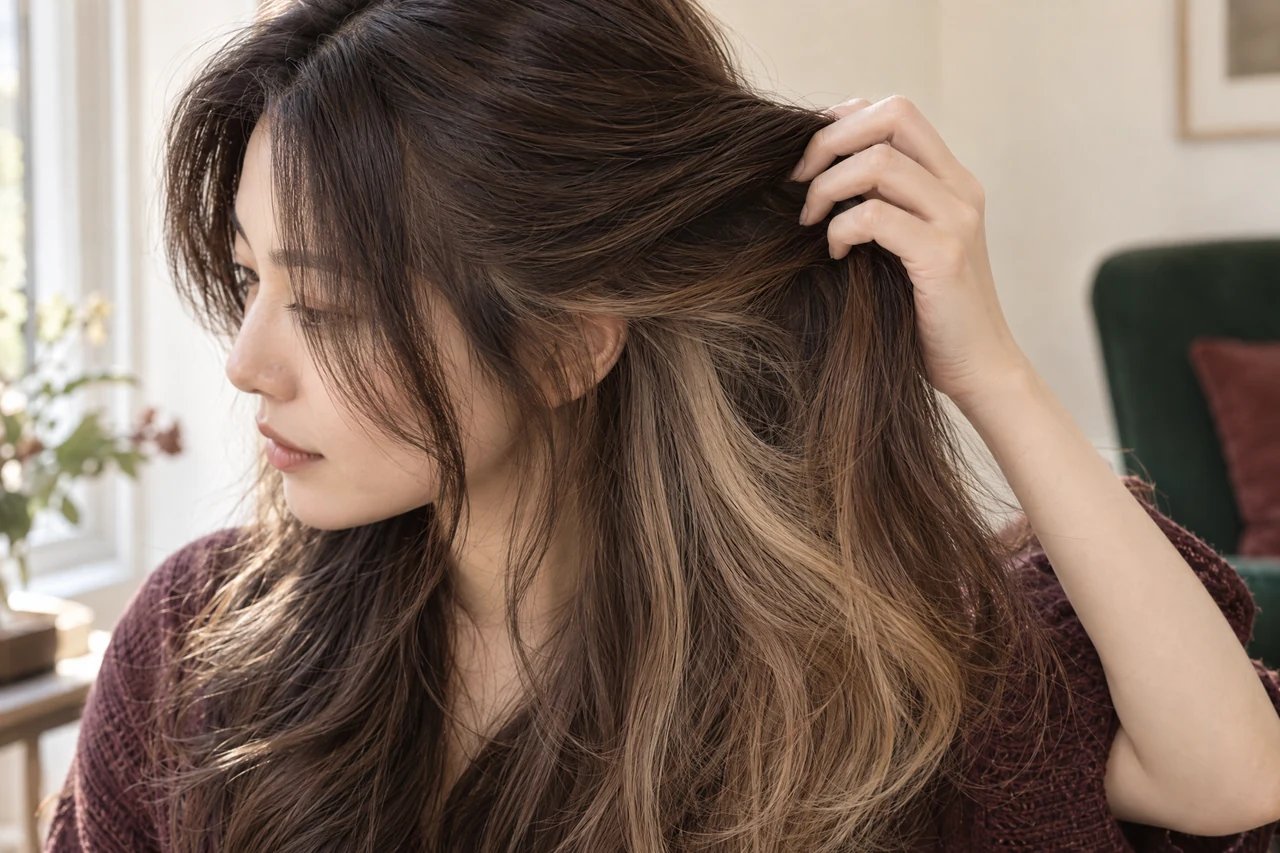
Care for the old bleached lengths after the colour change
Going brown changes the appearance of bleached hair; it does not erase the earlier processing history. Keep care goals separate from colour goals. Softer handling and easier detangling are different questions from a cooler tone or more even depth. If the ends already feel fragile, discuss their condition before adding another chemical service or expecting a darker shade to solve the problem.
The American Academy of Dermatology's colouring and perming advice notes that sun exposure can weaken and fade dyed or bleached hair, and recommends a wide-brimmed hat outdoors. For daily life in Hong Kong, mention frequent outdoor time and swimming when planning upkeep. This is general hair-care advice, not a prediction of how long a particular brunette tone will last.
A routine built around hair care after bleaching remains relevant even when the blonde is no longer visible. Ask for cleansing and conditioning guidance suited to the actual service, and check before introducing a pigmented product to manage unwanted tones.
Review hair treatment to check its service scope and the details to share before arranging the related work.
Monitor feel as well as colour
Notice whether tangling or breakage has changed, not just whether the brown looks different. A smooth salon finish and your usual air-dried texture are not identical viewing conditions. Share observations from ordinary washing and styling rather than assuming that a loss of gloss proves a colour fault. Conditioning can be discussed for cosmetic manageability, but should not be treated as permanent restoration of the previously bleached hair.

Prepare a clear dark-brown consultation
Use the 6-point preparation checklist below to turn a brunette reference into a practical enquiry. Include the approximate order of previous services even if you cannot remember exact dates. Product photographs can help identify a home dye, toner or henna application. Explain uncertainty openly rather than leaving an unknown service out of the history.
Before arranging a visit in Sheung Wan, ask whether an assessment is needed before the work and appointment time can be confirmed. Clarify the proposed scope, any testing, the quoted inclusions and what follow-up would involve. A general tinting category should not be assumed to cover every blonde-to-brunette correction. If you have a work event or travel deadline, state it early while remaining open to a different plan.
Keep product reactions separate from shade preferences
Tell the salon about previous dye reactions before discussing the brown reference. The American Academy of Dermatology advises testing store-bought colour according to manufacturer instructions and not dyeing if a reaction develops, with a dermatologist consulted for further allergy assessment. A strand assessment concerns the hair and colour response; it is not a substitute for product-specific allergy precautions. Ask what safety information and instructions apply to the proposed service instead of assuming that going darker removes these questions.

Different brunette intentions on previously bleached hair
| Your priority | What to clarify | Main trade-off |
|---|---|---|
| A close root-to-tip dark brown | How pale ends and darker growth differ, and how much variation you accept | An even appearance may require a different plan for different sections |
| A brunette with some dimension | Which existing light areas should remain visible when hair moves | Less uniform depth can be intentional rather than an unresolved patch |
| A cooler brown without green-looking ends | Desired depth separately from unwanted reflection and earlier toner history | A cooler label alone does not determine a suitable colour approach |
| A short-term darker appearance | Current bleaching history and the wish to return to blonde | Temporary intention does not guarantee complete wash-out or easy reversal |
Your preparation checklist
- Photograph the roots, mid-lengths and ends in indirect daylight, including hidden light sections and your normal parting.
- List previous bleach, dye, toner and other chemical services in order; include home products and any uncertain details.
- Choose a preferred brown reference and one that is too dark, explaining the warmth and variation you would accept.
- State whether you want to stay brunette or may want lighter colour later, including any event or travel deadline.
- Report tangling, breakage, scalp discomfort and previous product reactions separately from the shade request.
- Ask about assessment, relevant testing, service scope, price inclusions and aftercare before agreeing the work.
Frequently asked questions
Is going darker always less complicated than going lighter?
No. Previously lightened lengths may differ from roots and ends, and the desired brown has its own tone and depth requirements. Assessment is still needed.
Does a green cast mean I should add another brown dye?
Do not assume that. Record the cast in neutral light and provide the earlier processing history. Another unassessed application can change the starting point without resolving the concern.
Can I return to blonde immediately after going brunette?
No immediate reversal should be assumed. Explain any future lightening goal before agreeing darker colour, and ask what would need reassessment later.
Plan a brunette that fits your current hair and future goals
Enquire with Vit So in Sheung Wan using daylight photographs, your processing history and a dark-brown reference. Mention any green-looking areas and future blonde plans so the discussion addresses more than the shade name. Service suitability, scope, price and timing need confirmation; sending an enquiry does not confirm a booking.
Start your WhatsApp enquirySources & further reading
- Coloring Hair Brown: Ideas For New Brunettes
How previously bleached hair can respond differently to brown colour, the possibility of a green tinge, and limits of trial-colour advice on processed hair.
- Coloring and perming tips for healthier-looking hair
General sun protection for dyed or bleached hair and manufacturer-directed testing and reaction precautions for store-bought colour.



