






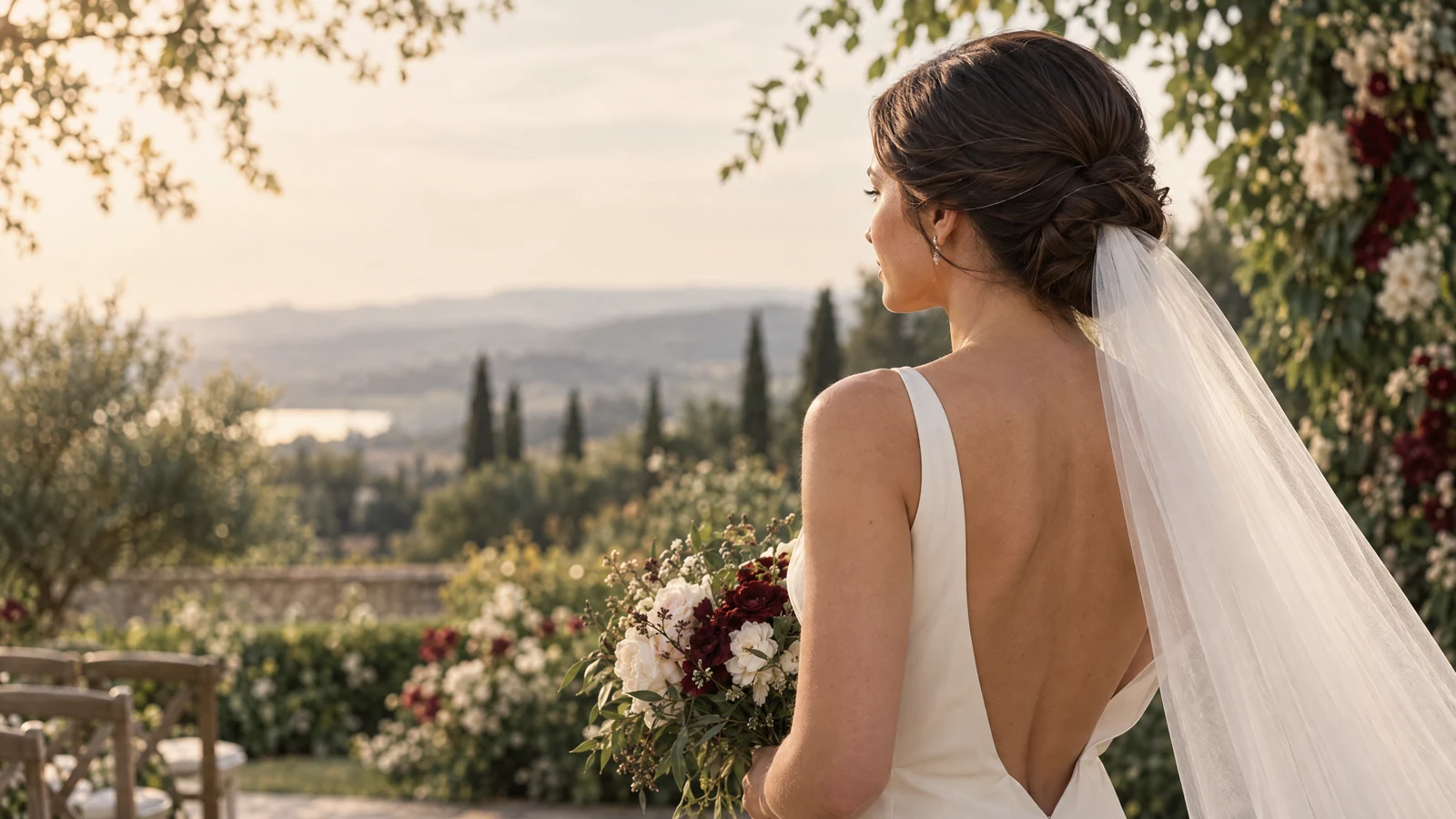
Outdoor wedding hairstyles depend on actual exposure
Wedding hairstyles for humid weather should reflect how long you will be outside, whether the setting is sheltered and when photographs are planned. Sweat, wind and rain are different influences, so describe the likely conditions rather than asking for a universally weatherproof style. Include any headwear and the indoor breaks available for ordinary checks.
Start with the route from the salon to the ceremony, not just the venue name. A covered arrival followed by garden portraits is a different brief from an exposed waterfront ceremony followed by outdoor drinks. Ask the venue where you will wait, whether the portrait area has shelter, and where an indoor alternative would be. Even an indoor wedding can involve an uncovered walk between the car and the entrance.
Use the forecast as planning information rather than a hairstyle specification. The Hong Kong Observatory's nine-day forecast includes wind, humidity and rain information, but the Observatory describes it as a guide to general weather trends and refers readers to the local forecast for detailed information about today's weather. Recheck conditions closer to the event, and ask the venue team about the exposure of the actual ceremony and photograph locations.
Describe outdoor wedding hairstyles with your schedule
Mark each outdoor stage on your schedule and identify the photograph you most want to preserve at that point. You might prioritise an unobstructed face during the vows but prefer visible waves for later portraits. Share that sequence with the stylist so the front sections and exposed length can be discussed separately. Include travel and waiting time: these are still part of wearing the finish, even when no photographs are planned.
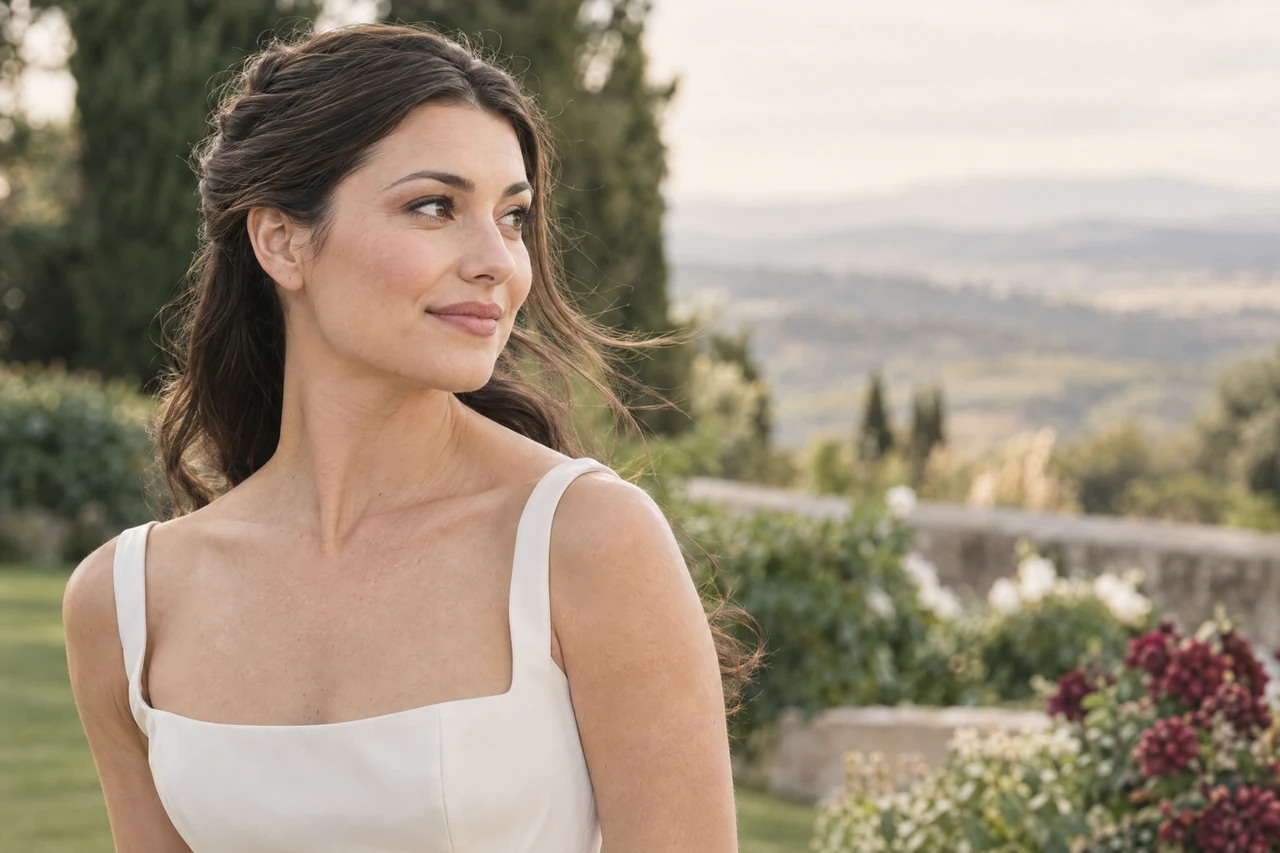
Gathered hair reduces free movement but still needs assessment
An updo for humid wedding day conditions gathers more of the length, but shorter face-framing pieces can still move and change. The suitable structure depends on your layers, comfort and veil. Ask which details can be kept more compact and which naturally remain soft; a gathered outline does not guarantee that nothing will loosen.
Look at how much hair remains outside the main shape. A low bun with long trailing tendrils has different exposed details from a low bun with the sides gathered behind the ears. If hair touching your mouth or eyes would distract you during the ceremony, say so before requesting loose face framing. A braid incorporated into the gathered shape may provide a different visual texture, but it is not a substitute for assessing the hair length and accessory support.
Compact does not have to mean painfully tight. The American Academy of Dermatology's guidance on hairstyles that pull advises loosening styles so they do not pull and changing a hairstyle immediately if tightly pulled hair causes pain or the scalp stings. For wedding planning, treat discomfort as something to adjust, not evidence that the hairstyle is secure. Tell the stylist about any existing scalp sensitivity.
Continue with updo or hair down for wedding for that specific comparison and the preparation questions it raises.
Compare the structure and the shorter visible pieces
Bring a current photograph showing your shortest layers as well as a finished-style reference. Ask which sections can reach the chosen gathering point and which will remain visible. Check the bun position against the dress back, earrings and the way you sit in a car. Choose the details you need to keep clear rather than trying to eliminate every soft hair: exposed nape, open cheek line and decorative texture can involve different compromises.
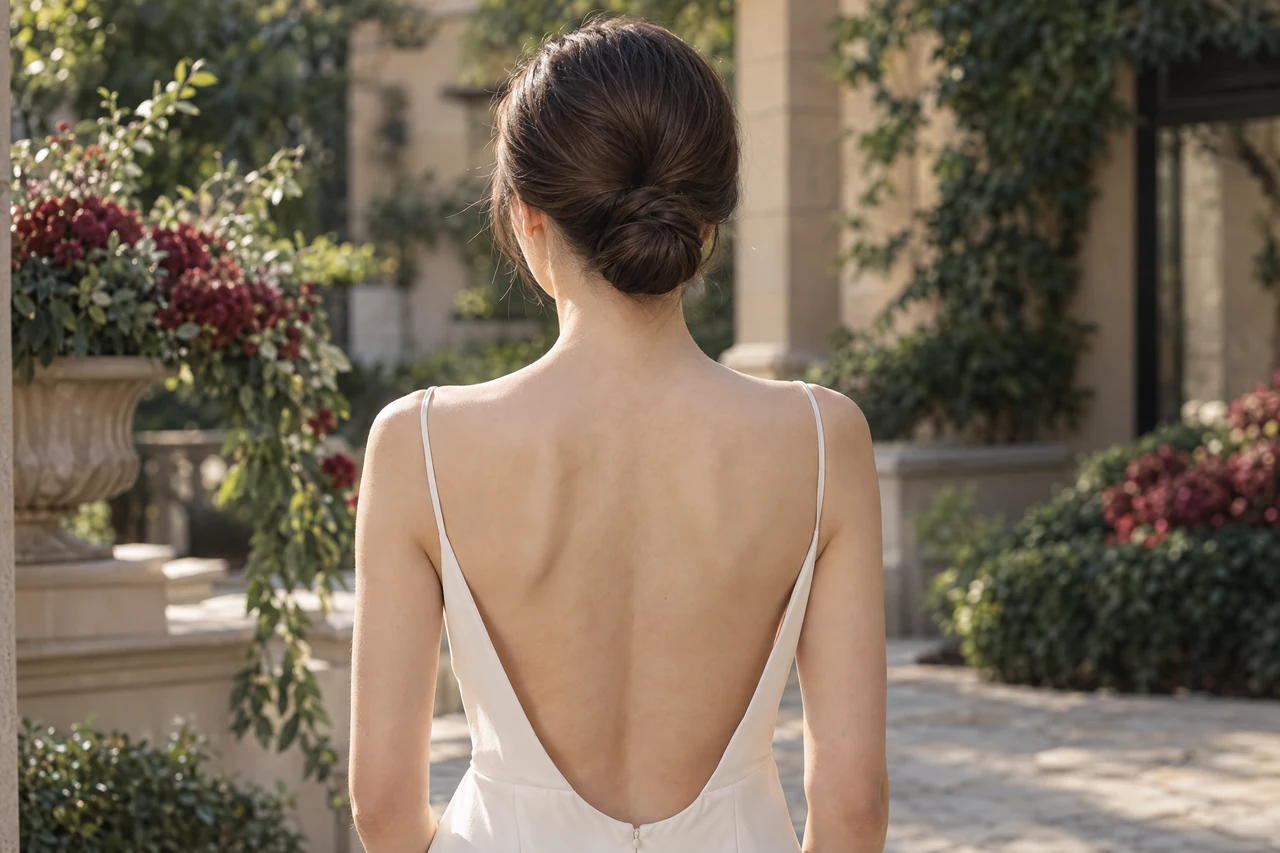
Half-up and loose shapes leave more hair exposed
Half up wedding hair in humidity keeps the crown partly controlled while leaving length free to respond to weather and movement. Loose waves have the same exposure across more of the outline. Explain how your hair usually changes outdoors and consider whether softer bends later in the day are acceptable before committing to a very defined reference.
A half-up outline can be useful when you want the front partly gathered without losing the appearance of length. However, it does not turn the loose lower sections into an updo. Consider whether you like those sections falling over the shoulders, whether they obscure dress details, and whether you would be comfortable moving them back for a photograph. Keeping the crown neat and keeping every curl distinct are separate aims.
Your everyday observations are more useful than a label such as unruly hair. Explain whether a styled bend usually relaxes during your commute, the front becomes wavier after walking outside, or loose ends tangle when they brush your outfit. Share photographs of the change if available. These observations help you discuss an acceptable later outline; they are not a diagnosis or a precise forecast of wedding-day performance.
Continue with haircut or treatment for frizz in humid weather for that specific comparison and the preparation questions it raises.
Decide how much natural change you can accept
Compare references with different degrees of definition rather than choosing only the most polished image. Decide whether a softer wave would still feel right with your dress, or whether the whole look depends on individual sculpted curls. If you would repeatedly handle the hair to restore that definition, discuss a less curl-dependent outline. Natural movement can be an intentional part of the brief, provided you genuinely like it rather than merely tolerate it.
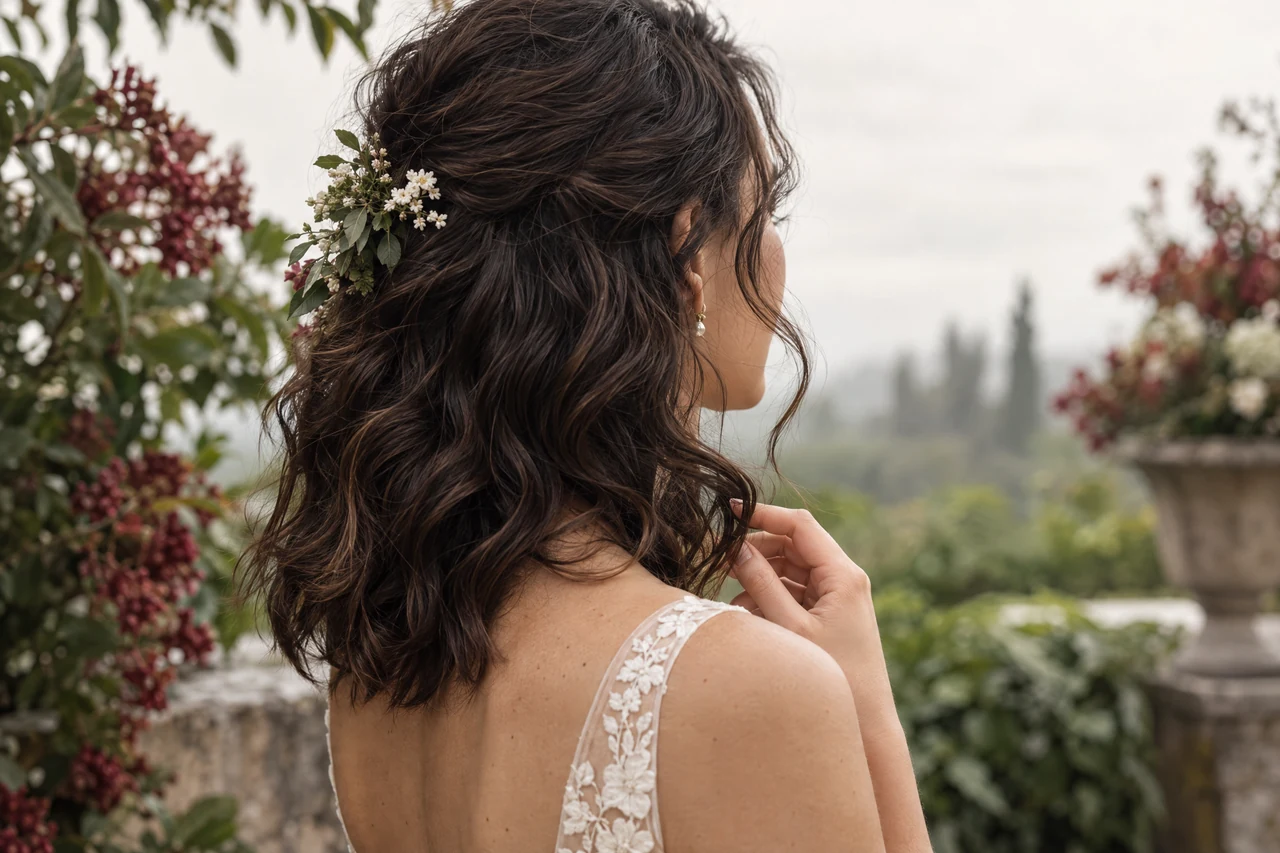
Choose checks and backups instead of a durability promise
If curls usually soften quickly, discuss a less definition-dependent shape or a simpler gathered alternative. Ask for suitable care advice for the agreed finish and make room for ordinary mirror checks between outdoor and indoor stages. Any trial, professional restyling or venue touch-up requires confirmation; no product or structure can be promised to remove every weather effect.
Name the moment when a check would be useful: after the ceremony, after the outdoor portraits, or before entering the reception. Confirm that there is a sheltered place with a mirror and that the person helping you will actually be available. A brief check should focus on hair across the face, displaced accessories and any uncomfortable pulling. It should not depend on recreating a salon finish in a crowded washroom.
Agree on the limits of the backup. Moving a loose section behind the ear is not the same task as changing waves into a formal bun. Ask which adjustments you or a helper can safely make, which pins belong to the underlying structure, and what should be left alone. Pack only familiar items recommended for the chosen finish. Do not assume that adding more spray or repeatedly brushing the hair will improve a change you dislike.
Plan a practical response to changes in curls or accessories
Use the 6-point checklist below to agree on a response before the day becomes busy. If the main concern is losing curl definition, choose an acceptable softer outline in advance. If the concern is wind moving the veil, discuss shelter and who will help manage the fabric. For rain, prioritise the venue's covered arrangements and safe movement. A hairstyle adjustment cannot make an exposed outdoor event safe in severe weather.
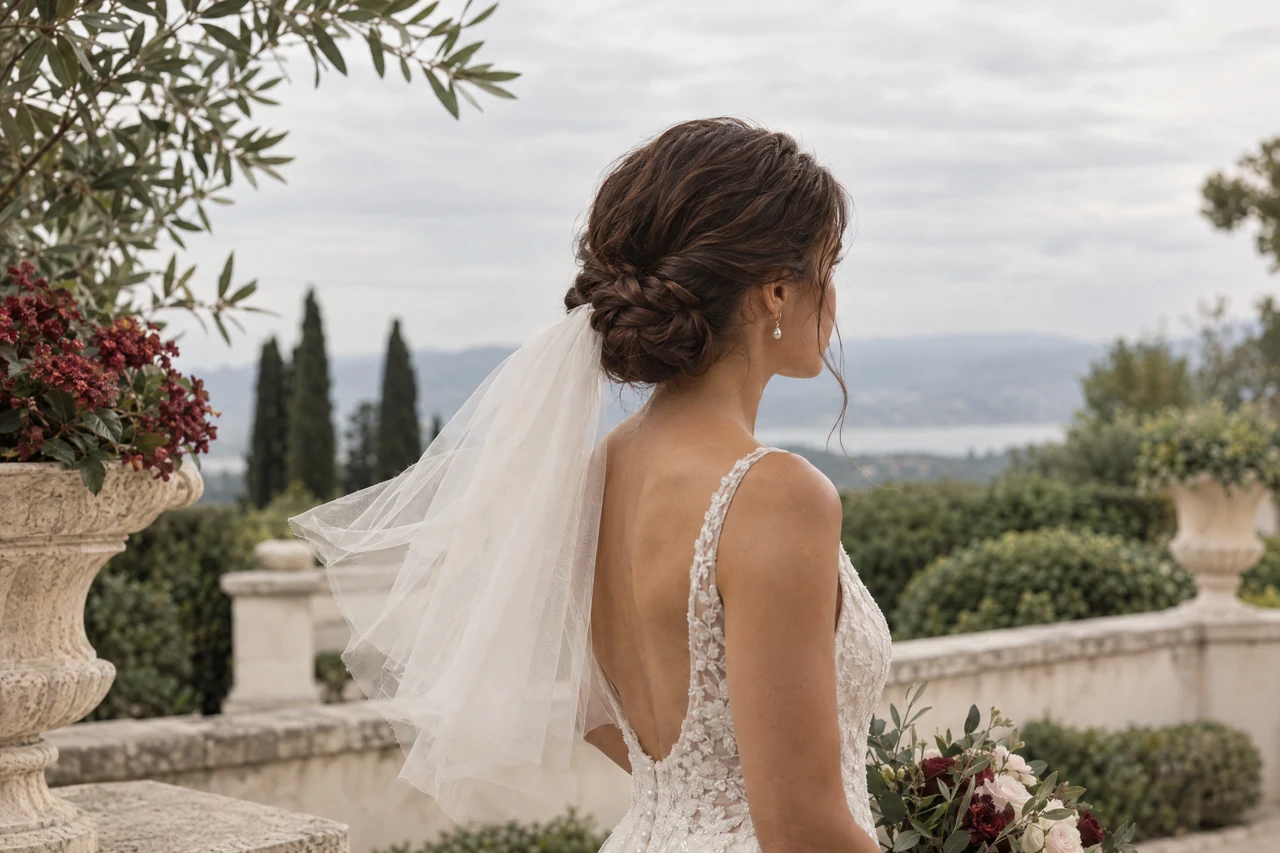
Let the actual veil inform the outdoor plan
Bring the veil you intend to wear, including its comb or fastening, rather than relying only on a photograph. Explain when it goes on, whether you want it over the face during the ceremony, and when it comes off. Ask how its attachment relates to the hairstyle's own support so a helper does not remove structural pins while trying to take off the veil.
Look at the combination from behind and in profile. A veil below a low bun can interact differently with the dress back from one starting above it. Long fabric also needs room during walking, sitting and turning. Ask who will manage it during transfers or portraits, and avoid treating a gusty photograph as a test of how strongly the hair has been pinned.
Continue with wedding hair with veil for that specific comparison and the preparation questions it raises.
Check the silhouette after the veil comes off
Decide which hair detail should remain the focus for the reception once the fabric is removed. Confirm the removal approach and helper in advance. If an accessory stays in place, check that it does not compete with the veil fastening or need an unplanned repositioning. Keep the later appearance part of the original brief.
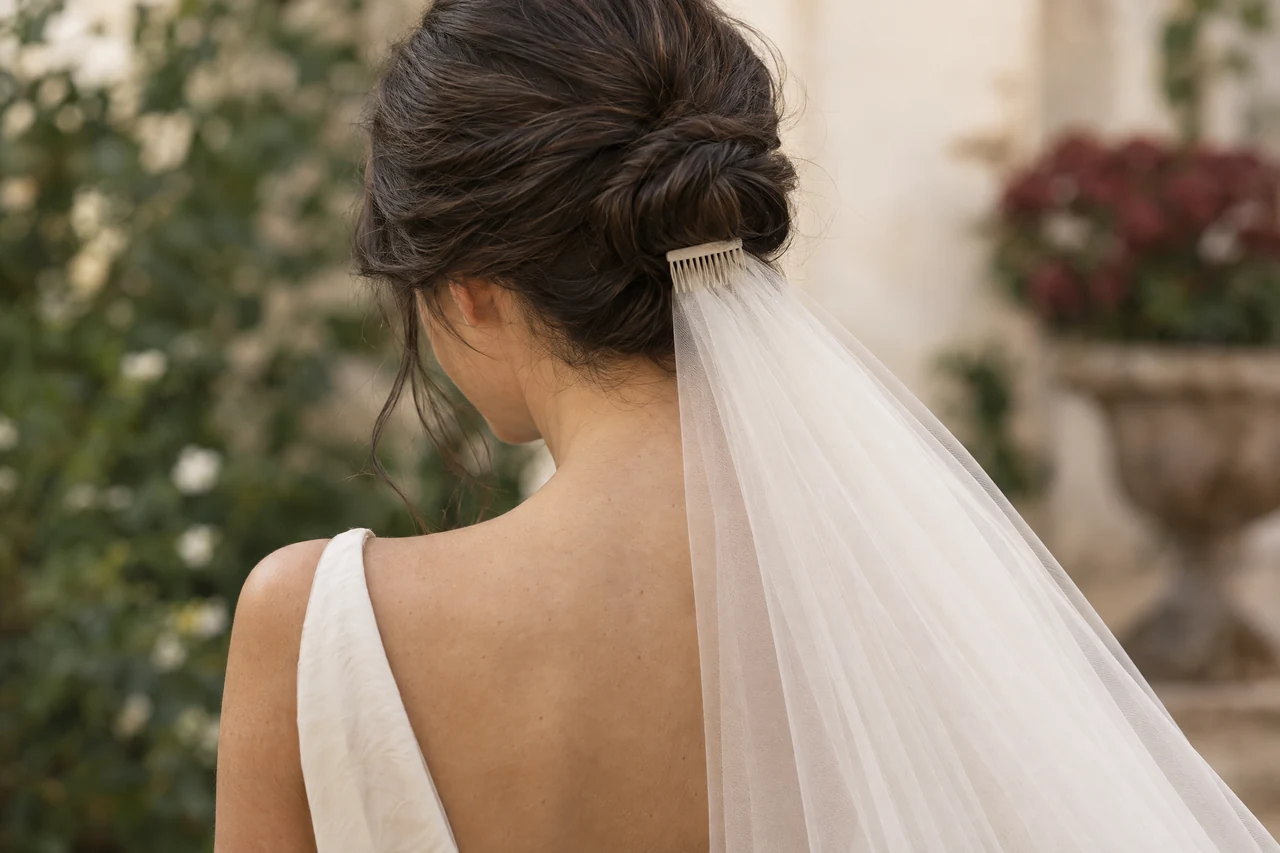
Turn the reference into a useful salon enquiry
If a wedding hair trial is available and separately confirmed, use it to observe ordinary movement with the intended accessories. Walk, turn your head, sit and stand, then check the front and back. Note comfort, where loose sections fall and whether the veil catches near the dress. These checks clarify practical choices without claiming to reproduce the weather on the wedding day.
For a bridal hair enquiry, send the date, the time you need to leave, current hair photographs and your outdoor schedule. Include the veil details and the reference feature you value most. Confirm availability, preparation instructions, the agreed salon work and the quote before making travel plans. A general styling price should not be treated as a complete bridal package or a quote for attendance elsewhere.
State your priorities in plain language
A useful brief might prioritise clear eyes during the vows, a visible dress back and waves that may soften later. If those wishes conflict with the reference, ask which detail should change first. This gives the consultation a decision to resolve, rather than an impossible request to keep every section untouched throughout an outdoor day.
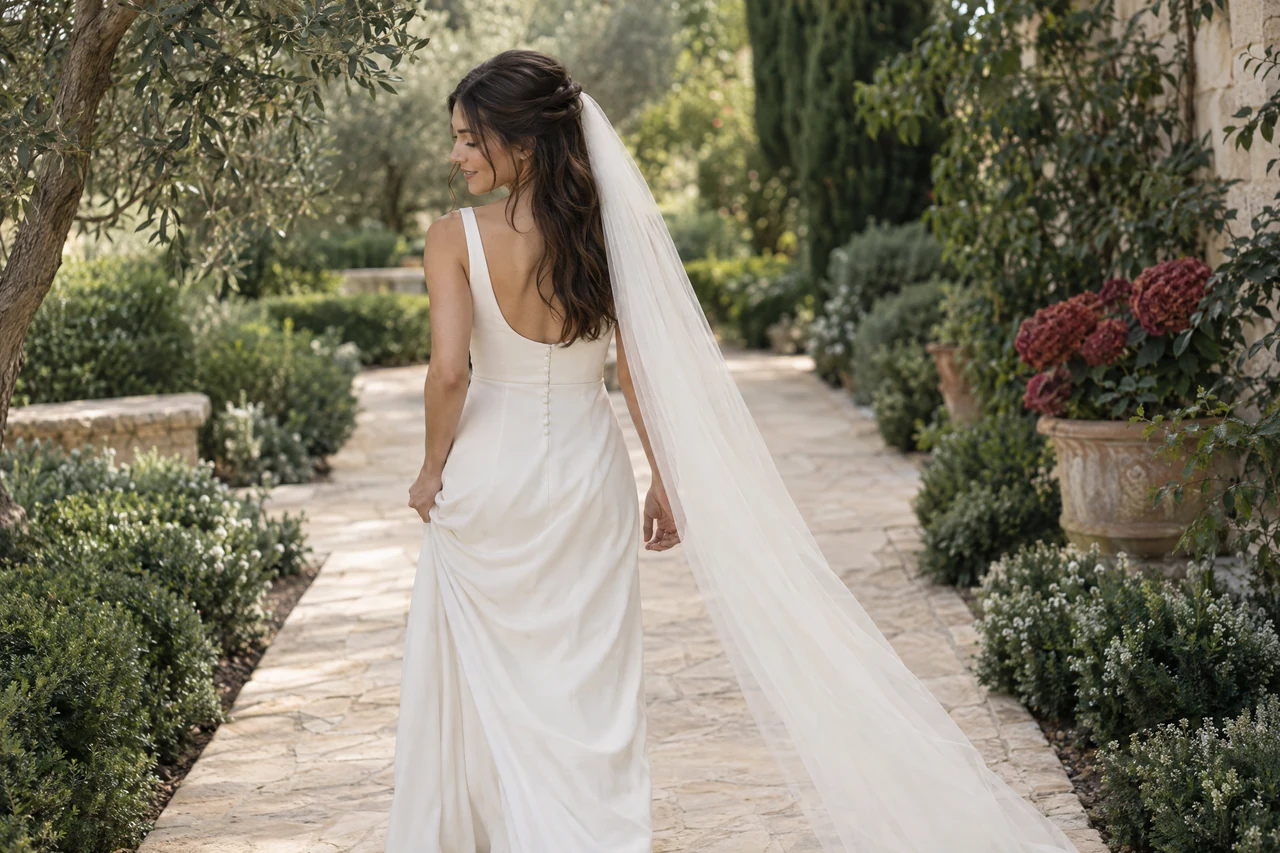
Compare wedding hair outlines by exposed length and practical checks, not a weatherproof rating.
| Outline | Outdoor trade-off | What to confirm |
|---|---|---|
| Compact gathered shape | Less length moves freely; short front pieces remain exposed. | Comfort, reachable layers and veil support. |
| Soft updo with tendrils | Gathered length with more visible movement near the face. | Which pieces must stay clear of eyes and mouth. |
| Half-up waves | Partly gathered crown with loose shoulder and back length. | Dress visibility and acceptable wave softening. |
| Loose blow-dried waves | Movement remains across more of the silhouette. | Everyday curl changes and a realistic sheltered check. |
| Simpler gathered backup | May reduce exposed length but requires an agreed method. | Who can make the change and whether professional work is needed. |
Your preparation checklist
- Mark the ceremony, portraits, waiting and travel stages that involve outdoor exposure; identify available shelter.
- Choose the photograph details that matter most, including clear face framing, visible dress back or defined waves.
- Share current hair photographs and explain how styled hair usually changes during ordinary outdoor activity.
- Bring the actual veil and accessories; agree on fitting, comfortable movement and the removal helper.
- Locate a sheltered mirror check and confirm which small adjustments the available helper can make.
- Confirm the salon appointment scope, preparation, timing and quote; discuss any trial or later restyling separately.
Frequently asked questions
How to keep wedding curls from dropping?
Explain how your curls usually soften and discuss the intended definition, preparation and a backup outline. Follow advice for the agreed finish and minimise unnecessary handling; lasting curl definition cannot be guaranteed.
Blow dry or updo for an outdoor wedding?
Compare exposed length, wind, the veil and how much change you accept. An updo gathers more hair, while a loose finish retains movement; neither is automatically best for every person.
Does outdoor wedding advice mean the stylist comes to the venue?
No. The guide helps plan an in-salon finish for outdoor conditions. Travel, venue attendance and later touch-ups are separate arrangements that must be confirmed.
Bring your outdoor schedule into the hair consultation
Enquire with Vit So in Sheung Wan about a salon finish that fits your wedding timetable, veil and preferred outline. Send your date, required departure time and current hair photographs so the scope, availability and quote can be discussed. An enquiry is not a confirmed booking.
Start your WhatsApp enquirySources & further reading
- 9-day Weather Forecast for Hong Kong
The Observatory explains that the forecast provides general weather trends and points to the local forecast for detailed daily information. Wind, relative humidity and rain are useful planning inputs.
- Hairstyles that pull can lead to hair loss
Guidance on loosening hairstyles that pull and promptly changing a style when tightly pulled hair causes pain or scalp stinging supports the comfort check for gathered wedding hair.



