







Hair care after bleaching starts with a hair map
Identify where the lightened hair begins and whether the ends have been processed more than once. For hair treatment for bleached hair, share the dates and areas of previous bleach, colour and straightening. This history is more informative than describing all your hair as damaged, because the roots and lengths may need different handling.
Make your map simple: unprocessed regrowth, the most recently lightened area and the oldest ends. Include face-framing pieces separately if they received different colour work. A dark root does not tell the whole processing history, and a pale end does not show how often it has been treated. When dates are uncertain, say so instead of guessing.
Describe what each section does during ordinary care. Does the comb catch at the last part of the length, or near the boundary between dark and light hair? Does roughness appear after washing, or mainly after brushing? Note whether you see short broken pieces or longer shed hairs, without trying to diagnose the cause. These observations make a conversation about keeping length much more specific.
Record the sections needing hair care after bleaching
Keep a clear photograph of the colour boundary and a short processing note on your phone. Include home colour, toners and previous straightening as well as salon bleach. Bring the names or label photos of your current shampoo, conditioner and leave-in products. Your goal might be easier combing at the ends while keeping the roots light and movable; those are compatible priorities, not a reason to treat every section identically.
Choose conditioning by feel and product directions
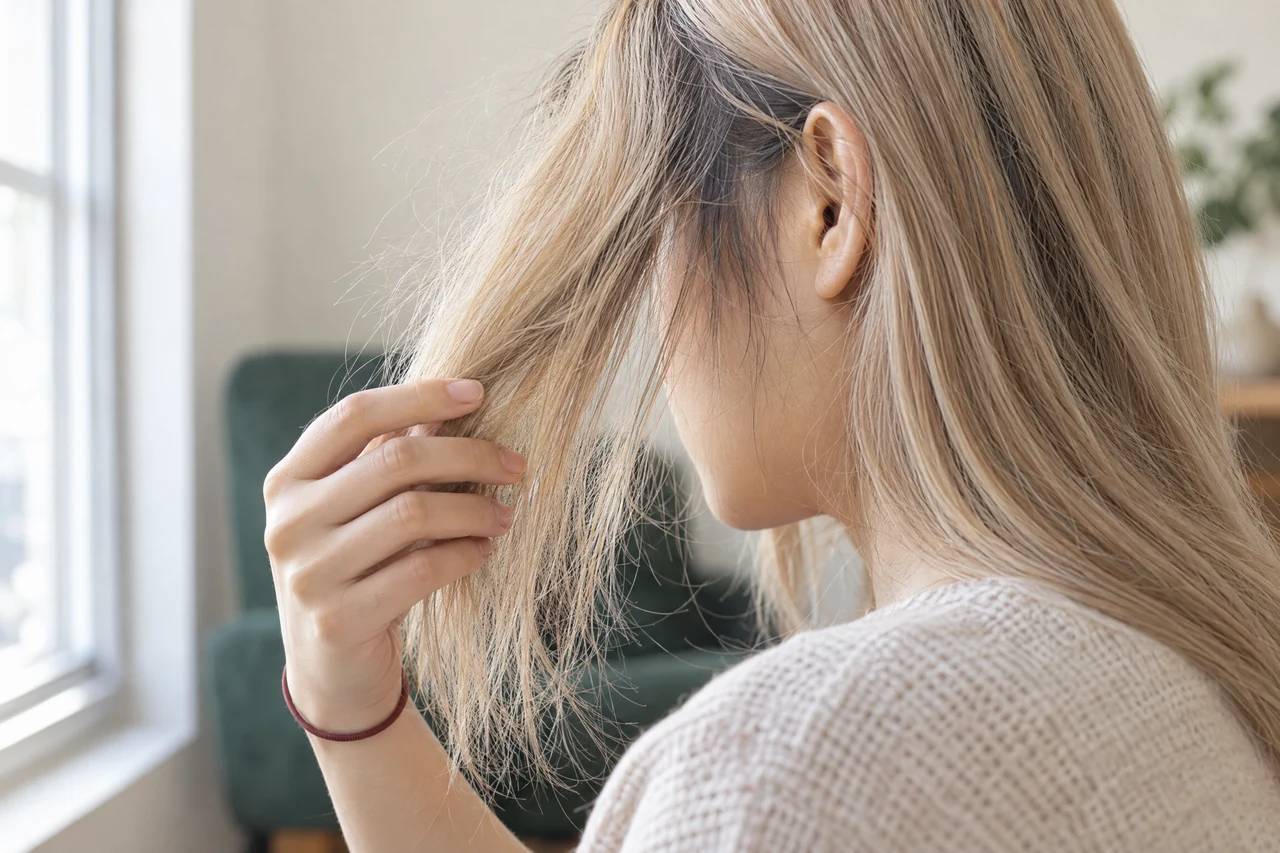
Hair treatment after bleaching should be considered for a specific goal, such as making the lengths easier to comb. Deep conditioning for bleached hair is not a guarantee of rebuilding every damaged section. Ask about the proposed product, where it will be applied and how to use your home products alongside it without unnecessary layering.
The review Hair Cosmetics: An Overview describes conditioners as reducing friction and improving combability and manageability. It also notes that bleached hair can interact with conditioning ingredients differently from virgin hair. This supports choosing by the behaviour of your lengths, rather than buying the richest formula simply because you have had bleach.
Read whether a product is rinse-out or leave-in, which areas it is intended for and its stated contact time. Distribute it gently across the recommended sections; do not rub a fragile bundle vigorously to work it in. If the ends feel coated but still knot, review application and rinsing before adding another layer. Keep the rest of the routine steady when trying a change so that its effect is easier to notice.
Review hair treatment to check its service scope and the details to share before arranging the related work.
A softer finish does not prove recovery
Assess usefulness during your next ordinary wash and gentle detangle, not only after a styled finish. Easier combing is a worthwhile cosmetic outcome, but it does not establish tolerance for another bleach. If a product is marketed for internal repair, the comparison of bond repair vs deep conditioning can help you ask what its claims actually cover. Confirm the proposed product rather than assuming a particular brand or bond-focused service is available.
Reduce pulling during washing and detangling
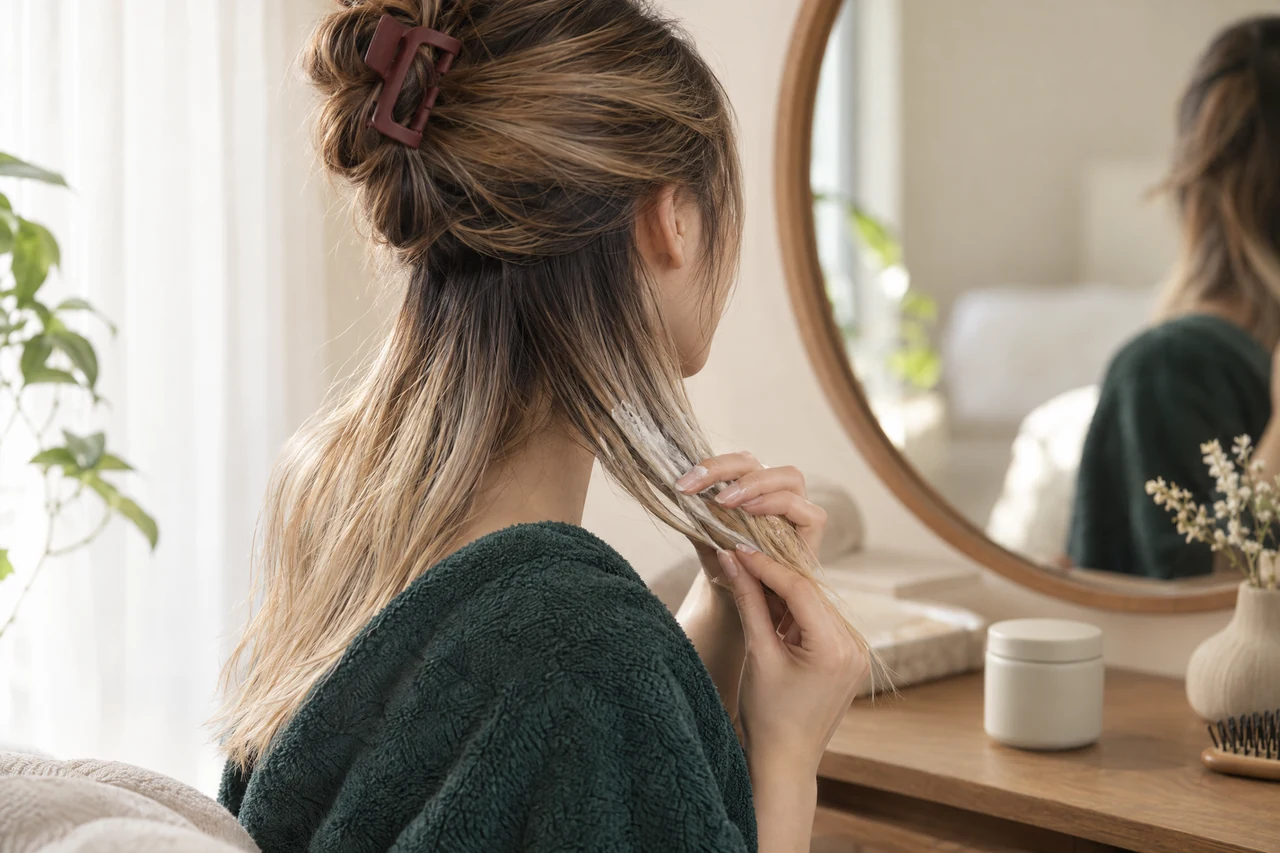
Handle the lengths gently and use a suitable conditioning product according to its directions. When detangling, work in manageable sections without dragging through resistance. Stop if knots will not release without force or strands keep snapping. More vigorous brushing is not a way to test the strength of freshly lightened hair.
Before your first home wash, check the directions given for the completed service, including any toner or finishing product. Ask for clarification if the instructions are missing or seem inconsistent. A universal waiting rule is less useful than knowing what was used and what the service provider intended. Do not treat a suggested colour-maintenance delay as a reason to ignore scalp discomfort.
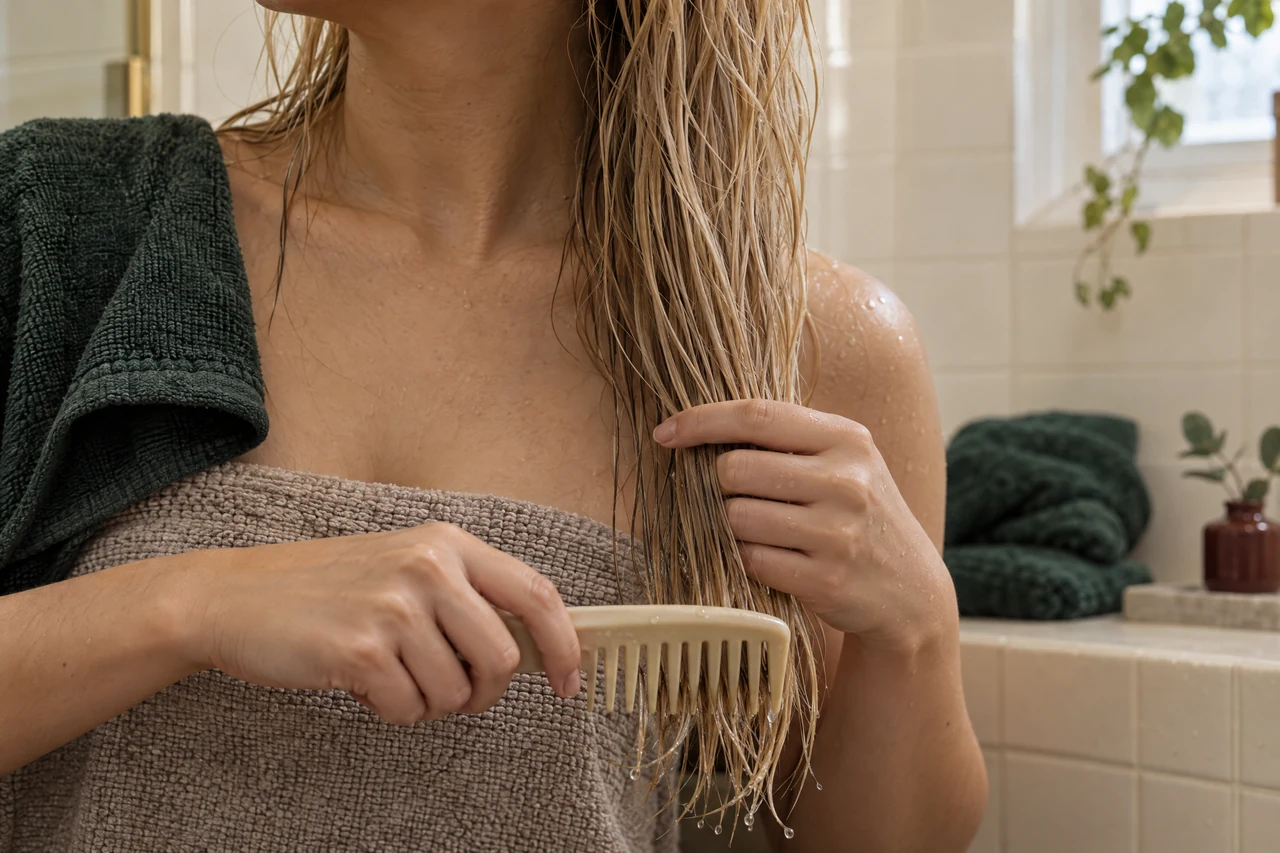
The American Academy of Dermatology's hair-damage guidance recommends gently massaging shampoo into the scalp instead of rubbing it through the lengths. Let the rinse flow through without piling the ends into a tangled mound. Its guidance also recommends conditioner after shampooing and avoiding towel rubbing. Use your conditioner as directed, then press or gently wrap the hair to absorb water without twisting it tightly.
Detangling timing depends partly on texture. The same AAD guidance suggests allowing straight hair to dry a little before gentle wide-tooth combing, while textured hair or tight curls should be combed damp. Neither approach calls for pulling through resistance. Choose a moment when your hair can be handled gently, with the appropriate conditioning step, rather than following a wet-or-dry rule that ignores your natural pattern.
Work patiently with fragile ends
Support a small section above the knot so a snag does not pull the whole length or scalp. Begin below the tangle and gradually work upward as the lower portion releases. Set aside enough time that you can stop instead of forcing a rushed pass. If a section remains matted or breaks during gentle handling, ask for help; repeatedly stretching a wet strand at home is not a reliable assessment.

Know when further lightening should wait
If lengths are breaking or feel unusually fragile, pause further chemical work and seek an in-person hair-condition discussion. A fixed number of weeks or a treatment appointment cannot establish that another bleach is suitable. Scalp pain, persistent irritation or unexplained shedding needs qualified medical advice rather than a cosmetic hair-care promise.
Bring the hair map to a follow-up and explain your priority before discussing a shade change. Keeping the existing length, managing visible regrowth and pursuing a lighter colour may require different compromises. Ask which sections would be involved in any proposed work. New roots do not make old bleached ends automatically suitable for overlapping lightening, and photographs alone cannot establish their strength.
If dye was also used, the NHS information on hair dye reactions identifies burning, itching, soreness and blisters as possible reaction symptoms. Worsening symptoms need medical review; sudden mouth or throat swelling or breathing difficulty needs emergency help. This dye guidance does not identify the cause of every symptom after bleaching. Keep the actual product details available and do not attempt to solve scalp pain with a hair mask.
Continue with damaged hair care for that specific comparison and the preparation questions it raises.
Breakage needs assessment, not a calendar shortcut
A useful follow-up question is whether the fragile area needs a simpler routine, a change in handling or discussion of a trim. Agree on how much length you are willing to lose before any cutting. A cosmetic service can address manageability, but the decision about further processing remains separate. If the concern is shedding from the scalp rather than snapping ends, explain that distinction and seek medical advice when appropriate.
Make drying and styling less demanding on bleached lengths
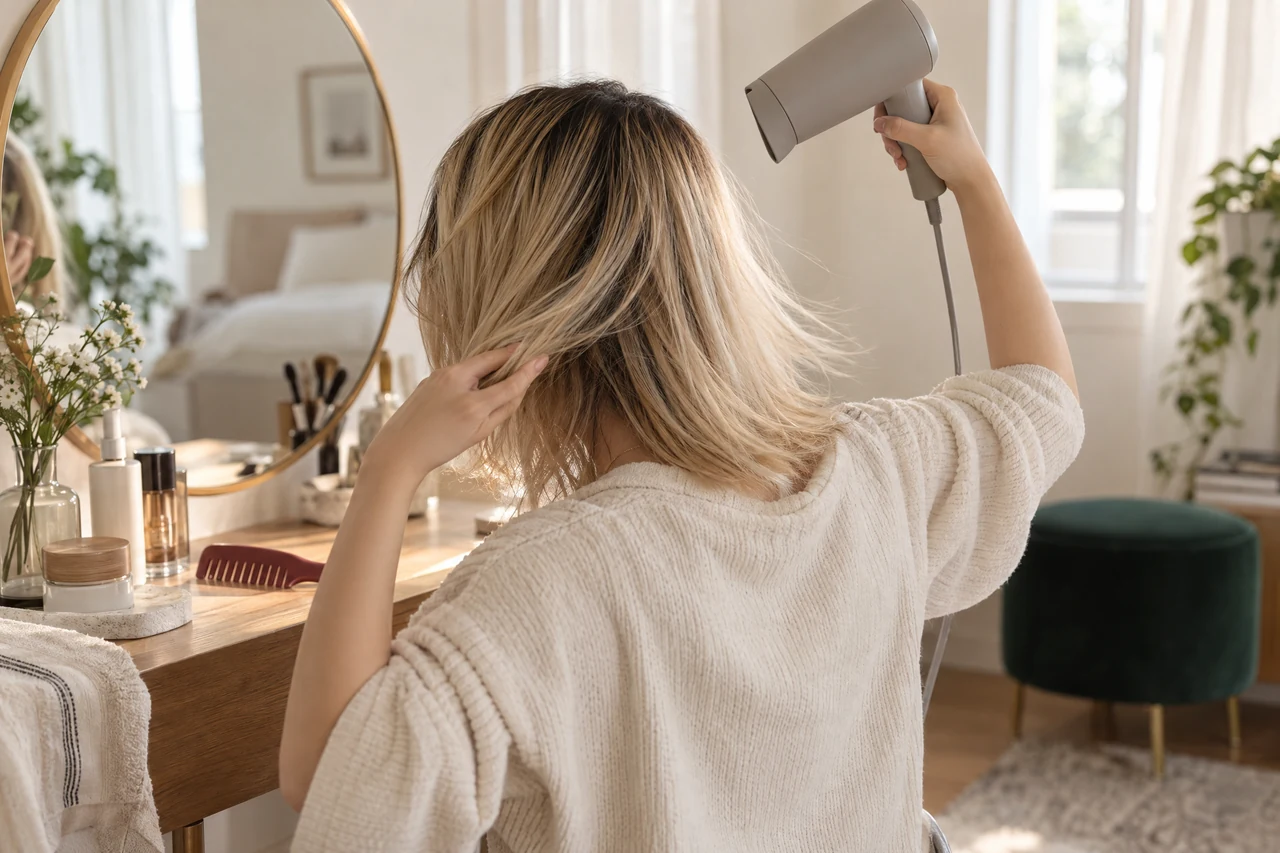
Build a routine that does not require a perfectly polished finish every morning. Allow time for gentle moisture removal before styling, and use less heat when possible. The AAD guidance recommends the lowest heat setting and less frequent use of hot tools. If drying with a hairdryer, keep the airflow moving rather than concentrating it on a stubborn end while pulling hard with a brush.
A heat-protection product is not permission to repeat passes until every flyaway disappears. Check its directions and the tool instructions, and avoid heated plates on damp hair. For daily choices about dryers and hot tools, how to protect hair from heat styling explains the preparation questions to consider. A looser finish may be a more practical choice while the lightened lengths are difficult to handle.
Keep tension low when the day gets busy
For work or exercise, choose a loose arrangement rather than tightly stretching the ends into place. Use hair-friendly covered ties and remove them without dragging. Check whether a bag strap or clothing repeatedly catches the same lightened section. Small changes to these contact points can reduce avoidable pulling without adding another product to your routine.
Track colour changes separately from handling changes
Look at the tone in similar natural light when deciding whether it has changed. Then assess tangling and roughness as separate concerns. A warmer-looking end does not tell you what care product it needs, and shiny hair does not reveal its processing tolerance. If you use a colour-depositing product, follow its directions instead of increasing the contact time to chase a cooler shade.
Swimming creates a different aftercare situation from an ordinary wash. The AAD guidance recommends rinsing hair immediately after swimming and using appropriate shampoo and conditioning. Plan access to water and enough time for gentle handling rather than brushing pool-wet ends in a hurry. Tell your stylist if regular pool visits are part of your routine.
Continue with bleached hair care after swimming for that specific comparison and the preparation questions it raises.
Bring a focused update to your next consultation
Use the following checklist of 6 preparation steps for a bleached-hair care discussion. You do not need an elaborate diary: the affected sections, processing history and products usually give the conversation a useful starting point. Include what you want to keep, such as length or natural wave, so the proposed care can be judged against a clear everyday goal.

Match bleached-hair care to the section and the concern you can observe
| Section or concern | Useful first choice | Trade-off or limit |
|---|---|---|
| Unprocessed regrowth beside dry lightened lengths | Clean the scalp gently; place length-care products as directed | Richer care across every section may reduce the root movement you want |
| Old bleached ends that catch during combing | Use suitable conditioning and release small tangles from the ends upward | More product cannot justify stronger pulling |
| Lengths that feel coated but remain difficult to handle | Review application, rinsing and overlapping products | Adding another mask makes the routine harder to evaluate |
| Visible snapping during gentle care | Pause further chemical work and arrange an in-person discussion | A softer finish or elapsed time does not establish processing suitability |
| Scalp pain or persistent irritation | Seek qualified medical advice and retain product details | A cosmetic conditioning service is not treatment for a scalp reaction |
Your preparation checklist
- Identify unprocessed roots, recently lightened lengths and older bleached ends; note separately processed front pieces.
- Record bleach, colour and straightening history, including home products, and mark any uncertain dates honestly.
- Check the first-wash directions for the actual service and save the labels of your current care products.
- Describe where tangles or snapping appear during ordinary handling, without repeatedly pulling strands to test them.
- State what matters most: easier combing, retained length, natural movement or a simpler daily routine.
- Report scalp symptoms separately and confirm the proposed service, price and appointment details before proceeding.
Frequently asked questions
When should I wash after bleaching?
Follow the directions for the actual colour service and products used. There is no single waiting period that can be applied to every bleach and care combination.
Does a mask make bleached hair safe to lighten again?
No. Better softness or combing does not establish suitability for another chemical service. Share the full processing history and have the fragile sections assessed first.
Should I use more product on old bleached ends?
Not automatically. Follow the product directions and review the feel, tangling and weight of those sections. A richer or larger application is not always a better match.
Plan care around the bleached lengths you want to keep
Enquire with Vit So in Sheung Wan about your lightened sections, processing history and everyday care goals. Share current hair photos and product details so the discussion can focus on manageability and length priorities. Ask what assessment and cosmetic care may be appropriate, then confirm service scope, price and availability. An enquiry is not a confirmed booking.
Start your WhatsApp enquirySources & further reading
- How to stop damaging your hair
Gentle scalp-focused shampooing, conditioner after shampoo, avoiding towel friction and pulling, texture-specific detangling, lower heat and swimming care.
- Hair dye reactions
Symptoms and medical escalation for dye reactions when dye was also used; not a diagnosis of bleach-related scalp discomfort.
- Hair Cosmetics: An Overview
Conditioning can reduce friction and improve combability; bleached and virgin hair can interact differently with conditioning ingredients.



