







Vit So and DT HUB have the same owner. DT HUB links are promotional references to that related brand, not independent recommendations, and carry sponsored nofollow noopener noreferrer link attributes. DT HUB's Kwun Tong service information and quotations are separate from Vit So's Sheung Wan services.
Map haircuts for shared care routines before choosing a shape
Begin with a normal wash day and a normal school or work morning. Write down what the wearer does independently, what another person does and which steps are frequently skipped. Helping with the back of an adult's hair is different from managing a child's whole morning routine. A haircut should be discussed against those actual tasks rather than a vague request to make everyone's hair easier.
For a household enquiry to the kwun tong salon, explain that there are two separate service requests. DT HUB's public guide lists adult and children's haircut services and English communication, but that does not confirm a combined booking or particular support arrangement. Say who needs drying help, who will accompany the child and whether the same person is expected to do both.
Good adult and child hair styling support starts with permission as well as availability. An adult wearer can welcome help drying the back while wanting to choose their own fringe and overall length. A child may manage combing but need help tying hair. Name the person who can agree to changes for each appointment; being the organiser or paying the bill should not leave everyone's preferences unspoken.
Keep adult length that the usual helper can finish
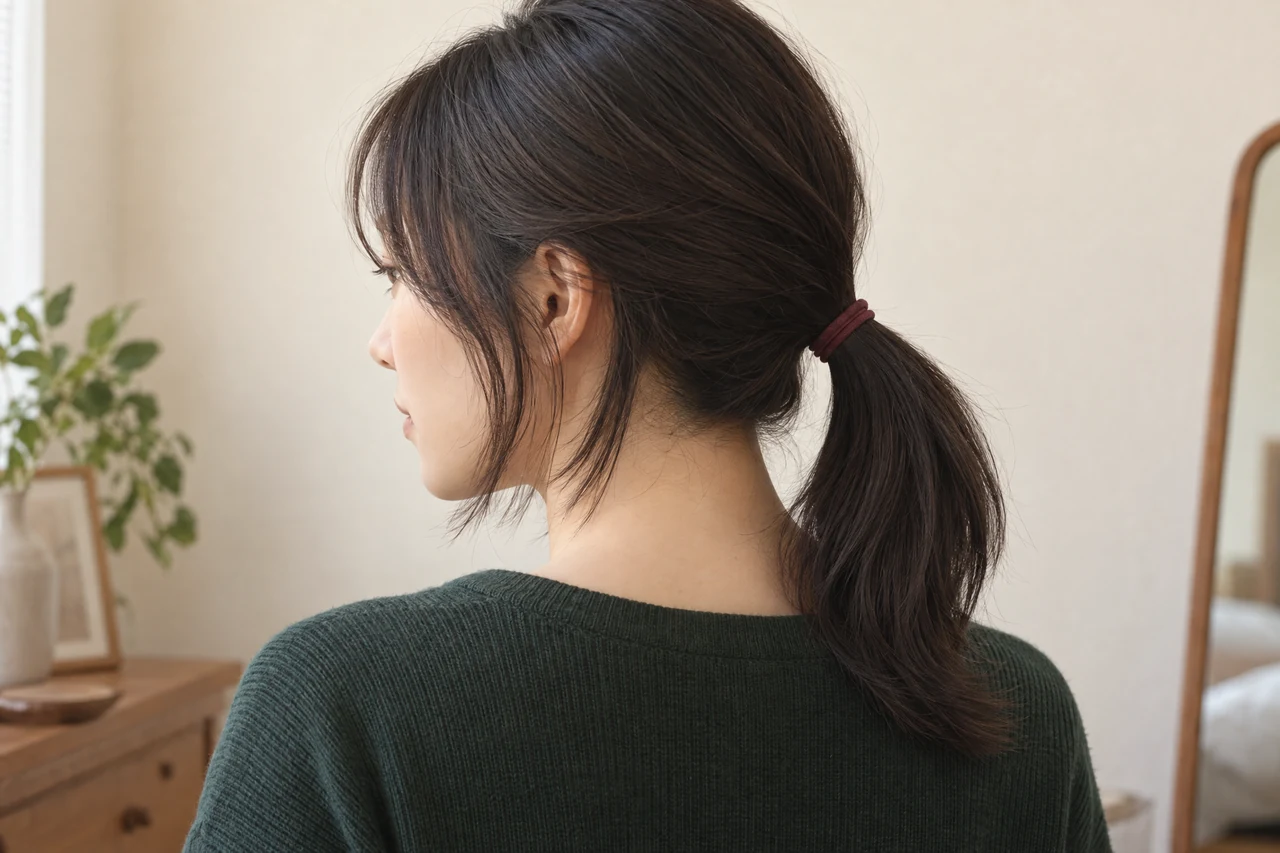
Retaining length can be practical if it already gathers into a comfortable tie and the helper knows how to dry it. A shorter shape may reduce the amount of hair to handle, yet introduce a new parting or ends that need directional finishing. Neither long nor short automatically means less work. Identify the troublesome step first: reaching the back, detangling the ends or shaping the front may call for different adjustments.
When using the women's haircut kwun tong page to prepare an adult enquiry, connect the requested cut to the helper's abilities. The page describes consultation around texture and daily routine, with a styled finish and home guidance. Ask whether the demonstration can use the simple tools you intend to use, rather than assuming that a salon blow-dry proves the household can reproduce the result.
Vit So's women's haircut guide gives a separate starting point for discussing retained length, shape and daily styling. Bring an ordinary, unstyled view of the adult's hair alongside any reference picture. Explain which shorter sections must still tuck away and which length must remain tieable. The wearer should approve those boundaries before a helper's wish for convenience becomes a larger change.
Agree on a finish without elaborate tools
AAD advises gentle detangling from the ends upward and limiting heat, using low or medium settings. It also distinguishes detangling needs by hair type, so one household technique need not suit everybody. [2] Ask the stylist to show a suitable simple sequence and let the helper explain it back. If the proposed shape depends on a step nobody wants to perform, reconsider that shape.

Give the child a separate length boundary and stop signal
The child's scope should describe the fringe, ears, nape and any length needed for tying. Keep school requirements separate from the accompanying adult's aesthetic preference. Let the child point to the part they want to keep where they can express a preference. A practical goal such as keeping hair out of the eyes is clearer than asking for an adult reference style in a smaller size.
The kids haircut kwun tong page says parents can remain during the appointment and that breaks are possible. Use that information to ask who may accompany your child on the actual visit, especially if it is another household member. Agree how the child can request a pause and what happens if they remain distressed; do not treat a published child-friendly description as a promise that every appointment will be completed.
For a separate Vit So discussion, the kids haircut guide helps organise age, length and preparation questions. Tell the accompanying adult the agreed scope before the visit. If they notice a different problem on the day, they can raise it without automatically authorising a bigger restyle. A brief note showing what must stay and what may be trimmed makes that handover clearer.
Keep the accompanying adult available
If one adult is responsible for supporting the child, do not assume that person can do so while having their own hair washed or cut. Ask whether appointments can be sequential, whether another adult can attend and where the waiting person may stay. If those arrangements cannot be confirmed, separate visits may be more workable than fitting both into one outing.
Share familiar care tasks, not an assumed family package
At home, decide which tasks can change hands easily. Gentle combing or a familiar loose ponytail may transfer between helpers; a complicated fringe finish may not. The child can participate in steps they can manage, while the adult checks the parts that still need assistance. This is an allocation of everyday work, not a reason to apply identical products, tools or washing habits to everyone.
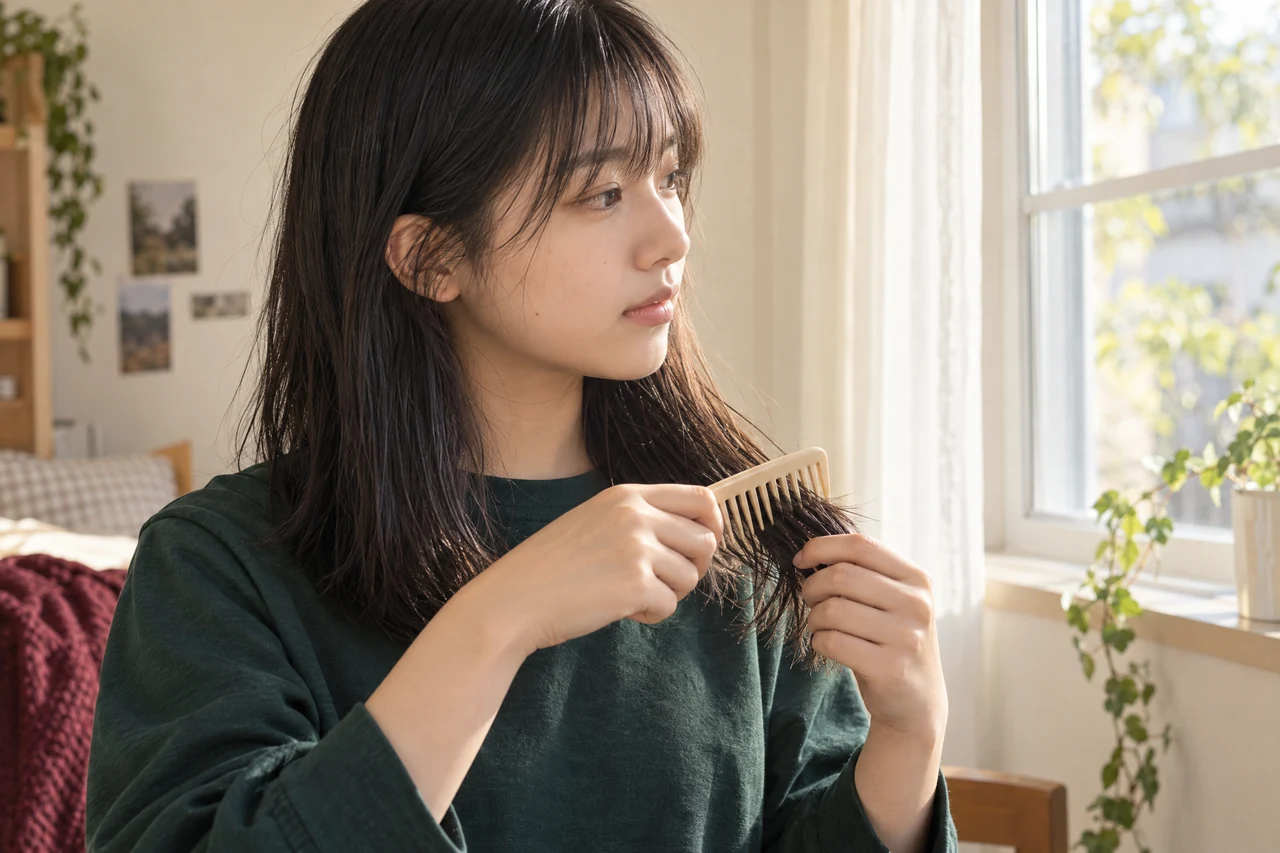
AAD's guidance for children recommends a wide-tooth comb, avoiding yanking through tangles, and keeping braids and ponytails loose. It also suggests considering styles that do not require heat or chemical treatments. [1] Use those principles when discussing the child's routine. If a new cut leaves pieces that repeatedly escape the usual tie, ask how they will be handled without making the tie tighter just to force the shape to work.
For someone comparing kids haircut hong kong options, the linked DT HUB page is a Kwun Tong kids and student service description, not evidence of additional branches or a household package. It distinguishes child and student scopes, with eligibility conditions for student enquiries. Child-friendly care and an eligible student rate are different questions from whether the adult and child receive a combined discount. Ask about each explicitly.
Request two itemised quotes and a workable appointment order
Ask the salon to confirm the adult's consultation, wash, cut and finish separately from the child's equivalent scope. DT HUB's women's page describes shampoo and blow-dry guidance, while its kids page makes washing conditional on the child's comfort. That difference matters when planning who needs to help afterwards. Confirm whether the child's agreed service is a dry trim, a wash and cut, or another clearly described arrangement.
Use the hair salon prices hong kong guide to prepare questions about inclusions rather than calculate an invented family deal. DT HUB lists separate haircut categories and describes its figures as starting prices, with the final cost confirmed in consultation. Request two written quotes, identify optional additions and ask what changes if the child pauses or cannot complete the agreed work. This is DT HUB's guide, not Vit So's price list.
Then check appointment order against care responsibilities. If the adult's helper is also the child's companion, overlapping services could leave a gap in support. Ask which service happens first and what the other person does while waiting. An enquiry for two people is not confirmation of two simultaneous chairs, supervision for a waiting child or a particular stylist's availability. Keep the booking conditional until the practical arrangement is clear.
Rehearse the handover before committing to more styling work
Before the visit, the adult wearer and helper can describe their current routine together without adding new products or elaborate tools. Which section does the wearer start, when does the helper take over, and how do they recognise that the finish is acceptable? For the child, agree who handles morning tying and who helps after washing. A simple handover should still make sense when the usual helper is unavailable.
If the proposed change involves shorter face-framing pieces or more layers, Vit So's layered haircut guide helps turn that preference into length boundaries. Discuss the shortest pieces separately from the longest ends. Preserving the back length does not necessarily preserve the same tie-up routine at the front. Request a smaller adjustment when the household cannot yet explain how it would handle those new sections.
At the appointment, ask to see the agreed ordinary finish, not only an elaborate final style. Afterwards, record which step was unclear and bring that specific question back rather than immediately cutting more length. If help is routinely unavailable, revisit the adult and child plans separately. The useful result is a routine each wearer accepts and the household can support, not matching haircuts or the assumption that one visit solved every care task.
Compare the change in everyday work before agreeing to either haircut
| Choice | When it may fit | What to confirm |
|---|---|---|
| Adult retains familiar length | The usual tie and drying sequence already work | Which ends need trimming and what must remain tieable |
| Adult changes to a new shape | Wearer wants the change and help is dependable | Front-section finishing and a routine the helper accepts |
| Child keeps a focused trim | Only fringe, ears or nape need attention | Child's preferences, washing comfort and pause signal |
| Adult and child visit separately | One companion cannot support both at once | Independent scopes, quotes and accompaniment |
| Both request the same outing | A suitable order can be confirmed | Who supports the child throughout and where others wait |
Your preparation checklist
- Name the adult wearer, their usual helper and the child's accompanying adult separately.
- Describe what each wearer manages independently and where help begins.
- Mark the adult's retained length and the child's fringe, ear and nape boundaries.
- Confirm washing, cutting, finishing and any home demonstration for each person.
- Request separate quotes, optional additions and pause or rescheduling terms.
- Agree the appointment order and a backup routine when the usual helper is absent.
Frequently asked questions
Is a shorter adult haircut always easier for another person to style?
No. Less length can change the amount of hair to handle, but a new fringe, parting or shape may require unfamiliar finishing. Compare the steps the helper actually performs and ask for a demonstration suited to the intended tools before agreeing to the change.
Can the same household member accompany both the adult and child?
Possibly, but ask how the appointments will be ordered. A person receiving their own service may not be available to support the child at the same time. Confirm accompaniment and waiting arrangements rather than assuming a salon provides childcare.
Does booking an adult and child together mean there is a family price?
Not unless the salon explicitly confirms one. Adult, child and student service categories can have different scopes and conditions. Ask for each person's quote separately, then ask whether any combined offer actually applies to those confirmed services.
What if the child refuses washing or wants to stop?
Raise washing comfort before booking and confirm whether a dry trim is suitable. Agree a pause signal and ask about stopping or rescheduling terms. Do not assume the full planned cut must be completed simply because the adult's appointment is already underway.
Bring two care notes, not one family haircut request
For an enquiry, describe each person's current hair, desired retained length and usual helper. Ask the chosen salon to confirm separate service scopes, quotes and a workable order. Keep the adult and child's choices open until the everyday finish and support arrangement are understood.
Start your WhatsApp enquirySources & further reading
- Teaching your child healthy hair care habits — American Academy of Dermatology
Section 4 supports gentle child detangling with a wide-tooth comb, avoiding yanking, and keeping ponytails and braids loose. The page also recommends styles that do not require heat or chemical treatments. These are general care suggestions, not evidence of a salon's results or child-care qualifications. The initial fetch was navigation-heavy; a targeted follow-up fetch returned the substantive article, which was read.
- Tips for healthy hair — American Academy of Dermatology
Section 2 supports adult gentle detangling from the ends upward and limiting heat with low or medium settings. Hair type affects when to detangle; straight hair can dry a little first, while thick curly hair can be combed before conditioner is rinsed out. No efficacy, regrowth, medical diagnosis or universal haircut outcome is inferred.



