







Define the outline of a pixie cut
A pixie haircut can be close around the ears without making every area equally short. Discuss the neckline, side pieces and top as separate zones. If you want to cover part of an ear or keep hair near the cheek, show that boundary before cutting rather than relying on a single front-view photograph.
Begin with the side view. Do you want the whole ear visible, a narrow piece in front of it, or a longer section that can lie over it? These are different instructions. Hair tucked behind the ear in a reference image may look cropped even though the side is relatively long. Ask to see the same area untucked before using that photograph to set your shortest boundary.
Look at the curve from the crown to the back of the head as well. A close nape with retained weight above it creates a different profile from a crop that stays close throughout. Rather than asking to hide or correct your head shape, identify where you would like the outline fuller and where you prefer it nearer the head.
A pixie cut around ears and the neckline
Separate the visible hairline from the length above it. A soft, feathered neckline and a sharply defined edge can both belong to a short cut, but they will not look the same as hair grows. Show how much neck you are comfortable exposing. Also point out any nape hair that naturally changes direction, so the proposed finish can be discussed around its dry behaviour rather than a photograph alone. A request for short hair does not automatically mean a shaved section.
- Identify the ear coverage you want with the hair resting naturally, not only tucked away.
- Choose whether the nape edge should look softly blended or more clearly defined.
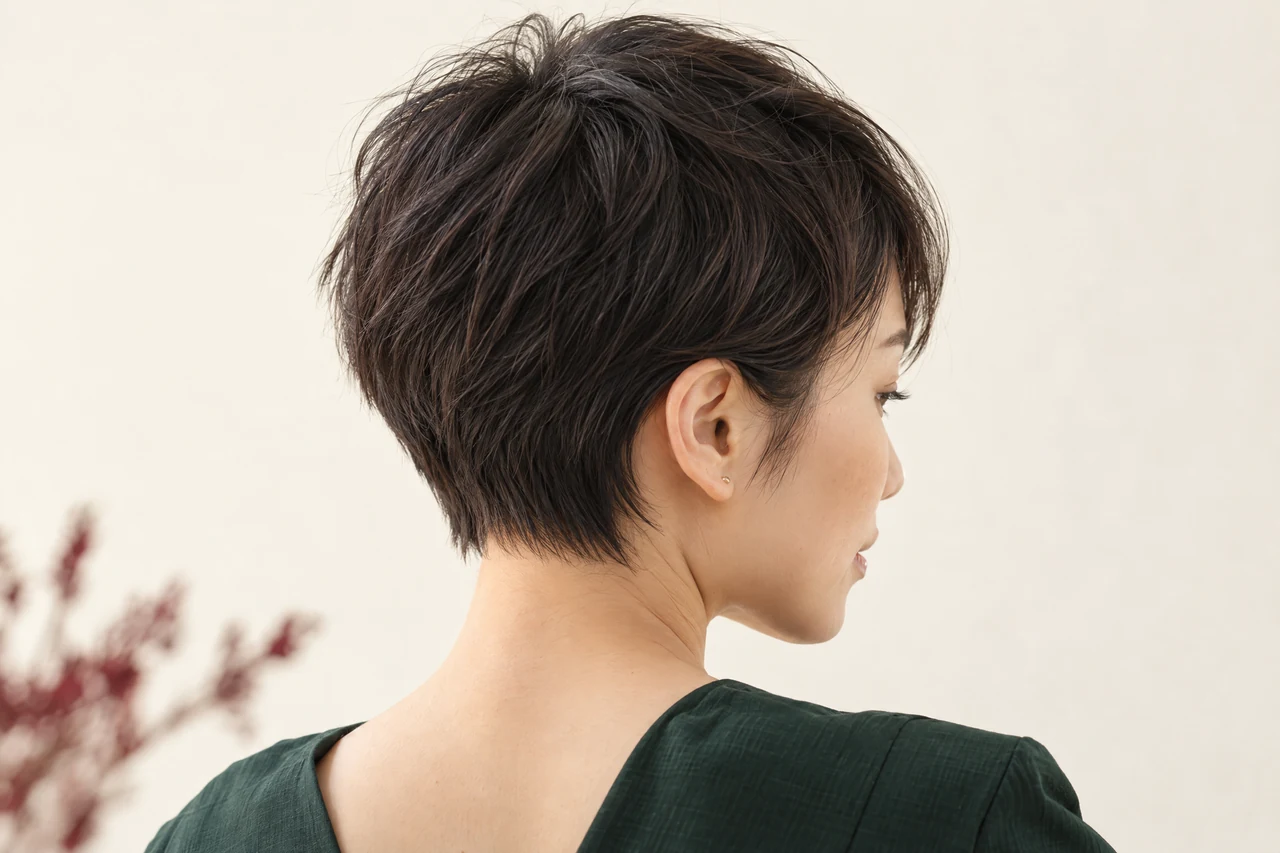
What a bixie cut keeps from a bob
A bixie cut sits between a pixie and a bob in its balance of short layers and a fuller side outline. It may retain more movement around the face than a closely cropped shape. Compare the visible perimeter and the shortest layers, since two photos described as a bixie can involve quite different maintenance and growth patterns.
The useful distinction is not a universal length measurement. John Frieda's guide to bixie cuts describes the hybrid through short, textured crown and side layers with longer face-framing pieces. Use that description to read a reference: which pieces create the layered movement, and which still form the outer edge? The name alone does not tell you how much of your ear or cheek will remain covered.
Keeping the sides longer may give you somewhere to tuck the hair, but check whether the shortest side pieces can actually reach behind the ear. A full-looking side can still contain short strands that fall forward. If the feature you love is an uninterrupted line towards the jaw, a more complete bob perimeter may be closer to your goal than a heavily layered bixie.
Continue with bob haircut for that specific comparison and the preparation questions it raises.
A bixie cut with more side length
Compare coverage and internal weight separately. Dense sides may need a different balance from fine strands, even at the same visible length. Ask whether movement will come mainly from layers, the natural bend of your hair or a styled finish. If your reference has separated, airy ends, check how much product or drying created that effect before asking for the same amount of hair to be removed.

Retain selected length without losing the short shape
A long pixie cut can keep extra length through the top or front while staying short at the back. That retained length needs to work with the root direction rather than fight it. Explain whether you prefer a side part, hair pushed back or pieces falling forward, and how much drying or styling you would actually do.
Longer does not always mean more flexible. A front section can be long enough to sweep across the forehead yet too short to stay behind the ear. A longer crown may cover a natural split, but its shape still depends on where the hair starts and how it falls. Ask to compare a resting shape with a lifted finish; choose the one you can comfortably wear on an ordinary morning.
Make the fringe decision while wearing your usual parting. A sweeping front and a shorter, forward fringe change how much forehead is visible, even with an identical back. If you want both a pushed-back option and hair falling forward, ask what retained length would make that practical with your roots.
Longer front pieces and crown direction
Bring a photograph of your own hair after normal drying, especially if the crown separates or the front lifts away from your preferred part. Avoid smoothing those details out just for the consultation picture. A stylist needs to see the direction you live with. Mark the front length you want to keep and explain whether it may touch your eyebrow, cheek or glasses. Those landmarks communicate more clearly than simply requesting a long version.

Compare short choices against everyday needs
Short haircuts for women can reduce the overall amount of hair while making the neckline, ears and root direction more visible. Consider glasses, ear coverage and the changes you can accept between cuts. If you might grow the shape out soon, ask which longer areas can help the transition instead of assuming the shortest option will be simplest.
Think about the situations in which you normally tie your hair back. A pixie or bixie may not gather into your familiar ponytail, so agree on another way to keep the front away during exercise or work. Earbuds, earrings and high collars can also change what feels comfortable around the side and nape. Bring the items you use most often rather than assessing the cut with everything removed.
For a haircut consultation with glasses, put your frames on while assessing the fringe and ear area. Check whether a longer side piece rests over the frame arm or needs tucking. Taking the glasses off may make a reference look cleaner, but it does not represent the shape you will wear through the day.
The listed women's wash, cut and blow dry price is HK$480. Ask what your proposed cut and finish will involve before arranging the visit; any additional work should be discussed separately rather than assumed to be part of a short-hair package.
Review women's haircut to check its service scope and the details to share before arranging the related work.
Comfort, styling and the next stage
Describe the upkeep you can realistically manage between visits. Keeping a crisp exposed ear and nape is a different goal from allowing a soft outline to lengthen. Instead of choosing a fixed trim interval from someone else's routine, identify your trigger: hair catching on your frames, the fringe becoming difficult to place, or the back feeling heavier. Mention upcoming travel if you will not be able to return for your usual maintenance.
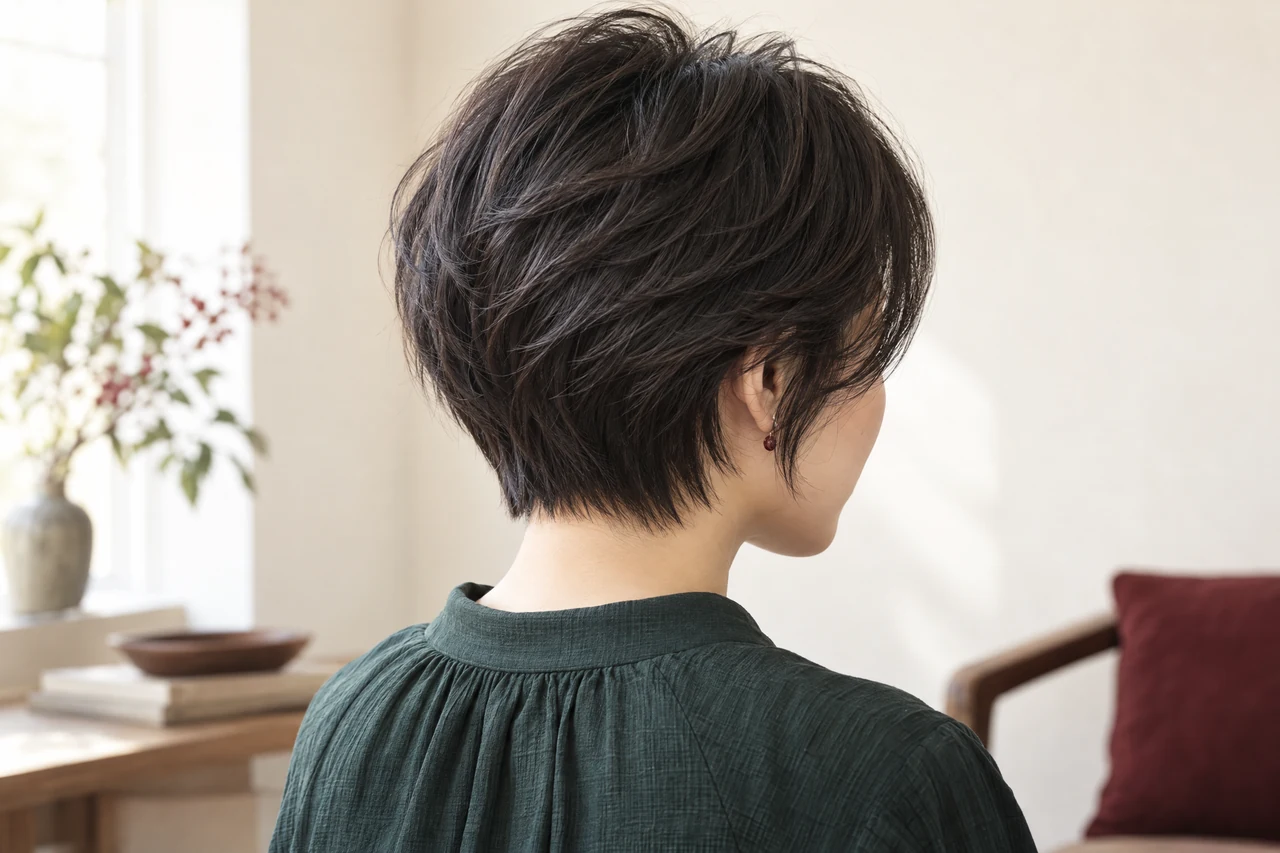
Check the dry finish before choosing the shortest pieces
A polished picture does not show the full routine behind it. Ask which part of the proposed shape can settle with finger-drying and which area needs more deliberate direction. If you have waves or curls, compare the front and sides in their normal dry pattern rather than relying only on a straightened reference. You may welcome a visible bend, but want more retained length where that bend brings the ends higher.
Keep daily care gentle even when the total length is reduced. The American Academy of Dermatology's healthy-hair tips advise washing according to dirt or oil accumulation, absorbing moisture gently rather than roughly rubbing, and limiting heat styling. When using heat, its advice is to use low or medium settings with a heat-protection product. A short silhouette is not a reason to repeatedly use stronger heat to force a reluctant fringe into place.
Ask for a repeatable front and crown routine
Ask the stylist to show the direction used at the front and crown, then explain the steps back in your own words. Clarify when any finishing product is applied and what it is intended to do. If the finished look depends on equipment or techniques you do not use, discuss a softer everyday version. The useful goal is a routine you understand, not an expectation that your hair will stay frozen in the salon finish.
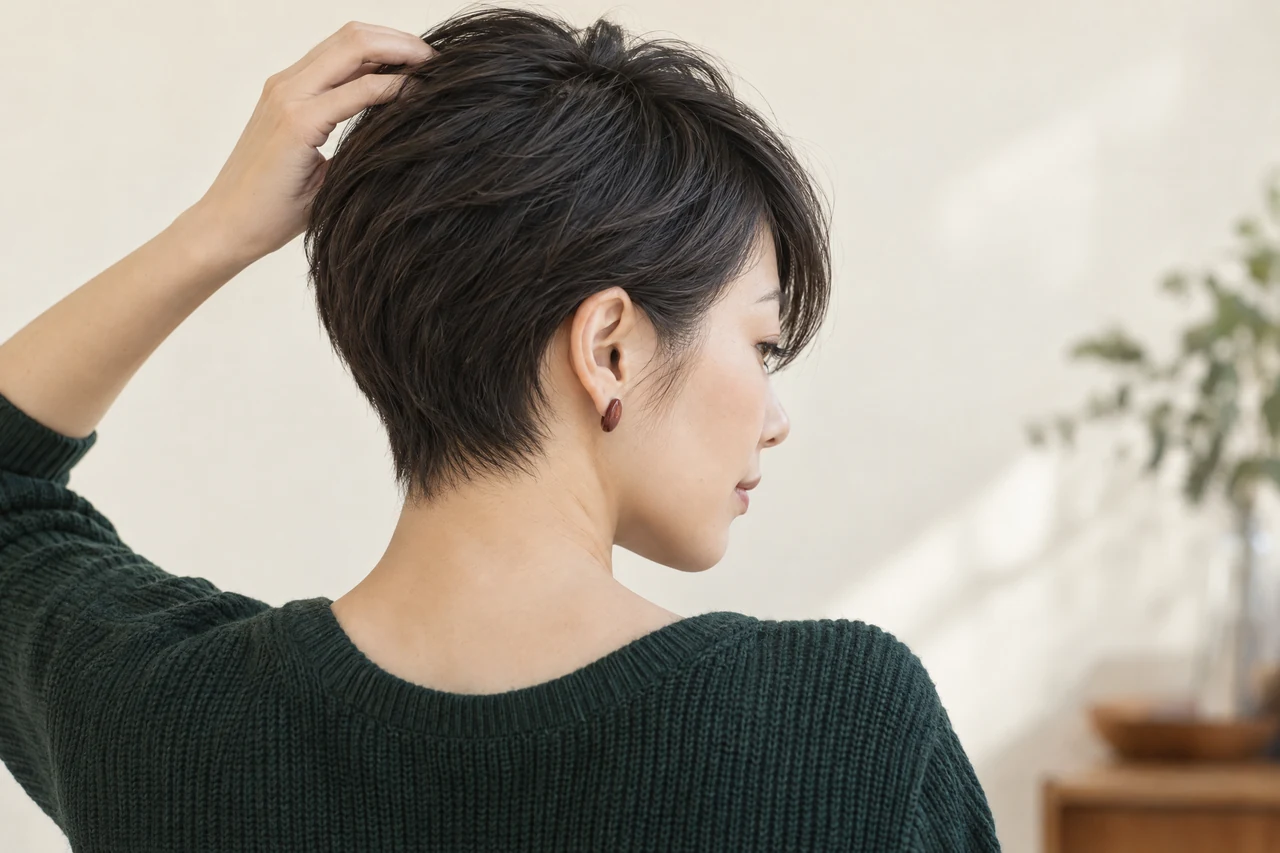
Plan which lengths will carry the shape forward
Before cutting, decide whether you want to maintain the short outline or are trying it with a possible return to longer hair in mind. If a bob-like shape is your later goal, ask which top and side sections should be preserved from the start. During grow-out, a heavier nape does not necessarily mean the front also needs cutting. Naming the bothersome area helps you discuss a targeted adjustment without restarting every length.
A haircut consultation for growing out hair can help you distinguish a maintenance trim from a change that removes length you need later. Explain your desired next outline and how much temporary fullness you can accept. A softer ear area may be an acceptable stage even if you originally chose a closely cropped finish.
Continue with haircut reference photos for that specific comparison and the preparation questions it raises.
Record the boundaries rather than only the haircut name
Save front, side and back views of the shapes you like, alongside a note on what must stay. Identify an unwanted feature too, such as an exposed ear, a very short fringe or an overly sharp neckline. You can then discuss a pixie, long pixie or bixie as a set of visible choices. This is more useful than expecting every reference with the same label to describe the same cut.

Compare the retained areas, not fixed measurements: short silhouettes can overlap.
| Decision area | Closer pixie outline | Bixie with a fuller perimeter |
|---|---|---|
| Ear area | Often more exposed; specify any ear-front piece | More coverage may remain; check the shortest layers |
| Crown | Can retain length above close sides | Short layers may sit above longer side lengths |
| Front | A short or sweeping fringe can change the whole outline | Longer face pieces may remain without being tuckable |
| Neckline | A close nape makes its edge more visible | A fuller back may keep a softer outer line |
| Future length | Identify top and side sections worth protecting | Preserve the perimeter needed for a later bob shape |
Your preparation checklist
- Mark how much of each ear you want visible with your hair resting naturally.
- Choose the front's shortest acceptable dry landing point using your eyebrow, cheek or frames as a landmark.
- Bring views of your own crown and nape after your normal drying routine.
- Wear your everyday glasses and discuss how you keep the front away during activity.
- Identify the styling tools and steps you will actually use, including whether you prefer air-drying.
- State whether the next goal is another short trim or a transition towards a fuller perimeter.
Frequently asked questions
Is a bixie simply a longer pixie?
Not necessarily. It can retain a bob-like perimeter with short layers. Compare the actual side and back lengths rather than treating the labels as fixed measurements.
Will a short cut remove the need for styling?
No. Root direction and shorter front pieces can still need attention. Discuss your real routine and the finish you are comfortable wearing between visits.
Which photographs are most useful before going short?
A front, side and back view help separate the fringe, ear area, crown and neckline. Also explain the parts of the design you do not want.
Decide what should stay before going short
Enquire with Vit So in Sheung Wan about your preferred ear coverage, front length and neckline. Share reference views, your current dry hair and the styling routine you want to keep. These details help make the proposed change clearer before a visit. An enquiry is not a confirmed booking; availability and the agreed service need confirmation.
Start your WhatsApp enquirySources & further reading
- The Ultimate Guide to Bixie Cuts
Explains the bob–pixie hybrid through short textured crown and side layers with longer face-framing pieces.
- Tips for healthy hair
Supports gentle moisture absorption, washing according to dirt or oil accumulation and lower-heat styling with heat protection.



