







Root Perm for Men with Flat Hair Around the Crown
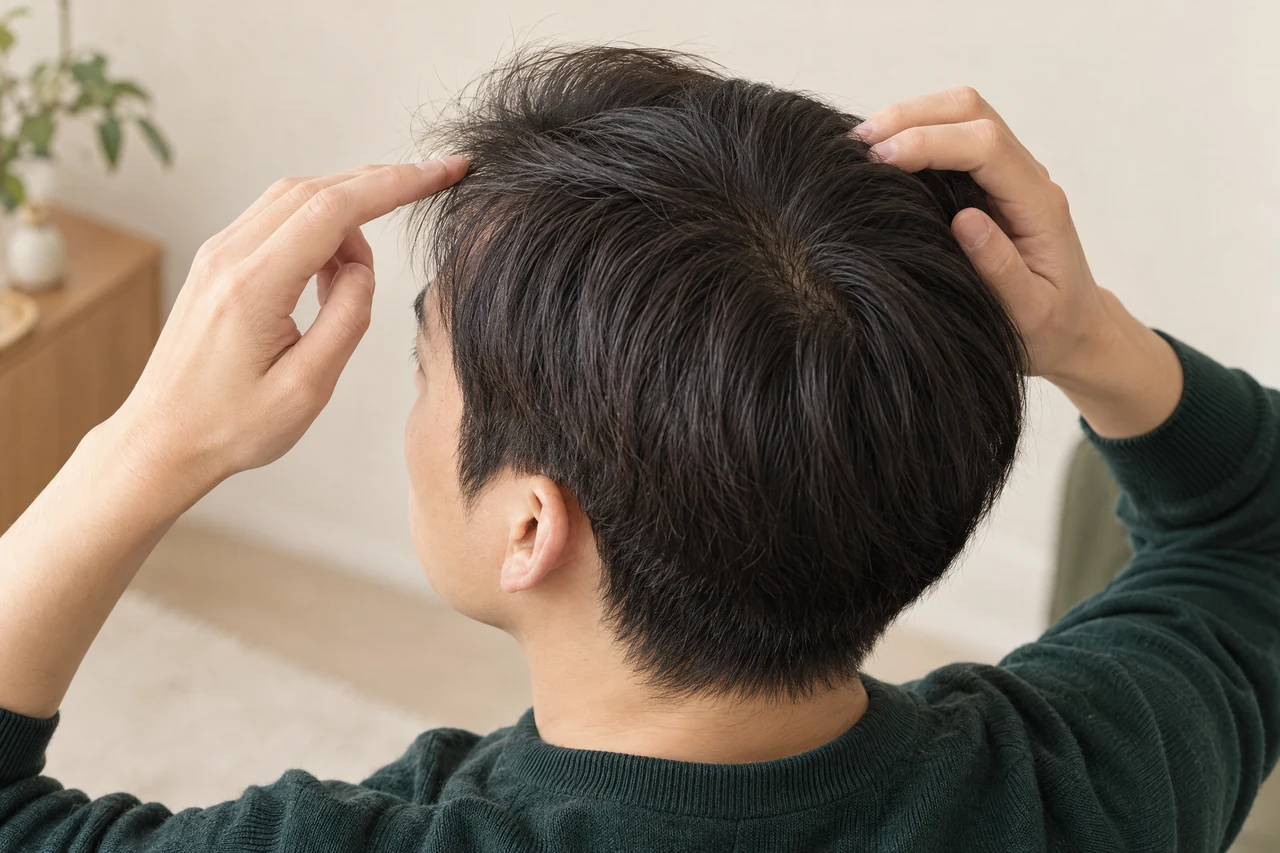
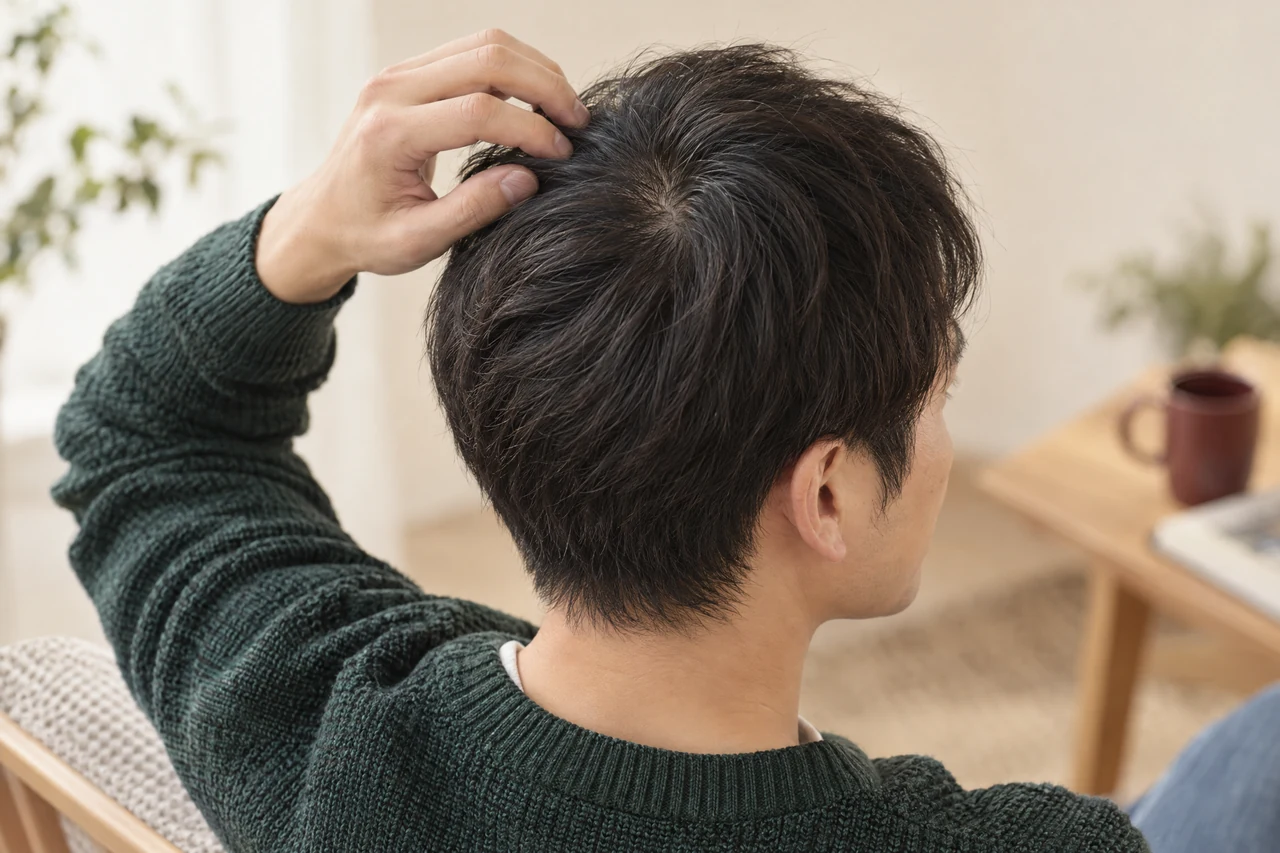
Show the crown and the parting as well as the front view. Note whether the hair is flat immediately after drying or settles later. These observations help separate the position of the hair from the weight of the cut and the routine used at home; they do not prove that a root treatment is the answer.
Start by pointing to the area rather than asking for more volume everywhere. A low front section can make the fringe look heavy over the forehead. A flattened back crown changes the curve visible from the side. A parting that opens into separate sections raises a different question about direction and coverage. Describe which view bothers you most and which areas already sit well; a local discussion should not automatically expand into treating the whole top.
The timing of the change matters too. If the outline is low before styling product goes on, explain how you dry it and where the hair naturally falls. If it looks satisfactory at home but settles during your commute, mention headwear, touching the top or the amount of product used. Those details give the consultation something practical to investigate instead of assuming every flat outline has the same cause.
Review root perm for men to check its service scope and the details to share before arranging the related work.
Photographing a Root Perm for Men with Flat Hair Concern
Take ordinary photographs with the hair dry and without lifting it for the camera. Include the front, a side profile and a slightly elevated rear view so the crown is visible. Repeat the relevant view later using similar light and distance. Avoid comparing a damp, close-up overhead image with a professionally finished portrait: the difference would include more than root support. Mark the location you want to discuss in your message and keep an unedited photograph available.
Fine Strands and Chemical Suitability
A root perm for men with fine hair requires attention to the relevant sections and any earlier processing. Fine strands may be weighed down by the cut or the products used, but that does not establish chemical suitability. Ask whether a different length, parting or drying approach could address the visual concern before selecting a treatment.
In styling conversations, fine describes the individual strand, while thin usually refers to how much hair is present across an area. You can have fine strands without a recent reduction in coverage. Equally, a flat silhouette does not tell you the condition of each strand. The guide to fine hair vs thin hair can help you describe texture and coverage separately, so an enquiry does not confuse a styling preference with a health concern.
Share previous bleaching, colouring, straightening and perming, including work you did at home. Be specific about where it happened: a formerly lightened top and untouched sides are not one uniform processing history. Mention breakage, roughness, scalp sensitivity or a recent uncomfortable reaction as well. The relevant decision is whether the sections intended for treatment can be assessed for the proposed work, not whether an online hair-type label sounds promising.
Local Condition Matters More Than a Hair-Type Label
Ask what condition checks are needed and whether the proposed area overlaps earlier processing. The American Academy of Dermatology's colouring and perming advice warns that cosmetic treatments can leave hair dry and brittle and recommends caution with perming. That is a reason to disclose the full history, not proof that fine hair is always unsuitable. If excessive stinging or burning occurs during processing, tell the stylist immediately; the AAD advises washing off the solution immediately and consulting a dermatologist.

Looking Fuller Without Adding Hair
More support can make existing hair appear fuller from some angles by changing the silhouette and separation. It does not increase the number of hairs or treat thinning. Lighting, parting and the amount of retained hair still affect what is visible, so compare realistic everyday views rather than one specially styled photograph.
Decide whether fuller means a higher front outline, a smoother crown curve or less separation beside the parting. These are not interchangeable targets. Lifting hair away from the scalp may improve the profile while leaving the parting visible. Directing strands upwards rather than across an area may also expose more scalp from above. Ask to discuss both the silhouette and the coverage you want to preserve before choosing maximum height as the goal.
Sides influence this judgement. A wide side outline can make a modest top appear lower by comparison, but that does not mean the sides need chemical work. A cut might change the overall proportion while retaining useful crown length. Keep the desired root support separate from a request for visible curls or closer sides, especially if only one area bothers you.
Continue with root perm vs down perm for that specific comparison and the preparation questions it raises.
Set the Limit of a Cosmetic Change
Use an everyday goal such as a crown that looks less pressed down in side view, with a parting that remains comfortable to wear. A heavily styled reference can show a direction, but it cannot establish your attainable coverage. If you are noticing ongoing shedding or changing scalp visibility, arrange healthcare advice rather than treating that change as a styling problem. A root-focused service concerns the appearance of the hair present; it should not delay assessment of concerning hair loss.
Root Length and the Area Left After Cutting
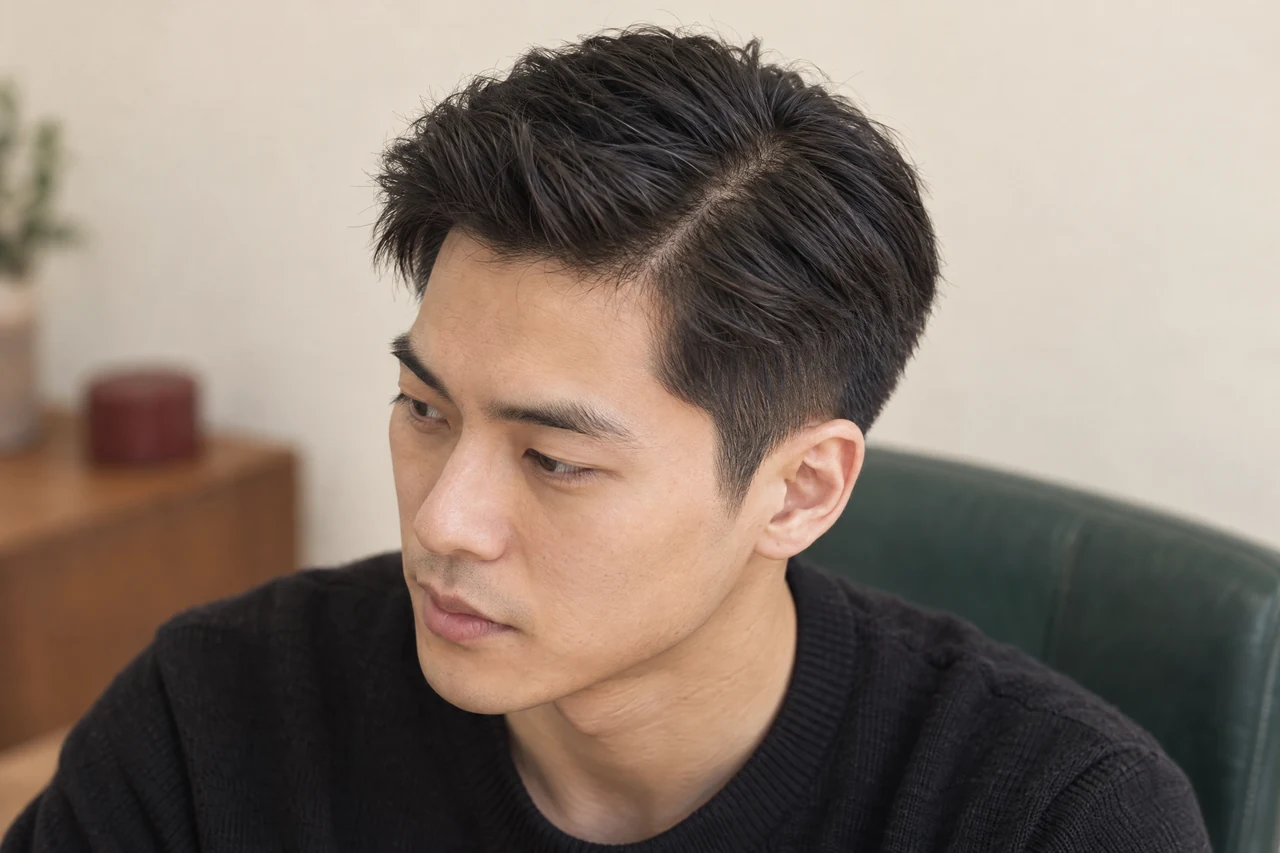
The length needed for a local root discussion depends on the area, proposed process and finish. A cropped crown and a longer fringe cannot be assessed by one fixed centimetre rule. Explain the cut you are planning and ask what will remain in the relevant area before assuming that the present overall length is enough.
Do not use the fringe as a measurement for the back crown. Hair that reaches the eyebrows at the front may sit beside a much shorter area behind it. Ask which sections need to be retained, how they will connect to the surrounding cut and whether the intended process fits that remaining length. If you want the top significantly shorter, make that wish clear before anyone plans support around hair you intend to remove.
Weight needs a similarly local discussion. Keeping every section long can leave a shape you find heavy, but removing too much hair may undermine the coverage or continuity you value. More thinning is not automatically the answer for fine strands. Reviewing haircuts for fine hair volume helps frame the cut around where support and coverage should stay, rather than simply asking for the whole top to feel lighter.
Avoid a Universal Minimum-Length Rule
Bring a reference that shows the crown as well as the front and explain your next haircut preference. If the useful length is not there, ask whether keeping a particular section while tidying the rest is a sensible interim choice. There is no need to commit to an arbitrary grow-out target from a photograph. Agree on the area to reassess and the finish you want; the relevant hair must be assessed before a treatment decision.

Try a Drying and Product Adjustment First
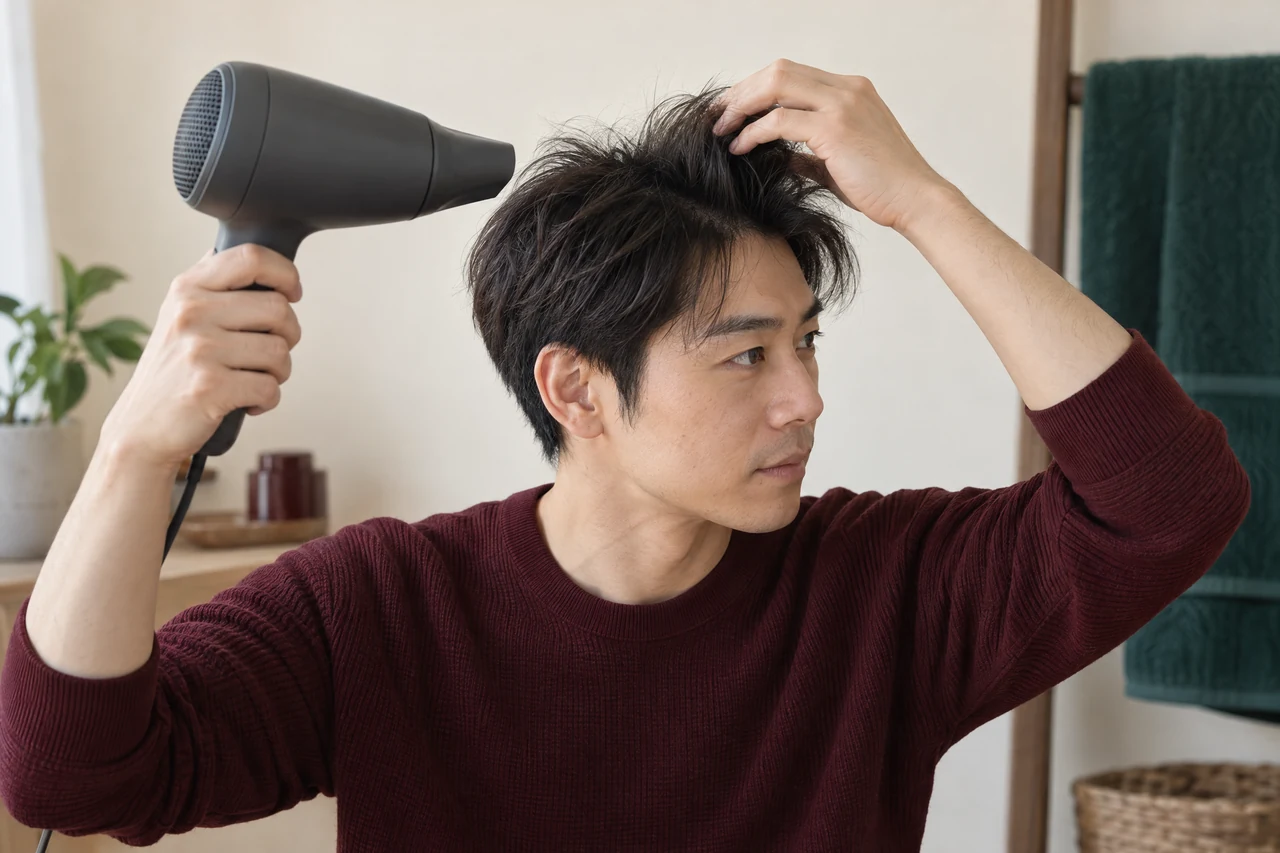
A non-chemical trial can make the choice clearer. Ask for a drying demonstration focused on your low area, then try that approach with your normal parting. Gently lifting the roots with your fingers while directing airflow through the section is different from pulling the whole fringe sharply upwards. For the rear crown, ask how to work with the visible change in hair direction rather than forcing every strand towards the front.
Keep the trial simple enough to repeat. Observe the dry outline before adding product, then start with a small amount and see whether it gives separation or makes the top feel coated. Do not add several new products at once if you want to understand what changes the shape. A routine requiring careful restyling throughout the day may not suit you, even if it looks good immediately after drying.
Review volumising hair styling to check its service scope and the details to share before arranging the related work.
Use Direction Rather Than More Heat
Avoid holding the dryer close to one spot or increasing heat simply because the crown will not lift. The AAD's advice on preventing hair damage recommends the lowest heat setting and air drying when possible, together with gentle combing without pulling. Those recommendations address avoidable damage, not a promised volume result. Ask for a gentler routine you can manage; if it still misses your preferred silhouette, you have a more useful starting point for comparing options.
Choose Support You Can Live With
A useful root discussion ends with a defined area, a realistic outline and a manageable routine. You might prioritise a modest front lift while keeping the back crown natural, or decide the cut and drying change already address enough of the concern. Ask what visible movement the proposed treatment could introduce beside untreated hair. Wanting a mostly straight appearance is a preference worth stating, rather than assuming a root-focused name guarantees invisible bends.
Discuss upkeep before agreeing to the work. Ask how to wash, dry and style the treated sections, how future trims might change the outline, and what to photograph if support becomes uneven. Do not choose a repeat appointment interval solely from a promised lifespan online. Changes in retained length and your everyday styling experience are useful reasons to reassess the area before further processing.
Prepare a Focused Enquiry
The preparation checklist below has 6 steps. Use it to put the crown concern, retained cut and routine into one clear enquiry. For a visit in Sheung Wan, share your ordinary dry-hair photographs with Vit So and explain what you want to preserve as well as change. Ask which route needs assessment and which services would be included in the quote. An enquiry can clarify the next step; it does not confirm treatment suitability or reserve an appointment.
Comparing ways to address a flat crown or parting
| Option | Useful discussion | Trade-off to check |
|---|---|---|
| Local root perm assessment | A named front, crown or parting section still lacks the desired support | Chemical history, remaining length, possible visible bends and daily drying |
| Cut and proportion adjustment | Top weight or side width makes the outline feel low | Retain enough hair for the coverage and shape you want |
| Drying-direction change | The outline changes when the roots are gently directed differently | The technique must be manageable without repeated high heat |
| Lighter product application | The top looks better before product but feels coated afterwards | Reduced weight may also mean less hold or separation |
| Parting adjustment | The low area is concentrated beside the usual parting | Changing direction alters forehead exposure and scalp visibility |
| Healthcare assessment | Persistent shedding or changing coverage is the main concern | A cosmetic service cannot diagnose or treat hair loss |
Your preparation checklist
- Identify the low area: front top, rear crown or beside the parting, and describe the view that bothers you.
- Photograph dry hair before product and later in the day using comparable light, distance and angles.
- List earlier bleach, colour, straightening and perm work by area, including home processing and any reactions.
- Explain the cut you intend to keep, especially whether the crown will be shortened at the next trim.
- Describe your drying tools, product use and headwear, and decide whether a simpler non-chemical trial is worth trying.
- Ask about the proposed area, assessment, aftercare and included charges before agreeing to work or confirming a booking.
Frequently asked questions
Does a root perm make hair look thicker?
It may change the silhouette so existing hair looks fuller, but it does not add hair or treat hair loss. The apparent effect depends on the retained cut, parting and hair condition.
How long should men's hair be for a root perm?
There is no universal minimum for every area and method. Ask about the actual crown or parting sections after the planned cut, and have the relevant hair assessed before deciding.
What if I am noticing more hair loss rather than just flat styling?
A cosmetic root service is not a treatment for hair loss. Seek appropriate healthcare advice for persistent or concerning changes; styling can only discuss the appearance of the hair that remains.
Discuss the crown support your everyday cut is missing
Send Vit So clear dry-hair views of the front, rear crown and parting, together with your processing history and preferred cut. An enquiry for a Sheung Wan visit can help clarify whether cutting, drying or a local root assessment is the next step. Suitability, scope, charges and appointment availability need confirmation; sending an enquiry is not a confirmed booking.
Start your WhatsApp enquirySources & further reading
- Coloring and perming tips for healthier-looking hair
Caution with perming, possible dryness and brittleness from cosmetic processing, and the response to excessive stinging or burning.
- How to stop damaging your hair
Lowest-heat drying, air drying when possible, gentle combing, and seeking dermatological advice for concerning thinning or hair loss.



