







Root touch up vs full head colour: locate the requested change
If the new growth is the only concern and the lengths still match your goal, ask about a root-focused scope. If the lengths are too dark, too light or uneven, a wider colour discussion may be needed. Identify the areas you want changed and the areas you want preserved before assuming the whole head needs the same treatment.
Start with the visible boundary. Is a darker natural band emerging above a brown tint, or are white strands showing around your usual parting? Those observations point towards a new-growth question. By contrast, lighter ends, a dark strip through the middle or scattered warm patches concern hair that has already been coloured. A root-focused application cannot be assumed to resolve an issue farther down the strand.
Full-head colour describes a wider area of work, not a promise that every strand needs identical treatment. Matching untouched roots to previously coloured lengths can require a different approach in each area. State whether you want to restore the existing appearance or change it. Maintaining a familiar brown and moving to a much lighter overall shade are different enquiries, even when both begin with visible regrowth.
Review root touch up to check its service scope and the details to share before arranging the related work.
Use root touch up vs full head colour to separate roots and lengths
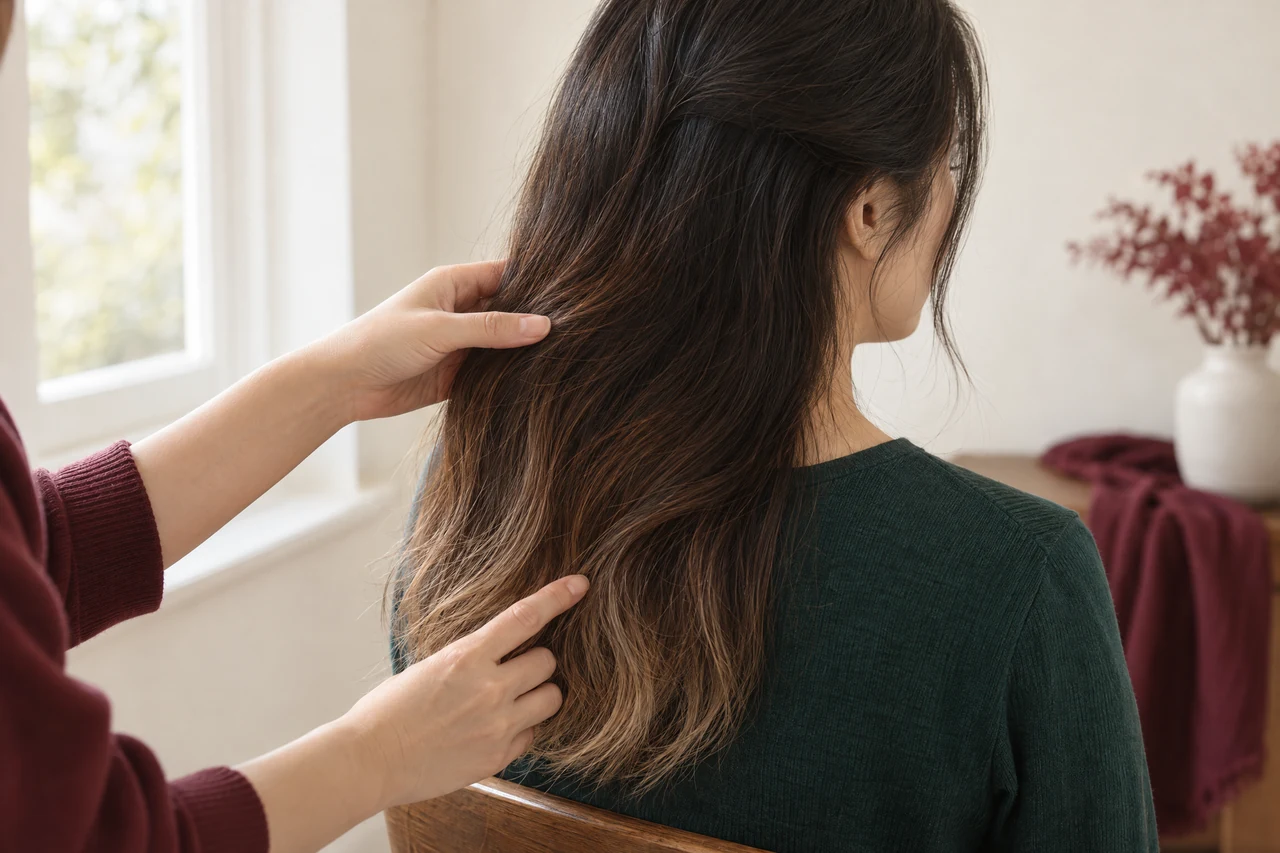
Take current photographs near a window without a colour filter. Include the parting, hairline and back with the ends visible. Then describe each area plainly: darker roots, suitable mid-lengths, warmer ends. Keep a separate reference for the colour you want. This avoids treating a reference photograph as evidence of your current base and makes the area you want preserved easier to identify.

Leaving the ends unchanged can be a valid goal
Can I colour my roots without colouring the ends? That can be a goal to discuss when the lengths already look suitable. Whether it is appropriate depends on the existing colour and condition. Do not assume a root appointment includes an end refresh; ask separately if the lengths have faded or need a different tone.
Preserving the lengths is particularly relevant when you like their lighter movement or the placement of existing highlights. An all-over darker application could alter a feature you meant to keep. Rather than asking for the whole head to look exactly the same, explain the intended relationship: roots closer to the deeper base, with the lighter ribbons still visible. A coherent overall colour does not always mean uniform colour.
There is also a difference between disliking the colour of the ends and disliking their feel. Roughness, tangling or a less glossy appearance should be mentioned separately. Additional colour is not automatically the answer to a condition concern. The American Academy of Dermatology's colouring advice notes that appearance-enhancing treatments can leave hair dry and brittle. That makes identifying what genuinely needs changing more useful than routinely refreshing everything.
Describe fading separately from the new-root line
Compare the lengths in similar light before deciding they have faded. Say whether they now look lighter overall, warmer in reflection or uneven between sections. If the ends remain attractive in daylight but appear orange under a warm indoor lamp, show both views. You can ask to discuss a root-only plan first, with an optional length refresh considered separately rather than silently added to the appointment.

Root retouch vs toner: distinguish growth from tone
Root retouch vs toner compares colouring new growth with considering a tonal adjustment. A toner is not automatically a substitute for coverage, changing depth or correcting uneven bands. Explain whether the roots are naturally uncoloured, visibly white or simply warmer than the lengths so the discussion addresses the actual issue.
A useful tonal goal might be to make existing lightened pieces less yellow while keeping their brightness. That is different from wanting naturally dark roots to become as light as those pieces. Wella's explanation of hair toner describes refining existing colour rather than significant lightening, while noting that some products can produce subtle lift with a developer. The product and starting colour matter; the service name alone does not settle what it can achieve.
Review hair colour to check its service scope and the details to share before arranging the related work.
Continue with toner or colour correction for brassy hair for that specific comparison and the preparation questions it raises.
A lighter or warmer appearance needs a more specific description
Tell the stylist whether the warmth is at the scalp, on highlighted strands or across the ends. Add whether you want the area cooler, darker or lighter. Those are not interchangeable requests. If reducing warmth would make a light area appear deeper, discuss how much depth you are comfortable accepting. If the starting colour is uneven, ask whether a tone-only refresh would leave that unevenness visible.

Previously bleached lengths need a separate overlap discussion
A root touch up on previously bleached hair raises questions about the boundary between new growth and processed lengths. Bring the bleach dates and identify any fragile or uneven sections. The feasibility, area of application and proposed work need assessment; an ordinary root price does not establish a bleach-regrowth procedure or guarantee a match.
Bleach regrowth is not simply ordinary tinting with a smaller application area. Previously lightened hair has a different processing history from new growth. Wella's professional guidance on lightener application advises precisely targeting roots and avoiding overlap into previously lightened areas to help prevent over-processing. For a client, the practical question is where the old lightening begins and how that boundary will be assessed.
Bring details of previous full-head bleaching, highlights and any later home colour. If you cannot remember an exact date, give the approximate sequence instead of guessing. Point out short broken sections or ends that have become difficult to detangle. For everyday handling of the lengths you want preserved, use the guidance on hair care after bleaching alongside the advice given for your proposed colour work.
Do not treat old lightened hair as untreated regrowth
Identify any visible band between the natural roots and the lightest lengths. A darker band from an earlier appointment is not necessarily fresh growth, even when it sits near the scalp. Ask which areas would be lightened, which would only be toned and which would be left alone. An acceptable plan may preserve some depth or postpone further lightening rather than pursue a uniform pale result immediately.
Agree the included work before comparing prices
Vit So's listed root touch-up price is HK$800 for new growth within 3 inches. General tinting is listed at HK$800–HK$1,000, and Toner is separately listed at HK$900. These are service entries, not interchangeable packages. The root listing does not establish that bleach regrowth, correction through the lengths or an end refresh is included. Confirm which entry applies after describing the existing hair and requested change.
Use the hair salon price list to check the relevant entries, then ask for the proposed work to be described by area. If both roots and lengths need attention, clarify whether there are separate colour stages and charges. Ask about any cut, finish or care service you want rather than assuming it accompanies colour. A smaller application area is not sufficient evidence that a technically different procedure belongs under the ordinary root price.
Make the optional length refresh an explicit choice
Ask what the roots would look like against the current ends if the lengths were left untouched. Then compare that with the proposed refresh. This turns the decision into a visible trade-off rather than a vague upgrade. If your budget is fixed, explain which concern matters most and ask what can reasonably be addressed within the agreed scope. Confirm the total before adding another stage.
Plan maintenance around the feature you want to keep
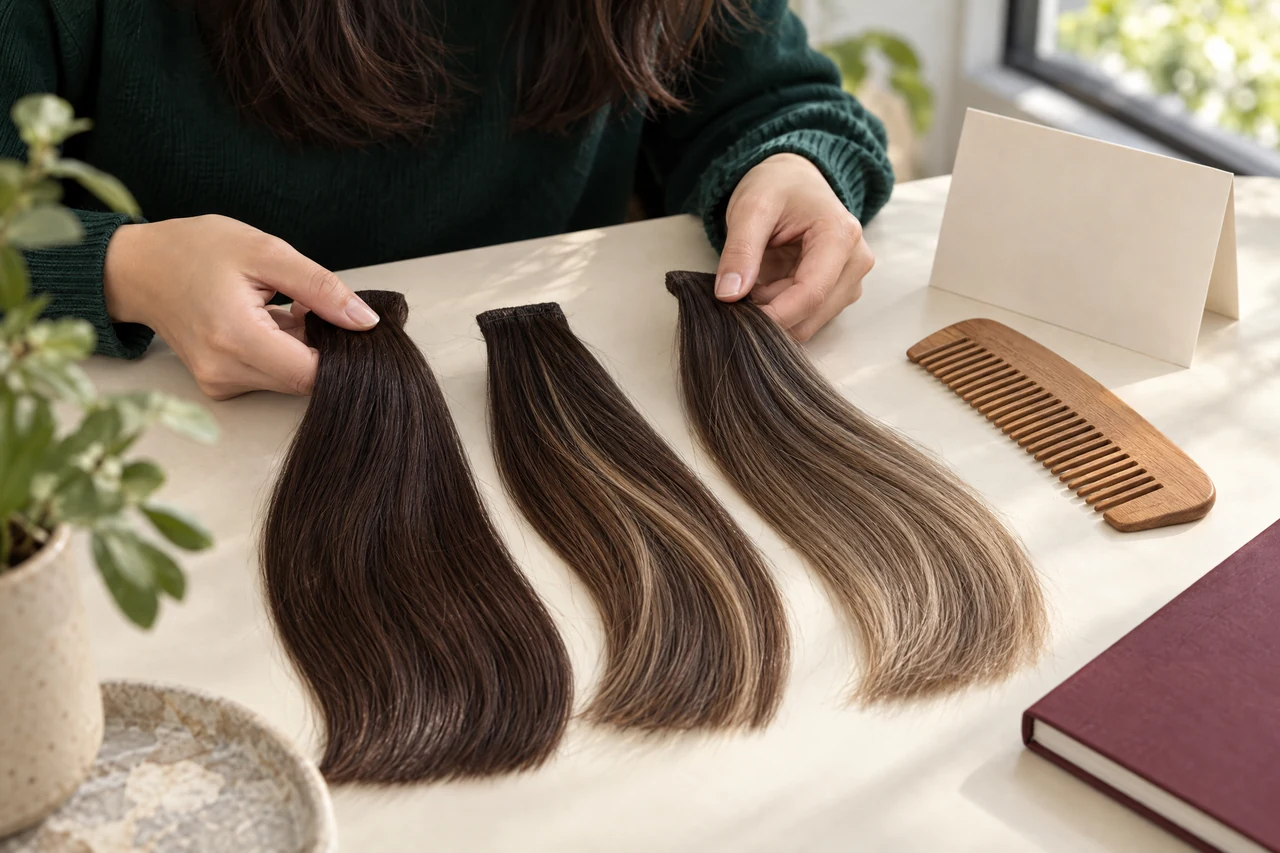
Choose the next review point by what you notice in daily life. A sharp white line at your usual parting may bother you before the ends need refreshing. A deliberately deeper root area may feel comfortable while the lighter lengths gradually become warmer. Describe how you normally wear your hair, including a centre part or tied-back style, because that determines which boundaries you see most often.
Keep a photograph of the agreed finish in ordinary daylight so you can distinguish later root growth from changes in the lengths. Ask for washing and care instructions appropriate to the products used. The American Academy of Dermatology notes that sunlight can weaken and fade hair, especially when it has been dyed, bleached or permed. If you spend substantial time outdoors, include sun exposure in the maintenance discussion.
A softer root transition is a design question, not a renamed retouch
A root shadow describes a deeper or softer-looking transition rather than simply replacing new growth with the previous colour. Consider whether you actually want a darker area to remain visible and how far down that depth should appear. It is a neutral design comparison here, not confirmation that a particular shadow technique is offered. Ask about availability and suitability before treating it as an alternative booking.

Compare colour scopes by the area and change requested
| Option to discuss | Main concern | What to clarify |
|---|---|---|
| Root-focused colour | New growth differs from lengths you still like | Target coverage and the application boundary; whether ends remain untouched |
| Full-head colour | The desired change extends through the lengths | Which areas need different treatment and which lighter pieces should stay visible |
| Tone adjustment | Existing colour has unwanted warmth or needs tonal refinement | Desired tone and acceptable depth; whether uneven areas need wider correction |
| Bleach-regrowth assessment | Natural roots meet previously lightened hair | Old processing boundary, fragile sections and any separate toning stage |
| Root-shadow discussion | A softer, deeper root transition is the visual goal | Availability, suitability and the amount of visible depth to preserve |
Your preparation checklist
- Photograph the hairline, usual parting and full back in similar daylight, with roots and ends visible together.
- Write down what should change at the roots and what should stay unchanged through the lengths, including existing highlights.
- Describe warmth, darkness and fading separately; bring a target reference rather than relying on a colour name.
- List previous tinting, bleaching and home products in sequence, with approximate dates and treatment areas where known.
- Mention fragile sections and any previous dye reaction; ask what product-specific checks are needed before the proposed service.
- Confirm the application areas, optional tone refresh, included services, total quote and time allowance before agreeing the visit.
Frequently asked questions
Is full-head colour always needed when roots appear?
No. If the lengths still meet your goal, a root-focused enquiry may be appropriate. Fading, uneven areas or a new target through the lengths should be discussed as separate needs.
Does root colouring automatically include a toner?
No. Check the listed scope and ask what is included. Toner is separately listed at HK$900; its suitability and whether it is needed should not be inferred from the root service name.
Root shadow vs root touch up: what is the difference?
A root shadow describes a softer or deeper-looking root transition; a root touch up concerns colouring new growth to an agreed goal. They are not interchangeable names. Confirm whether the specific shadow method is available and appropriate before planning it.
Clarify the colour areas without changing the lengths you like
Send Vit So current photographs showing roots and ends together, your colour history and the features you want to preserve. For your Sheung Wan visit, ask about the appropriate root, length or tone scope and confirm the quote and available time. An enquiry is not a confirmed booking.
Start your WhatsApp enquirySources & further reading
- Coloring and perming tips for healthier-looking hair
Potential dryness and brittleness after appearance-enhancing treatments, and sun-related weakening and fading of treated hair.
- Does Toner Damage Hair?
Tonal refinement compared with significant lightening, including the qualification that some products can produce subtle lift with a developer.
- Red Alert: How to Fix Hot Roots Fast
Professional recommendation to target regrowth precisely and avoid overlapping lightener onto previously lightened areas.



