






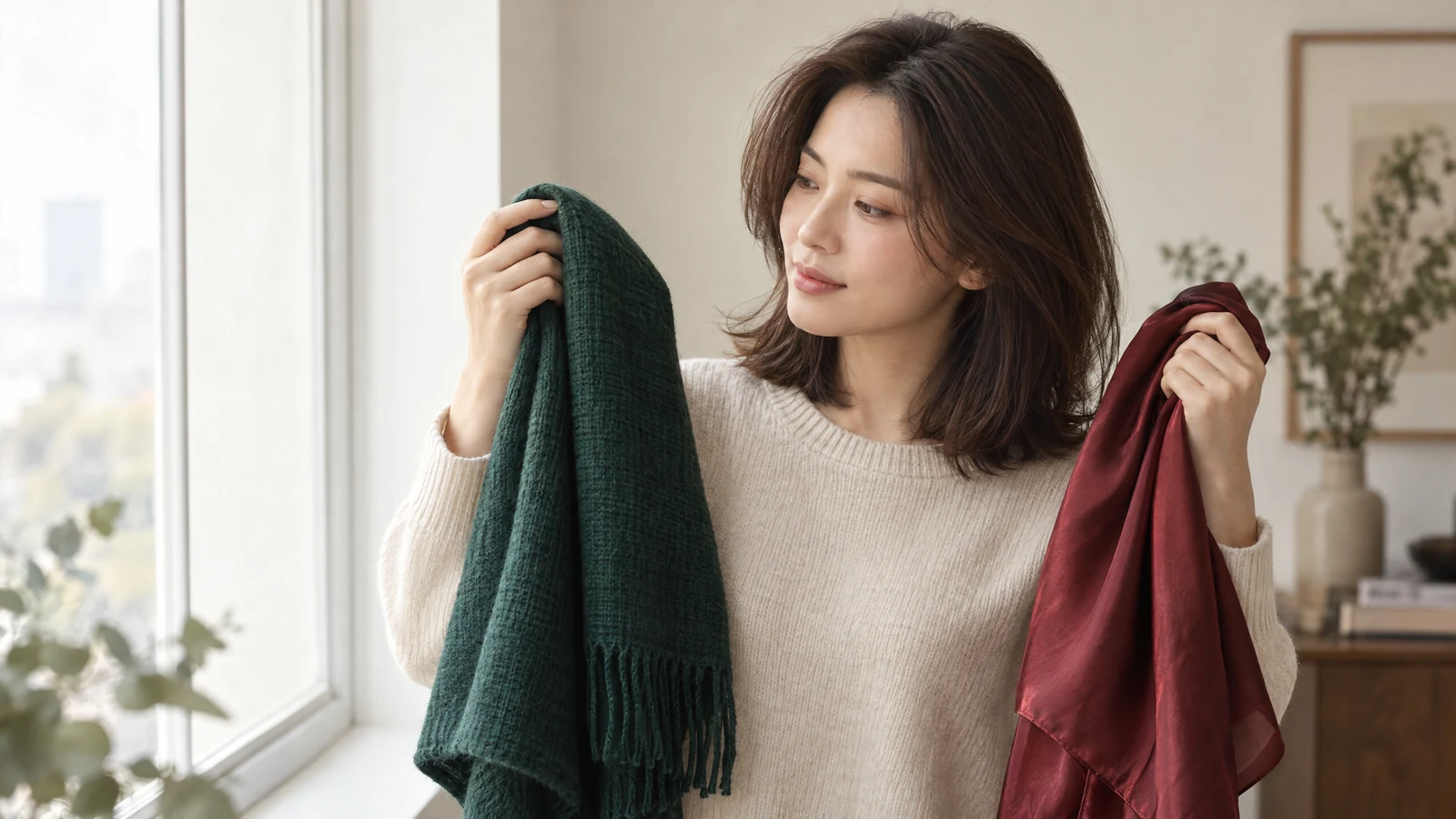
How to choose hair colour for my skin tone in consistent light
Look at your face and current hair in ordinary daylight, then compare references without strong filters or coloured lighting. A photograph can make both skin and hair appear warmer or cooler than they are. Keeping the viewing conditions similar gives you a clearer preference to discuss; it does not establish a permanent skin category or a guaranteed colour result.
Begin near a window with soft daylight rather than direct sun across your face. Keep your hair visible beside your cheeks, and start with a top you wear often. Observe the overall outline before examining individual shiny strands. If your hair looks almost black in the shaded part but golden where the window catches it, record both impressions. The bright reflection alone is not the whole colour.
The National Institute of Standards and Technology explanation of colour perception describes how lighting changes the appearance of object colours, including skin. For your shortlist, this means comparing references under similar conditions first, then looking at how your current hair appears under the indoor lighting you use every day.
Keep the original photograph when saving a reference. A cropped image of beautiful hair can hide a strong colour cast elsewhere in the picture. Look at the clothing and background as well as the face: if everything looks unusually orange, the hair may not be as warm as it seems. Ask for another view when a reference is available only in dramatic lighting.
Continue with haircut reference photos for that specific comparison and the preparation questions it raises.
How to choose hair colour for my skin tone without filters
A virtual colour preview can help you decide whether you enjoy a darker outline or a brighter area beside your face. Treat it as a rough design sketch, not a shade match. Compare alternatives using the same photograph and avoid smoothing or beauty effects that change the face at the same time. Write down what appeals to you: a softer boundary, a warmer reflection or a more noticeable colour change. These observations remain useful even when the preview itself is inaccurate.

Warm skin-tone labels are only a starting point
There is no single best hair colour for warm skin tones. Golden, reddish and more balanced browns can create different impressions at the same depth. Compare options alongside clothes and makeup you usually wear, then identify the reflection you enjoy. Preference and the amount of change you want are more useful than a universal rule about warm undertones.
If you describe your complexion as warm, begin with brown references of similar lightness. Compare a golden reflection with a reddish one and a less obviously warm option. This prevents a much lighter photograph from winning simply because it looks brighter. You might enjoy warmth in the lengths but want a deeper outline near your face; that is a placement preference, not a contradiction.
Avoid treating beige, tan or deeper skin as automatically warm. Surface lightness and the warm or cool impression you see are separate observations. Likewise, gold jewellery looking attractive to you does not oblige you to choose golden hair. Use jewellery or fabric as familiar styling references, rather than as a test that excludes other directions.
Continue with warm vs cool brown hair colour for that specific comparison and the preparation questions it raises.
Compare warmth rather than accepting a best-shade list
Describe the kind of warmth you want and the kind you would avoid. 'A brown that catches a little gold in daylight, without a strong copper effect' is more useful than 'the best colour for warm skin'. Alternatively, you may like a richer red-brown beside a burgundy shirt. Neither choice needs to make your complexion appear lighter to be successful. The goal can simply be a colour relationship you enjoy wearing.
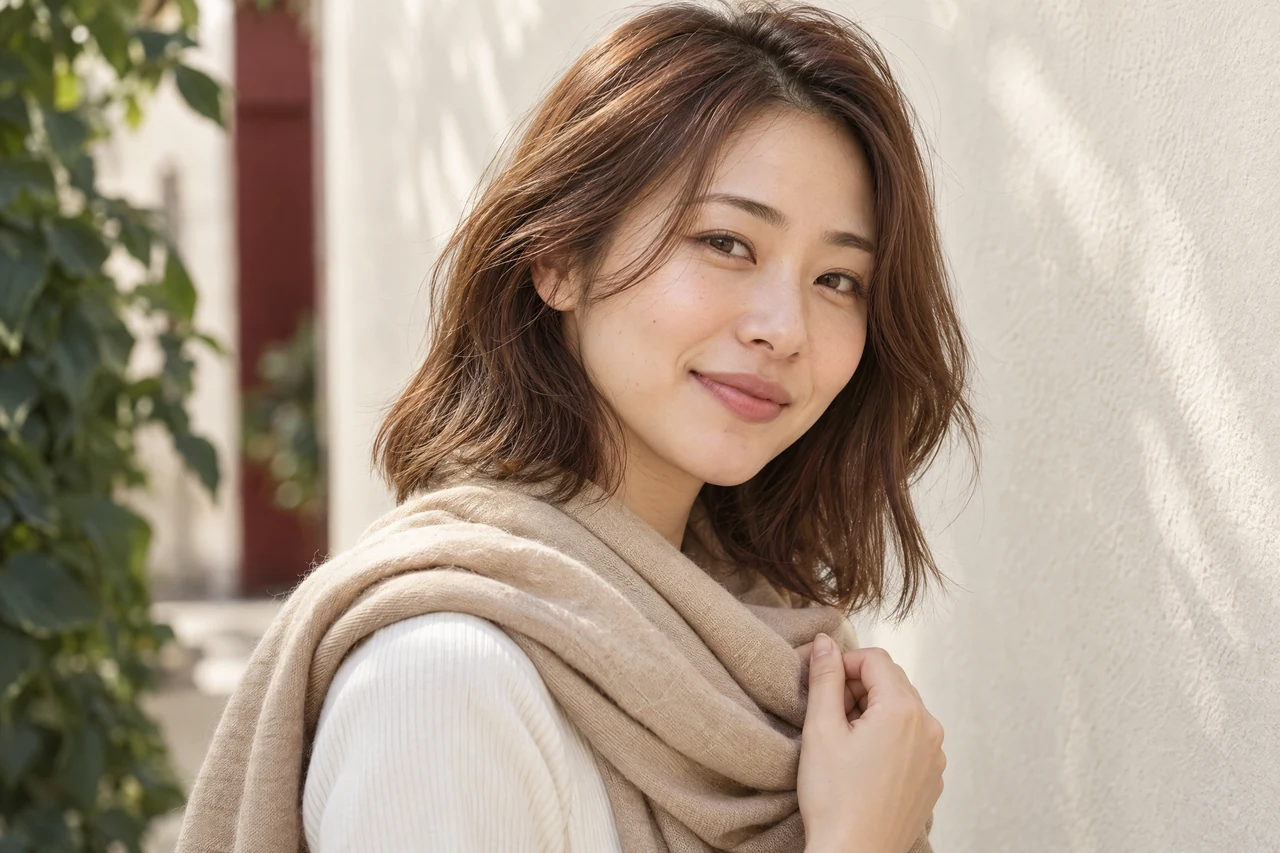
Cool skin-tone labels do not dictate one brown
The best brown hair colour for cool skin tones cannot be selected from an undertone label alone. A muted ash reference, a balanced beige brown and a richer warm brown may each appeal for different reasons. Compare their depth as well as their reflection, and avoid assuming that cool skin must always be paired with cool hair.
Depth describes how light or dark the hair looks overall; reflection describes the colour impression within that depth. A dark ash brown and a much lighter beige brown differ in both respects, so they are not a clean comparison of cool and balanced tone. First ask whether you prefer the darker frame. Then compare reflections at approximately that depth. This makes it easier to recognise which part of the reference you actually want.
Consider your eyebrows and the amount of hair beside your face. A deep fringe creates a different visual boundary from the same colour tucked behind the ears. Lighter lengths can also coexist with a darker face frame. If you like a photo with bright ends, check whether its appeal comes from those ends rather than from a lighter colour next to the cheeks.
Continue with brunette hair colour ideas for that specific comparison and the preparation questions it raises.
A cooler reflection and a darker base are different choices
When a reference feels too heavy, ask whether you dislike its darkness or its muted reflection. When it feels too warm, check whether the concern is visible red, gold or simply the photograph's lighting. You can favour a cooler reflection without asking for a darker result. Equally, you can keep a deep brown outline while enjoying some warmth. Separating these choices gives the stylist a clearer visual target than a skin-tone label alone.

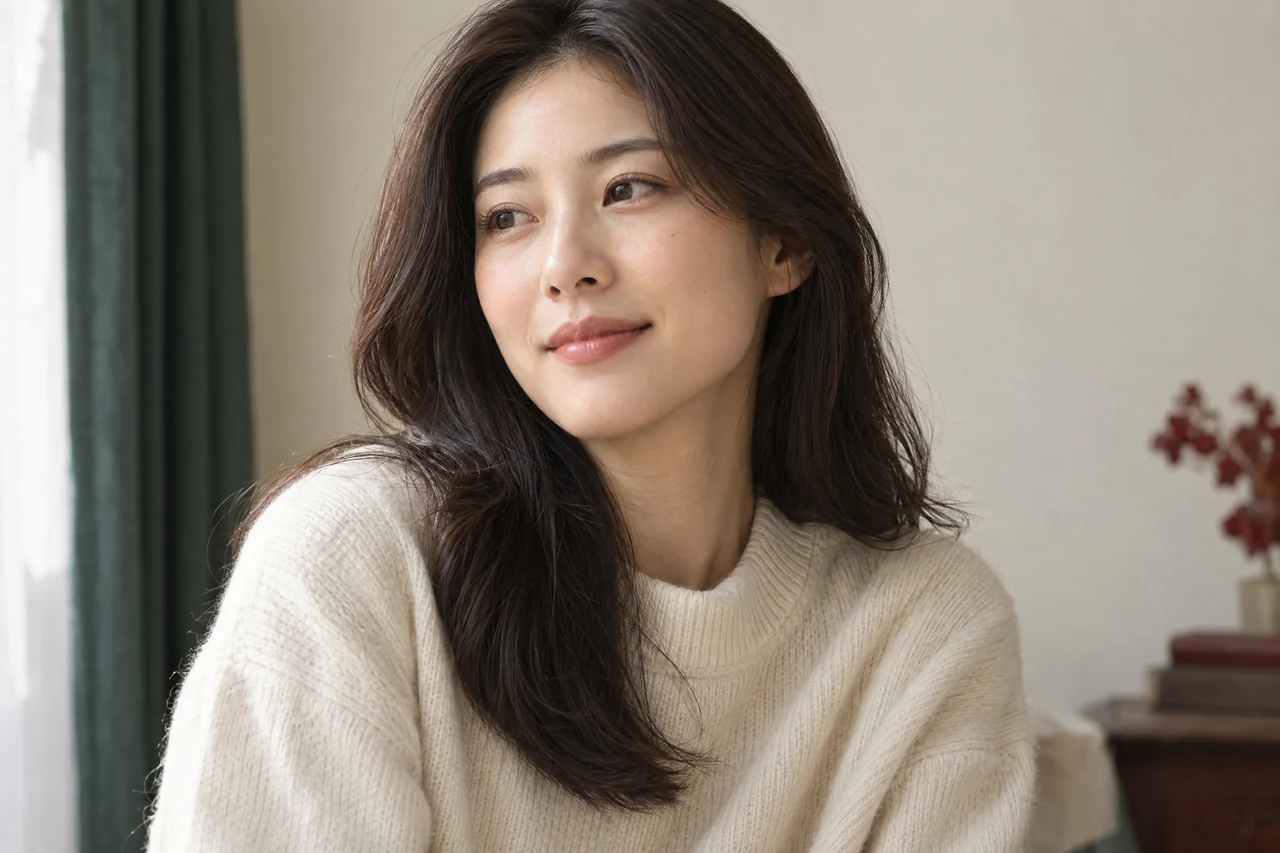
Turn the visual preference into a realistic enquiry
Say whether you want more contrast around the face, a softer overall look or a warmer reflection without much lightening. Include a reference you like and one that shows an effect you would avoid. The stylist still needs your existing colour history to assess the route; a flattering-looking photograph does not determine feasibility or promise a complexion change.
Send a clear view of your current roots and lengths alongside the inspiration. Mention previous permanent colour, bleach, henna, straightening or perming, including treatments still present in the ends. State whether your priority is keeping the current depth, reducing a visible warm reflection or introducing brightness. If those goals compete, identify the one that matters most rather than expecting a single shade name to resolve everything.
The American Academy of Dermatology's colouring guidance notes that colouring treatments can leave hair dry and brittle, and that lightening more than three shades requires higher peroxide volumes and causes more damage. This is a practical reason to discuss the scale of a change, not a formula for choosing hair against your skin tone.
Once the visual direction is clearer, explore hair colour to discuss the service scope, existing base and whether lightening is part of the proposed route.
Confirmed tinting prices are HK$800–HK$1,000. Treat that range as a starting point for discussing ordinary tinting, not a quote for reproducing a photograph that may involve separate lightening or toning. Ask which work is included and whether a length surcharge applies before agreeing to the service. A reference image communicates an intention; it does not establish the final price.
Explain contrast, brightness and what you want to keep
A useful enquiry might say: 'I want to keep a deep brown frame around my face, but I prefer a less red reflection in daylight. I do not want pale ends or a large change in overall lightness.' Adapt this wording to your own preference. Add your usual hairstyle, because wearing the hair forward or tied back changes what is visible beside the face. Ask the stylist to explain any difference between your preferred image and the realistic direction for your current hair.
Put the shortlist beside your everyday wardrobe
Compare your preferred direction with the colours you genuinely wear, not a collection of fabrics chosen only for an undertone test. A cream knit, dark green shirt or black jacket can each produce a different overall outfit impression. Keep the lighting and hairstyle similar while changing the clothing. Notice whether you prefer a coordinated look or a deliberate contrast. Either can be your aim; you do not need to replace your wardrobe to justify a hair colour.
Include your normal makeup routine. If you rarely wear lipstick or define your brows, assess the direction with that ordinary face rather than only a polished reference portrait. If you enjoy stronger makeup for evenings, keep that as a separate styling context. A colour can appeal in more than one way, and the daily version deserves as much attention as the special-occasion photograph.
Consider how comfortable you would be with new roots or a changing reflection between visits. For a shortlist that fits your routine, compare low maintenance brown hair colour alongside the initial look, rather than choosing solely from a freshly styled image.
Choose the look you will enjoy without extra styling
Make the final comparison with your hair arranged as you usually wear it. Glasses, a fringe and a ponytail can change the amount of colour framing the face. If you like a reference only when it is curled and swept back, ask what the design would look like with your everyday straight or tied-up finish. Choose a direction that supports your routine, unless you actively want to change that routine too.

Compare the colour feature you enjoy before attaching it to a skin-tone category
| Reference direction | What to compare near the face | Practical question to ask |
|---|---|---|
| Deep balanced brown | A defined dark outline without an obvious gold or red emphasis | Can I keep this depth while changing only the reflection? |
| Golden or chestnut direction | The warmth beside familiar clothing, at a similar depth to other references | Do I want subtle daylight warmth or a more visible warm colour? |
| Muted cooler brown | Whether the attraction is the reduced warmth or the darker overall appearance | How does this compare with my current base in ordinary indoor light? |
| Lighter brown around the face | The placement and amount of brightness, rather than a promised complexion effect | What lightening and maintenance would this require on my existing hair? |
| Deep frame with brighter lengths | Where the dark outline ends and the lighter areas begin | Will the brighter areas show in my usual fringe, parting or ponytail? |
Your preparation checklist
- Take an unfiltered photograph showing your face, current roots and lengths in soft daylight.
- Choose references with comparable lighting and mark the exact feature you like, such as depth or a golden reflection.
- Compare the shortlist with your normal clothing, makeup and glasses instead of relying on an undertone label.
- Identify what you want to keep and what you would avoid, including the amount of brightness beside your face.
- Prepare your colour and chemical-treatment history, then ask about feasibility, included work and ongoing upkeep.
Frequently asked questions
Will a particular colour make my skin look lighter?
No universal colour can promise that. Lighting, makeup, clothing and contrast affect perception. Describe the impression you like without treating hair colour as a skin-lightening result.
Must warm skin have warm hair colour?
No. Undertone descriptions are optional comparison tools, not rules. A contrasting or balanced direction may suit your own preference better than a matching label.
What if I cannot identify my undertone?
You can still compare depth and reflection under similar light. Bring photographs that show your likes and dislikes rather than forcing yourself into a category before discussing colour.
Should I change my makeup before choosing a hair colour?
Start with the makeup you already enjoy wearing. If a reference relies on a very different makeup look, decide whether you want that additional change. You can also compare the direction with your usual minimal-makeup face so that the daily appearance is part of the decision.
Bring a colour preference, not a complexion rule
Share your current hair photographs, preferred references and the contrast you want with Vit So in Sheung Wan. Include your colour history and what you want to preserve so the enquiry can focus on a realistic direction. Service details, pricing and availability need confirmation; an enquiry is not a confirmed booking.
Start your WhatsApp enquirySources & further reading
- The Eye of the Beholder: How Lighting Affects Our Color Perception
How lighting influences the appearance of object colours and skin, supporting consistent viewing conditions for comparisons.
- Coloring and perming tips for healthier-looking hair
General advice on dryness and brittleness from colouring, and the damage trade-off involved in larger lightening changes.



