






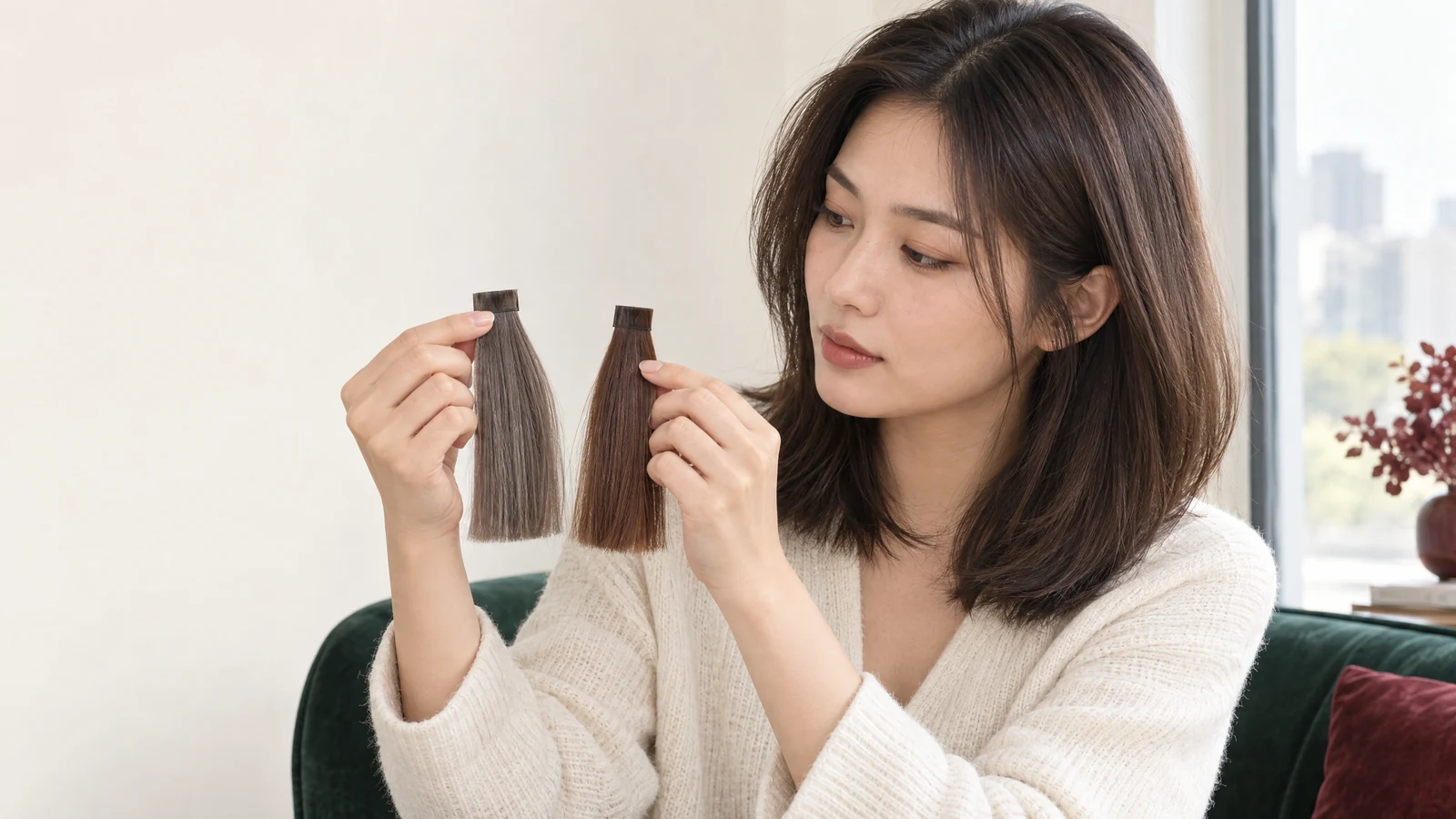
First time hair colouring starts with a manageable goal
Decide whether you want a small reflection change, a different overall depth or a much more visible colour. Note the features you want to keep, such as a dark base, and changes you would not accept, such as bleaching. You do not need to identify a formula before asking whether the idea is realistic for your hair.
Begin with the moment in which you want to notice the difference. Perhaps you want your hair to look softer beside your face in daylight while remaining dark in an office. Alternatively, you may want a clearly lighter overall appearance. Those are different goals even when both reference pictures are labelled brown. Explain which setting matters most rather than expecting a colour name to communicate everything.
Separate firm limits from preferences. Keeping most of your dark base might be a preference; declining bleach might be a firm limit. If your preferred photograph conflicts with that limit, ask for the closest feasible direction within it. You can also decide that a modest change is not worthwhile and postpone colouring. The purpose of the first discussion is to find an option you actually want, not to make any change simply because you enquired.
Review hair colour to check its service scope and the details to share before arranging the related work.
First time hair colouring without committing to a formula
Describe the outcome before choosing the method: 'I would like a visible brown reflection but want the overall depth to remain dark.' Ask whether the starting colour and condition allow that direction, and whether the proposal changes the whole head or selected areas. A small visible change does not automatically mean a temporary product or an easy return to your original colour; ask about both before agreeing.
Describe the colour in ordinary language
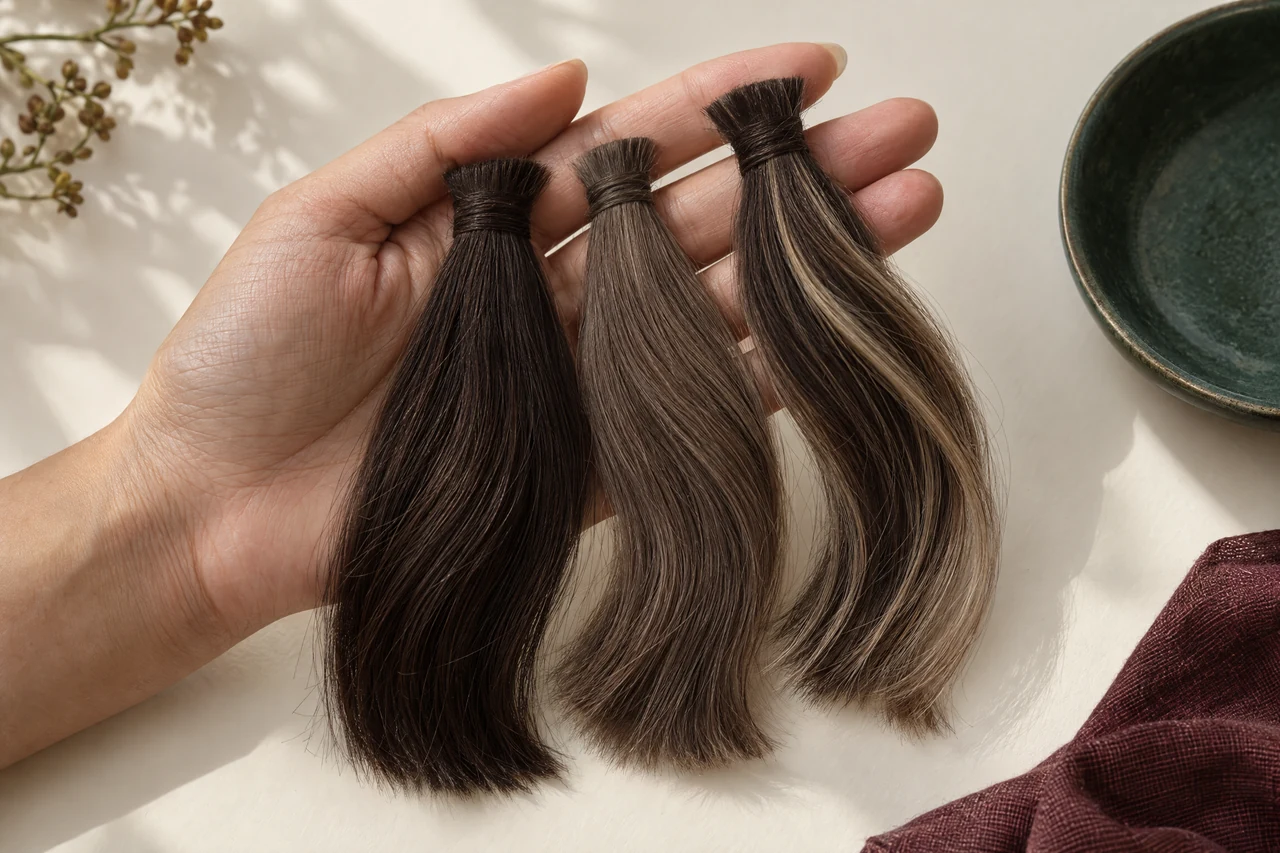
If you are unsure how to describe hair colour to a hairdresser, start with darker or lighter, warmer or cooler, and subtle or noticeable. Explain the feature you like in each reference rather than requesting the whole photograph unchanged. Mention the look you want at work or in everyday light so the goal is more specific than simply 'brown'.
Depth describes how dark or light the overall hair looks. Warmth describes the impression of golden, reddish or cooler reflections. Visibility describes how strongly the change stands out against your base. You might like the cool impression in a picture but dislike its pale ends. Say that explicitly, so the hairdresser can consider the tone preference without treating the photographed brightness as part of your request.
Placement matters too. Point out whether you like colour throughout the lengths, only around the face or underneath a darker surface. Mention your usual parting and whether you wear your hair tied back. An underside detail that looks discreet with loose hair may become more visible in a ponytail. This is a useful question even if you have not decided between an overall colour and selected lighter strands.
Continue with haircut reference photos for that specific comparison and the preparation questions it raises.
Depth, warmth and visibility are separate details
Keep your explanation attached to features rather than trend names. You could say, 'I like the brown depth here, but I would prefer less red and no bright front pieces.' Compare your current hair in ordinary indoor light and indirect daylight without filters. Reference photographs communicate preferences; they do not establish how the same colour will appear on your hair.
Bring a useful history to the first discussion
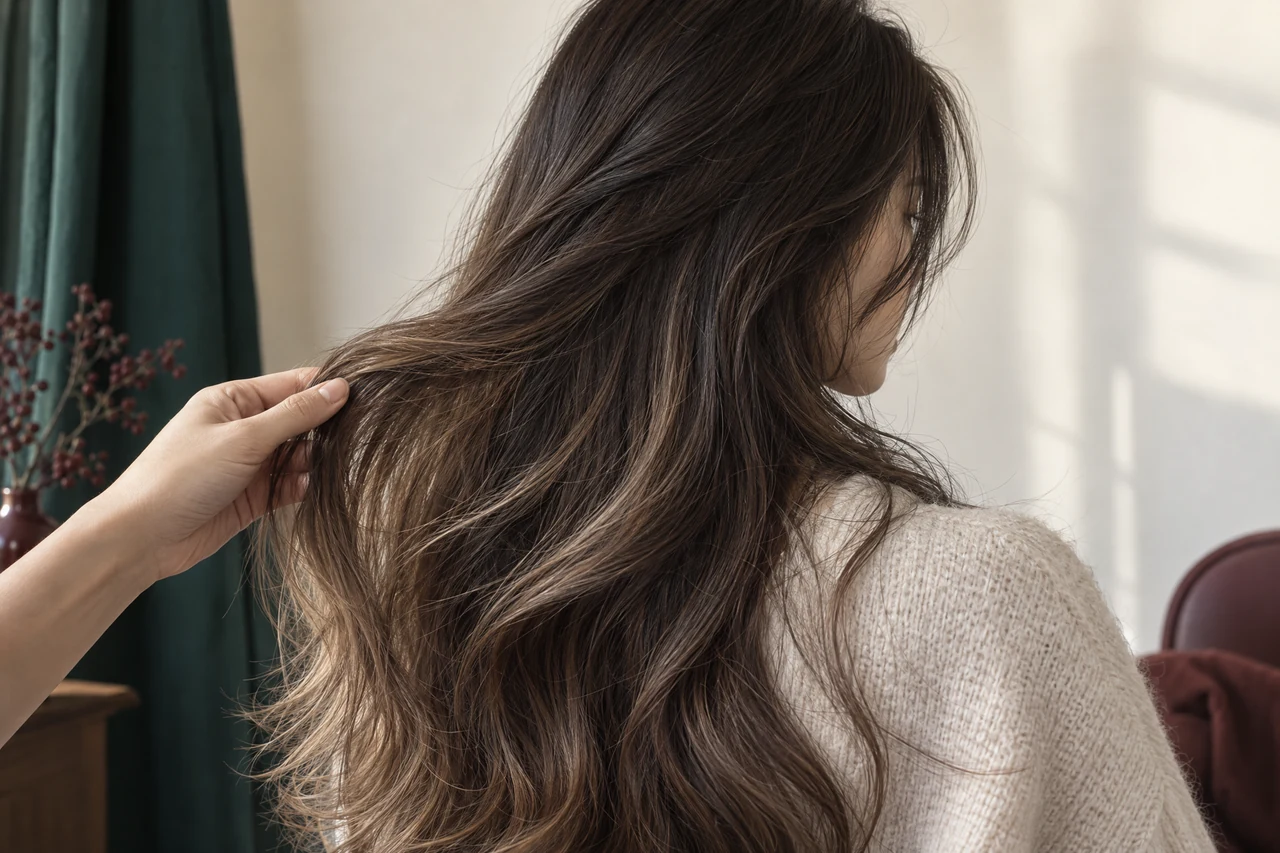
For a first hair colour consultation, share any home dye, previous lightening, perms or straightening, even if this is your first salon colour appointment. Include approximate dates and the areas involved. Photos help introduce the discussion but cannot fully reveal condition or every product used, so do not treat a message-based exchange as a complete assessment.
Write the history from the most recent treatment backwards. Note whether a home product was applied to the roots, the ends or all over. Include colour shampoos and products described as henna or plant-based, with packaging photographs if available. If you cannot remember the product, say so instead of guessing. A dark-looking length is not proof that it has never been lightened or chemically treated.
Photograph the roots, middle lengths and ends clearly, and explain any differences you notice in dryness, tangling or breakage. These observations help frame questions; they are not a home diagnosis of suitability. If you have used straightening or perm products, ask how that history affects the proposed colour work and whether an in-person assessment or further information is needed before deciding.
Keep previous reactions separate from colour preferences. The FDA's Hair Dyes guidance explains that black henna exposure can increase hair-dye allergy risk and advises against dyeing an irritated, sunburned or damaged scalp. Tell the salon about past reactions and current irritation before arranging treatment. If a reaction has occurred, seek advice from a healthcare professional rather than choosing another colour product by trial and error.
A first hair colour consultation still needs treatment details
'First salon colour' describes your appointment history, not necessarily your hair history. If you truly have never used colour or lightener, say that, then mention any other chemical treatments. Separate what you know from what you cannot confirm. Clear uncertainty is more useful than presenting your hair as untreated when you are unsure.
Ask about scope before confirming the appointment
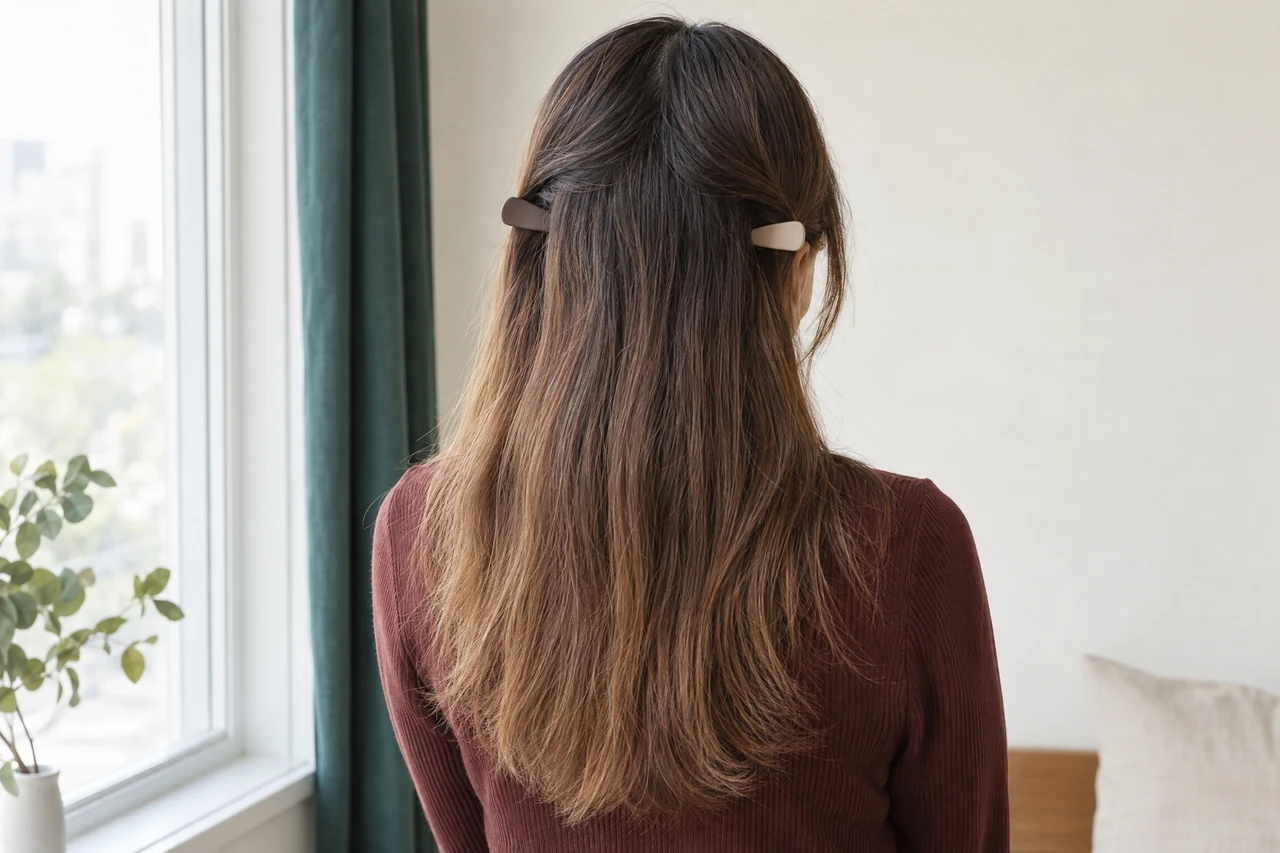
Ask which steps are proposed, what preparation is needed and which finishing or care items are included in the quote. If spoken English or another language is important to you, ask whether that communication can be accommodated before confirming. An English website does not establish spoken-language availability, and no free consultation or specific test interval is implied here.
Ask whether the proposal involves tinting alone, separate lightening or additional tone work. Request an explanation of which areas will be treated and what difference you should expect between roots and lengths. If an assessment suggests a different scope, agree on the revised work and price before proceeding. Do not assume that a photographed result falls within the basic tinting service.
Tinting is listed at HK$800–HK$1,000. Use the hair salon price list as your starting point, then ask for the quote that matches your intended work. Confirm whether a cut, finishing and protective care are included or separate. Ask whether a hair-length surcharge applies and what would require an additional quote. Budget for the first visit and the upkeep you would realistically choose, rather than treating the initial colour charge as the entire commitment.
If you are looking for an english-speaking hair salon, confirm spoken-language arrangements for the actual visit and whether written notes can assist. Share your firm limits in advance and ask for an explanation you understand before agreeing to the colour process.
Check preparation, care, communication and the quote
Ask what product-specific precautions or testing arrangements apply and when they must be completed. The FDA advises following label instructions, including skin testing before each use, and notes that a negative skin test cannot rule out a later reaction. This does not establish a Vit So testing timetable. Confirm washing and preparation instructions directly instead of following a generic rule about arriving with clean or unwashed hair.

Choose a change you can care for afterwards
Ask how the proposed colour may look as the tone changes and natural roots grow. Discuss which changes would justify a follow-up and whether you are comfortable leaving the colour to grow out. A shade you like on appointment day is only part of the decision; the appearance between visits matters just as much if your schedule or budget limits regular maintenance.
The American Academy of Dermatology's colouring and perming tips explain that these treatments can leave hair dry and brittle, and that larger lightening changes can involve more damage. Its guidance also notes that sun exposure can weaken and fade treated hair. Use this as a reason to discuss the extent of change and everyday protection, not as a promise that a particular shade will be damage-free.
Mention frequent swimming, outdoor time and your usual heat styling. Ask for a practical cleansing and conditioning routine, first-wash instructions for the actual service and advice on any products you already own. Do not buy a full set of new products simply because you are colouring for the first time; first understand what each suggested item is meant to do.
Plan for your normal week, not only the salon finish
If you normally leave your hair straight or air-dried, ask to discuss the colour in that everyday presentation. A curled reference can make lighter strands appear more separated than they do in straight hair. Explain the amount of styling you are willing to do so that placement and contrast are considered alongside your routine.

Turn your notes into a focused enquiry
Prepare a short message with your current length, treatment history, preferred depth and warmth, and any non-negotiable limits. Add clear current photographs and explain the feature you like in your reference. Include your budget and possible dates, then ask what can be discussed remotely and what requires an assessment. You do not need to send a technical colour formula.
Use book a hair appointment to send the intended work and possible dates; wait for confirmation before travelling.
Before making plans around a visit to Sheung Wan, check the agreed service, consultation arrangement and expected appointment window. Mention any fixed departure time rather than assuming the process will fit around it. If your aim remains unclear after the exchange, ask another specific question before agreeing. A narrower, understandable colour goal is a better basis for your first appointment than a broad request to make your hair look different.
Make the final choice with your limits still visible
Keep the preparation checklist below beside the proposal. Check that the suggested brightness, placement and care fit your original priorities. If achieving the picture would require work you have ruled out, ask for a revised direction rather than quietly abandoning your limit.
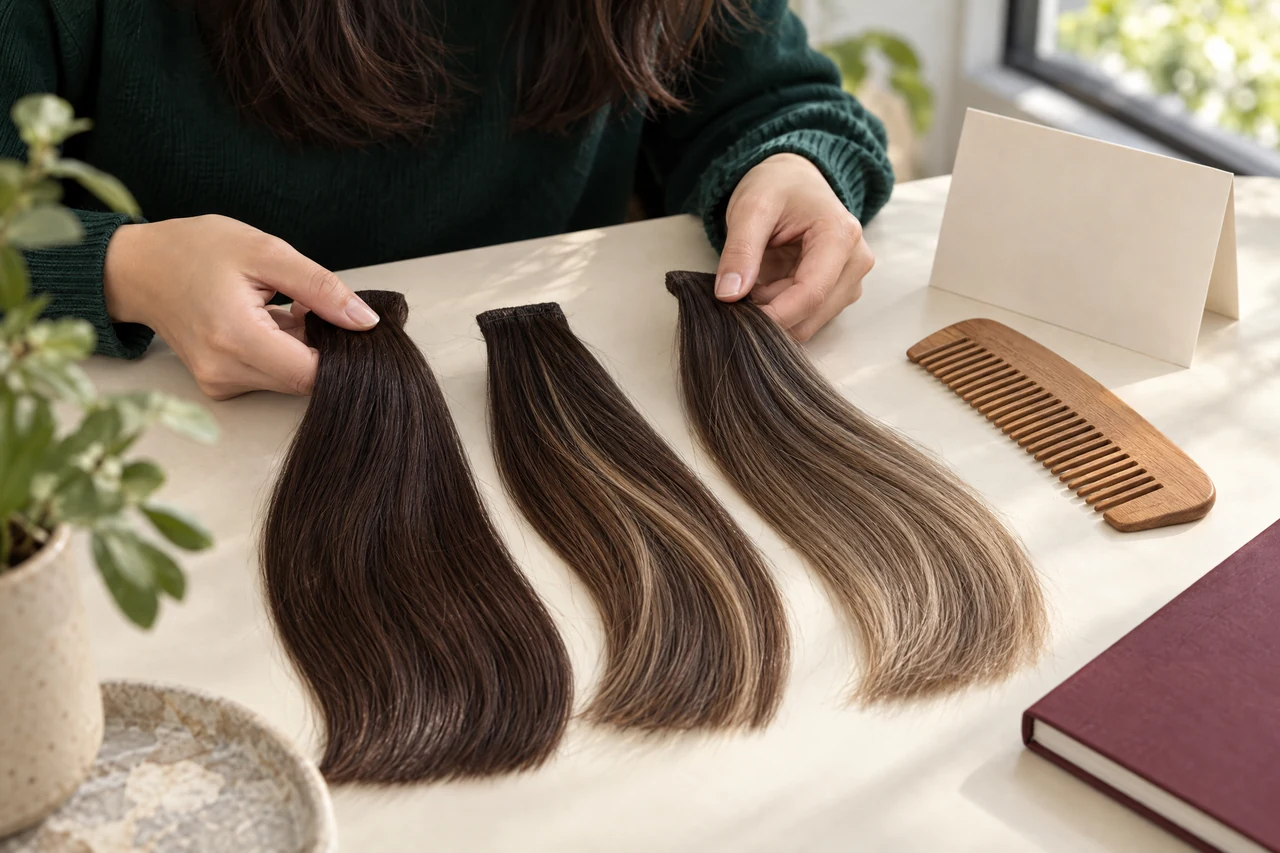
Ways to describe your first colour goal before choosing the process
| Direction | What to explain | Question before deciding |
|---|---|---|
| A subtle reflection change | Keep the overall dark impression; identify the warmth you prefer. | How noticeable could it be indoors and in daylight? |
| A different overall depth | Explain whether the whole head should look lighter or darker. | Which steps would be needed from my current base? |
| Selected brighter areas | Point to the intended placement and say how you wear your hair. | What would show when my hair is tied back? |
| A much lighter appearance | State your acceptable lightening limits and upkeep budget. | Is this feasible for my history and condition, and what are the alternatives? |
Your preparation checklist
- Write your preferred depth, warmth and level of visibility in ordinary language.
- Separate firm limits, such as declining bleach, from flexible preferences.
- Gather current photographs, treatment dates and any available product packaging.
- Disclose previous reactions and current scalp concerns before arranging colour work.
- Confirm the proposed steps, preparation, testing arrangements and itemised scope of the quote.
- Check everyday care, communication arrangements and appointment confirmation before travelling.
Frequently asked questions
Do I need to know the exact shade before enquiring?
No. A depth preference, warm or cool direction and your limits are enough to begin a useful discussion. Bring examples and ask what can realistically be assessed.
Does first salon colour mean my hair has no colour history?
No. Home dye and other chemical treatments still matter. Share them even if you have not previously had salon colouring.
Is a consultation automatically free or conducted in English?
Neither is established by this guide. Ask about the consultation arrangement, any fee, preparation requirements and communication language before agreeing to an appointment.
Can I ask for a change without agreeing to bleach?
Yes. Make that limit clear at the start and ask what direction is feasible within it. A lighter-looking reference does not establish a no-bleach result on your base. You can choose a different goal or postpone colouring if the available options do not appeal to you.
What if I cannot remember a home colour product?
Give the approximate date, the areas treated and anything you can confirm. Bring packaging or an old photograph if available, but do not guess the ingredients. Ask whether that missing information affects the assessment or proposed work.
Start your first colour enquiry with a goal you can explain
Send Vit So your current hair photographs, treatment history, preferred colour direction and firm limits. Include your budget, possible dates and communication needs so you can ask about a suitable scope before deciding. An enquiry is not a confirmed booking; wait for the appointment details before planning your visit to Sheung Wan.
Start your WhatsApp enquirySources & further reading
- Hair Dyes
Product instructions, skin-test limitations, previous black henna exposure, scalp irritation and disclosure of reactions.
- Coloring and perming tips for healthier-looking hair
Dryness and brittleness from chemical treatments, the trade-off of larger lightening changes and sun protection for treated hair.



